Jessica Miller
Jessica Miller Facebook ad: “Hair Loss & GLP-1”
Ran for 21 days, from March 25 to April 15, 2026, the last day Crush saw it.
Run by Jessica Miller on Facebook. Crush is not the advertiser and does not verify its claims. See this ad in Meta's Ad Library(opens in a new tab)
Want an ad like this for your product?
Crush makes new ad images for your product from this ad: your logo, your product photo, your offer.
Trials from $19.95 USD, then $79.95 USD a month. Cancel anytime.
About this ad
- Meta Ad Library ID
- 934821229395111
- Platforms
- Facebook, Instagram, Audience Network, Messenger and Threads
- Relaunches
- 0
- Niche
- Hair Care
Ad text
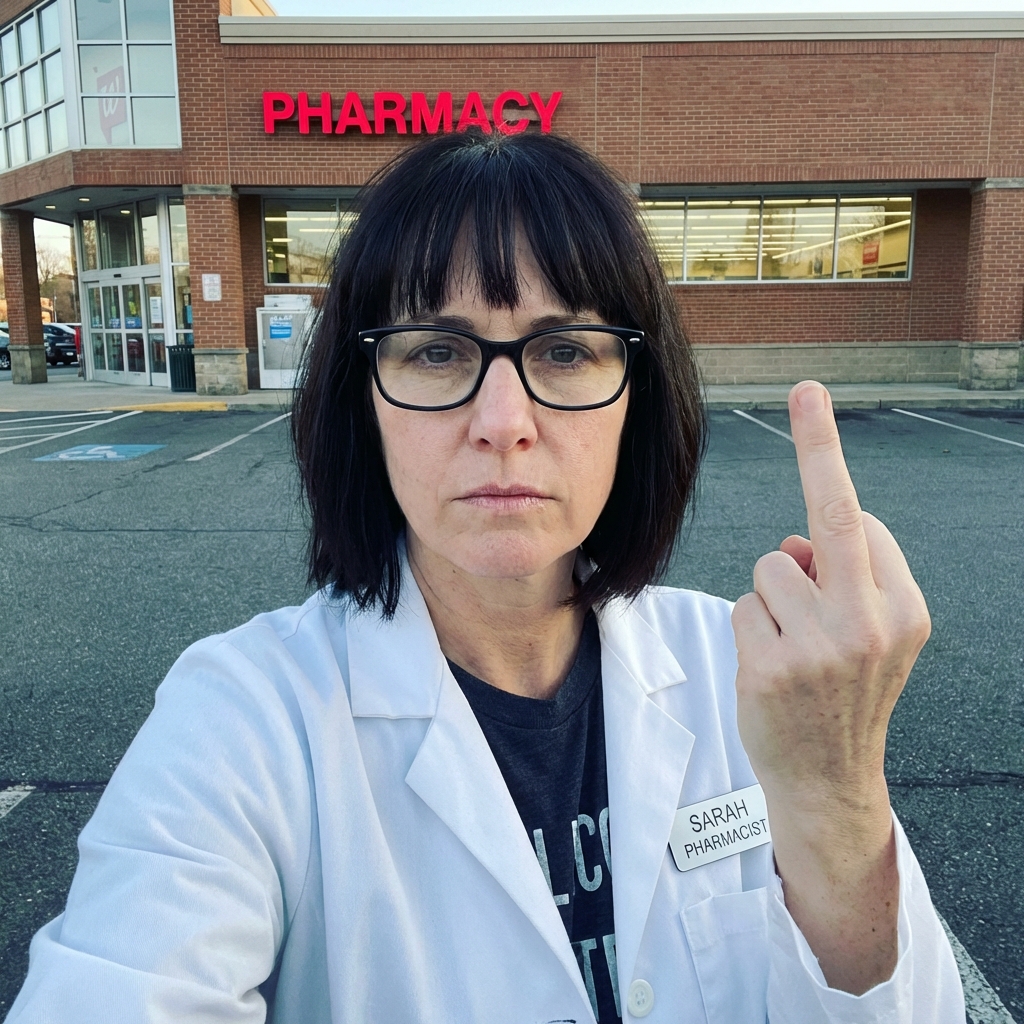
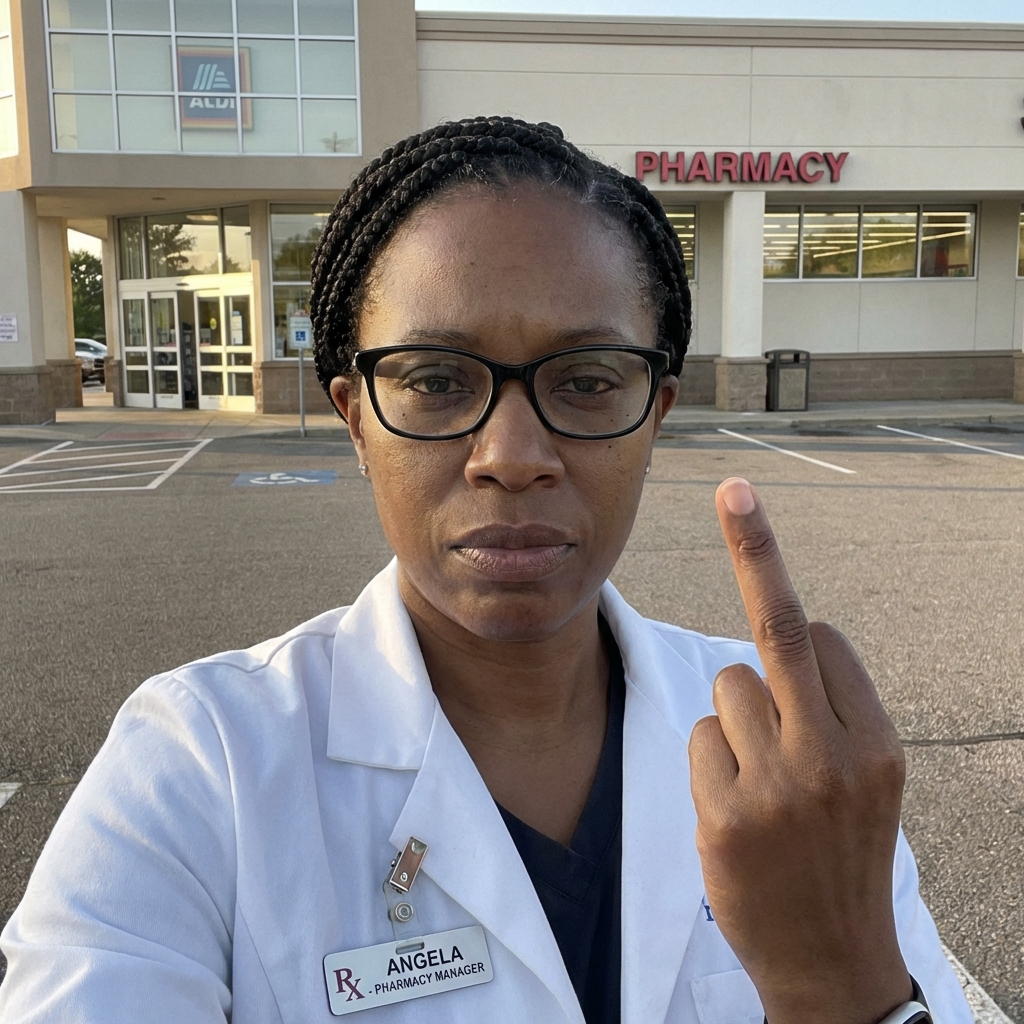
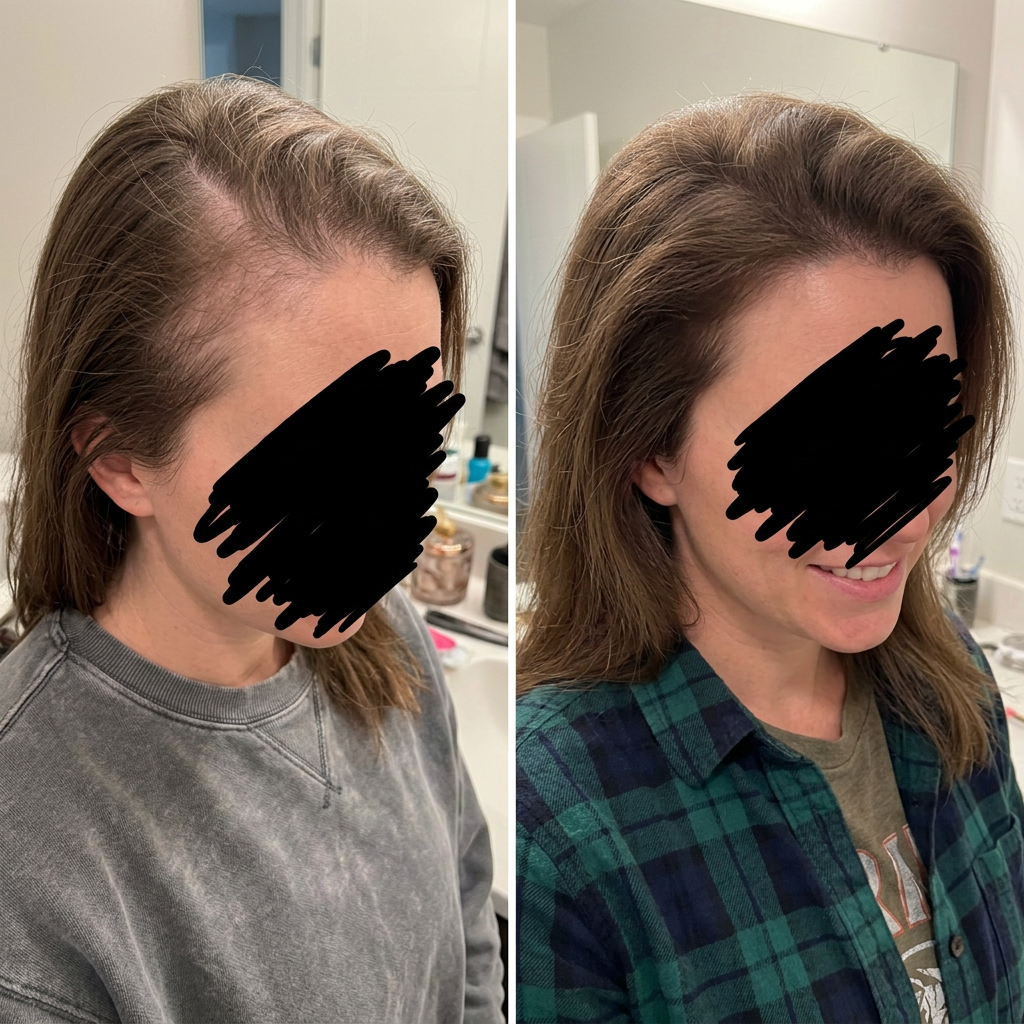
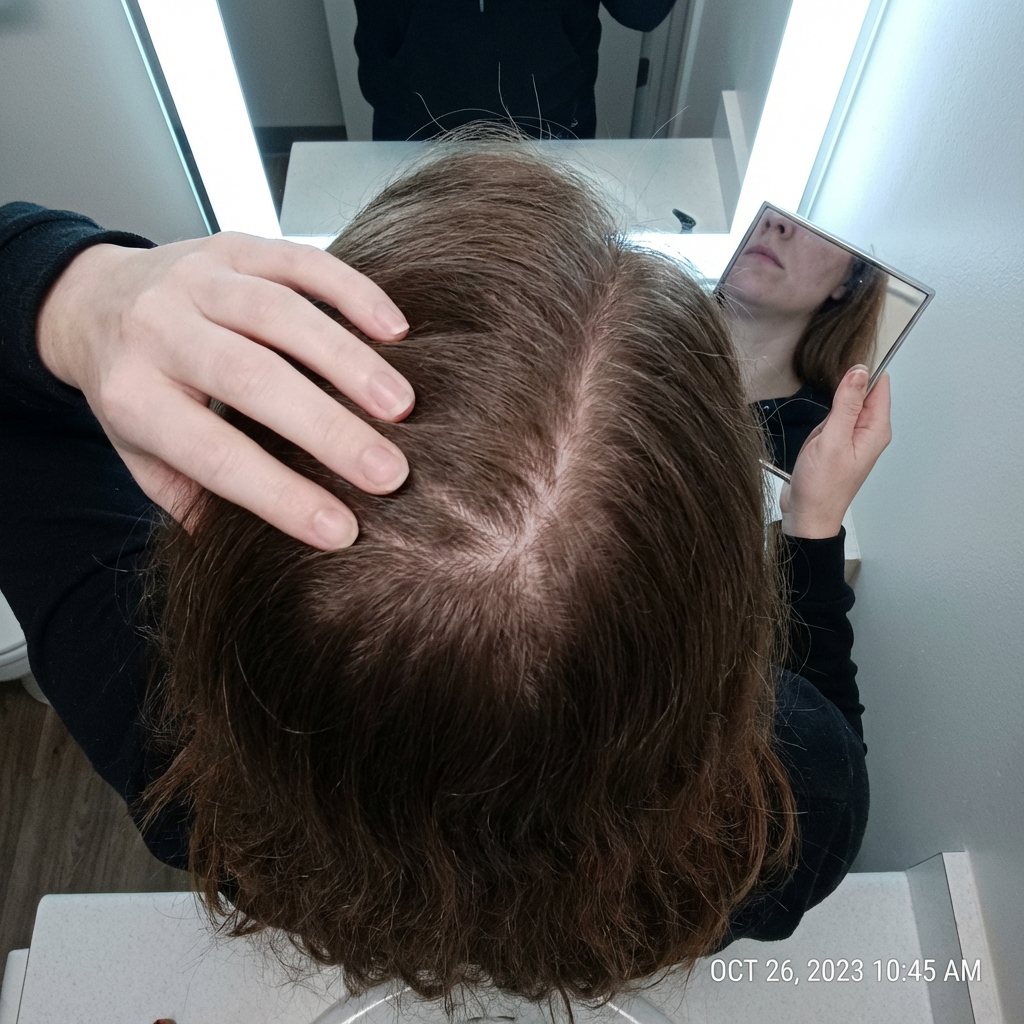
I fill GLP-1 prescriptions all day long. Mounjaro. Zepbound. Wegovy. Ozempic. I've dispensed thousands of them in the last two years. And I'm losing my hair from one of them. I need you to sit with that for a second. I'm a certified pharmacy technician. Fourteen years. I've worked retail pharmacy, hospital pharmacy, and compounding. I read clinical inserts for a living. I know drug interactions, contraindications, side effect profiles. I counsel patients on what to expect. I say that not to impress you but because it matters for what I'm about to tell you. If ANYONE should have seen this coming, it was me. I didn't. I started Mounjaro last September. My pharmacist — my coworker, a woman I've worked beside for six years — filled the prescription herself. She winked at me and said "welcome to the club." By December I was down 34 pounds. I felt incredible. My scrubs were swimming on me. Patients I see every week were complimenting me. For the first time in a long time, I felt like I was winning. Then January hit. I was in the shower on a Sunday morning and pulled my hands through my hair like I always do. What came out wasn't normal. It wasn't a few strands. It was a clump. A real, visible clump sitting in my palm. I stood there staring at it with the water running. Part of my brain — the pharmacy brain — said: "Telogen effluvium. Rapid weight loss. Temporary. Expected." The other part of my brain — the woman part — said: "That is way too much hair." The pharmacy brain won. For a while. I told myself it was textbook. Rapid weight loss triggers a shift in the hair cycle. Increased shedding for a few months. Resolves on its own. I'd explained this exact thing to patients before. I wasn't worried. But the shedding didn't slow down. February. Worse. March. Worse. Every single day, my brush was full. My drain was clogged. My part was widening. I started seeing scalp under the fluorescent lights at work — the same lights I stand under for nine hours a day. I started wearing my hair differently. Clips to add volume. Strategic parting. A headband on bad days. Nobody at work said anything. But I knew. So I did what I always do — I went clinical. I got bloodwork done. Full panel. Ferritin. Thyroid. B12. Vitamin D. Iron. Zinc. The works. Everything came back normal. My doctor — who I've referred hundreds of patients to — looked at my results and said: "Labs look great. It's probably just the weight loss. Give it time." I nodded. Because that's what I would have told a patient too. But here's what was eating at me: I'd lost weight before. In my 30s. Through calorie restriction and cardio. Lost 28 pounds in four months. Not a single strand fell out. Now I was eating 95 grams of protein a day. Losing 1 pound a week. Taking biotin, collagen, and a multivitamin. Doing everything by the book. And my hair was falling out faster than ever. The telogen effluvium explanation stopped making sense to me. Not emotionally — clinically. The timeline was wrong. The severity didn't match the rate of loss. The interventions weren't working. In pharmacy, when a treatment fails across multiple attempts, we don't keep prescribing the same thing. We reassess. We ask: are we treating the right condition? So one night in April — 1 AM, couldn't sleep, hair anxiety keeping me up again — I sat down at my kitchen table and did something I should have done months earlier. I stopped googling "best supplement for hair loss." I started searching clinical databases. The kind I use at work. PubMed. Published research on GLP-1 receptor agonists and cellular signaling. And that's when I found what I'd been missing. Study after study. Right there. Published. Peer-reviewed. GLP-1 receptor agonists suppress mTOR signaling. I knew what mTOR was. I learned about it in pharmacology. It's the master regulator of cell growth and protein synthesis. The switch that tells your cells: build. Repair. Grow. What I did NOT know — what I had never connected — was that the medication I was taking was directly suppressing that switch. Not as a byproduct of weight loss. Not because of calorie restriction. The drug itself. At a molecular level. Suppresses the signal your cells need to grow. And hair follicles? They're among the most growth-dependent cells in your body. When mTOR goes quiet, they're one of the first things to shut down. I sat back in my chair and stared at the ceiling. Then I did something I should have done five months ago. I pulled up every supplement I'd taken — the biotin, the collagen, the multivitamin, the keratin complex — and I looked at what they actually do at a cellular level. Every single one provides building materials. Not a single one reactivates a suppressed growth signal. I felt sick. Because in pharmacy, we know this principle: you stabilize the system before you treat the symptom. You restore the signal before you deliver the payload. You turn the machine on before you feed it raw materials. First year stuff. And every supplement I'd taken — every supplement I'd recommended to patients with a confident smile — skipped straight to materials while the signal was still off. It's like filling a prescription for a patient whose IV line is clamped. The medication is right. The dose is right. But nothing is getting through because the delivery system is shut down. You don't increase the dose. You unclamp the line. My hair follicles had a clamped line. The growth signal was suppressed. And I kept increasing the dose of materials that had nowhere to go. I stayed up until 3 AM reading everything I could find on mTOR reactivation. That's when I found research on L-Leucine. In pharmacology, L-Leucine is known as the most potent amino acid activator of mTORC1 — the specific complex responsible for protein synthesis and cell growth. It doesn't just provide nutrition. It triggers the signaling cascade itself. It's the molecular key that can restart the switch. This wasn't some random supplement ingredient. This was a mechanism I recognized from my training. It made pharmacological sense. I started looking for a formulation built around this concept. Not another hair vitamin that throws biotin and collagen at a problem they can't solve. Something designed for women on GLP-1 medications whose growth signal has been suppressed. That's when I found Hair Priority Complex by Keravive. I looked at the formula the way I look at every medication that crosses my counter. Ingredient by ingredient. Dose by dose. Mechanism by mechanism. L-Leucine at 1,500mg — direct mTOR activator. The signal restarter. The one ingredient that actually addresses what's happening at the cellular level. Nothing else I'd taken even attempted this. Hydrolyzed Keratin Peptides at 300mg — pre-digested protein. This matters because GLP-1 medications cause delayed gastric emptying. Standard protein sits in your stomach. Hydrolyzed peptides bypass that bottleneck. I'd dispensed enough GLP-1 scripts to know this was a real problem — and a smart solve. L-Cysteine at 200mg — the rate-limiting amino acid for keratin synthesis. Your hair literally cannot build strands without it. Delivered in free-form for direct absorption. Iron Bisglycinate at 18mg — chelated iron that absorbs 2-4x better than standard ferrous sulfate, without the GI distress. Targets the 60-70 ng/mL ferritin threshold that's optimal for hair, not the "normal" range doctors wave off. Vitamin C at 75mg — converts ferric iron to ferrous form for actual absorption. Most people don't know their iron supplement is barely getting used without this. Zinc Bisglycinate at 15mg — required for 300+ enzymatic reactions including the protein synthesis hair follicles need to execute once the signal is restored. Biotin at 5,000mcg and Vitamin D at 2,000 IU — supporting cofactors for energy metabolism and follicle cycling. The logic was flawless. Signal first — L-Leucine reactivates mTOR. Then materials — in bioavailable forms designed for GLP-1 users specifically. In the right order. At real doses. For the first time in five months, something made pharmacological sense. I ordered it that night. Here's my observation log. Because yes, I kept one. Fourteen years in pharmacy. I can't help it. Week 1 — No observable change. Expected. Any legitimate compound needs time to build to therapeutic levels. This is how real interventions work. Week 2 — Possible reduction in shedding during brushing. Too early to confirm. Noted but not counted. Week 3 — Measurable change. I'd been counting strands in my brush daily since January. Average before: 70-90 per session. Week 4 average: 25-35. That's a statistically significant reduction. Not placebo. Not wishful thinking. Data. Week 5 — Examined my part line under the same pharmacy-grade lighting I use every week for comparison photos. Visibly narrower. Side-by-side with week 1 photo — unmistakable difference. Week 6 — New growth confirmed. Baby hairs along my hairline and part. Verified with a magnifying mirror. Vellus hairs transitioning to terminal — exactly what mTOR reactivation would predict. Month 2 — Ran my fingers through my hair at work without flinching for the first time since January. Four strands came out. Four. I used to lose 70-90 per session. Month 3 — My coworker — the pharmacist who filled my Mounjaro script, the one who winked and said "welcome to the club" — stopped me in the back room and said: "Okay what are you using because your hair looks completely different." I showed her the formula. Walked her through the mechanism. mTOR suppression from the drug. L-Leucine reactivation. Signal first, then materials. The clamped IV line analogy. She looked at the ingredient list, looked at me, and said: "Why isn't this in our supplement aisle?" I've been asking myself the same question. Month 5 now. Still on Mounjaro. Still losing weight. Still dispensing GLP-1 prescriptions every day. And my hair is thicker than it was before I started the medication. I did not have to choose between my weight loss and my hair. Here's why I'm writing this. Since this happened, I've told every woman who comes to my counter for a GLP-1 refill. Not officially — I'm not a pharmacist, I can't counsel. But when they lean in and whisper "is the hair loss thing real?" — and they always whisper it, like it's a shameful secret — I tell them what I know. The hair loss is real. It's not from the weight loss. It's from the drug suppressing your growth signal. And no amount of biotin or collagen can override a suppressed signal. I tried. For five months. With everything in my supplement aisle. The only thing that worked was something that reactivates the signal itself. Hair Priority Complex by Keravive. That's what I use. That's what I recommend to every woman who asks. It's not a prescription. It's not a drug. It's a supplement designed specifically for women on GLP-1 medications — built around reactivating the growth signal the medication suppresses. They guarantee it. So if it doesn't work for you, you're not stuck with another bottle under your sink. I wish I'd had that option with the eleven bottles I went through before finding this. I'm a pharmacy tech. I spend my days making sure people get the right medication for the right condition. For five months, I was taking the wrong thing for the wrong condition. On myself. Don't make the same mistake I did. Your hair isn't falling out because you need more biotin. It's falling out because the drug turned off the signal your follicles need to grow. Turn the signal back on. Click below to learn more about Hair Priority Complex and how the Growth Signal Reset works. P.S. — If you're the type who needs to see data before you believe it, give it three weeks minimum. That's when the shedding reduction becomes measurable, not just hopeful. By month two you'll see new growth. And by month three, your hairstylist will probably notice before you do. Mine didn't notice. My coworker did. Same thing.
Where the ad sends people
keravive-us.com
Hair Loss & GLP-1
Keravive-us
Learn more: keravive-us.com(opens in a new tab)