
Active· since Apr 24, 2026
- 142
- days running
- 4
- relaunches
Ad copy
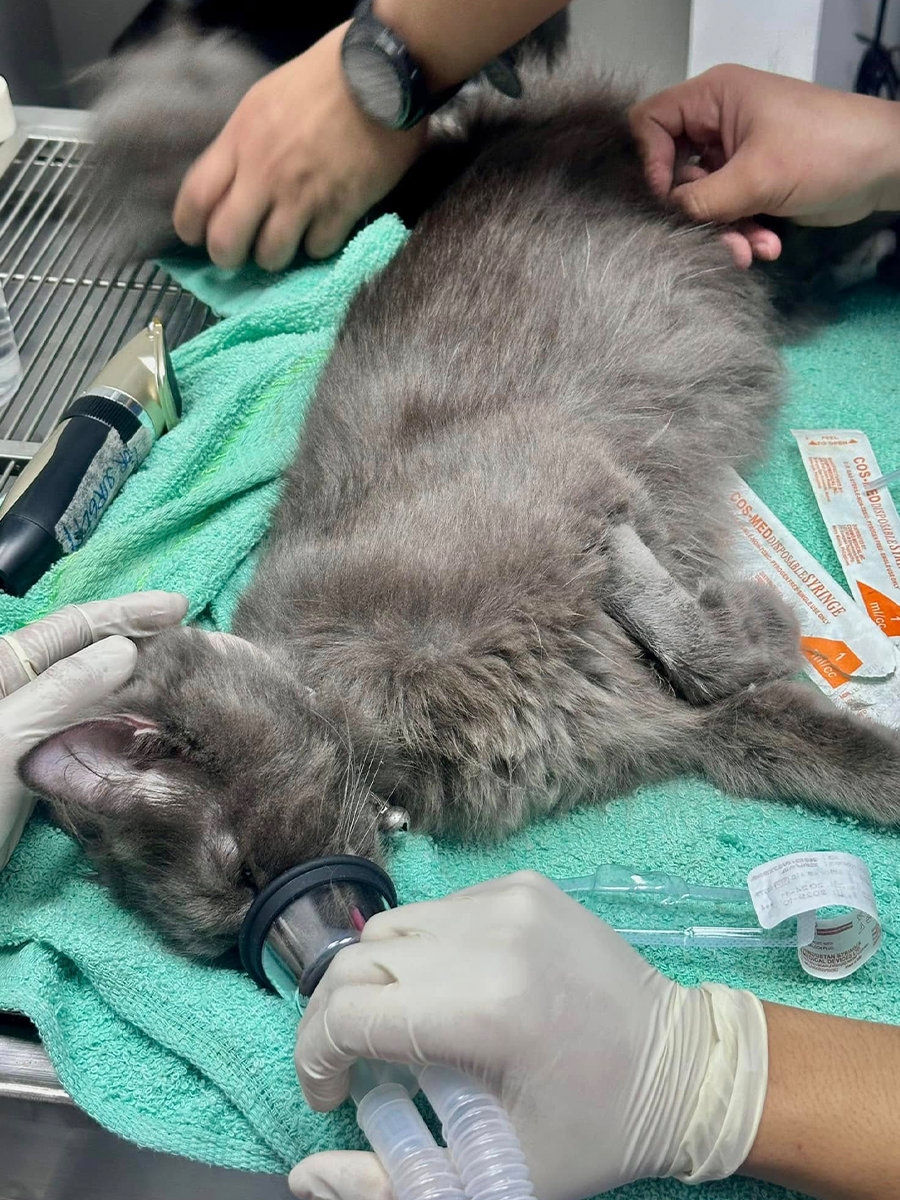
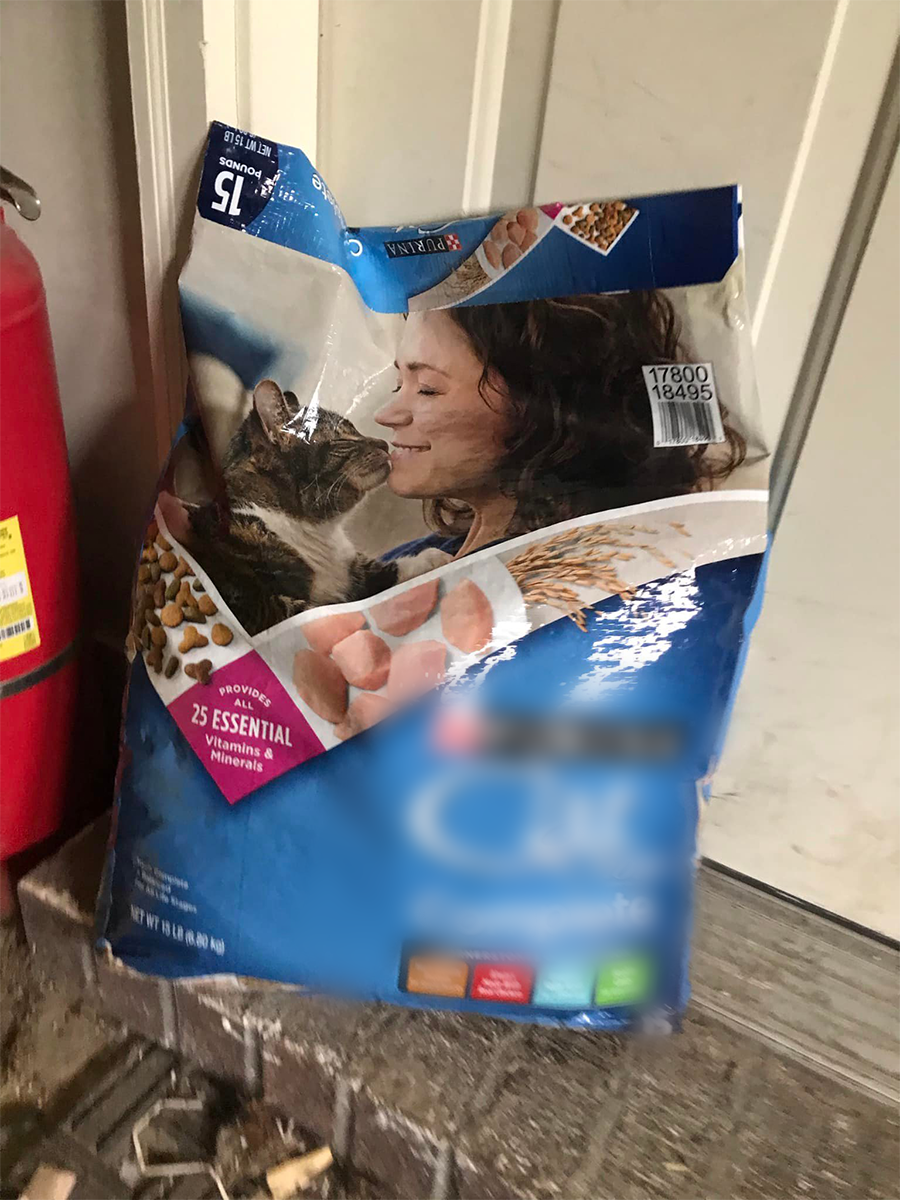
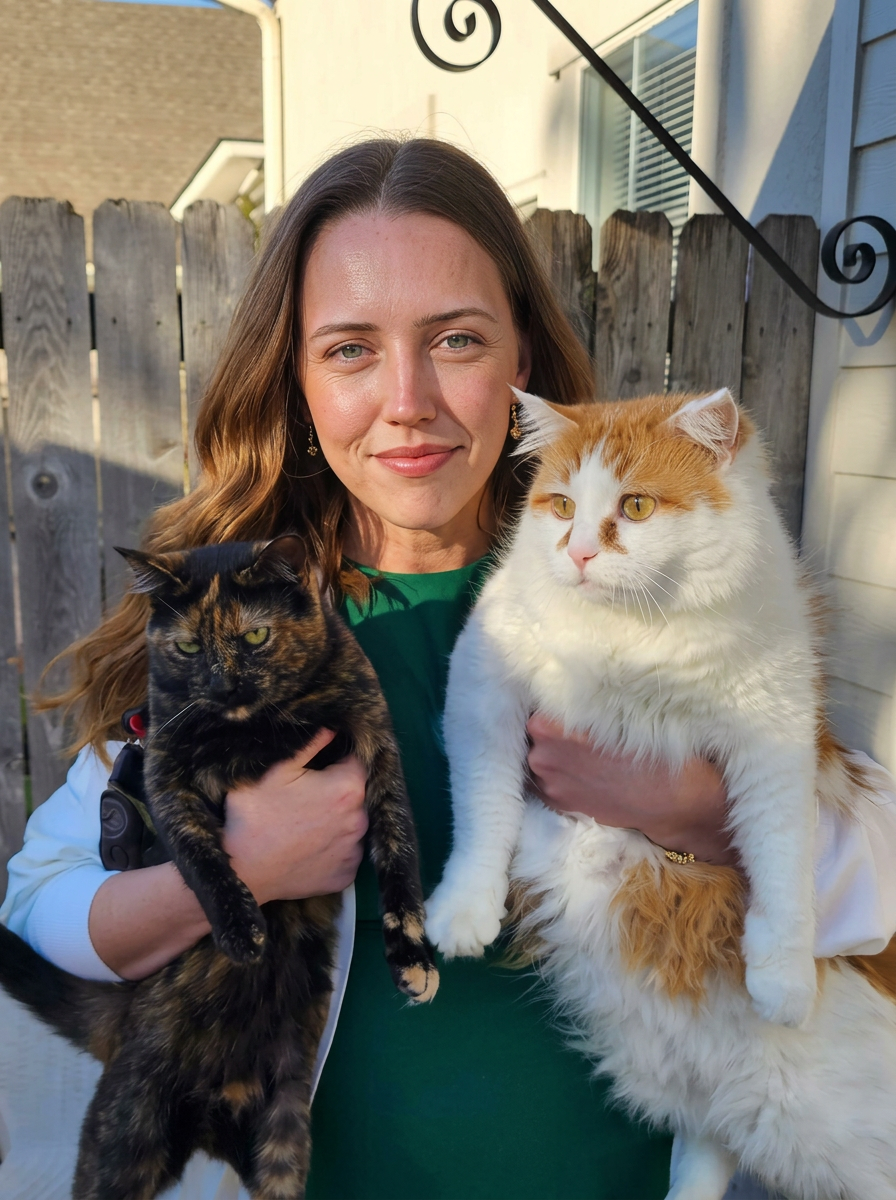
You read the label before you bought it. "Complete and balanced." "Taurine added." "AAFCO approved." Every box checked. Every phrase in order. I know you read it. Because every owner I have ever seen in my exam room read it too. That bag has been telling you the truth for years. It has also been leaving something out. And the part it left out is the only part that determines whether your cat's heart is protected right now. My name is Dr. Sienna Rose. I'm a veterinarian in private practice. I've been seeing cats for fourteen years. I want to tell you about a Tuesday afternoon in my exam room two years ago. A woman came in with her nine-year-old domestic shorthair. Healthy-seeming. Well-fed. She had been on the same premium dry food for six years — one of the well-known brands. A bag that runs sixty dollars. Clean ingredient list. Veterinarian-recommended on the front panel. I had ordered an echocardiogram because I heard something subtle during the exam. A slight change in how the heart was moving. Early changes. The kind of finding most vets might not have followed up on yet. When I told the owner what we found, the first thing she said was: "But I feed her the good stuff. I read the labels. It says complete and balanced right on the bag. It says taurine added." And I sat there. Because she was right. The bag did say complete and balanced. It did say taurine added. Both of those statements were accurate. She had not done anything wrong. She had not cut corners. She had not ignored the labels. She had read them carefully and made exactly the decision a responsible owner is supposed to make. I had no counter to that. Because there was no lie to point to. What I realized in that moment was that I had been trusting those same phrases for fourteen years without ever reading what they actually meant. That night I went home and pulled up the AAFCO standards. Not the bag claims — the actual regulatory documents. The Association of American Feed Control Officials sets the minimum nutritional requirements that allow pet food to carry the "complete and balanced" designation. I had referred to those standards throughout my entire career as a benchmark for safety. I had never read them the way I read them that night. The taurine minimum for dry cat food is 0.10% on a dry matter basis. I looked that number up against the veterinary cardiology literature — the research on what level of taurine is necessary to maintain full cardiac muscle function in cats over a normal lifespan. The protective range documented in multiple independent cardiology studies: 0.25 to 0.30% dry matter basis. The AAFCO minimum is less than half of what the cardiac research says the heart needs. I sat with that for a long time. Then I ordered cat food. I bought 23 bags and cans — premium, mid-range, budget, senior formula, adult formula, grain-free, grain-inclusive. Every category I regularly recommend to owners. I sent finished product samples to an independent analytical chemistry lab. Not a brand's internal lab. A third-party testing facility. I got the results back on a Thursday. Every single product I tested was legally compliant. Every one met the AAFCO minimum. Not one of them — not the $75 bags, not the ones with veterinarian-recommended on the label, not the senior formulas designed for aging cats — tested anywhere near 0.25%. Most dry formulas came back between 0.10 and 0.15%. Legally perfect. Nutritionally consistent with everything the standard required. And roughly half of what the cardiac research identifies as the protective threshold. I want to be clear about what this means. Because this is the part that usually gets distorted. The companies are not lying. They are meeting the standard they are required to meet. The standard was created in the 1980s in response to a genuine crisis: researchers in the 1970s found that cats on certain commercial foods were developing Feline Central Retinal Degeneration and a form of dilated cardiomyopathy at alarming rates. AAFCO investigated. They set a floor. The crisis stopped. The 0.10% minimum fixed the immediate problem. Cats were dying rapidly on taurine levels far below even that floor, and the standard addressed that. What the standard was never designed to do — what it was never asked to do — was optimize cardiac health over a fifteen-year indoor life. The cats in the 1970s were not routinely living to fifteen. Nobody was asking whether the minimum that prevented rapid retinal collapse would also protect heart muscle from gradual degradation over a decade of indoor living. Nobody updated it once they started asking that question. The company formulating to 0.12% has been responsible and compliant. They have printed "complete and balanced" on the bag and that phrase is accurate. The problem is not that the phrase is false. The problem is that it means something different than what most owners assume it means. "Complete and balanced" means: this food was formulated to meet AAFCO minimums. Those minimums were designed to prevent clinical deficiency in the 1980s. They were not designed to be the ceiling of what a cat's heart needs over a full life. Now I want to address senior formula specifically, because this is the group I am most concerned about. When I tested senior formulas, they consistently came back lower in taurine than adult formulas. This is not negligence. Senior formulas are intentionally lower in overall protein density to reduce phosphorus load on aging kidneys. This is medically appropriate — high phosphorus accelerates kidney disease in senior cats, and reducing protein density is a sound strategy to protect kidney function. The trade-off, which appears nowhere on the label, is that taurine comes from animal protein. Less protein density means less dietary taurine. The owner who switches her nine-year-old to senior formula — who does so specifically to take better care of her aging cat — is simultaneously reducing the dietary taurine available to her cat's heart. She is making a trade she was never told she was making. Let me explain what is actually happening in cardiac tissue when taurine is chronically below the optimal threshold. Taurine is the most abundant free amino acid in the feline myocardium. It performs four simultaneous functions. It regulates intracellular fluid balance in heart muscle cells. It controls calcium flux — the precise electrochemical process that drives each heartbeat. It neutralizes the free radicals generated by the constant metabolic activity of the heart. And it maintains the structural integrity of cardiac cell membranes under sustained mechanical stress. When taurine is chronically below the protective threshold — not at collapse level, not clinically deficient, just quietly insufficient — the heart does what efficient organs do. It adapts. It compensates. It works slightly harder than it should while the cat continues to eat, play, sleep, and pass every routine checkup. The cat seems fine. Bloodwork is normal. Energy is normal. Appetite is normal. Over years, the compensation is not free. What I now tell every owner in my practice — and what I wish I had been able to say to the woman in my exam room that Tuesday — is this: The label told you the truth. It just did not tell you the whole story. The product I use in my own home and recommend by name to my clients is KittySupps Taurine. After spending a year running independent lab tests, I was not willing to recommend a product without verifying what was actually in it. I had KittySupps tested before I mentioned it to a single patient owner. The result: 100% pure taurine, single ingredient, no contamination, no fillers. The tested content matched the label exactly. That last part matters more than it sounds. I have had multi-ingredient taurine supplements tested. They are inconsistent. Some contain taurine at a fraction of the labeled amount. Some contain carbohydrate binders that themselves feed gut bacteria known to degrade taurine. You cannot know what your cat is actually receiving from a multi-ingredient blend. And when the gap you are trying to close is already precise, an unknown dose is not acceptable. Pure powder. One ingredient. Known dose. Into whatever is already in the bowl. The cat does not taste it. The food does not change in smell or texture. It requires no transition, no new food, no battle with a cat who has eaten the same thing for six years and will not change. I get one version of the same question from every owner: what if she gets too much? Taurine is water-soluble. Whatever her body does not use, her kidneys excrete. There is no documented toxicity threshold for taurine supplementation in cats — not at normal doses, not at high doses. The absolute worst outcome of supplementing a cat who did not need it is that her kidneys filtered a small amount of extra taurine. That is the entire downside. The other side of that equation is an exam room, a woman with a nine-year-old cat, a premium food bag, and no answer I could give her. One practical note: KittySupps Taurine goes out of stock. I did not expect that when I started recommending it, but demand has consistently outpaced what they produce in a given month. Several of my clients have mentioned going to reorder and finding the product unavailable. If it is in stock when you are reading this, order now and keep an extra tub on hand. The label on your cat's food is accurate. The companies that made it met every standard they were required to meet. The standard was designed to stop a crisis from the 1980s. It was not designed to protect her heart for the next fifteen years. Add taurine to her bowl today. Not because something has gone wrong. Because this is the window before something does. P.S. KittySupps Taurine is one ingredient — 100% pure taurine powder. It goes into whatever your cat already eats and she will not know it is there. It goes out of stock mid-month. If the page is live right now, do not wait.
Veterinarian Speaks The Truth..
Her food is AAFCO-approved. I sent it to an independent lab anyway. What came back changed what I now tell every owner.
SHOP NOWLike this ad? Make it yours.
Crush rebuilds this exact creative around your product — your brand, your colors, your offer — in about a minute.