
Active· since Apr 27, 2026
- 139
- days running
- 0
- relaunches
Ad copy
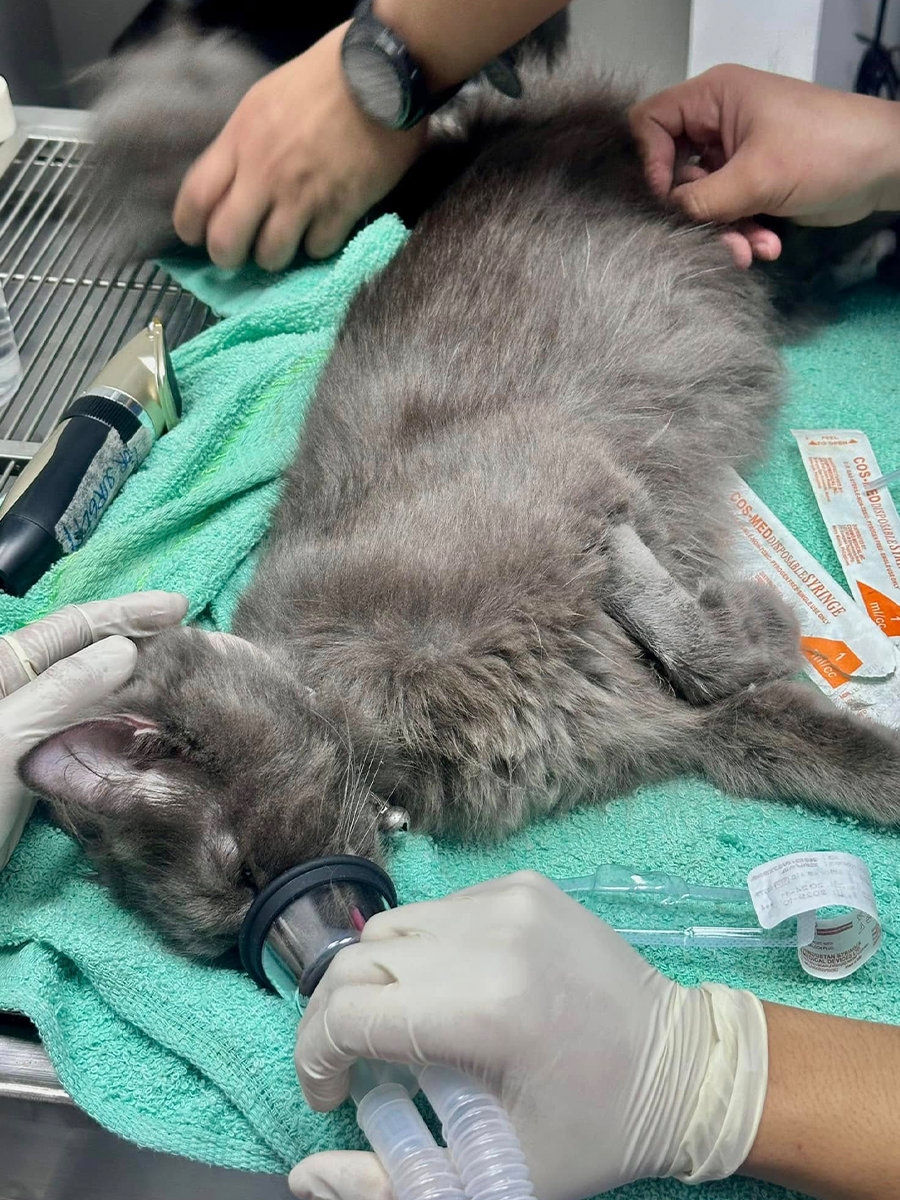
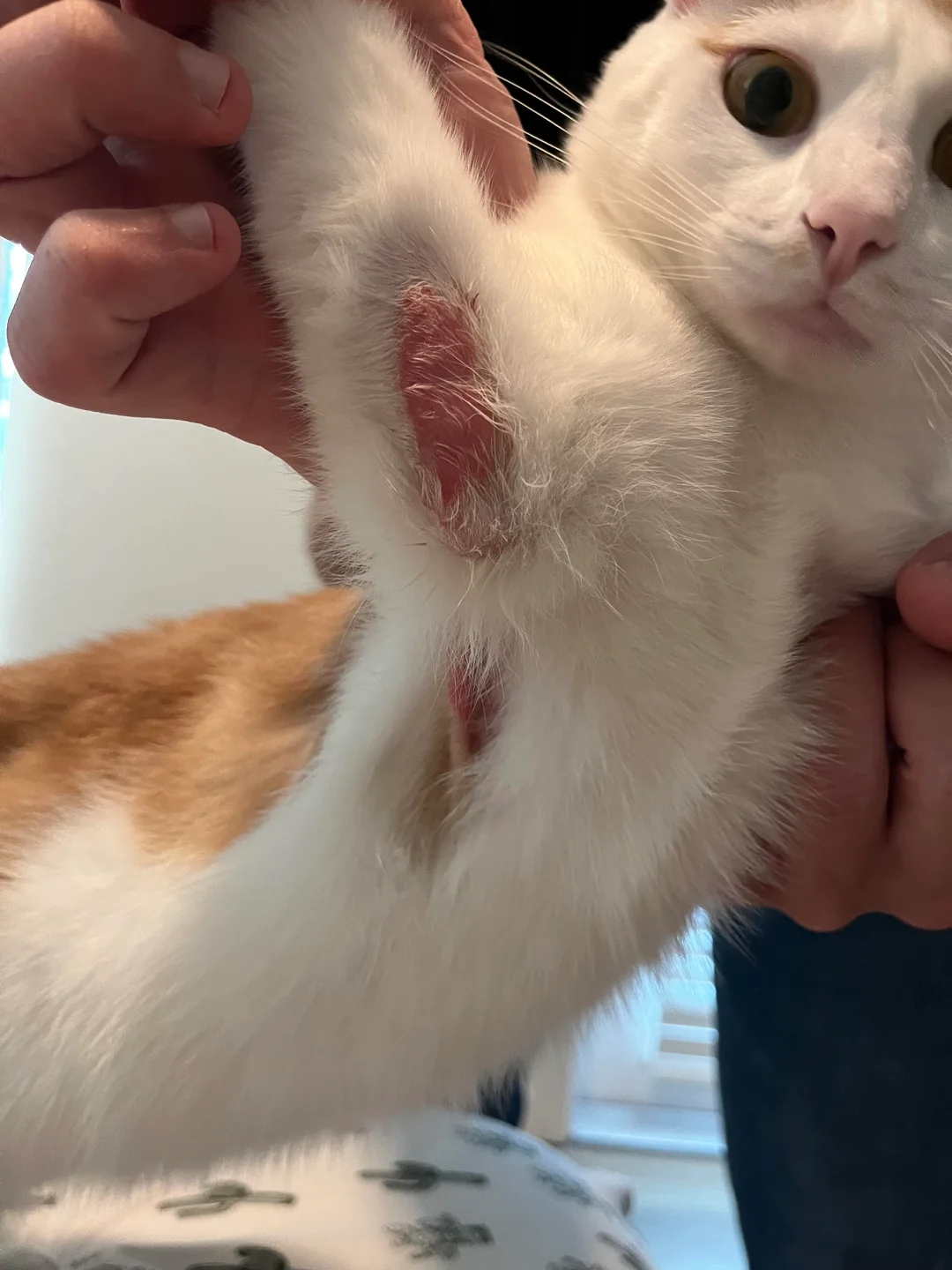
Watch your cat for the next ten minutes. Are they licking their belly? Their paws? The base of their tail? How long do they do it before they stop? Five minutes? Ten? Fifteen? Do they do it every day? Multiple times a day? You've probably never timed it. Because you've never thought of it as a problem. Most people don't. Until the fur starts thinning. Until the bald spots appear. Until the pink, raw skin shows through. I'm a veterinary surgeon. I need to tell you what that grooming is actually doing inside your cat's body right now. Before you find out the expensive way. My name is Dr. Sienna Rose. I'm a veterinary surgeon specializing in gastrointestinal emergencies. And I need to tell you what that "obsessive grooming" actually means. Because if you don't understand what's happening right now—while your cat is still just licking a little too much—you're going to end up in my exam room six months from now. And by then, it's going to cost you $3,000. It starts so innocently. Your cat licks their belly. Their paws. The base of their tail. A little more than usual, but nothing alarming. You think: "Wow, she really cares about being clean." You might even post a picture online. Caption it something like: "My little neat freak 😂" Everyone agrees. She's just hygienic. Particular. A perfectionist. You don't think anything of it. A few weeks go by. One day, you're petting your cat and you notice the fur on her belly feels... thin. You look closer. There's a small bald patch. Maybe the size of a quarter. You think: "Huh. That's weird." But you don't panic yet. Maybe she's just shedding. Maybe it's seasonal. Then, a week later, you notice another bald spot. This one is bigger. And the skin underneath looks pink. Raw. Now you're starting to worry. So you take your cat to the vet. You show them the bald spots. Tell them about the excessive grooming. The vet examines her. "It's probably stress," they say. "Cats are very sensitive to changes in their environment. Have you moved recently? New pets? New furniture?" You think about it. Maybe. There was that new couch last month. "Try a Feliway diffuser," the vet says. "It's a calming pheromone. Should help reduce the stress-related grooming." They hand you a pamphlet. You leave the clinic with a $60 diffuser and instructions to plug it in near your cat's favorite spot. You go home feeling hopeful. Two weeks go by. The diffuser is plugged in. Running 24/7. But your cat is still grooming obsessively. The bald spots are bigger now. And there are more of them. Her belly is almost completely bald. You can see her pink skin. And in some places, it's not just pink—it's red. Raw. Like she's been scratching at a wound. You take her back to the vet. "Hmm," the vet says. "Maybe it's food allergies. Let's try switching her to a hydrolyzed protein diet." They hand you a prescription for Hill's or Royal Canin. $80 for a bag of food. You buy it. Start feeding it to her. And wait. Another month goes by. The expensive prescription food isn't working. Your cat is still licking. Still obsessive. Now the raw spots are bleeding. You find tiny drops of blood on the carpet where she sits and grooms. You take her back to the vet. Again. "We might need to put her in a cone," the vet says. "Or try a onesie. Just to give the skin time to heal." So you buy a cone. You put it on her. And she hates you for it. She can't groom herself. Can't eat comfortably. Keeps bumping into furniture. She's miserable. But at least she's not licking herself raw anymore, right? Except the cone isn't fixing anything. It's just stopping the symptom. The itch—the burning, desperate need to lick—is still there. You're just preventing her from getting relief. A few weeks into the cone, you notice something new. Your cat is vomiting. At first, it's just once a week. You see a wet, tubular mass of hair on the floor. "Oh, it's just a hairball," you think. "That's normal, right?" But then it happens again. And again. Twice a week. Then three times. You mention it to the vet. "Totally normal," they say. "Cats get hairballs, especially if they're grooming a lot. Try this hairball control food. It has extra fiber to help move the hair through their digestive system." You switch foods again. Another $75. But the vomiting doesn't stop. Two months later, your cat is vomiting almost every single day. Sometimes twice a day. It's not just hairballs anymore. Sometimes it's undigested food. Sometimes it's just yellow bile. She's losing weight. Her ribs are starting to show. She's lethargic. Sleeps all day. Doesn't play anymore. You're terrified. You take her back to the vet. They run bloodwork. It comes back normal. "Let's do an X-ray," they say. And that's when they see it. A massive, dense shadow in her stomach and intestines. "It's a hairball," the vet says. "A big one. It's not passing through. I'm going to refer you to a specialist." You take your cat to the specialist. Me. I examine her. Run my own X-rays. Feel her abdomen. And I know exactly what I'm looking at. A trichobezoar. A massive, rock-solid mass of compacted hair sitting in her intestines. It's not moving. It's not dissolving. It's blocking everything. Food can't get past it. Water can't get past it. Your cat is slowly starving because nothing can move through her digestive system. "We need to do surgery," I tell you. "If we don't remove it, the blockage will rupture her intestines. She could go septic. She could die." I hand you the estimate. $3,000. Sometimes more, depending on how complicated the surgery is. You sit there, stunned. "How did this happen?" you ask. And here's what I want to tell you. But most of the time, I don't. Because I'm not supposed to. This entire thing—the months of over-grooming, the bald spots, the raw skin, the vomiting, the weight loss, the $3,000 surgery—could have been prevented. By a single nutrient. One. But your vet didn't tell you about it. They told you to buy a $60 diffuser. They told you to spend $80 on prescription food. They told you to put your cat in a cone. They told you to buy hairball control food with "extra fiber." And none of it worked. Because none of it addressed the root cause. Now, I know this is coming from a vet, and that probably sounds ironic. Why would I tell you this if I'm part of the system? Here's the truth. I love animals. I have three cats of my own that I care for every single day. That's exactly why I need to get this out. Because the reality—and it breaks my heart to say this—is that most vets are money-hungry. When you walk into their office, they're not thinking about prevention. They're thinking about profit. The prescription food kickbacks they get from Hill's and Royal Canin. The dental cleanings they can upsell you on. The repeated visits for "stress management" and "food trials." The diagnostic tests that lead nowhere but cost $200 each. And if they're really lucky? A $3,000 emergency surgery. There's no profit in telling you: "Give your cat this one nutrient and you'll prevent all of this." There's only profit in managing symptoms until the problem gets bad enough to require expensive intervention. So they don't tell you. They let it escalate. And six months later, your cat ends up on my surgery table. The nutrient I'm talking about is called taurine. Now, before you say anything—I know. You've heard of taurine. It's in every cat food. It's required by law. Your cat's food definitely contains it. So how could this be about taurine deficiency? Here's what they don't tell you. Yes, cat food contains taurine. But it's synthetic taurine. Created in a lab. Added after the cooking process. And here's the problem: synthetic taurine has terrible bioavailability. Your cat's body can barely absorb it. And the high-heat cooking process used to make kibble and canned food destroys 60-80% of whatever taurine was there to begin with. So even though the label says "contains taurine" and meets the legal minimum requirement, your cat is only absorbing 20-40% of what's claimed. And that's not enough. Not even close. When your cat doesn't get enough bioavailable taurine, their liver can't produce enough bile. And bile is what allows the body to absorb dietary fats. Without those fats, your cat's skin barrier collapses. It dries out. Cracks. Burns. It feels like wearing a tight, scratchy sweater made of sandpaper that they can't take off. So they lick. Obsessively. Desperately. Trying to soothe the burning itch. And because their tongue is covered in sharp, barbed spikes, they literally lick their fur off and tear their skin until it bleeds. That's what you're seeing when your cat over-grooms. But here's the part that leads to the $3,000 surgery. When a cat over-grooms, they're swallowing massive amounts of hair. And because their digestive system is paralyzed from the taurine deficiency—no bile means no gut motility—that hair doesn't pass through to the litter box. It gets trapped. It sits in their stomach, mixing with acid, fermenting. Over weeks and months, it compacts into a solid mass. A trichobezoar. And eventually, it blocks the intestines completely. That's when the daily vomiting starts. That's when they stop eating. That's when they lose weight. And that's when you end up in my exam room, being told your cat needs emergency surgery. All of this is preventable. If your cat had been getting real, bioavailable taurine from the beginning, none of this would have happened. Their liver would produce enough bile. Their skin wouldn't burn and itch. They wouldn't over-groom. They wouldn't swallow excessive amounts of hair. And they definitely wouldn't end up with a hairball blockage requiring surgery. But the pet food companies don't care. They add just enough synthetic taurine to meet the legal minimum and avoid lawsuits. They're not thinking about your cat's long-term health. They're thinking about their profit margins. Real taurine—the kind derived from animal organs like hearts and livers—costs money. So they use the cheap synthetic version instead. And your cat suffers. Now, before you run out and buy taurine—STOP. I need to warn you about something. The taurine supplements you see on Amazon and Chewy? Most of them are garbage. They use the same synthetic taurine that's in cat food. Low bioavailability. Poor absorption. And even worse—they're stored improperly. Real taurine requires specific storage conditions to maintain potency. It needs to be kept cold, dark, and airtight. Most supplements sit in hot warehouses for months, degrading before they even reach your door. By the time you open the bottle, the taurine is oxidized. Worthless. You're giving your cat a powder that does nothing. Real taurine is derived from animal organs. Hearts. Livers. Kidneys. When your cat eats it, 100% of it gets absorbed. Not 20%. Not 40%. One hundred percent. And that's when everything changes. Their liver can finally produce enough bile. Their gut starts moving again. Their skin's lipid barrier rebuilds. The burning itch disappears. The over-grooming stops. The hairball vomiting stops. That's why all three of my cats get pure, pharmaceutical-grade taurine every single day. And when my clients see pictures of my cats at the clinic, they're shocked. "Dr. Rose, your cats look incredible. What's your secret? You must have some hidden magical pill you're not telling us about." I always smile and say: "It's just real taurine." "That's it?" "That's it." I tell them to try it. But you know what's interesting? Almost nobody does. Why? Because they think supplements are a "fad." And honestly? They're right. Most supplements are a fad. Overpriced. Underdelivered. Contaminated. But taurine? Real, pharmaceutical-grade taurine derived from animal organs? That's not a fad. That's a biological necessity. Cats depend on taurine heavily. It's not optional. It's essential. And when you go from giving your cat 20% absorbed synthetic taurine to 100% absorbed real taurine, you truly start noticing things. Your cat stops vomiting. Why? Because they finally have enough taurine to produce bile and digest food properly. They play like they're supposed to. Run. Jump. Act like a cat again instead of a lethargic, itchy mess. And long-term? The risks of heart disease and kidney disease—both caused by chronic taurine deficiency—diminish significantly. It's all backed by research. The brand I use for my own three cats is called KittySupps. Pharmaceutical-grade. 503mg per scoop. 95-98% bioavailability. Derived from animal organs. Not synthetic garbage. And here's the important part: they only sell directly from their website. No Amazon. No Chewy. No third-party sellers. Why? Because they refuse to risk their product sitting in hot warehouses or being sold by resellers who don't understand proper storage. Real taurine degrades quickly if it's not stored correctly. They want to make sure that when it arrives at your door, it's fresh. Potent. Effective. Here's the link: https://kittysupps.com/products/taurine Start with a smaller dose for the first week or so—I know cats can be picky. Then move to one full scoop mixed into their food daily. Within two to three weeks, you'll notice the over-grooming slowing down. Within a month, the bald spots will start growing back. And within two months, the vomiting will stop. Your cat will have a functioning digestive system again. No more raw, bleeding skin. No more hairball blockages. No more $3,000 surgery. Just a healthy cat with healthy skin and a gut that actually works. P.S. Amazon and Chewy taurine doesn't work. Real taurine requires cold, dark, airtight storage to maintain potency. Most supplements sit in hot warehouses for months, degrading before they reach you. That's why KittySupps only sells through their own website—they refuse to risk third-party sellers shipping expired or degraded product. Only buy directly from their site. P.P.S. Right now, your cat's skin is on fire. They're licking themselves raw trying to stop the itch. Every day, they're swallowing more hair into a paralyzed stomach. That hair is fermenting, hardening, building into a blockage. You're six months away from sitting in my exam room being handed a $3,000 surgery estimate. Or you're one bottle of real taurine away from stopping it all. Choose: https://kittysupps.com/products/taurine
Veterinarian Speaks The Truth..
Everyone thinks obsessive belly licking is cute—'what a clean kitty!' It's not cute. It's your cat's skin on fire. Six months from now, you'll be in my exam room being handed a $3,000 surgery estimate. Here's what's really happening.
SHOP NOWLike this ad? Make it yours.
Crush rebuilds this exact creative around your product — your brand, your colors, your offer — in about a minute.