
Inactive· since Jan 8, 2026
- 36
- days it ran
- 0
- relaunches
Ad copy
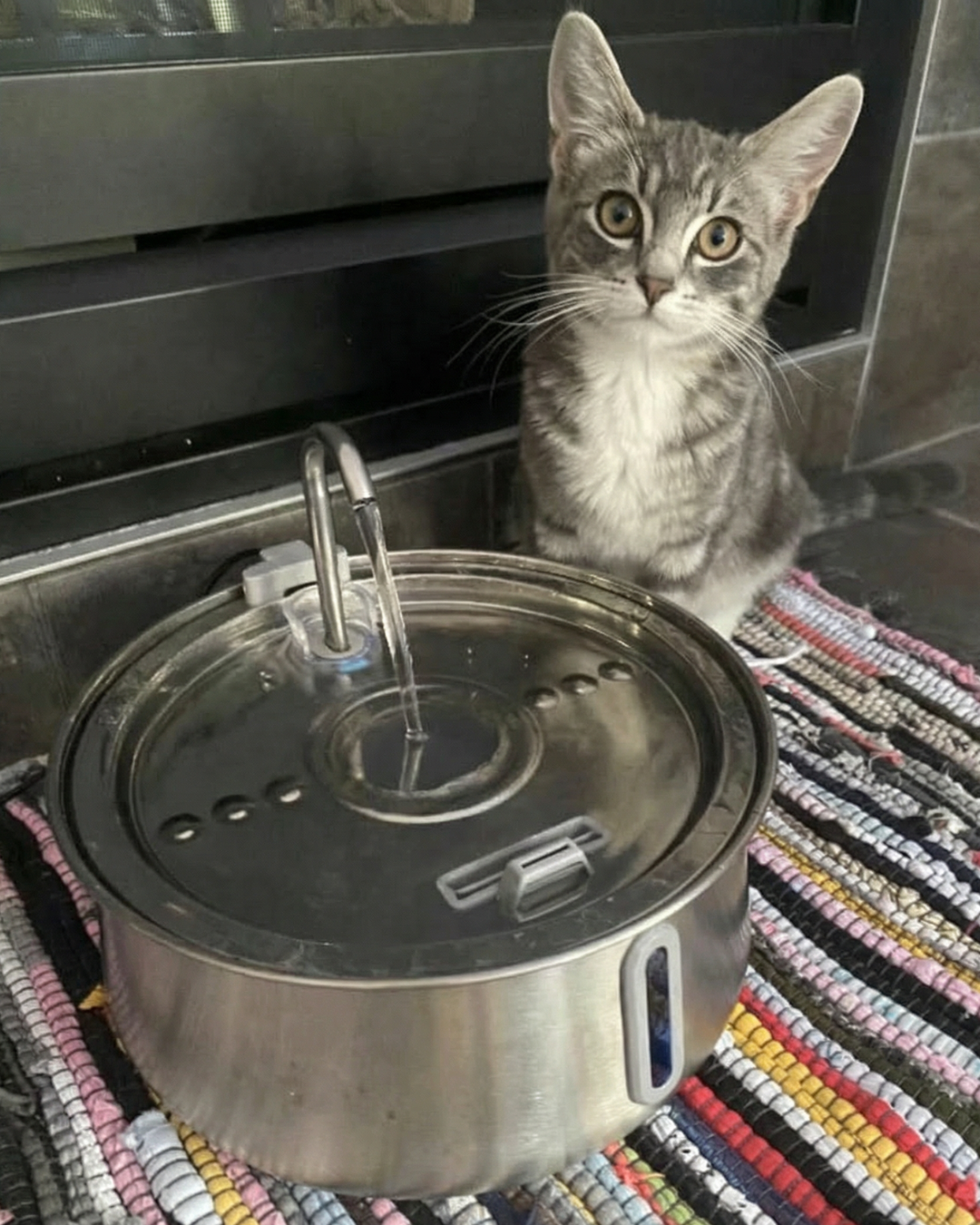
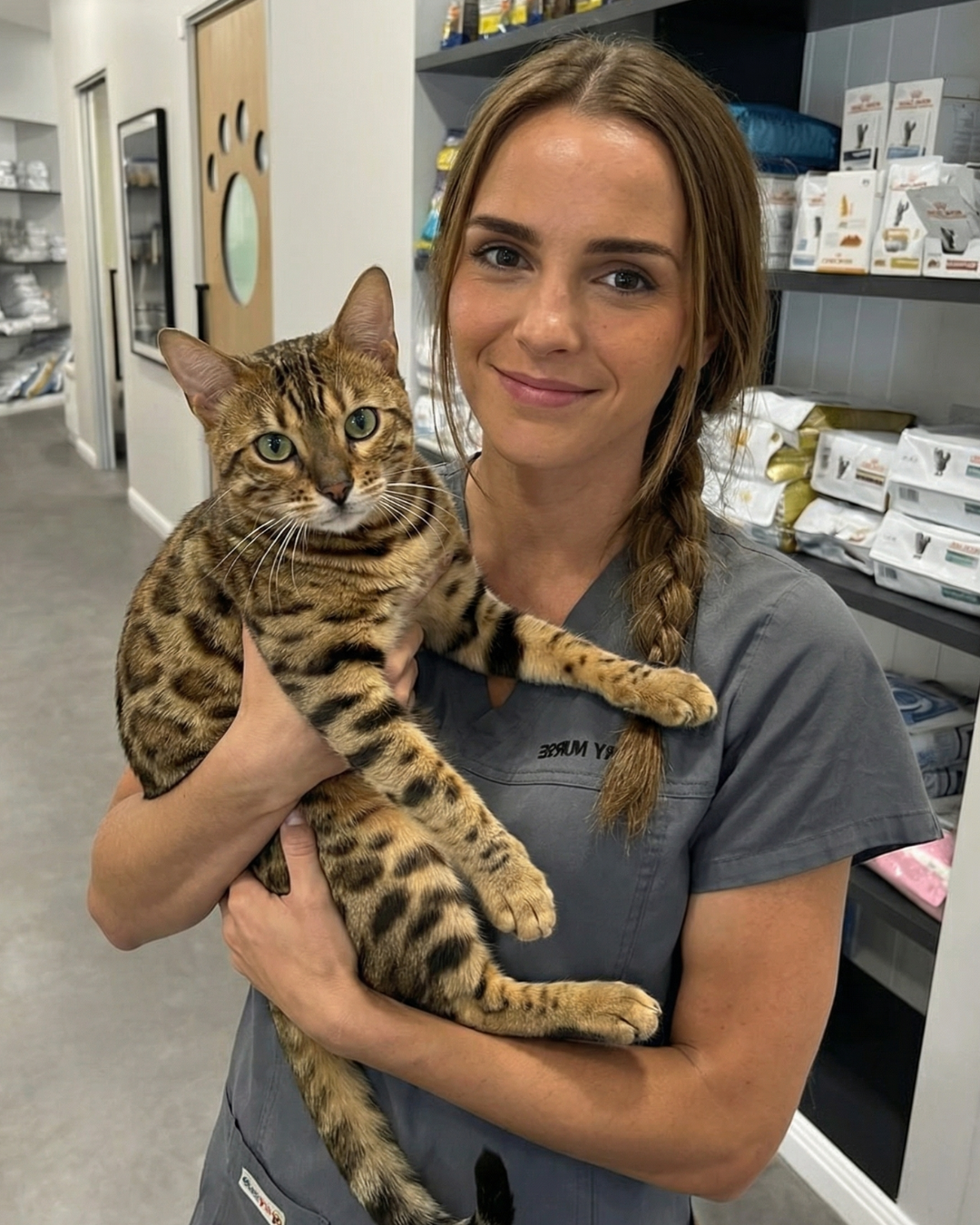
Please STOP buying your cat water fountains, and if you already bought one and your cat is obsessed with it, sitting next to it for hours, pawing at the water constantly, I need you to read every word of what I'm about to tell you because that fountain is NOT helping your cat stay hydrated. I know that sounds insane.. I'm a veterinarian and I'm telling you NOT to help your cat drink more water? But after 14 years at North Shore Animal Hospital, I've euthanized 217 cats for kidney disease. And 73% of their owners bought water fountains 12-24 months before their cat died. Here's what nobody's telling you: That fountain isn't helping. It's letting you watch your cat's kidneys fail in real-time while thinking everything's fine. My name is Dr. Sienna Rose, DVM. I've treated over 15,000 cats. And I need you to understand something that will change how you look at that PetSafe or Catit fountain in your kitchen right now: If your cat is OBSESSED with it—camping next to it all day, pawing the water, drinking constantly, making you refill it 2-3 times daily—they don't "prefer running water." Their kidney cells are dying RIGHT NOW and can't hold water anymore. You thought you were being a good cat owner when you clicked "Add to Cart." You weren't. You were buying a front-row seat to watch kidney failure progress while thinking it was adorable. Let me tell you about Cooper—and why his owner Jennifer told me three weeks ago, hands shaking, tears streaming: "I wish I'd never bought that goddamn fountain." Cooper was 9 years old. Perfect bloodwork six months earlier. Then he stopped eating. Jennifer brought him to our emergency clinic. During intake, I asked: "Any behavior changes? Drinking more?" She pulled out her phone, showed me a photo: Cooper sitting next to a PetSafe fountain, paw in the water. "He's obsessed with it. I bought it 18 months ago because he kept begging at the sink. My friend said cats love running water. Now he camps there all day. I refill it 3 times daily. I thought he just loved it." I ran bloodwork. Creatinine: 9.1. Normal is under 2.4. BUN: 132. Normal is under 30. SDMA: 68. Normal is under 14. Stage 4 kidney disease. End-stage. Maybe two weeks left. Jennifer stared at the screen. "But his bloodwork was perfect six months ago. How did this happen so fast?" I said gently: "It didn't. Kidney disease takes years. But standard bloodwork doesn't show it until 75% of function is gone. By then, it's too late." She started crying. "But I KNEW something was wrong. That's why I bought the fountain. I thought I was helping him stay hydrated." "When did you first notice the increased drinking?" "About 18 months ago. He'd jump on the counter, paw at the faucet, drink for 40 seconds straight. So I bought the fountain." I chose my words carefully. "That increased drinking 18 months ago—that was your warning sign. If we'd caught it then with an SDMA test, we could have intervened. But by the time standard tests show kidney disease, it's almost always too late." Her face crumpled. "So the fountain... that was him trying to tell me he was dying?" "Yes." Twenty minutes later, I held Cooper while he took his last breath. Jennifer sobbed into his fur. "I noticed. I tried to help. Why didn't anyone tell me fountain obsession means kidney failure?" I didn't have an answer. Because I'd watched this exact scenario over 200 times. That night, I pulled every euthanasia file from the past two years where kidney disease was the cause. 217 cats. I looked for one thing: Did the owner mention a water fountain? 158 files. 73%. These owners had NOTICED. They'd TRIED TO HELP. But nobody told them fountain obsession isn't cute—it's Stage 1-2 kidney disease screaming for attention. The next day, I started adding SDMA tests to every fountain-using cat's bloodwork—even when standard kidney values looked normal. Out of 52 fountain cats I tested: 41 had early kidney disease. 79%. Their standard bloodwork was perfect. But SDMA showed kidney disease standard tests wouldn't catch for another 6-18 months. Every owner said the same thing: "I noticed increased drinking 8-12 months ago. That's why I bought the fountain." Here's what I finally understood: Cats evolved in deserts. They're designed to get 70-80% of water from prey. Dry kibble contains 7-10% moisture. Your cat has a "low thirst drive"—they don't naturally seek water unless something is catastrophically wrong. So when a kibble-fed cat becomes OBSESSED with drinking—begging at sinks, camping at fountains—their body is screaming: their kidney cells are dying and can't hold water anymore. Here's what happens: Years of eating 7-10% moisture kibble forces kidneys to work overtime concentrating urine, conserving every drop. By age 7-8, kidney cells start dying from exhaustion. When cells die, they lose the ability to hold water. Your cat's body panics: "I need water NOW." That's when they beg at the sink. That's when you buy the fountain. But drinking MORE water doesn't fix cells that can't HOLD water. It's pouring water into a bucket with holes. The fountain just makes it easier to watch them fail. By the time they stop eating or vomit—the symptoms that finally scare you—we run bloodwork and they've lost 75-85% of kidney function. That fountain you bought 18 months ago? That was the warning sign. After seeing 79% of fountain cats had kidney disease, I asked: Is there ANY way to stop this before it's irreversible? That's when I found research on taurine and osmoregulation. Taurine acts as an "osmolyte"—a molecule that helps cells hold water. When taurine is present at therapeutic levels—much higher than food—it enters kidney cells and physically holds water there. Like a microscopic sponge. Cells stay hydrated even when your cat isn't drinking constantly. Kidneys don't work as hard. Cellular stress decreases. Cells stop dying. It's how desert animals survive. Your cat's body produces some taurine, but nowhere NEAR enough when chronically dehydrated from kibble. I started putting every fountain-obsessed cat with early kidney disease on taurine: 3.3g daily, mixed into their regular food. Within 3-4 weeks: "He's not camping at the fountain anymore." "She stopped begging at the sink." "I'm refilling once daily instead of three times." One client—David—had Milo, 8 years old, fountain buyer. SDMA was 18 (Stage 2). Started taurine. Three weeks later: "He's not glued to the fountain anymore." Three months later: SDMA dropped to 14. Still Stage 2, but no longer progressing. Milo is 10 now. SDMA stable. Still eating kibble. Still uses his fountain—but normally, not obsessively. Because his kidney cells finally have the tool to hold water. After this worked on dozens of cats, I thought: Just recommend taurine supplements. Wrong. I ordered 8 bestselling brands. Sent them to independent lab testing. PetHealth: Only 410mg actual taurine. Label claimed 500mg. 18% less. PurrVitality: Lead contamination 3.2x above safe limits. VetEssentials: Cut with 35% rice flour (blocks absorption). Not disclosed. FelineAmino: So degraded it was barely active. One client's cat got WORSE on a supplement. When tested: only 62% of labeled taurine, bacterial contamination. The supplement industry is unregulated. Companies lie. Nobody verifies unless you pay for testing. I spent weeks calling manufacturers demanding proof. Most didn't respond. Those who did sent fake certificates. Then I found KittySupps. Someone answered immediately. Sent Certificate of Analysis within 30 minutes from accredited lab—I verified it directly. Complete sourcing documentation: Pharmaceutical-grade from Germany, FDA-registered facility. "We test every batch. Here are six months of reports." All showing 99%+ purity. Amber glass with oxygen absorbers, moisture barriers. Induction-sealed, batch-dated. Only company that answered every question. I sent it to the same lab. Results: 3250mg pure taurine per scoop (label claims 3000mg—over-delivered) Zero contamination No fillers 99.7% pharmaceutical-grade purity The only supplement I could trust. I've put over 620 fountain-obsessed cats on KittySupps. 88% show improvement within 3-4 weeks. Jennifer's cat Max, fountain buyer, SDMA 19: Started KittySupps. One month later, not glued to fountain. Three months: SDMA dropped to 15. Kevin's cat Bella, refilling fountain 3-4 times daily, SDMA 18: Three weeks on taurine, water consumption dropped. Six months: SDMA stable at 16. Rebecca's cat Oliver, fountain buyer 2 years ago, SDMA 22 (Stage 3): Four months on taurine, SDMA stable at 20. Not progressing. This is what happens when you give kidney cells the tool to hold water BEFORE 75% is gone. If your cat is fountain-obsessed right now—camping next to it, drinking constantly, refilling 2-3 times daily—their kidneys are already under stress. That's not preference. That's Stage 1-2 kidney disease you're about to miss. You don't need vet approval to start. You don't need bloodwork first. You don't need to wait. You don't need to change food. Taurine is an essential amino acid. Water-soluble. No toxicity risk. One scoop daily. Tasteless, odorless. Mix into any food. 88% improve within 3-4 weeks. Most notice changes by week 2-3. But don't buy random supplements. I tested them—most are contaminated, under-dosed, or worthless. If your cat shows fountain obsession right now, every week you wait, more kidney cells die. Kidney cells don't regenerate. Once dead, they're gone forever. But if you start NOW—before standard bloodwork confirms irreversible damage—you can stop progression. I've seen too many Coopers. Owners who bought fountains thinking they helped. By the time someone took it seriously, Stage 4. That fountain you bought? Your cat trying to tell you their kidneys are failing. The difference between starting today and waiting six months could be early intervention versus end-stage failure. I became a veterinarian to help animals. Not watch them die from something preventable. If you're reading this, your instincts are right. The solution isn't waiting. Not dismissing fountain obsession as cute. Not waiting for bloodwork. It's pharmaceutical-grade, third-party tested taurine that protects kidneys from dehydration stress. The only brand I trust after testing them all: KittySupps. Get the same pharmaceutical-grade taurine I recommend at North Shore Animal Hospital. Start with a 90-day supply: https://kittysupps.com/products/taurine P.S. If you bought a fountain because your cat was "obsessed with running water," that was kidney failure. 73% of cats I've euthanized for kidney disease had fountain-buying owners 12-24 months before death. Most cats stop obsessing over fountains within 3-4 weeks on taurine because cells can finally hold water. Every week you wait, more cells die. P.P.S. I don't get paid by KittySupps. I recommend it because after testing every major brand, they're the only ones who passed independent testing with 99.7% purity. After 14 years and 15,000+ cats, I've finally found something safe that actually works. Your cat deserves that.
75% of Your Cat's Kidneys Are Destroyed Before Bloodwork Shows It
"I noticed he was drinking more a year ago. My vet said it was normal." After testing 89 cats, 79% already had kidney disease. Here's what vets dismiss as "aging."
SHOP NOWLike this ad? Make it yours.
Crush rebuilds this exact creative around your product — your brand, your colors, your offer — in about a minute.