
Inactive· since Mar 6, 2026
- 28
- days it ran
- 1
- relaunches
Ad copy
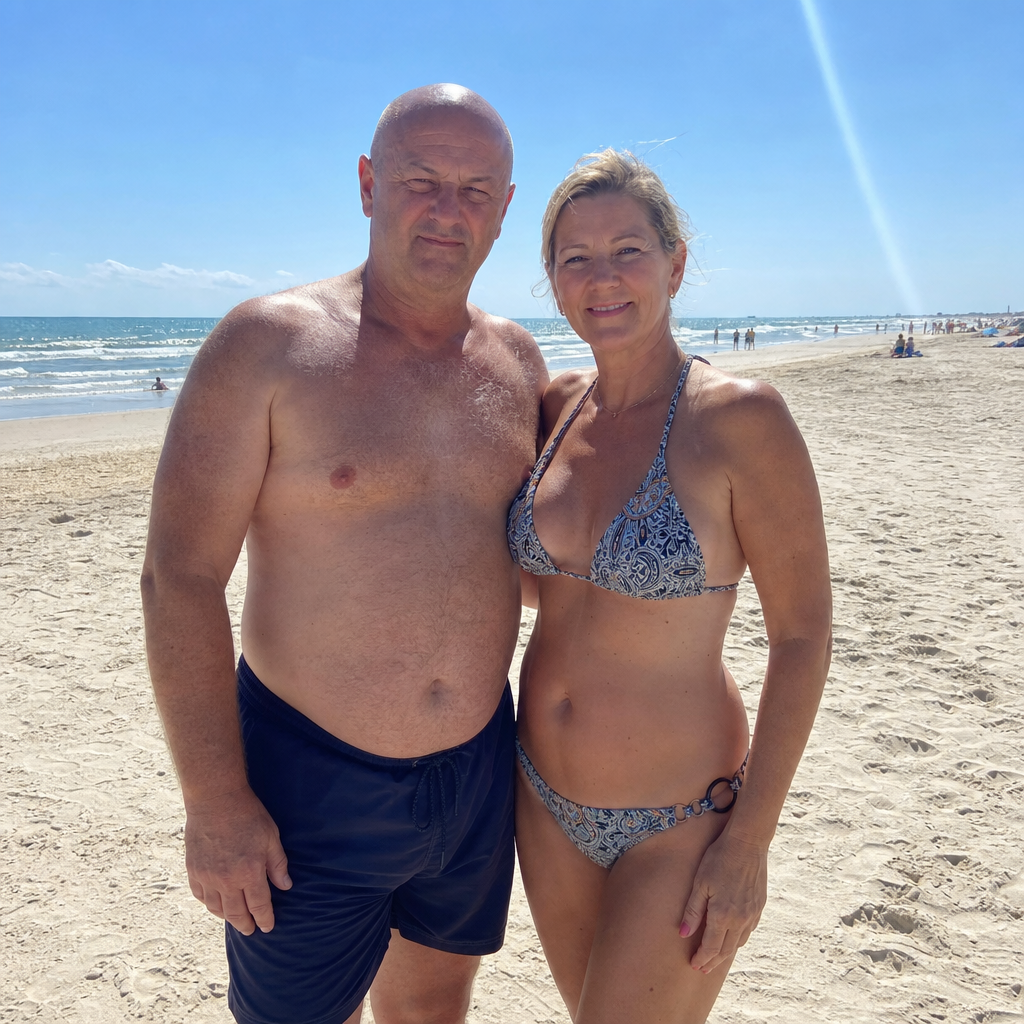
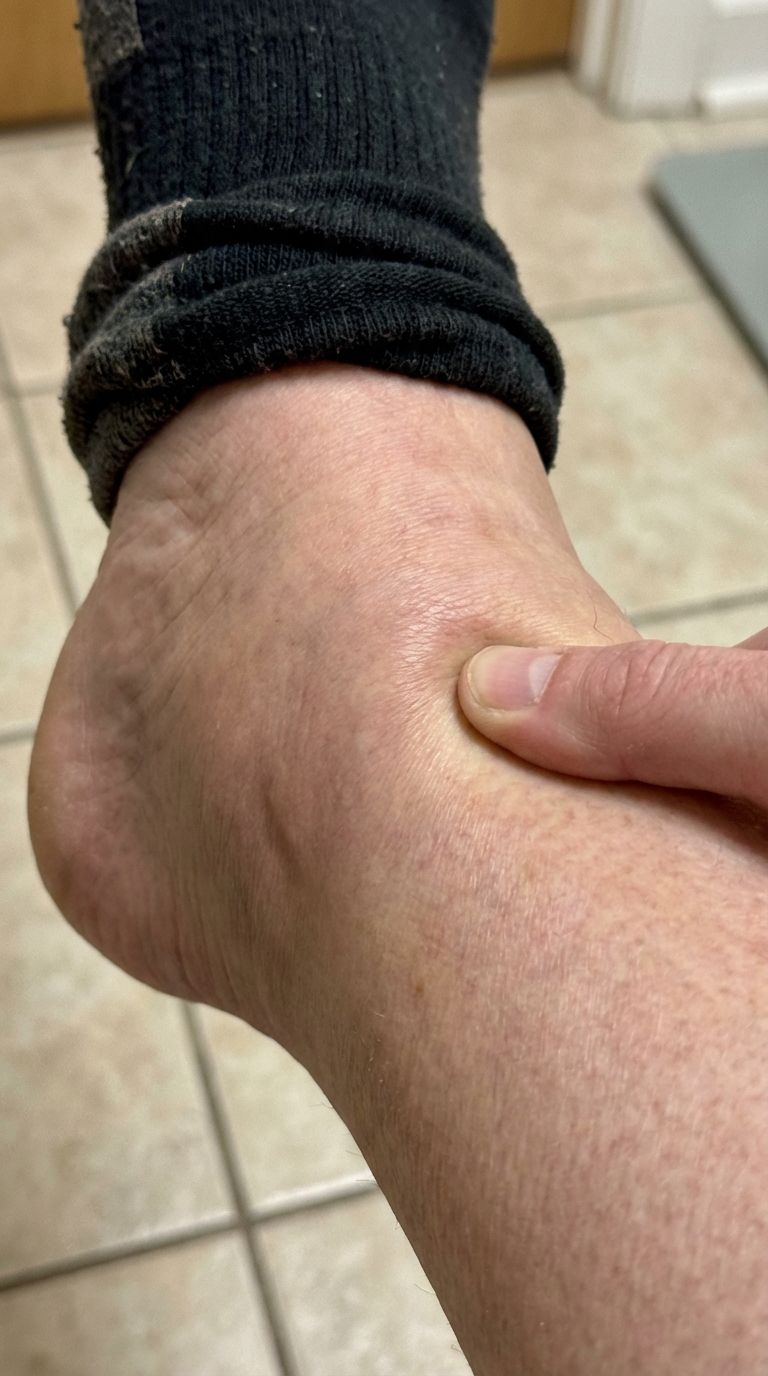
138/83. Perfect Blood Pressure After Eleven Years on Lisinopril. Except I Can't Remember the Last Time I Woke Up Feeling Rested. Or Didn't Cough All Night. Or Felt Like Myself. Carol Hendricks is 61 years old. Eleven years ago, her doctor started her on Lisinopril for high blood pressure. 10 milligrams daily. Year one: Her blood pressure dropped to 138/80. Good control. Year two: 135/82. Even better. Year three: The dry cough started. Subtle at first. Carol figured it was allergies. Year four: The cough was worse. Persistent. Especially at night. She started sleeping with cough drops on her nightstand. Year five: Carol's husband moved to the guest room. "Honey, I'm sorry. I just can't sleep through the coughing." Year six: Carol felt tired all the time. By 3 PM every day, she was exhausted. She chalked it up to getting older. Year seven: Her thinking felt slower. Fuzzy. Like she was always slightly behind in conversations. She worried she was developing early dementia. Year eight: Carol's daughter visited for the holidays. Watched her mother shuffle through the house with no energy. Coughing constantly. "Mom, when did you get so tired all the time?" "I don't know. It's just age, I guess." Year nine: Carol's doctor increased her dose to 20 milligrams. "Your blood pressure is creeping up slightly. Let's be proactive." The cough got worse. The fatigue intensified. Year ten: Carol accepted this was just her life now. Tired. Coughing. Foggy. Old. Year eleven: Carol read an article online about ACE inhibitor side effects. Persistent dry cough: most common side effect. Fatigue: common. Cognitive impairment: possible in long-term use. She sat there staring at her computer screen. Her hands went cold. Every symptom she'd attributed to "getting older" was listed as a side effect of Lisinopril. For eleven years, she'd been taking a medication that was slowly destroying her quality of life. The next morning, Carol called her doctor's office. "I'd like to discuss stopping my Lisinopril. I think it's causing side effects." The nurse sounded surprised. "You've been on it for over a decade without issues. What side effects?" "Chronic cough. Fatigue. Brain fog." "Those are common with aging, Mrs. Hendricks. Your blood pressure is very well controlled on Lisinopril. I wouldn't recommend stopping." "Can I at least talk to the doctor about it?" The appointment was scheduled for three weeks out. But Carol couldn't wait three weeks. She stopped taking Lisinopril that day. Day three off medication: The cough started to ease. Just slightly. Day seven: Carol slept through the night without coughing. For the first time in years. Day ten: She woke up feeling... rested. Actually rested. Day fourteen: The brain fog was lifting. Conversations felt easier. Her thinking felt sharper. Week three: Carol's husband noticed. "Honey, you seem more energetic. And you're not coughing anymore." "I stopped taking my blood pressure medication." His face went pale. "Without talking to your doctor?" "I couldn't wait. I needed to know if the medication was causing this." "And?" "It was. Everything—the cough, the fatigue, the fog—it's getting better." Week four: Carol felt like herself for the first time in years. Energy. Clarity. No coughing. But her blood pressure was climbing. 143/87. Then 146/89. At her appointment, her doctor was not pleased. "Your blood pressure is 148/90. You can't just stop taking medication after eleven years without medical supervision." "But I feel so much better. The cough is gone. I have energy. My mind is clear." "Those symptoms were likely age-related, not medication-related. You've been on Lisinopril successfully for over a decade." "Successfully? I've been miserable for over a decade. I just didn't realize the medication was why." Her doctor sighed. "We need to get your blood pressure under control. I can try a different medication if you'd like. Amlodipine?" Carol's stomach clenched. "I don't want to start another medication that will take another decade of my life." "Then what do you want to do? Your blood pressure is dangerously high." "I don't know." But she knew she wasn't going back on Lisinopril. And she wasn't starting another medication. That night, Carol sat at her kitchen table. Laptop open. Searching. natural blood pressure solutions Article after article. Study after study. CoQ10. Omega-3 fish oil. Magnesium. Clinical studies showing heart health benefits and modest blood pressure support. The science looked solid. Carol's doctor had even mentioned CoQ10. "If you won't take medication, at least try CoQ10. It supports heart function." She trusted that. She ordered a premium CoQ10 supplement the next morning. 200mg. Pharmaceutical grade. Took it religiously for thirty days. Her blood pressure: 147/89. No change. She wasn't discouraged. Not yet. She'd read that CoQ10 can take time. But she also started reading about omega-3 fish oil — how it reduces inflammation, supports cardiovascular health, improves arterial flexibility. She ordered a high-potency fish oil. Another month. Another $64.99. Blood pressure: 148/91. Higher. Carol's stomach dropped. But she kept searching. Every health forum, every natural health blog, every cardiovascular study she could find pointed to one more thing: magnesium. "Nature's relaxation mineral." Helps blood vessels relax. Reduces tension throughout the cardiovascular system. She bought a premium magnesium glycinate. Six weeks. Took it every night before bed. Blood pressure: 149/92. Even higher. Carol stood in her kitchen staring at her blood pressure monitor. Three supplements. Three different mechanisms. Three months of hope. Nothing. Her eyes burned. She'd felt so good off the medication. But her blood pressure wouldn't cooperate. She thought about calling her doctor. Asking for the Amlodipine. Surrendering. She pictured herself at the pharmacy. Another orange bottle. Another decade of side effects she wouldn't recognize until it was too late. Another medication slowly taking pieces of her life while she blamed it on age. She couldn't do it. But she didn't know what else to try. That night, Carol sat on the couch with her laptop. Not searching for supplements this time. Searching for answers. Why wasn't anything working? The science behind CoQ10 was real. Fish oil had solid clinical data. Magnesium was recommended by nearly every natural health expert on the planet. So why was her blood pressure stuck at 149/92 after three different supplements and three months of trying? She found a health forum. Scrolled through hundreds of posts. Most were the same — people recommending the same heart health supplements she'd already tried. But then she saw a comment buried deep in the thread. A woman named Diane had written: "I tried CoQ10, fish oil, and magnesium for my blood pressure. None of them worked. Then my functional medicine doctor explained why. She said those supplements are all treating downstream effects — heart energy, inflammation, muscle tension. But none of them address the real reason your blood vessels are constricting in the first place. The answer is a molecule called nitric oxide. And after 40, your body stops making enough of it." Carol read it again. Nitric oxide? She'd heard of it vaguely. Something about blood flow. But she'd never connected it to blood pressure. She kept reading. And what Diane's doctor had explained was simple — but it changed everything. Think of it like this. Your blood vessels are lined with a thin layer of cells called the endothelium. This lining is like the control center for your entire cardiovascular system. Its most important job? Producing a molecule called nitric oxide. Nitric oxide is the signal that tells your blood vessels to relax. To open. To let blood flow through smoothly and easily. Every time your heart beats, nitric oxide is what keeps those vessels soft, flexible, and open. It's the master regulator. The molecule that keeps your blood pressure balanced — not too high, not too low — automatically, all day long, without you ever thinking about it. That's your body's natural blood pressure regulation system. Built in. Automatic. Free. But here's the cruel part. After the age of 40, your endothelium starts to deteriorate. The cells that produce nitric oxide become damaged. Less efficient. And every year, your body produces less and less of the molecule it needs to keep your blood vessels relaxed. By the time you're 60, your nitric oxide production may have dropped by 50% or more compared to when you were 25. Your blood vessels don't get the signal to relax. So they stay constricted. Tight. Rigid. And your blood pressure creeps up — not because of salt, not because of stress, not because of genetics. Because the molecule that tells your vessels to relax simply isn't being produced anymore. That's why the dose keeps going up. That's why the doctor keeps adding medications. It's not that blood pressure "gets worse with age." It's that the molecule your body needs to regulate it naturally is disappearing — and the medication never restores it. ACE inhibitors like Lisinopril work by blocking an enzyme that constricts blood vessels. They chemically force your vessels to stay open. Like jamming a doorstop under a door. But they do nothing — absolutely nothing — to restore nitric oxide production. So every year, your endothelium deteriorates further. Your body produces even less nitric oxide. And the medication has to work harder and harder to keep that door propped open against a system that's breaking down underneath it. That's why the dose goes from 10 milligrams to 20. That's why one medication becomes two. That's why your doctor says "your blood pressure is creeping up, let's be proactive" — as if your body is betraying you, when really it's just starving for a molecule that nobody is giving it. And the side effects? The chronic cough. The exhaustion. The brain fog. Those aren't aging. That's the cost of forcing blood vessels open chemically instead of giving your body what it needs to open them naturally. Carol's hands were shaking when she finished reading. Eleven years on Lisinopril. Eleven years of her endothelium deteriorating further. Eleven years of her body producing less and less nitric oxide while the medication just jammed the door open harder and harder. She thought about every dose increase. Every time her doctor said "your blood pressure is creeping up, let's be proactive." Every time she'd nodded and accepted the higher dosage without question. It wasn't creeping up because she was getting older. It was creeping up because the molecule that would have kept it stable was disappearing — and nothing she'd taken had restored it. No wonder the supplements hadn't worked. CoQ10 supports mitochondrial energy in heart cells. It helps your heart pump more efficiently. But it doesn't produce nitric oxide. It doesn't tell your blood vessels to relax. Fish oil reduces general inflammation. It makes your blood slightly less sticky. But it doesn't produce nitric oxide either. Magnesium helps muscles relax — including the smooth muscle in blood vessel walls. But relaxing a muscle that hasn't received the signal to open is like trying to unlock a door by pushing harder. The door needs a key. Nitric oxide is the key. And none of those supplements provide it. They were all maintaining pieces of the house. CoQ10 was fueling the furnace. Fish oil was cleaning the ducts. Magnesium was oiling the hinges. But nobody was giving Carol the key to open the front door. Diane's comment continued: "My doctor explained that there's a backup pathway your body can use to produce nitric oxide — even when your endothelium is damaged. It's called the nitrate-nitrite-nitric oxide pathway. Your body can convert dietary nitrates into nitric oxide through this alternate route. It completely bypasses the damaged endothelium. And the richest natural source of dietary nitrates on Earth is beetroot." Beetroot. Carol almost laughed. She'd seen it mentioned before in her searching but had dismissed it. It seemed too simple. Too... ordinary. A vegetable? For blood pressure that three supplements and eleven years of medication couldn't control? But she kept reading. And what she found kept her up past midnight. A landmark study funded by the British Heart Foundation and conducted at Queen Mary University of London. Sixty-eight patients with hypertension. Four weeks of daily beetroot supplementation. The results: blood pressure reduced by an average of 7.7/5.2 mmHg. Endothelial function improved by approximately 20%. Arterial stiffness was significantly reduced. The researchers concluded that the blood pressure reduction was equivalent to what would be achieved with a single antihypertensive drug. A single antihypertensive drug. From beetroot. But this wasn't just about forcing blood pressure down the way Lisinopril does. The study showed that the nitrates in beetroot were actually improving the function of the blood vessel lining itself. Restoring endothelial function. Helping the body produce nitric oxide again through that backup pathway. Not a patch. Not a workaround. An actual restoration of the system that regulates blood pressure naturally. Carol searched deeper. More studies. A systematic review of eleven randomized clinical trials confirming significant blood pressure reduction in hypertensive patients from dietary nitrate supplementation. Research showing the nitrate-nitrite-NO pathway could produce meaningful amounts of nitric oxide even in people whose endothelium was severely compromised. And then she found a detail that made her sit up straight. The nitrate-nitrite-NO pathway doesn't just bypass the damaged endothelium. It actually works better under the exact conditions that make blood pressure worse — low oxygen, acidic pH, inflamed tissue. The worse your cardiovascular health, the more efficiently this pathway converts nitrates into nitric oxide. It was as if the body had designed a backup generator that kicks in hardest exactly when the main power grid fails. And all it needed was the raw material: dietary nitrates. Which beetroot provides in higher concentrations than any other natural food source. Carol sat back in her chair. This wasn't fringe science. This was British Heart Foundation funded, peer-reviewed, replicated research. Published in journals like Hypertension, Nutrition Metabolism and Cardiovascular Diseases, and the Journal of Nutrition. And it explained everything. It explained why CoQ10 didn't work — heart cell energy doesn't produce nitric oxide. It explained why fish oil didn't work — reducing inflammation doesn't produce nitric oxide. It explained why magnesium didn't work — relaxing vessel muscles without the signal to relax them is like pushing on a locked door. It explained why her blood pressure kept creeping up on Lisinopril — the medication was forcing vessels open while the molecule that opens them naturally was disappearing more every year. And it explained why beetroot was different from everything else she'd tried. Not because it forces blood pressure down. Because it gives your body the raw material to restore the signal that regulates blood pressure naturally. The key to the front door. Carol was cautious. She'd been burned three times already. Hope had a cost, and she'd paid it three months running. But this was different. This wasn't another supplement claiming vague "heart health support." This was a specific mechanism — dietary nitrates converting to nitric oxide through a verified backup pathway — with clinical trial data showing blood pressure reduction equivalent to pharmaceutical medication. She started researching beetroot supplements. And quickly realized why so many people try beetroot and see nothing happen. Most beetroot supplements are essentially red-tinted filler. The problem starts with processing. Heat destroys nitrate content. Most supplement companies use heat-dried or heat-extracted beetroot powder — which means by the time it reaches your capsule, a significant portion of the active nitrates have been degraded. You're swallowing beetroot-colored powder with a fraction of the nitric oxide potential. Then there's dosage. Clinical studies showing meaningful blood pressure reduction used therapeutic doses of dietary nitrates. Most commercial beetroot supplements contain 300 to 500 milligrams — a fraction of what the research actually used. It's like taking a quarter of a medication dose and wondering why it doesn't work. And then there's what's NOT in the capsule. Many brands use beetroot stems, skins, or leftover processing material instead of the root itself — where nitrate concentration is highest. Some pad the capsule with maltodextrin, rice flour, or other fillers that add bulk without adding a single milligram of dietary nitrate. No wonder people try beetroot and give up. They're not getting beetroot. They're getting beetroot-flavored disappointment. Carol needed something specific. Therapeutic dose. Organic. Processed to preserve actual nitrate content. Verified by third-party testing. The real thing — not a watered-down imitation. Then she found Rosabella. She almost scrolled past it. No flashy marketing. No celebrity endorsements. No miracle claims. Just specs that matched what the clinical research called for. 1,300mg of 100% pure, organic beetroot per serving — a real therapeutic dose, well above what most brands offer and aligned with clinical study levels. Shade-dried to preserve nitrate content — not heat-blasted like most competitors. The drying method directly determines how much active nitrate survives processing. Shade-drying is slower, more expensive, and preserves significantly more of the compounds that actually convert to nitric oxide in your body. Third-party lab tested for purity, potency, and actual nitrate content — that last one is critical, because most brands test for contamination but never verify that the nitrates are actually there. Rosabella tests for the thing that matters. No fillers. No artificial anything. Made in the USA with rigorous quality standards. Organic beetroot harvested at peak nutrient density — because nitrate content varies dramatically based on soil conditions, harvest timing, and agricultural practices. Carol checked the third-party testing. Published. Verified. Real. She checked the dose. 1,300mg. It matched the clinical threshold. She checked the processing method. Shade-dried. Nitrate-preserved. Carol ordered it at 11:47 PM. The bottle arrived three days later. Carol stared at it on her kitchen counter. Small bottle. Simple label. Nothing fancy. She'd been here before. Three supplements. Three failures. Three months of hope that ended in the same number staring back from her blood pressure monitor. But she kept thinking about that backup pathway. About nitric oxide. About eleven years of her endothelium deteriorating while Lisinopril just jammed the door open harder. About the difference between pushing on a locked door and having the key. She opened the bottle. Took two capsules with water. Swallowed. Expected nothing. Within an hour, something shifted. A warmth. Starting in her chest and moving outward. Down through her arms. Into her fingertips. A subtle but unmistakable feeling of... circulation. Blood moving. Reaching places it hadn't reached properly in years. Her fingers, which had been perpetually cold since she'd stopped Lisinopril, felt warm. Her cheeks had color. And there was something else — an energy. Not jittery. Not caffeine-like. Just... alive. Like her body had been running on a dimmer switch and someone had turned it up. She grabbed her blood pressure monitor. 145/88. Down from 149/92 that morning. She took it again. 144/87. Too early to celebrate. She knew that. But the warmth. The energy. The color in her face. That wasn't a placebo. That was blood flowing. Vessels opening. Nitric oxide doing exactly what the research said it would do. Day three: Carol noticed something else. Her ankles, which had been perpetually puffy since stopping Lisinopril, looked thinner. Less swollen. She pressed her finger into the skin above her ankle bone. The indentation disappeared faster than it had in months. Circulation improving. Fluid moving. Not being trapped in her extremities. Day five: The energy was consistent. Not a spike. A steady warmth and alertness that lasted from morning through evening. No 3 PM crash. No mandatory afternoon nap. And her hands — her hands stayed warm all day. Day seven: Blood pressure — 141/85. She checked it three times. Consistent. Measurably lower. In one week. CoQ10 hadn't moved her numbers in a month. Fish oil hadn't moved them. Magnesium hadn't moved them. And she'd tried each one for at least thirty days. Seven days on beetroot. Measurable change. Because this time, she wasn't treating a downstream effect. She was restoring the molecule that regulates blood pressure at the source. Week two: 136/82. Carol called her daughter. Not to talk about the supplement. Just because she had energy. Because she felt like herself. "Mom, you sound different. Lighter. What's going on?" "I just feel clearer. More present." "Are you sleeping better?" "Through the night. No coughing. No tossing." "Mom. That's amazing." Week three: 131/79. Carol's husband came into the kitchen one morning and found her making breakfast. Eggs and toast and fresh coffee and sliced fruit. He stopped in the doorway. "Honey?" "Good morning." She was smiling. "You're cooking breakfast." "I felt like it." He sat down slowly. "You haven't cooked breakfast on a weekday in years." "I know." "What's different?" She set a plate in front of him. "Everything." Week four: 126/77. Carol stared at the monitor. Took the reading again. 125/78. Again. 127/77. She sat at the kitchen table and cried. Not sad tears. Relief. Eleven years of relief flooding out all at once. 126/77. Normal. Healthy. No medication. No cough. No exhaustion. No brain fog. Just... normal. And for the first time, she understood what had happened. The Lisinopril hadn't just been covering up her blood pressure problem. It had been masking the real issue — that her body had stopped producing the nitric oxide it needed to regulate blood pressure naturally. The medication propped the door open while the key rusted away. Making her more dependent with every passing year. Stealing her energy, her clarity, her quality of life — and making her think it was just aging. The CoQ10 hadn't worked because heart cell energy doesn't produce nitric oxide. The fish oil hadn't worked because reducing inflammation doesn't produce nitric oxide. The magnesium hadn't worked because relaxing a muscle that hasn't received the signal to relax is just pushing harder on a locked door. The beetroot had done what nothing else could. It hadn't forced a number down. It had given her body the raw material — dietary nitrates — to produce nitric oxide again through the backup pathway that works even when the endothelium is damaged. The pathway that actually works harder under the exact cardiovascular conditions that make blood pressure worse. It restored the key. And once the key was back, the door opened on its own. At her follow-up appointment, the nurse took her blood pressure. Her eyebrows shot up. "125 over 76." She checked it again. "Mrs. Hendricks, this is excellent." Her doctor walked in. Reviewed the chart. Looked at Carol. "125 over 76. That's perfect. What have you been doing?" She told him. The beetroot. The nitric oxide research. The nitrate-nitrite-NO backup pathway. The British Heart Foundation study. Her doctor typed notes. Paused. "And how do you feel?" "Better than I've felt in eleven years. I have energy. I'm not coughing. My mind is clear. My circulation has improved. I feel like myself." Her doctor nodded slowly. "Well. Your numbers are perfect. And clearly your quality of life has improved significantly. Continue what you're doing." Carol's throat tightened. "I wish I'd known eleven years ago. I lost so much time." That was eight weeks ago. Carol's blood pressure this morning? 123/75. Normal. Healthy. Stable. Last weekend, Carol hosted a dinner party. Cooked for twelve people. Laughed. Stayed up until midnight. Her daughter pulled her aside. "Mom, it's like you're a different person." "I feel like I got my life back." "I was worried about you for years." "So was I. I thought I was just getting old. But the medication was propping up a number while the molecule my body actually needed to regulate blood pressure was disappearing. And nobody ever told me." If you're reading this, you see yourself in Carol's story. You've been on blood pressure medication for years. Maybe decades. You have symptoms you've attributed to "getting older." Fatigue. Cough. Brain fog. Decreased vitality. Cold extremities. Swollen ankles. But what if it's not age? What if the medication isn't just masking the problem — but allowing the real problem to get worse? While the molecule your body needs to regulate blood pressure naturally disappears a little more every year? Here's what Carol wants you to know: "CoQ10, fish oil, and magnesium didn't work because none of them produce nitric oxide. My body didn't need more heart energy. It didn't need less inflammation. It didn't need muscle relaxation. It needed the molecule that tells blood vessels to relax — and it needed the raw material to produce that molecule through the backup pathway that still works even after decades of decline. Beetroot gave me that. If you've been on ACE inhibitors for years — if your symptoms feel like 'just aging' — consider that the medication might be propping up a number while the real problem gets worse underneath. You might not be as old as you think you are." Carol tried CoQ10, fish oil, and magnesium before Rosabella Beetroot. None worked. Here's why Rosabella was different: It Restores the Molecule, Not Just the System CoQ10 supports heart cell energy. Fish oil reduces inflammation. Magnesium relaxes muscles. None of them produce nitric oxide — the master molecule that tells your blood vessels to relax. Rosabella's concentrated organic beetroot provides the dietary nitrates your body converts into nitric oxide through the backup pathway that works even when your endothelium is damaged. That's the difference between maintaining pieces of the system and restoring the signal that runs it. 1,300mg Therapeutic Dose Most beetroot supplements deliver 300–500mg of heat-processed powder with degraded nitrate content. Clinical research used therapeutic levels of dietary nitrates. Rosabella delivers 1,300mg of pure organic beetroot per serving — shade-dried to preserve the nitrate content that actually converts to nitric oxide. Carol wasted three months on supplements that couldn't deliver. She wasn't going to waste another month. Shade-Dried to Preserve Nitrates How beetroot is processed determines whether the nitrates survive. Heat-drying — used by most brands — degrades nitrate content significantly. Rosabella's shade-drying process preserves the active compounds that your body actually converts into nitric oxide. The processing method is the difference between a therapeutic supplement and expensive red powder. Third-Party Lab Tested Published results. Verified purity. Potency testing. And critically — actual nitrate content verification. Most brands never test for the compound that matters. Rosabella does. No guessing. No Fillers. No Artificial Anything. Pure organic beetroot. Made in the USA. Rigorous quality standards. Harvested at peak nutrient density. No maltodextrin. No rice flour. No fillers taking up space where nitrates should be. The Dual-Phase Proof System Within the first hour: Carol felt warmth returning to her extremities, increased energy, and improved circulation. Proof the nitric oxide pathway was activating. Proof this was different from everything she'd tried. Over 2–4 weeks: Blood pressure dropped steadily as nitric oxide production restored through the backup pathway. The numbers confirmed what her body was already telling her. Try Rosabella Beetroot for up to 90 days. Track your blood pressure AND your symptoms weekly. If you're not satisfied for ANY reason, you're covered by a 90-day money-back guarantee. No questions asked. You risk absolutely nothing. You're at a crossroads right now. One path: Stay on medication. Accept that your symptoms are "just aging." Keep taking a pill that props up a number while the molecule your body actually needs to regulate blood pressure disappears a little more each year. Another path: Do what Carol did. Restore the molecule. Give your body the raw material it needs to produce nitric oxide again — through the backup pathway that works even after years of decline. Get healthy numbers without sacrificing your vitality. Carol chose the second path. It gave her eleven years back. "Four weeks after starting Rosabella Beetroot, my blood pressure was 126/77. No medication. No cough. No fatigue. No brain fog. CoQ10, fish oil, and magnesium weren't going to fix this. My body didn't need more heart energy or less inflammation or muscle relaxation. It needed the molecule that actually tells blood vessels to relax. It needed nitric oxide. And it needed the raw material to produce it again. Try Rosabella Beetroot. Track your numbers AND your symptoms. Give it 90 days. You might get years of your life back." — Carol Hendricks 👉 https://get.tryrosabella.com/beetroot/subtxt/blood-pressure P.S. — Carol felt warmth and energy within the first hour. Noticed circulation improvements by day three. Saw measurable blood pressure improvement by week one. Reached healthy range by week four. Symptoms she'd had for 8+ years disappeared. Your timeline might be different. But you won't know unless you try. P.P.S. — Every day you wait is another day on medication that may be doing more than you realize. Not just side effects. But masking a number while the molecule your body needs to regulate blood pressure naturally declines further. Carol lost eleven years. You don't have to. P.P.P.S. — Rosabella is a small company and they've been selling out frequently. If you're trying to get your numbers down before your next doctor's appointment, check if they have stock now rather than waiting. 👉 https://get.tryrosabella.com/beetroot/subtxt/blood-pressure
Support stamina and heart health every day
“I bought this for my husband after his doctor started talking about blood pressure medication. He was nervous about side effects — his father had a terrible time on those pills — so I wanted to find something natural to try first. Within a couple of weeks he started saying he felt more energy...
LEARN MORELike this ad? Make it yours.
Crush rebuilds this exact creative around your product — your brand, your colors, your offer — in about a minute.