Dr. Megan Foster
Dr. Megan Foster Facebook ad: “Elvarim Aged Garlic Extract - 7500mg Odorless Softgels”
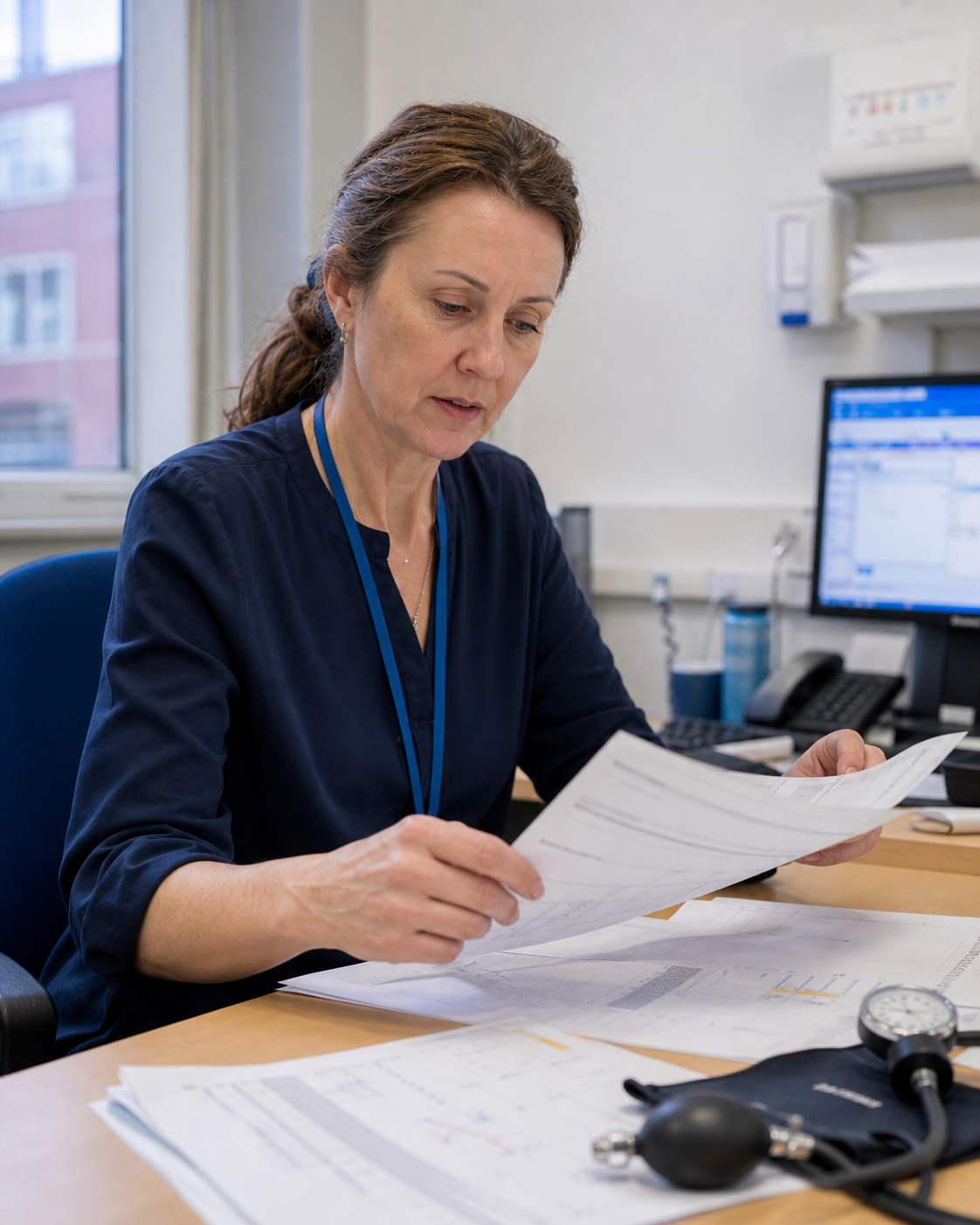
Ran for 3 days, from September 4 to September 7, 2026, the last day Crush saw it.
Run by Dr. Megan Foster on Facebook. Crush is not the advertiser and does not verify its claims. See this ad in Meta's Ad Library(opens in a new tab)
Want an ad like this for your product?
Crush makes new ad images for your product from this ad: your logo, your product photo, your offer.
Trials from $19.95 USD, then $79.95 USD a month. Cancel anytime.
About this ad
- Meta Ad Library ID
- 945559024583750
- Platforms
- Facebook, Instagram, Audience Network, Messenger and Threads
- Relaunches
- 0
Ad text
If you're a woman over 50 and your NHS bloods are still "normal" but your HbA1c, blood pressure, kidney markers, energy, and brain fog all seem to be moving the wrong way... read this before your next GP appointment. Because what I am about to tell you could be the difference between listening while your numbers are still only whispering... And waiting until the NHS app, the home cuff, and your next blood test all start shouting at the same time. My name is Dr. Megan Foster, and I have spent eighteen years as a consultant cardiologist watching women over 50 walk into clinic with the same confused look on their face. They are not careless women. They are not reckless women. They are not the women people picture when they imagine someone whose blood pressure, blood sugar, and kidney markers are beginning to drift. They walk. They eat the porridge. They cut the biscuits down. They take vitamin D, magnesium, fish oil, and the little multivitamin from Boots. They book the mammogram. They turn up for their blood tests. They check the NHS app before they have even made tea. And still, the same pattern keeps appearing. A woman comes in at 52. She tells her GP she is crashing after lunch. Her joints ache more than they used to. Her hands feel cold when the house is not cold. Her blood pressure has started sitting around 136 over 86 at home. Her HbA1c is 39 or 40. Her kidney marker is still in range. Everything looks "fine." She is told to keep active, watch the sugar, drink more water, and come back if anything changes. Five years later, she is back. Now her HbA1c is 42. Her blood pressure is 146 over 91. Her cholesterol has joined the conversation. Her eGFR has started dipping just enough to make her Google at midnight, but not enough to make anyone in the appointment room sound alarmed. She is exhausted by 3pm every day. She is waking with stiff fingers. She is afraid of the cuff. She is afraid of the next blood test. She is afraid of being told this is just age. And every time, she asks some version of the same question. "If it was already moving this way, why did everyone tell me it was fine?" That is what I am doing right now. I am catching the pattern for you. Because if you are a woman over 50 whose numbers are still technically normal, but whose body is already sending the quiet signals... The after-lunch crash. The brain fog. The creeping home blood pressure. The cold hands. The kidney result you pretend not to think about. The NHS app saying "no action required" while your gut says something is changing. Then your body may be asking for circulation support before the paperwork gives you a dramatic name for the problem and everyone suddenly agrees it was real. And every month you dismiss that whisper because the box is still green, the trend underneath gets another month to move. Let me explain what is actually happening. Every GP in Britain is trained to look for numbers that cross a threshold. That is how the system works. Your HbA1c is below the diabetes line. Your blood pressure is not yet high enough to trigger the serious conversation. Your kidney function is still acceptable for your age. Your cholesterol is not pretty, but it is not shocking. So the appointment stays calm. The phrase is familiar. "We will keep an eye on it." But here is what that phrase can hide. A normal range is not the same thing as a healthy direction. Read that again. A normal range is not the same thing as a healthy direction. Your results can be technically acceptable while the trend is already telling a story your body has been feeling for years. That story usually has very little to do with laziness. It has very little to do with one biscuit. It has very little to do with "just getting older." It often has to do with three things most appointment-room conversations separate when they should be connected. One: glucose traffic in the blood. Two: oxidative stress against the vessel lining. Three: declining circulation through the smallest vessels your body depends on every day. Let me walk you through each one. The first thing happening is that food stops becoming fuel as cleanly as it used to. After menopause, as oestrogen falls, many women become less responsive to insulin. That means the same sensible lunch can create a very different afternoon than it did at 42. You eat. Glucose rises. Insulin arrives to move glucose from the blood into the cells. But the cells do not answer as cleanly. So glucose lingers in the bloodstream. Not necessarily enough to give you a diabetes diagnosis. Not necessarily enough to set off a dramatic alarm. But enough for your body to feel the difference. This is why so many women describe the same strange contradiction. They are eating. But they do not feel fuelled. They are sleeping. But they do not feel restored. They are doing the healthy things. But their body feels dimmer. The second thing happening is oxidative stress against the vessel lining. The inside of every blood vessel is lined with a thin, active layer called the endothelium. This lining helps your vessels relax. It helps blood flow smoothly. It helps pressure stay responsive instead of rigid. It is one of the places where blood pressure, circulation, metabolic health, and organ strain all meet. When glucose is lingering, pressure is creeping, stress is high, sleep is imperfect, and age has already changed the rules, that lining has to work harder. The vessels become less flexible. The small roads get tighter. The heart has to push through more resistance. The cuff starts creeping upwards. The cold hands start making sense. The afternoon heaviness stops looking random. The third thing happening is strain on the small vessels and filters. Your kidneys are not separate from this. They are two of the most blood-hungry organs in the body. They filter your blood quietly all day, every day, through delicate microscopic structures. If blood pressure is creeping and glucose traffic is heavier than it used to be, those filters are not living in a separate universe. They are living in the same circulation system. That is why a woman can look at her HbA1c, blood pressure, cholesterol, eGFR, energy, cold hands, and brain fog and think she has six separate problems. In many cases, she is looking at one bigger story. A circulation story. A vessel-lining story. A fuel-delivery story. And here is where "just monitor it" becomes one of the most dangerous forms of reassurance. Monitoring does not support the endothelium. Monitoring does not make glucose enter the cells. Monitoring does not reduce oxidative stress. Monitoring does not improve healthy blood flow. Monitoring simply tells you whether the trend has become obvious enough to worry about officially. It is the difference between watching smoke under the door and waiting for the alarm to sound. That is why I dislike the phrase "nothing alarming" when a woman is already telling me her life has become smaller. The three o'clock crash is information. The home cuff dread is information. The cold fingers are information. The kidney marker she keeps opening on the NHS app is information. The fact that she no longer trusts lunch to become energy is information. Her body is not waiting for a diagnosis to be affected. It is affected now. The good news is that this is the window where daily support matters most. Not after everything has become dramatic. Not after every marker has crossed a line. Not after she is sitting in a specialist clinic wondering how she went from "fine" to frightened so quickly. This is the window. The grey zone. The normal range trap. The place where the paperwork is calm, but the direction is not. In that window, I look for four things. First, you have to support healthy blood flow. If circulation is not moving comfortably through the system, everything downstream feels it. The brain feels it as fog. The hands feel it as cold. The muscles feel it as heaviness. The heart feels it as pressure. The kidneys feel it as more work. Second, you have to support the vessel lining. The endothelium is not decoration. It is the responsive surface inside your blood vessels. If that layer is stiff, irritated, and under oxidative stress, the cuff number is only the headline. The vessel lining is the story underneath it. Third, you have to support antioxidant balance. The body is constantly handling oxidative stress from age, diet, glucose fluctuations, pressure, poor sleep, and modern life. Over time, that stress wears on the small vessels. The same small vessels involved in energy, circulation, blood pressure, and kidney filtration. Fourth, the support has to be something a real person can actually take every day. This matters more than supplement companies admit. If it smells. If it repeats on you. If it causes reflux. If it sits in the cupboard because the routine feels unpleasant, then it does not matter how interesting the mechanism looks on paper. The routine is dead. Now here is the critical part. Walking is important, but walking alone does not automatically support the vessel lining. Cutting sugar is important, but cutting sugar alone does not erase years of oxidative stress. Blood pressure medication can be necessary, but lowering a cuff reading is not the same thing as supporting the circulation layer underneath it. Drinking more water can be sensible, but water does not turn raw garlic powder into aged garlic extract. And most supplements women try in this category are either too broad, too weak, too unpleasant, or aimed at the wrong mechanism entirely. But there is one ingredient family I take seriously for this exact conversation. Aged garlic extract. Not raw garlic. Not supermarket garlic capsules. Not the high-street tablets that repeat on you until lunch and make your partner lean away on the sofa. Aged garlic extract. The difference matters. When garlic is aged properly, the harsh, unstable compounds convert into more stable, usable compounds. The one I care about most is S-Allyl Cysteine. SAC. That compound is why aged garlic belongs in the conversation around cardiovascular wellness, antioxidant support, endothelial function, healthy blood flow, and healthy circulation. In plain English, it supports the layer most women are never told to think about. The vessel lining. The circulation system under the numbers. The place where blood sugar, blood pressure, kidney-marker worry, cold hands, and afternoon crashes can start looking less like random ageing and more like one connected pattern. This is where regular garlic fails so many people. They buy a cheap garlic capsule after reading an article. They get breath. They get burps. They get reflux. They get no believable signal that anything meaningful is happening. Then they decide garlic is nonsense. The garlic did not fail. The form did. The aged-garlic form I point people toward in this category is Elvarim. Odourless aged garlic extract softgels. Made around the aged-garlic and SAC mechanism, not raw garlic powder. Designed for people who want daily cardiovascular, circulation, antioxidant, and healthy blood flow support without turning the routine into a social punishment. Elvarim uses 24-month aged garlic extract. It is built around S-Allyl Cysteine. It comes in pouches, not a loud plastic tub that ends up shoved in the cupboard next to twelve other failed health decisions. It is odourless enough for a normal morning. It is simple enough for a real life. And that last part matters. Because the women who need this are not lacking instructions. They have instructions. Walk more. Eat better. Sleep more. Stress less. Watch the sugar. Monitor the blood pressure. Repeat the bloods. Come back in six months. What they are often missing is a daily support mechanism aimed at the circulation story underneath all those instructions, the part the green boxes do not explain. Here is what I typically hear when women use the right aged-garlic routine consistently. Week 1: They usually notice the routine first. No garlic breath. No burps. No awkward smell. No chalky capsule sitting in the throat. That may sound minor, but it is not minor. It is the difference between a routine that survives and a routine that dies by Thursday. Week 2: They start noticing the afternoon. Not a lightning bolt. Not a stimulant feeling. Just the absence of the old crash. They read the email without starting it again from the top. They make dinner without feeling personally attacked by the kitchen. They stop planning the whole day around the fog that arrives after lunch. Week 3: Circulation signals start entering the story. Hands feel warmer at the keyboard. The stairs feel less like an argument. The heavy, tight feeling after a busy day starts to ease. One woman told me she realised she had not put her hands under hot water before typing that morning. That is the kind of proof people trust because nobody would invent it to sound impressive. Week 4: The cuff becomes less emotionally violent. The number may not be perfect. But the trend starts feeling less hostile. The woman who used to avoid the machine begins writing readings down again. That matters more than it sounds. Because when a person stops being afraid to look, something underneath the fear has often changed. Weeks 5 to 8: The pattern becomes clearer. More steady energy after meals. Less dread opening the NHS app. Warmer hands. Better confidence before the next check. And sometimes the GP or nurse pauses for half a second longer than usual after the reading. I know that pause. I have been the doctor on the other side of it. It is the pause that says the direction is different. And direction is the entire point. Most women start exactly where you probably are right now. Sceptical. Tired. Annoyed that another product is even part of the conversation. They have already tried walking. They have tried magnesium. They have tried fish oil. They have tried cutting bread. They have tried drinking more water. Some have tried garlic capsules from Boots and hated every minute of it. I understand that. But aged garlic extract is not raw garlic powder. SAC is not garlic smell. An odourless softgel in a pouch is not the same as a cheap capsule that punishes you every time you burp. This is a different form. A different mechanism. A different daily experience. Before writing this, I told the team at Elvarim exactly what I was seeing: Women over 50 being told their numbers are "fine" while their HbA1c, blood pressure, kidney confidence, circulation, and energy are all starting to move in the wrong direction. They wanted to make it easy for readers to try the proper aged-garlic form. So they have made the current offer available through the link below. And every order is backed by Elvarim's 30-day money-back guarantee. So please. I am asking you directly. Do not let "normal" talk you out of listening to your own body. Do not wait until the home cuff becomes frightening enough to run your morning. Do not wait until your HbA1c crosses the line and everyone suddenly agrees the trend was real. Do not wait until the kidney marker you have been quietly watching becomes the only thing you can think about. The window is now. Your body has been asking for support. This is how you answer. https://elvarim.com/pages/7-reasons-why-bp-kidney-uk P.S. If you have already tried garlic and gave up, this is exactly why I am writing this. Raw garlic powder and aged garlic extract are not the same thing. P.P.S. Breath is not the mechanism. Burps are not proof. Garlic smell is not SAC. The garlic did not fail. The form did. P.P.P.S. Elvarim uses 24-month aged garlic extract built around S-Allyl Cysteine, in odourless softgels packed in pouches for daily cardiovascular, circulation, antioxidant, and healthy blood flow support. P.P.P.P.S. Monitor your readings. Watch your afternoon energy. Watch your hands. Watch the stairs. Watch how you feel opening the NHS app before the next appointment. The first signal is often not dramatic. It is the direction changing. P.P.P.P.P.S. Elvarim has a 30-day money-back guarantee, and current pouches can move quickly when this message reaches the women who have been told to "keep an eye on it" for too long. https://elvarim.com
Where the ad sends people
elvarim.com
Elvarim® Aged Garlic Extract - 7500mg Odorless Softgels
Aged Garlic Extract (7,500 mg Garlic Equivalent) Derived from garlic aged for 24 months (730 days) Naturally rich in S-allyl-cysteine (SAC), a stable, well-studied garlic compound Odorless and gentle on digestion Used traditionally and in clinical research for cardiovascular support Aging transforms...
Learn more: elvarim.com(opens in a new tab)