Erik Andersson
 Facebook ad: “Read this if you have acid reflux”
Running for 34 days since October 25, 2026. Crush last saw it on November 28, 2026.
Run by Erik Andersson on Facebook. Crush is not the advertiser and does not verify its claims. See this ad in Meta's Ad Library(opens in a new tab)
Make your own version of this ad
Crush makes it, launches it in your own Meta ad account, scales the winners and pauses the losers.
About this ad
- Meta Ad Library ID
- 946672938229739
- Platforms
- Facebook, Instagram, Audience Network, WhatsApp and Threads
- Relaunches
- 0
Ad text
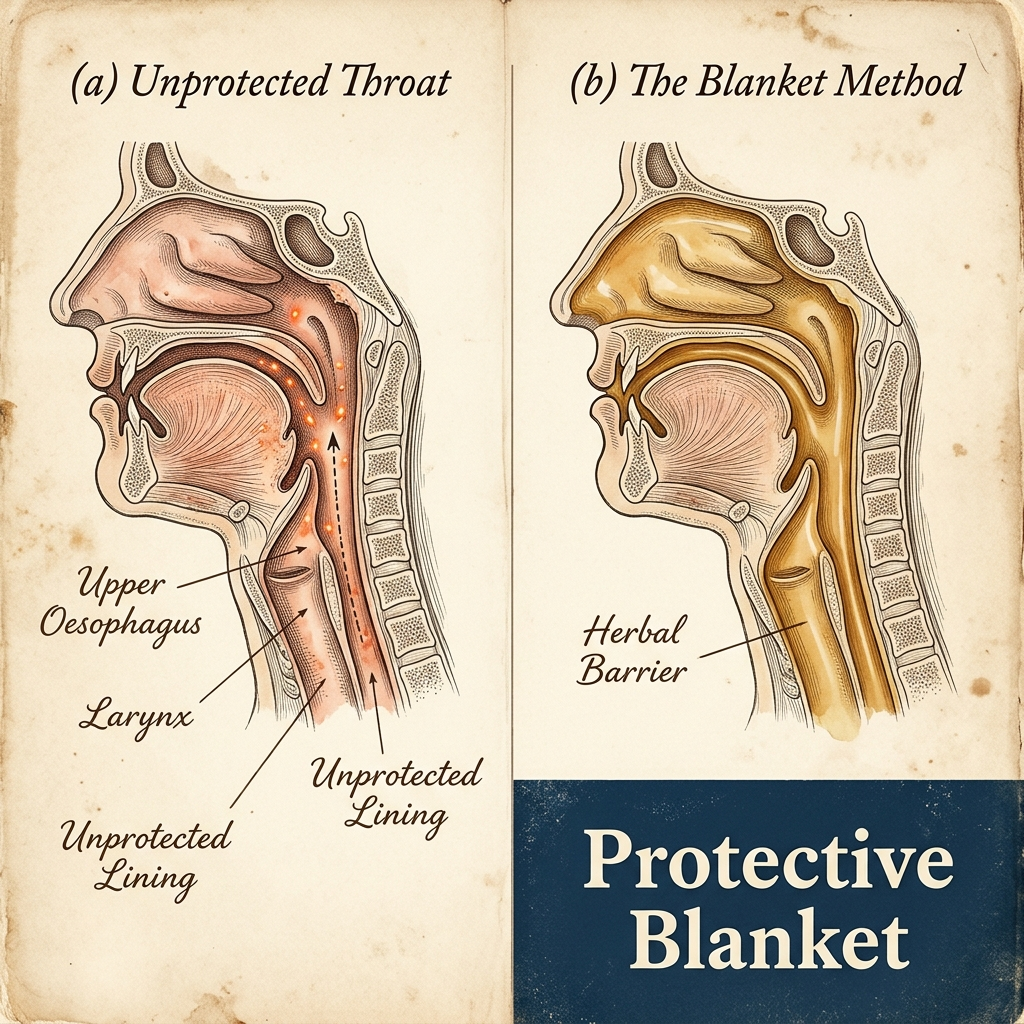
My patient took omeprazole for twenty-six years. Exactly as prescribed by her doctors. Then one day, her biopsy came back. The lining of her food pipe had changed. Doctors called it Barrett's oesophagus. A condition that can increase cancer risk. Last year, my own GP handed me the same medication, at the same dose. I sat in my car reading the prescription over and over again. Because I remembered that patient. And I remembered everything she went through. My name is Diane. I spent twenty-eight years working as a nurse on a gastroenterology ward. I thought I understood chronic acid reflux. Until I started experiencing it myself. It began with a persistent cough. Then came the constant throat clearing. My voice sounded rough every morning. And heartburn had become part of my normal routine after evening meals. Eventually, my GP referred me for an examination of my oesophagus. The results showed inflammation and a small hiatus hernia. She prescribed omeprazole 40mg and suggested we review my symptoms in six months. I knew the medication very well. I'd given it to countless patients. But I also knew something important. Reducing stomach acid doesn't necessarily stop the stomach contents travelling upwards. And that distinction matters enormously. I remembered Mrs Penrose, a patient I'd cared for over many years. She followed every instruction we gave her. She attended appointments and took her medication. Yet her reflux remained a problem. Eventually, she stopped cooking family meals. She began sleeping upright in a chair. And years later, doctors diagnosed Barrett's oesophagus. Her story stayed with me. Not because her medication caused the condition. But because managing acid and preventing every complication are not the same thing. So I began researching reflux more closely. And I discovered three important areas that deserved far more attention. The first was the oesophageal lining. Your stomach has a protective mucus barrier. Your food pipe is much more sensitive. When stomach contents repeatedly travel upwards, they can irritate that delicate tissue. Acid isn't the only possible irritant. Pepsin and other digestive contents can also contribute to troublesome reflux symptoms. That burning feeling after eating. The sour taste behind your throat. The cough that never seems to disappear. And the constant need to clear your throat throughout the day. The second area was stomach emptying. When food remains in the stomach, pressure and fullness can aggravate reflux. That uncomfortable sensation after evening meals can become especially troublesome when lying down. The third area was ongoing irritation. Reducing acid can help the oesophagus heal. But some people continue experiencing symptoms even while taking prescribed acid medication. And suddenly, my own experience made sense. I wanted to explore additional ways to support my digestive comfort. Without abruptly stopping my prescribed medication. That's when I contacted an old colleague. She had spent years studying nutrition and complementary approaches to digestive health. We discussed several ingredients commonly used in digestive and throat-support formulations. Slippery elm and aloe vera. Zinc-L-carnosine, chamomile and DGL liquorice. Ginger and artichoke extracts. Some had preliminary research behind them. Others had long histories of traditional use. But I also understood the limitations. Traditional use isn't proof of effectiveness. And individual ingredients aren't the same as a clinically tested finished product. My colleague introduced me to RefluxCare. A supplement combining seven different ingredients. I examined the label very carefully. After twenty-eight years working in healthcare, I wanted to know exactly what was included in every single capsule. The formula listed each ingredient clearly. Slippery elm, 335mg. Chamomile, 200mg. Ginger, 200mg. DGL liquorice, 150mg. Artichoke, 130mg. Aloe vera, 100mg. Zinc-L-carnosine, 60mg. No mystery about the listed quantities. I decided to try the supplement alongside the treatment my GP prescribed. I didn't stop taking my omeprazole. And I kept a detailed symptom diary. Because I wanted to understand whether anything was actually changing over time. I used two established symptom questionnaires. The GerdQ for common reflux symptoms. And the Reflux Symptom Index for the troublesome symptoms affecting my throat. At the beginning, my scores were high. My GerdQ score was fourteen. My throat symptom score was twenty-six. Then I started noticing some changes. After three weeks, I realised something. I wasn't clearing my throat as frequently. By week four, my morning voice seemed clearer than it had been. By week six, I felt comfortable enjoying a cup of coffee again. And by week eight, I noticed I was reaching for antacids less often. At week ten, I tried sleeping with one pillow instead of my wedge. For the first time in ages, I felt more comfortable during the night. At twelve weeks, I repeated both questionnaires. My GerdQ score had fallen to four. My throat symptom score was six. I took the results to my GP. She reviewed my diary and medication. We discussed my symptoms and next steps. Over the following months, she supervised a gradual reduction in my omeprazole dose. I continued monitoring how I felt. My experience won't predict anyone else's results. And it doesn't establish that RefluxCare was responsible for every improvement I noticed. But it encouraged me to pay closer attention to my digestive health. That's why I'm sharing this story. Perhaps you've experienced something similar yourself. The burning sensation after your evening meal. The uncomfortable feeling when lying down. The constant cough or throat clearing. Or the frustration of avoiding foods you used to enjoy without thinking. Perhaps you've been taking acid medication for years and still experience symptoms. If that's you, speak with your GP. Persistent symptoms deserve a proper assessment. And never stop prescribed PPIs suddenly without discussing a suitable plan first. RefluxCare is designed as a supplement for people interested in digestive support. Its formula brings together seven ingredients with clearly stated amounts on the label. Slippery elm and aloe vera. Zinc-L-carnosine, chamomile and DGL liquorice. Ginger and artichoke extracts. It's important to understand that RefluxCare isn't a proven treatment for Barrett's oesophagus. Nor is it a replacement for prescribed medication or specialist medical care. But if you're exploring digestive supplements, you can examine the full ingredient list. And decide whether it's appropriate for you. You can also track your symptoms using the same questions over time. Write down your starting scores. Repeat them after several weeks. And discuss any changes with your GP. Because understanding your symptoms is important. So is having a proper treatment plan. RefluxCare comes with a sixty-day money-back guarantee, according to its offer. You can read more about the formula, ingredients and guarantee through the link below. Diane R., retired nurse, Newcastle NSW *Personal account presented for advertising. Individual experiences vary.*
Where the ad sends people
willowmereqentharis.com
Read this if you have acid reflux
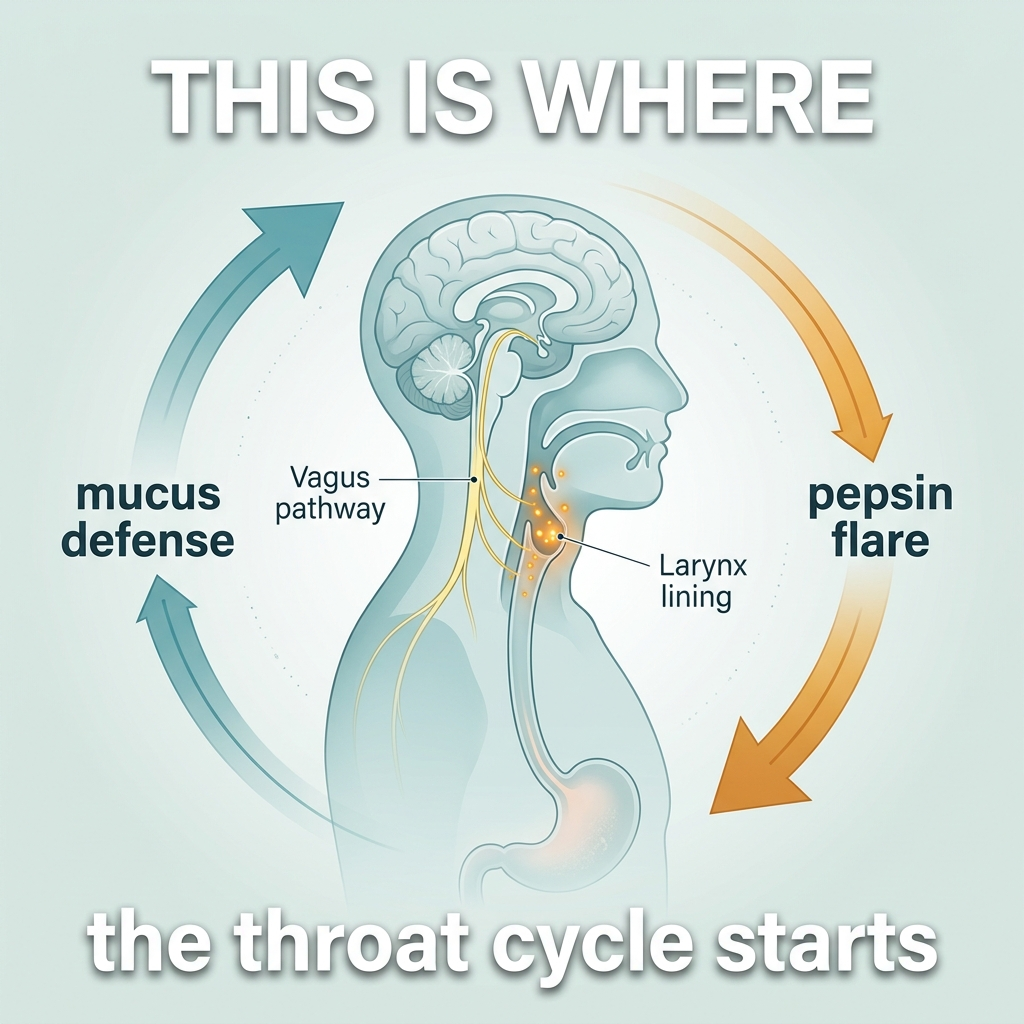
Researchers have discovered why silent reflux makes so many people clear their throat before every sentence — and why "normal" test results don't mean it's all in your head
Learn more: willowmereqentharis.com(opens in a new tab)