NativePath
 Facebook ad: “The Bone Loss Research Doctors Ignore”
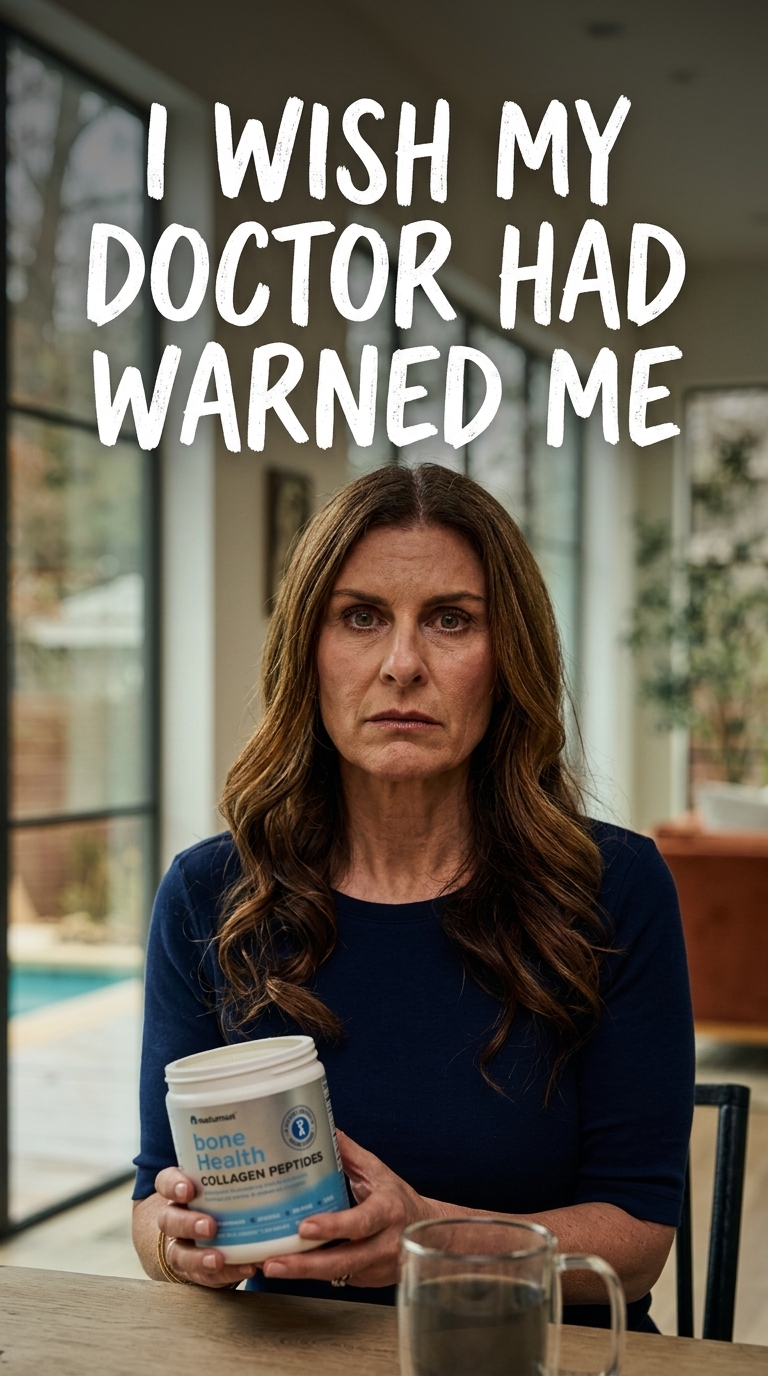
Ran for 32 days, from May 24 to June 25, 2026, the last day Crush saw it.
Run by NativePath on Facebook. Crush is not the advertiser and does not verify its claims. See this ad in Meta's Ad Library(opens in a new tab)
Make your own version of this ad
Crush makes it, launches it in your own Meta ad account, scales the winners and pauses the losers.
About this ad
- Meta Ad Library ID
- 948979221451719
- Platforms
- Facebook, Instagram, Audience Network, Messenger and Threads
- Relaunches
- 0
Ad text
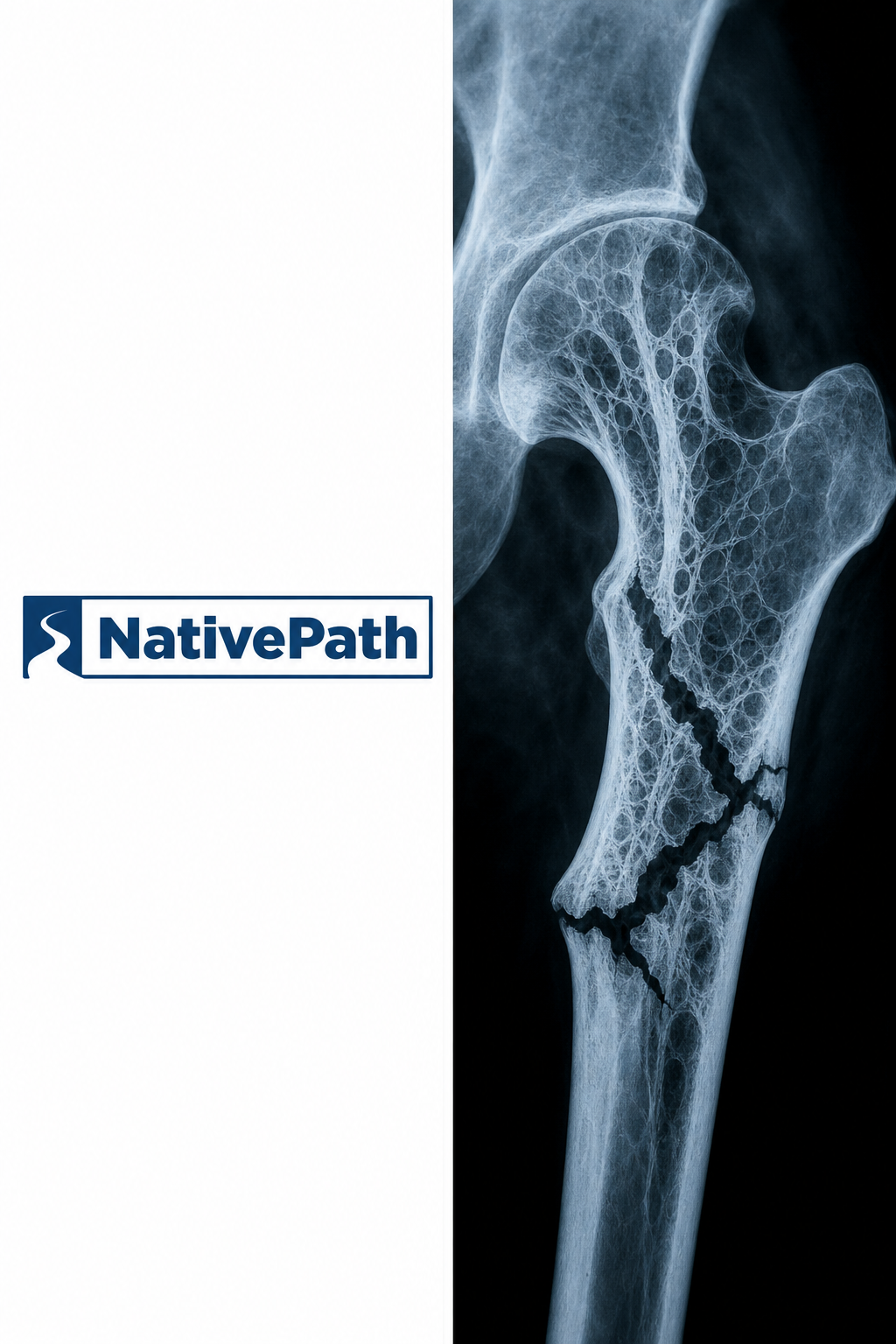
Here's what the research actually shows about rapid weight loss and bone density — and why most doctors aren't discussing it with their patients. A 2023 study published in the Journal of Bone and Mineral Research followed 412 postmenopausal women losing weight rapidly on GLP-1 medications. The findings were stark: participants lost an average of 1.2% bone mineral density per year at the spine and 1.4% at the hip. But here's the part that should concern every woman over 50: this bone loss wasn't just about calcium deficiency. The researchers found that rapid weight loss specifically damages the collagen scaffolding that gives bones their structural integrity. Think of your bones like a building. Calcium is the concrete, but collagen is the steel framework that holds everything together. When you lose weight rapidly, your body breaks down this collagen matrix faster than it can rebuild it. The mechanism is actually quite predictable: reduced mechanical load on the skeleton + lower protein intake during calorie restriction + hormonal changes from rapid fat loss = accelerated breakdown of bone's collagen infrastructure. This is where most medical advice falls short. Your doctor might tell you to take calcium and vitamin D. But if your collagen scaffolding is compromised, you're essentially pouring concrete over damaged steel beams. The solution isn't stopping your weight loss journey — it's supporting your bone structure during the process. Clinical research on bioactive collagen peptides shows a different path forward. In a 12-month randomized controlled trial, postmenopausal women taking 5 grams daily of FORTIBONE® collagen peptides showed statistically significant increases in bone mineral density at both the spine and femoral neck — even while maintaining weight loss. The key difference: these aren't regular collagen supplements. FORTIBONE® contains specific peptide sequences that stimulate osteoblasts (bone-building cells) while reducing osteoclast activity (bone-breaking cells). It's like sending architectural repair crews to fix the steel framework while construction continues. NativePath Bone Health Collagen contains the clinically studied 5-gram dose of FORTIBONE®, plus 2.5 grams of VERISOL® for comprehensive collagen support. Individual results may vary, but the research suggests this approach addresses the root cause rather than just treating symptoms. If you're on a weight loss journey and concerned about protecting your bone health, the data is worth considering.
Where the ad sends people
guide.nativepath.com
The Bone Loss Research Doctors Ignore
Research-backed bone protection
Learn more: guide.nativepath.com(opens in a new tab)