Amanda Mom Fitness-Diastasis Recti
Amanda Mom Fitness-Diastasis Recti Facebook ad: “Your Mom Pooch Isn't Fat, It's Diastasis Recti”
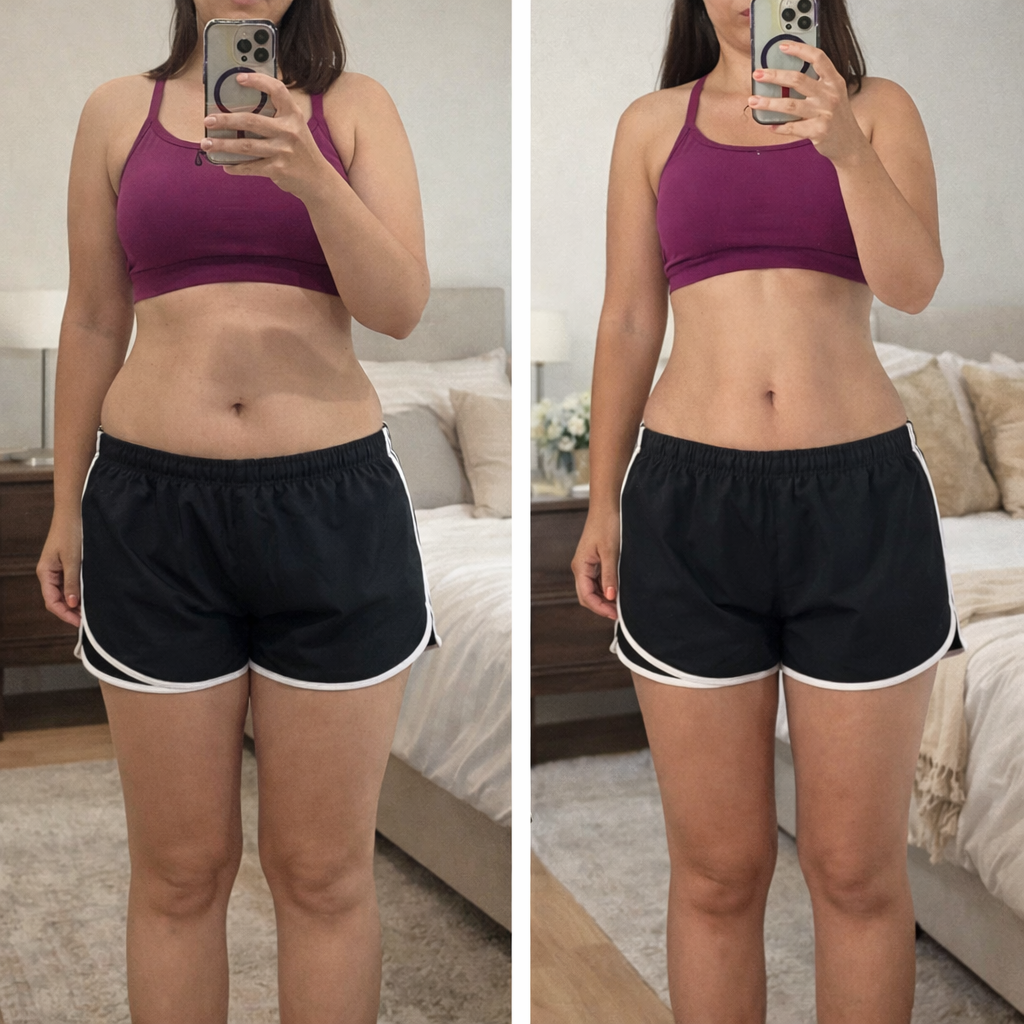
Ran for 3 days, from March 31 to April 3, 2026, the last day Crush saw it.
Run by Amanda Mom Fitness-Diastasis Recti on Facebook. Crush is not the advertiser and does not verify its claims. See this ad in Meta's Ad Library(opens in a new tab)
Want an ad like this for your product?
Crush makes new ad images for your product from this ad: your logo, your product photo, your offer.
Trials from $19.95 USD, then $79.95 USD a month. Cancel anytime.
About this ad
- Meta Ad Library ID
- 957192467003983
- Platforms
- Facebook, Instagram, Audience Network, Messenger and Threads
- Relaunches
- 0
Ad text
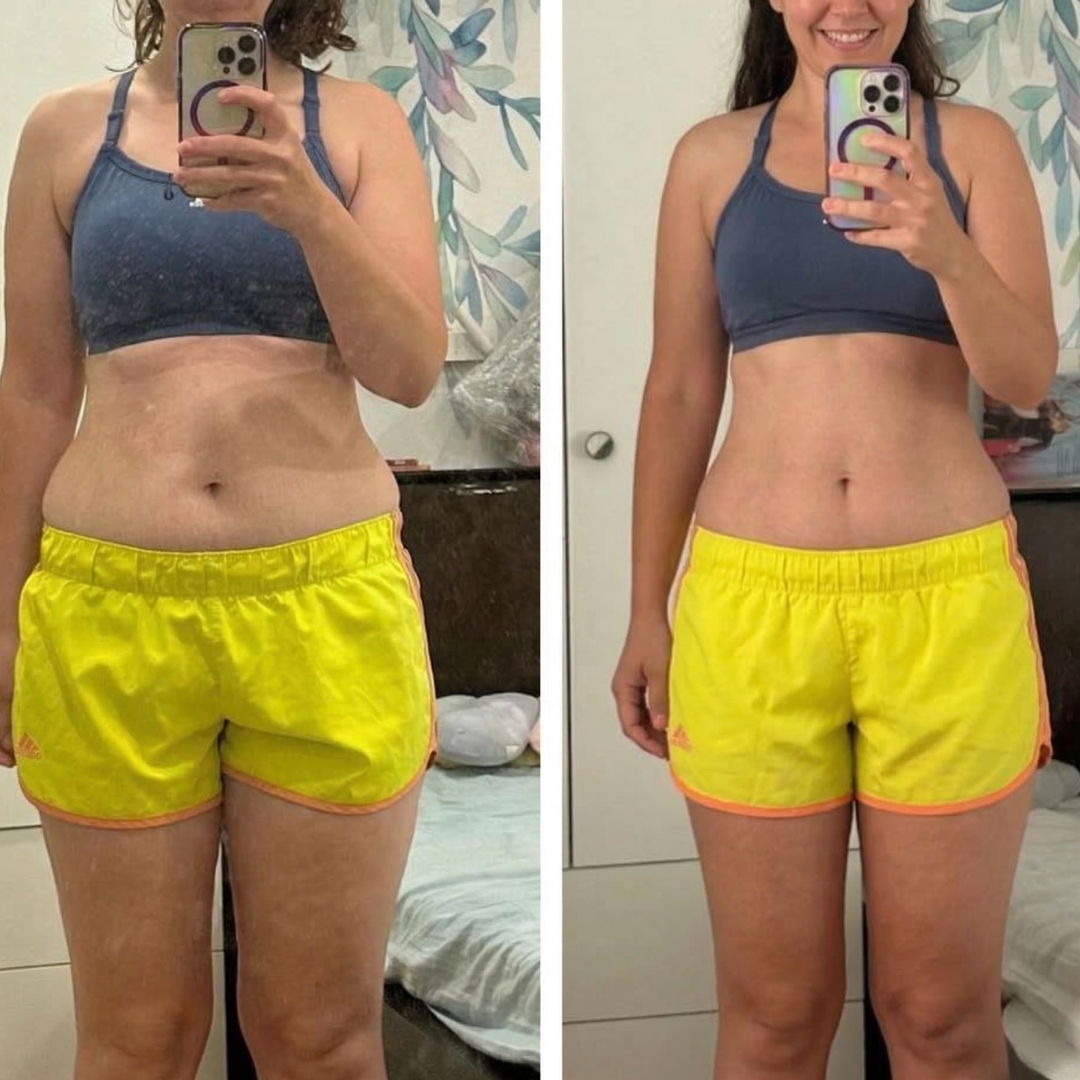
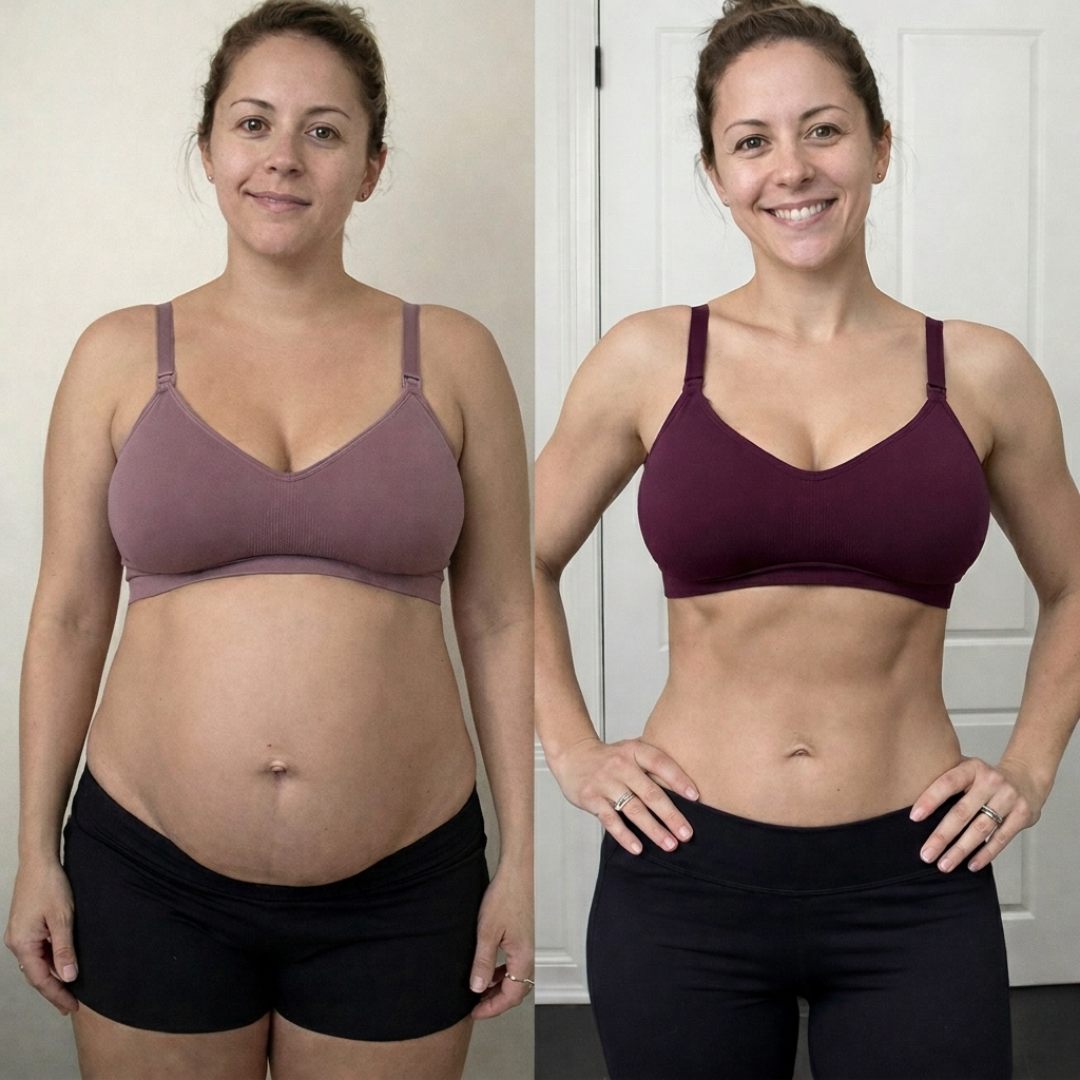
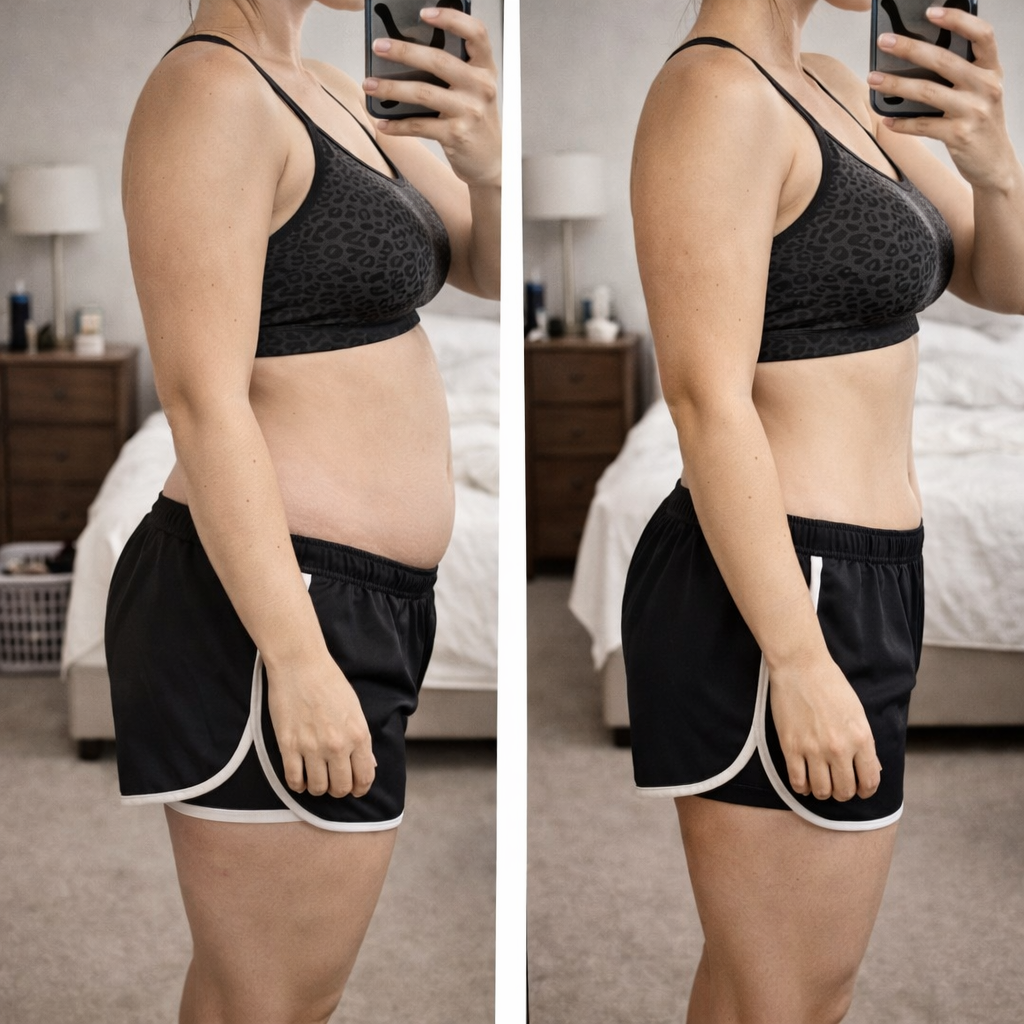
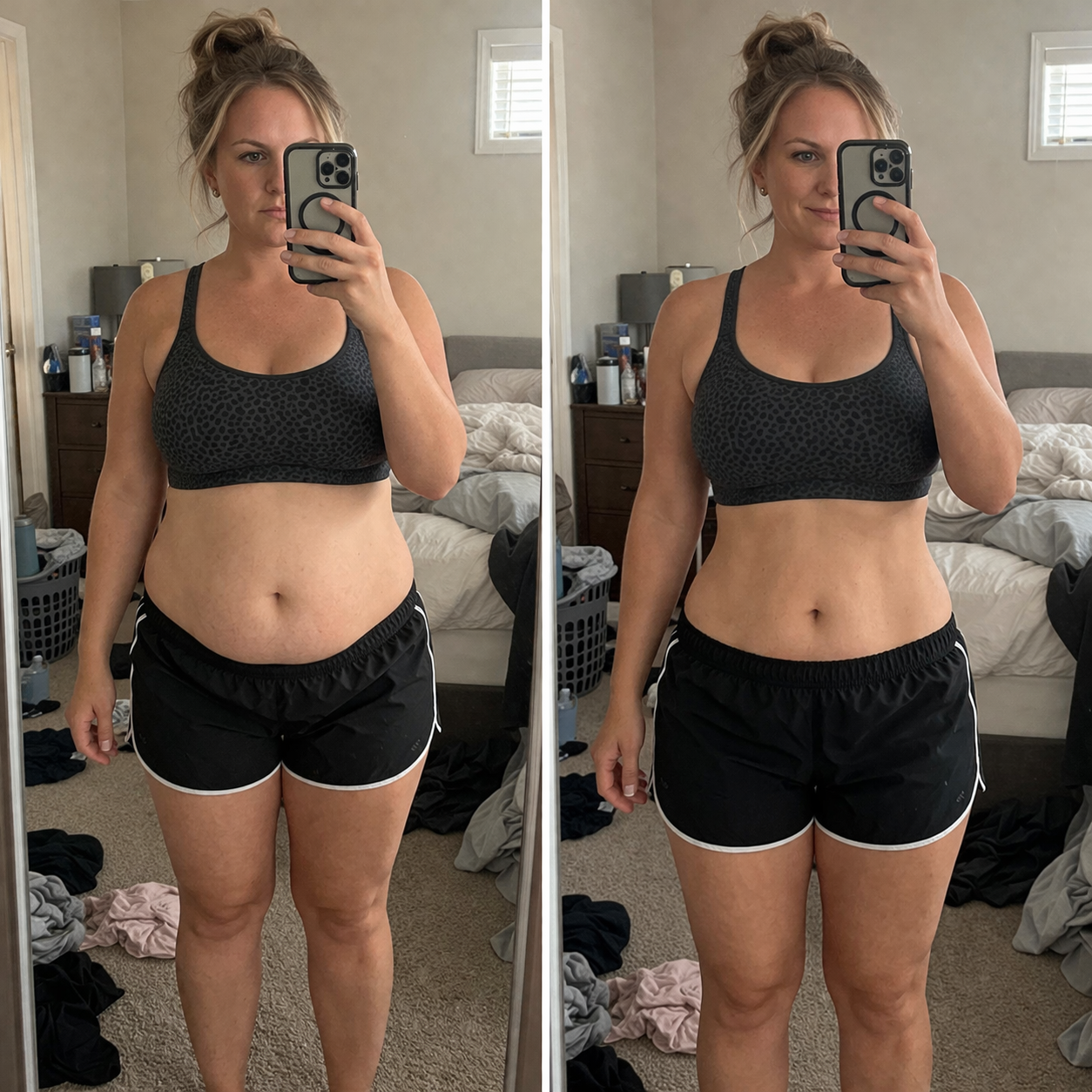
Most new moms blame their pooch on their diet. Too many carbs. Not enough cardio. Late night snacking. The iced coffee. The chocolate. "I just need more discipline." But there's one thing almost nobody checks for after pregnancy. And it's the real reason your stomach still pooches out. No matter how much weight you lose. No matter how many crunches you do. No matter how little you eat. It has nothing to do with fat. Let me explain. Your abs aren't one solid wall. They're two muscles that run side by side down the front of your stomach. Holding them together is a strip of tissue down the middle. During pregnancy, your baby grows and pushes those two muscles apart. That strip of tissue stretches to make room. And stretches. And stretches. Like a rubber band pulled too far. By the time you deliver, there's a gap between your ab muscles that wasn't there before. For some women, that gap closes on its own after birth. For a lot of women, it doesn't. The tissue got stretched so far that it lost its elasticity. It can't pull the muscles back together. So the gap stays open. And when there's a gap in the wall of muscle that's supposed to hold your stomach flat, your tissue and organs push forward through it. That bulge is the pooch. Not fat. Not bloating. Your insides pushing through a weak spot that can't hold them in. It has a name. Diastasis recti. About 60% of women have it postpartum. Most don't know. Because their doctor never checked. At your 6 week postpartum visit, your OB probably said "you're cleared to exercise." They didn't test whether your abs had separated. Didn't check your deep core. Didn't mention your pelvic floor. Didn't say the word diastasis. Just cleared you and moved on. So you went home and followed those postpartum ab workouts on YouTube. Did crunches. Did planks. And here's the part that hurts. Crunches make it worse. Every crunch creates pressure inside your abdomen. If your abs are separated, that pressure pushes straight through the gap. Stretching it wider. Pushing the pooch out further. Every single rep. The harder you crunch, the bigger the gap gets. You weren't failing. You were making it worse by trying harder. Planks do the same thing. Gravity pulling everything down through the weak spot. Diets can't fix it either. You can lose every ounce of fat on your body. The pooch stays. Because it was never fat. You can't starve a structural gap shut. That's why you're skinny everywhere except your stomach. That's why the scale went down but the mirror didn't change. That's why nothing has worked. Spanx hold it in while you wear them. The second they come off, everything pushes back out. You're renting support from a garment instead of rebuilding it from inside. But there's a muscle that can actually close the gap. It's called the transverse abdominis. It wraps horizontally around your midsection. Like a belt. When it contracts, it squeezes inward. Pulls the two sides of the gap toward each other. It's the only muscle that can pull it shut. The problem? After pregnancy, that muscle is stretched out and weak. The contractions you can produce on your own aren't strong enough to close anything. You're pulling in the right direction. But not hard enough. That's where EMS comes in. EMS is electrical muscle stimulation. It sends gentle pulses directly to that deep belt muscle. Not the surface abs. The one underneath that actually closes the gap. And it makes it contract way harder than you can on your own. Not just harder. More often. Hundreds of contractions in a single 20 minute session. At full strength. While you just lie there. No crunching. No pressure through the gap. No making things worse. Just the belt muscle squeezing inward. Over and over. Getting stronger and tighter every session. Ranked the number one non-surgical treatment for closing the gap across 21 clinical trials. Now normally, getting EMS means going to a clinic. Getting strapped to a machine. Electrode pads placed on your stomach by a technician. 30 to 45 minutes per session. Two to three times a week. $150 to $200 each visit. Plus finding childcare. Plus driving there and back. Plus scheduling around nap times and feedings and work. For a new mom, that's not realistic. The technology was right. The logistics were impossible. So someone put the same technology into a wearable belt. It's called FitMama. No machine. No clinic. No appointment. No childcare. You strap it on. Turn it on. Lie down. It holds the pads in the right position over the deep muscle so you don't have to figure out placement. 20 minutes. On the couch. While the baby sleeps next to you. Same contractions. Same deep muscle. Same inward pull. Just without the $200 per session and the impossible logistics. No gym. No 45 minute program you'll quit in two weeks. No giving up your iced coffee. Most women feel something different within the first two weeks. A sense of holding when they stand up. Not from Spanx. From inside. Once the belt wakes that muscle up enough to start responding, exercise becomes effective again. Those programs you tried before that didn't seem to work? They were targeting the right muscle. It was just too weak to respond. The belt gets it strong enough to show up. Then exercise takes over. Belt plus exercise. That's the combination ranked number one. Visible changes usually start around week four to six. By week eight to twelve, many women see measurable gap closure confirmed by their PT. This isn't about getting a flat stomach. It's about getting your body back. Recognizing yourself in the mirror again. Putting on a shirt without checking every angle. Letting someone take your photo without turning away. Being present with your husband instead of hiding under the covers. Feeling like you instead of the postpartum version of you. One small belt. 20 minutes a night. One deep muscle that's been waiting to do its job. If your pooch won't go away no matter what you try... It might not be a diet problem. It might be a gap you didn't know you had. And everything you've been doing has either been ignoring it or making it wider. 👉 Try FitMama risk-free for 30 days. Use it for a full month. If you don't feel the difference, every penny back. No questions asked. P.S. You can keep your iced coffee. It was never the problem.
Where the ad sends people
fit-mama.store
Your Mom Pooch Isn't Fat, It's Diastasis Recti ☝️
The first ab stimulator built specifically for post-partum moms. Postpartum weight loss isn't regular weight loss. And you already know that — because you've been doing everything right and nothing is changing. You can't just cut calories because your supply drops. You can't get to the gym because...
Learn more: fit-mama.store(opens in a new tab)