
Inactive· since Jun 15, 2026
- 44
- days it ran
- 0
- relaunches
- 5,784
- EU reach
Ad copy
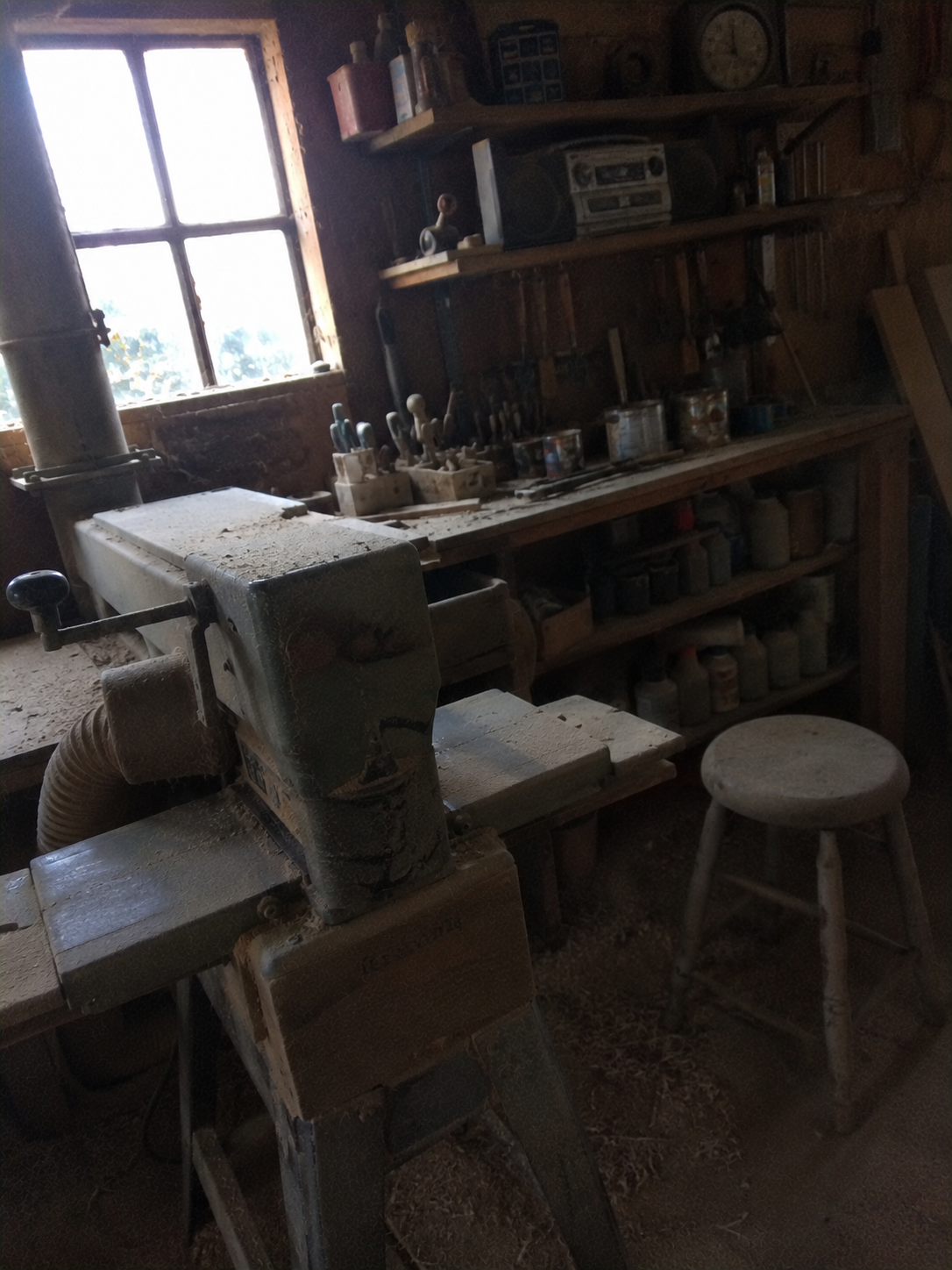
A Woman Behind Me in the Pharmacy Line Said One Sentence. I Stood in the Parking Lot for Ten Minutes Afterward. I want to tell you about my husband, Glenn. He's 66. He's been my husband for 39 years this October. Glenn was a high school shop teacher for 34 years. The kind of teacher who came home with sawdust in his hair and a kid's broken birdhouse in his lunchbox to fix at the kitchen table over the weekend. He retired four years ago. He wanted to retire. He'd been talking about it for years — the workshop he was going to set up in the garage, the canoe he was going to build, the little side business he was going to run repairing furniture for people in town. He had plans. Real ones. He even had a notebook. A spiral-bound notebook from the dollar store where he'd written down projects, dimensions, lumber lists, the names of three or four customers who'd already said they'd be his first jobs. That notebook lived in the kitchen drawer next to the takeout menus. I want to tell you about that notebook because it matters later. Glenn's first year of retirement was good. He set up the workshop. He bought a planer. He finished a small bookshelf for our daughter and a step stool for our granddaughter and a corner cabinet for our front hall. He was in the garage four or five days a week. The shop radio played country in the morning and classic rock in the afternoon and I could hear it through the kitchen window while I made lunch. That was year one. By year two, something had started to shift. I didn't see it for what it was at first. He'd come in from the garage rubbing his hands together — the way you do when your knuckles are stiff. He'd sit down at the kitchen table at the end of the day and roll his shoulders back, slow, like he was trying to find a way they'd settle. When he stood up from his recliner after the evening news, he'd brace one hand on the armrest and the other on his knee and push. He never complained. Glenn doesn't complain. He's not built that way. He'd just been moving differently. I told myself it was the cold winter we'd had. I told myself it was the new mattress. I told myself he was 64 and then 65 and bodies do what bodies do. By year three, the shop radio wasn't playing as often. He was still going out to the garage. Just for shorter stretches. He'd be out there for an hour. Then he'd come in and sit at the kitchen table with a cup of coffee and look out the window for a long time. I'd ask him if he was working on anything. He'd say: "Just puttering." That word started showing up in our house. Puttering. It's a small word that does a lot of quiet work. It means: I'm not building. I'm not making. I'm not the man you married who could spend ten hours in a workshop and not notice the time pass. I'm puttering. The corner cabinet he'd been planning to make for our daughter-in-law — the one in the notebook, the one with the dovetail joints he was going to teach himself — kept getting put off. He'd say: "Maybe next month." Then it was: "Maybe in the spring." Then it stopped coming up. I'd open the kitchen drawer to find a takeout menu and I'd see that spiral-bound notebook sitting there underneath the menus and I'd close the drawer a little harder than I needed to. This past January, we went to his doctor for his annual physical. Dr. Brennan has been Glenn's doctor for about eleven years. Glenn told him everything I'd been watching him not say. The stiffness in the mornings. The shoulders. The way his knees felt going down the basement stairs. The aches that settled into his hands by mid-afternoon. He didn't make it dramatic. He just told him. Dr. Brennan listened the whole way through. He ran a full panel of bloodwork. He checked Glenn's joints. He asked questions about Glenn's sleep, his weight, his activity, what kind of work he'd done with his hands for thirty-four years. A week later he called us at home. He said: "Glenn, your bloodwork is fine. There's nothing showing up that points to a specific disease or a deficiency we need to chase. Some of what you're describing is what we see in men who've spent decades doing skilled physical work. The body keeps a record. Joints get less forgiving. Muscles take longer to recover. Inflammation drifts upward as we age. It's not a single diagnosis. It's the cumulative arithmetic of a working life and the years that come after." He talked about three things. Movement — keep doing it, even on the days the body resists. Sleep — protect it, don't shortchange it. A thoughtful approach to what Glenn was putting in his body — fewer ultra-processed foods, more vegetables, more antioxidant-rich foods, plenty of water. He said: "If you want to add something supplemental to support the foundation, I won't talk you out of it. Just call the office first and we'll make sure it doesn't interact with anything. Don't expect a miracle. Expect a foundation." I drove home from that appointment thinking about Glenn at the kitchen table. He was looking out the window again. He wasn't depressed. He wasn't sick. He was just quieter than the man I'd married, and the notebook was still in the drawer. About three weeks after that appointment, I was standing in line at the pharmacy waiting to pick up a refill of my own thyroid medication. The pharmacy was busy that morning. There were five people ahead of me and three people behind me. The woman directly behind me was probably in her early sixties. She had a kind face and a green winter coat and a paperback book she was holding open with one finger marking her place. She didn't say anything to me at first. The line moved. We moved. After a few minutes she made a small comment about how nice it was to see a pharmacist who actually came out from behind the counter to talk to people. I agreed. We started talking the way you talk to a stranger in a line — about nothing in particular. She asked me how my morning was going. I gave the polite answer. She said: "Mine's been good. I was just dropping off a thank-you card for the pharmacist. He'd been helpful to my husband last year." I asked her what about. She paused for a second. Then she said: "My husband had been having a hard couple of years. He's a retired electrician. His hands had been stiffening up, his knees were giving him trouble, he wasn't doing the woodworking he used to love. The pharmacist helped us think through some supplemental options that the doctor had approved, and one of them — he was very honest, he said he couldn't promise anything — turned out to be the one that helped my husband most." I stood there in the pharmacy line and I felt the back of my neck get warm. She kept talking. "My husband's been a different man this year. He's back out in his garage. He finished a project he'd been putting off for three years. I'm not saying it was a miracle. I'm saying he stopped being puttering and went back to building." She said the word. Puttering. The same word that had been living in my house for two years. I asked her what the supplement was. She told me. She said: "Beetroot. A specific brand. It's from a small farming community in Lancaster County. I'll write it down for you if you've got something." I dug in my purse for a receipt. She wrote on the back of it: "Rosabella. Talk to your husband's doctor first." The line had moved without me noticing. The pharmacist was looking at me, waiting. I stepped up, picked up my prescription, paid, and walked out. I sat in my car in the pharmacy parking lot with that receipt in my hand for about ten minutes. I didn't drive anywhere. I just sat there and looked at the word she'd written. I'd never met that woman before. I'd never seen her in our town and I haven't seen her since. She wasn't selling anything. She was waiting in line to drop off a thank-you card and she'd answered a question I'd asked her about her own life. But the word she'd used — puttering — was the word I'd been turning over in my own head for two years. And the picture she'd painted of her husband — retired skilled-trades guy, hands stiffening up, garage going quiet, a project he'd been putting off for years — was Glenn. I drove home with the receipt in my coat pocket. I didn't say anything to Glenn that night. I sat with it for about a week. I did some reading. What I learned was that beetroot has been studied for decades for cardiovascular wellness and for supporting the body's antioxidant systems. The active compound is something called betalains — that deep crimson red pigment that stains your cutting board when you slice a beet. Betalains are one of the more potent antioxidants in the food supply. They support the body's natural antioxidant balance. They support healthy circulation. They're part of the family of plant compounds that researchers have been studying for their role in supporting the body's normal response to everyday wear and tear — the kind of cumulative wear and tear Dr. Brennan had been describing. Beetroot is a structure-function ingredient, not a medication. It supports healthy cholesterol levels already within the normal range. It supports healthy circulation. It doesn't replace anything else a person is doing — it works alongside it. That last part is what made me comfortable thinking about it for Glenn. I wasn't going to ask him to stop doing anything Dr. Brennan had recommended. I wasn't going to second-guess his doctor. I was thinking about adding one capsule to what he was already doing — the way Dr. Brennan had said I could, if I called first. Before I ordered anything, I called Dr. Brennan's office. I spoke to his nurse. I told her exactly what I was thinking. Told her the brand. Told her about Glenn's joint stiffness conversation. Asked if there was any reason Glenn shouldn't add it. She talked to Dr. Brennan and called me back the next day. He said it was a sensible thing to add. No interactions to worry about with the multivitamin and fish oil Glenn was already taking. Have Glenn mention it at his next visit so it gets in the chart. I ordered the bottle. When it arrived, I told Glenn about it at dinner. I told him about the woman in the pharmacy line. I told him about her husband — the retired electrician, the stiffening hands, the garage going quiet, the project he finished. I told him I'd called Dr. Brennan and gotten the okay. I told him I wanted to put one capsule on the saucer next to his morning coffee. Glenn listened the way Glenn listens. Then he said: "Okay. Why not." That was it. The next morning I put the bottle on the kitchen counter next to the coffeemaker and put one capsule on the saucer next to his mug. When I came downstairs at 6:30, the saucer was empty and Glenn was reading the paper. I'm not going to tell you something happened in seventeen minutes. I don't think these things work like a switch flipping. But over the next couple of months, I started noticing things. The first thing was the kitchen table at the end of the day. Glenn stopped rolling his shoulders back trying to find where they'd settle. He'd just sit down with his coffee and read. The second thing was getting out of the recliner. I caught him standing up one evening during the weather report without bracing both hands on the chair. He didn't say anything about it. He just stood up and walked into the kitchen. I noticed. He didn't notice that I noticed. The third thing was the workshop. A few weeks in, the shop radio started staying on longer. I'd be in the kitchen making lunch and I'd realize that the country music had switched to classic rock and I hadn't heard him come in for a break. He was out there for two hours. Then three. Then half a day. About three months in, I came home from the grocery store on a Tuesday afternoon and Glenn met me in the driveway. He was wiping sawdust off his hands with a shop rag. He said: "Come look at something." I followed him out to the garage. The corner cabinet from the notebook was sitting on the workbench. Not finished. The doors weren't on yet and the dovetail joints on the back panel had pencil marks on them where he was figuring something out. But it was there. The frame was up. The shelves were cut. The piece of wood he'd been saving for the top — a board of figured maple he'd kept in the garage for almost six years, leaning against the wall behind the planer — was clamped to a workhorse, waiting to be planed. He pointed at it. He said: "I think I'm going to get this one done." I didn't trust my voice for a second. I said: "I think you are too." He went back to the workbench and picked up a pencil and made a mark on the dovetail joint and got back to it. I stood in the garage doorway for a minute and watched him work. His shoulders weren't where they used to be. His hands were a little slower than they used to be. But he was building. He wasn't puttering anymore. At Glenn's next appointment with Dr. Brennan, his bloodwork was the same as it had been in January. Good. Where it should be. Dr. Brennan didn't change anything. He didn't put Glenn on a prescription. He asked Glenn how he'd been feeling. Glenn told him. The shoulders. The mornings. The recliner. The workshop. He mentioned the beetroot. Same brand, same dose, every morning. Dr. Brennan nodded. He said it sounded like a reasonable addition and he was glad I'd called the office before we started it. He said: "Whatever combination of things you've been doing, keep doing it. Movement, sleep, the food we talked about, the supplement — it's a foundation. The foundation is working." That was the appointment. That was about six weeks ago. I want to be careful about what I'm claiming. I don't know how much of Glenn's coming back is the beetroot. I don't know how much is the resistance band exercises Dr. Brennan suggested he start doing. I don't know how much is the fact that he started drinking more water once we paid attention to it. I don't know how much is the cumulative effect of Glenn being honest with his doctor for the first time about how he'd been feeling for two years. It's probably all of it together. Bodies are different and lives are different and I can't tell you that what worked for Glenn would work for your husband. What I can tell you is what I did. I took the comment of a stranger in a pharmacy line seriously enough to sit with it. I read about what she'd recommended. I called Glenn's doctor's office before I added anything to his morning. I waited for the doctor to call back. When he said it was a sensible thing to add, I ordered the bottle. Glenn never came off anything Dr. Brennan had recommended. He never reduced anything. He never went against his doctor's guidance. He added one capsule to what he was already doing — alongside everything else we changed together. Talk to your doctor or pharmacist before adding any new supplement to your husband's existing care, especially if he's on medication for blood pressure or cardiovascular health. That one phone call is what made me comfortable. It's what I'd tell anyone else to do first. The brand I added to Glenn's morning is Rosabella. 1,300 milligrams per capsule, cold-pressed at low temperatures, grown in Lancaster County. One capsule with a glass of water in the morning. That's the whole thing. P.S. I went back to that pharmacy on a Friday afternoon about a month after the first time. I was hoping I'd see her again. I wanted to tell her about the corner cabinet. She wasn't there. She hasn't been there any of the times I've been back since. I think about her sometimes — a stranger in a green winter coat with a paperback book and a thank-you card for a pharmacist, who said one sentence in a pharmacy line on a Tuesday morning that changed what was happening in my husband's garage. I wish I'd at least gotten her name. P.P.S. Rosabella has a 90-day money-back guarantee. If you're not satisfied for any reason, every penny back. No questions asked. I think that's a sensible policy for a supplement — it gives you time to actually see whether it does anything for you. I'd give it a few weeks at minimum. Bodies are different. Some people notice something within the first week or two. Others take longer. P.P.P.S. I keep an extra bottle in the house just in case. They're a small operation and the harvest is once a year, so the bottling can run on its own schedule. P.P.P.P.S. Here's what I'd tell you to do if you're in a similar place with your own husband. Call his doctor's office first. Tell the nurse exactly what you're thinking and exactly what he's on. Wait for the doctor to call back. If the doctor approves, put one capsule on the saucer next to his morning coffee mug. Don't change anything else without your doctor's input. Just put it there. Let him take it the way Glenn took it — quietly, without expectation. Give it a few weeks before you decide anything. And in the meantime — protect his sleep. Walk with him. Put a glass of water by his chair. The bottle isn't the whole foundation. It's one piece of it. P.P.P.P.P.S. The corner cabinet is in our daughter-in-law's front hall now. Glenn delivered it last Sunday. He carried it up her front steps himself. She cried when she saw the dovetail joints — she'd been hearing about that cabinet for three years and she said she'd started to believe she'd never see it. The notebook is back on the kitchen counter, open to the next project. A canoe paddle. He says he's going to start small. I told him to start however he wants. He's building. https://track.tryrosabella.com/14309c20-4d60-44e3-9565-5ba6bb358986 Individual experiences vary. These statements have not been evaluated by the FDA. This product is not intended to diagnose, treat, cure, or prevent any disease.
Support stamina and heart health every day
LEARN MORELike this ad? Make it yours.
Crush rebuilds this exact creative around your product — your brand, your colors, your offer — in about a minute.