The Working Mom
The Working Mom Facebook ad: “Read This If You're A High Achiever”

Ran for 15 days, from June 15 to June 29, 2026, the last day Crush saw it.
Run by The Working Mom on Facebook. Crush is not the advertiser and does not verify its claims. See this ad in Meta's Ad Library(opens in a new tab)
Want an ad like this for your product?
Crush makes new ad images for your product from this ad: your logo, your product photo, your offer.
Trials from $19.95 USD, then $79.95 USD a month. Cancel anytime.
About this ad
- Meta Ad Library ID
- 963038723218224
- Platforms
- Facebook, Instagram, Audience Network, Messenger and Threads
- Relaunches
- 0
Ad text
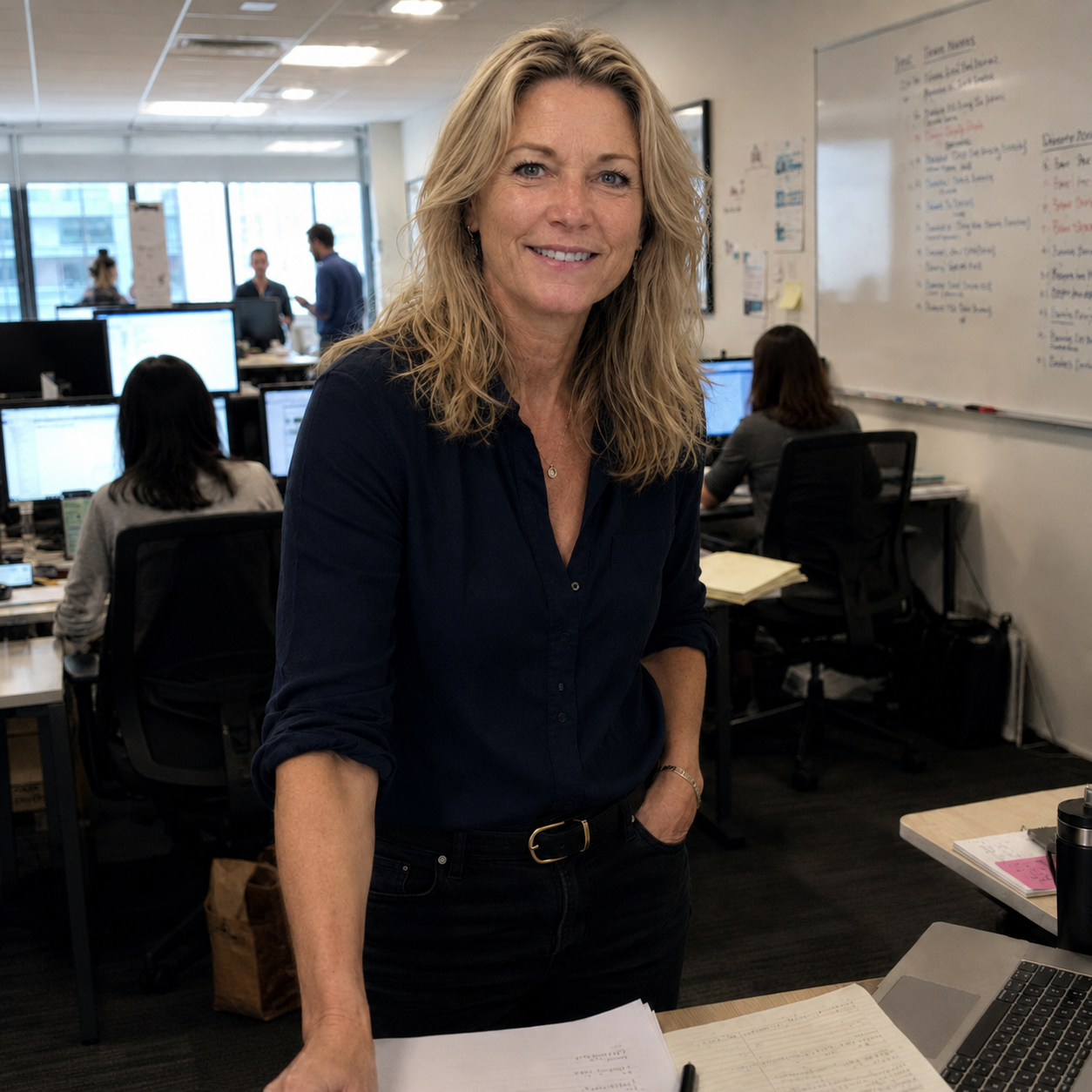
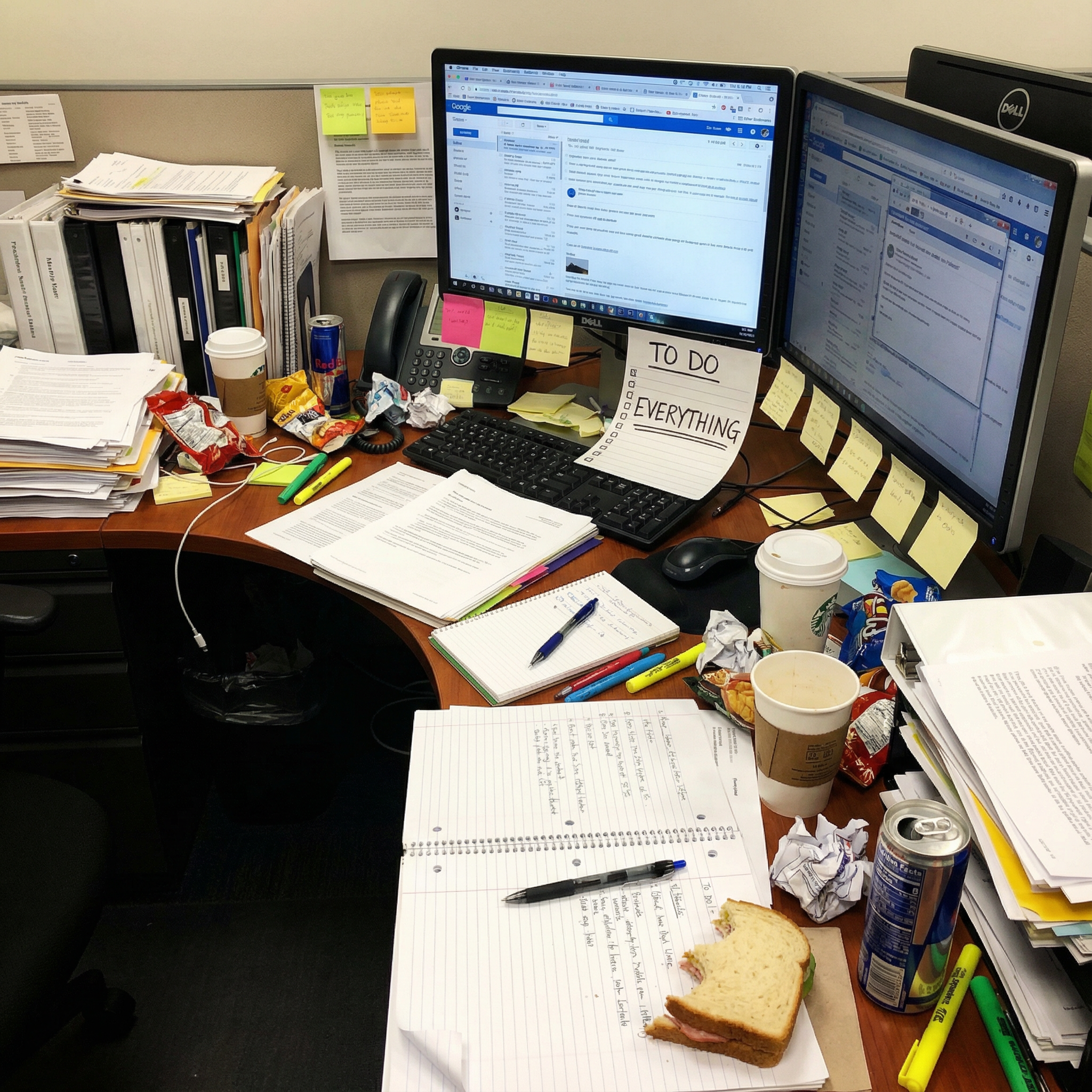
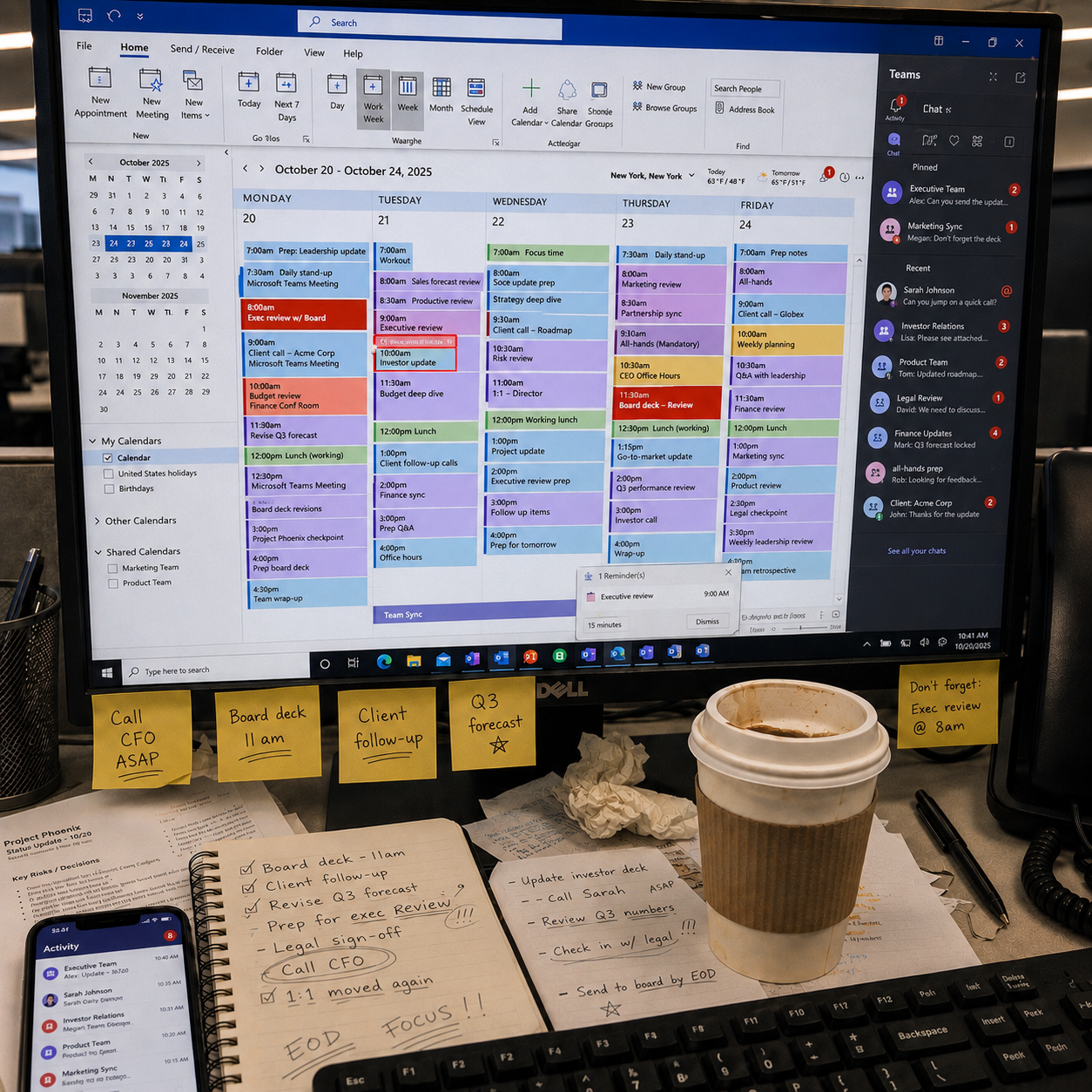
I quit my leadership job because the brain fog got so bad I couldn't do it anymore. That's the short version. It started small. Forgetting a word here and there. Reading the same email three times. Sitting in meetings I was supposed to be leading and not being able to follow what was being said. I'd been sharp my whole career. Twenty years. The person people came to. The one who could juggle twelve things and still have capacity for more. But I came to a point where I couldn't do it anymore. The meetings, the bullshit, the inane office chatter, the same treadmill every day. I was so tired and felt frazzled every day, trying and failing to keep things together, wondering what in the world I was even doing. I'm not panicked really. I'm kinda... numb. Anxiety is always around the corner. Unsure if it is burnout, grief (my mum passed) or maybe just getting older. Or all of it. I'd sit at my desk at 2pm and realise I'd been staring at the same paragraph for ten minutes. I was writing down things I never used to need to write down. Preparing for conversations I used to handle without thinking. I used to always be doing something. Making things. Building things. Planning things. Now I was just trying to get through the day without anyone noticing how much I was struggling. It's not like I didn't try. Before I quit, I went through the usual list. Magnesium. Melatonin. B12. Iron supplements because I figured I must be low on something. More coffee, then less coffee, then more again because nothing else got me through the afternoon. My GP ran bloodwork. Everything came back normal. She suggested antidepressants. I said I wasn't depressed. She said sometimes we don't realise we are. Maybe she was right. I didn't know anymore. I just knew my brain wasn't working like it used to and nobody could tell me why. I tried pushing through harder. Waking up earlier to prepare. Spending weekends going over Monday's meetings so I wouldn't blank. Three times the effort to produce half the output. Then I quit my job without anything lined up. Not because I had a plan but because I had nothing left. I figured once the pressure was off, I'd start to feel like myself again. That's what's supposed to happen, right? Six months off. No deadlines. No pressure. Nothing changed. I still couldn't focus for more than thirty minutes. Still forgot things constantly. Still felt frazzled doing basic tasks around the house. Resting didn't fix it. Supplements didn't fix it. Quitting didn't fix it. So either something was seriously wrong with me, or I was missing something. A few weeks later I was at school pickup and ran into Kate. We'd worked together years ago. She was still in it — VP level, big team, kids the same age as mine. One of those women who just seems to manage everything. Career, kids, all of it. I never understood how she did it. We got talking. She asked what I was up to. I was honest. Told her I'd left my job. That I was freelancing but not really. That I was struggling to get going again. I didn't go into the whole thing but she got the picture. I asked her how she keeps it all going. Like genuinely. She shrugged. "I tried to tough it out too I guess. Thought about quitting. But then I went to a hormone specialist." She said it was a cortisol thing. Something to do with her hormones changing and her stress hormone running high because of it. Standing in a school car park I didn't follow all of it. But she said one thing that landed. That's why you feel so frazzled and tired all the time. Why you can't keep things together the way you used to. Why you don't feel like yourself anymore. That last part got me. Not feeling like yourself. Because that was it. That was exactly what I'd been trying to explain to people for over a year and couldn't find the words for. I asked her what she did about it. She said her specialist put her on something called Luvuna. Some kind of stress support supplement. She'd been taking it for about six months. Said it took a few weeks but she started feeling like herself again. She said it like it was nothing. Like she'd had a problem and fixed it and moved on. I went home and couldn't stop thinking about it. Not the cortisol part specifically. The part where she said she felt like herself again. Because I'd honestly forgotten what that felt like. I looked it up. Then I booked an appointment with a hormone specialist someone had mentioned to me months ago that I'd never followed up with. The hormone specialist was a woman in her fifties called Dr. Kaur. She asked me to describe what I'd been experiencing. I told her about my fog, tiredness, the numbness, not being able to keep things together. I told her I'd quit my job. That rest hadn't helped. I didn't really know what was wrong with me. She asked me what I thought was causing it. I said I wasn't sure. Burnout maybe. Grief. Getting older. Peri. Probably a bit of everything. She said let's go through those. If it was burnout, rest would have fixed it. You've rested for over a year. It didn't. If it was grief, it would have eased with time. It hasn't. And getting older doesn't explain why it hit so suddenly or why it's this severe. She asked me how long I'd been in high-pressure roles. I said about twenty years. She said ok. So here's what's actually going on. Perimenopause on its own is hard enough. But here's the part nobody tells you. For your whole adult life, estrogen has been quietly keeping your stress hormone — cortisol — in check. Think of it as a brake. However stressful your days got, that brake kept the cortisol from running away with you. Around your early forties, your estrogen started to fall. And as it falls, the brake comes off. So the same everyday stress your body used to absorb without you even noticing now sends your cortisol much higher than it was ever meant to go. And high cortisol is what scrambles your thinking. It's what's behind the fog, the blanking mid-sentence, the staring at the same paragraph at 2pm. It isn't your intelligence failing you. It's cortisol running unchecked for the first time in your life. And there's more. High cortisol doesn't just fog your thinking. It flattens your drive — it dampens the brain chemistry behind wanting to do things. The numbness, the not being able to care, the wanting to do something but not being able to make it happen — that's the cortisol too. This is also why it hit you so hard. Twenty years in a high-pressure career means twenty years of a body wound tight on stress. The whole time, estrogen was absorbing it. The moment that buffer started to go, two decades of stress load came through all at once, unchecked. I said but I took magnesium and B12 and iron for months. She said those are nutritional supplements. Your problem isn't nutritional. They don't do anything for cortisol. They never could have helped with this. I asked about the antidepressants my GP offered. She said you're not depressed. You've got high cortisol. They look the same from the outside — the flatness, the numbness, the not caring. They feel the same. But underneath they're completely different problems, and an antidepressant doesn't bring cortisol down. It can't fix what yours is. I asked about HRT. She said HRT replaces the estrogen, and that helps with a lot of perimenopause symptoms. But it doesn't bring your cortisol down. You could go on HRT and still feel exactly like this, because the cortisol would still be running high. She said you didn't need to quit. Your job wasn't doing this to you. It was the same job it had always been — the thing that changed was your estrogen, and with it the brake on your cortisol. Quitting took away the work but not the cortisol, which is exactly why six months off changed nothing. You could have stayed if you'd known what to actually fix. I didn't say anything for a while. Twenty years of a career I built. That I was good at. That made me feel like me. I gave it up because nobody told me what was actually going on. I asked her what I was supposed to do about it. She said there are plant compounds called adaptogens that help bring cortisol back down to where it used to sit. Not the way caffeine works. Caffeine pushes your cortisol even higher — which is the last thing you want when it's already running high. That's why the coffee stopped helping in the afternoons and started making you feel worse. Adaptogens do the opposite. They calm the stress response and bring the cortisol down. She said two in particular — ashwagandha and holy basil — are the ones most consistently shown to lower cortisol, and they do it without touching your estrogen. Pair them with rhodiola and L-theanine for focus and saffron for mood, and you're working on the whole thing at once. She said Kate's supplement, Luvuna, has all of them at the doses the research actually supports. That's what she recommends to her patients. I ordered Luvuna that night. Two capsules with breakfast. Told myself I'd give it eight weeks. I was skeptical. I'd already spent a year taking supplements that did nothing. But what Dr. Kaur explained made sense. Everything else I'd tried was treating the wrong thing. This was the first time someone had actually explained what the right thing was. First couple of weeks I didn't notice much. Hard to tell if anything was different. Week three I was in the kitchen and I had this urge to reorganise the pantry. Which sounds stupid. But I hadn't had the urge to do anything in over a year. I just did it without thinking about it. Like a normal person. By week five I went for a walk and actually enjoyed it. Not in a forcing-myself-to-get-fresh-air way. I just felt like going. Week six I started looking at job listings. Not in a panicky I'm-running-out-of-money way. In a I-actually-want-to-work way. I wanted to be back out there. Week eight my kids noticed. My daughter said I seemed like I was in a better mood. I wasn't in a better mood. I was just present. I was actually there instead of going through the motions. My friend said the same thing around that time. She said I seemed more like myself. I didn't know what to say to that because I hadn't even realised how far gone I'd been. I started making things again. Nothing big. Just small projects around the house. But I was doing things. For the first time in over a year. That's when I knew Dr. Kaur was right. It was never burnout. It was never grief. It was never the job. It was my cortisol this whole time. And once it started coming down, I started coming back. It's been four months now. I'm working again. Senior role. Different company. I was nervous going in. Kept waiting for the numbness and stress to come back. It didn't. I follow conversations. I contribute. I hold onto ideas long enough to say them out loud. I don't rehearse meetings in the car anymore. I don't write down names I should already know. I'm not frazzled. That's the thing I notice most. I used to feel like I was holding everything with both hands and it was still falling. Now things just get done. Normally. The way they used to. My kids have their mum back. The one who's actually there. Not going through the motions. Not giving them whatever scraps of energy are left at the end of the day. I have enough now. For them and for me. I make plans with friends again. I look forward to them. I cook properly instead of just surviving dinner. I do things on weekends because I want to, not because I have to. I care about things again. That sounds small but if you've spent a year feeling numb you know it's not. The other day my daughter asked me for help with something for school. I sat down and worked through it with her. Properly. And afterwards I realised I hadn't had to force myself. I just did it. The way I used to do everything. That's when it hit me. I wasn't performing being ok. I am ok. I feel like myself again. For over a year I didn't think that was possible. The woman I'd been looking for was always there. She was just buried under all that cortisol. Once it came down, she came back. If any of this sounds familiar — if you've been feeling numb, frazzled, not like yourself, wondering where the woman you used to be has gone — it's probably not burnout. It's probably not depression. It's probably not just getting older. It might be your cortisol running unchecked, making perimenopause far harder than it was ever supposed to be. And that's fixable. You don't have to quit your job to feel better. I did. I didn't have to. You don't have to wait it out hoping it passes. I did that too. It didn't pass. You don't have to keep taking supplements that were never going to work because they were treating the wrong thing. Luvuna is two capsules with breakfast. $66.99 a month. 60-day money-back guarantee — full refund even if you use the whole bottle. It's made in the US and third-party tested, and there's nothing in it I couldn't pronounce. Every dose is printed right on the label — no proprietary blend hiding how much of anything you're actually getting. You've got nothing to lose by trying it. If I'd known about cortisol two years ago I'd probably still be in the career I built for 20 years. I lost fourteen months and a job I didn't need to leave because nobody told me what was actually going on. You don't have to lose what I lost. You deserve to feel like yourself again. And you don't have to figure this out alone. 👉 https://luvuna.com/products/peri-meno-stress-support P.S. If you're feeling numb, foggy, frazzled — if you can't keep things together the way you used to and you don't know why — your cortisol is probably already running high. That's not burnout. That's cortisol. And it doesn't come back down on its own. Every month you push through or try to rest it off, the cortisol is still running unchecked. I waited fourteen months. You don't have to. P.P.S. I don't work for Luvuna. I recommend it because after Dr. Kaur explained what was going on, I looked into every adaptogen supplement I could find. Luvuna is the only one that pairs ashwagandha and holy basil — the two compounds most consistently shown to lower cortisol — at the doses the research actually supports, alongside rhodiola, L-theanine and saffron for the focus and the mood. After twenty years of running hot on stress, I wanted something backed by real evidence. This was it.
Where the ad sends people
luvuna.com
Read This If You're A High Achiever 👆
A non-hormonal perimenopause supplement with clinical-dose adaptogens to support stress, mood, focus and hormonal transition
Shop now: luvuna.com(opens in a new tab)