
Active· since May 13, 2026
- 125
- days running
- 0
- relaunches
Ad copy
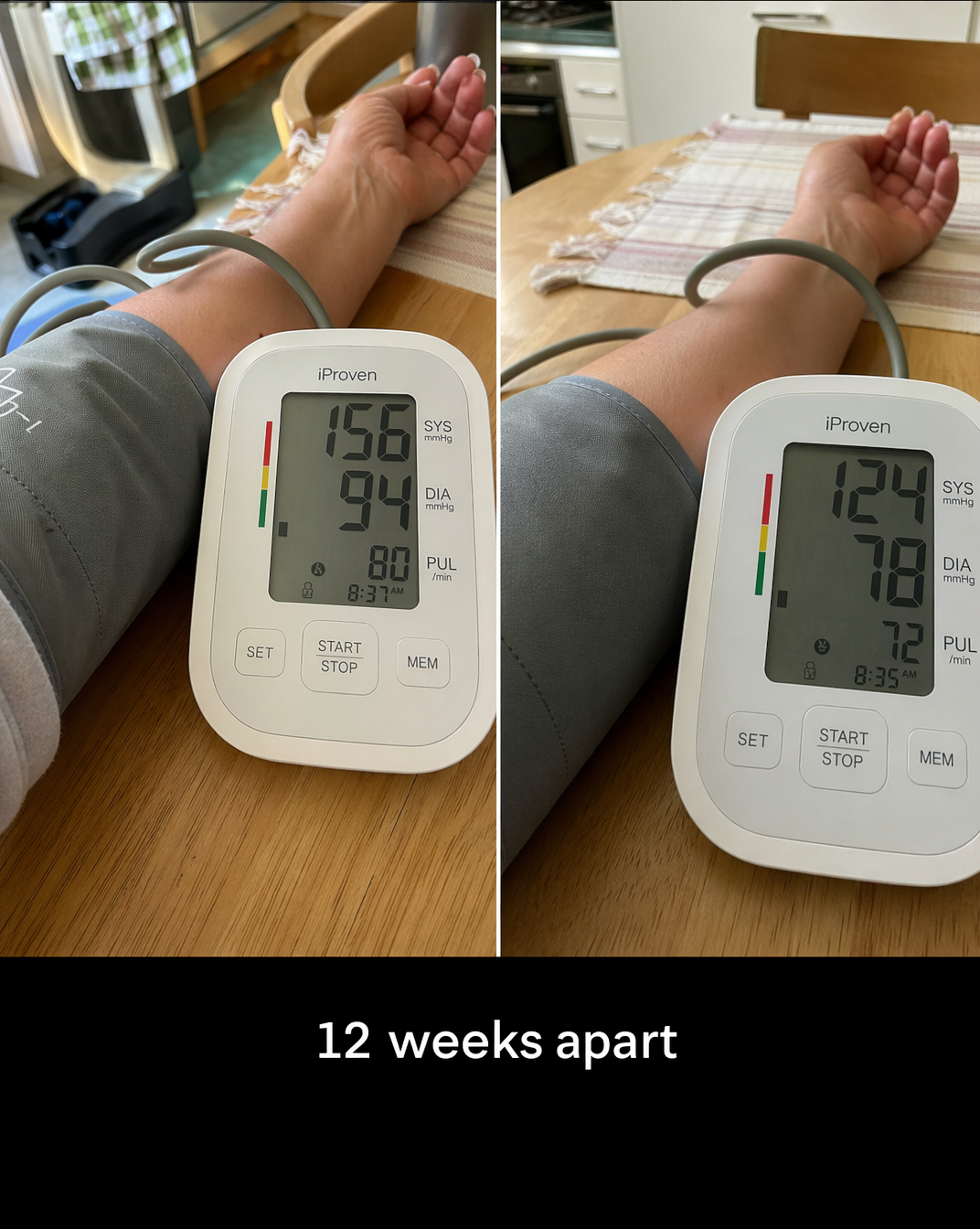
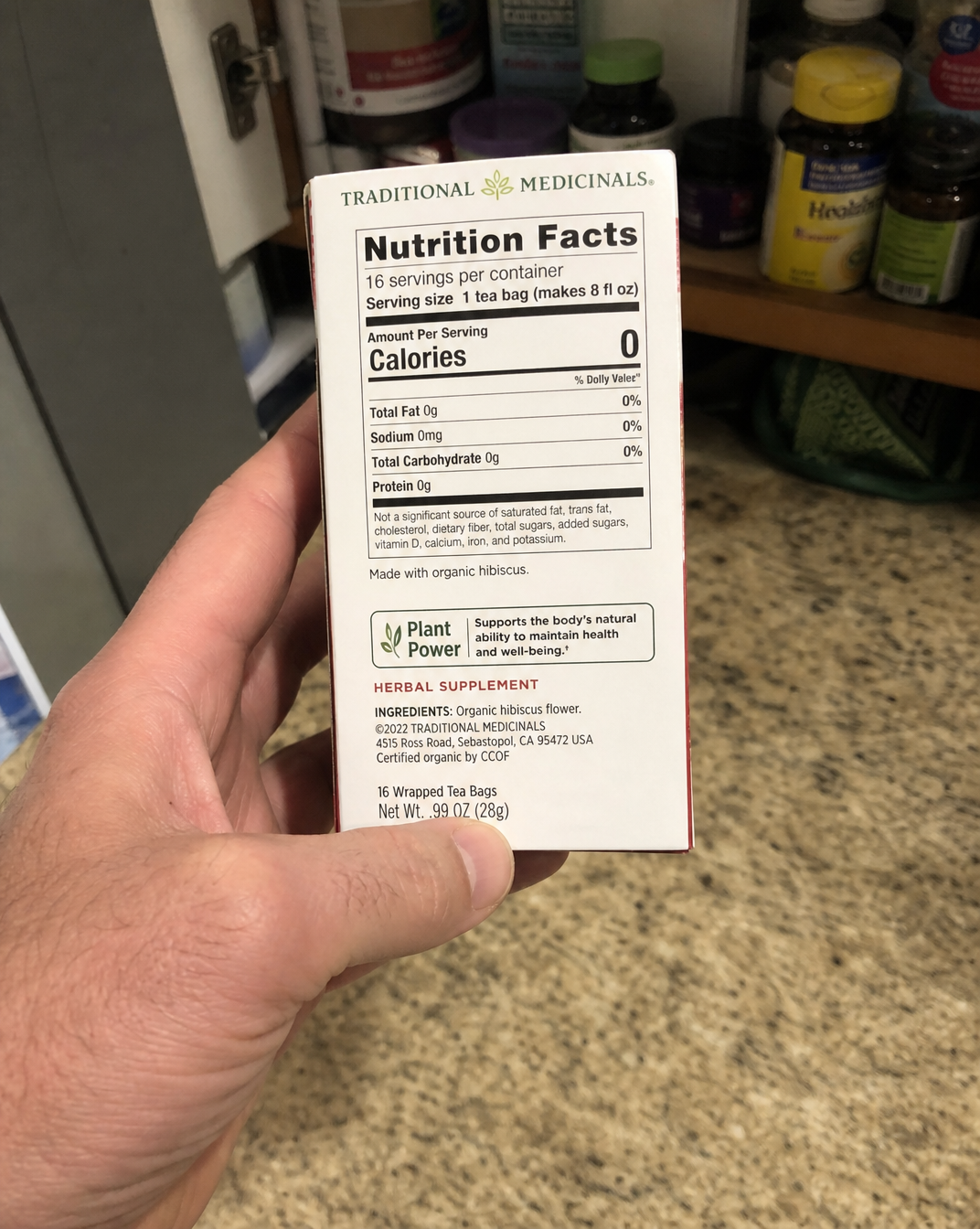
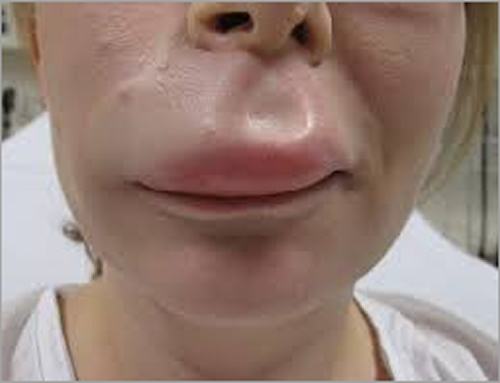
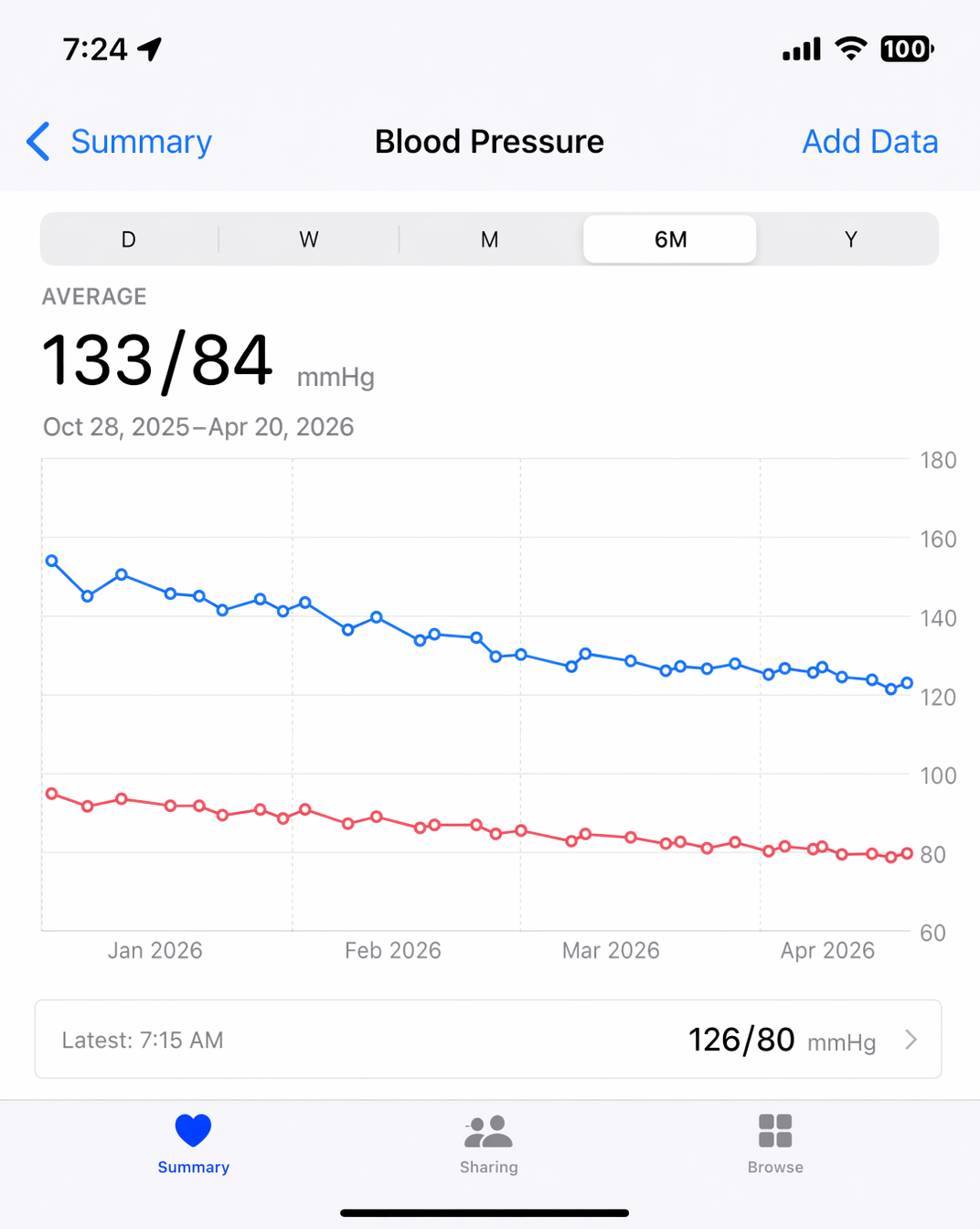
I found a study last month that made me physically sick. 1 in 2 people with high blood pressure will die from heart disease or stroke. Not 1 in 10. Not 1 in 5. One in two. Fifty percent. A coin flip. And the worst part? Most of them felt completely fine right up until the moment it happened. My mother was one of them. Blood pressure in the 150s for years. "It's not that bad," she used to say. The stroke took her at 71. She never saw it coming. None of us did. I'm 57. Last month my numbers came back at 154/93. And suddenly that coin flip became very real. But what I discovered next — buried in a clinical study from Tufts University — brought my blood pressure from 154/93 to 124/79 in twelve weeks. No medication. No side effects. Just one change. To understand why I refused to just "wait and see" like my doctor suggested, you have to know what happened to my mother. My mother was the healthiest person I knew. Walked every morning. Cooked from scratch. Never smoked a day in her life. But her blood pressure was always "a little high." 148/92. Sometimes 155/95. Her doctor mentioned it at every checkup. She'd nod, promise to cut back on salt, and nothing would change. "I feel perfectly fine," she'd say whenever I brought it up. "If something was wrong, I'd feel it." She was 68 when I first noticed something different. Little things at first. Forgetting words mid-sentence. Asking me the same question twice in one phone call. Getting confused about which day it was. I told myself it was just aging. Normal stuff. Nothing to worry about. Three months later, she collapsed in her kitchen. The stroke had already done its damage by the time the ambulance arrived. She spent two weeks in the ICU. Couldn't speak. Couldn't move her right side. Couldn't recognize my father half the time. She died eleven days after her 71st birthday. At the funeral, her doctor approached me. Said he was sorry for my loss. Then he said something that's haunted me ever since: "I told her for years she needed to get those numbers down. High blood pressure is a silent killer. By the time you feel symptoms, the damage is already done." Silent killer. That phrase echoed in my head for months. My mother felt fine. Right up until she didn't. So when my own numbers came back at 154/93 last month, I didn't tell myself "it's not that bad." I didn't say "I feel fine." I didn't promise to cut back on salt and then do nothing. I remembered my mother collapsing on her kitchen floor. My doctor wanted to "monitor it" for a few months. Maybe try lifestyle changes first. See how things develop. I looked at her and thought: that's exactly what my mother's doctor said. For years. Until it was too late. "What else can I do?" I asked. "Besides waiting." She mentioned medication as an option if things didn't improve. Listed the side effects. The cough. The swelling. The fatigue. The dizziness. Some people have to try three or four different medications before finding one they can tolerate. I nodded. Thanked her. Walked out. I wasn't going to wait. And I wasn't ready to accept a lifetime of side effects either. That night, I started researching. I'd heard about natural approaches to blood pressure. Beetroot. Garlic. Magnesium. Hibiscus tea. Most of it sounded like wishful thinking. The stuff people share on Facebook that never actually works. But I was desperate. So I kept digging. That's when I found the Tufts University study. Researchers gave participants hibiscus tea for six weeks. The results were significant. Average drop of 7 points systolic. Some participants saw much larger drops — 15, 20, even 23 points. No medication. No side effects. Just tea. I was skeptical. How could tea do what medication does? So I kept reading. Found more studies. Dozens of them. Over 65 clinical trials on hibiscus and blood pressure. The science was clear: Hibiscus sabdariffa contains compounds that work through three different mechanisms. The same mechanisms as common blood pressure medications. ACE inhibition — like Lisinopril. Vasodilation — like Amlodipine. Natural diuretic effect — like Hydrochlorothiazide. Three mechanisms. One flower. No prescription. I ordered hibiscus tea that same night. Found a brand on Amazon with good reviews. Started drinking two cups a day. One week. Nothing. Two weeks. Nothing. Three weeks. My numbers were actually slightly HIGHER. 156/94. I was frustrated. Ready to give up. Maybe the studies were wrong. Maybe hibiscus just didn't work for some people. Maybe I was one of them. Then I decided to dig deeper into the research. Actually read the methodology instead of just the headlines. That's when I found what I'd been missing. The clinical dose was 3 grams of hibiscus per serving. I went to my kitchen. Grabbed the tea I'd been drinking. Flipped it over. Scanned the nutrition label. 1.1 grams per teabag. I'd been drinking a THIRD of what the studies actually used. I checked two other brands I had in the cabinet. One was 0.9 grams. The other didn't even list the amount. For three weeks, I thought I was following the research. I wasn't even close. But the dosing wasn't the only problem. The studies specifically used Hibiscus sabdariffa. That's the species with the active compounds. Not all hibiscus is the same. There are hundreds of varieties. Most commercial teas use whatever's cheapest — often varieties with minimal active compounds. My tea didn't specify the species anywhere on the package. And the form mattered too. The research used whole dried flowers. My tea bags were filled with fine powder — ground up dust that loses potency within weeks of processing. I'd been drinking expensive pink water. No wonder nothing happened. Once I understood what went wrong, I became obsessed with finding the real thing. The right species. The right dose. The right form. I spent two weeks researching brands. Most failed immediately. Wrong species. Unlisted species. Low dose. Powder instead of whole flowers. Cheap plastic teabags that leach microplastics when you add hot water. Then I found Calhealing. 3 grams per teabag. The actual clinical dose. 100% Hibiscus sabdariffa. The exact species from the studies. Clearly labeled. Whole dried flowers. Not powder. You can actually see the flower pieces through the teabag. USDA organic certified. Third-party tested for heavy metals and pesticides. Plant-based pyramid teabags. I ordered the 90-day supply. It arrived four days later. The first thing I noticed was the color. When I steeped the tea, it turned deep ruby red — almost like wine. Nothing like the pale pink water I'd been drinking before. The taste was tart, almost like cranberry. Strong. Real. I could tell immediately this was different. Week one: I didn't check my blood pressure. Didn't want to get my hopes up. But I noticed I was sleeping better. Waking up feeling actually rested instead of groggy. Week two: I finally checked. 146/89. Down from 156/94. I checked it again because I didn't believe it. 145/88. Something was happening. Week three: 141/86. I started taking evening walks again. Not because I was supposed to. Because I had energy. Because I wanted to. Week four: 136/84. My husband noticed I wasn't tired all the time anymore. Asked what was different. Week six: 132/81. I took a photo of the blood pressure monitor and sent it to my sister. Week eight: 128/80. Almost exactly where the healthy range begins. Week ten: 126/79. I cried. Standing alone in my bathroom at 6 AM, I cried. My mother never got these numbers. She never even tried. Week twelve: 124/79. Stable. Consistent. Healthy. I went back to my doctor last week. The nurse wrapped the cuff around my arm. Pumped it. Watched the screen. "124 over 78," she said. My doctor pulled up my chart. Looked at the numbers from three months ago. Looked at the new reading. Scrolled back and forth. "What changed?" I told her everything. The research. The dosing problem. The tea. She nodded slowly. Made notes. Then she looked up and said: "Whatever you're doing, keep doing it. These numbers are excellent." Walking out of that office, I thought about my mother. She never knew about the dosing. Never knew that the cheap hibiscus tea she occasionally drank had a fraction of what she needed. Never knew that there was a way to get her numbers down without medication. She just accepted that her blood pressure was "a little high" and figured she'd deal with it eventually. Eventually never came. The stroke came first. That was two months ago. My blood pressure stays between 122-128 now. Every day. Consistent. I have energy I haven't felt in years. The brain fog that was getting worse every year — gone. I sleep through the night. Wake up actually refreshed. Last weekend, my daughter asked me to watch my grandkids for the whole day. Two kids under six. I said yes without hesitation. A year ago, I would have made an excuse. My sister started taking Calhealing five weeks ago. Her numbers dropped from 151/93 to 134/84. She calls me every Sunday to give me an update. Last week she said: "I keep thinking about Mom. She didn't have to die like that." She's right. She didn't. If you're reading this, you probably see yourself somewhere in my story. Your numbers have been creeping up. 140s. 150s. Maybe higher. Your doctor says to "keep an eye on it." Maybe mentioned medication. Maybe you're avoiding that conversation entirely because you "feel fine." Maybe you've tried hibiscus tea before. Tried beetroot. Tried garlic supplements. Nothing worked. You figured natural approaches just don't work for blood pressure. But now you understand what I learned the hard way. That hibiscus tea you tried probably had a third of the clinical dose. Probably used the wrong species. Probably was powder that lost its potency the day it was processed. You weren't taking hibiscus. You were taking flavored water. The studies work. The science is solid. But only if you get the dose right. Calhealing is different. The clinical dose: 3 grams per teabag. What the research actually used. The right species: 100% Hibiscus sabdariffa. Not a blend. Not "hibiscus flavor." The real thing. The right form: Whole dried flowers. Not powder. Maximum potency. Clean and tested: USDA organic. Third-party tested for heavy metals and pesticides. Plant-based teabags with no microplastics. 90-day guarantee: If you don't see results, full refund. No questions asked. You're standing at a crossroads right now. One path: Keep doing what you're doing. Tell yourself your numbers "aren't that bad." Wait and see. Hope you're not on the wrong side of that coin flip. Another path: Do what I did. Give your body what it actually needs. Track your numbers. Take control before control is taken from you. I thought about my mother every day for a year after she died. Wondered if there was something I could have told her. Something that would have changed the outcome. Now I know there was. She just never found it. You found it. Right now. Reading this. Don't wait until it's too late. My mother waited. The stroke didn't. Every day your blood pressure stays elevated, the damage accumulates. Your arteries stiffen. The walls deteriorate. The risk compounds. You don't feel it happening. That's what makes it so dangerous. That's why they call it the silent killer. But just because you can't feel it doesn't mean it isn't happening. Right now. Inside you. You have a choice to make. — Linda M. https://calhealing.com/pages/ca1sp2lp P.S. — I saw measurable drops by week two. Hit the healthy range by week eight. My doctor was genuinely surprised at my last checkup. Your results might be different. But you won't know until you try. The 90-day guarantee means you risk nothing. P.P.S. — My sister just texted me. Week six. 131/82. She said "I wish I'd started this years ago." I told her what I'll tell you: It's not too late. But it won't stay that way forever. https://calhealing.com/pages/ca1sp2lp
"It's not that bad." That's what my mother said for years. Until the stroke.
Feeling fine doesn't mean you are fine. I learned that the hard way.
LEARN MORELike this ad? Make it yours.
Crush rebuilds this exact creative around your product — your brand, your colors, your offer — in about a minute.