Frank Whitman
 Facebook ad: “Clear Your Pineal Gland Naturally”
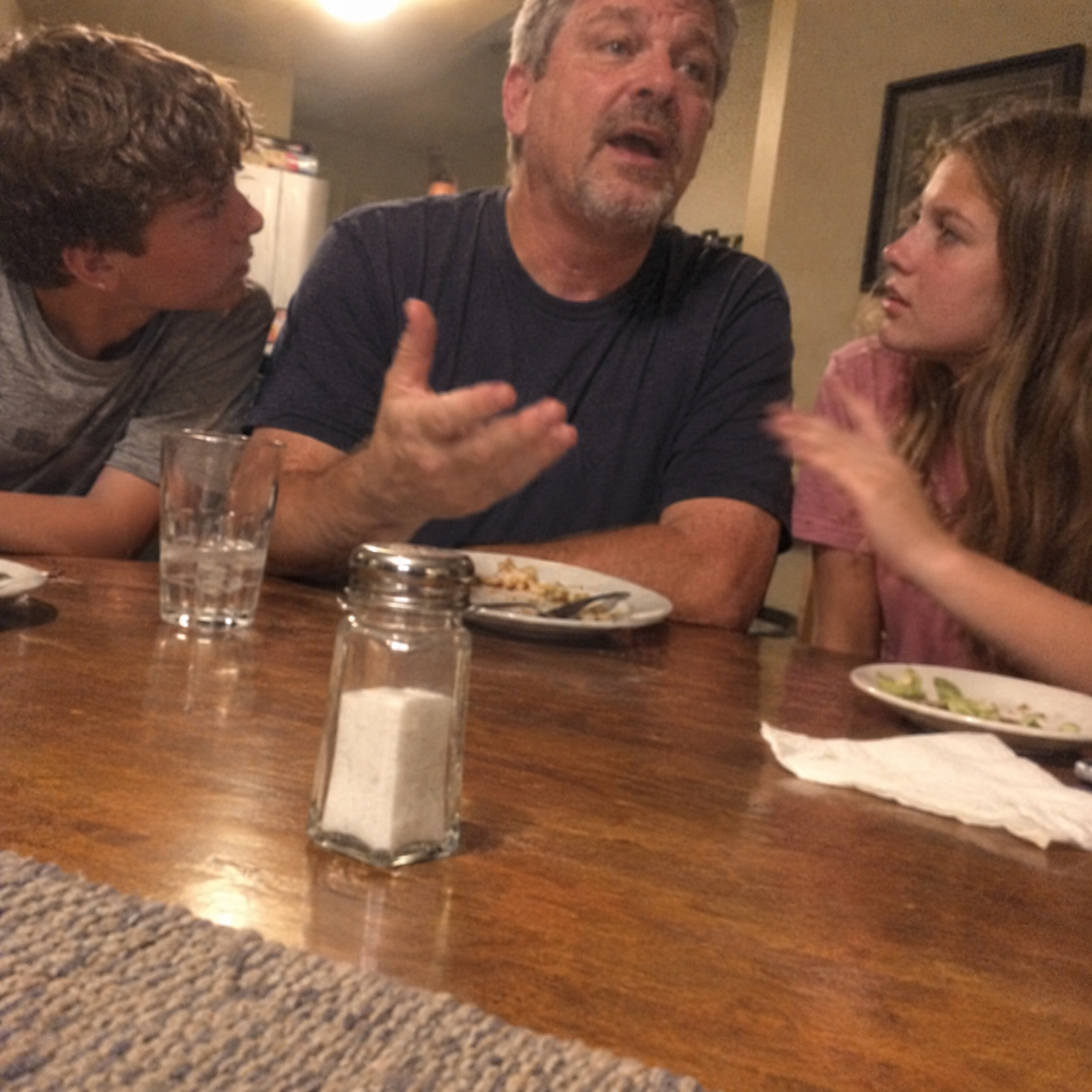
Running for 3 days since November 24, 2026. Crush last saw it on November 27, 2026.
Run by Frank Whitman on Facebook. Crush is not the advertiser and does not verify its claims. See this ad in Meta's Ad Library(opens in a new tab)
Make your own version of this ad
Crush makes it, launches it in your own Meta ad account, scales the winners and pauses the losers.
About this ad
- Meta Ad Library ID
- 968247729446043
- Platforms
- Facebook, Instagram, Audience Network and Threads
- Relaunches
- 0
Ad text
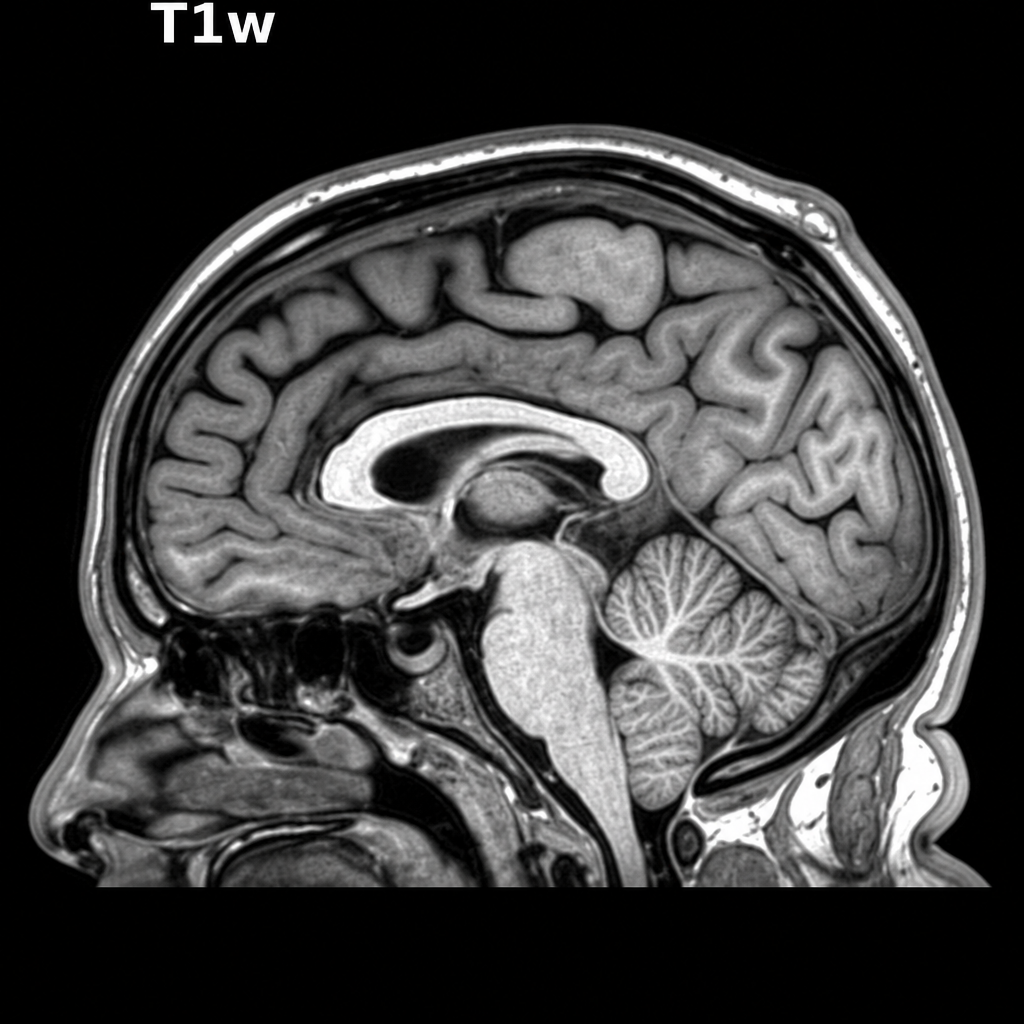
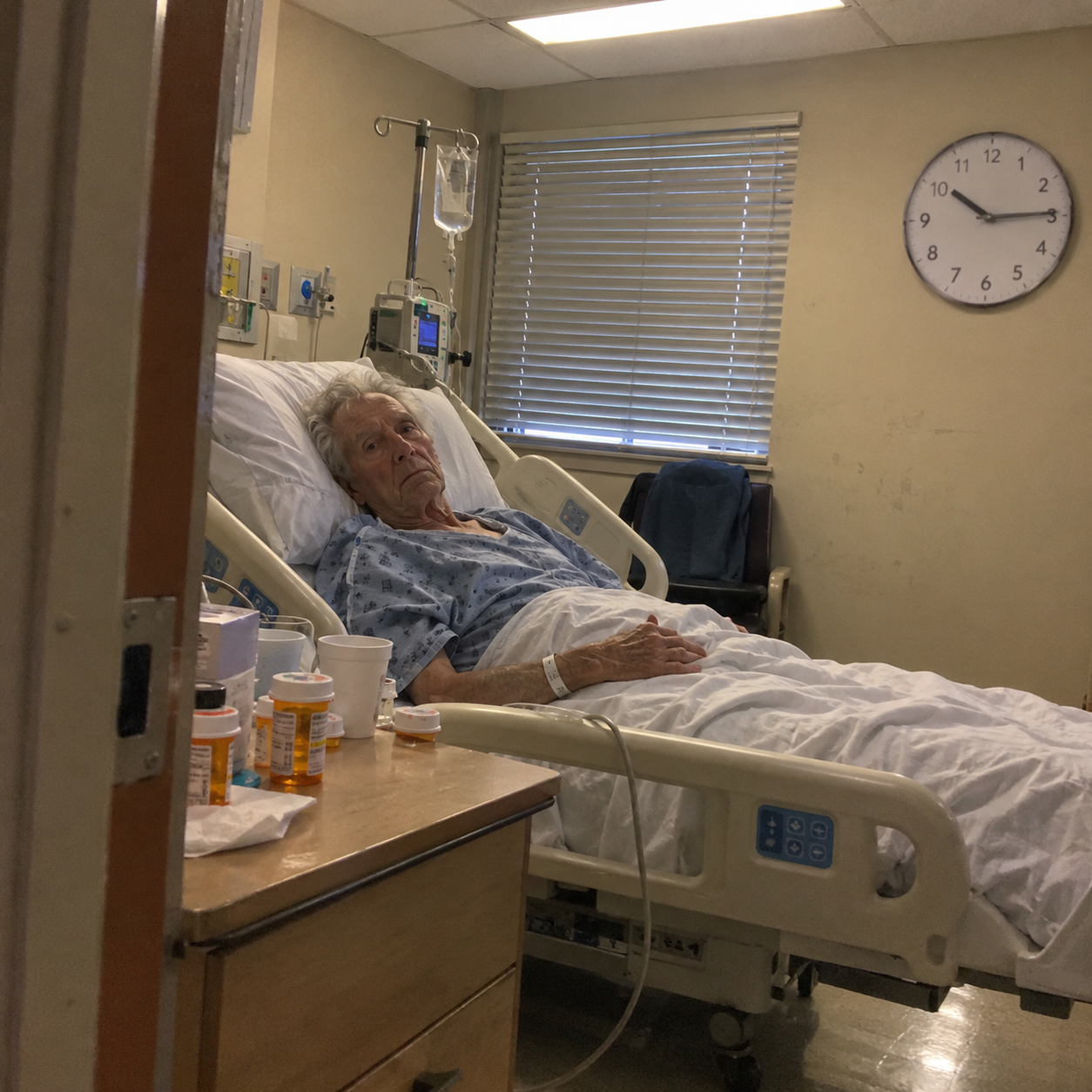
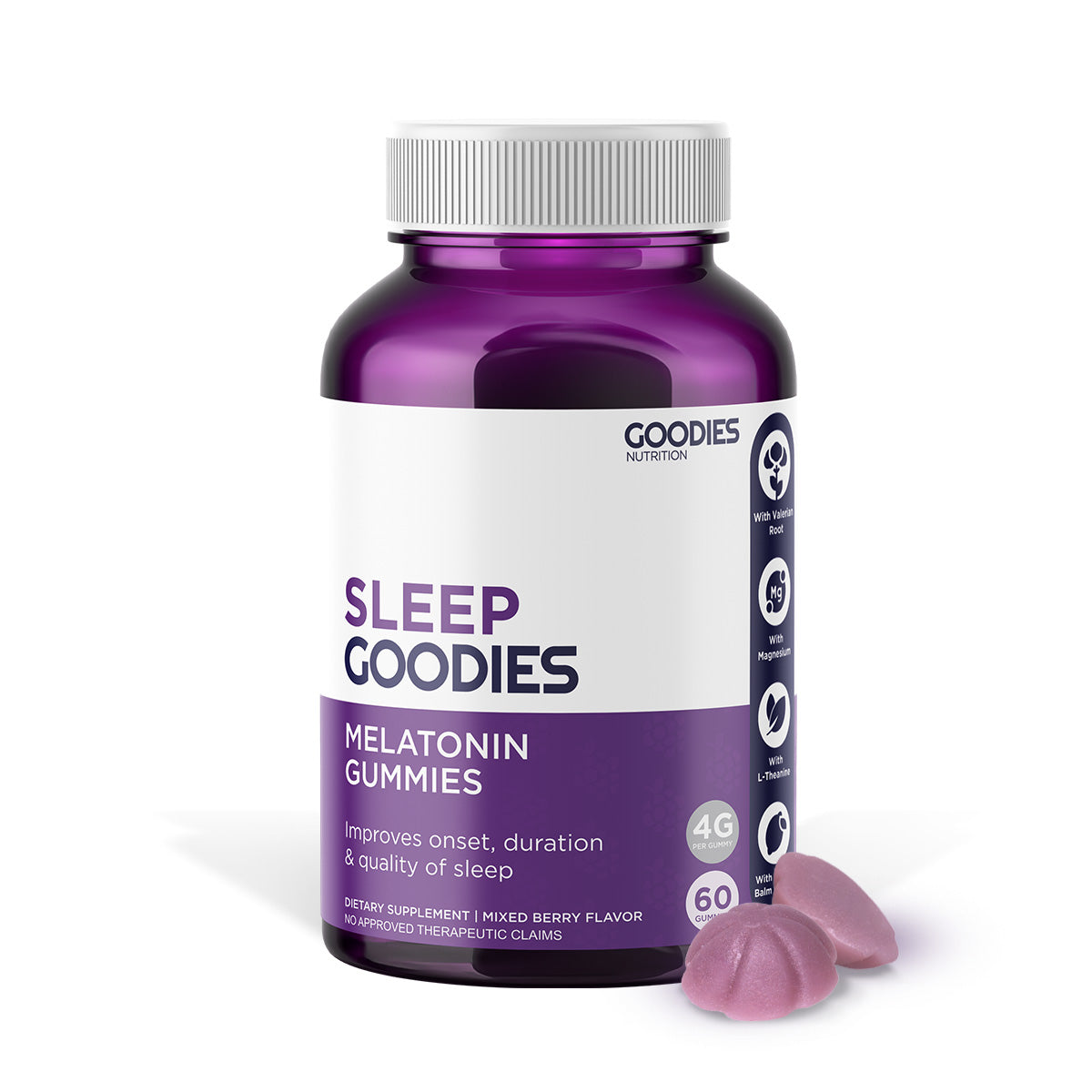
Three years ago, my brother was losing words mid-sentence. His kids started finishing them for him — not as a joke, because they had to. I watched four neurologists tell him it was just normal aging. I watched him start to believe he was becoming our father, who died in a dementia unit on medication that managed his decline and did nothing to stop it. I'm not a neurologist. I'm his sister. And I'm the one who found what was actually wrong. Because there are three things happening right now: One — Your brain is showing you that something is seriously wrong. Two — The medical system is gaslighting you into thinking it's just your age. And three — There's a system that profits every single day your cognitive decline keeps getting worse. So let me tell you what happened with my brother, because his story is gonna open your eyes to how broken this really is. I'm not a neurologist. I'm not a scientist. I'm the sibling of someone who spent three years watching his mind slip away while every doctor told him it was normal. I watched it happen. I did the research. And what I found made me genuinely angry. For THREE YEARS — and I mean three straight years — my brother Rob was watching himself disappear. He was scoring in the MCI range on memory assessments. His neurologist called it "mild cognitive impairment" and told him to come back in six months. Mild. The man couldn't finish client presentations without losing the thread. The brain fog wasn't occasional. It was constant. He'd come home from work and sit in his car for 20 minutes because getting up felt impossible. Not tired. Not stressed. Just... blank. Like the signal between his brain and his body was delayed. The pauses in conversation had become a thing — his kids would finish his sentences. Not as a joke. Because they had to. Because he'd stop mid-sentence and that look would come over his face, the one where he was searching for a word that used to be right there. His wife told their doctor: "He's not the same person." And their doctor wrote it down and nodded and said nothing useful. He'd walk into rooms and not know why he'd gone. Names would sit on the tip of his tongue for days. He was sleeping ten hours and waking exhausted. His colleagues started covering for him without saying anything, which somehow made it worse. He was 52 years old. And the thing that destroyed me — the thing I still think about — is that our father had dementia. Rob knew what that looked like. He'd watched it. He was watching himself become it. So obviously, he goes to doctors. Multiple doctors. Neurologist. Cognitive specialist. Sleep study. Thousands of dollars in appointments, MRI scans, assessments. And you know what every single one of them told him? "It's normal aging." "Try to manage your stress." "Make sure you're exercising." "Here are some B vitamins." "We could try a low-dose medication to help with focus." He took the medication. It managed the symptoms. It didn't stop the decline. His six-month assessment showed progression. So I went down a rabbit hole. A deep one. I started researching why someone's cognitive function would keep declining even when they were eating well, sleeping enough, exercising, taking their supplements, doing everything right. And every mainstream medical site gave me the same recycled answers. Exercise. Sleep hygiene. Mediterranean diet. Omega-3s. But then I found a research paper that changed everything. From an actual peer-reviewed toxicology journal. Not a blog. Not a wellness influencer. A peer-reviewed paper. And it mentioned something I had never heard anyone connect to cognitive decline in my entire life. The pineal gland. And what fluoride does to it over decades. Now pause for a second. You know what's insane? Every brain health supplement on the market focuses on feeding the brain — omega-3s, B vitamins, nootropics, adaptogens. Every doctor talks about neurotransmitters and lifestyle. Every protocol is about what goes INTO the brain. But nobody — and I mean NOBODY — talks about what's blocking the brain's most critical timing signal from getting out. And once you understand what the pineal gland actually does, you realize that everything my brother tried — and everything YOUR doctor has probably told you — is addressing the wrong half of the problem. Here's what I learned: The melatonin the pineal gland produces isn't just a sleep hormone. It's the brain's repair scheduler. When melatonin output is healthy and timed correctly, your neurons get a repair window every night. Cellular debris gets cleared. Memory is consolidated. Processing pathways stay sharp. When melatonin output is disrupted — not just reduced, but mistimed — the repair window shrinks or disappears. Neurons accumulate damage they were never designed to carry forward into the next day. And unlike liver cells, which can regenerate, neurons don't get replaced. They do not grow back. That's why Rob's brain fog wasn't fixed by sleep. He was sleeping ten hours and waking exhausted because even ten hours of sleep without proper melatonin signaling isn't restorative. The signal to repair was broken, not the duration. His brain wasn't aging. The timing signal was blocked. And here's what made my blood boil. Fluoride is everywhere. Tap water. Dental treatments. Processed food and drinks. It has been for over 70 years. It's not just present — it's actively promoted. Government-endorsed. Mass-implemented. For decades, the standard line was that it's safe at these doses, beneficial for dental health, no meaningful systemic effect. But here's what those safety studies measured: tooth enamel. Cavity rates. They were not measuring what happens inside the pineal gland over decades of accumulation. Because the pineal gland has no blood-brain barrier. Every other brain structure has a filter. The pineal gland doesn't. Fluoride circulating in the blood goes straight in — and it stays. The result? Fluoride accumulates in the pineal gland at higher concentrations than anywhere else in the body. Higher than in bone, which we've long known accumulates fluoride. The pineal gland holds the highest measured fluoride concentration in human tissue. What that accumulation does: it creates oxidative stress inside the gland. That oxidative stress damages the pineal cells responsible for producing melatonin. The melatonin timing signal — the signal that tells your neurons when to repair, when to consolidate memory, when to clear the cellular debris that builds up during waking hours — weakens. Without that timing signal, neurons don't get the repair window they need. They degrade. They are not replenished by new neurons. They do not grow back. And here's the part nobody wants you to know: there is no scan that catches pineal fluoride accumulation early. No blood test flags it. By the time cognitive symptoms become measurable on a standardized assessment, the accumulation has been happening for years. Possibly decades. That's not negligence on the part of your neurologist. That's the nature of the problem. But it also means that every treatment targeting the symptoms — every medication, every supplement aimed at neurotransmitter function — is managing what happens after the signal fails. No one is addressing the signal itself. The medical system knows this is in the research literature. But fluoride is government policy. There is no pharmaceutical drug for pineal oxidative burden. You can't patent it. There's no money in telling someone their cognitive decline started in a gland the size of a pea that's been silently accumulating damage for thirty years. There IS money in managing the decline. Cognitive medications month after month. Specialist visits every six months. Expensive scans that show progression but offer no path forward. Manage every stage of the decline — but never clear the signal. So I kept digging. And I found that there are specific compounds documented — some for centuries in Ayurvedic and traditional medicine, some in modern clinical research — to actually reduce the oxidative burden on the pineal gland and support the melatonin timing signal. And Rob, after connecting with an integrative medicine doctor who actually understood the research, started sourcing them. Fish oil for a year — his standard neurologist had pushed it. Made no measurable difference on his cognitive assessments. His neurologist shrugged. B12 deficiency had been the guess for two months. B12 came back normal. Still declining. A prescription cognitive enhancer helped — for about six weeks. Then his baseline shifted again. The decline continued. Cognitive training apps. Mental exercises. A sleep study that confirmed he was sleeping enough but didn't explain why he was waking exhausted. Expensive MRI scans that showed "age-appropriate volume loss" and nothing actionable. Every single solution was targeting the input side — neurotransmitters, sleep quantity, mental stimulation — while completely ignoring the fluoride-driven oxidative stress blocking the pineal timing signal. Every solution addressed the wrong half of the problem. So what actually works? Three herbs, documented specifically for pineal oxidative burden and melatonin restoration. Rob's integrative doctor walked him through the research. And then Rob started trying to source them. Haritaki, Jatamansi, and Tamarind. Different suppliers. Measuring doses. Trying to figure out which extracts were standardized correctly. And here's where the problem gets expensive: the dose matters. Most Haritaki products on the market use 50mg. The therapeutic level requires a concentrated 10:1 extract, equivalent to 2,500mg of whole fruit. Same ingredient. A completely different concentration. That gap isn't a minor labeling difference — it's the difference between a label ingredient and a therapeutic dose. Most products exist to list the ingredient. Very few products exist to actually use it. Rob was spending more than he wanted to on a protocol he'd cobbled together from multiple suppliers. That's when I found Peptiques. I went to their site ready to be disappointed the way I'd been with every other cognitive health supplement I'd looked at. And I almost dropped my phone. All three herbs. At the doses that actually matter. Haritaki Fruit Extract at 250mg (10:1 extract, equivalent to 2,500mg whole fruit) — therapeutic dose, not label ingredient. Jatamansi for melatonin signaling and sleep architecture — the herb that works on the timing signal first, which is why sleep changes before cognition does. Tamarind to reduce the oxidative burden on the pineal cells — not "detoxification," not "removal," but reduction of the specific oxidative stress fluoride accumulation creates. One capsule per day. Nothing random. Nothing filler. Every compound targeting what three years of neurologists and brain supplements had completely ignored. Two weeks in: sleep changed. Rob texted me on a Tuesday morning: "I slept eight hours and woke up before my alarm. That hasn't happened in years." Not because he slept longer — he hadn't. Not because he was medicated. For the first time in longer than he could remember, the sleep was actually restorative. Three weeks in: the conversation pauses started shrinking. He finished a sentence at a client meeting — the whole sentence, without searching — and his colleague said nothing because that used to be normal. Rob noticed. His wife noticed. Six weeks in: she texted me first. "He remembered a story from last week without a note. Without any prompting. He just told it." She'd stopped expecting that. Eight weeks in: cognitive assessment. His neurologist ran it twice. Not because anything dramatic had happened — because the scores had shifted. Measurably. In the right direction. For the first time in three years, the trajectory had changed. His neurologist didn't have an explanation. He said "let's keep monitoring." But the numbers were there. Last month he called me from his daughter's school play. He'd been there, present, for the whole thing. He remembered every detail — teacher's name, what his daughter wore, what song she performed. The whole arc of the evening. He called because he wanted to tell me. Because remembering had stopped feeling automatic and had started feeling like something worth reporting. "Three years I thought my mind was going," he said. "I thought this was what getting old felt like. I thought I was watching the first stage of what happened to Dad." He stopped. "I wasn't losing my mind. It was being blocked. And nobody once told me I could clear it." This is not about reversing what can't be reversed. It's about removing the blockage before it gets to that point. Because here's what the clinical literature says: MCI — mild cognitive impairment, the stage Rob was at — converts to dementia at 10 to 15 percent per year. That's not a scare tactic. That's from the data. Which means the window to act isn't after a diagnosis. It's now. While the timing signal can still be supported. While the neurons that haven't been lost yet can still be protected. So if you're dealing with any of this — memory tests that keep declining, brain fog that won't clear, that exhaustion that no amount of sleep fixes, word retrieval that takes seconds longer than it used to, a family member who's quietly noticed — this is the time. Not next month when your next assessment comes back worse. Not six months from now when your neurologist suggests stronger medication. Not when someone finally uses the word dementia. Right now. Haritaki addresses the neural damage already accumulating — the oxidative stress upstream of the plaques associated with dementia. Jatamansi restores the pineal timing signal that tells the brain to begin nightly clearing — the process that removes the buildup accumulating toward dementia. Without that signal, the clearing stops. Tamarind reduces what keeps coming in. Each one addressing a different part of what’s actually driving the decline. Peptiques. One capsule per day. 90-day money-back guarantee — if you don't see improvement, full refund. They have nothing to hide. Try it for a month. Watch whether sleep changes first. That's the signal — the melatonin timing signal restoring. Everything else follows from there. Because your neurologist isn't coming to fix this. They don't address fluoride accumulation in the pineal gland. That's not in their protocol. They manage decline. You have to clear it yourself. P.S. — The 90-day guarantee means there's no risk. If you try it and nothing shifts, you get your money back. Full refund. No questions. P.P.S. — MCI converts to dementia at 10 to 15 percent per year. One in ten people at Rob's stage converting within twelve months. The clinical literature doesn't frame that as an emergency. But if it were your father's odds, you'd treat it like one. 👇 Check availability now by tapping Learn More below.
Where the ad sends people
trypeptiques.com
Clear Your Pineal Gland Naturally
Peptiques®
Learn more: trypeptiques.com(opens in a new tab)