Sarah Jennings
Sarah Jennings Facebook ad: “Sleep through the night again.”
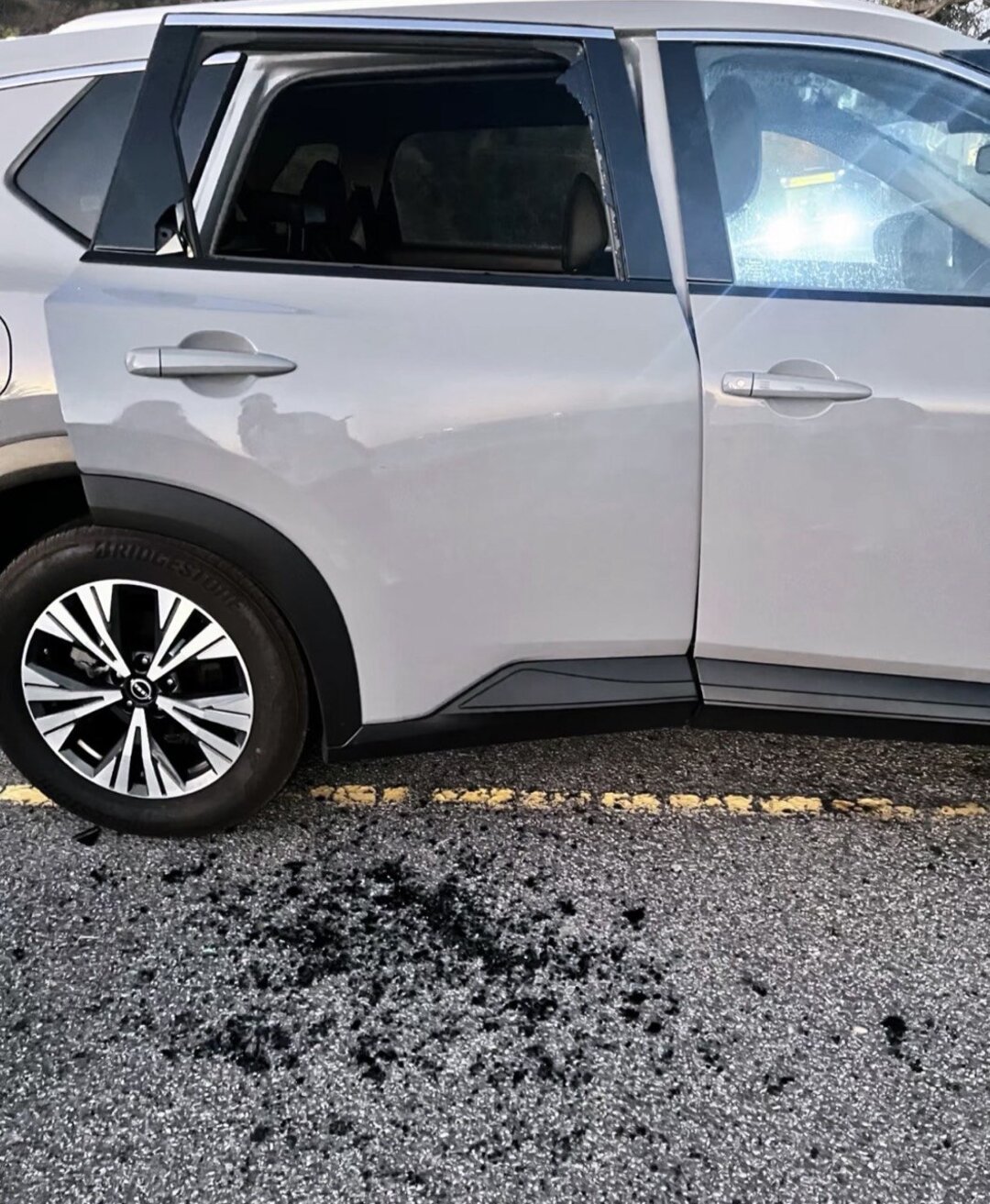
Ran for 34 days, from April 6 to May 10, 2026, the last day Crush saw it.
Run by Sarah Jennings on Facebook. Crush is not the advertiser and does not verify its claims. See this ad in Meta's Ad Library(opens in a new tab)
Want an ad like this for your product?
Crush makes new ad images for your product from this ad: your logo, your product photo, your offer.
Trials from $19.95 USD, then $79.95 USD a month. Cancel anytime.
About this ad
- Meta Ad Library ID
- 969108649019553
- Platforms
- Facebook, Instagram, Audience Network, Messenger and Threads
- Relaunches
- 0
- Niche
- Business & Money
Ad text
My Toyota RAV4 was stolen from my driveway on a Tuesday night. I was asleep upstairs with my two kids. I didn't hear a thing. No alarm. No smashed window. No noise at all. I woke up at 6:15 to get the kids ready for school, looked out the bedroom window to check the weather, and the driveway was empty. I stood there for maybe ten seconds just staring at the space where my car was supposed to be. My brain couldn't process it. I actually thought I'd forgotten where I parked. Which is insane because I've parked in the same spot every single night for six years. Then it hit me. And the feeling that came with it is something I will never forget as long as I live. It wasn't anger. Not at first. It was this wave of violation. Like someone had been right there. Right outside my bedroom window. Right next to the house where my children were sleeping. Close enough to touch the walls. And I didn't know. They were in my driveway. In the dark. While my seven year old daughter slept in the room above the garage. While my four year old was in the room next to mine. While I was right there, ten metres away, and I had no idea. That feeling doesn't leave you. It's been over seven months and I still feel it when I think about that morning. I called the police at 6:23am. They took down the details. Make. Model. Colour. Registration. They gave me a case number and told me someone would be in touch. Nobody came to my house. Nobody dusted for prints. Nobody knocked on my neighbour's door to ask about cameras. Nobody checked the street for evidence. I got a phone call three days later from a constable who asked me to confirm the make, model and colour. The same information I'd already given the operator. I asked him what happens now. He said they'd keep an eye out for the vehicle and that most stolen cars in Victoria are recovered eventually. I asked him what I was supposed to do in the meantime. He said I should contact my insurance company. That was it. That was the entire police response to someone stealing a $42,000 car from a mother's driveway in a suburb that had seen a 56% increase in car thefts that year. A case number and a phone call. 33,000 cars were stolen in Victoria last year. That's 90 a day. One every 16 minutes. And every single victim gets the same thing I got. A number. A phone call. And a suggestion to ring your insurer. The police aren't coming to save your car. They don't have the resources. They don't have the manpower. There are too many thefts and not enough detectives and everyone in the system knows it. They recover 80% of stolen cars eventually, but by then the damage is done. The car's been joyridden, stripped, or shipped to the UAE in a container. My insurance company was worse. I'd been paying $2,400 a year for comprehensive cover. Never missed a payment in eight years. Never made a single claim. I thought insurance was there to make this right. That's the whole point. The first call was fine. Sympathetic voice. "We'll look into it for you." Standard process. They'd be in touch. Then the paperwork started. They wanted proof of purchase. Service history. Photographs of the car. A statutory declaration. The police report number. A detailed timeline of my movements that evening. Where exactly was the car parked. Was the car locked. Were the windows up. Were the keys inside the vehicle. Had I lent the car to anyone recently. Had I left the keys in an accessible location. Every question felt like an accusation. Like I had done something wrong. Like it was my fault a thief with a $30 electronic device had cloned my key signal from outside my house and driven my car away while I slept. I spent two weeks chasing documents. Calling during my lunch break at work. Explaining the same story to four different assessors. Filling out forms that asked the same questions in slightly different ways. Six weeks later, they approved the claim. The payout was $34,500. I owed $38,000 on the car. That's a $3,500 gap. Out of my pocket. Plus the $900 excess. Plus the two months of Uber fares getting the kids to school. Plus borrowing my mum's car for three weeks until she needed it back. Plus the petrol. Plus the time off work to deal with the insurance. Plus the two days I spent transferring the registration and insurance for the replacement car. I sat down one night and added it all up. The total cost of having my car stolen was close to $7,000. And then I found out what happens to your premium. My renewal came through eight weeks later. $3,100. Up from $2,400. A $700 increase. And my broker told me that increase would stay elevated for at least five years. That's $3,500 in extra premiums over five years on top of the $7,000 I'd already lost. The total financial damage from one theft: over $10,000. For a crime that took less than sixty seconds. That I didn't hear. That the police couldn't prevent. That my insurance company treated me like a suspect for. And that was just the money. The part nobody warns you about is what happens to your head afterward. The first week after the theft, I couldn't sleep. Not because I was angry. Because I was afraid. Every sound outside became a threat. A car door closing on the street. Footsteps on the footpath. A possum on the roof. The recycling bin bumping in the wind. My body would jolt awake like someone had stuck me with a needle. My nervous system was on high alert. In my own house. In my own bedroom. Where I was supposed to feel safe. I started checking the window. Not once. Multiple times a night. I'd lie in bed, hear something, and my legs would swing over the side before my brain had even decided to get up. Walk to the window. Pull back the curtain. Look at the driveway. Scan the street. Look for anything that didn't belong. A car I didn't recognise. A person walking slowly. A shadow near the fence. Go back to bed. Heart thumping. Close my eyes. Start to drift off. Hear something. Get up again. Some nights it was four times. Some nights five. One night I counted six. I wasn't sleeping. I was doing shifts. My partner thought I was losing it. "The car's gone. The insurance paid out. We have a new car now. You need to let it go." He didn't understand that it wasn't about the car anymore. The car was replaceable. My sense of safety wasn't. Someone had violated my home. Been on my property in the dark. Next to my children. And the entire system — police, insurance, government — had basically shrugged and told me these things happen. My daughter caught me one night. She was seven. She came out of her room at 2am and found me standing at the window in the dark. "Mummy, what are you looking at?" I told her I was just checking the weather. She went back to bed. I stood there for another ten minutes. Watching an empty driveway. Feeling my heart rate refuse to come down. That was the moment I realised this wasn't going away on its own. This wasn't a bad week. This wasn't overreacting. This was something that had lodged itself inside me and it wasn't leaving until something changed. I bought a replacement car. A used Corolla. Older. Cheaper. Something I could afford after the insurance gap. And the first night I parked it in the driveway, I felt sick. Not excited about the new car. Sick. Because all I could think was: they'll take this one too. So I started spending money on security. Because I didn't know what else to do. First I bought security cameras. Two of them. One pointed at the driveway, one at the front of the house. $450. I set them up, connected them to my phone, and spent the first three nights watching the live feed in bed instead of sleeping. The cameras recorded everything. The street. The footpath. The cat from three doors down walking across my lawn. But recording a crime is not the same as preventing a crime. If a thief walks up my driveway at 3am, the camera will capture beautiful HD footage of him stealing my car. And I will watch it the next morning while I'm on the phone to the police giving them another case number. Cameras don't stop thieves. They create evidence. Evidence that sits in a police database alongside 33,000 other case files that nobody has time to investigate. Then I bought a car alarm. Aftermarket. $380 installed. My mechanic said it was a good one. Loud. Motion sensitive. Would go off if someone tried to open the door or break a window. It went off twice in the first month. Once because a cat jumped on the bonnet. My neighbour knocked on my door at 1am. I apologised. Once because a heavy truck drove past and the vibration triggered the sensor. I stood in my driveway at 2:30am in my pyjamas turning it off while my neighbour watched from his window, visibly annoyed. The alarm never went off for an actual threat. Because alarm systems are designed to respond AFTER a thief is already interacting with your car. They make noise. That's it. They assume someone will hear the noise and come running. But how many car alarms have you heard go off and actually gone outside to check? Nobody does. Everyone assumes it's a false alarm. Because it almost always is. And here's the thing nobody in the car security industry wants you to understand. The thieves have moved on from breaking windows and forcing locks. They're not triggering alarms anymore. They're using electronic key cloning devices that cost $30 on eBay. They stand near your house and capture the signal from your key fob right through the wall. They walk to your car, unlock it remotely, start the engine, and drive away. No broken glass. No forced entry. No alarm trigger. Your car thinks the real key is present. Because as far as the car's computer is concerned, it is. Your $380 alarm is waiting for a break-in that will never happen. The thief is already inside, engine running, driving away in total silence. Your alarm is protecting you from a theft method that hasn't been used since 2015. Then I looked into a GPS tracker. $15 a month subscription. I asked my mechanic about it. He was honest with me. "Professional thieves know about trackers. The first thing they do is jam the GPS signal with a $50 jammer while they drive the car to a shed. Once it's inside, they find the tracker and rip it out. Then they strip the car or load it into a shipping container. Your tracker will show you the last known location before the signal went dead. Usually a random street somewhere. Police won't follow up on it because they don't have the resources. You'll pay $15 a month to know approximately where your car stopped transmitting." So the tracker helps you find the car AFTER it's been stolen. After the damage is done. After the thieves have had their way with it. Cameras record the theft. Alarms respond to the theft. Trackers follow the theft. Every single product in the car security industry is designed to work AFTER the crime has already started. Nothing stops it from happening in the first place. I looked into driveway bollards. Physical barriers that block the driveway. $3,200 installed. I rent. My landlord said no. And even if I owned the house, bollards don't help when my car is parked at the shops, or at work, or at school drop-off, or anywhere that isn't my driveway. I thought about parking strategies. Back the car in so it's harder to drive out. Park under the streetlight. Park as close to the house as possible. Never park on the street. None of that matters when a thief can clone your key from thirty metres away and start the engine without touching anything. I spent nearly $1,000 in two months on security products that all share the same fatal flaw: they respond to a theft in progress. They do not prevent the theft from succeeding. And I want you to understand something about why this matters. The car security industry makes money every time you buy a camera, an alarm, a tracker, a subscription. They make money when your car gets stolen and you buy MORE cameras, MORE alarms, MORE trackers. They have zero financial incentive to sell you something that actually stops the theft. Because if the theft stops, you stop buying their products. Think about that. $428 million in car theft insurance claims in Australia last year. Billions of dollars in security cameras, alarm systems, GPS tracking subscriptions, aftermarket immobilisers. An entire industry built around the AFTERMATH of car theft. And not one of them — not a single one — physically prevents the car from being driven away. That's not an accident. That's a business model. I lived with the anxiety for five months. Five months of broken sleep. Five months of checking the window. Five months of flinching at every sound outside. Five months of rushing through shopping. Five months of the knot in my stomach every time I parked somewhere and walked away. I was exhausted all the time. Not just from the bad sleep. From the constant vigilance. My body was running a background program 24 hours a day, scanning for threats, processing every noise, calculating risk. It never turned off. Even during the day. Even at work. Even at my daughter's school assembly. I was there but I wasn't there. Half of me was always in the car park. Always checking. Always ready. My partner and I started arguing about it. He thought I should be over it by now. I thought he should understand why I wasn't. We went to bed angry more nights than I want to admit. The theft didn't just take my car. It was taking my relationship. My sleep. My peace. My presence with my kids. I started to believe this was just my life now. That this is what happens after someone steals your car. You become a person who checks. Who worries. Who lies awake. And you stay that way because nothing can fix the thing that was actually broken. Not the car. My feeling of safety. Then my neighbour told me something that changed everything. Her name was Lisa. Four houses down. We weren't close. Just the usual — wave in the morning, quick chat at the letterbox. I knew her Holden Commodore had been stolen about six months before mine. I'd seen the post in the local Facebook group. We ran into each other at the shops one Saturday. She asked me how I was doing. And I was honest. I told her I wasn't sleeping. That I was checking the window. That I'd spent nearly a thousand dollars on cameras and alarms and none of it had helped. She looked at me like she already knew everything I was going to say. Every word. "I was exactly the same," she said. "After my Commodore got taken, I didn't sleep properly for three months. Up every night. Checking. Heart racing at every sound. I bought cameras. I bought an alarm. I even started parking my partner's car behind mine to block the driveway. Nothing worked." "What changed?" I asked. "I stopped trying to catch them," she said. "And I started trying to stop them." I didn't understand. "Think about what you've bought," she said. "Cameras. Alarm. You were looking at a tracker. What do all of those things have in common?" I thought about it. "They all respond to the theft." "Exactly. They all assume the thief is going to reach your car and interact with it. The camera records him. The alarm goes off after he's there. The tracker follows him after he's driven away. Every single one of those products is designed to manage the theft after it's already happening." She paused. "None of them stop the car from being driveable." And that sentence rearranged everything in my head. She was right. I'd been spending money on the aftermath. On evidence collection. On noise. On tracking. Not on prevention. "So what actually stops them?" I asked. "Do you know how they're stealing cars now?" she asked. "Key cloning," I said. "Electronic devices." "Right," she said. "And do you know why that works?" I didn't. "Your car has a computer system called a CAN bus. Controller Area Network. Every electronic function in your car — locks, ignition, steering, everything — talks through that system. Your key fob sends a signal to the CAN bus that says 'this is the real key, unlock the doors, allow the engine to start.' That's how keyless entry works. Convenient. Easy." "But the thieves figured out that the CAN bus doesn't verify WHERE the signal is coming from. It just checks whether the signal matches. So they buy a device for $30 online, a device that any locksmith can buy, and they use it to capture your key's signal from outside your house. Or they plug directly into the OBD diagnostic port under your dashboard and program a completely new key in seconds." "Your car's security system wasn't designed to stop theft. It was designed for convenience. The manufacturers spent twenty years making it easier for you to unlock and start your car without touching a key. And in doing so, they made it trivially easy for a thief to do the same thing." "Victoria Police estimates one in five cars are now stolen using electronic key technology. For Toyotas, it's higher. LandCruiser thefts went up 260% in one year. RAV4s, HiLux, Corolla — all of them have the same vulnerability. Your $42,000 car came from the factory with a security system that a teenager with a $30 device can defeat in under sixty seconds." "Toyota knows this. They've known for years. Their VP of Sales publicly admitted they're 'working on a fix.' Their fix? They started selling a $200 steering wheel lock as a genuine Toyota accessory. The manufacturer of the car is telling you that the security system they built into the car doesn't work. And their solution is a lock." I felt something cold in my stomach. Not fear. Anger. "So nothing electronic can stop this?" I asked. "Nothing electronic can stop an electronic bypass," she said. "That's the whole problem. If the attack is electronic, an electronic defence can be defeated electronically. You need something that operates on a completely different system. Something that doesn't talk to the CAN bus. Something that doesn't have a signal to clone. Something that doesn't care whether the thief has the key or not." "You need something physical." She pulled out her phone and showed me a photo. Her steering wheel with a bright-coloured steel cable looped through it, clicked into the seatbelt buckle. "This," she said. "This is what actually stops them." I looked at it. "A steering wheel lock?" "No," she said. "Not like The Club. Not a bar lock. Those sit on the steering wheel and resist turning force. But a thief can cut through the steering wheel itself with a hacksaw in about thirty seconds and slide the bar off. There are YouTube videos showing how. The Club worked in the 1990s against a different kind of thief. It doesn't work against what's happening now." "This is completely different. It's a braided steel cable that loops through the steering wheel and clicks into the seatbelt buckle. The seatbelt mount is bolted and welded directly to the chassis of the car. Factory welded. Structural steel. You cannot force it. You cannot cut it without an angle grinder and five minutes of sparks and noise at 2am in someone's driveway. No thief is doing that." "The wheel physically cannot turn. Not a few degrees. Not enough to steer. The car cannot be driven. Full stop. Even if they clone the key, get inside, and start the engine. The wheels don't turn. The car goes nowhere." "And the cable itself?" I asked. "Five millimetre braided military-grade steel. PVC coated so it doesn't damage your steering wheel or interior. You'd need serious cutting equipment and serious time to get through it. A thief who wants to be in and out in sixty seconds is not stopping to grind through braided steel while sparks fly across the dashboard." "But here's what actually stops most of them from even trying," she said. "The colour." "The colour?" "It comes in bright colours. Visible through the windscreen from the street. A thief walks up to your car at 3am, looks through the glass, sees bright steel locked through the wheel, and makes a decision. He can spend five minutes grinding through military-grade cable in a lit driveway, making noise and sparks that wake the whole street. Or he can walk to the next car. The one without anything on the wheel." "He walks to the next car. Every time." "How do you know?" I asked. "Because I have it on my doorbell camera," she said. "Three weeks after I put it on. 3am. A bloke walks up my driveway. Looks through the windscreen. Sees the lock. Stands there for maybe two seconds. Shakes his head. Turns around and walks straight down the street to the next driveway." "The next car didn't have one. That car was gone the next morning." I felt something shift in my chest. Something that had been tight for five months started to loosen. "But here's the thing I really need to tell you," she said. "I didn't keep using it because I thought it would stop a thief. I mean, it does. But that's not why it changed my life." "Why then?" "Because of what it did to the checking." She paused. "You know the loop. The one that runs in your head every night. Is the car okay? Was that a noise? Should I check? Should I get up? It runs from the moment you go to bed until you're so exhausted you pass out. And it starts again every time you wake up." "Yes," I said. "Every night." "The reason that loop runs is because your brain has no completion signal. Nothing that tells it the car is safe. Nothing that proves it. You can look out the window and the car is there, but your brain doesn't accept that as proof because it was there last time too, and it still got stolen. Looking doesn't close the loop. It just resets it." "The first night I put the lock on, I walked inside and out of habit I went to the window about an hour later. I looked down at the driveway and I could see the bright colour through the windscreen. Just that flash of colour in the dark." "And for the first time in three months, instead of standing there with my heart racing, my brain just went: it's locked. It's anchored to the chassis. The wheel can't turn. Nobody is driving that car tonight. Go to bed." "I went back to bed. And I slept. All the way through until my alarm went off. First time since my car was stolen." "Second night, I went to the window once. Saw the colour. Brain said handled. Back to bed." "Third night, I didn't go to the window at all." She looked at me. "It's not a lock, Sarah. It's an off switch. For that loop in your head that never stops running. The click is the completion signal your brain has been begging for." I ordered one that afternoon. The brand Lisa used is called Anti Apex. The product is the Driveway Defender. Braided steel cable. PVC coated. Loops through the wheel and clicks into the seatbelt buckle. Key operated. Three spare keys included. 70cm cable that fits basically every car — tested from Corolla to Ranger. Takes 15 seconds to put on, 5 seconds to take off with the key. No batteries. No electronics. No app. No subscription. No signal to clone. No software to hack. No CAN bus connection. Nothing for a thief's technology to interact with. It operates on a completely different system to the one they've learned to exploit. After spending nearly $1,000 on cameras and alarms that didn't work, this was $49.99. That price almost made me not buy it. Because I'd been conditioned to believe that security costs hundreds of dollars. That effective protection requires technology. That if something is cheap, it can't possibly work. But Lisa's doorbell camera footage was sitting on her phone. A thief. At her car. Looking at the lock. Walking away. That footage was worth more than every camera, alarm and tracker I'd ever bought. It arrived three days later. Free shipping. I put it on that evening. Loop the cable through the wheel. Click into the seatbelt. Turn the key. Done. Fifteen seconds. I need to be honest about what happened next. Because I don't want to oversell this. The first night, I still checked the window. Once. Around 1am. Five months of habit doesn't disappear overnight. I pulled back the curtain and looked down at the driveway. And I could see the bright cable through the windscreen. Even in the dark. Even from the second floor. That colour cuts through the shadows. My shoulders dropped. My jaw unclenched. Something behind my ribs released. My brain did exactly what Lisa described. It registered the lock and went: done. Handled. Anchored. Go back to bed. I went back to bed. I fell asleep within minutes. I slept until my alarm went off at 6:15. I hadn't slept through the night in five months. The second night, I lay in bed and thought about checking. But I didn't get up. I just remembered the click from when I locked it. That mechanical sound. Steel engaging. And I stayed in bed. I slept through again. Third night, I forgot to worry entirely. Just went to bed and went to sleep. Woke up in the morning and realised I hadn't thought about the car at all. Not once. Not even when the neighbour's dog barked at midnight. By the end of the first week, the nightly ritual had completely changed. The old ritual: park the car, come inside, go to bed, hear something, get up, check the window, go back to bed, hear something else, get up again, eventually collapse from exhaustion around 3am. The new ritual: park the car, loop the cable, click the lock, walk inside, go to bed, sleep. Fifteen seconds replaced two hours of anxiety. Every night. The second week, something happened that I wasn't expecting. I drove to Chadstone. Parked in the underground car park. Walked inside. And I didn't think about the car. Not while I was shopping. Not while I was having coffee. Not while I was sitting in a food court reading my phone. Not while I was walking back to the car an hour later. For five months, every single time I'd left my car anywhere, a part of my brain had stayed behind with it. Scanning for threats. Calculating how long I'd been away. Planning the fastest route back if something happened. I was never fully where I was. I was always seventy percent at the shops and thirty percent in the car park. That was gone. I was just shopping. Like a normal person. With my whole brain. Present. Not scanning. Not calculating. Just there. I cried in my car on the way home. Not because I was sad. Because I'd forgotten what it felt like to not be afraid. In the third week, my daughter said something at bedtime that I will never forget. "Mummy, you don't look at the window anymore." She'd noticed. A seven year old had noticed that her mother had stopped standing in the dark at 2am staring at an empty driveway. That's how visible the anxiety had been. And that's how visible the change was. "I don't need to anymore," I said. "The car is safe now." "How do you know?" "Because I locked it with something that stops anyone from driving it. Even if they get inside." She thought about that for a second. "Good," she said. And rolled over and went to sleep. My daughter had been carrying my anxiety without me realising it. Seven years old. Absorbing her mother's fear. Watching me pace. Hearing me get up. Finding me at the window. And now it was gone from the house. That moment told me more about what this product actually does than any feature list ever could. It's been seven months now. I use it every single night. Fifteen seconds. It's become as automatic as locking the front door. I don't think about it consciously anymore. And that's the whole point. The product becomes invisible because the anxiety becomes invisible. I sleep through the night. Every night. My partner doesn't get woken up by me checking the window. We stopped arguing about it. The tension in the house is gone. I park anywhere — shopping centres, train stations, side streets, the car park at my daughter's school — without the knot in my stomach. I walk away from the car and I'm done. All of me goes where I'm going. My neighbour on the other side, Dave, saw mine and asked about it. He'd had his HiLux broken into twice. Tools stolen both times. $14,000 worth the first time. He bought a Driveway Defender the same week. Three months later, no attempt. He told me he'd stopped sleeping in the lounge room to be closer to the front window. "I'm back in my own bed," he said. "First time in a year." Another neighbour, Karen. Single mum. Parks on the street because she's got no driveway. Her Corolla is one of the most stolen cars in Victoria. She was terrified. She put the lock on and told me something that stuck with me. "I used to sit in the car for a minute after I parked, looking around, checking who was watching. Now I just click it and go inside. The whole thing changed." Three houses on my street use it now. We went from three thefts in four months to zero in seven months. The thieves moved on. Because our cars look harder than the ones on the next street over. Victoria Police recommends physical steering locks. RACV specifically endorses visible deterrent devices. Toyota Australia started selling their own steering wheel lock as a genuine accessory because they know their electronic security doesn't work. When the manufacturer of the car tells you to buy a physical lock, that's all you need to know about how much faith they have in the security system they built into the car. 250,000 Driveway Defenders sold. Zero defeated. Not one person has reported a car stolen while the Driveway Defender was engaged. Not in Australia. Not anywhere. That's not a marketing claim. That's the data. You don't need to outrun the bear. You just need to outrun the person next to you. If you're reading this right now because your car was stolen and you can't sleep... If you're reading this because your neighbour's car was taken and now you check the window every night wondering if you're next... If you're lying in bed right now with one ear listening for sounds outside and you don't know how to make it stop... If you've bought cameras and alarms and trackers and none of it stopped the fear because none of it stops the theft... If your partner thinks you're overreacting but you know the statistics and you know what happened three streets away last month... If you live in Casey, or Hume, or Whittlesea, or Wyndham, or Dandenong, or any of the suburbs where car theft went up 40, 50, 70, 86 percent last year... If you drive a RAV4, or a HiLux, or a Commodore, or a Corolla, or a LandCruiser, or any of the models that make up the top ten most stolen cars in Victoria... If your insurance premium just went up and your broker told you it's because of the theft epidemic and there's nothing you can do about it... If you're just tired. Tired of the anxiety. Tired of the broken sleep. Tired of the checking. Tired of being afraid in your own home. Tired of half your brain always being in the car park. I was exactly where you are. For five months. And I tried everything you've probably already tried or thought about trying. The only thing that worked was the only thing that actually stops the car from being driveable. Not monitored. Not recorded. Not tracked after the fact. Stopped. The Driveway Defender. Braided steel cable. Seatbelt chassis anchor. Visible deterrent through the windscreen. No electronics to hack. No signal to clone. No subscription. No app. 15 seconds to lock. 5 seconds to unlock. Three keys included. Fits any car. 250,000 sold. Zero defeated. Right now they're running a promotion with significant savings. But they're a small Australian company. They produce in small batches. When they sell out, it's usually weeks before the next run is ready. I've seen it happen twice since I started using mine. Full money-back guarantee. Use it. Sleep with it on your car for a month. If it doesn't change how you feel when you go to bed at night, send it back. But if it works? If the first night you lock it and see the colour through the windscreen and your brain finally says handled? If by the end of the week you stop getting up to check? If two weeks from now you park at the shops and walk away and realise you didn't think about the car once? If a month from now your partner notices you've stopped arguing about security? If your daughter stops finding you standing at the window in the dark at 2am? If you're sleeping. Actually sleeping. Eight hours. Through the whole night. For the first time since it happened. You'll wish you'd bought it the week your car was stolen. I know I do. 👉 https://antiapex.com/products/defender 33,000 cars were stolen in Victoria last year. Tonight, another 90 will disappear from driveways just like yours. Your car doesn't have to be one of them.
Where the ad sends people
antiapex.com
Sleep through the night again.
A heavy-duty anti-theft device that locks your steering wheel to the seatbelt buckle, making your car impossible to steer. The 5mm braided steel cable installs in under 15 seconds and fits 99% of vehicles. Visible from outside the car, it acts as a powerful deterrent, thieves spot it and move on. PV...
Learn more: antiapex.com(opens in a new tab)