
Active· since May 13, 2026
- 128
- days running
- 0
- relaunches
Ad copy
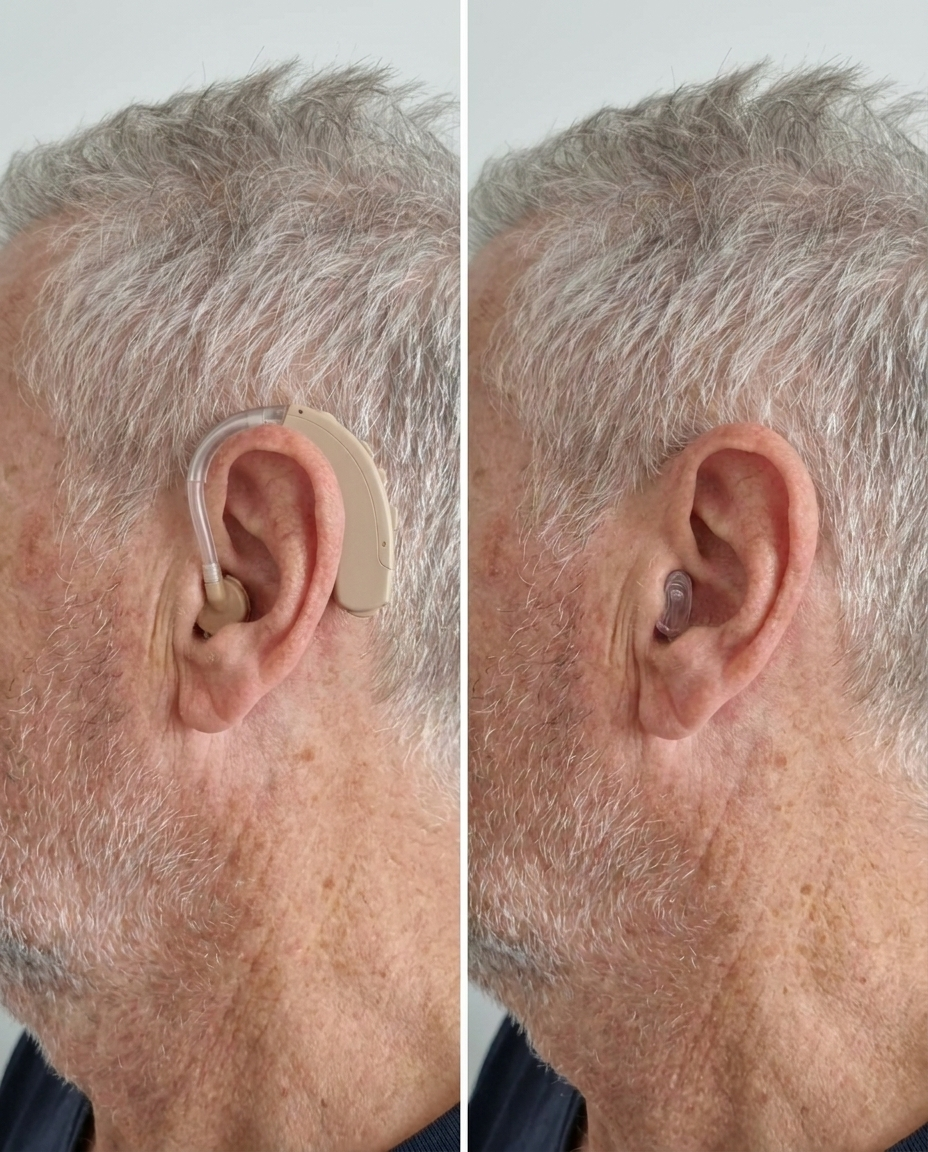
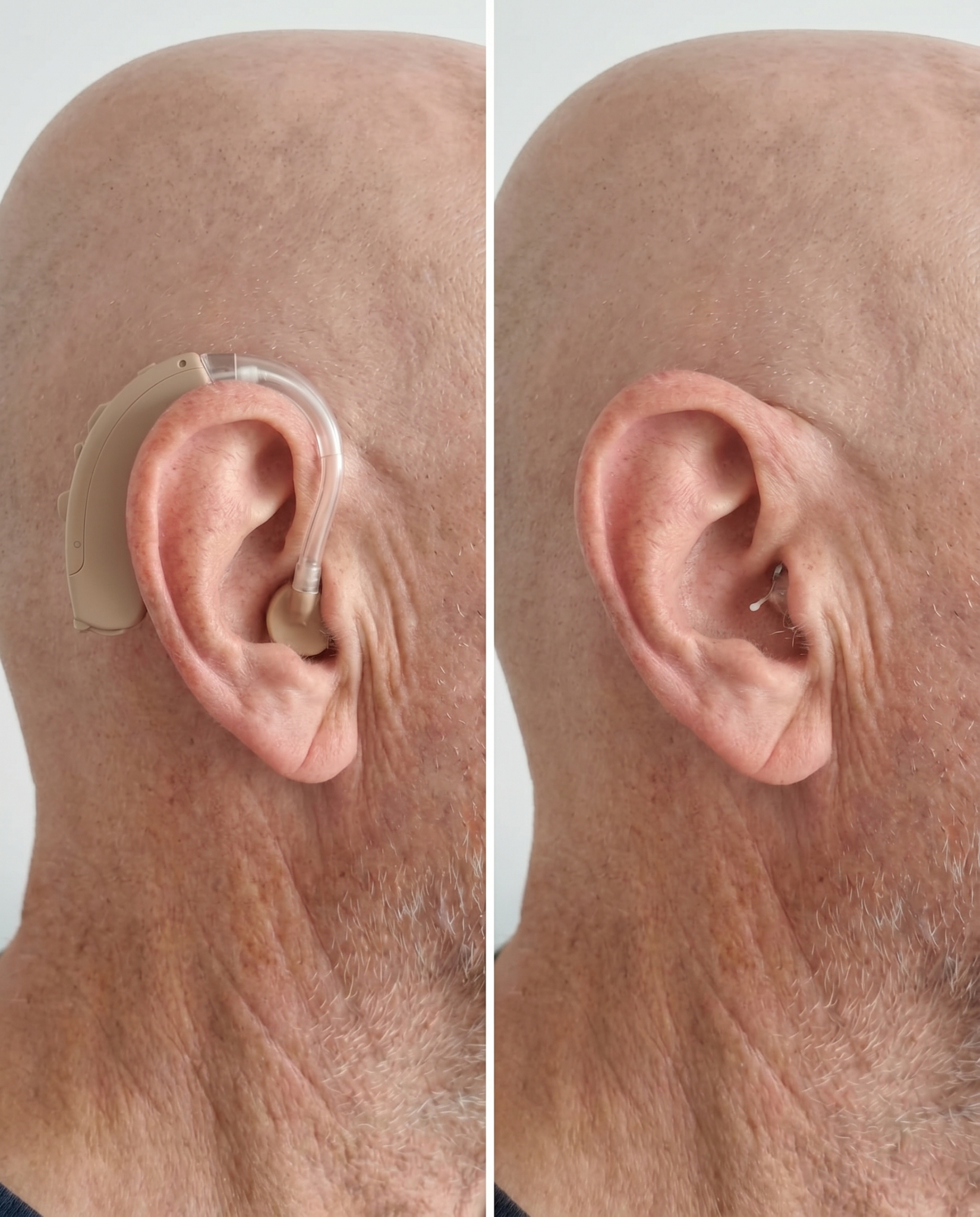
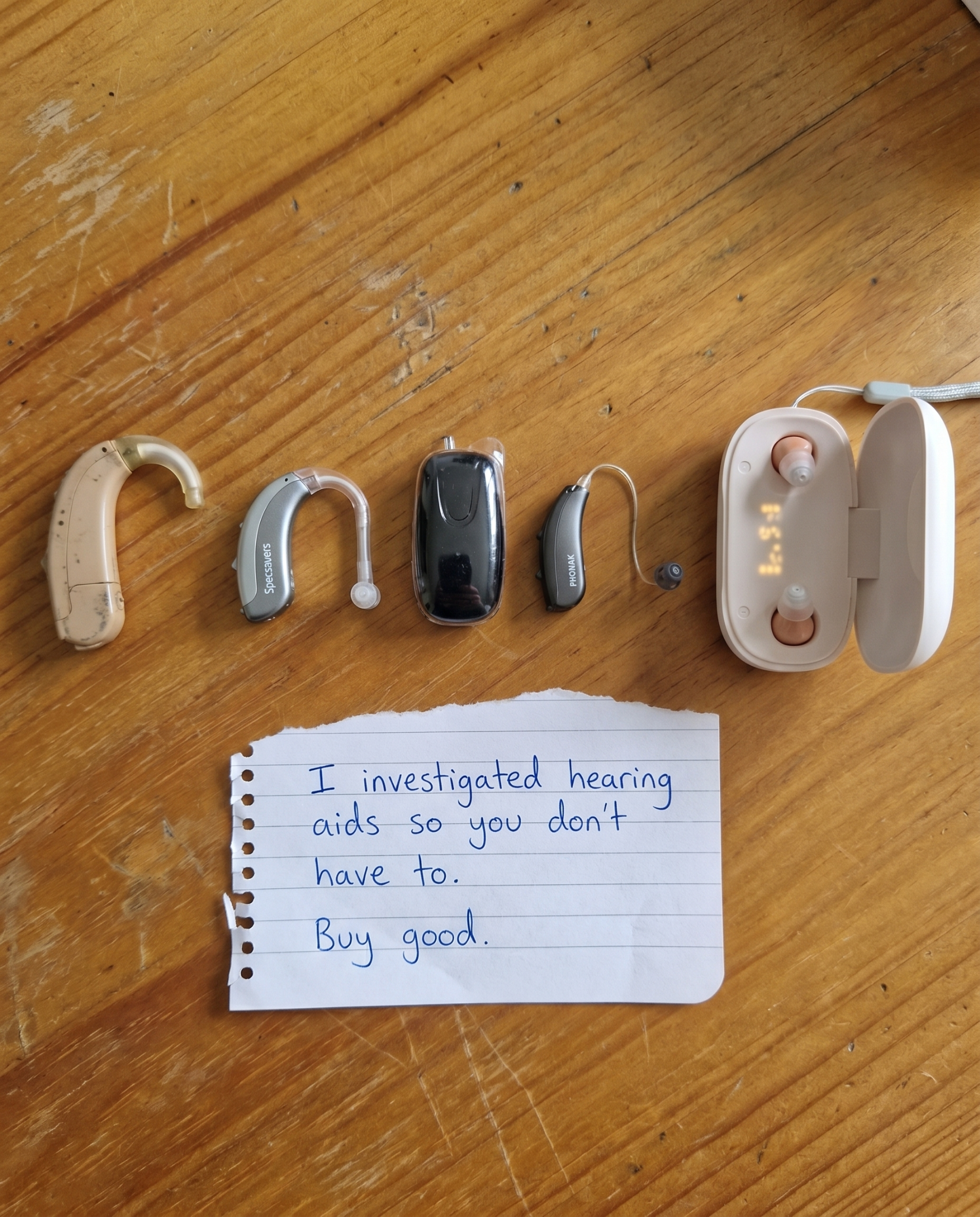
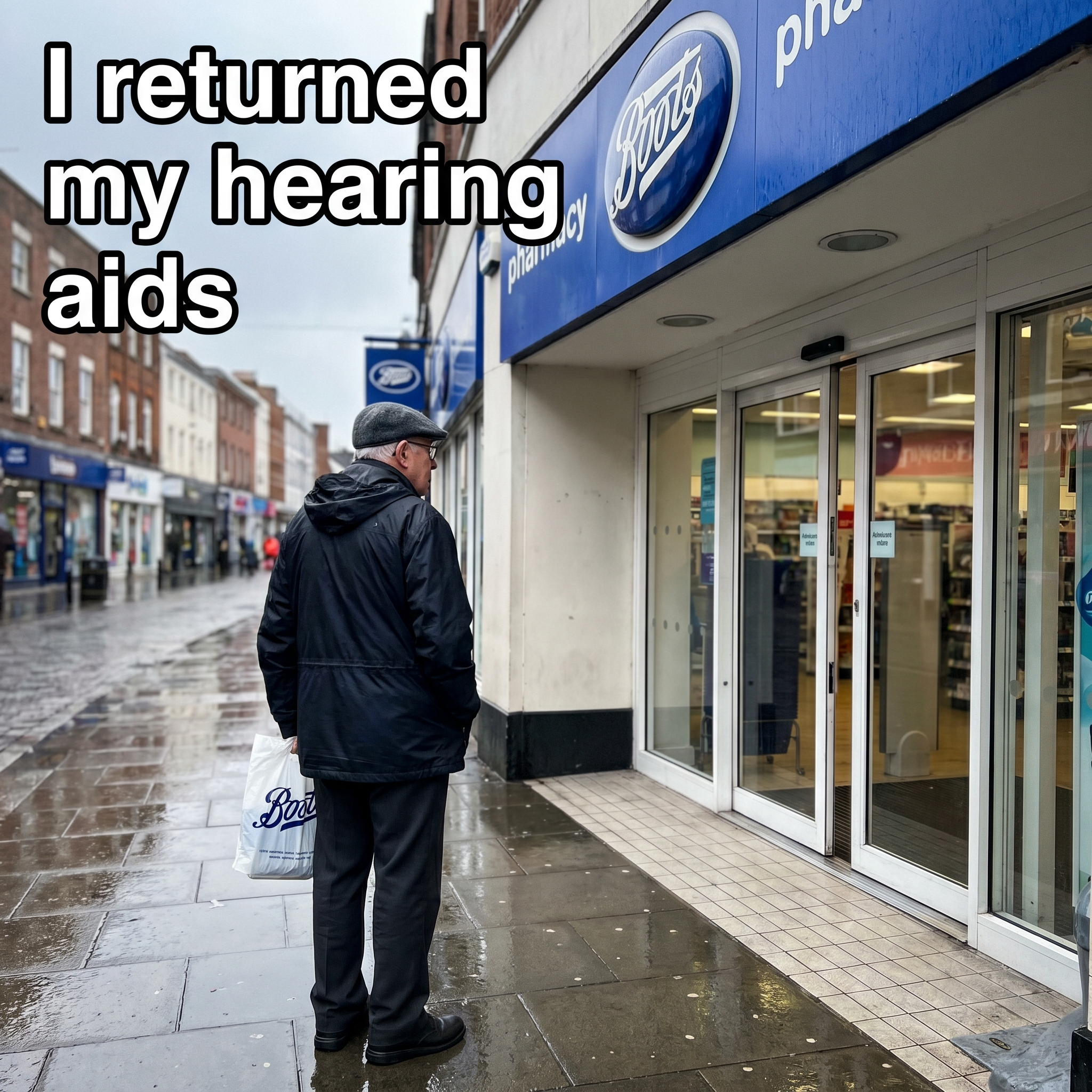
I had perfectly good hearing aids from Boots. £3,495. Worked fine. Then I read an article that explained what was actually inside them. I drove back to Boots the next morning and returned them. Here's why. I had perfectly good hearing aids. That's the part I want to be clear about from the start. The Boots hearing aids worked. The audiologist was professional. The fitting was thorough. For eleven days I wore them and heard things I'd been missing for three years. The television came down from 31 to 15. My wife Janet's voice came forward in noisy restaurants. Phone calls stopped being something to get through. I heard my grandson ask me something at dinner and answered before he'd finished the question, which surprised us both. They worked. And I returned them anyway. I'm David. 69. Retired quantity surveyor from Hampshire. Forty years pricing construction projects. I know what components cost. I know what markup looks like when it's been built into a professional quotation. And I know that the number on an invoice doesn't always reflect the value of what you've received. The Boots number was £3,495. I'd accepted it because I didn't know there was an alternative. I'd been on the NHS waiting list for ten months. I'd tried cheap Amazon amplifiers that screeched. The private clinic was the only other visible option and I paid what they asked because I was tired of not hearing properly and I had the savings to cover it. Eleven days in. Working perfectly. Case closed. Then my son-in-law Robert sent me a message. "Before you get too settled with those, read this." Robert works in procurement. He sources medical equipment professionally. When he tells you to read something before making a major purchase, you read it. The article was written by a former NHS audiologist. Thirty years fitting hearing aids, NHS and private. She had published a comparative test of five brands — NHS aids, Boots, Specsavers, Amazon devices, and a brand called Smart Hearing. Side by side. Real patients. Every specification documented. Every price listed. No brand paid for its position in the results. I read the pricing section first. The components that do the actual work inside a hearing aid — the digital processing chip, the microphone, the receiver — cost the manufacturer approximately £80 to £100 to produce into a complete device. I put the article down. Picked it up again. Read that section three times. I'm a quantity surveyor. I have spent forty years breaking down the actual cost of things. I know what £80 worth of components looks like. I know what £3,495 looks like. And I know what the gap between those two numbers means. It means the building. The article explained it precisely. The rest of that £3,495 is the rent on a prime high street retail unit. The audiologist on commission — and commission is standard practice in private hearing aid sales, which is why the premium range comes out of the cabinet first every time. The area manager. The regional director. The head office. The national television campaign that made me trust the name enough to book the appointment. I'm not saying the audiologist was dishonest. She wasn't. She was doing her job professionally within a pricing structure that I should have investigated before I sat down in that chair. Then the article explained the chip. Made by a company called ON Semiconductor. One of the largest chip manufacturers in the world. They don't make hearing aids. They make the chip that goes inside them. And they sell to everyone. Premium brands. Budget brands. Direct-to-consumer brands. Same chip. Same factory. Same specification. So the chip inside my £3,495 Boots hearing aids was available inside a device that cost £149. Same processing. Same 16-channel digital separation of speech from background noise. Same technology that had been working so well for eleven days. Different distribution model. No shop. No commissioned staff. No area managers. No advertising budget. Sold directly from a UK warehouse. Smart Hearing. £149. I checked the Boots return policy before I went to bed. Ninety days. I had eleven in. I rang Robert. Told him what I'd found in the article. "I know," he said. "That's why I sent it before day twelve." I boxed them up that night. Drove to Boots the next morning. The return was straightforward. Professional about it. No argument. Money back within four days. Ordered Smart Hearing that afternoon. Three days. UKCA certified. Charging case. Five ear tip sizes. No batteries. Charges overnight. Put them in on a Saturday morning. Janet was in the kitchen. "Any good?" she called. Heard every word. The same clarity I'd had with the Boots devices. Her voice forward. Background noise back. The 16-channel processing doing what the 16-channel processing does regardless of whose name is on the outside of the box. For £149. The television that evening: 15. Same number I'd had with the £3,495 pair. Sunday lunch at our daughter's. Six round the table. I was part of both conversations. Answering at normal speed. Not catching up. She said on the way home: "You seemed different today." "Same as last week," I said. "Just £3,346 better off." Six weeks now. I want to be precise about something because I think it matters for anyone reading this. The Boots hearing aids were not a scam. They worked exactly as described. The audiologist was good at her job. If money is genuinely not a consideration and you want the full private clinic experience, the appointments and the adjustments and the aftercare, Boots will deliver that. But the device inside the box — the chip, the microphone, the receiver — is not proprietary technology exclusive to the clinic price. It's manufactured by the same suppliers who sell to everyone in the industry. The price you pay at a private clinic is not the price of the technology. It's the price of the distribution chain the technology passes through to reach your ear. Smart Hearing removed that distribution chain. That's the whole explanation. The article Robert sent is here: www.healthylivingdigest.news/pages/healthy-living-digest-we-tested-the-actual-cost-of-5-top-hearing-aids Former NHS audiologist. Thirty years. Five brands tested. Every price listed. No brand paid for it. Read it yourself before you buy anything. And if you want to go straight to Smart Hearing: trysmarthearing.com/products/smart-hearing-comfort £149. 45-day trial. Send them back if they're not right. David Hartley, 69 Retired Quantity Surveyor Hampshire Eleven days. £3,495. Same chip as £149. I drove back to Boots the next morning. P.S. Robert told me he'd been sitting on the article for three days waiting until he was sure I was still inside the return window before he sent it. He said he didn't want to send it too early in case I hadn't formed an opinion on the devices yet, and he didn't want to send it too late. I told him the timing was perfect. He said: "I know. I checked your return policy before I sent it." Forty years of procurement. It shows.
Like this ad? Make it yours.
Crush rebuilds this exact creative around your product — your brand, your colors, your offer — in about a minute.