
Inactive· since Jul 15, 2026
- 46
- days it ran
- 0
- relaunches
Ad copy
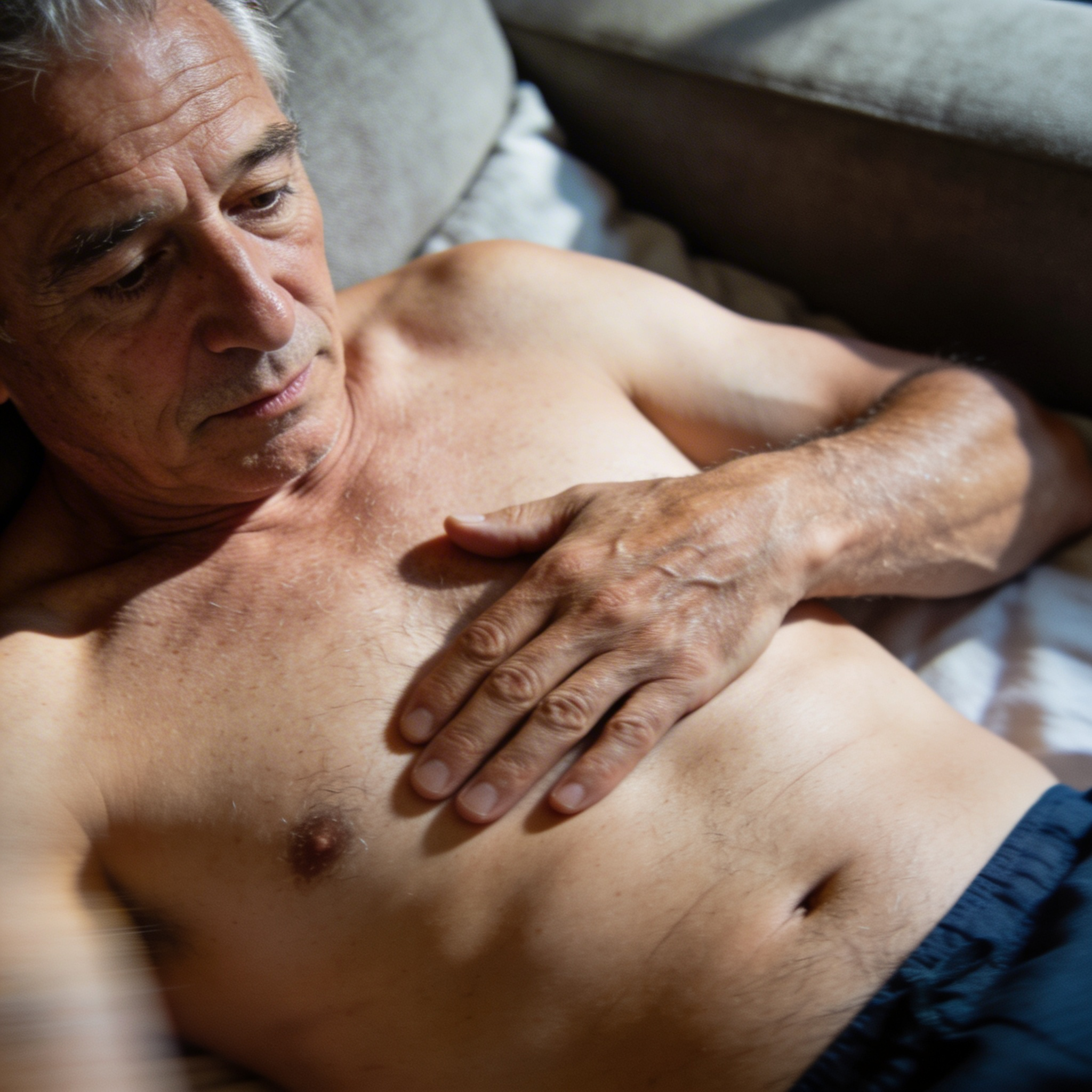
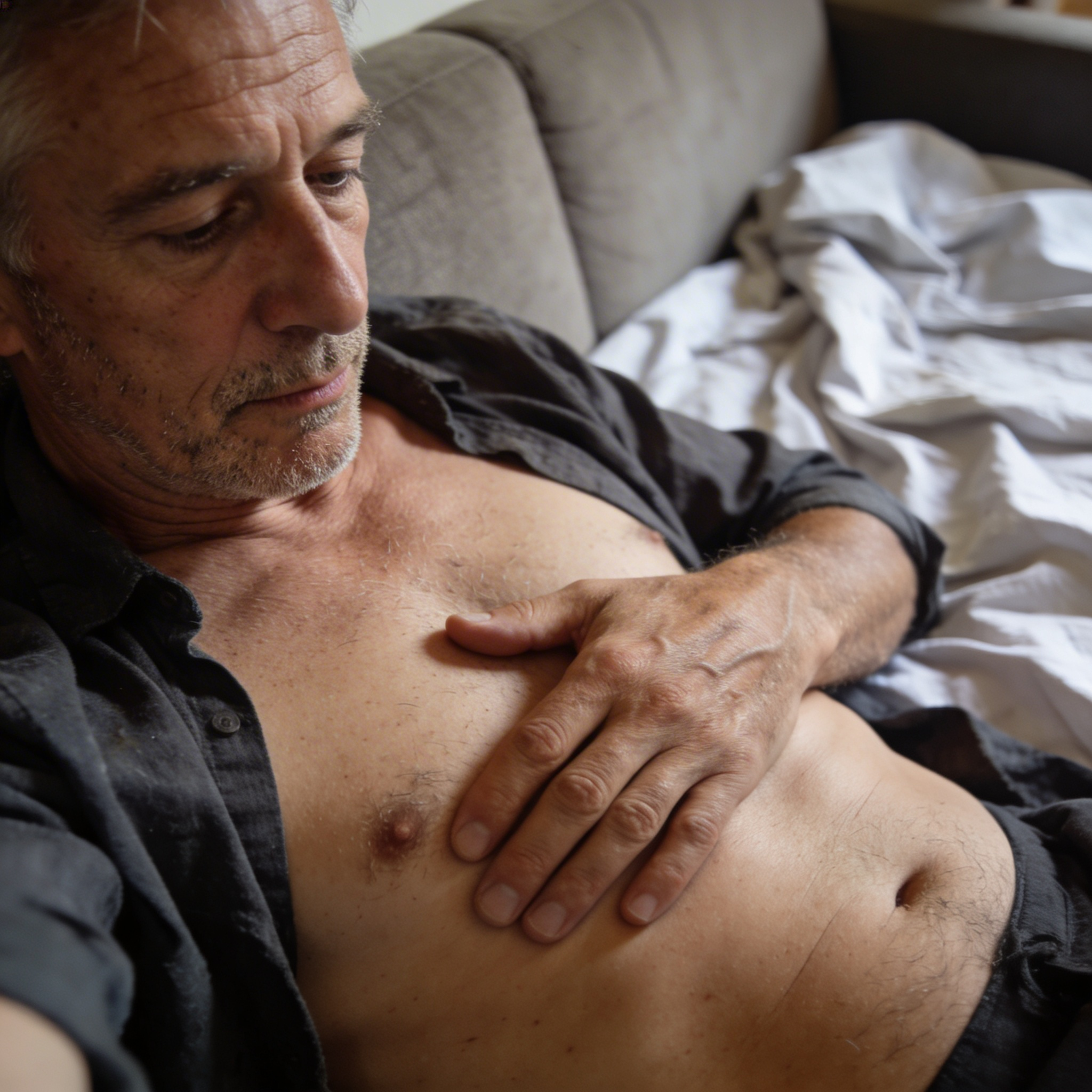
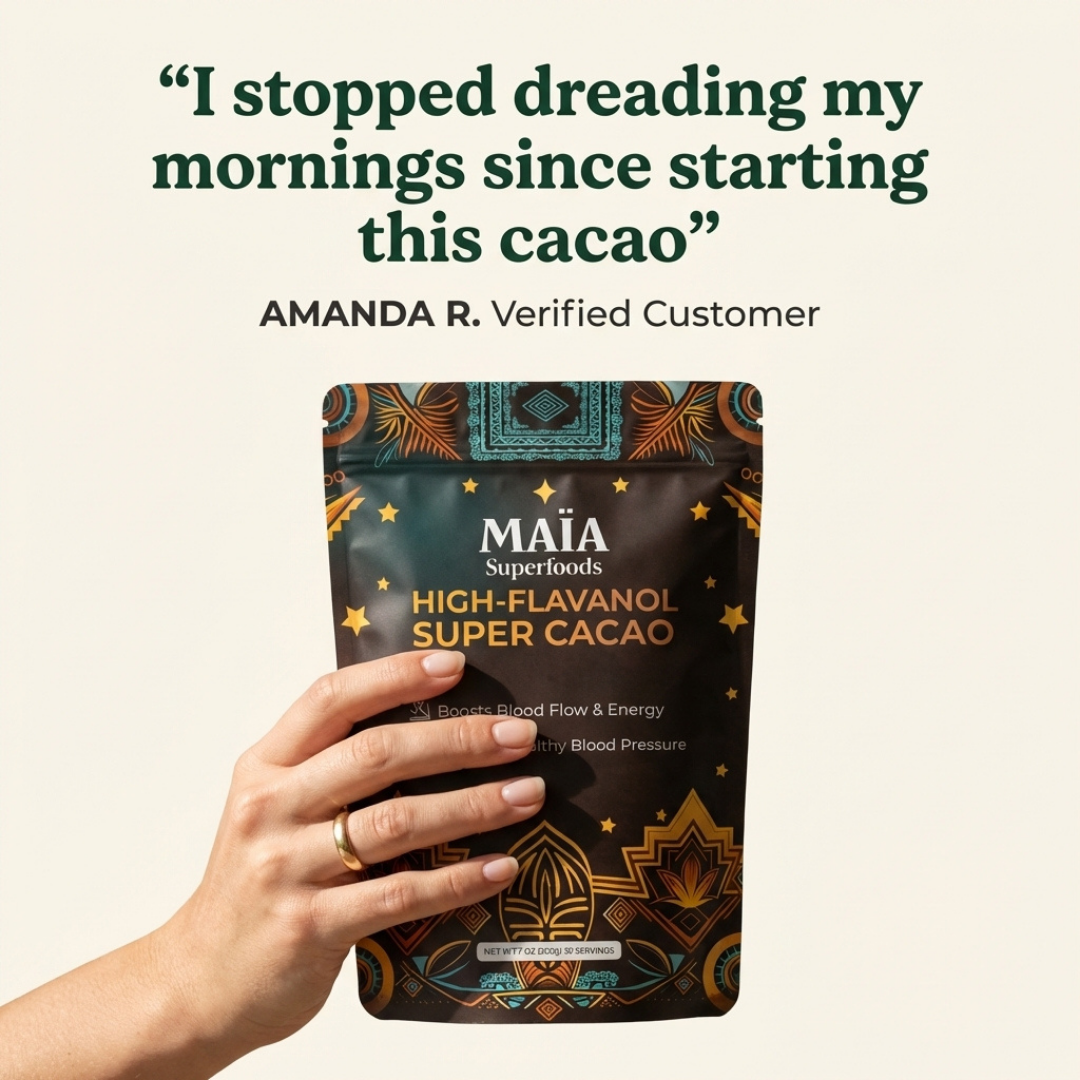
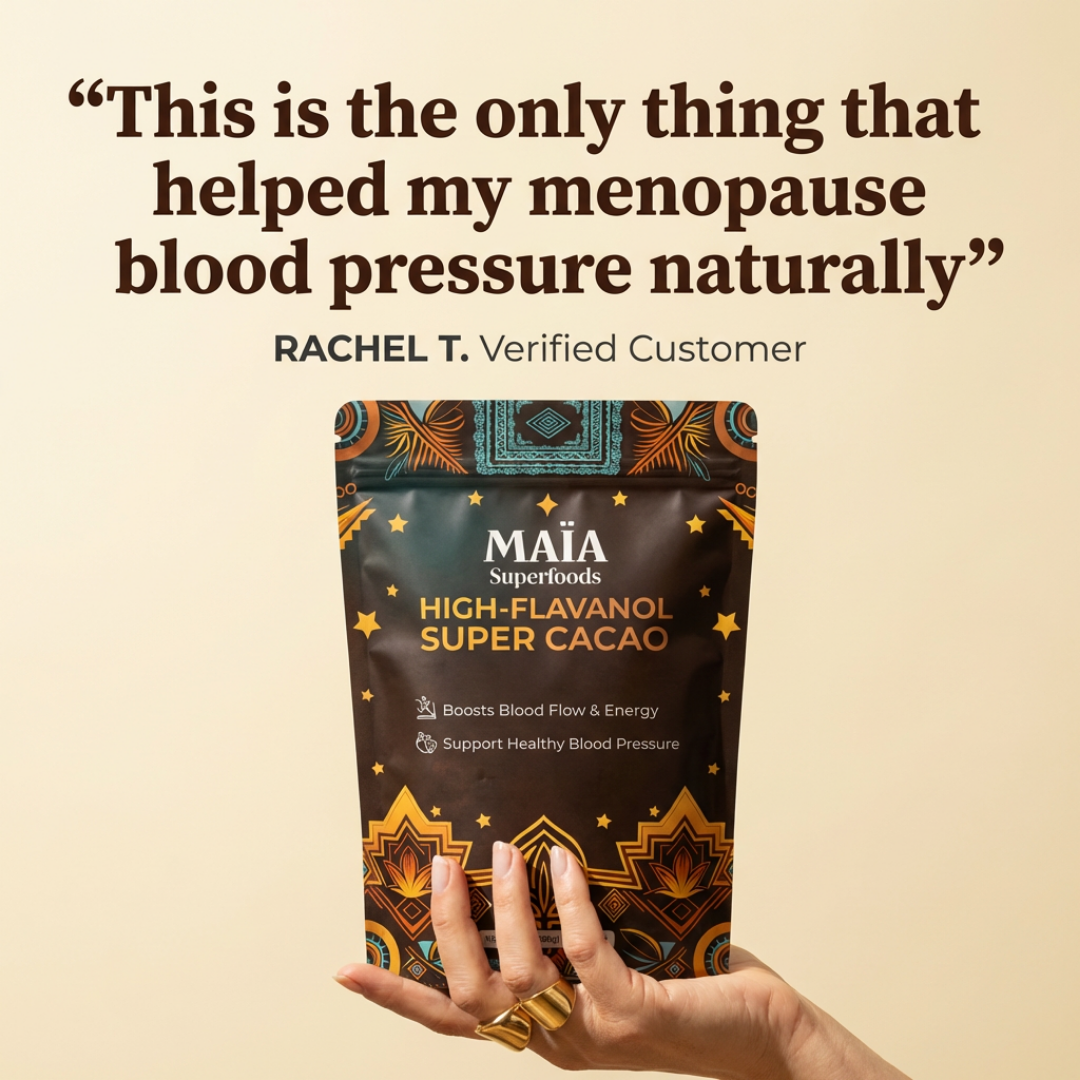
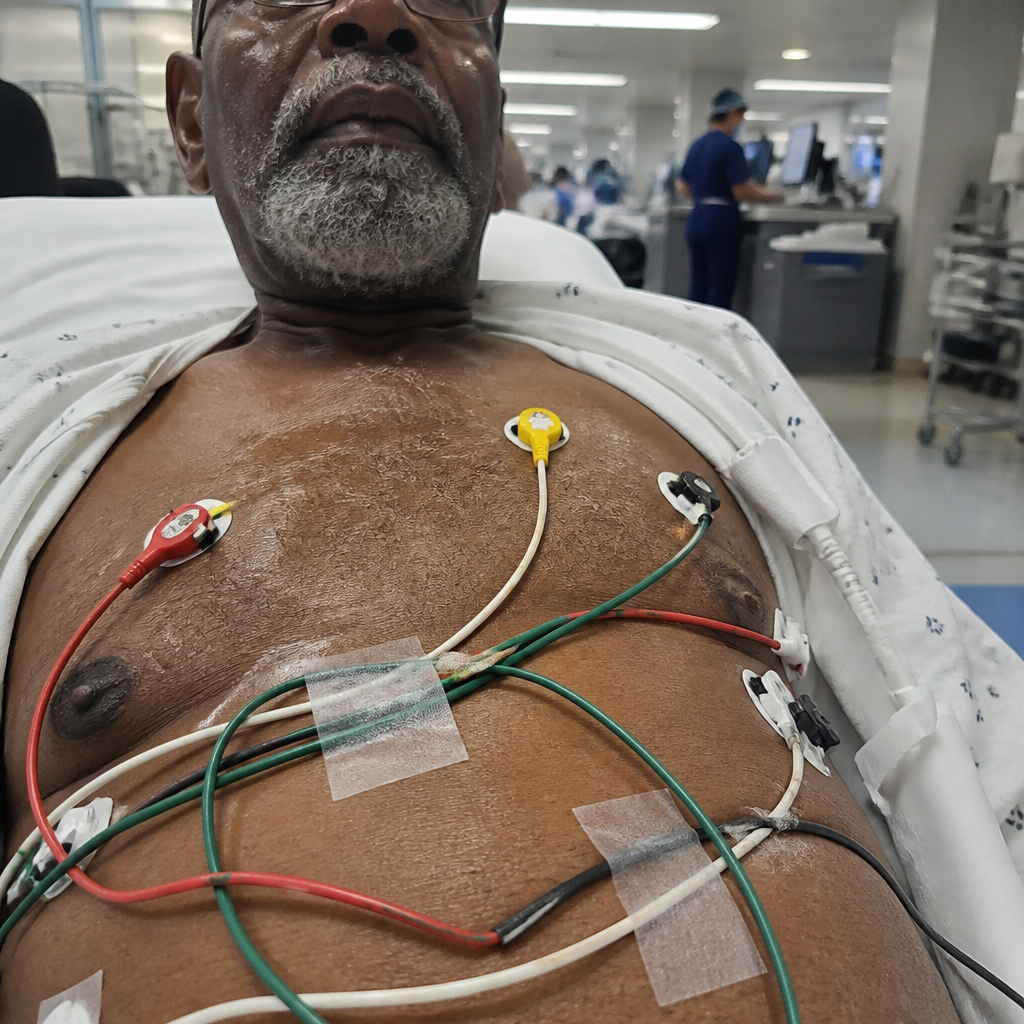
My father took a blood pressure regimen for ten years. Never missed a dose. His numbers stayed under 130 over 80 the entire time. His specialist called him a model patient. He was found on the floor of his wood shop. Massive vascular event. 68 years old. The regimen didn't save him. His "controlled" blood pressure didn't save him. Ten years of compliance didn't save him. When my own specialist pulled up my numbers last March and said the name of the exact same regimen, the same one printed on the bottle that was still sitting on my dead father's workbench, I said no. And what I found instead brought my blood pressure from 152 over 94 to 122 over 76. In eleven weeks. Without a regimen. But I need to tell you about my father first. Because if I don't tell you what I watched that regimen do to him, and what it failed to do FOR him, you won't understand why I spent six straight nights reading clinical research papers until 3 AM while my kids slept upstairs. My dad was a woodworker. Not a hobbyist. A craftsman. The kind of man who could look at a piece of rough cut walnut and see a dining table inside it. He built our kitchen cabinets by hand when I was eight. Built my daughter's crib when she was born. Built a jewelry box for my mother's 50th birthday that had dovetail joints so precise you couldn't fit a piece of paper between them. His shop was a converted two car garage behind our house. He'd go out there after dinner every night. You'd hear the lathe start up around 7 PM. The whine of the table saw. The steady rhythm of a hand plane. My mother said she always knew where to find him. "Follow the sawdust." When I was growing up, he'd let me sit on a stool in the corner and watch. He'd narrate what he was doing. "See this grain? It tells you which direction to cut. You go against it, the wood fights you. You go with it, and it opens up." He had thick, strong hands. Steady. The kind of hands that made you feel safe when they held yours. He was 58 when his specialist first put him on a regimen. Blood pressure of 156 over 96. His specialist, Dr. Simmons, a man my father trusted completely, told him the numbers needed to come down or he was heading toward a vascular event. "Take this every morning. Your blood pressure will come down and you'll be protected." My father was a rule follower. Served in the Army. Paid his taxes early. Went to church every Sunday. When a specialist told him to start a regimen, he started a regimen. The numbers came down. Beautifully. Within three months, his blood pressure dropped to 128 over 82. Dr. Simmons was thrilled. "Whatever we're doing is working, Bill. Keep it up." Keep it up. For the first two years, nothing seemed different. My father still went to his shop every night. Still built things. Still moved like a man who trusted his body. Then the cough started. It was subtle. A dry tickle in his throat that would come and go. He'd clear his throat between cuts and keep working. I noticed because I'd come over for Saturday coffee and he'd be sitting at the kitchen table with a glass of water, trying to shake the irritation out of his throat. "You okay, Dad?" "Just a tickle. Probably sawdust." Within a year, the tickle became a cough. Not the kind you get with a cold. A dry, relentless hack that hit without warning. He'd be guiding a chisel along a piece of cherry and the cough would seize him mid stroke. He'd have to set the tool down. Step back from the work piece. Wait for the fit to pass. His face red. Eyes watering. Ribs aching from the force of it. He started keeping a glass of water on the workbench. Then two. Then a whole pitcher. It didn't help. The cough came from somewhere the water couldn't reach. I watched my father's craft, the thing that defined him, the thing his hands were MADE for, get interrupted. Disrupted. Slowed down. Cut by cut. And his cough was just the beginning. The dizziness came next. My father was a man who moved with certainty. He'd climb ladders, lean over the table saw, pivot between machines in his shop without thinking. His body knew where it was in space the way a carpenter's body always does. By year three on the regimen, he'd grab the edge of the workbench when he stood up too fast. Steady himself for a second before moving. I noticed because it was such a small thing, such an un-Bill thing, that hand gripping the bench like a man on a boat. Then came the fatigue. My father was a 5 AM man his entire life. Up before the sun. Coffee on the porch. He'd have half the day's work done before most people brushed their teeth. By year four on the regimen, he was sleeping until 7. Then 7:30. Then some Saturdays I'd call at 9 and my mother would say he was still in bed. "He's just tired, Donna. He's getting older." He was 62. 62 years old and sleeping until 9 AM on a Saturday. A man who hadn't slept past 5:30 since Vietnam. Then the fog. The first time I noticed it, we were in his shop. He was staring at a piece of cherry he'd been working on. Just staring. I asked what he was planning to make. He looked at me. Looked at the wood. Back at me. "I had it a minute ago." He couldn't remember what he was building. He'd been working on it for three days. That's the moment I first felt afraid. Not of his blood pressure. Of the regimen. I told him to talk to Dr. Simmons about the symptoms. The cough. The dizziness. The exhaustion. The fog. He did. Dr. Simmons checked his blood pressure. 126 over 78. "Bill, your numbers are excellent. These symptoms could be age related. The benefits of continuing far outweigh any potential side effects. Keep it up." Keep it up. That phrase again. My father kept it up. Year six. Year seven. The cough never stopped. It became the background noise of his life, so constant that my mother said she'd stopped hearing it until she visited a friend's quiet house and realized what silence sounded like again. The dizziness worsened. His ankles started swelling by late afternoon, puffing up over his work boots so badly he'd have to unlace them to get them off. He started wearing slip on shoes because bending down to tie laces made the room spin. He stopped going to the shop after dinner. Too tired. Then he stopped going on weekends. Said the dizziness made the power tools feel dangerous. Then one day I drove over and found the shop door closed. Padlocked. "I'm done out there," he said. Didn't look at me when he said it. I found out later he'd been in the shop the night before and got lightheaded at the workbench. Reached for the edge and missed. He went down hard on the concrete floor. Hit the side of his face on a sawhorse on the way down. Sat there for twenty minutes because every time he tried to get up, the room tilted. When he finally pulled himself up on the workbench, he locked the door and never went back in. The man who could see a dining table inside a piece of walnut couldn't trust himself to stand in his own shop. His blood pressure at his next check up? 124 over 76. "Outstanding, Bill. These are some of the best numbers I've seen." I wanted to scream. The phone call came on a Wednesday. March 6th. 2:43 PM. I was at my desk at work. My mother's name on the screen. I knew before I answered. "Donna. It's Dad. Come now." I drove thirty two minutes to their house. I remember every second of that drive. The light on Route 7 that wouldn't turn green. The school bus I couldn't pass. My hands shaking on the wheel. When I pulled into the driveway, the ambulance was already there. Doors open. No one rushing. When no one is rushing, it means they've stopped trying. My mother was in the kitchen. Sitting in a chair. Staring at the wall. A neighbor was holding her hand. "Where is he?" "The shop." The padlock was broken. The paramedics had cut it. I walked through the door and saw the sawdust on the floor. Months of it, undisturbed. The lathe. The table saw. The hand planes hanging on their pegs exactly where he'd left them. He was covered by a sheet in the middle of the floor. The paramedics were packing up. "Ma'am, are you family?" "I'm his daughter." "I'm sorry. He was gone before we arrived. Massive vascular event. A blood vessel ruptured." They told me later he'd gone out to the shop for the first time in months. My mother said he'd been talking about it all week. Said he wanted to try again. Wanted to build something for my daughter's birthday. He made it as far as the workbench. Started laying out tools. And the vessel that ruptured, a vessel whose inner wall had been corroding for a decade while a regimen forced his numbers down and Dr. Simmons smiled at a reading on a screen, gave out. He died trying to go back to the thing he loved. In the place he loved. Alone. We found the bottle on his workbench. Next to a pencil sketch of a small bookshelf. My daughter's initials were written in the corner. "S.A." Sophie Anne. He never built it. I spent the months after my father's funeral in a kind of numb autopilot. Get the kids to school. Go to work. Come home. Make dinner. Stare at the television until it was late enough to justify going to bed. I wasn't living. I was maintaining. I gained fourteen pounds. Stopped exercising. Was eating whatever required the least effort, frozen dinners, drive through, cereal for dinner twice a week. The stress of losing him sat in my chest like a weight I couldn't shift. In March, I went to my specialist for a physical I'd been putting off for months. The nurse wrapped the cuff around my arm. Pumped it. Watched the monitor. Took it again. And again. 152 over 94. Dr. Patel sat across from me and folded her hands. "Donna, given your readings and your family history, particularly your father's event, I'd like to start you on a blood pressure regimen." The room tilted. "That's what my father took." "I know. And I understand this is sensitive. But your blood pressure is significantly elevated, and with his history, we can't afford to wait." "My father's blood pressure was 124 over 76 when he died. He took that regimen for ten years. His numbers were controlled every single time. And he still had a massive event. In his shop. Alone. On the floor." My voice was shaking but I didn't care. "He coughed so bad his ribs ached. He couldn't stand up without the room spinning. He slept until 9 AM when he used to be up at 5. He locked his shop, the place he loved more than anywhere on earth, because he got dizzy and fell on the concrete. That regimen took ten years of his LIFE before it failed to save it." Dr. Patel was quiet. "I understand your concerns." "Do you? Because what I'm hearing is that you want to put me on the same thing that destroyed my father's quality of life for a decade and then didn't even do the one thing it was supposed to do. Protect him. It didn't protect him. He's gone." She closed her laptop halfway. "I hear you, Donna. But your risk profile..." "Give me ninety days. If I can't bring these numbers down on my own, we'll talk about options. But I am not starting the regimen. I am not." She agreed. Reluctantly. Made notes in my chart. Said she'd recheck in three months. I walked to my car. Sat in the driver's seat. And for the first time since the funeral, I cried. Not the quiet, controlled tears I'd been allowing myself. The real ones. The ones that come from somewhere so deep you can't reach them to stop them. Because I wasn't just afraid of my blood pressure. I was afraid of ending up alone like my father did. I was afraid of getting so dizzy I couldn't pick up my granddaughter without fear of dropping her. I was afraid of forgetting what I walked into a room for while my daughter watched and said nothing, the way I watched my dad and said nothing for too many years. I was afraid of becoming a bottle on a workbench next to something I never finished. And I was afraid that if I took the same thing he took, I'd end up in the same place. Because I'd already seen the movie. I knew how it ended. It ended on a shop floor under a sheet. That night I put the kids to bed and opened my laptop at the kitchen table. I typed: "why do people on blood pressure regimens still have vascular events" I expected nothing. I expected vague disclaimers and industry talking points. What I found over the next six nights changed my life. I started with the basics. Blood pressure regimens work by forcing your blood vessels open through different chemical pathways. Some block an enzyme. Some override muscle signals. Some drain fluid. The approaches differ but the logic is the same. Force the vessels wider, the number on the cuff goes down. Simple. Clean. Logical. Except for one thing. Forcing your blood vessels open with chemicals does not repair the damaged inner wall that controls whether they open on their own. I read that sentence three times. Then I read the study it came from. Then I read four more. Here's what I learned, what nobody, not Dr. Simmons, not Dr. Patel, not any specialist in ten years of treating my father, ever explained: Your blood vessels aren't just tubes. They're living tissue. And the inside of every blood vessel in your body is lined with a thin inner wall, a layer of living cells that controls everything about how your blood flows. It's called the endothelium. When that inner wall is healthy, it does something your body depends on every second of every day. It produces a molecule called nitric oxide. Nitric oxide is your body's natural signal that tells your blood vessels to relax and open up. When the wall is healthy and producing nitric oxide, your vessels expand and contract smoothly with every heartbeat. Blood flows through without resistance. Pressure stays balanced. You don't think about it the same way you don't think about breathing. It just works. But that inner wall is directly exposed to everything in your blood. Every bit of processed food you've eaten. Every blood sugar spike. Every stress hormone. Every toxin, every year of inflammation. It all flows right across that wall, scraping against it, hour after hour, day after day, year after year. And over time, it wears that wall down. Roughens it. Damages it. Once that inner wall is damaged, it stops producing nitric oxide. The molecule your body depends on to keep your vessels relaxed, the supply gets cut off at the source. Without nitric oxide, your vessels can't relax. They stay tight. Constricted. Blood doesn't flow through the way it should. It has to force its way through. Your body has to push harder with every single beat. That's high blood pressure. Not a mystery. Not genetics you can't control. A damaged inner wall that stopped producing the one molecule your body needs to keep your vessels open. And here's the part that made me grip the edge of my kitchen table so hard my knuckles turned white. The harder blood pushes through a damaged vessel, the more it tears up that inner wall. Every beat of your body is pushing blood across a surface that's already raw and breaking down, and the force shreds it further. More damage means less nitric oxide. Less nitric oxide means the vessels tighten more. Tighter vessels mean blood pushes harder. Harder pushing means more damage to the wall. A cycle that feeds itself. And it's been running inside you for years. That's why your blood pressure was "a little high" five years ago, higher last year, and higher again at your last checkup. That's not aging. That's a cycle accelerating. After 50, that inner wall's ability to produce nitric oxide drops by as much as 50 percent. By 60, it can be down 60 percent or more. I sat at my kitchen table at 1 AM and thought about my father. Blood pressure 124 over 76. "Outstanding numbers, Bill." His regimen forced his blood vessels open with chemicals. The number dropped on the cuff. Dr. Simmons said great. But the inner wall of his blood vessels? Still damaged. Still corroding. Still unable to produce the nitric oxide his body needed to regulate itself. The regimen forced the reading down. It never repaired the wall. And the way it forced those vessels open, by blocking a key enzyme, also shut down everything else that enzyme was doing. That enzyme doesn't just control blood vessel constriction. Your body uses it to protect your lungs. To regulate fluid balance. To manage blood flow to your brain and muscles. It's involved in dozens of processes that have nothing to do with blood pressure. Block the enzyme to force the vessels open, and all of those systems break down as collateral damage. My father's cough. His ribs aching from the hacking that never stopped. His dizziness at the workbench. His ankles swelling over his boots. His exhaustion. His sleeping until 9 AM. His body, the body that needed that enzyme for far more than just blood pressure, being systematically disrupted for ten years. Those weren't random problems of aging. Those were the price his body paid for ten years of a chemical override it was never designed to sustain. His specialist called those symptoms "age related." Said the benefits outweighed the risks. The benefits. A number on a screen. 124 over 76. Outstanding. The risks. A man who couldn't stand without grabbing the bench. Couldn't sleep without coughing. Couldn't trust his own balance in the place he loved. A man who locked his shop door because his regimen made it dangerous to be there. And in the end, a blood vessel so corroded, so damaged after a decade of nothing repairing its inner wall, that it simply ruptured. Nobody ever checked whether that inner wall, the wall that produces nitric oxide, the wall that controls whether vessels stay open or slam shut, was being repaired. Was healing. Was getting better. They forced the reading down. They never fixed the wall that was driving the pressure up in the first place. It's like forcing a rusted pipe open wider while the inside keeps corroding. More flow. Still falling apart. And no one looking. For ten years. I kept reading. Now I understood why the regimen failed. It was aimed at the reading. Nothing about it repaired the damaged inner wall of his blood vessels, the wall that produces nitric oxide, the wall that decides everything. But I still needed an answer. Because my blood pressure was 152 over 94 and I had ninety days. So the next question was simple: is there anything that actually repairs that inner wall? Not something that forces the vessels open like a chemical. Not something that adds more nitric oxide from the outside like beetroot. Not something that thins the blood slightly like garlic or relaxes the muscles around the vessel like magnesium. Something that goes to the inner wall itself, where the damage is actually happening, and repairs it so it can start producing nitric oxide again on its own. That's the night I found high-flavanol cacao. Not on a wellness blog. Not from an influencer. I found it buried in research papers about vascular repair and blood vessel function. Cacao. Real cacao. The unprocessed bean. Ancient healers in Central and South America used it for over 5,000 years. The Aztecs called it "the food of the gods," reserved it for warriors, elders, and healers whose bodies were breaking down. They didn't fully understand why it worked back then. They just watched the results happen over thousands of years. Modern science now knows exactly why it worked. Raw cacao contains specific compounds called flavanols, powerful antioxidants concentrated in the unprocessed bean. When researchers measured the effect of flavanols on the vascular system across dozens of clinical studies, cacao flavanols consistently ranked at the top. There is more published research on cacao flavanols for circulation and vascular health than on almost any other natural compound on the planet. Here's what flavanols do. They repair the damaged inner wall of your arteries. The free radicals that have been corroding that wall for years, the ones created by stress, processed food, and just getting older, flavanols find them and neutralize them. Not in your gut like garlic. Not in the muscles around the vessel like magnesium. Not floating loosely in your blood like fish oil. Directly on the inner wall itself. Where the actual damage is happening. When the assault stops, the wall starts to heal. And when the wall heals, it starts producing nitric oxide again. On its own. The way it did when you were younger. Your body's own signal that tells your blood vessels to relax. The same molecule beetroot tried to add from the outside, your wall starts making it again from the inside. Cacao flavanols support nitric oxide production directly. Support healthy vascular flexibility. Support healthy circulation. Support healthy blood flow. Support healthy blood pressure levels already within the normal range. Vessels relax on their own. Blood flows freely. Your body doesn't have to push as hard. The pressure drops. And when the pressure drops, the wall stops getting shredded. The cycle breaks. Pressure comes down, not because something forced it, but because your body is doing what it already knows how to do. You just had to fix the wall first. I thought about every supplement I'd tried in the years my blood pressure had been climbing. The garlic capsules that gave me stomach cramps and breath that cleared a room. The magnesium that helped me sleep a little better but didn't move my numbers a single point. The beetroot powder I mixed into smoothies for three months because a health blog said it would boost nitric oxide. None of them repaired the wall. They were all aimed at everything around the wall while the wall itself kept corroding underneath. That's why none of them worked. I'd been throwing buckets of water at a house fire. Then wondering why the house was still burning. But not all cacao is the same. And this is where I lost most of an evening reading angry research summaries. Most cacao products on the shelf are destroyed before they reach you. Roasting at high temperatures destroys 40 to 60 percent of the flavanols. Dutching with alkali destroys another 30 to 50 percent. Sugar, dairy, and emulsifiers dilute what's left. By the time it hits a grocery shelf, 60 to 90 percent of the active flavanols are gone. You get flavor. You don't get function. The dark chocolate squares I'd eaten for years thinking they were doing something? They'd done nothing. Because there was nothing left in them to do anything. The cacao that works has to be raw. Cold-processed. Never roasted. Never dutched. Made from a heirloom bean called Criollo, the variety used ceremonially for 5,000 years. Dosed at clinical levels. Third-party tested. Same potency every time. That's the difference between something that works and something that sits in your cabinet collecting dust. MAÏA is the only brand I've found that gets it right. Raw, cold-processed Criollo cacao. Clinical-dose flavanols disclosed on the label. Third-party tested every batch. No sugar. No dairy. No fillers. Not a supplement in a capsule. A ceremonial-grade cacao drink you make with hot water and a splash of milk every morning. I took my first cup on a Thursday morning. Before the kids woke up. The kitchen was quiet. I sat down at the same table where I'd spent six nights reading research papers. The same table where I'd learned that my father's "outstanding numbers" had been a curtain hiding the thing that actually killed him. I already owned a home blood pressure monitor. I'd bought it the week after my father passed. It had been sitting in the bathroom drawer for months because checking my own numbers made my chest tight. I pulled it out. Wrapped the cuff. Pressed start. Baseline on my home monitor: 151 over 93. Close enough to Dr. Patel's reading of 152 over 94 to confirm. I drank MAÏA every morning. Hot water. Splash of milk. Stirred it in a mug. My one non negotiable. Week two: 143 over 88. Small, but the first time in years those numbers had moved in the right direction without a chemical override. And something else, the heaviness I'd been carrying for months was lighter. I was sleeping better. Deeper. Waking up without that sluggish, weighed down feeling that had become my normal. Week four: 136 over 84. My mother called me on a Saturday morning. We talked for an hour. She said something she hadn't said in months: "You sound like yourself again, Donna." I had to put the phone down for a second. Week six: 131 over 82. I ran into my neighbor in the driveway. She looked at me and said, "What are you doing differently? Your face looks different. You look... I don't know. Lighter." I didn't know how to explain that I felt lighter. Like something heavy had been removed from the inside. Week eight: 126 over 78. I stared at the monitor. Tested again. 127 over 77. Eight weeks. No regimen. No prescription. No dry cough. No dizziness. No swollen ankles. No brain fog. No side effects of any kind. 152 over 94 to 126 over 78. I put the monitor down on the kitchen table. Walked to the window. Looked out at the backyard. The swing set my father built for Sophie when she was four. The wooden frame weathered now, but solid. The joints precise. The way he built everything. I stood there for a long time. My ninety day follow up with Dr. Patel was eleven weeks after I started MAÏA. The nurse wrapped the cuff. Pumped it. Watched the screen. Did it again. And again. I sat in the exam room. Paper crinkling under me. The same room where she'd named the regimen three months ago. Where I'd said no and she'd made notes in my chart. She walked in. Opened her laptop. Looked at the screen. Then she looked at me. "Donna." "Yes?" "Your blood pressure is 122 over 76." Down from 152 over 94. In eleven weeks. She scrolled through the rest of my workup. "Your resting rate has improved. Your overall vascular markers look excellent." She paused. "These readings are as good or better than what I typically see with patients who've been on a regimen for months." She closed the laptop. Folded her hands. "What have you been doing?" I told her. All of it. The six nights of research. The damaged inner wall. Flavanols. The 5,000 year old plant that ancient healers called "the food of the gods." The research on vascular repair. MAÏA. She listened. Took notes. Didn't interrupt. When I finished, she was quiet for a moment. "I'll be direct with you, Donna. I'm not deeply familiar with the cacao flavanol research at the clinical level. But I'm looking at your readings, and these are excellent results. Your blood pressure is well within the healthy range. These numbers are as good or better than what I typically see." She opened the laptop one more time. Looked at the screen. "I see no clinical reason to start a regimen at this time." I held it together in the exam room. I held it together walking to my car. I held it together starting the engine. Then I called my mother. "Mom. My numbers came back. 122 over 76. She said she sees no reason for a regimen." Silence on the other end. Then, quietly: "Your father would be so proud of you." I couldn't hold it together after that. Here's what I need you to understand. I'm not a specialist. I'm not a researcher. I'm a 53 year old project manager with two kids and a mortgage and a father I buried seven months ago. I'm the daughter who watched a regimen destroy a man's steadiness, a man who could build anything, while his specialist smiled at a number on a screen. I'm the daughter who found out, too late, that "controlled numbers" meant nothing because no one was repairing the inner wall that was corroding inside his blood vessels for a decade. I'm the daughter who sat in an exam room and heard the same regimen name, the one printed on the bottle on my dead father's workbench, and said no. And I'm the woman who found something that actually worked. Not by forcing my blood vessels open with chemicals. Not by overriding my body with something that steals your balance, your breath, and your energy. By giving my body the one thing it needed to repair its own inner wall and start producing nitric oxide again, the way it was always supposed to. If you're reading this, I think I know where you are. Your numbers are climbing. Maybe they've been climbing for years. Someone in your family, your father, your mother, your husband, your wife, had an event. Maybe on a regimen. Maybe with "controlled" numbers. Maybe while their specialist was telling them everything was fine. Your specialist wants you on a regimen. Maybe you're already on one. Maybe you've been on one for years and the cough is getting worse, the dizziness is getting scarier, the ankles are swelling, and something in you knows this isn't right. You've tried the alternatives. Garlic that didn't move the needle. Beetroot that was supposed to boost nitric oxide but changed nothing. Magnesium that helped you sleep but didn't touch your readings. And underneath it all, underneath the numbers and the supplements and the appointments, is the fear. The quiet, constant, 3 AM fear. That you're heading toward the same place. That the regimen can't stop what's actually coming. That you're running out of time to find something that works. I know that fear. I lived in it for seven months. I don't live in it anymore. If your numbers haven't improved, if nothing you've tried has moved the needle, it wasn't a failure of natural solutions. It wasn't that your body is different, or that you're unlucky, or that you just have to accept the regimen. It was that nothing you were taking repaired the wall. The inner wall of your blood vessels was damaged, corroded, unable to produce the nitric oxide your body depends on to keep your vessels open. And everything you tried, the garlic, the magnesium, the beetroot, the fish oil, even the regimen, was aimed at everything around the wall. Nothing repaired the wall itself. Cacao flavanols repair the wall. Not by forcing your vessels open. Not by adding more nitric oxide from the outside. By sending flavanols directly to the inner wall of your blood vessels where they neutralize the free radicals that have been corroding it for years. When the assault stops, the wall heals. When the wall heals, it starts producing nitric oxide again on its own. Vessels relax. Blood flows freely. Pressure drops. And when the pressure drops, the wall stops getting shredded. The cycle breaks. But only if the cacao is raw. Only if it's cold-processed. Only if it's made from Criollo. Only if the flavanol concentration matches what was used in the clinical research. Only if it's tested, verified, and clean. MAÏA is the only brand I've found that gets all of it right. Raw, cold-processed Criollo cacao. Clinical-dose flavanols disclosed on the label. Third-party tested every batch. No sugar. No dairy. No fillers. One cup with hot water and a splash of milk every morning. That's it. https://shop.trymaia.co/shocking-discovery-bp Right now, they're running a promotion with significant savings. But MAÏA is a small company. They make everything in small batches to preserve the active compounds. When they sell out, it's usually weeks before the next batch is ready. 90 days to try it. If nothing changes, full refund. No questions asked. But if it works? If by week two the numbers start moving in a direction they haven't moved in years? If by week four the heaviness lifts, the fog clears, and your energy feels different, not wired, not forced, just steady and present in a way you forgot was possible? If six weeks in someone who knows you well looks at you and says you seem lighter? If eleven weeks from now you're sitting in your specialist's office watching her read your blood pressure twice because something has changed in a direction she didn't expect? If she closes the laptop and says, "I see no clinical reason to start a regimen at this time"? You'll wish you'd started sooner. I know I do. My father didn't have this option. Nobody told him about the inner wall. Nobody explained what the regimen was doing, and what it wasn't doing. Nobody gave him an alternative that addressed the actual problem. I can't change what happened to him. But I can make sure it doesn't happen to me. And I can tell you. He would have wanted me to tell you. The last thing my father built was a jewelry box for my mother's 70th birthday. He'd been working on it in secret. We found it on his workbench after the funeral. Unfinished. The joints were rough, not the precise dovetails he used to cut. His hands weren't as steady anymore. The coughing fits. The dizziness. Everything the regimen had taken. But he was trying. Even at the end. Even with a body the regimen had worn down. He was trying to build something beautiful for someone he loved. I finished it for him. Sanded the joints smooth. Applied the finish. Gave it to my mother on her birthday. Inside, I put a note: "Dad built this. I finished it. Love doesn't stop when hands do." Don't let a regimen take your steadiness. Don't let it take your mind. Don't let it take ten years of your life and then fail to save it. There's another way. You don't have to keep watching your blood pressure climb while the deadline gets closer. https://shop.trymaia.co/shocking-discovery-bp
The #1 Cacao for Heart Health
LEARN MORELike this ad? Make it yours.
Crush rebuilds this exact creative around your product — your brand, your colors, your offer — in about a minute.