
Active· since May 21, 2026
- 117
- days running
- 0
- relaunches
- 18,007
- EU reach
Ad copy
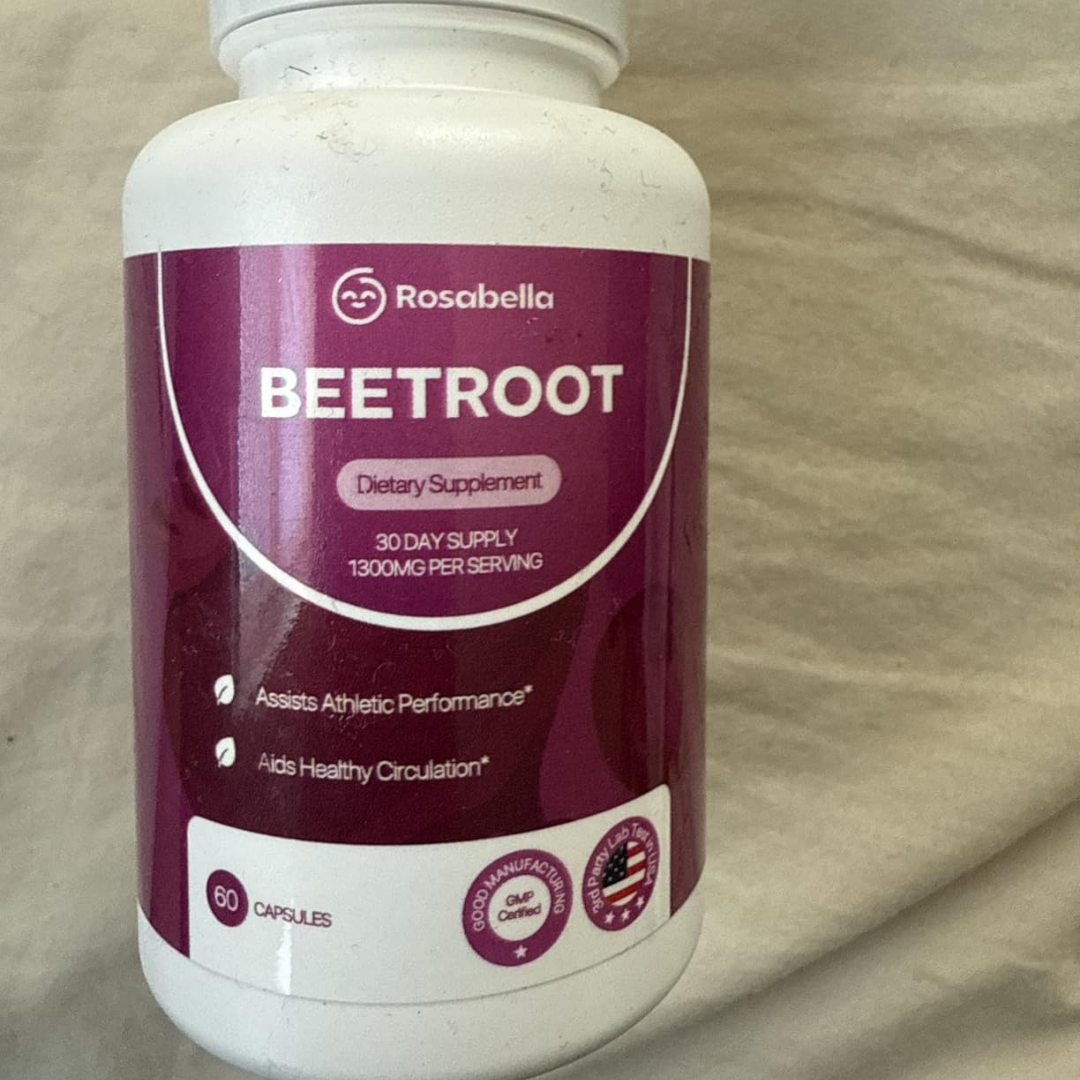
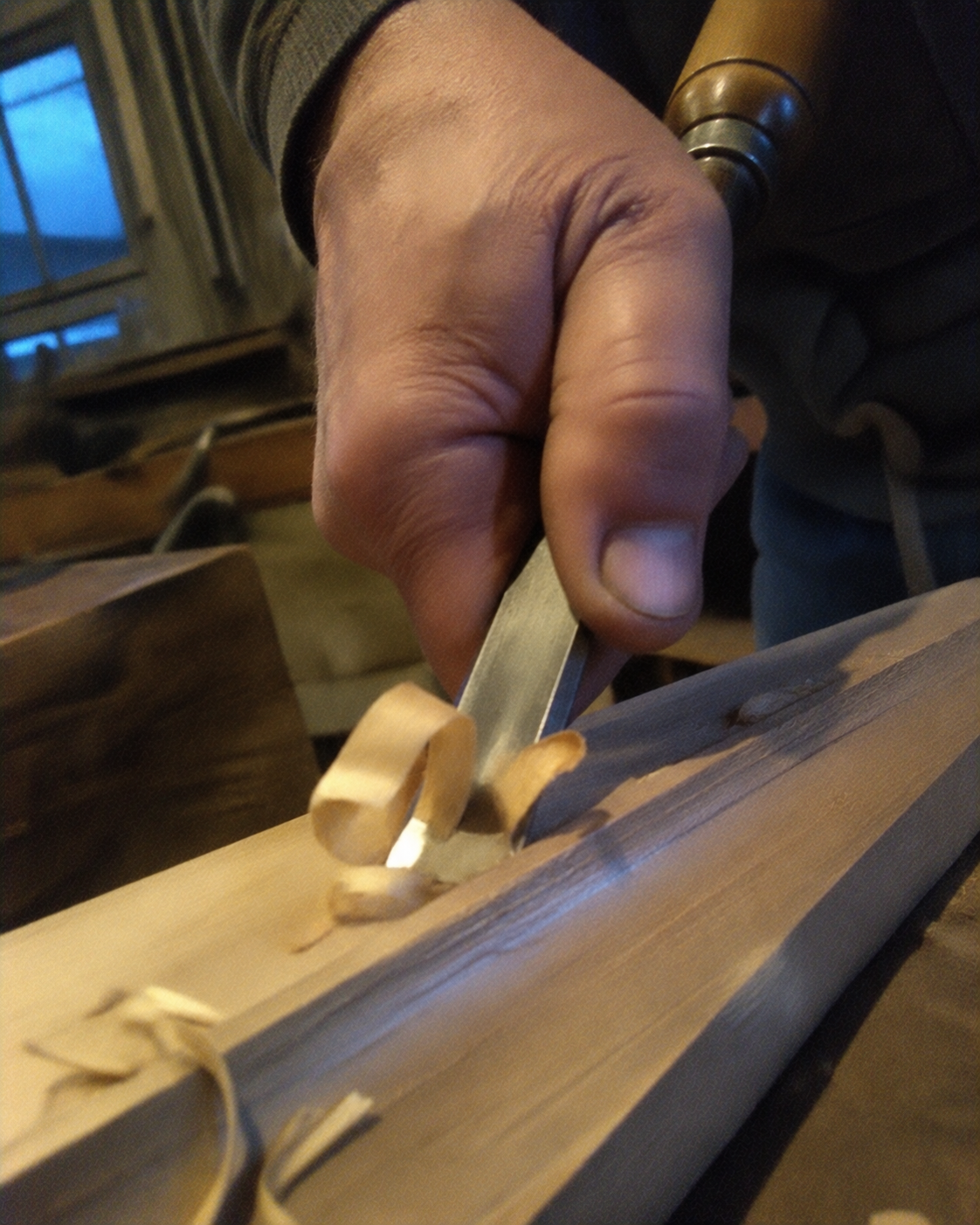
My Husband Used to Smell Like Sawdust. For Two and a Half Years He Has Not. Last Saturday a Stranger at a Yard Sale Helped Me Understand Why. I was driving home from the grocery store on a Saturday morning in May. A regular Saturday. Nothing on the calendar. Bill was home in his chair watching the news. That's where Bill is most Saturday mornings now. I took the long way back through a neighborhood I don't usually drive through, because there was construction on the main road and I didn't feel like sitting in it. That's how I ended up on Maple Street. That's how I saw the yard sale. It was a small one. Two folding tables in a front yard. A handwritten sign duct-taped to a mailbox. A woman about my age sitting in a folding chair with a coffee thermos at her feet. I almost drove past it. I almost don't ever stop at yard sales. But something on the table caught my eye through the windshield as I passed. A hand plane. A wood plane, the old kind, with a wooden body and a brass adjustment knob. The kind my husband Bill has six of in his workshop in the basement. I don't know why I pulled over. I haven't bought a tool in my life. I wouldn't know what to do with one. But I pulled over and parked at the curb and got out of the car. The woman behind the table looked up and smiled. She had silver hair pulled back in a low ponytail. A blue work shirt. Reading glasses pushed up on her head. A face that had been outdoors most of its life. She said: "Take your time. Most things are negotiable." I walked up to the table. Hand planes, yes. Three of them. Two chisels in a leather roll. A box of brass screws sorted by size. A coffee can full of squared-off pencils. A small wooden box with a sliding lid that I picked up and opened — full of tiny brass-handled awls, the kind shoemakers used to use, or maybe upholsterers. Every single thing on that table belonged to a man. A man who had worked with his hands. A man who had loved his tools the way some men love their cars. I looked at the woman. I said: "Who's selling all this?" She said: "I am." I said: "Was it your father's?" She smiled a small smile. She said: "No. My husband's." She didn't say it like she was upset. She said it like she was telling me the weather. I said: "Is he —" I couldn't figure out how to finish the sentence. I didn't know what I was asking. I think I was asking whether he was alive. She seemed to understand both options at once. She said: "He's still here. He's in the house. He just hasn't been in the workshop in a while." She nodded at the front door of the house behind her. "He's been sitting in that chair by the window for the better part of two and a half years. I made my peace with most of it. I haven't been able to make my peace with the workshop. It's been sitting full of tools for two and a half years and every time I walk past it I get sad in a way I can't seem to shake. So I decided last week to clear some of it out. He said I could. He said he didn't want to look at it anymore either." She gestured at the tables. "I'm starting with the small things. The ones he won't notice missing. If this goes alright I'll do the big ones next month." She looked at me with a kind of soft patience. "What did your husband make?" I blinked at her. I hadn't told her my husband made anything. She said: "You're standing here looking at hand planes the way a woman looks at hand planes when her husband has them. I'm guessing." I let out a small, embarrassed laugh. I said: "Furniture. Mostly. Tables. He made our kitchen table thirty-one years ago. We still eat on it every night." She said: "Is he still making?" I said: "No." I didn't elaborate. I didn't have to. She nodded the way you nod when somebody tells you something you already know the shape of. She said: "How long?" I said: "Two years. Maybe a little more." She said: "Mine was three when I really started counting. But I think it was more like five if I'm being honest." Bill is 67. He retired from a forty-one-year career as an HVAC technician three years ago. His whole working life was spent fixing things people couldn't fix themselves. On weekends he made furniture in our basement workshop. He didn't sell it. He gave it away. Our kitchen table. The bookshelves in our living room. The cradle our son slept in and our grandkids after him. A jewelry box he made for me on our 25th anniversary that I still keep on my dresser. A small writing desk he made for our daughter when she went off to college. He used to come home from work and have dinner and go straight down into the basement and you could hear the planes shaving curls of wood off boards until 9 or 10 at night. He smelled like sawdust. His hands always had small cuts on them in various stages of healing. He'd come up the basement stairs at the end of a night with a piece of cherry wood in his hand and say: "Look at this grain. Look at what this wood is doing." He doesn't go down to the basement anymore. The workshop is still down there. Everything is exactly where he left it two years ago. The half-finished cabinet on the workbench. The shavings he never swept up. A clamp still tightened on a glue joint that finished setting two years ago. I went down once a few months back to look at it. I cried in the basement. I came back up and didn't tell him. I haven't been down since. I picked up one of the hand planes off the woman's table. It was heavier than I expected. The wooden body was warm with somebody's handprints from a lifetime of use. I said: "It's beautiful." She said: "It was his grandfather's. He used it more than the new ones." I said: "How much?" She said: "I'll give it to you for fifteen." I said: "I'll take it." I don't know why I said that. I didn't have a use for it. I wasn't going to do anything with it. But I wanted it. I wanted to take it home and put it on Bill's workbench next to the others and have one new thing on that bench for the first time in two years. She wrapped it in a sheet of newspaper. I gave her a twenty. She gave me back five and said: "Come sit down for a minute. Have a coffee." I sat down in a second folding chair next to hers. She poured me a cup from her thermos. We sat for a minute in the morning sun and didn't say anything. Then she said: "What's his decline been like, if you don't mind me asking?" I said: "I don't know how to describe it." She said: "Try. I've been trying for years." I tried. I told her Bill was 67. I told her his bloodwork was alright. His blood pressure was managed. His cholesterol was managed. His doctor said his numbers were where they should be. But he wasn't where he should be. I told her about his workshop. I told her about the way he used to come up the basement stairs with a piece of cherry wood and how he hadn't done that in two years. I told her his cuts didn't heal the way they used to. He scraped his knuckle on the lawn mower in March and it took five weeks to heal. It used to take five days. I told her his colds linger. A cold goes through him and stays for six weeks. He used to shake them in three days. I told her his skin doesn't look the same. Not bad. Just less alive. Less lit up from inside. I told her his eyes were a little further away. That when our grandson called him on a Tuesday to tell him about a fish he'd caught at the lake, Bill listened politely and asked good questions and hung up the phone — but he didn't have the spark in his face the way he used to have when his grandson called. He used to almost glow when his grandson called. I told her I didn't know what to call any of it. That his doctor didn't have a name for it. That when I tried to describe it to my sister she said "Honey, that's just sixty-seven." But it wasn't just sixty-seven. I knew it wasn't just sixty-seven. She listened to all of it. She didn't interrupt. When I finally ran out of words she sat for a long minute and then she said: "Bodies have batteries." She said it the way you say something obvious that nobody talks about. She said: "I came to think of it that way after Earl stopped working in the shop. Nobody talks about it that way. Everybody talks about the cholesterol and the blood pressure and the bloodwork numbers. Nobody talks about the battery." "About whether your body still has its spark. About whether the cells still know how to bounce back the way they used to. About whether the small things — the cuts that used to heal in two days, the colds you used to shake in a week, the energy you used to have at three in the afternoon — are still working the way they were designed to." "After a certain age the battery doesn't hold a charge like it used to. And the standard medical care doesn't really measure that. The pills do what the pills do. They take care of the things they're designed to take care of. But they don't fix the battery. Nobody really knows how to." She looked at me. "I'm not blaming the pills. I want to be clear about that. Earl is on a couple of medications. So am I. They do what they're supposed to do. I'm not telling you to take your husband off anything. I would never tell another woman that." "I'm just saying there's a gap. Between what the medical system measures and what the body actually feels like to live in. And nobody is filling that gap. The medicine doesn't fill it. The diet doesn't fill it. The walking doesn't fill it. Or at least not by itself. Not for everyone." "That gap is where my husband disappeared into. I think that's where your husband may be disappearing into too." I sat there with my coffee getting cold in my hand. I didn't know what to say. She said: "I'm going to tell you what I tried. You don't have to do anything with it. But I'm going to tell you because I think if I were sitting where you're sitting I'd want someone to tell me." She told me she'd spent a month reading about cellular energy. The way the body's cells make energy. The way that gets harder as the body ages. The way certain plant compounds have been studied for decades for their support of cellular energy and antioxidant balance. She told me she'd been a high school chemistry teacher for twenty-eight years before she retired. She wasn't a doctor. She wasn't going to pretend to be one. But she knew how to read research papers, and she'd read a lot of them. What she kept coming back to was beetroot. Not as a miracle. Just as one of the most consistently studied plants for circulatory wellness, antioxidant support, and cellular energy support. She'd called Earl's doctor before she did anything. She'd told him what she was thinking. He'd told her beetroot was a reasonable thing to consider, that the research on it was solid, and that he had no concerns about Earl adding a supplement to his existing routine as long as the office was kept in the loop. He'd asked her to send him the supplement facts panel of whatever she ended up trying. She did. He emailed back two days later and said it looked fine. That's how she got started. She told me what she'd learned about the supplement industry. That not all beetroot supplements are the same. Most of them are processed with high heat. The active compounds inside the beet — particularly the betalains, which are what most of the research is actually about — are heat sensitive. A lot of what makes the root worth taking gets cooked away in the standard processing. She'd spent a Saturday afternoon comparing labels and processing methods. She'd found one that did it the slow way. Rosabella. They cold-press at low temperatures. It takes longer. It costs more. But what's actually in the capsule is closer to what's in the beet. She said the color of the powder was the giveaway. A deep, dark crimson. That color is the betalains showing up the way they're supposed to. She'd been giving it to Earl for about eight months by the time I sat down at her yard sale. She said: "I'm not going to tell you he's a new man. He's 71 years old. He's tired sometimes. He still falls asleep in the chair some afternoons. But he's been coming back. Slowly. The cuts heal faster. The colds don't linger. There's a little more of him in his eyes when our grandkids call. He went down to the workshop for the first time in over two years last month. He didn't work on anything. He just stood there and looked at his tools. I cried in the kitchen. He didn't see me." She paused. She said: "I want to be honest about all of it. The beetroot wasn't the only thing I changed. I started cooking different. We started taking a walk after dinner instead of watching the news. I stopped letting tiredness be the end of every conversation. There were a lot of small things. The supplement was one of them. I don't know with certainty what did what." "What I know is that I added one thing to a man who was disappearing into his chair, and a lot of small things started coming back at the same time." "That's the most honest version I can give you." I asked her to spell the brand for me. She wrote it on the back of a yellow receipt with a pen from her shirt pocket. She handed me the receipt and my wrapped hand plane. She said: "Go home and look at him. The way you'd look at him if you were a stranger meeting him for the first time. Not the way you've been looking at him for forty years." I said: "What am I looking for?" She said: "You'll know." She squeezed my arm. The way older women squeeze arms. I stood up. I thanked her. She said: "Thank you for stopping. I haven't talked to anybody about Earl in a long time. It was good for me too." I got back in the car. I drove home with a hand plane on the passenger seat and a yellow receipt in my pocket. I want to tell you what I saw when I walked into the living room. Bill was in his chair. The news was on. He was looking at the TV but his eyes weren't really on it. I sat down on the couch across from him. I looked at him the way the woman at the yard sale had told me to. The way a stranger would. I saw a man who was smaller than the man I'd married. Quieter. Tireder. A man whose hands were folded in his lap because there was nothing in his hands to hold. A man whose skin didn't look bad — just dimmer. A man whose eyes weren't fully behind them. A man who used to come up the basement stairs at 9:30 at night smelling like sawdust and now sat in a chair on a Saturday morning watching the news. He saw me looking at him. He said: "What?" I said: "I bought you something at a yard sale." I unwrapped the hand plane and held it out to him. He took it. He turned it over in his hands. He felt the warmth of the wood the way he always feels the warmth of a tool when somebody hands him one. He ran his thumb along the blade. His thumb was steady. A little less steady than it used to be. But steady. He said: "Honey, this is a good one. Where'd you get this?" I said: "Yard sale on Maple Street. A woman my age. She was selling her husband's tools because he hadn't been down in his workshop in two and a half years." He looked up at me. He didn't say anything for a long moment. He said: "Did you talk to her?" I said: "Yeah." He said: "What did she say?" I said: "I want to tell you about it. But first I want to talk to your doctor about something. Together." He looked at the hand plane in his hands. He turned it over again. He set it on the side table next to his chair. He said: "Okay." I called his doctor on Tuesday morning. I asked the nurse if she'd take a question for him. She said of course. I told her I'd been reading about beetroot supplements for cellular energy and antioxidant support. I told her I was wondering if it would be alright for Bill to add one to his existing routine. She put me on hold. She came back a few minutes later. She said the doctor said beetroot had been studied for decades for circulatory and cellular wellness, that he had no concerns about Bill adding it to his current regimen, and that he just wanted me to send over the supplement facts panel before we started. I emailed it that afternoon. He emailed back the next day and said it looked fine. I ordered Rosabella that night. Bill started taking it on the following Monday. Two capsules with a glass of water in the morning. He didn't change anything else. He kept taking his medications. He kept his diet the same. He kept his routine the same. The only new thing was the two capsules. And the hand plane sitting on the side table next to his chair. I'm going to be careful about what I tell you next. I want this to be honest. I'm not going to tell you Bill felt something in seventeen minutes. I don't think it works like that. I'm not going to tell you anything dramatic happened in the first week. It didn't. What I can tell you is what I noticed over about three months. The first month, nothing. Bill kept taking it because he'd said he would and Bill does what he says he'll do. I almost gave up on the whole thing twice. Somewhere in week five, he scraped his hand on the screen door latch. A small scrape. The kind that used to take a week. It was gone in four days. I didn't say anything. He didn't say anything. But I noticed. In week seven, he had a cold. Bill always has at least one cold from January through April that lingers for weeks. This one came on a Sunday and was gone by Friday. Just gone. The way colds used to leave him in his forties. In week nine, he went down to the basement. He didn't tell me he was going to. I just heard the basement door open and then I didn't hear it close. I waited. I listened. I heard footsteps down the stairs. Then quiet. I waited maybe twenty minutes. I went and stood at the top of the basement stairs. I could hear something. A soft, slow sound. The sound of a hand plane pulling a single curl of wood off a board. I sat down on the top step and listened to that sound for the next hour and a half. He came up the stairs at five o'clock with a curl of cherry wood in his hand and didn't say anything. He just walked into the kitchen and laid it on the counter where I was making dinner. It was the same cherry wood he'd been using before. He'd taken the board off the workbench where it had been sitting for two and a half years. He'd taken the new hand plane. He'd made a single shaving. The shaving was perfect. He kissed me on the forehead and went back to his chair. He didn't say one word about any of it. He didn't have to. His doctor saw him at his regular six-month appointment about ten weeks after he'd started. He ran his bloodwork. He took his blood pressure. He went through the regular checklist. He told Bill his numbers were in better shape than they'd been in a couple of years. He didn't make a big deal of it. He told Bill whatever he was doing, to keep doing it. That was it. That was the whole appointment. I want to be careful about what I'm claiming here. I am one woman. Bill is one man. I'm not a doctor and I'm not pretending to be one in any of what I've just told you. The beetroot wasn't the only thing that changed. I stopped letting tiredness be the end of every conversation. I asked Bill more questions. I brought him a hand plane. I sat down on the top step of the basement stairs and listened. There were a lot of small things. The supplement was one of them. I don't know with certainty what did what. What I know is that I stopped at a yard sale on a Saturday morning in May, and ten months later my husband walked up the basement stairs with a curl of cherry wood in his hand for the first time in two and a half years. That's the version I have. If you've been watching someone you love get smaller, quieter, slower-to-bounce-back for a while — and the bloodwork is fine, and the blood pressure is fine, and the doctor says the numbers are fine — there might be a gap in what's being measured. Not a gap anybody's hiding. Just a gap. Between the numbers on the chart and the body the person is living in. I'm not the right person to tell you what to do with your husband's body. Or your wife's body. Or your own. But I am a woman who almost let her husband disappear into a chair while his bloodwork stayed in range. Talk to his doctor first. Always. Whatever you add to what he's already doing should be a decision his doctor is in the loop on. If his doctor is open to it, beetroot is a reasonable thing to look at. It's been studied for decades. It's not exotic. It's just been processed badly by most of the brands selling it. Rosabella is the one a woman at a yard sale wrote on the back of a yellow receipt for me last May. It's the one Bill takes every morning. It's the one I take now too. P.S. Two capsules with a glass of water in the morning. That's the whole protocol. Don't change anything else he's doing. Not his medications. Not his diet. Not his routine. Just add this and pay attention to what shifts. P.P.S. Talk to his doctor or pharmacist before he starts. This is the first step, not a footnote. If he takes any prescription medication — especially for blood pressure, cholesterol, or his heart — the conversation with his doctor matters more than anything I have to say here. P.P.P.S. Rosabella has a 90-day money-back guarantee. If you're not satisfied for any reason, every penny back. No questions asked. That's a sensible policy for a supplement. It gives you the time you actually need to see whether it helps. P.P.P.P.S. Rosabella is a small operation. They harvest and bottle on their own schedule. I keep an extra bottle in the house now because I don't want to be the woman who runs out and has to wait. They have a multi-bottle option I went with myself. Worth a look. P.P.P.P.P.S. I drove back through Maple Street one more time, about three months later. The yard sale wasn't there. I don't even know which house it was anymore. I never got her name. She never got mine. But if she's reading this somewhere — thank you. You sold me a hand plane I didn't need and gave me back a husband I'd been losing without realizing. I hope someone does the same for you someday, even though I know your Earl is already coming back. The hand plane sits on Bill's workbench now. He uses it almost every weekend. He says it's the best one he owns. https://track.tryrosabella.com/cdc16426-3e48-40a7-9fad-21098084f6cf DISCLAIMER Individual experiences vary. These statements have not been evaluated by the FDA. This product is not intended to diagnose, treat, cure, or prevent any disease.
Support stamina and heart health every day
LEARN MORELike this ad? Make it yours.
Crush rebuilds this exact creative around your product — your brand, your colors, your offer — in about a minute.