
Inactive· since Apr 13, 2026
- 75
- days it ran
- 0
- relaunches
Ad copy
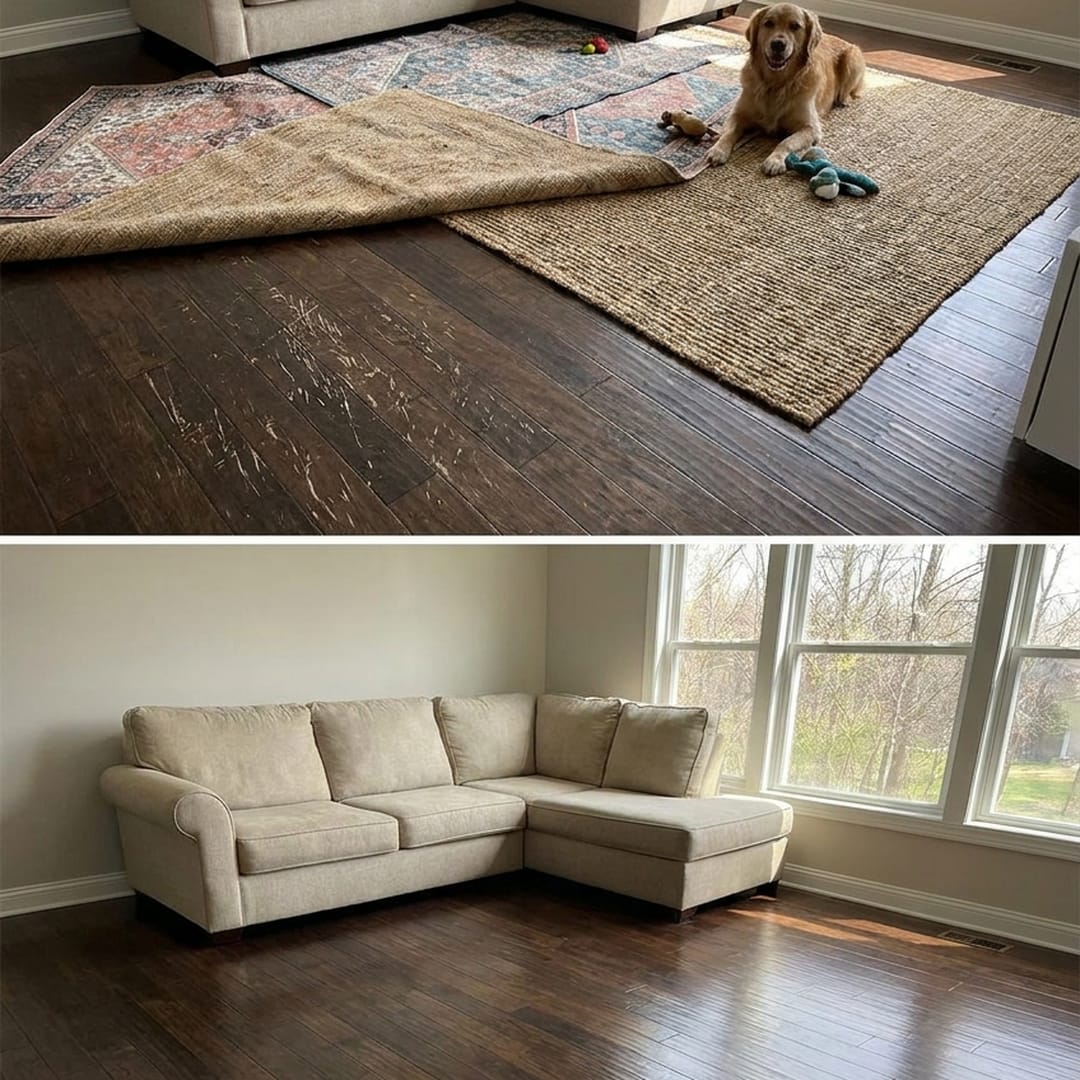
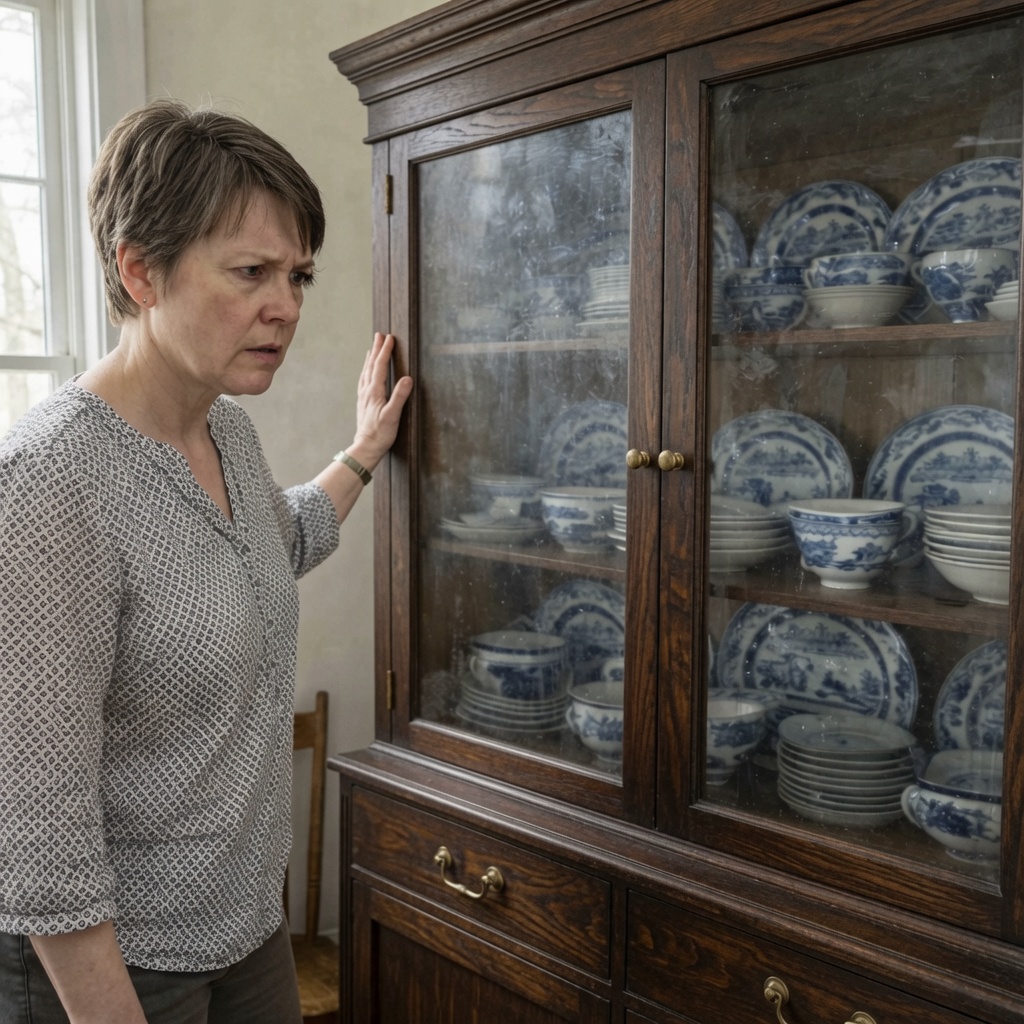
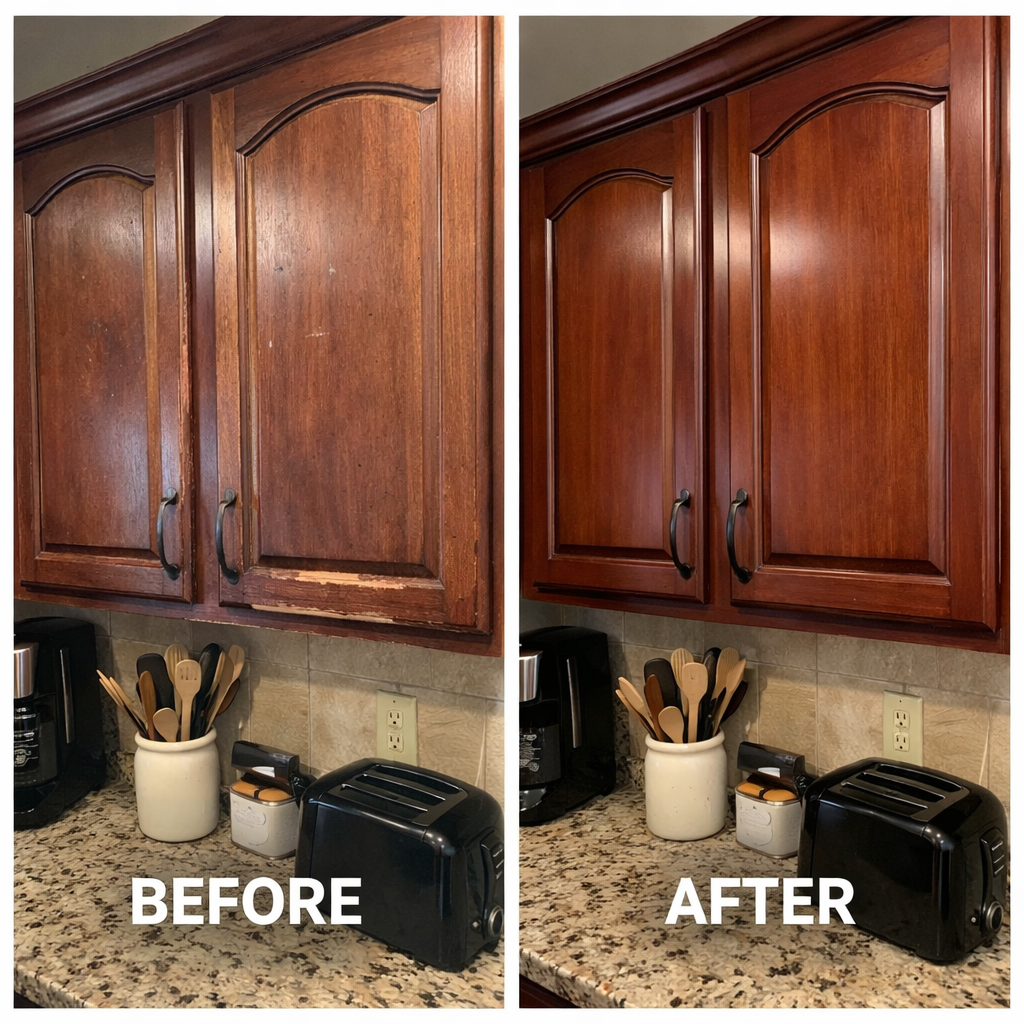
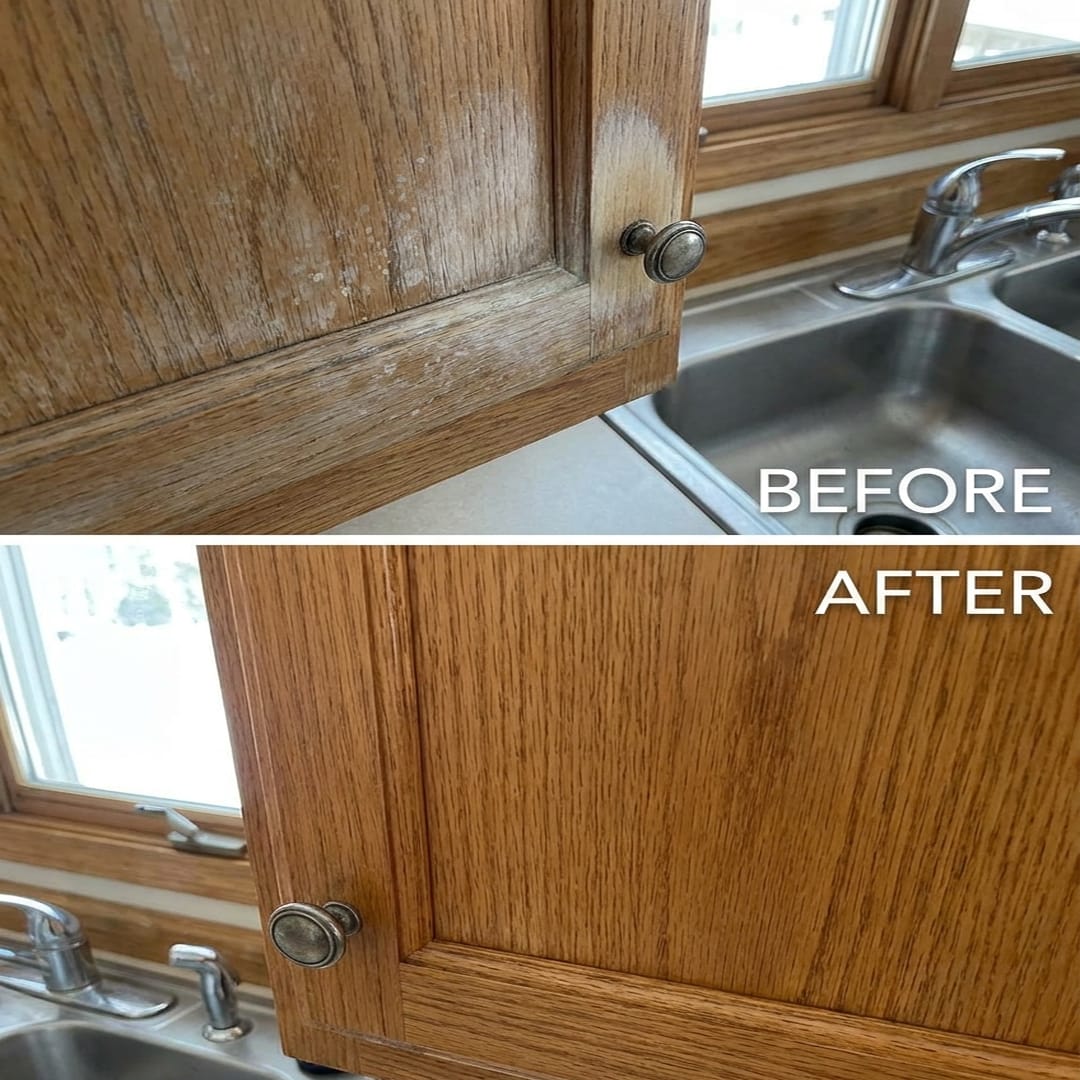
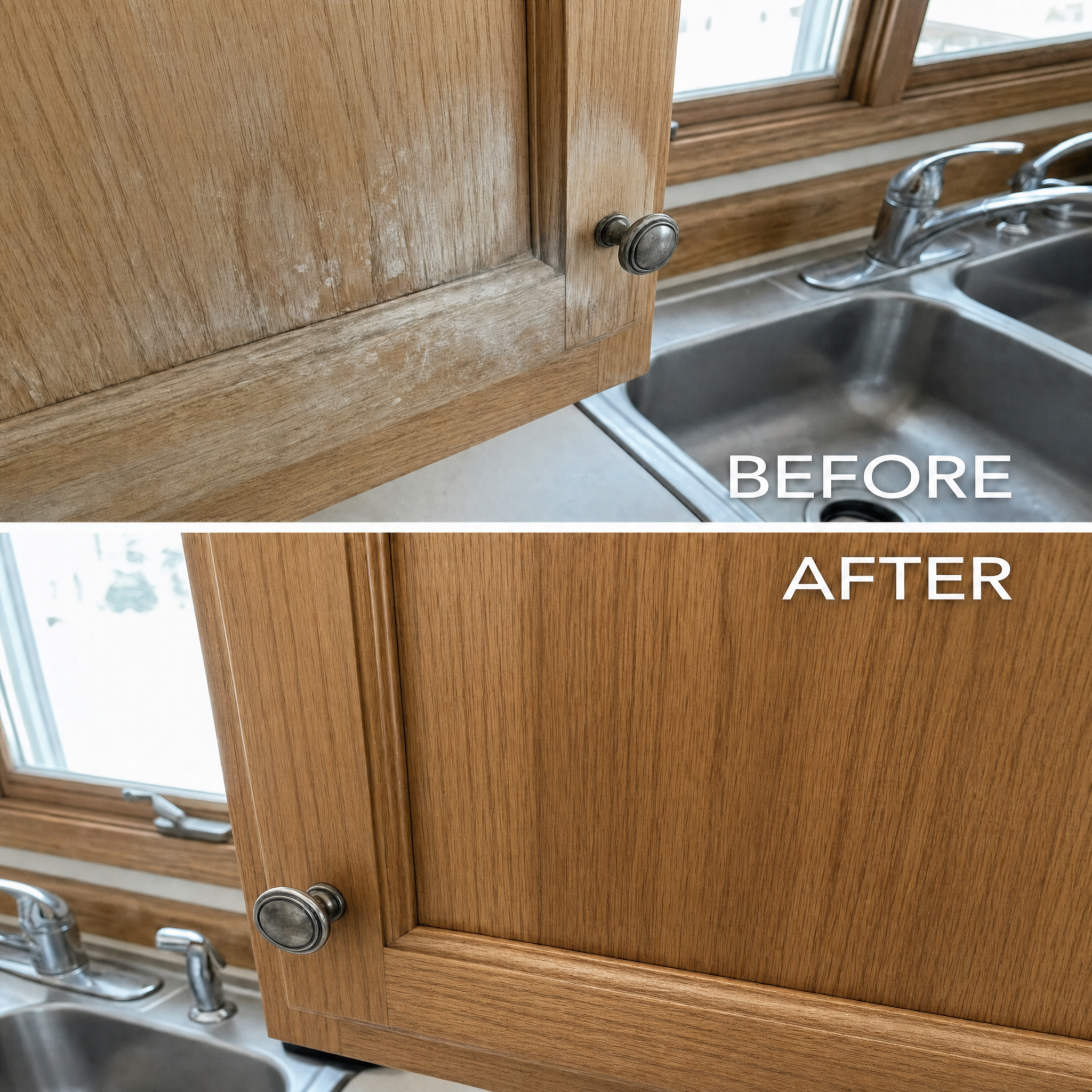
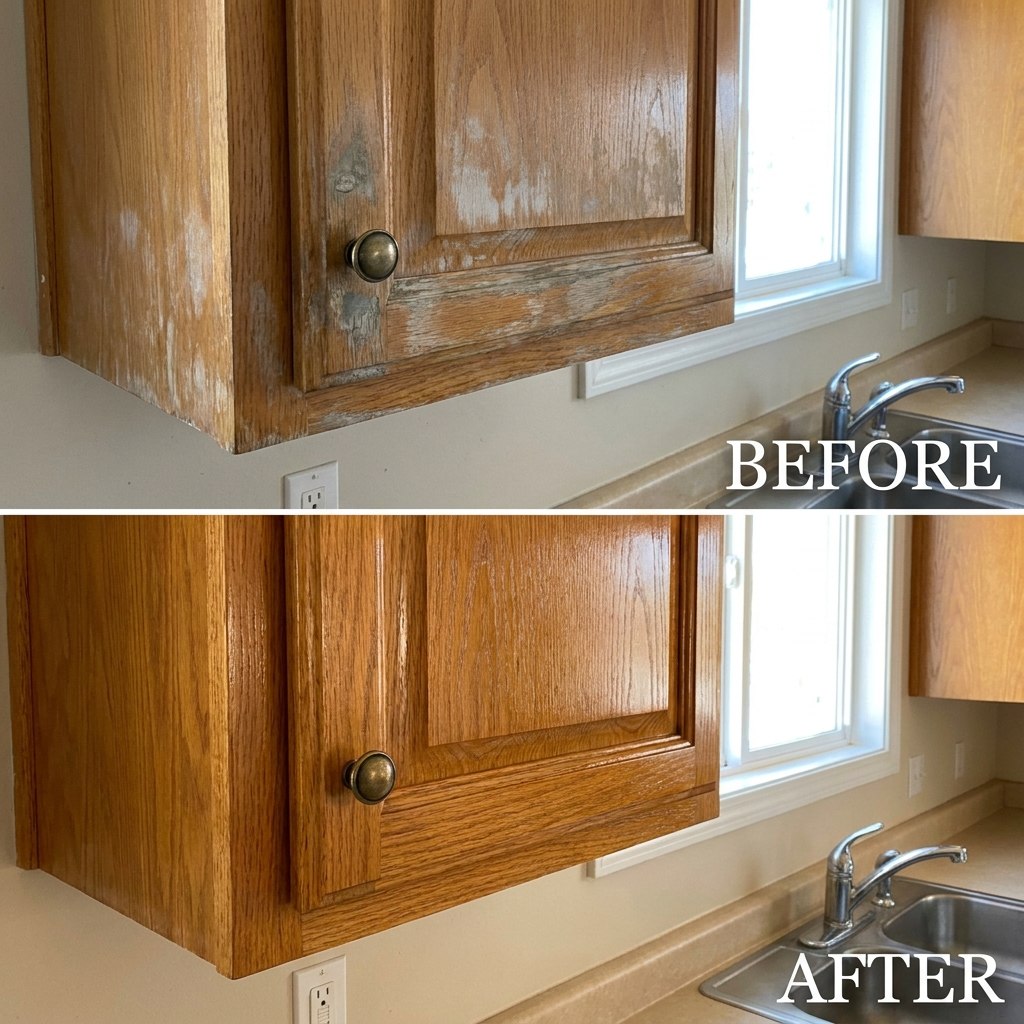
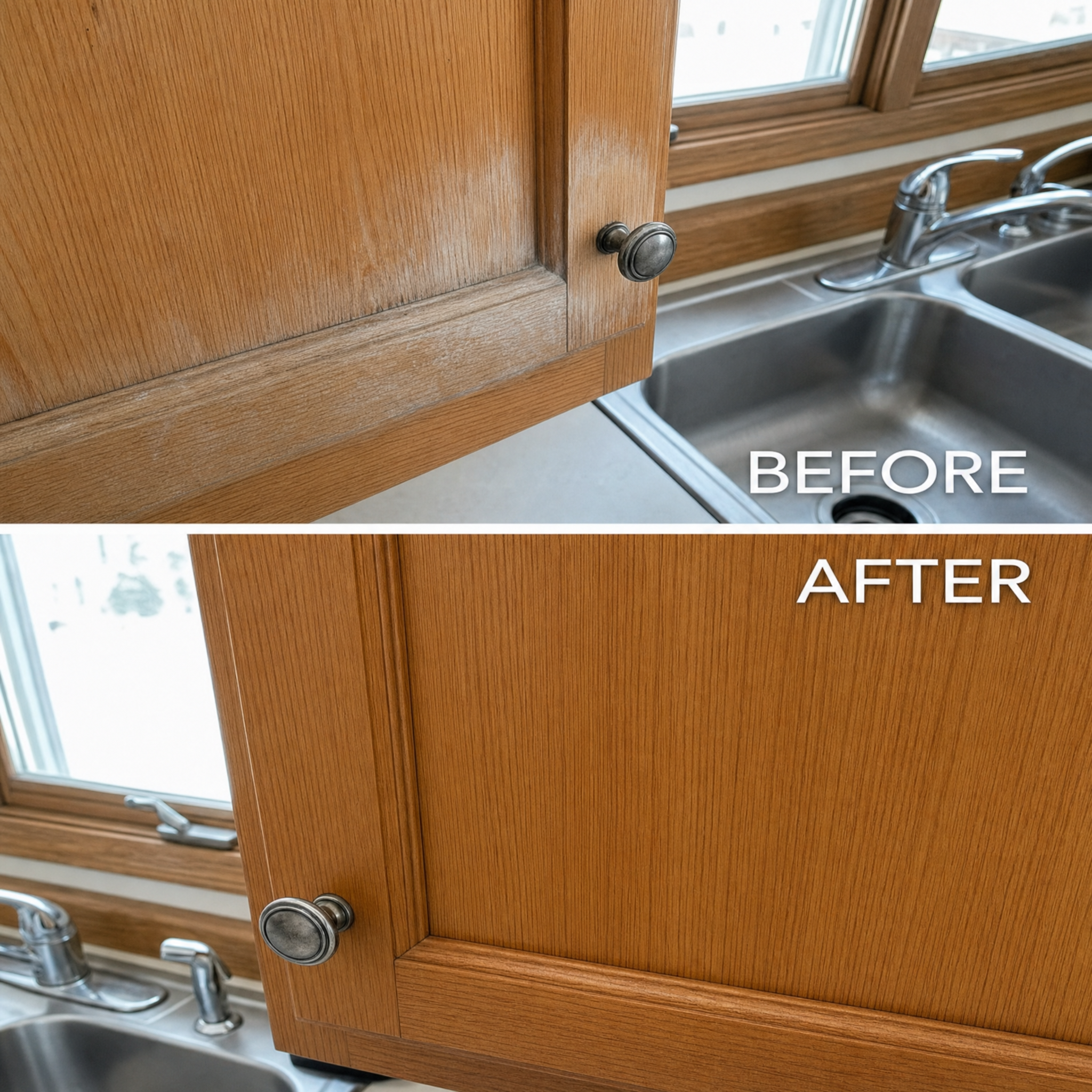
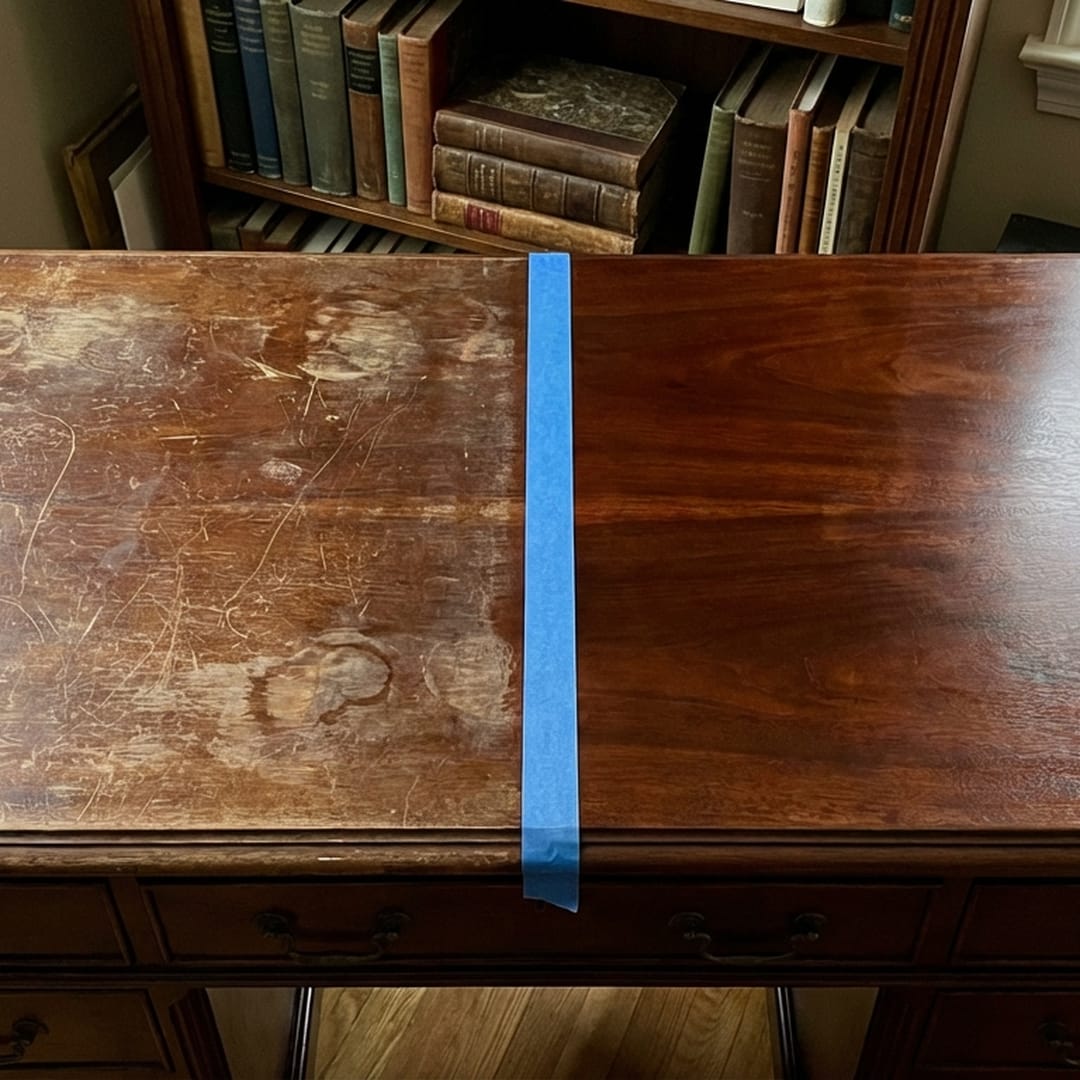
A grieving son brought me his father's SCRATCHED writing desk to fix... I charged him $300 and DESTROYED it. Then a phone call to my old mentor showed me what I'd done. I've been restoring furniture for twenty-three years. I run my own shop. I'm the guy people bring scratched dining tables to. Water-damaged coffee tables. Heat marks. Dull sideboards their grandmother left them. I don't do full refinishes. That's a different kind of work. I do spot repairs. Surface restoration. The thing customers want when their piece doesn't need to be torn down to bare wood. It just needs to look right again. Or that's what I used to think. For most of my career I thought I was good at it. I'm going to tell you about the year I found out I wasn't. And the phone call I had to make to figure out why. Because the answer changed how I work, and it'll change how you take care of the wood in your own house. Here's the part I didn't admit to myself for a long time. The pieces I worked on came back. Not all of them. But more than I wanted to count. A customer would pick up a table thrilled with how it looked. Then she'd be setting it for Easter dinner. Or wiping it down before company came. Or moving a vase and catching the light at a different angle. And she'd see the water ring again. Or the scratch I'd blended in. Or the dullness I thought I'd buffed away. She'd email me a photograph. I'd refund her. Or redo the work for free. Or tell her something about wood being a living material — something I half-believed myself. I told myself it was the customers. They weren't using coasters. They were putting hot dishes down. They had radiators near the furniture. The wood was older than they'd told me. The original finish had been compromised before it ever came to me. None of it was true. I had a hundred excuses. What I didn't have was the one thing that would have told me what was actually wrong. Then last spring, a man brought in a writing desk. He was about my age. The desk was solid black walnut. His father had built it by hand in the early seventies. The father had passed away the year before, and the desk had sat in a humid garage for six months until the son moved it into his own house. The finish was clouded. Two water rings on the writing surface. The wood underneath felt dry to the touch in a way that made my chest tight when I ran my hand across it. He told me his father had taught him how to use a chisel on this desk when he was eight years old. He told me he wasn't asking for a perfect job. He just wanted his father's desk to look like it had when his father was alive. I told him I'd take care of it. I quoted him $300. It was less than half what I should have charged, and I still didn't know why I was doing that. I worked on it for a week. I used everything I had. The premium restorative my supplier had been pushing. A polymer sealant I'd bought at a trade show. A high-grade wax over the top. When he picked it up, he stood in my shop and ran his hand over the surface. His eyes filled up. I didn't know yet that those were the last good minutes either of us would have with that desk. He thanked me. He paid me in cash. Then one evening he was working at the desk under his reading lamp. The light caught the surface in a way it hadn't in my shop. He took out his phone and sent me a photograph. The clouding was back. The water rings were showing through. The wood looked dry. He didn't ask for a refund. He sent the photo with one line. I know you did your best. Forty-two photographs had come in before this one. I'd refunded every one of them and moved on. I don't know why this one was different. Maybe because he didn't ask for the refund. I sat in my shop for a long time after I read that. Then I did something I should have done years earlier. I went into my back office, opened a drawer in my filing cabinet, and started pulling customer records. I went back five years. I counted every customer who had sent me a photograph. Every refund I'd given. Every job I'd quietly redone at no charge. Every customer who had thanked me politely the second time and never come back. When I was done, I had a list of forty-three pieces. Forty-three pieces in five years. I'd been telling myself it was a few here and there. The real number was closer to one in three. One in three. And once I saw it, everything I did for the next three months was an attempt to prove the number wrong. I switched restoratives first. I was sure that was the answer. The next batch of customers came back the same way as the last. I tried a technique I read about on a restoration forum. The first two pieces I used it on came out worse than they came in. I drove to a workshop in Charlotte and paid $400 to learn a polymer system that was supposed to outperform traditional methods. I used it on a dozen jobs. Four of those customers sent me photographs. I bought a higher-grade paste wax. The pieces looked beautiful for the first few weeks. By the end of the summer I was out of ideas. I was out of pride. And for the first time in twenty-three years I was looking at the door of my shop wondering if I should lock it and walk away. That's when I picked up the phone and called Walter. Walter is the man who taught me how to restore furniture. I apprenticed with him for three years in my twenties. He ran a small shop in western Pennsylvania for fifty years before he retired. He's eighty-one years old now. I hadn't called him in eleven years. I'd meant to. I never did. Pride, mostly — I'd set up my own shop instead of staying on with him, and I'd told myself I wanted to prove I could do it alone. He's the smartest man about wood I've ever met. Fifty years in a shop will do that. He knows things about finishes and grain and humidity that I've never read in a book. When I was apprenticing with him I used to think he was being mystical when he'd run his hand over a piece and tell me what was wrong before he looked at it. It took me a year to figure out he wasn't being mystical. He just knew more than I did. And I was about to find out how much more. I called him because I'd run out of people who knew more than I did. I dialed the number from memory. He picked up on the third ring. "Hello?" I told him who it was. There was a pause. Then he said, "Well, I'll be." We talked for a few minutes about nothing. His health. His wife. The shop he'd sold to a younger restorer who'd kept the name. I tried to be casual. Eventually he said, "You didn't call me after eleven years to ask about my back, son. What's going on?" I told him. I told him about the writing desk and the photograph the man had sent me. I told him about the forty-three pieces in five years. I told him I'd tried everything I could think of and none of it had worked. When I finished, he was quiet for a long time. Then he said, "Tell me what you've been putting on these pieces." I went through the list. The premium restorative my supplier pushed. The polymer sealant from the trade show. The high-grade paste wax. The other products I'd cycled through. He listened without interrupting. When I was done he said, "You're not a bad restorer. You've been using bad product." I asked him what he meant. "Finish is two things, son. Resin and oil. Resin is what takes the scratch. Oil is what keeps the resin from going to hell." He paused. "Oil dries out. Years go by. Decades. The oil in the original finish evaporates a little at a time. Once it's gone, the resin's got nothing holding it together. Goes brittle. Cracks at a level you can't see with your eyes. That's when the damage starts." I didn't say anything. "A scratch isn't damage to a healthy finish. It's what happens when something touches a finish that's already dead. Water ring's the same thing. Moisture walking through cracks in a shell that stopped protecting the wood ten years ago. The dullness — that's the resin itself, dried out, gone opaque." He let that sit. "The damage isn't the problem. The damage is the symptom. The problem is the finish is dead. And every product you've been buying treats the symptom." I asked him to explain that part. "You need real plant oil to feed the wood. And real beeswax over the top to seal the oil in. Oil without wax evaporates. Wax without oil sits on a dead finish. You need both." He paused again. "Your supplier doesn't sell you that because he can't make his margin on it. But that's not what I'd be worried about if I were you." I asked what he meant. "I'd be worried about how many of those forty-three pieces are still out there sitting in people's houses, getting worse every month, because the people you sent them home with don't know what I just told you." I was quiet on my end of the phone. Walter said, "You're a good restorer. You always were. You just got pulled in the wrong direction by people selling things. Happens to most of you." I asked him what I should use. He told me about a small company that had been making the old kind of salve since the sixties. Plant oils and beeswax in a jar. He still ordered it himself, even in retirement, for the few pieces he worked on for friends. He gave me the name and told me where to order. Before we hung up he said one more thing. "Don't feel bad about not calling. Everybody finds their way back when they're ready." I ordered the jar that night. When it arrived I had a piece on my bench. An oak end table with a water ring and some surface scratches. The kind of job I'd been failing on for years. I opened the tin. The smell was something between beeswax and pine. It smelled like Walter's shop twenty years ago, when he was teaching me. I rubbed a small amount into the scratched area and let it sit. Then I walked to the other side of the shop. I've been burned enough times that I didn't want to watch. An hour later I came back. The scratch was gone. I thought I was looking at it from the wrong angle. I moved the lamp. I ran my finger across the spot where the groove had been. Nothing to feel. I turned the piece ninety degrees so the overhead light hit it sideways — the way a customer sees it across a dining room at dinner. That's the angle where I've been catching my own failures for years. It was gone from that angle too. The water ring was gone. And the wood around it looked alive in a way I hadn't seen on a piece I'd worked on in over a decade. I sat there staring at it. Then I called the man with the writing desk. I told him I wanted to redo the job at no charge. When he brought it back, I treated the entire surface with the salve. It took ninety minutes. When I delivered it the second time, he ran his hand over the surface and didn't say anything for almost a minute. Then he said, "It looks like he just made it." A few weeks later I called Walter again. I didn't need anything. I just wanted to call. We talked for an hour. That was eight months ago. I keep a jar on my bench now. It's the first thing I reach for, not the last. I haven't refunded a customer since. And I'm not writing this because of any of that. Here's what I want you to know if you've read this far. If you have wood furniture in your house with scratches, or water rings, or heat marks, or it just looks dull and tired in a way it didn't used to — the damage you're seeing isn't really the problem. The finish on that piece is dying. The oil that kept it flexible has dried out. The resin has gone brittle. What you're seeing is the consequence. You can't fix that with mayonnaise or toothpaste or a polish from the hardware store. You can't fix it with most "wood restoring" products either, because most of them don't have real oil in them. And the ones that do don't seal the oil in. What you need is plant oil to feed the wood, and beeswax to lock it in. The way furniture has been cared for since long before any of us were born. The link to the jar I order is below. It's the one Walter recommended on the phone last summer. I don't get anything from telling you about it. I'm a restorer, not a salesman. I'm telling you because I spent a year refusing to admit I was lost, and I had to call an old man I should have called sooner to find my way back. You don't have to spend a year learning what I learned. You can just start with the jar. https://getluxgrove.com/pages/wood-1-rafid-scratch
Like this ad? Make it yours.
Crush rebuilds this exact creative around your product — your brand, your colors, your offer — in about a minute.