
Inactive· since Apr 9, 2026
- 49
- days it ran
- 1
- relaunches
Ad copy
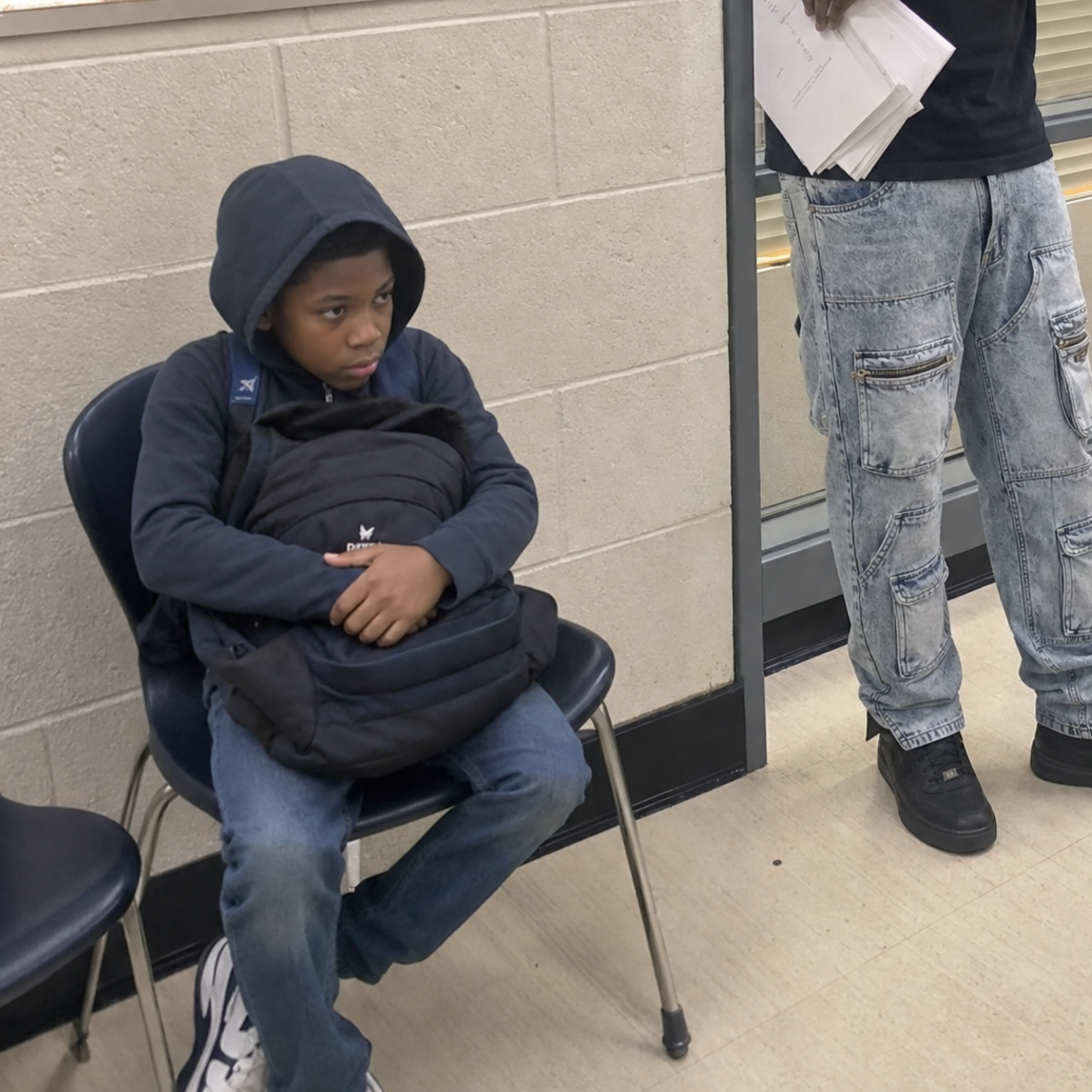
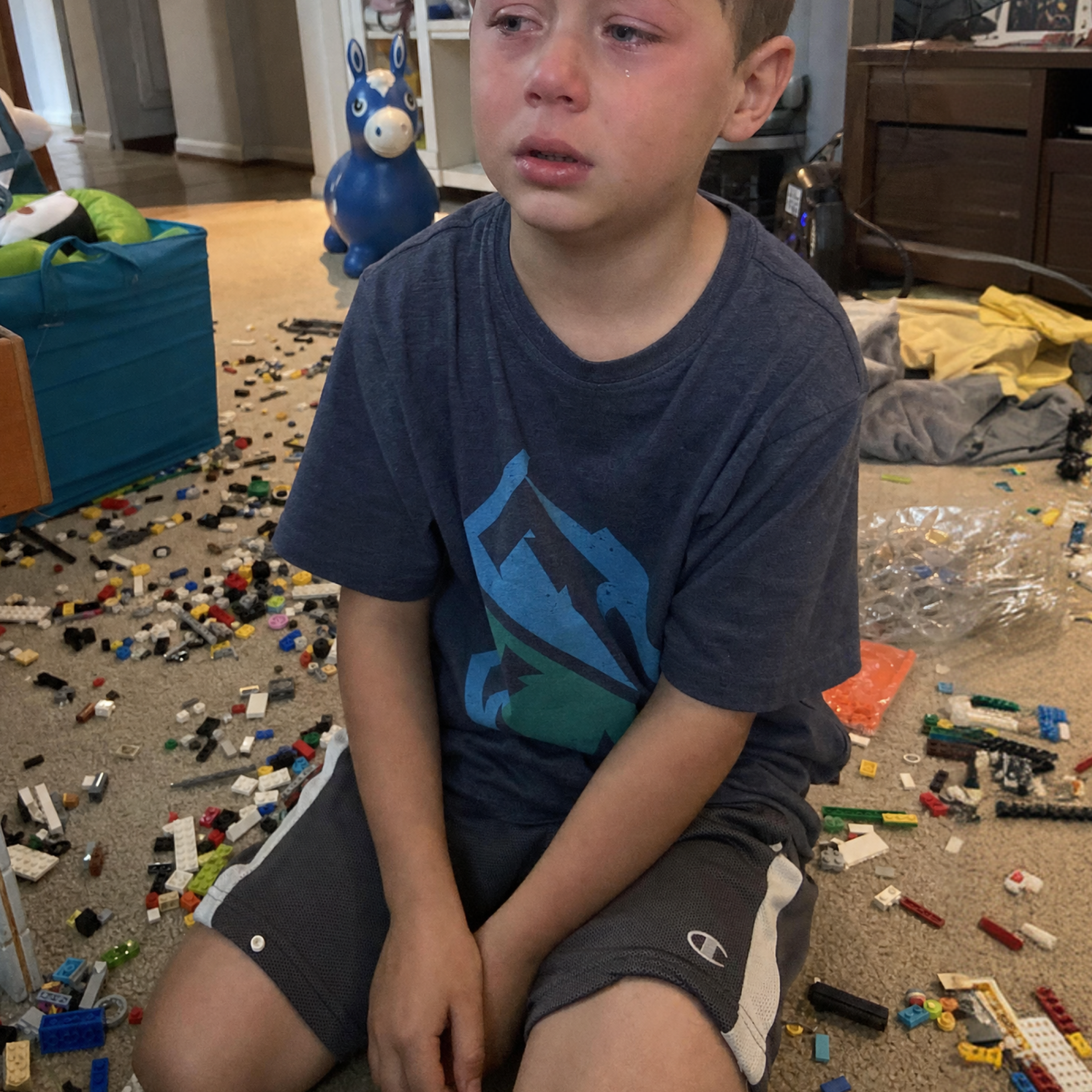
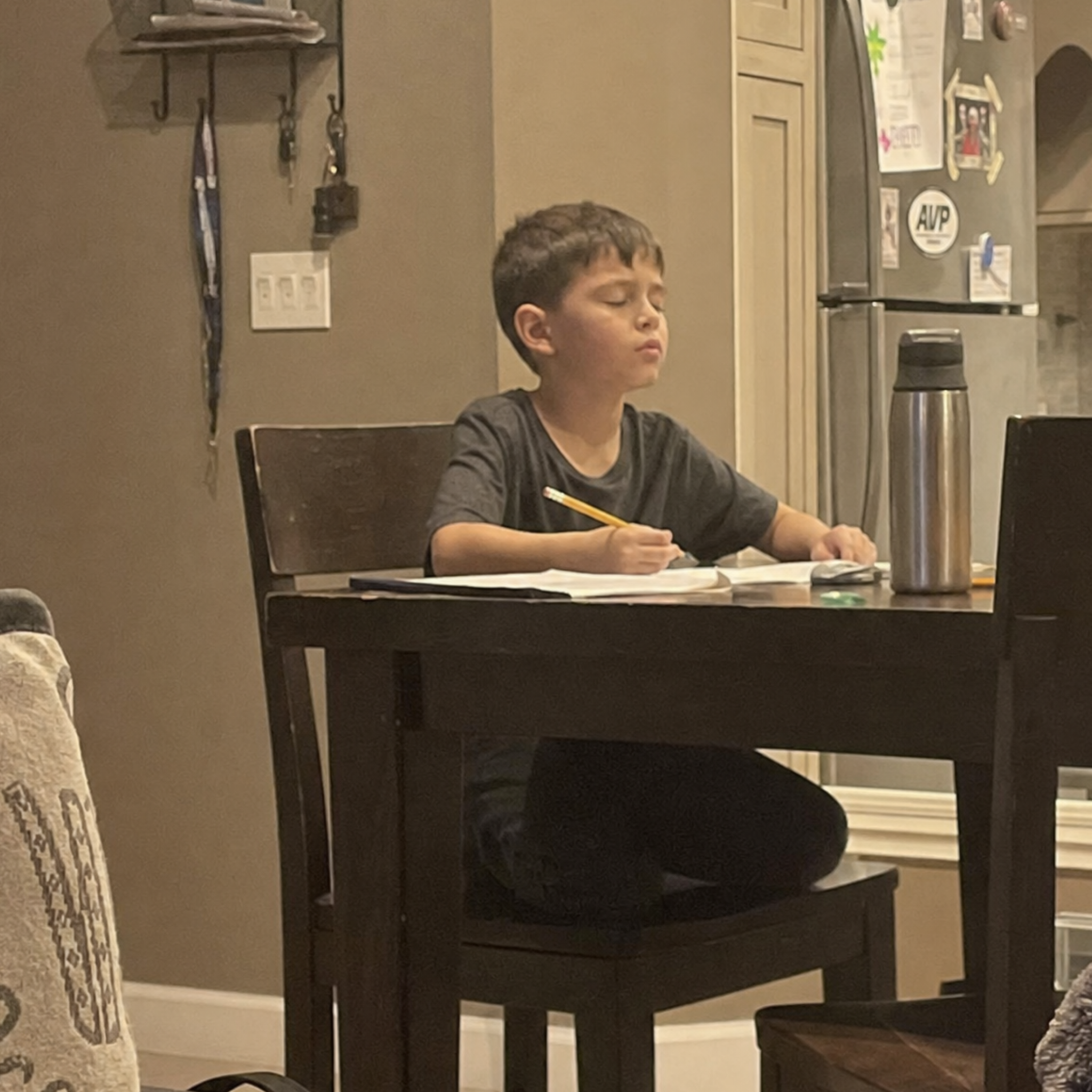
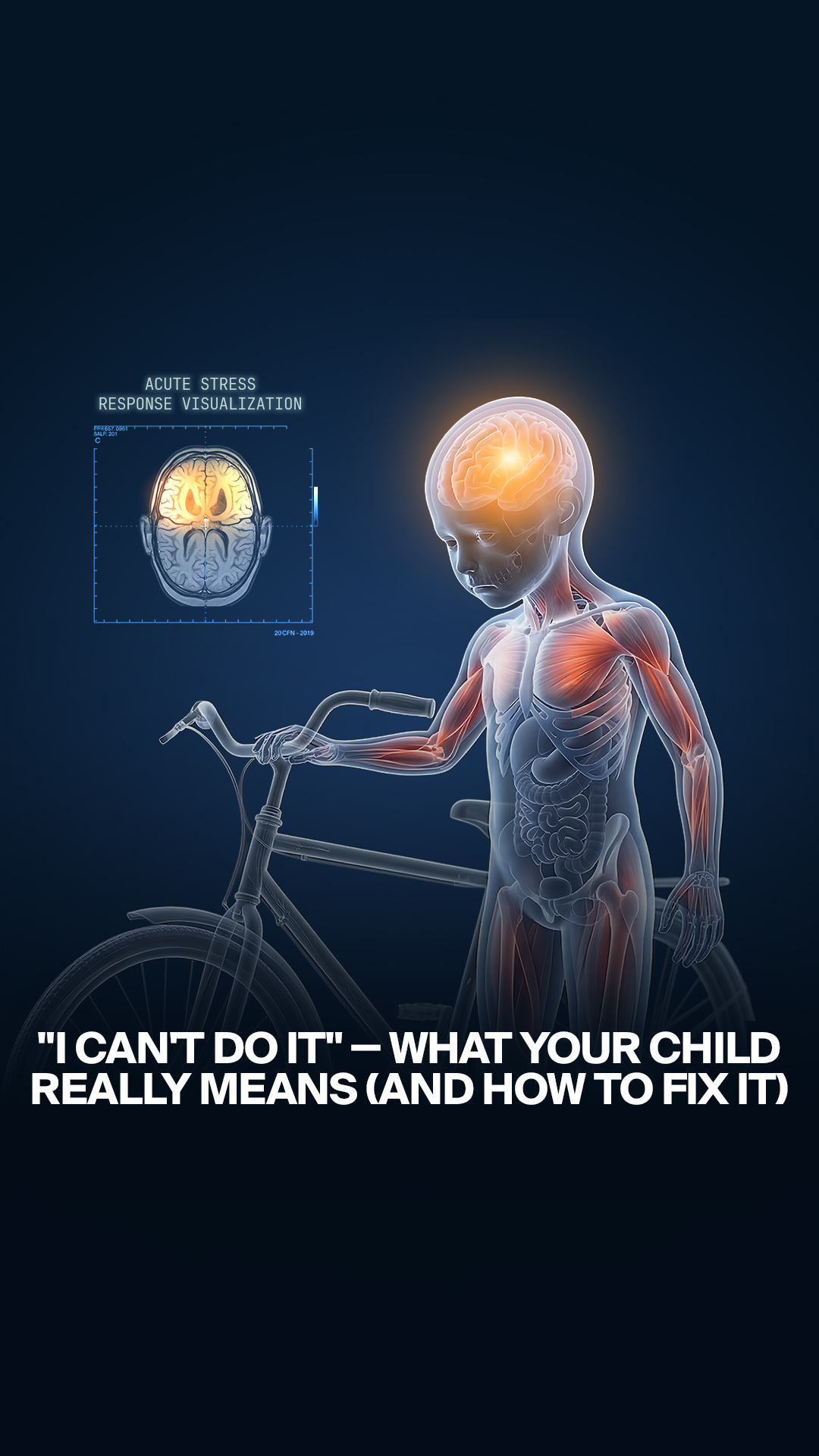
When your child says: "I can't do it", here's what your child really means (and how to fix it). They say it before they've even tried. Before they've picked up the pencil. Before they've read the first question. Before they've taken a single step. "I can't do it." And you want to scream — because you know they can. You've seen them do it. You've watched them figure out harder things than this. The evidence is right there. So you say: "Yes you can! Just try!" And they shut down harder. Because "just try" is the worst thing you can say to a child who's already decided they'll fail. Here's what "I can't do it" actually means. It's never about ability. It's one of three things: **"I can't do it perfectly."** This child can do it — they just can't do it flawlessly on the first attempt. And in their mind, anything less than flawless is the same as failure. So "I can't" really means "I can't guarantee a perfect outcome, and imperfect isn't acceptable." **"I can't handle how I'll feel if I fail."** This child might be able to do the task. But the last time they tried something and failed, the emotional fallout was so intense — the self-hatred, the spiral, the "I'm so stupid" — that they'd rather not try than risk going through it again. "I can't" means "I can't survive the feeling of getting it wrong." **"I've already decided I'm the kind of person who can't."** This is the deepest one. This child has heard themselves say "I can't" so many times that it's become identity. They're not assessing the task. They're describing themselves. "I can't do it" means "I'm not someone who can do things." Three different meanings. Same two words. And none of them are fixed by "just try." Because "just try" doesn't address the perfectionism. It doesn't address the fear of emotional fallout. And it definitely doesn't address an identity that's already been written. Every time your child says "I can't" and you respond with logic — "yes you can, you've done it before, it's not that hard" — you're arguing with a conclusion their brain has already reached. And the conclusion isn't based on evidence. It's based on how they see themselves. This is a confidence problem. Specifically, it's a self-efficacy problem — the pillar of confidence that determines whether your child believes effort leads anywhere. A child with strong self-efficacy thinks: "This is hard, but I can figure it out." A child with weak self-efficacy thinks: "This is hard, so I can't." Same task. Same difficulty. Completely different internal response. And the difference isn't intelligence, talent, or capability. It's training. One father heard "I can't do it" every single day from his daughter — and eventually realized the answer wasn't encouragement. It was training. When Sonny Caberwal's daughter was eight, "I can't" was her default. She wouldn't raise her hand. Wouldn't try new things. Wouldn't attempt anything where failure was possible. She'd spiral after mistakes and say "I'm so stupid" and "I hate myself." He tried pushing through it — "just try!" Made it worse. He tried removing pressure — "it's okay, you don't have to." She never tried. He tried therapy, praise, gentle parenting, reward charts. None of it rebuilt the self-efficacy that was missing. So he quit his cushy job as a corporate lawyer and spent five years working with researchers from Yale, Harvard, and Stanford to build a daily program that trains the three pillars of confidence: self-concept, self-efficacy, and self-compassion. Self-efficacy is the one that turns "I can't" into "I can try." Self-compassion is the one that makes trying feel safe — because failing won't trigger self-destruction. Self-concept is the one that widens who they believe they are beyond "someone who can't." He called it Legends. 5 minutes a day. Stories about real heroes who said "I can't" before they could — athletes who failed tryouts, leaders who got rejected, legends who started from zero. Then a mini exercise that gives kids one small rep of trying, struggling, and surviving it. His daughter went from "I can't" to raising her hand, speaking in front of crowds, and trying things she would have refused a year earlier. Not because someone convinced her she could. Because she trained until she believed it herself. Over 20,000 families have used the same method. Over 90% report noticeable improvements within 30 days. You do it together. That's the key. You're not telling your child "you can do it" from the sidelines. You're sitting with them, doing the reps with them, building the belief together. 5 minutes a day. Side by side. Every day "I can't" goes unchallenged by training, it becomes more automatic. More identity. More permanent. The child who says "I can't" at 8 becomes the teenager who won't apply, the young adult who plays it safe, the adult who settles — all because nobody trained the belief when it was still trainable. For a limited time, try Legends free for 5 days. No commitment. No risk. Just 5 minutes a day. See what happens when "I can't do it" starts becoming "I can try." Less than a dollar a day to continue. Cancel anytime. The trial is free. The risk is zero. And your child can do more than they believe. This is how they start believing it.
Like this ad? Make it yours.
Crush rebuilds this exact creative around your product — your brand, your colors, your offer — in about a minute.