Dog Health Tips
 Facebook ad: “Your Vet Called It Benign. I Call It Dangerous.”
Running for 119 days since July 13, 2026. Crush last saw it on November 9, 2026.
Run by Dog Health Tips on Facebook. Crush is not the advertiser and does not verify its claims. See this ad in Meta's Ad Library(opens in a new tab)
Make your own version of this ad
Crush makes it, launches it in your own Meta ad account, scales the winners and pauses the losers.
About this ad
- Meta Ad Library ID
- 978331021921864
- Platforms
- Facebook, Instagram, Messenger and Threads
- Relaunches
- 0
Ad text
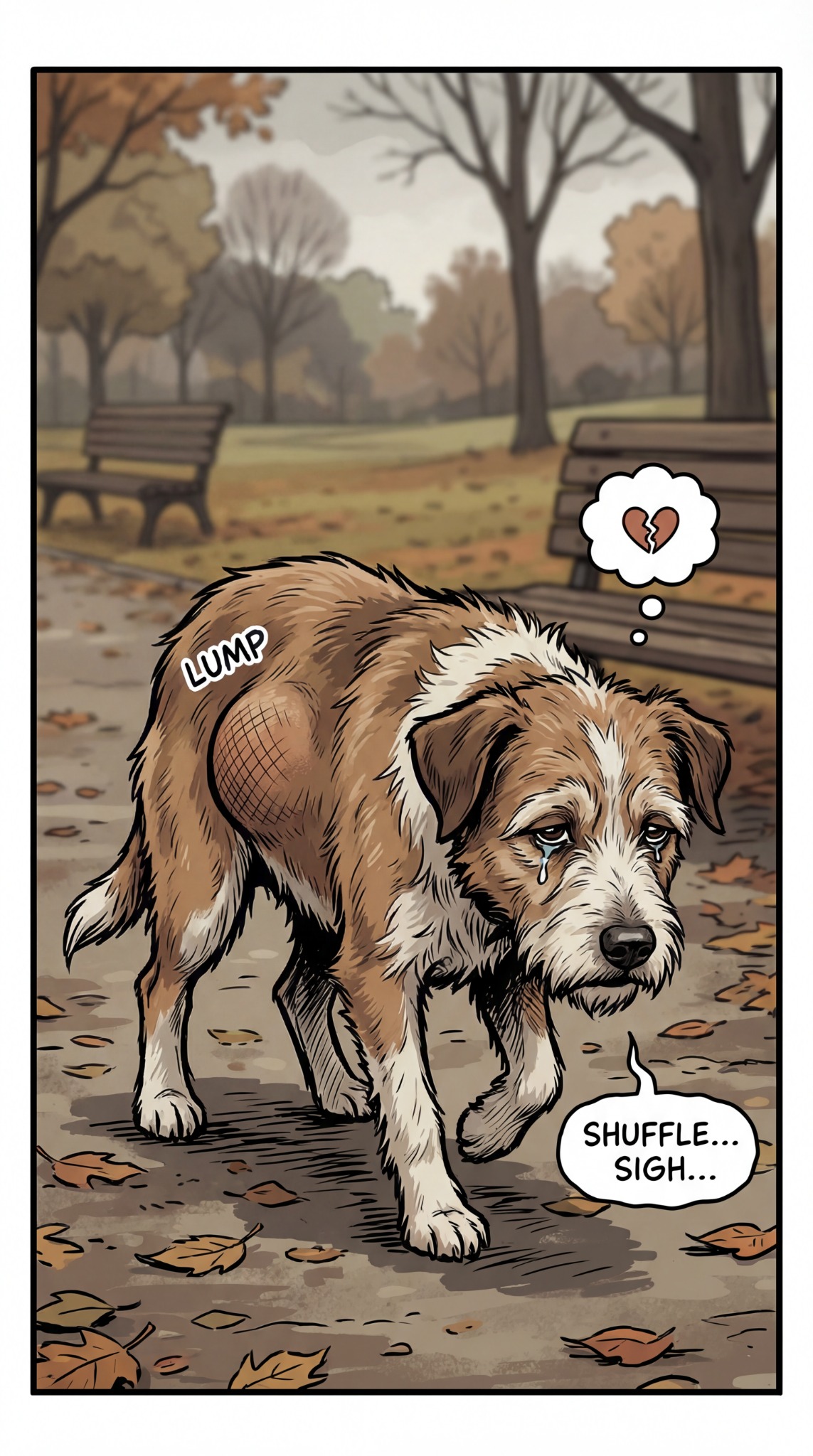
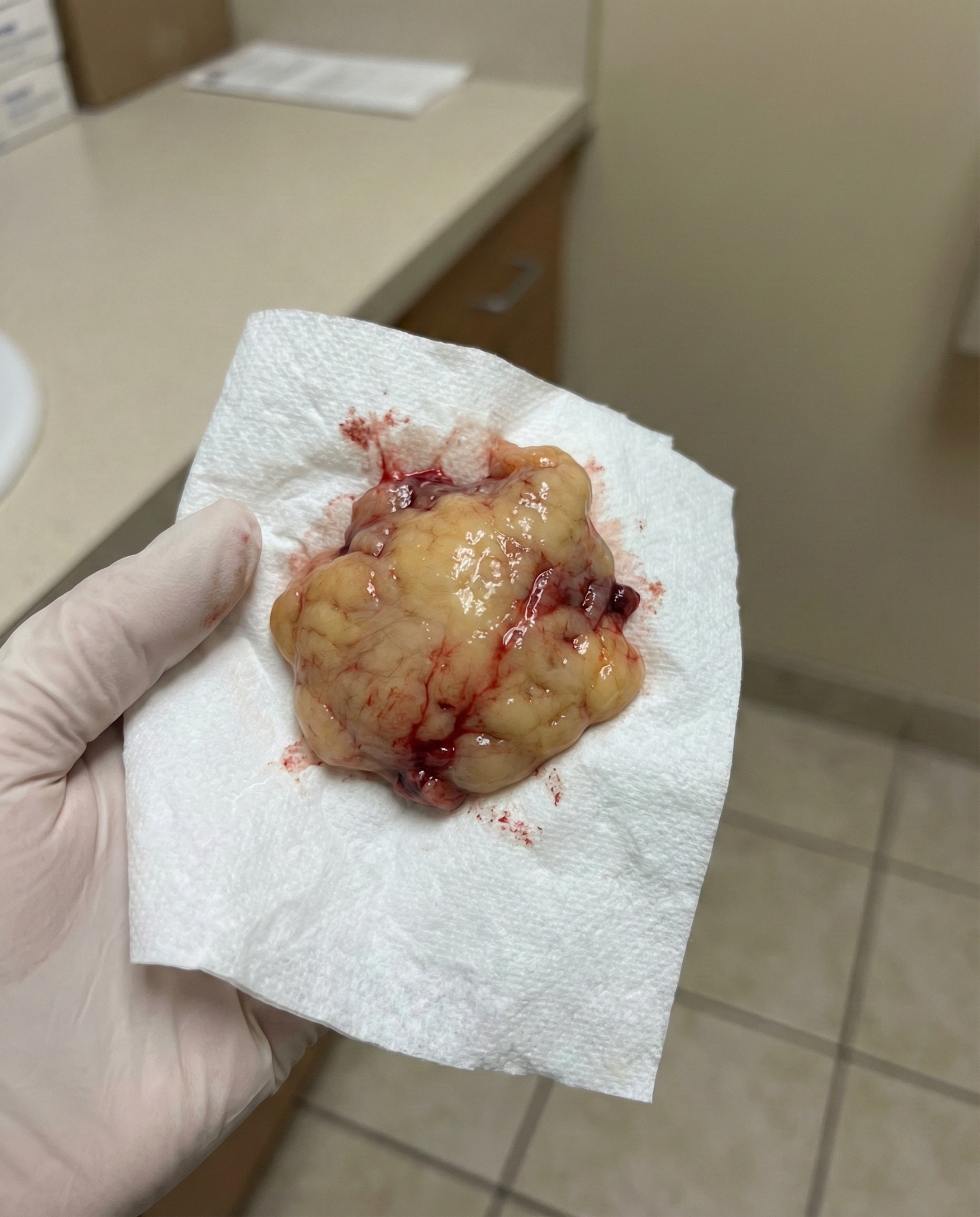
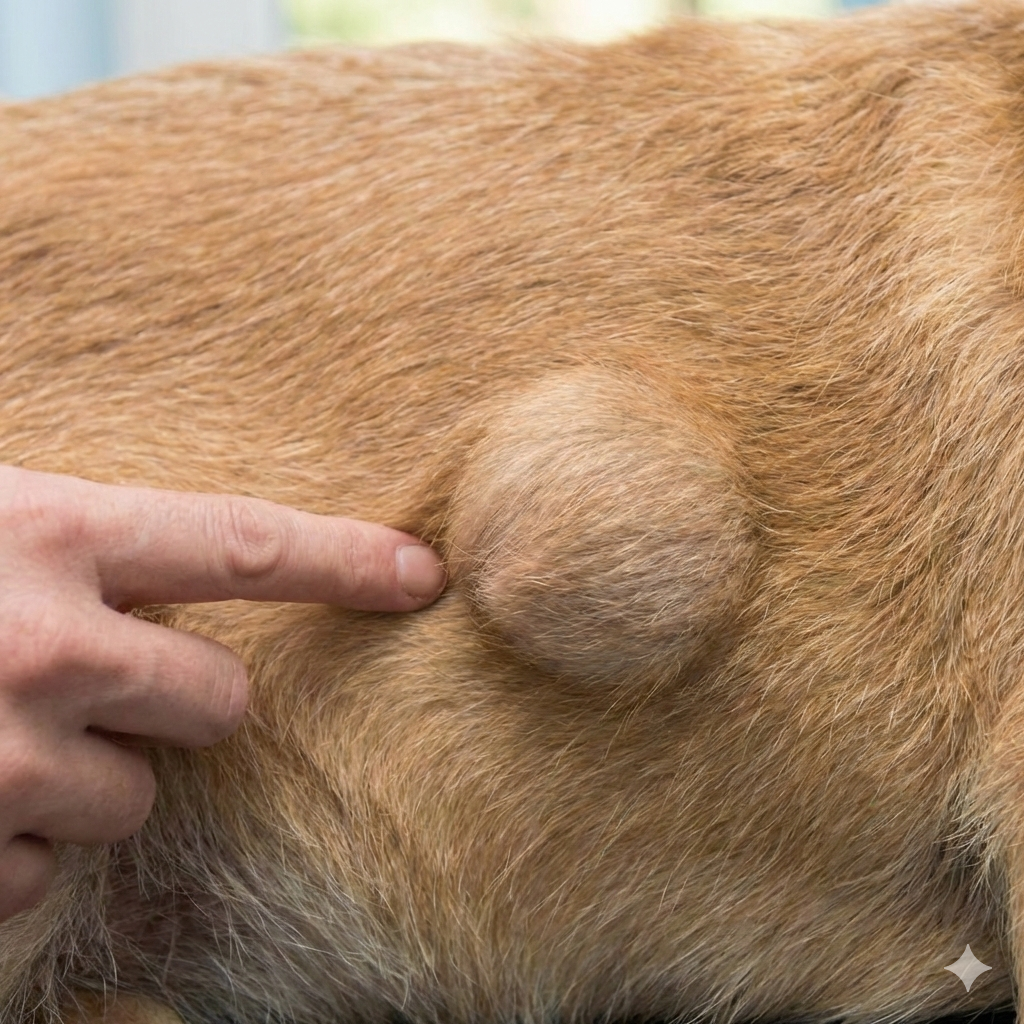
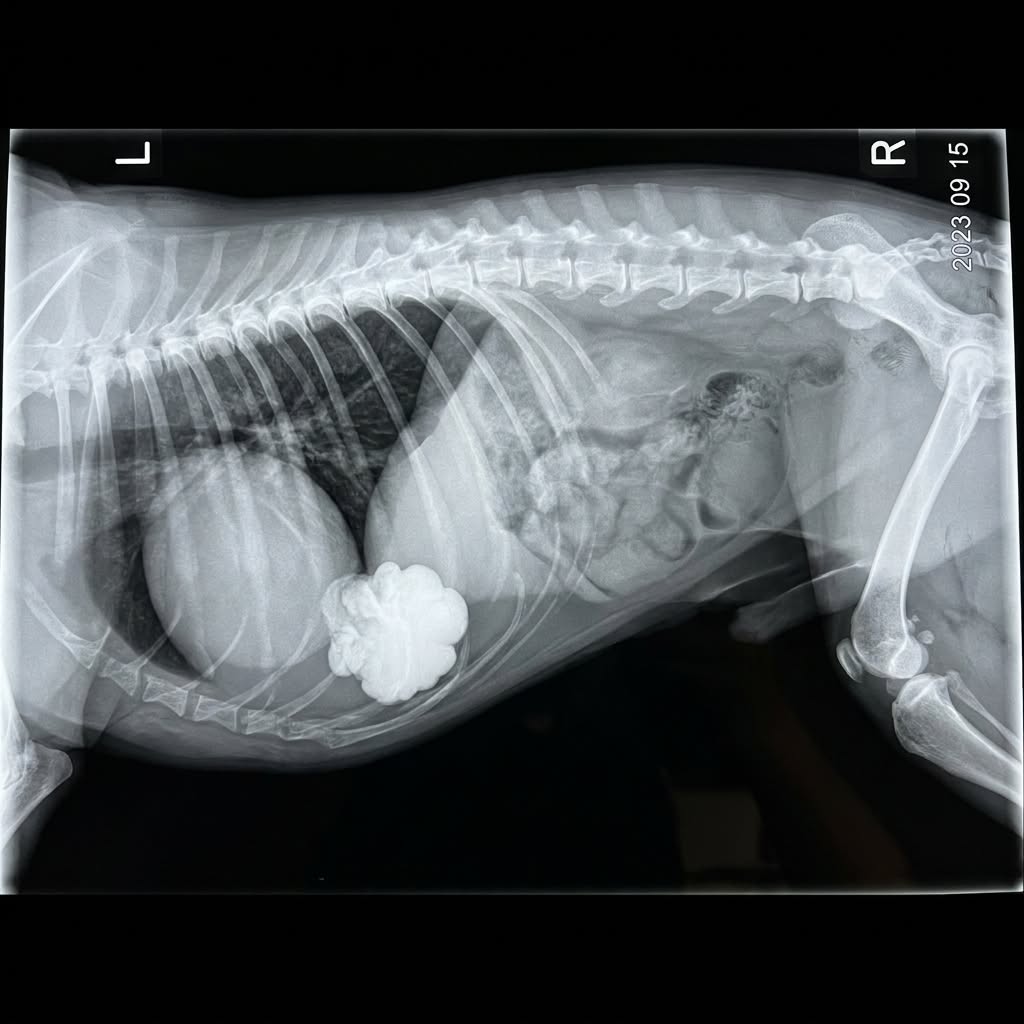
If your dog has a lipoma on their chest, neck, or back, even if your vet said it's "nothing to worry about", you need to read this entire message. What I'm about to tell you could be the difference between catching a life-threatening condition early and discovering it too late. My name is Dr. Sarah Chen. I've been a board-certified veterinary cardiologist for 16 years. And I need to tell you something most general practice vets don't know. There are two types of lipomas in dogs. Standard lipomas sit between skin and muscle. They grow slowly, stay contained, and are truly benign. Infiltrative lipomas are completely different. They invade surrounding tissue. They grow INTO muscle, nerves, bone, fascia, and in chest locations, into the pericardium and heart muscle itself. Your general practice vet palpates the lump. Aspirates it. Confirms fatty tissue. Tell you it's benign. But they're not checking whether it's infiltrative. Because infiltrative lipomas feel identical to standard lipomas on surface examination. The only way to know is imaging. And most vets don't order imaging for "just a lipoma." Here's why this matters. When infiltrative lipomas invade muscle tissue, your dog develops progressive weakness, pain, limping, eventual inability to use the affected limb. Nerve invasion causes pain that makes your dog scream when touched, progressive paralysis. Spinal infiltration causes hind leg weakness that looks like arthritis but isn't, progressive paralysis, loss of bladder control. Bone invasion causes structural weakness, fracture risk, severe limping that doesn't respond to medication. And cardiac infiltration causes arrhythmias, airway compression, coughing, collapse episodes, progressive heart failure, and sudden cardiac death. These are benign masses. Not cancer. But "benign" means they won't metastasize. It doesn't mean they won't kill your dog. Your dog has a lipoma that's been "stable" for months or years. Then symptoms start. For chest lipomas: coughing after exercise, collapse episodes, difficulty breathing, decreased exercise tolerance. For spine lipomas: hind leg weakness that progressively worsens, trouble jumping, struggling with stairs. For limb lipomas: progressive limping, yelping when touched, the lump feels stuck instead of moveable. Your vet will blame arthritis, allergies, and normal aging. They'll prescribe anti-inflammatories, cough suppressants, rest. The symptoms won't improve. Because the real problem is infiltration. Infiltrative lipomas don't infiltrate overnight. They do it slowly over months or years. Your dog compensates. Symptoms are subtle. You attribute them to aging. By the time symptoms become undeniable—collapse, paralysis, severe pain—the infiltration is deep. At that point, your options narrow to high-risk surgery costing $8,000-$15,000 with mortality rates of 15-30% and no guarantee against recurrence. Or palliative care while infiltration progresses to organ failure. Or euthanasia. These are your options when you wait for symptoms. Let me be specific about cardiac infiltration because this is what I see most in my practice. When a chest lipoma is infiltrative, it grows into the pericardium. When infiltration reaches the myocardium, the actual heart muscle, then it affects electrical pathways. Your dog develops arrhythmias. The mass compresses the airway. Your dog coughs. The arrhythmia worsens. Your dog collapses. Eventually, heart failure develops. This progression happens over weeks to months once symptoms start. And cardiac surgery has mortality rates between 15-30% with high recurrence. Now here's what most vets don't know exists. Two years ago at a veterinary cardiology conference, a colleague presented a case of infiltrative pericardial lipoma. The owner refused surgery. Used immune support—Turkey Tail mushroom with a specific probiotic. The lipoma stopped growing in six months. Shrunk 40% by twelve months. Symptoms completely resolved. No surgery. No heart failure. I was skeptical. But the imaging was documented. The science made sense. Infiltrative lipomas form when the immune system cannot efficiently clear cellular waste and abnormal fatty tissue. Turkey Tail contains PSK and PSP compounds that support immune function—specifically the part that recognizes and clears abnormal tissue. But dogs cannot digest mushrooms. PSK and PSP are locked inside chitin cell walls. Dogs don't produce chitinase; it is the enzyme to break down chitin. Without it, compounds pass through unabsorbed. Absorption rate without enzymatic activation: 3-8%. That's why most Turkey Tail supplements don't work. The solution is Lactobacillus acidophilus. This probiotic produces chitinase in your dog's gut. The enzyme breaks down chitin walls. PSK and PSP are released. Absorption jumps to 94%. That's the difference between useless powder and bioavailable compounds that can actually stop infiltration. University of Pennsylvania published research on PSK and PSP in Turkey Tail. Studies showed these compounds support immune function in clearing abnormal tissue. Multiple cardiology case studies documented infiltrative lipoma regression with properly formulated Turkey Tail. The key is properly formulated. Most supplements lack the probiotic activation. After that conference, I started recommending this protocol. I've treated three infiltrative cardiac lipoma cases with Turkey Tail Probiotic Plus—the only formula with both ingredients at therapeutic doses. All three showed an infiltration halt within 6-8 weeks. All showed regression by 12 weeks. Two avoided surgery entirely. The third cancelled scheduled surgery when imaging showed reversal. These are echocardiogram-documented cases. I'm presenting them at the next ACVIM conference because this should be standard protocol. Turkey Tail Probiotic Plus contains 500mg pharmaceutical-grade Turkey Tail and 2 billion CFU Lactobacillus acidophilus. Both at research doses. Third-party tested. I have no financial relationship with this company. I recommend it because I've seen it work. Here's what you need to do if your dog has a lipoma on chest, neck, back, shoulder, hip, or anywhere it feels stuck instead of freely moveable. Call your vet. Request imaging. For chest lipomas: echocardiogram. For spinal lipomas: MRI or CT. For limb lipomas: ultrasound. Don't accept "it's benign, we don't need imaging." Benign on aspiration doesn't rule out infiltrative behavior. If imaging shows infiltration, ask about immune support before surgery. If your vet isn't familiar, consult a specialist. If imaging isn't immediately available and your dog shows symptoms, coughing, limping, weakness, collapse, don't wait. Start immune support while arranging imaging. Every week of infiltration is tissue damage harder to reverse. Turkey Tail Probiotic Plus has a 90-day money-back guarantee. Timeline based on cases I've treated: Week 2-4, symptoms stabilize. Week 6-8, infiltration halts. Week 12-16, infiltration reverses. Month 6-8, significant regression, 30-50% reduction, major symptom improvement. This isn't instant. This is immune reactivation. It takes time. But it's time reversing infiltration instead of watching it progress to organ failure. Most infiltrative lipomas are diagnosed too late. Because vets don't check until symptoms force them to. By then infiltration is advanced. Surgery becomes a higher risk. Outcomes become worse. The window to reverse infiltration without surgery is before symptoms become severe. That window closes every week you monitor without imaging. Your dog's lipoma might not be harmless. Benign and infiltrative coexist. Your vet is right, it's not cancer. But if it's infiltrating into the heart, spine, nerves, or bone that's totally life-threatening. Get imaging. Know what you're dealing with. If infiltrative, you have options beyond surgery. But act before infiltration becomes irreversible. The only thing you're risking by waiting is time. Time for deeper infiltration. Time for severe symptoms. Time for options to narrow to surgery or euthanasia. Don't wait for collapse to get imaging. Don't wait for paralysis to check spinal compression. Don't wait for heart failure to discover cardiac infiltration. Image now. Know now. Act now. While there's still time to reverse it.
Where the ad sends people
learn.lumiqour.com
Your Vet Called It Benign. I Call It Dangerous.
90 Day MoneyBack Guarantee
Learn more: learn.lumiqour.com(opens in a new tab)