
Inactive· since Jun 3, 2026
- 8
- days it ran
- 0
- relaunches
Ad copy
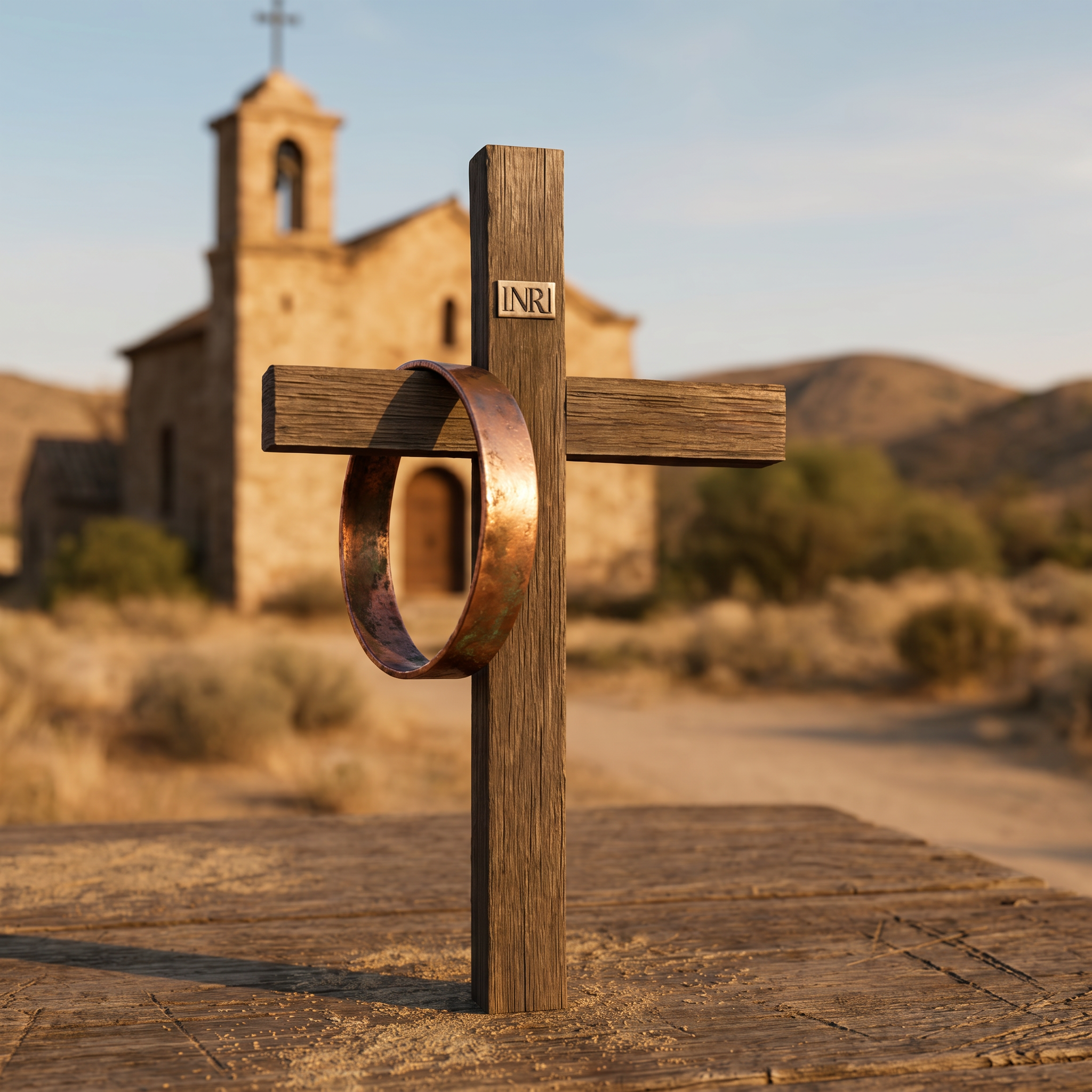
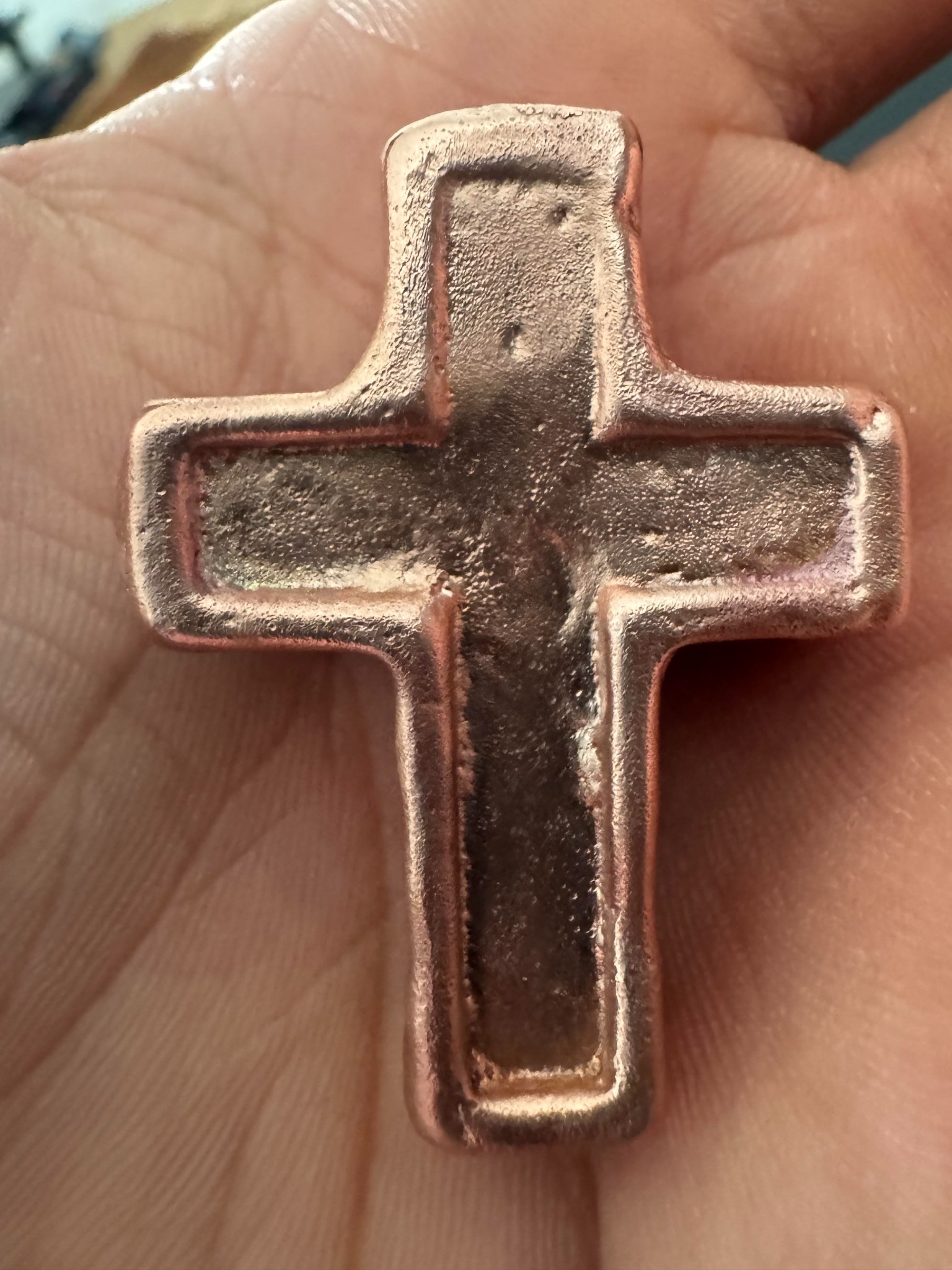
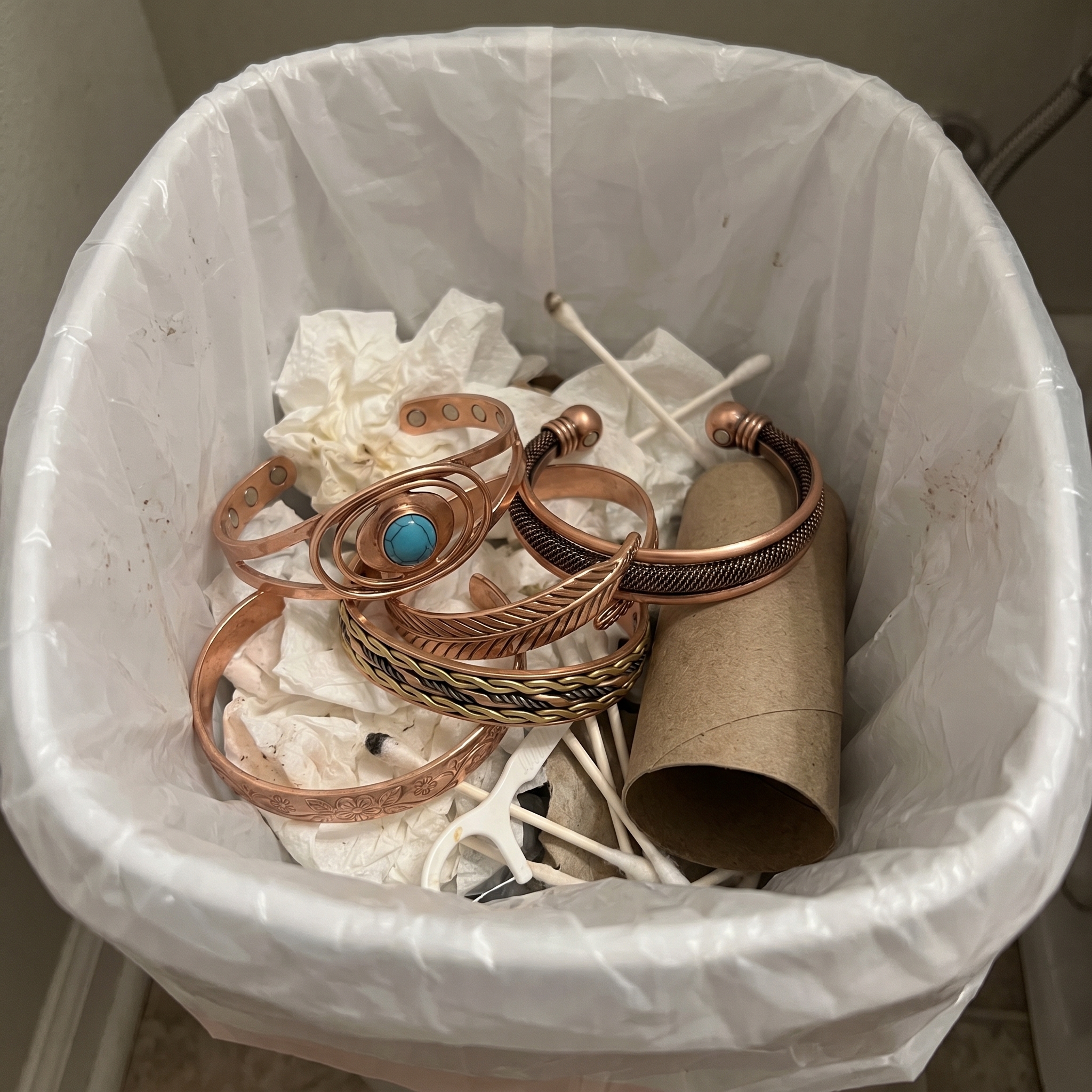
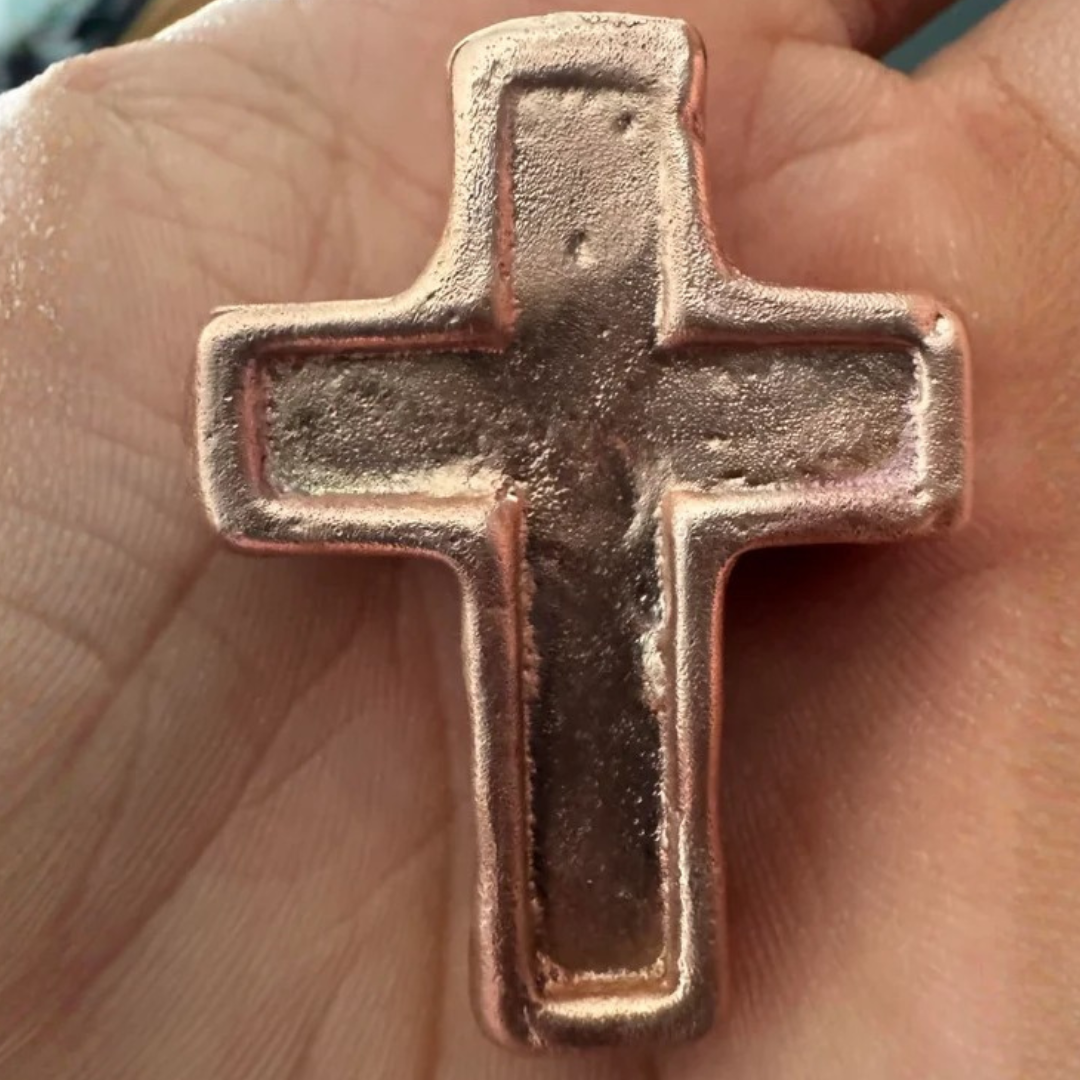
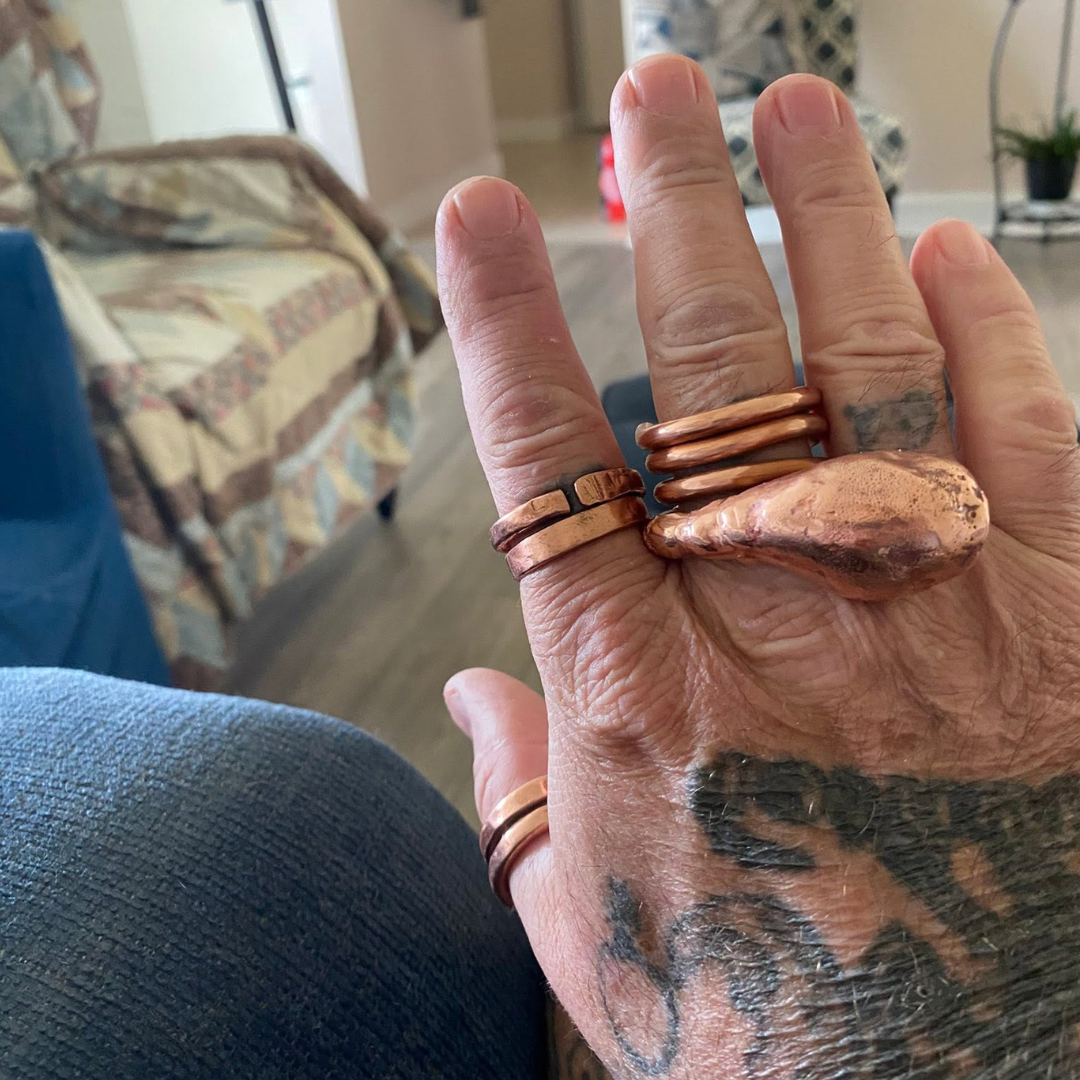
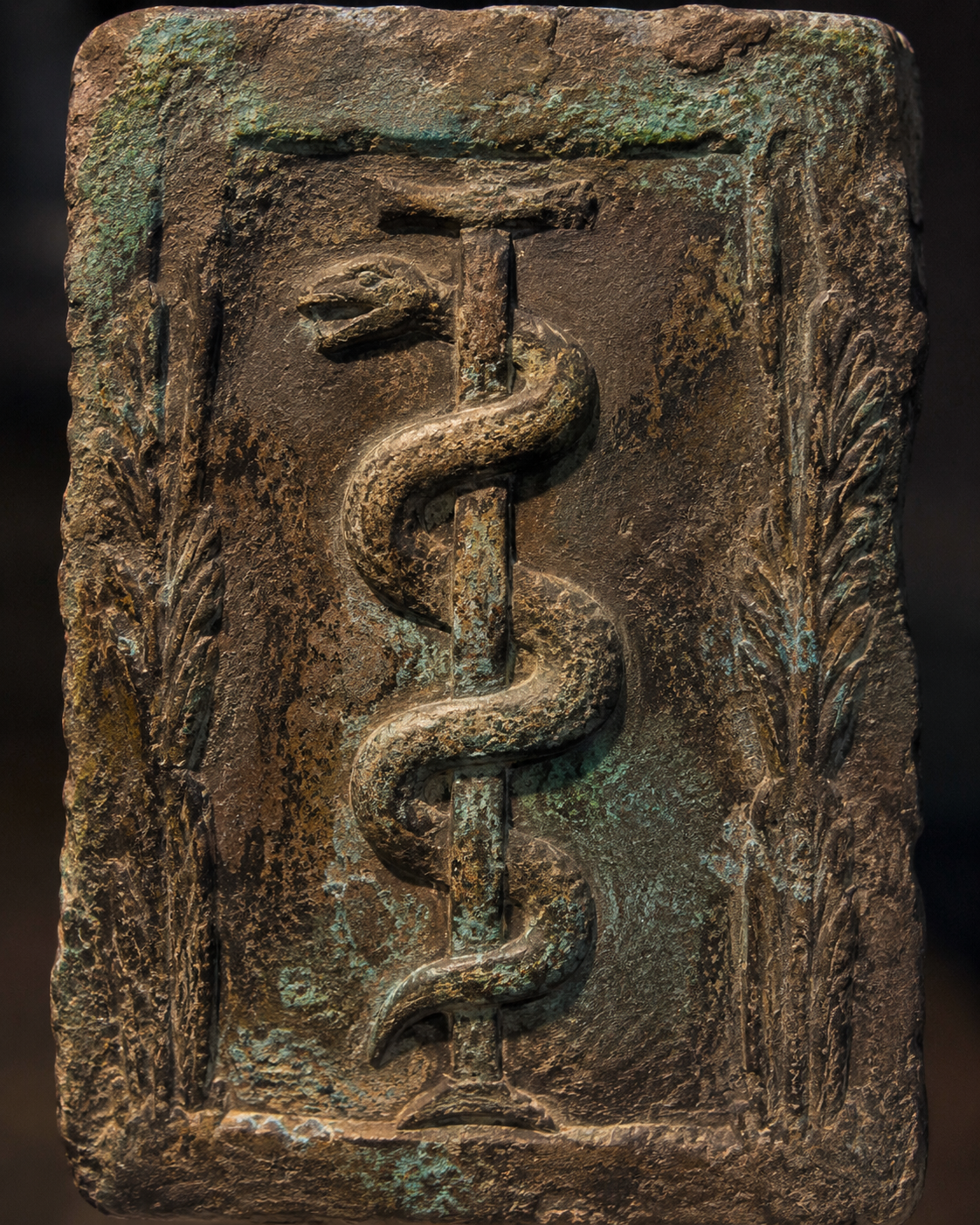
I've been a Christian for 40 years. Last month, a single word in a verse I've read a hundred times stopped me cold. I'm a pastor's wife. Have been for 32 years. My faith isn't something I practice — it's who I am. Which is why I can't believe it took me this long to find what I'm about to share with you. For three years, I'd been quietly suffering. Mornings where my hands wouldn't grip a coffee cup the way they used to. Waking up at 2 a.m. every single night with a tiredness no amount of sleep could fix. A heaviness in my body I'd accepted as just part of getting older. I prayed about it. Every night before bed, I asked God for relief. Then came that Tuesday in November. We were studying Deuteronomy 8:9. "A land whose stones are iron, and out of whose hills thou mayest dig brass." I'd read that verse dozens of times before. But that night, the word brass wouldn't let me go. It felt like a nudge I wasn't supposed to ignore. So I started searching what brass actually meant in scripture. What I found floored me. The Hebrew word in that verse isn't really brass. It's nechosheth — and Hebrew scholars across two hundred years of commentary have quietly agreed that the word almost always meant copper. The King James translators didn't have a clear English word for it yet, so they used brass. But in every passage where Moses, Solomon, or Hezekiah handled nechosheth, what they were handling was pure copper. Copper is mentioned more than 140 times in the Bible. Copper was the metal of the altar where every sacrifice was made. Copper was the metal of the basin where every priest washed before approaching God. The very serpent Moses lifted up in the wilderness — the one Jesus Himself compared to His own cross in John 3:14 — was cast from copper. I couldn't shake the feeling that God had been trying to show me this for years. So I kept digging. What I found across history made me sit back in my chair. The Egyptians treated wounds with copper 5,000 years ago. Ayurvedic physicians in India prescribed copper bracelets to women past forty for what they called the wasting. Roman legionnaires were issued copper bracelets as standard military equipment — not for status, but for function. Men who marched twenty miles a day in armor needed something that kept their bodies moving. Civilizations separated by thousands of miles. Thousands of years. No way to communicate with each other. All drawn to the same metal. All discovering the same healing properties. But here's what stopped me. Nobody understood why copper worked. They just knew it did. As if the knowledge had been placed inside them. Then in the 1800s, doctors finally started testing it scientifically. They ran experiments. Published findings in real medical journals. Copper, worn against the skin, released ions that absorbed directly into the bloodstream. It reduced inflammation. It supported joint mobility. It calmed the nervous system. By the early 1900s, copper bracelets were standard recommendations from family physicians across America and Europe. Doctors prescribed them. Pharmacists sold them. Mothers passed them down to their daughters. Then suddenly… the research stopped. Not because copper stopped working. Because pharmaceutical companies realized they couldn't patent a 5,000-year-old metal. Pills could be patented. Prescriptions could be sold for billions. So copper was quietly removed from medical education. Erased from textbooks. Labeled folk medicine and placebo. And within one generation, everything God seemed to have placed into human hands across five millennia was quietly erased from public knowledge. It's something I still find deeply troubling. But here's what they couldn't erase. Copper's ability to release ions directly into the body through the skin. Modern science has now confirmed what those ancient healers somehow always knew. When pure copper touches your skin, copper ions release through your skin's natural moisture and absorb directly into the bloodstream. Those ions support your body's anti-inflammatory response. They feed your body's production of collagen — the scaffolding that holds your joints, your skin, and your tissue together. They restore the trace mineral your body stops absorbing efficiently after fifty. I read all of this and just sat there at my kitchen table. Three years of pain. Three years of prayers. And God had been pointing at the answer the whole time. I just wasn't seeing it. Then I found the part that really caught my attention. Hospitals still use copper today — quietly, when nothing else works. Copper-impregnated surfaces in ICUs to reduce infection rates. Copper-lined catheters to prevent bacterial growth. Copper-coated door handles in hospitals across Europe. The CDC has confirmed copper kills 99.9% of bacteria on contact. They know it works. They rely on it when lives are on the line. They just haven't made it easy for the rest of us to access those same benefits. Because copper is a natural element. It can't be patented. It can't be monetized the way a prescription can. So the research got buried. Medical schools stopped teaching it. And within one generation, it was gone from public knowledge entirely. But modern life cut us off from copper in another way too. We don't drink water from copper vessels anymore. We don't cook in copper pans. We don't wear copper jewelry the way our great-grandmothers did. We're slowly being starved of one of the oldest minerals our bodies were designed to absorb. And our bodies are breaking down because of it. For weeks after finding all of this, I kept asking myself one question. How do you bring that connection back inside a modern home? The answer turned out to be something I came across online. A copper bracelet, hand-hammered, 99.9% pure. The same conductive copper those 1800s doctors trusted for their most difficult patients. And the way it works is honestly remarkable. Pure copper, worn against the inner wrist where the skin is thinnest, releases ions every minute of every day — directly into the bloodstream, just the way the body was designed to absorb them. Eight hours of slow, steady absorption while you sleep. Twenty-four hours a day if you never take it off. Although I was skeptical, something in my spirit told me I hadn't stumbled onto this by accident. So I placed my order that same day. It arrived on a Thursday afternoon. I slipped it on before my husband got home and went to sleep wearing it. Next morning I woke up at 6:43 a.m. Something felt different. The heaviness I usually wake up with felt quieter. Not so sharp. I told myself not to get excited. One decent morning after three bad years meant nothing. But by the end of the first week, I couldn't ignore the difference. I was falling asleep faster. The 2 a.m. wake-ups were getting shorter. The fog in my head was lifting. My hands gripped the coffee cup the way they used to. I was walking down the stairs without holding the railing. Small things. But after three years, small things felt like answered prayers. By week two, my husband noticed before I said a word. "You're not getting up at night anymore." He'd been watching for a week before he said anything. I didn't need him to say anything else. Three years of pain. Three years of prayers. And the answer had been woven into creation the whole time. That was a month ago. I haven't had a bad night's sleep since. Now — before you go looking for one, there's something important you need to know. Not all copper bracelets are created equal. Most of them simply don't work. I learned this the hard way after sending one to my sister. I'd found a less expensive one on Amazon to save a few dollars. She wore it for three weeks and felt nothing. I felt awful. So I did what I should have done from the start — I researched every brand I could find. What I discovered was disheartening. Most copper bracelets on the market are brass cores coated in a paper-thin layer of real copper. They look identical to the real thing. But after a few weeks of wear, that coating wears off — and underneath, it was never copper to begin with. It was always brass. You're not absorbing ions. You're just wearing a costume. Hold a magnet to one. If it sticks, it's brass. That's what makes Vera's Copper different. Her bracelets are 99.9% pure copper. Hammered by hand at her workbench in Sedona, Arizona. No plating. No filler. The same conductive grade those 1800s doctors relied on. A magnet won't move when you hold it next to one. That's how you know it's real. I sent one to my sister to replace the Amazon piece I'd given her. She called me two weeks later. "Whatever you sent me this time," she said, "it's different." It was. Because it was the real thing. That's why Vera's Copper is the only one I trust. But here's the deal. Vera is sixty-nine years old. Her hands aren't what they used to be. She makes a handful of bracelets a day by hand, and she's releasing her final collection at up to eighty percent off before she closes her workshop for good. When the last piece leaves her workshop, there won't be more. I'll be honest — if you click and they're already gone, I'm sorry. It happens more often than you'd think. I wish I could set one aside for you, but I can't. If you see them in stock, don't wait. Setup takes less than ten seconds. → Slide it onto your wrist. → Wear it day and night. → Sleep. For 24 hours a day, real copper ions absorb directly into your bloodstream. Inflammation cools. Joints loosen. Sleep finally feels deep and peaceful again. You wake up feeling like a different person. Clear-headed. Steady. Actually rested. It's 100% safe and natural. ✅ Just please don't order from Amazon. The real ones are few and far between. I linked Vera's official site below. It's the only one I'd put on my own wrist. The only one I've given to everyone I love. Go check it out for yourself. 👇 https://veras-copper.com/collections/limited-sale
Like this ad? Make it yours.
Crush rebuilds this exact creative around your product — your brand, your colors, your offer — in about a minute.