
Inactive· since Jun 1, 2026
- 61
- days it ran
- 1
- relaunches
Ad copy
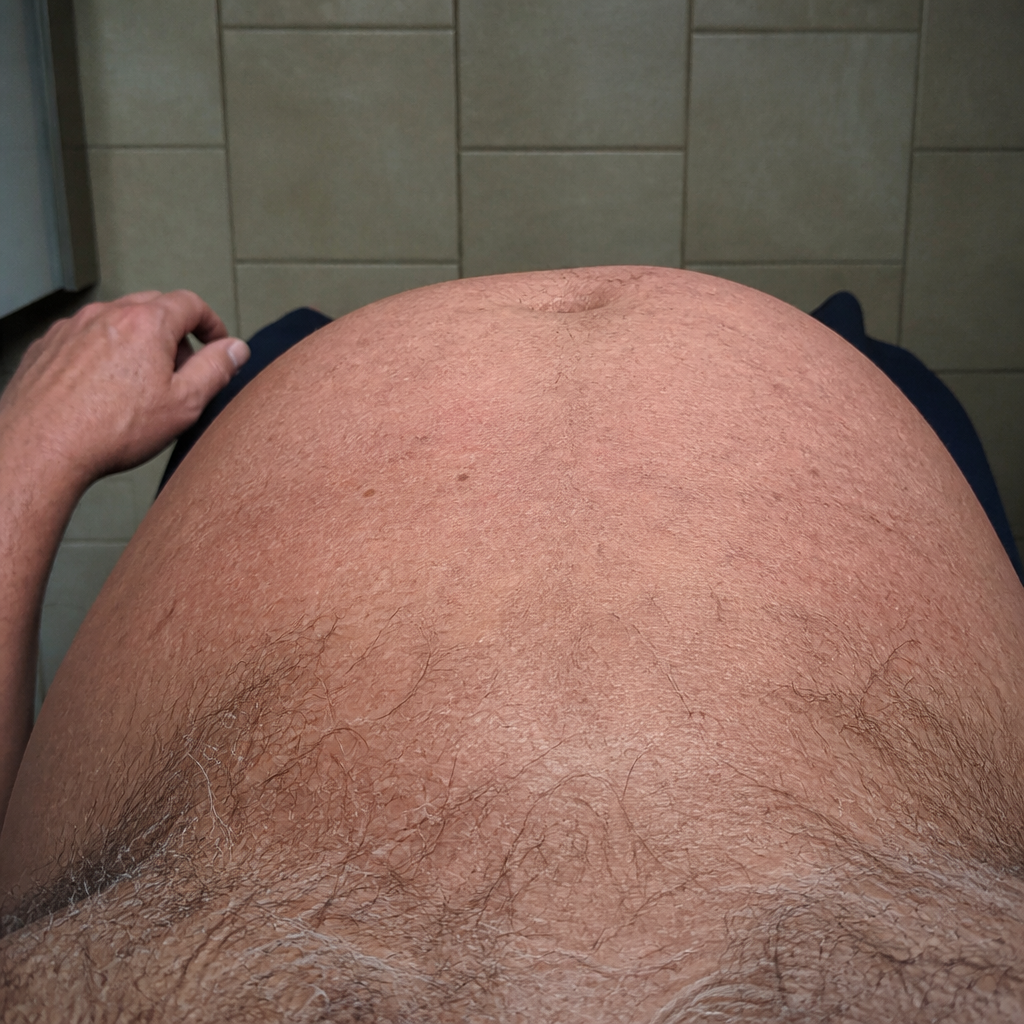
If you're a woman who enjoys wine — maybe a glass or two with dinner, drinks with girlfriends on weekends, nothing crazy — and lately you've noticed your belly won't go down, you're exhausted all the time, and half a glass now ruins your entire next day... I'm about to tell you exactly what's happening inside your body that nobody warned you about. And by the end of this, you're going to be furious. Because there are three things happening right now: One — Your liver is telling you that 10 or 15 years of "moderate" drinking has quietly caught up with you. Two — Nobody calls it a problem because you're not an alcoholic — so you have no idea how much damage has accumulated. And three — Cutting back isn't fixing it, because the damage isn't from last month's wine. It's from years of alcohol-driven cortisol dysregulation that's now keeping your liver inflamed, your belly bloated, and your body in permanent fat-storage mode. Let me tell you my story, because it's probably gonna sound familiar. I was never a big drinker. A glass of wine with dinner most nights. Maybe two on weekends. Drinks with girlfriends once a month. Rosé in the summer. A cocktail at work events. Maybe a few too many at weddings or holidays, but who doesn't? Normal stuff. What everyone does. What every woman I know does. Nothing that ever felt like a "problem." Nothing that ever made me think I needed to worry. But somewhere around 43, things started changing. Half a glass of wine and I'd wake up puffy, exhausted, feeling hungover for two days. Not "I drank too much" hungover. "I had ONE glass" hungover. The kind where you question if someone slipped something in your drink because there's no way a single glass should make you feel this wrecked. My belly started growing even though nothing else in my life had changed. Same diet. Same exercise. Same everything. But my midsection kept expanding. I'd look four months pregnant by dinner no matter what I ate. Didn't matter if it was salad or grilled fish or literally nothing — by evening my stomach would distend like something inside me was swollen. I stopped wearing fitted dresses. Started buying flowy tops. Angled my body in every photo. Avoided certain restaurants because the lighting made my bloated belly impossible to hide. Brain fog so bad I'd lose words mid-sentence. I'd be talking to a client and just... stop. The word I needed would vanish. I'd stand there like an idiot searching my brain for basic vocabulary. Started writing everything down because I couldn't trust my own memory anymore. I used to be sharp. I built my career on being the person who remembered everything, who could recall details from meetings six months ago. Now I was forgetting conversations from yesterday. My husband would tell me something and I'd have zero recollection of it 24 hours later. I started genuinely worrying it was early dementia. Exhausted by 2pm every single day. Didn't matter if I slept six hours or nine. I'd hit this wall in the early afternoon where my brain just shut off. I'd be staring at my computer screen reading the same email over and over because nothing was processing. I'd come home from work and collapse on the couch, too tired to do anything but scroll my phone until I fell asleep. That dull ache under my right ribcage that became so constant I stopped noticing it was there. Some days it would flare up sharp enough to make me wince. Other days it was just this low-grade pressure, like something was swollen and pushing against my other organs. And my skin. Random itching that would wake me up at 3am scratching my forearms. Redness on my palms I'd never had before. Looking puffy and aged in ways that seemed to happen overnight. I'd look in the mirror and not recognize the tired, bloated, foggy person staring back. I blamed perimenopause. Stress. Not sleeping enough. Working too hard. "Just getting older." That's what women are told, right? Every symptom we have gets blamed on hormones or age. My friends were all dealing with similar stuff. We'd joke about our "wine bellies" and how we couldn't drink like we used to. Normal 40s stuff, we told ourselves. Then I got bloodwork done and my doctor said two words that stopped me cold: "Fatty liver." My ALT was 89. AST was 71. She looked at me and said, "You need to cut back on the drinking and lose some weight. Take milk thistle. We'll monitor it." Monitor it. Those words should have been a red flag, but I didn't know that yet. I was shocked. Fatty liver? I wasn't a heavy drinker. I wasn't overweight. I exercised. I ate reasonably well. How could I have fatty liver? But I did what she said. I cut way back on the wine. Maybe one glass a week instead of one a day. Lost a few pounds. Took the milk thistle religiously — twice a day, just like the bottle said, for eight months straight. My belly stayed bloated. My energy stayed crashed. My brain stayed foggy. That ache under my ribs stayed constant. And when I went back six months later? My ALT had dropped to 79. Barely moved. My doctor shrugged and said, "Keep doing what you're doing. We'll check again in six months." Keep doing what I'm doing? What I'm doing ISN'T WORKING. I'd essentially stopped drinking. I'd lost weight. I'd taken their supplement. And my liver was still struggling. My symptoms were still there. Nothing had actually changed. That's when I realized something was seriously wrong — and cutting back wasn't going to fix it. So I started researching. Not wellness blogs. Not influencers hawking detox teas. Actual medical journals. Hepatology research. Studies on alcohol metabolism, liver function, and the stress hormone cascade that alcohol triggers. I needed to understand what was actually happening inside my body. And what I found made me furious that nobody had ever explained this to me. Here's what's actually happening inside your body after years of "moderate" drinking: Every glass of wine triggers an inflammatory response in your liver. That's not an opinion — it's basic biochemistry. Alcohol is metabolized by your liver into acetaldehyde, which is toxic to liver cells. Your liver deals with it. Produces enzymes to break it down. Clears the damage. Regenerates the cells. Moves on. When you're young, this process works beautifully. Drink tonight, recover tomorrow, no lasting damage. Your liver is resilient and efficient. But here's what nobody tells you. Every time alcohol is metabolized, your body triggers a cortisol response. Cortisol is your primary stress hormone. A small spike when you drink — that's normal. Your body uses it to deal with the metabolic stress of alcohol processing. But after years of regular drinking — even moderate drinking — something more serious happens. The repeated cortisol spikes from years of alcohol metabolism gradually disrupt your HPA axis — the system that controls your cortisol rhythm. Your cortisol stops following its natural pattern. Instead of rising in the morning and falling by evening, it starts staying elevated around the clock. And chronically elevated cortisol does something that nobody warned you about: it tells your liver to produce and store fat. Directly. That's not a metaphor. Cortisol signals your liver to convert excess glucose into triglycerides and store them in liver tissue. That's hepatic steatosis — fatty liver. That's what showed up in your bloodwork. But it doesn't stop there. Chronically elevated cortisol drives systemic inflammation into your liver tissue. It elevates ALT and AST by damaging the very hepatocytes your doctor is monitoring. It disrupts your gut motility, causing the bloating that seems unrelated to what you eat. It keeps your nervous system in fight-or-flight, stealing energy and wrecking sleep. It locks fat around your abdomen — where cortisol receptors are most concentrated — making your belly expand no matter how little you eat. And here's what makes it invisible: a standard cortisol blood draw happens in the morning, when cortisol is supposed to be high. Nobody checks what your cortisol is doing at 2pm when you're crashing. At midnight. At 3am when you're waking up exhausted and itching. When you're young, your HPA axis self-regulates after the occasional drink. Cortisol spikes. Cortisol comes back down. Your liver processes the damage and moves on. But after years of repeated exposure, your HPA axis loses that ability to self-regulate. Cortisol stops coming back down. It stays elevated. Your liver is bathed in a continuous cortisol signal telling it to store fat, stay inflamed, and elevate enzymes. The damage accumulates year by year, glass by glass. Until one day your bloodwork comes back showing fatty liver — and your doctor has no idea why a "moderate drinker" is in this position. By your 40s, the cortisol dysregulation has reached a tipping point. It's like a highway with half the lanes closed — everything that used to process and clear overnight is now backing up. The bloating happens because cortisol-driven gut inflammation is constant — your gut never gets the signal to calm down and move normally. The exhaustion happens because your body is running on stress hormones instead of real fuel. Cortisol keeps your nervous system activated around the clock, stealing energy your cells need to function. The brain fog happens because chronically elevated cortisol impairs hippocampal function — the part of your brain responsible for memory and recall. That's not a coincidence. That's biochemistry. The alcohol intolerance happens because your liver can't process new damage while cortisol is simultaneously telling it to store fat and stay inflamed. One glass overwhelms a system that's already maxed out. That dull ache under your ribcage? That's your liver, swollen and inflamed from years of cortisol-driven fat accumulation and inflammation, pressing against the capsule that surrounds it. That's why cutting back didn't fix it. The damage isn't from last month's wine. It's from years of cortisol dysregulation that cutting back alone cannot reverse. You stopped adding new disruption, which was smart. But you didn't address the cortisol rhythm that was already broken. You were protecting a liver that was still drowning in a cortisol signal telling it to store fat and stay inflamed. Like putting better gas in a car with clogged filters. The fuel quality doesn't matter if nothing can flow through. And this is what made me lose my absolute mind. Doctors KNOW about cortisol's role in fatty liver disease. The research connecting HPA axis dysregulation to non-alcoholic and alcohol-related fatty liver is in the literature. It's established science. But unless you're in end-stage liver failure, they don't address cortisol rhythm. At all. Why? Because there's no pharmaceutical drug for cortisol dysregulation that generates repeatable revenue. You can't patent adaptogens. There's no billion-dollar molecule to prescribe for HPA axis regulation. There IS money in keeping you on metformin at $80 a month if your blood sugar goes up. Statins at $150 a month if your cholesterol rises. Specialist visits at $400 every six months to "monitor" your numbers while they climb. Ultrasounds. Fibroscans. Blood panels. An endless cycle of testing without actually fixing anything. See how that works? Manage every stage of the decline. Never fix the cortisol rhythm that would let your liver heal itself. So your doctor tells you to cut back on drinking. Take milk thistle. Lose weight. And "monitor it." Monitor it. While your cortisol stays dysregulated and the symptoms continue. Milk thistle contains silymarin, which protects liver cells from damage. That's real — it's documented in the research. But milk thistle CANNOT bring cortisol back into rhythm. It cannot stop a liver that's being told by its own stress hormones to store fat and stay inflamed. You've been protecting cells that are still drowning in a cortisol signal. Like putting a screen protector on a phone that's waterlogged from the inside. The protection is useless when the hormone driving the damage is still running at full volume. So I kept digging. I needed to find what actually brings cortisol back into rhythm. I'm reading endocrinology journals now. Clinical studies on HPA axis dysregulation. Research on adaptogens that have been documented to lower cortisol, reduce hepatic inflammation, and restore the rhythm that alcohol metabolism disrupts. And I found specific compounds that have been used — some for centuries, some validated in modern clinical trials — to actually bring cortisol back into its natural pattern. Four compounds kept coming up again and again in the research: KSM-66® Ashwagandha — the most clinically studied form of ashwagandha in the world, with over 22 randomized controlled trials behind it. KSM-66® directly lowers cortisol at the HPA axis level. Peer-reviewed studies show measurable reductions in serum cortisol within 8 weeks. For the liver specifically, this means less cortisol-driven fat production, lower ALT and AST, and reduced hepatic inflammation. This is not generic ashwagandha — KSM-66® is a full-spectrum root extract standardized to 5% withanolides, the specific compounds responsible for cortisol reduction. Rhodiola Rosea — helps the body stop overreacting to stress, reducing the frequency and intensity of cortisol spikes. After years of alcohol-triggered HPA activation, your stress response has become hair-trigger sensitive. Rhodiola rebuilds the body's ability to self-regulate, so that the occasional glass of wine doesn't send cortisol into overdrive the way it has been. Phosphatidylserine — one of the most well-researched cortisol modulators available. Studies show it specifically blunts the cortisol spike at night — when elevated cortisol does the most damage to liver metabolism, fat storage, and sleep quality. This is the piece most formulas are missing entirely. Myo-Inositol & D-Chiro Inositol — address the insulin dysregulation downstream of cortisol. When cortisol is chronically elevated, insulin resistance follows. And insulin resistance drives more hepatic fat storage — the same fat your doctor found on your ultrasound. These compounds break that cascade directly. Plus Turmeric with Black Pepper Extract — curcumin has specific published evidence for reducing hepatic inflammation and lowering liver enzyme levels. Black pepper extract (piperine) ensures it actually gets absorbed instead of passing through. Here's what made this protocol different from everything else I'd tried: every single compound targets a specific step in the cortisol-to-liver-damage cascade. Lower the cortisol. Stop the overreaction. Blunt the night spike. Break the insulin loop. Reduce the hepatic inflammation. It's not a random collection of "liver support" herbs. It's a sequence that addresses the hormone driving the damage that milk thistle and "cutting back" never touched. I finally understood what had to happen. I needed to bring cortisol back into rhythm — not just protect liver cells from a stress hormone that was still running unchecked. So I started taking these compounds. All of them. Together. And here's the thing that surprised me — I didn't even have to quit drinking completely. I kept having an occasional glass of wine. Maybe once or twice a week. Because I'd learned that the problem wasn't really about the occasional drink. The problem was years of cortisol dysregulation that had never been addressed. Now here's the thing — when I first started this protocol, I was sourcing everything separately. Different bottles from different companies. Spending over $200 a month and swallowing handfuls of pills every morning. It was exhausting. Expensive. Unsustainable. Then I found Harmonia. A complete cortisol cocktail with every compound. KSM-66® Ashwagandha. Rhodiola Rosea. Phosphatidylserine. Myo-Inositol. D-Chiro Inositol. Turmeric. Black Pepper Extract. All of it — the complete cortisol protocol — in one formula. One scoop into water every morning. And the part that got me: they weren't throwing herbs in a bag with "stress support" on the label. Every ingredient was mapped to a specific step in the cortisol cascade. KSM-66® to lower cortisol directly. Rhodiola to stop the overreaction. Phosphatidylserine to blunt the night spike. Myo-Inositol to break the downstream insulin loop. Turmeric to reduce the hepatic inflammation cortisol leaves behind. Nothing random. Nothing filler. Third-party tested. Clinical doses. Clean formula. No fillers. No cheap proprietary blends hiding underdosed ingredients. I've been taking it for six months now. And after about two weeks? The bloating started easing. First time in years I ate dinner without looking pregnant afterward. I actually tucked my shirt in for the first time in maybe three years. My husband noticed before I said anything. After three weeks? The brain fog started lifting. I felt sharp again. Present. Like myself. I was in a meeting and realized I hadn't lost my train of thought once. I remembered a conversation from three days earlier without having to check my notes. Small things, but they felt like miracles after what I'd been experiencing. After six weeks? That dull ache under my right ribcage — the one I'd gotten so used to that I forgot it wasn't normal — went quiet. I pressed on the spot out of habit and there was nothing. No tenderness. No pressure. Just... normal. The exhaustion started breaking. I made it to 4pm without crashing. Then 5pm. Then I started having energy in the evenings again, something I hadn't experienced in years. My face deflated. That's the only way I can describe it. The puffiness around my eyes, my jawline, my cheeks — it drained. I woke up one morning and my cheekbones were back. I hadn't seen them in years. I stood in the bathroom staring at my own face like I was looking at a younger version of myself. After eight weeks? I ran labs. My ALT had dropped from 89 to 34. My AST was completely normal. My doctor pulled up my previous results to compare and said, "What did you change?" I told her about the cortisol connection. About KSM-66® Ashwagandha and Phosphatidylserine and the HPA axis research. She'd never connected cortisol dysregulation to fatty liver in this way. Wrote down the names. Said she'd look into it. That's the state of medicine. The research exists. The mechanism is documented. And most doctors have never heard of it. My liver wasn't failing because I drank too much. My cortisol rhythm had been broken for years — and a broken cortisol rhythm tells your liver to store fat, stay inflamed, and keep your enzymes elevated regardless of what you drink or don't drink. And I finally addressed it. My husband says I'm like a different person. My friends have asked what I'm doing differently because I look "less puffy" and "more energetic." One of them started taking Harmonia after I told her about it — she'd been dealing with the same belly, same exhaustion, same foggy brain. Two weeks in, she texted me: "my face looks completely different." Last weekend I wore a fitted dress for the first time in years. Didn't think twice about it. Didn't angle my body in photos. Just... existed in my body without constant awareness of how bloated I looked. I looked at myself in the mirror that night and realized: I spent years thinking my body was just falling apart. That this was what the 40s felt like. That I'd have to give up everything I enjoyed and still feel terrible. I wasn't falling apart. My cortisol was broken. And nobody once told me I could fix it. Here's what I need you to understand: You're not an alcoholic. You're not a "heavy drinker." You're a woman who enjoyed wine like millions of other women. Book clubs and happy hours and dinner parties and holidays. Celebrating and unwinding and socializing the way our entire culture encourages us to. Nobody warned you that even moderate drinking, repeated over years, disrupts your cortisol rhythm. Nobody explained that a broken HPA axis tells your liver to store fat and stay inflamed. Nobody told you that cutting back wouldn't be enough once the cortisol dysregulation had taken hold. The damage doesn't announce itself. It builds quietly. Cortisol spike by cortisol spike. Year by year. Until one day you realize you can't tolerate alcohol like you used to. Your belly won't go down. Your energy is gone. Your brain is foggy. And nothing you try seems to help. Cutting back helps stop NEW disruption. That's important. But it doesn't bring the cortisol rhythm back that's already broken. You need to address the hormone. Your liver forgave your 20s. All those college parties and wild nights? Your cortisol bounced back. The damage cleared. It forgave your 30s. The wine phase, the craft cocktails, the bottomless brunches? Still recovering. Still self-regulating. It's not forgiving your 40s. Because the HPA axis has lost its ability to self-regulate. The cortisol rhythm is broken. There's no more automatic recovery. But here's the thing — you don't have to quit completely. You don't have to become a teetotaler. You don't have to give up wine forever. You have to bring your cortisol back into rhythm. Restore the HPA axis. Give your liver the hormonal signal it needs to stop storing fat and start healing. And once you do that? You might find you can enjoy a glass of wine without paying for it for two days afterward. You might find your belly goes down. Your energy comes back. Your brain works again. That's what happened to me. That's what's happening to the women I've shared this with. Link below. Try Harmonia — the complete cortisol cocktail with KSM-66® Ashwagandha, Phosphatidylserine, Rhodiola Rosea, Myo-Inositol, Turmeric, and Black Pepper Extract. Take it for 30 days. One scoop into water every morning. If your face doesn't deflate, your gut doesn't flatten, and your energy doesn't come back — return it for a full refund. No questions. Because nobody else is going to tell you this. Your doctor will say "cut back and monitor it." Your friends will say "you're not that bad." And your cortisol will keep signaling your liver to store fat and stay inflamed while you wonder why nothing helps. You have to address your own cortisol. https://www.drinkharmonia.com/cortisol
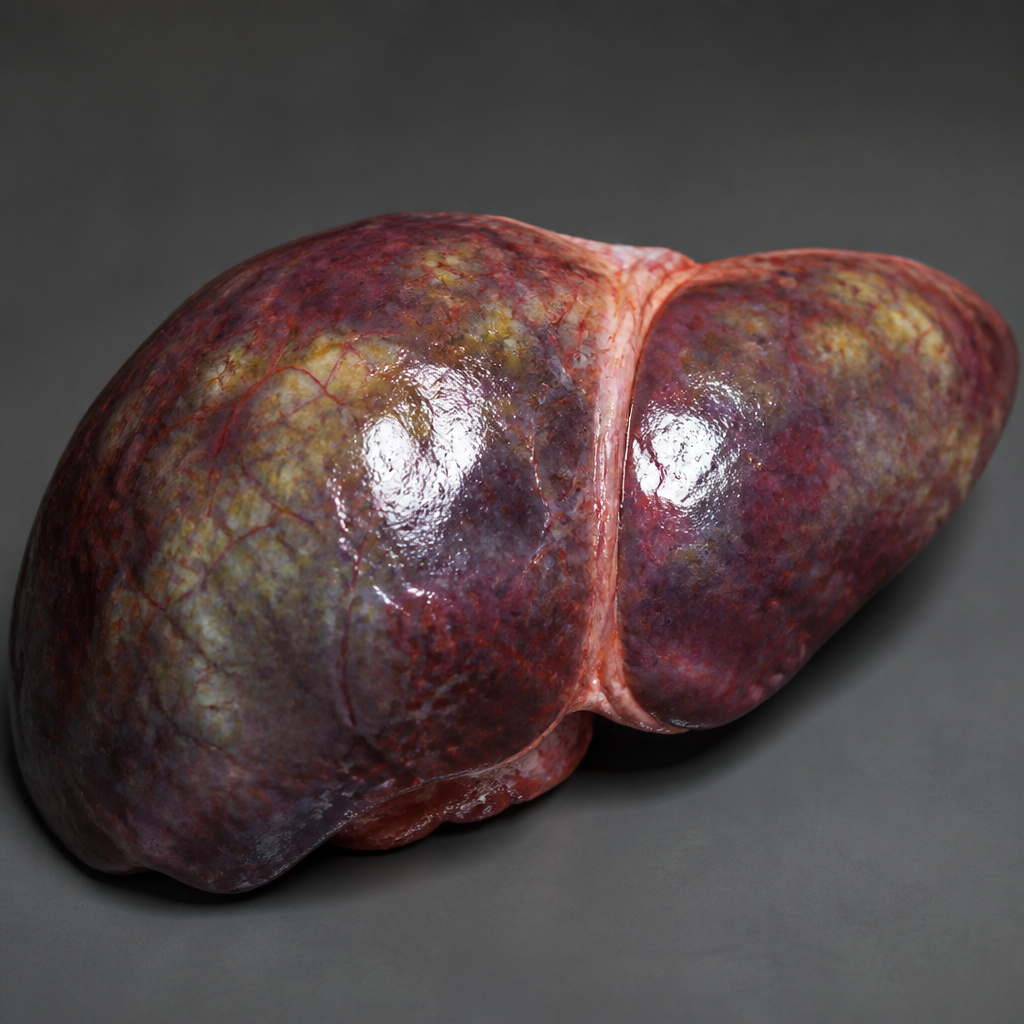
Your liver forgave your 20s and 30s. It's not forgiving your 40s.
Discover Harmonia—the smart cortisol cocktail that lowers stress, balances hormones, improves sleep, and boosts energy. Vegetarian, natural & USA-made.
LEARN MORELike this ad? Make it yours.
Crush rebuilds this exact creative around your product — your brand, your colors, your offer — in about a minute.