
Active· since Apr 17, 2026
- 147
- days running
- 0
- relaunches
Ad copy
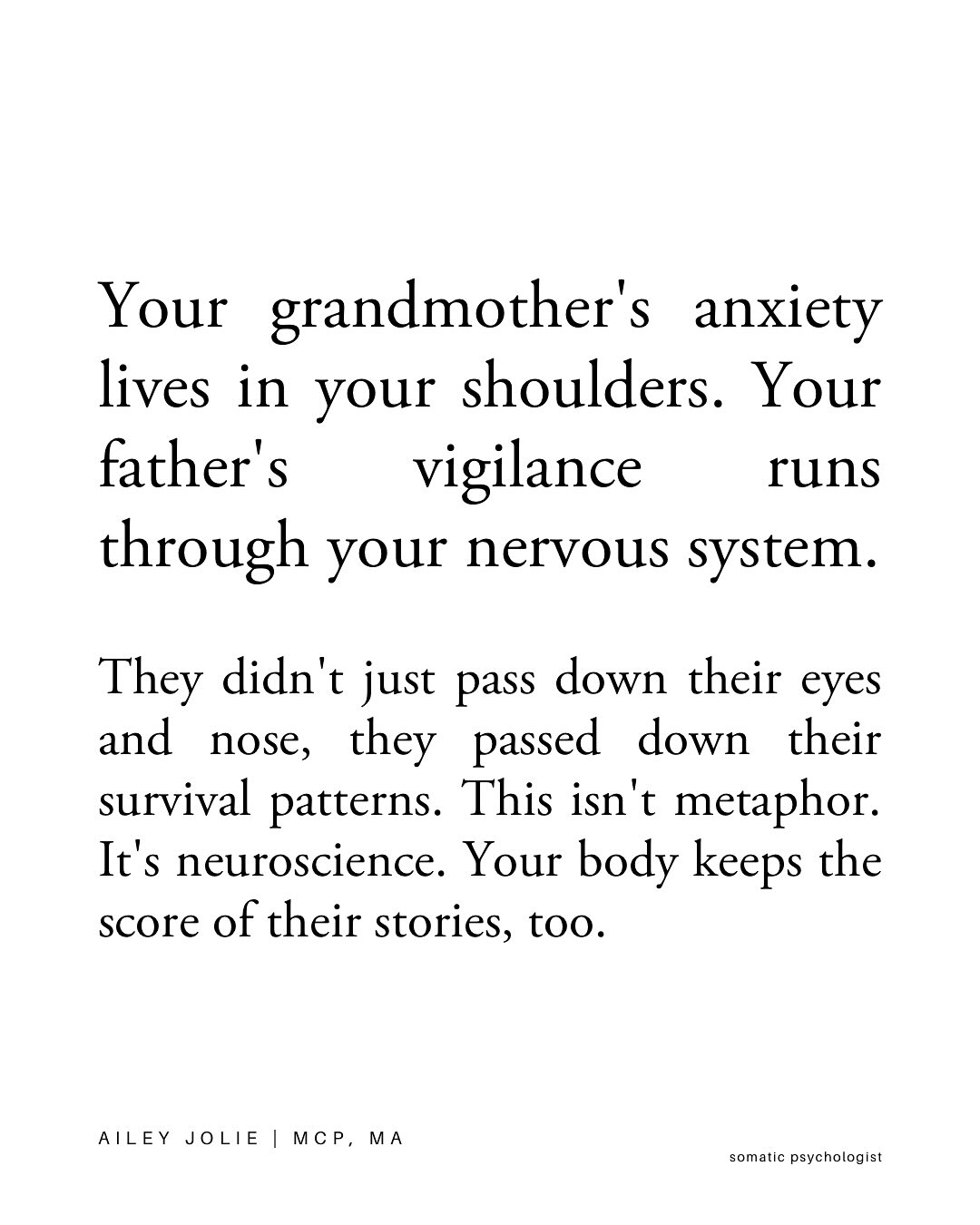
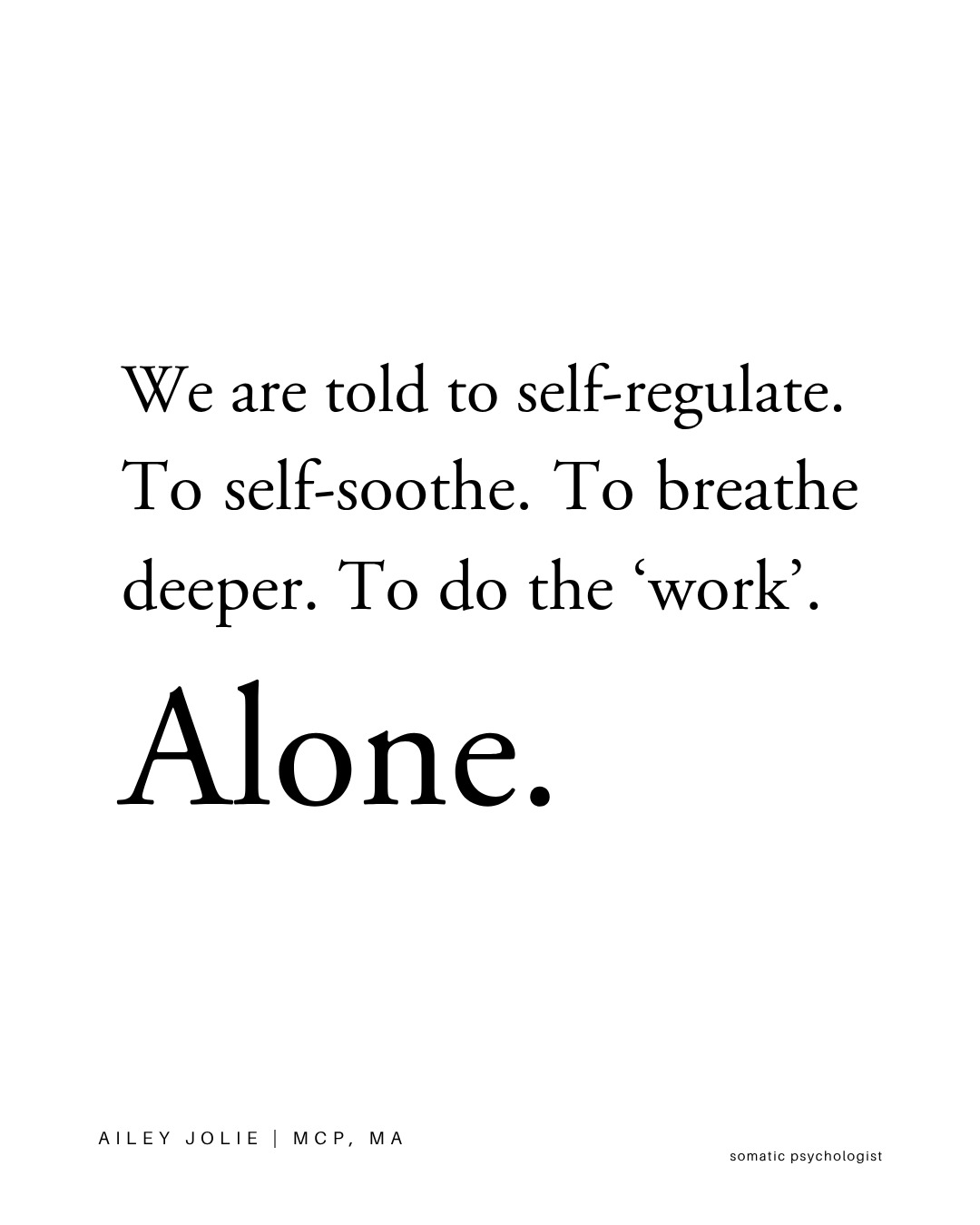
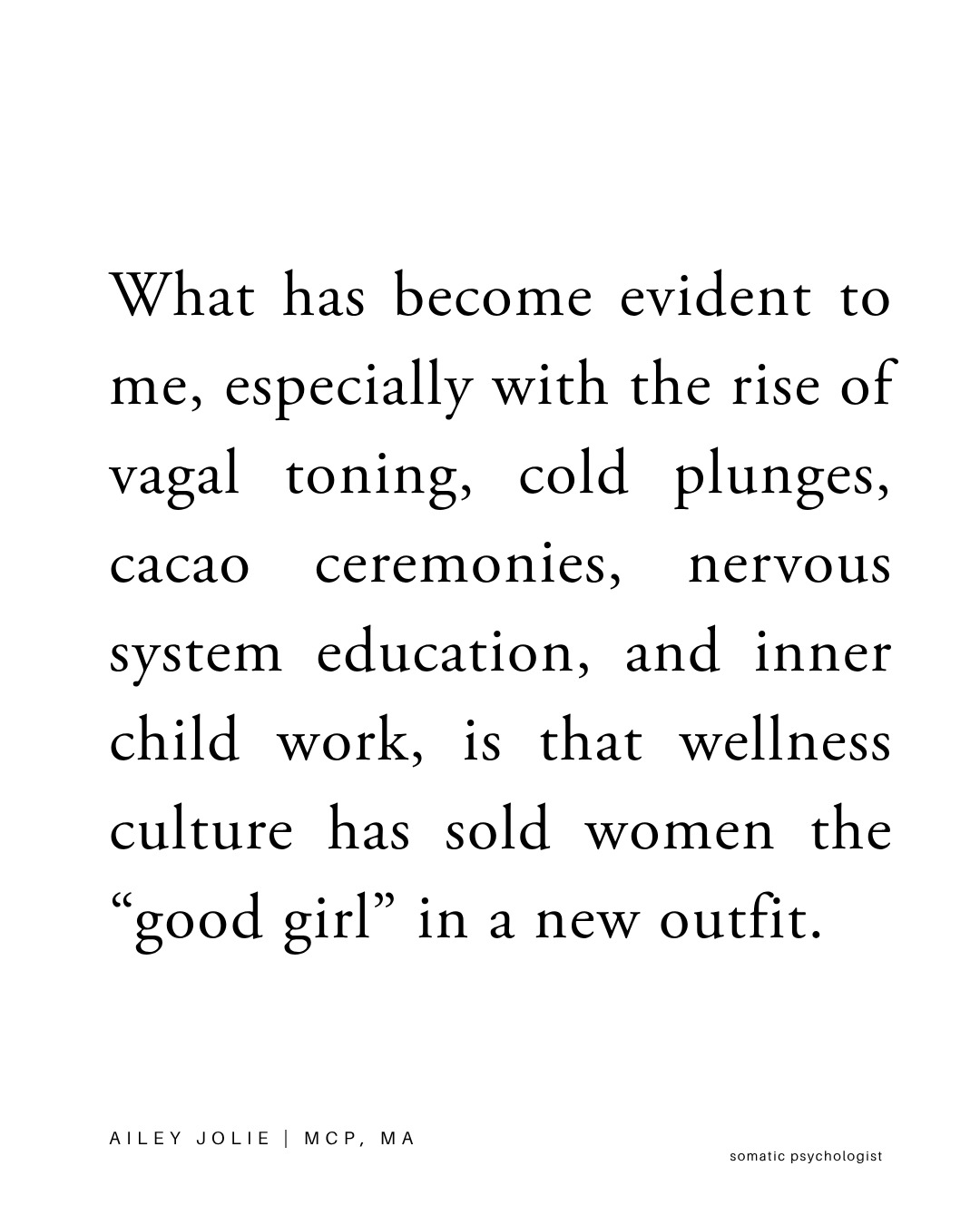
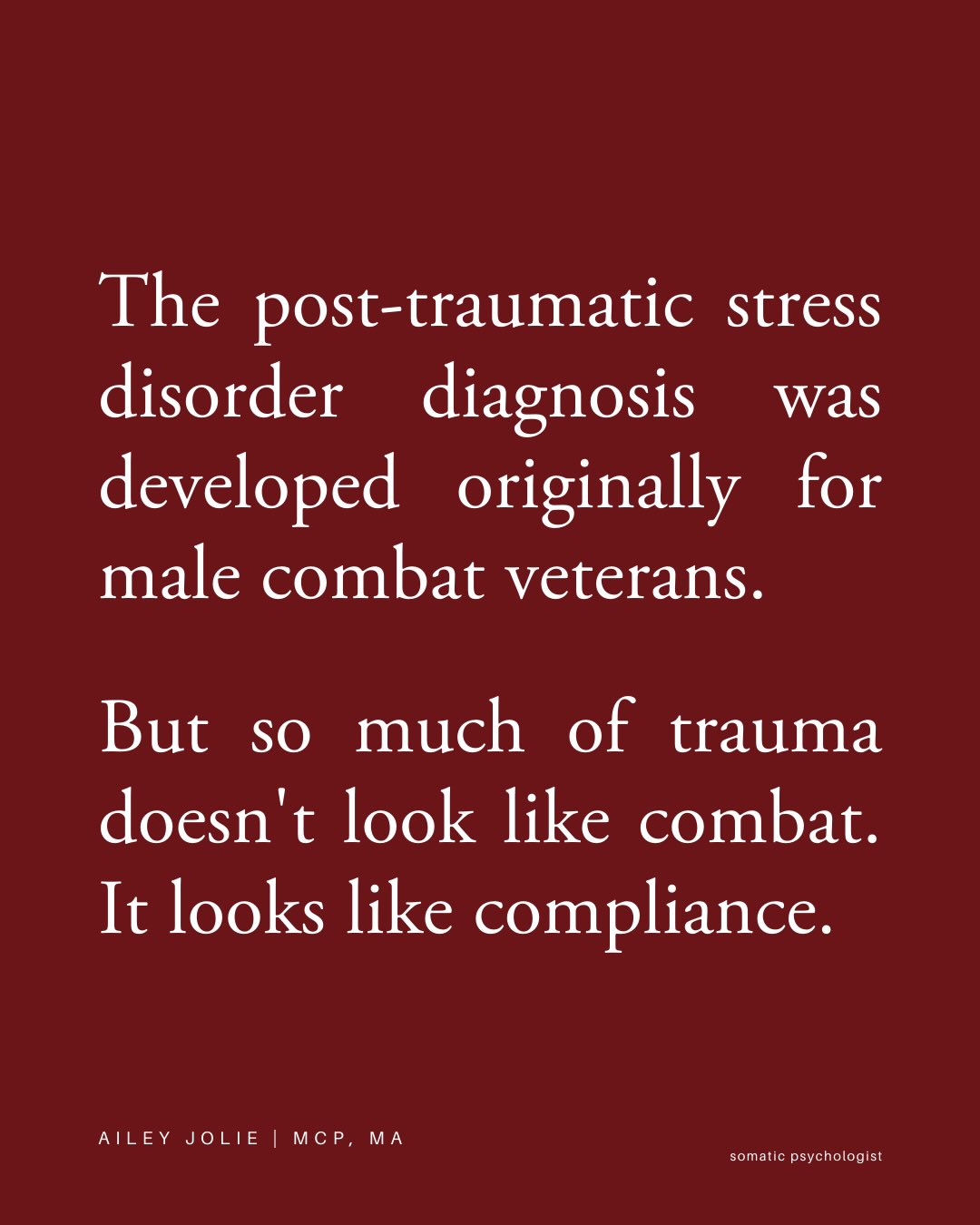
She doesn’t come in saying “I have PTSD.” She comes in saying she’s exhausted. That she can’t stop people-pleasing. That she doesn’t know who she is outside of being needed. That her body won’t calm down but she doesn’t know why. PTSD was introduced as a formal diagnosis in 1980, built primarily on research with Vietnam combat veterans. The diagnostic template captured what trauma looks like when the nervous system fights, hypervigilance, flashbacks, startle, explosive anger. It did not capture what trauma looks like when the nervous system appeases. When the body learns that safety comes from compliance. When dissociation becomes so ordinary it feels like personality. Women are twice as likely as men to develop PTSD. Their symptoms persist four times longer. And the fawn response , the trauma adaptation most common in relational and sexual trauma , wasn’t even clinically named until decades after the diagnosis was built. This isn’t a gap in research. Swipe to read more. If this resonates and you’re ready to come home to your body, my 14-week INBODY program opens again in May 2026. Comment INBODY, and I’ll send you the details. www.inbodymethod.com For longer writing on embodiment and how systems live in our bodies, I share this on Substack. Comment READ, and I’ll send it to you. aileyjolie.substack.com For deeper conversations about what lives in the body and why, listen to How To Be In This Body wherever you get your podcasts. Comment LISTEN, and I’ll send you the link. in-this-body.com | @inthis.body
Like this ad? Make it yours.
Crush rebuilds this exact creative around your product — your brand, your colors, your offer — in about a minute.