
Inactive· since May 1, 2026
- 41
- days it ran
- 0
- relaunches
Ad copy
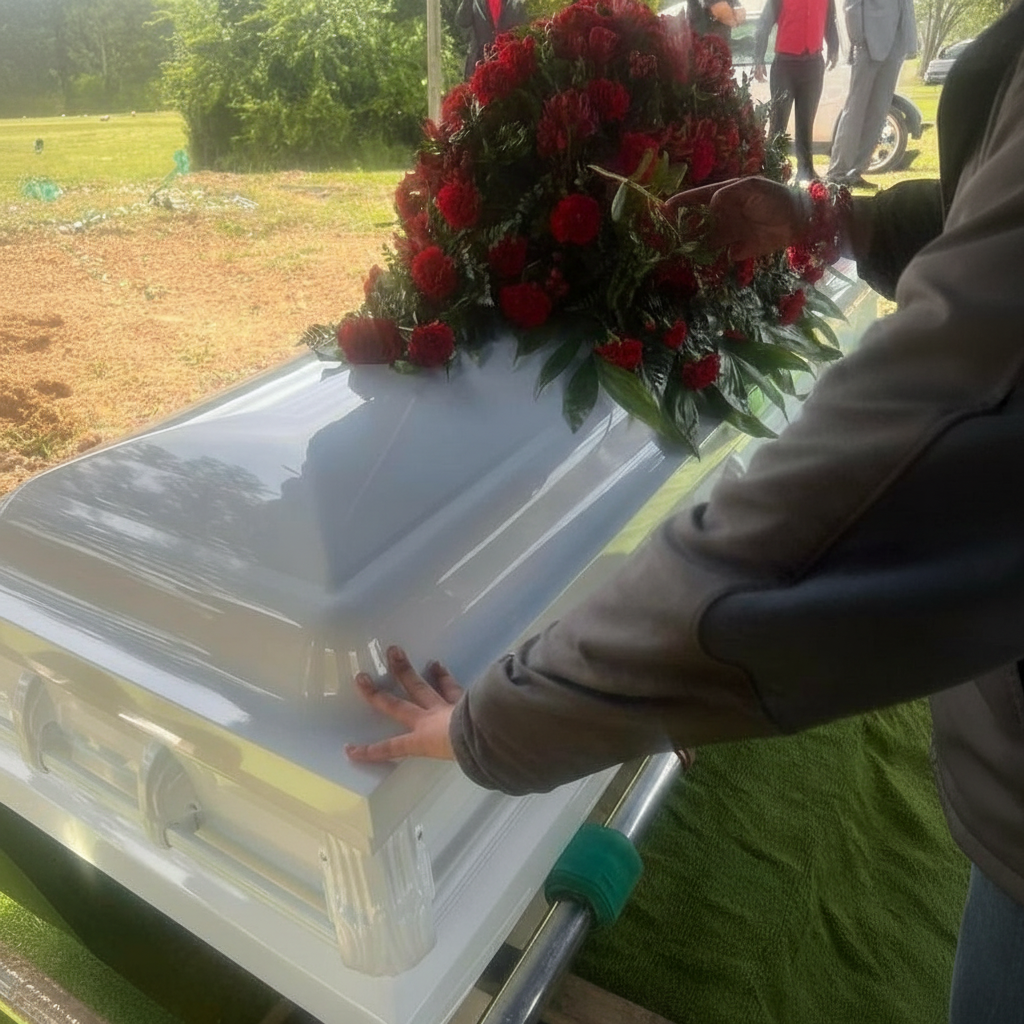
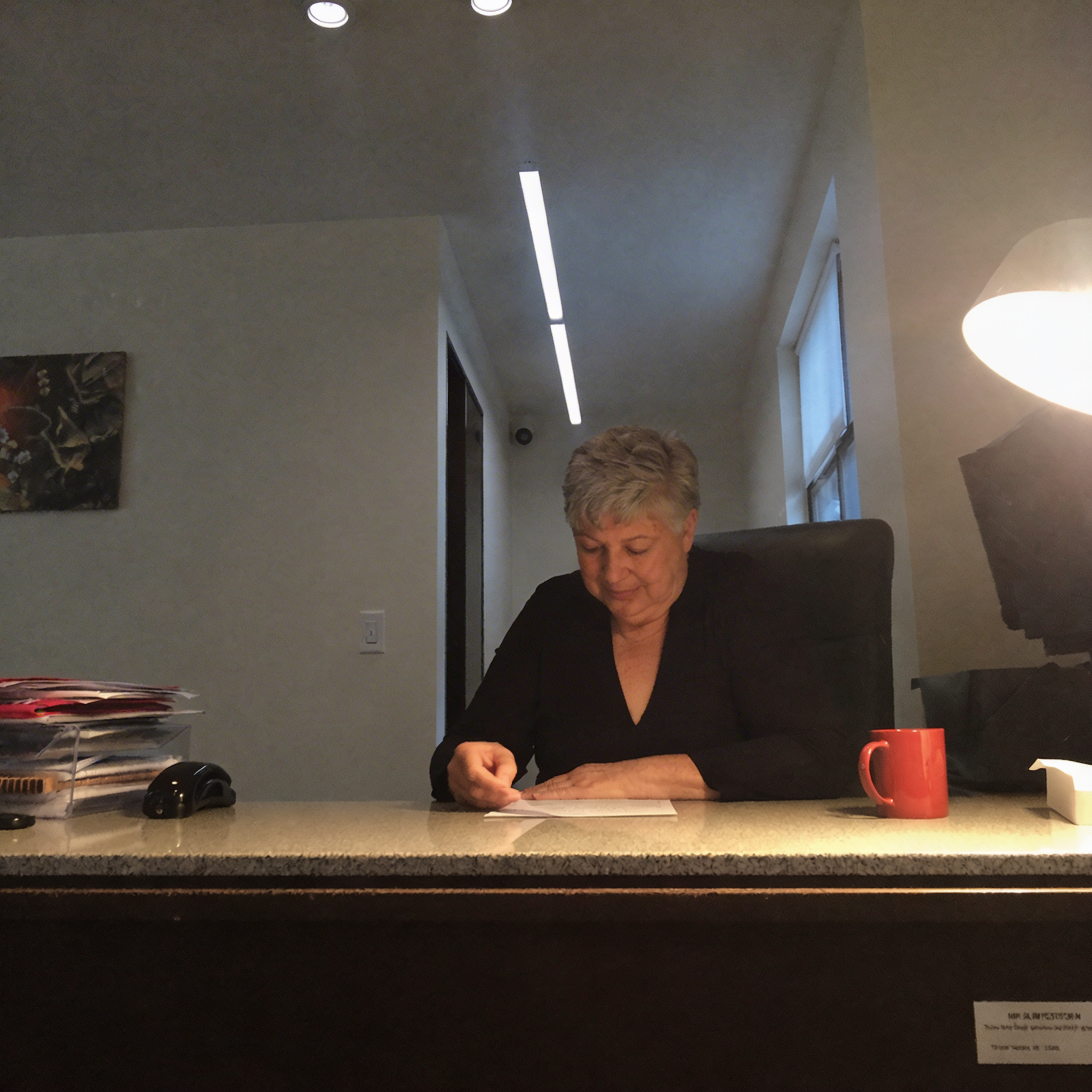
For twenty years I have been telling clients the will is the foundation of their estate plan. I have stopped saying it. I have watched too many families leave with a perfect will and return six months later exhausted, asking me why it hadn't been enough. The daughter who sat across from me last Tuesday is one of them. Mid-fifties. School superintendent in the next county. The kind of person you would want sitting at your kitchen table sorting things out for you. Her father had passed in November. He had a will I had drafted in 2019. A funded trust. A signed power of attorney. Every password he had ever used written inside a green binder he had made her promise to keep on the top shelf of his office closet. She thought she was the lucky one. She thought she had everything prepared to close out the estate, to mourn and celebrate his passing with the rest of the family. What she had not expected was to spend her mornings since the funeral on hold with a bank that would not say a word to her, because she could not produce the recovery code to get into her father's account. What she had not expected was to spend her afternoons begging Apple to release the photos stored in her father's iCloud, and being told she had no right to them. She was not his legacy contact. She did not have his Apple ID. What she had not expected was to have to pay off $311 in subscriptions nobody knew he still had, on a card her mother was still using, all within three months, all while trying to mourn her father in between the phone calls. She came to see me assuming I would have a process for this. Some letter on firm letterhead. Some affidavit. Some court order I could file. I told her the truth. The trust transfers ownership of what it holds. It does not transfer access to the platforms holding the records. The will gave her authority over his estate. The institutions agree she has authority. They still will not let her in without verification only her father can give. The death certificate proves he is gone. It does not prove she is the one allowed to read his email or open his iCloud. I watched her face change as I said each one. She had walked in believing every legal instrument she held was a key. She walked out understanding every one of them was a deed without a door. By April she was four months in, almost $500 deep into subscriptions she still could not stop, locked out of accounts the bank would not unlock for her, and no closer to the photos of her father than she had been the morning he died. I am not telling you any of this to scare you. I am telling you because this is the reality of settling an estate in 2026. Accessing an account is no longer just a username and a password. Every account is a chain. The password is one link. The verification code is another. The recovery email is another. The 2FA on the account is another. A will reaches none of them. And if one link is missing, the whole chain is locked. I drove home from the office that evening and walked into my own kitchen. I have run estate plans for two decades. For twenty years I have been telling clients that the will is the foundation of their estate plan, and for twenty years I have been telling them only half the truth. The will is the foundation of the legal estate. There is a second estate sitting behind it that no instrument I have ever drafted has ever touched. Every client I have ever worked with has been quietly building it for decades, and almost none of them have realised it was there. I sat at my own kitchen table that night and tried to sketch out my own. A spreadsheet was the obvious place to start. I got eleven accounts in before it stopped being obvious. I read it back to myself and it made almost no sense. Half the entries were shorthand only I would understand. Some of them I could not remember why I had written down at all. A few accounts I knew were important but could not picture clearly enough to describe. By the time I tried to sort it into something my husband could follow, I realised I was the only person in my house who could read any of it. And even I was struggling. I tried a password manager next. I had downloaded one before, years ago, and abandoned it. This time I read about it before I started. A few years back the company had been breached. Customer vaults exposed. Everything inside them in the hands of strangers. That was the last thing I wanted. Every login I owned, every account my family relied on, sitting in a digital vault that had already been broken into once. Whatever I needed, it was not going to be digital. I closed the laptop at one in the morning. I had been writing other people's estate plans for twenty years. My own digital estate would have failed every test I had just watched the daughter fail. A colleague mentioned something to me a few weeks later at a continuing-education seminar. She is an estate attorney with a practice about twice the size of mine. She had started giving something to every client at the second meeting of the planning process. Not a form. Not an addendum to the will. A planner. She told me one of her clients had passed the previous October, and the daughter had closed every account inside two weeks. Every chain mapped before the chain was needed. She called it the End of Life Planner by Lamorial. I asked her what made it different from every checklist I had ever been pitched in twenty years. She said it does not start with the password. It starts with the phone, and then it walks every lock in the chain in order, for every account. The recovery code. The security question. The legacy contact. The card on file. What to keep active. What not to cancel. The order to do things in. It was the thing I had been trying to sketch at my own kitchen table at one in the morning, already built. I ordered one for myself the next morning. Five for the office that afternoon. My husband and I sat down with it on a Sunday. He had assumed for twenty years that I, of all people, must already have this side of our lives sorted. He started asking me questions I had been answering for other people's families since 2006 and had never once been asked in my own house. I did not have clean answers to most of them. We worked through it across two weekends. By the end I had a copy he could actually read, and so did he. I have started keeping one on the corner of my desk. When a new client comes in for an initial consultation, I bring out the will templates and the trust outline and the powers of attorney, the way I always have. And then I bring out the planner. I tell them the truth I should have been telling them for twenty years. The will is the foundation of the legal estate. It is not the foundation of the digital one. The digital estate is a separate building, and the only people who can lay its foundation are the ones who built it. The daughter with the green binder ordered one before she left my office last Tuesday. The bank is still not speaking to her. Apple still has the photos. The subscriptions are being unwound one by one. But now her kids won't be forced to go through the pain she has. They can just simply mourn her when she's gone. If your family has a will and you believe that means you are taken care of, ask the person responsible for it one question. What is the recovery email to log into my iCloud? If they can't answer it, that is one of the thirty accounts they will be locked out of without even realising it. And six months of phone calls waiting to happen.
Read this if you have an estate plan 👆
Lamorial: the leather-bound end-of-life planner mapping every password, account, and access step your family will need. Built for 2026. Made to outlast it.
LEARN MORELike this ad? Make it yours.
Crush rebuilds this exact creative around your product — your brand, your colors, your offer — in about a minute.