Dr. Jensen, MD Urology
Dr. Jensen, MD Urology Facebook ad: “The clinical studies my doctor had never seen”
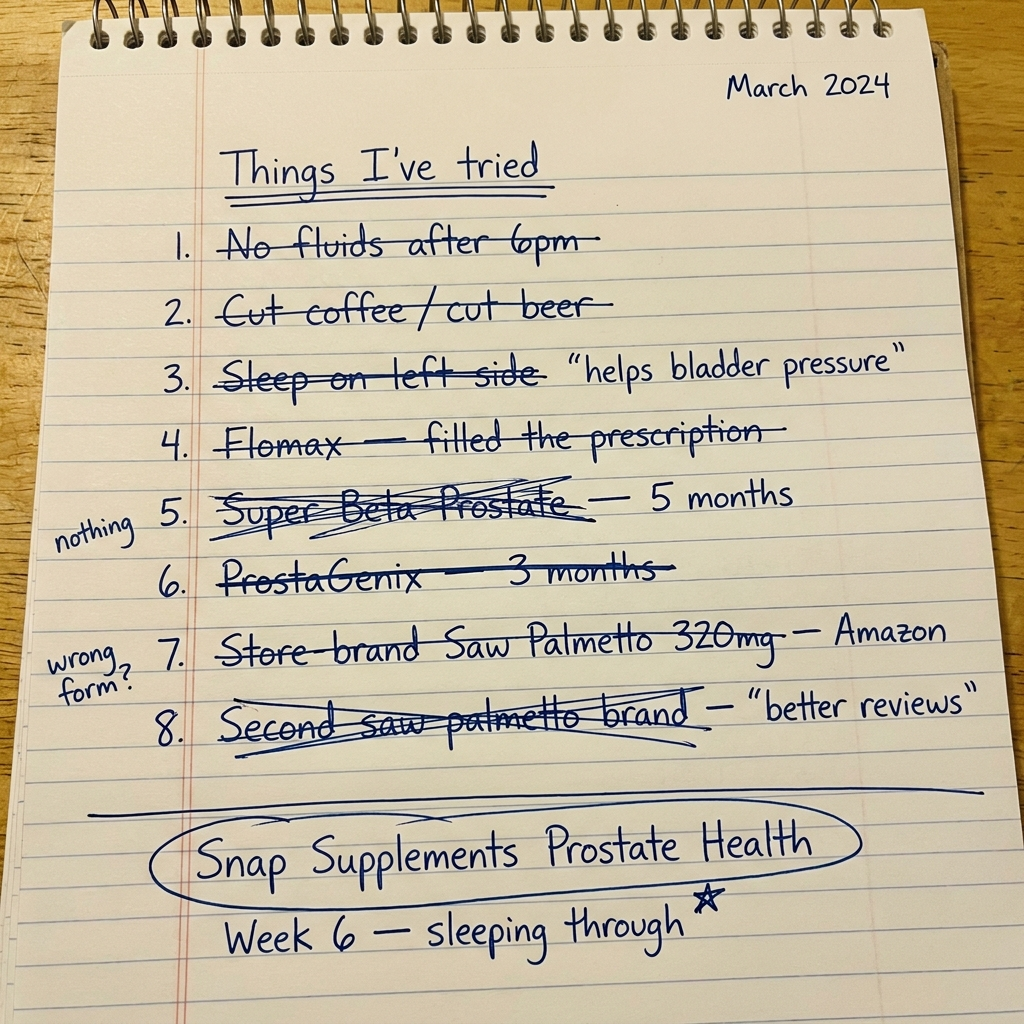
Ran for 36 days, from May 26 to June 30, 2026, the last day Crush saw it.
Run by Dr. Jensen, MD Urology on Facebook. Crush is not the advertiser and does not verify its claims. See this ad in Meta's Ad Library(opens in a new tab)
Want an ad like this for your product?
Crush makes new ad images for your product from this ad: your logo, your product photo, your offer.
Trials from $19.95 USD, then $79.95 USD a month. Cancel anytime.
About this ad
- Meta Ad Library ID
- 990222050220765
- Platforms
- Facebook, Instagram, Audience Network, Messenger and Threads
- Relaunches
- 0
Ad text
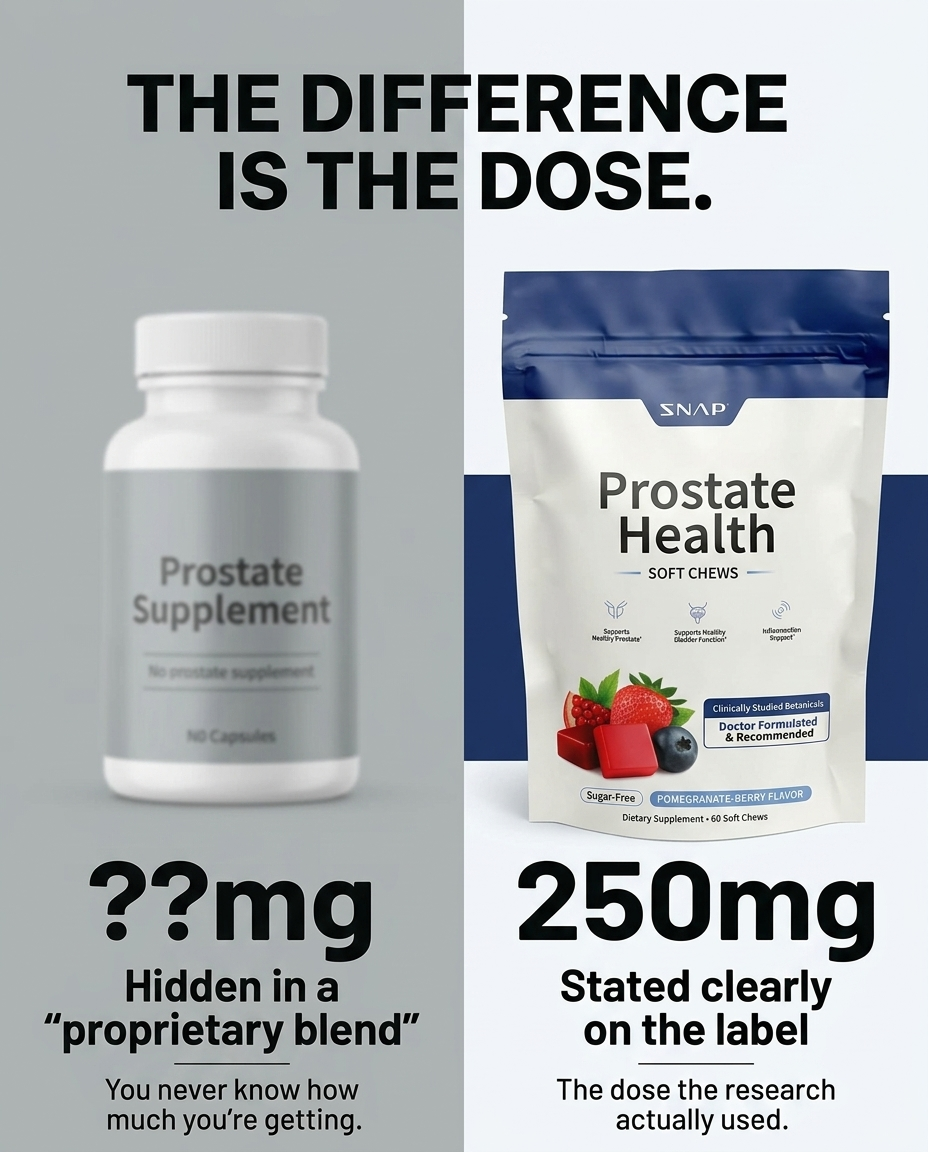
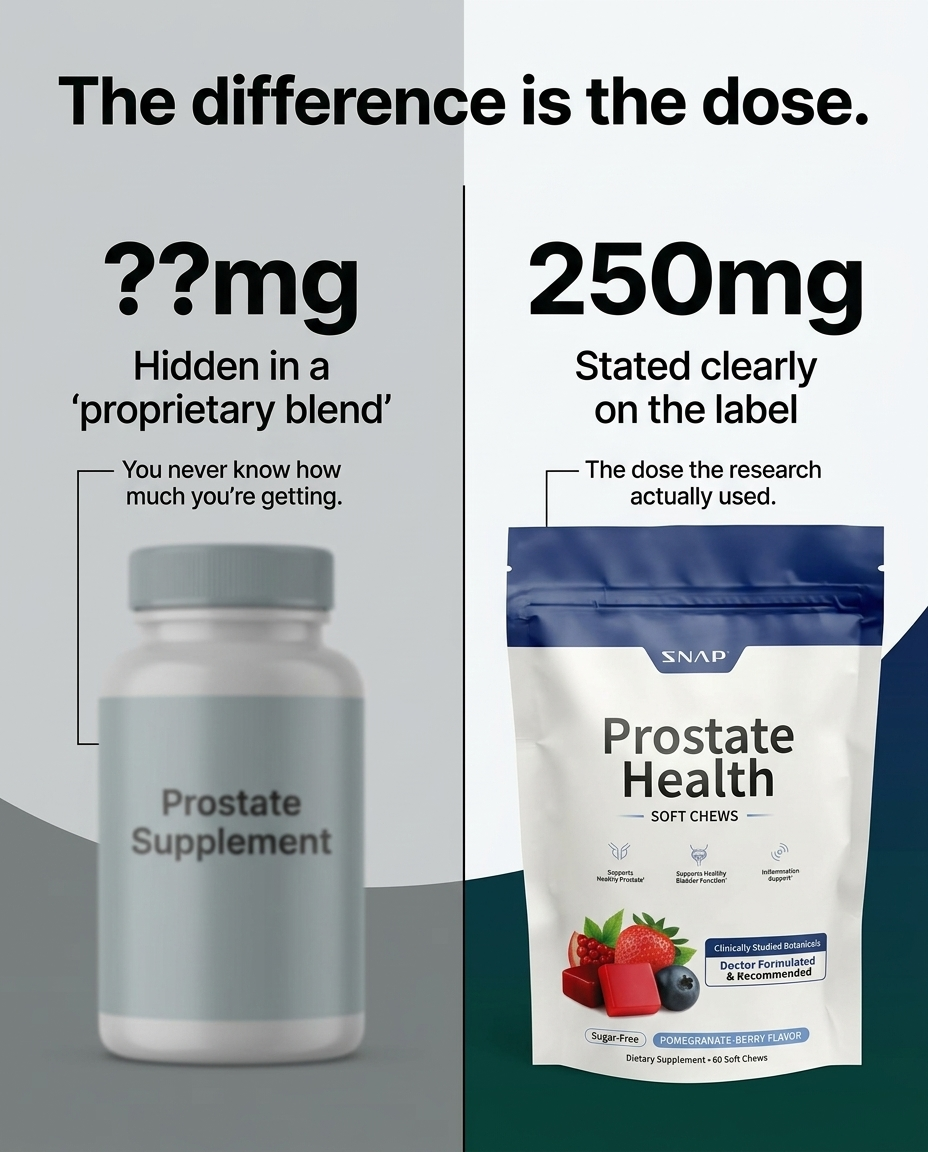
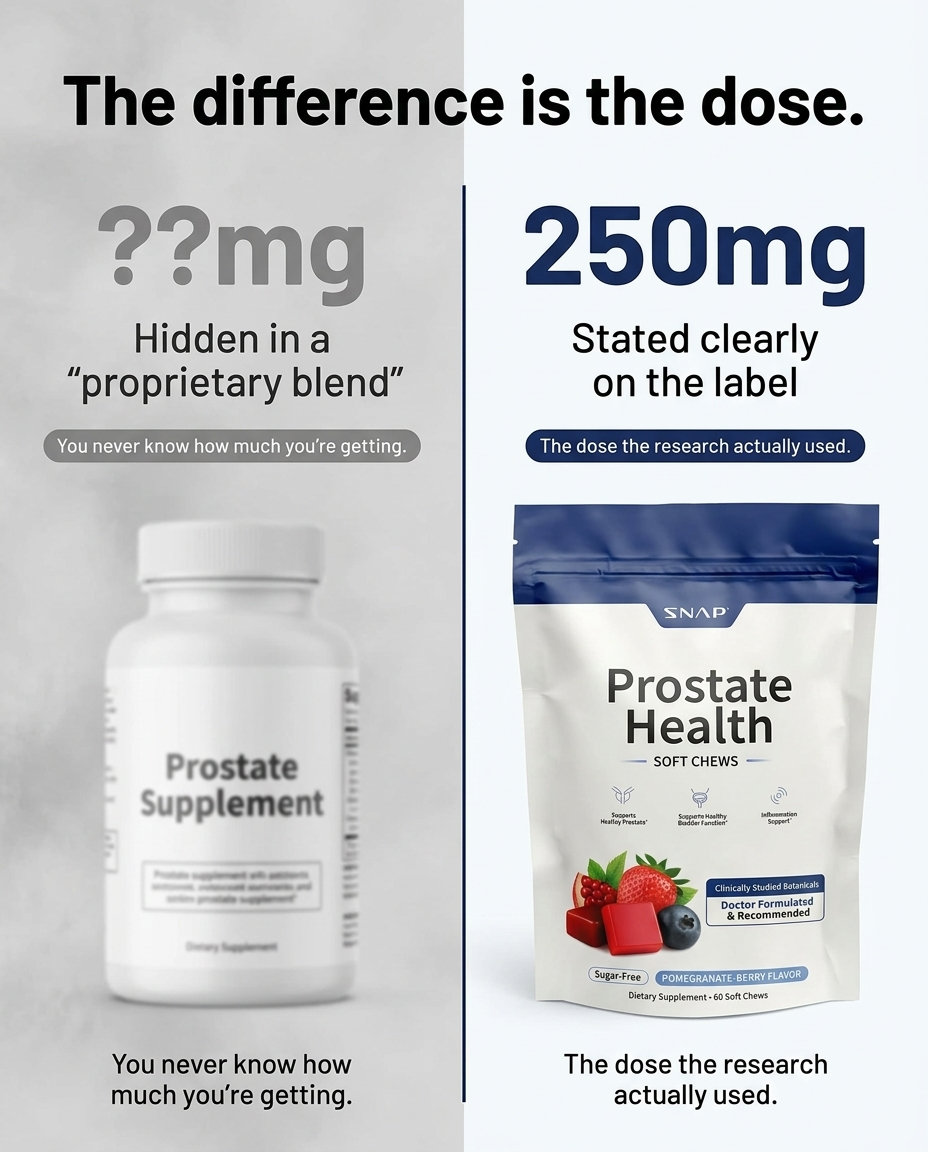
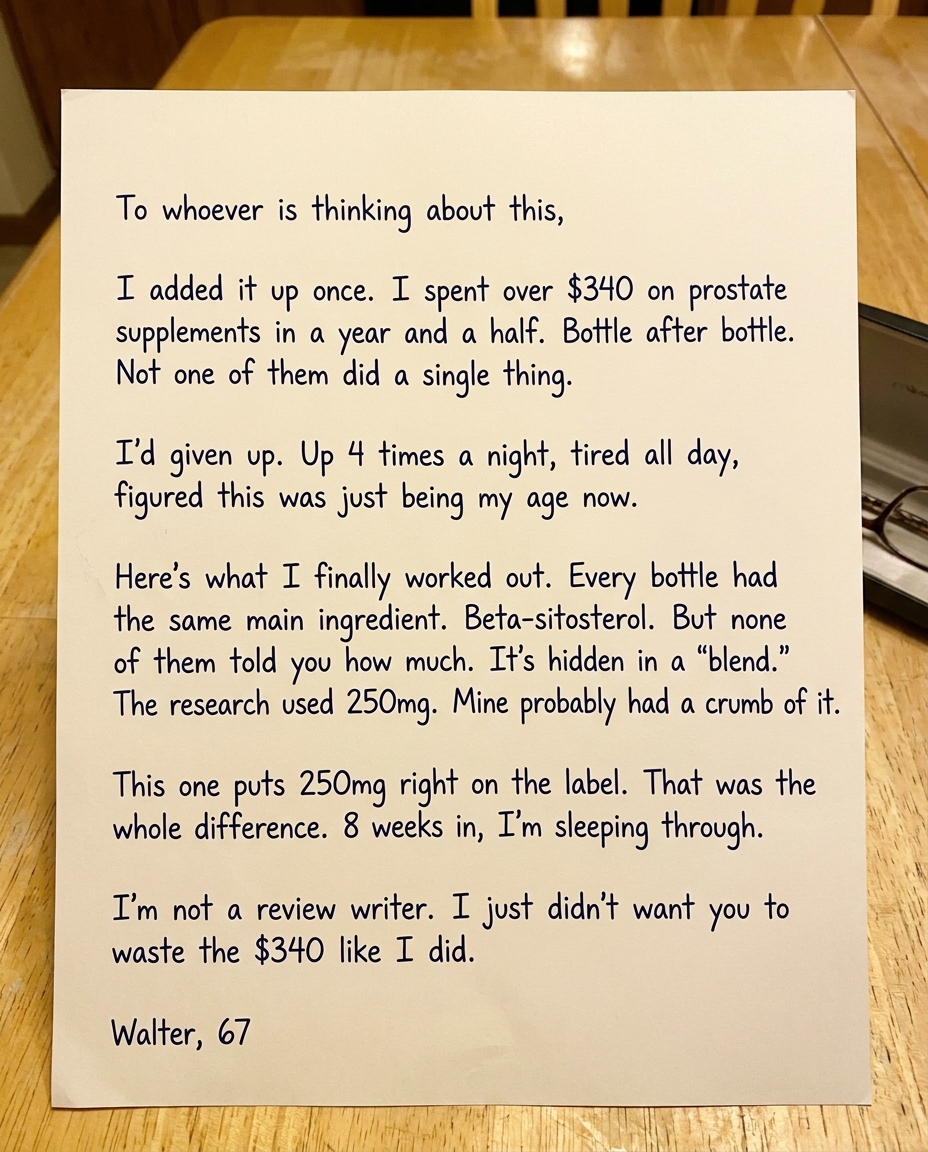
I spent $340 on prostate supplements over 18 months. Every single one failed. The day I found out why, it had nothing to do with the supplements themselves. I am not a man who does things without a system. Thirty-four years in commercial construction project management. My entire career is built on one principle: when something fails, you find the variable, you fix it, and you don't repeat the failure. So when my prostate started becoming a problem, the frequency, the weak stream, the three trips a night, the standing there pushing at nothing, I handled it the way I handle everything. I documented it. Every attempt. Every brand. Every dose. Every duration. Every result. My name is Jim. I'm 61. I want to tell you what I found when I looked at that record properly for the first time. The record starts with the obvious. No fluids after 6pm, three months, strict, no exceptions. Result: marginal. Not worth the misery. Cut coffee and beer, same category, same outcome. Tried sleeping on my left side because something on the internet claimed it helped with bladder pressure. Six weeks. Nothing. The person who writes these things does not have a prostate. Then the medical options. My GP confirmed BPH, common, monitor it, reduce fluids, and offered prescriptions. I tried Flomax for six weeks. The side effects were manageable. The mechanism was not acceptable on reflection. Flomax relaxes a muscle temporarily. It does not shrink a prostate. The underlying problem advances regardless. I documented that and moved on. Then the supplements. And here is where the record becomes interesting. Super Beta Prostate. Five months. Documented weekly. Result: nothing. Not marginal. Nothing. Store-brand Saw Palmetto, 320mg, Amazon. Six weeks. Same result column. ProstaGenix. Three months. More expensive. Better marketing. Same result. Second saw palmetto brand, higher dose, six weeks. Nothing. Third saw palmetto, labelled "standardised extract." Two months. Nothing. Lifestyle changes across the full eighteen months. Eight months of documented effort across every category. No measurable improvement. I looked at the full record. Nine rows. Nine different approaches. Same outcome column every time. Total cost: approximately $340 and eighteen months of my life. I am a project manager. When I get the same result nine times I do not conclude the experiment is failing. I conclude I am missing a variable. I sat with that record for a long time. And then I noticed something I had not noticed before. Every single supplement on that list, from row three through row eight, had something in common. I had not looked at it properly until that Sunday afternoon. They all listed beta-sitosterol as an ingredient. Every one of them. Different brands, different price points, different marketing claims. All of them included beta-sitosterol somewhere in the formula. And not one of them told me how much. Beta-sitosterol is a plant sterol. It has more direct and consistent clinical evidence for BPH symptom relief than almost anything else in this category. The Cochrane review on it showed significant improvement in urinary flow, significant reduction in nighttime trips, measurable changes in prostate symptoms. The research used 250 milligrams. I went back through every bottle on my list. Every single one listed beta-sitosterol inside a proprietary blend. No disclosed amount. Just the ingredient name, sitting in a list with seven or eight other things, no numbers attached to any of them. I started looking up what that actually means. Two hours on a Sunday afternoon. Supplement companies are not required by law to disclose the individual amounts of ingredients inside a proprietary blend. They can list beta-sitosterol prominently. They can feature it in the product name. They can put it on the front of the box in bold letters. And they can include it at any dose they choose, including doses far below what the clinical research used, and the label is completely legal either way. Two hundred and fifty milligrams is the dose the research used. The dose that appeared in the trials showing real results. The dose that actually moved the needle on prostate volume and symptom scores. I had been buying products listing the right ingredient at completely undisclosed amounts. Nine rows. Same result column. Not because beta-sitosterol doesn't work. Because I had almost certainly never taken enough of it. I had been varying the packaging. I had not been varying the dose. And I could not have varied the dose because none of the labels told me what the dose was. The missing variable was not the ingredient. It was the disclosure. There was something else. Prostate enlargement does not operate through one mechanism. It operates through two simultaneously. The hormonal side, DHT accumulating in prostate tissue and driving the growth, and an inflammatory process that compounds it. The formulations showing real clinical outcomes had not relied on a single ingredient at a single dose. They had combined adequate beta-sitosterol for the hormonal pathway with botanical support targeting the inflammatory pathway at the same time. Nettle root for urinary flow and bladder comfort. Reishi mushroom for inflammation and immune function. Pomegranate peel for antioxidant cellular protection. Zinc and selenium for hormone metabolism and cellular health. Every product I had tried had either one pathway addressed at an undisclosed and likely inadequate dose, or multiple ingredients at amounts too small and too hidden to collectively do anything. I had been trying to fix a two-mechanism problem with products that wouldn't even disclose their mechanism one dose. I went back to the record. I found a product that listed 250mg of premium plant sterols directly on the label. Not in a proprietary blend. Not undisclosed. Two hundred and fifty milligrams, clearly stated, alongside nettle root extract, reishi mushroom, pomegranate peel, zinc and selenium. The dose the research used. The multi-pathway combination. Transparent about every amount. I added it to the list. Not as a hope. As the next logical variable. Week two: trips reduced. I noted it without interpreting it. One data point. Week six: sleeping through. I noted that too. Week nine: my GP ran the scheduled follow-up. Prostate metrics measurably improved. He looked at the numbers and asked what I had changed. I told him about the dose. About 250mg of plant sterols being the amount the clinical research actually used. About the difference between listing an ingredient and disclosing the amount. About the multi-pathway formula addressing both the hormonal and inflammatory mechanisms simultaneously. He asked for the study citations. I sent them that afternoon. I went back to the record and added the result column entry for row ten. Week 2: trips reduced. Week 6: sleeping through. Week 9: GP confirmed prostate volume reduced. Then at the bottom, circled: Should have checked the dose first. I am writing this because I had the same ingredient in nine different products and the same result nine consecutive times and I never asked how much of that ingredient any of them actually contained. None of them told me. They were not required to. The dose is the variable. It explains every prostate supplement that produced nothing. Most products include beta-sitosterol because it looks credible on a label. Very few include it at 250mg because that costs more to manufacture and the label looks identical either way. And because proprietary blends carry no disclosure requirement, most men spend months taking something and never understand why nothing changed. The product is Skulpt Prostate Health Chews. Link is below. Before you decide anything, check whether the plant sterol dose is clearly stated on the label. Check whether the formula addresses both the hormonal and inflammatory mechanisms simultaneously. That is what I should have checked at row three. $340. Eighteen months. Nine rows. The tenth row is the one with the star next to it.
Where the ad sends people
tryskulpt.com
The clinical studies my doctor had never seen
Read by 47,000 men this week
Learn more: tryskulpt.com(opens in a new tab)