
Inactive· since May 19, 2026
- 8
- days it ran
- 0
- relaunches
Ad copy
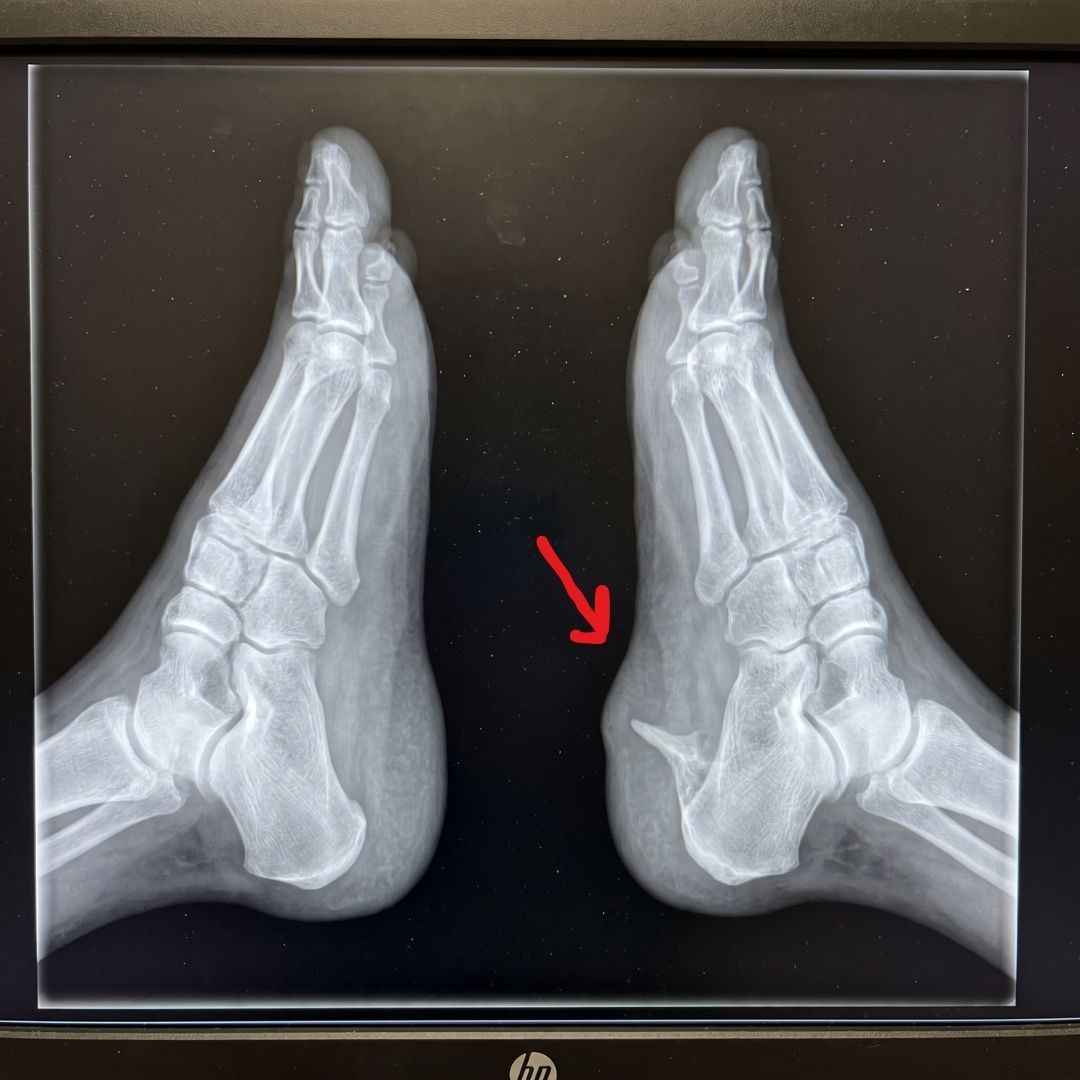
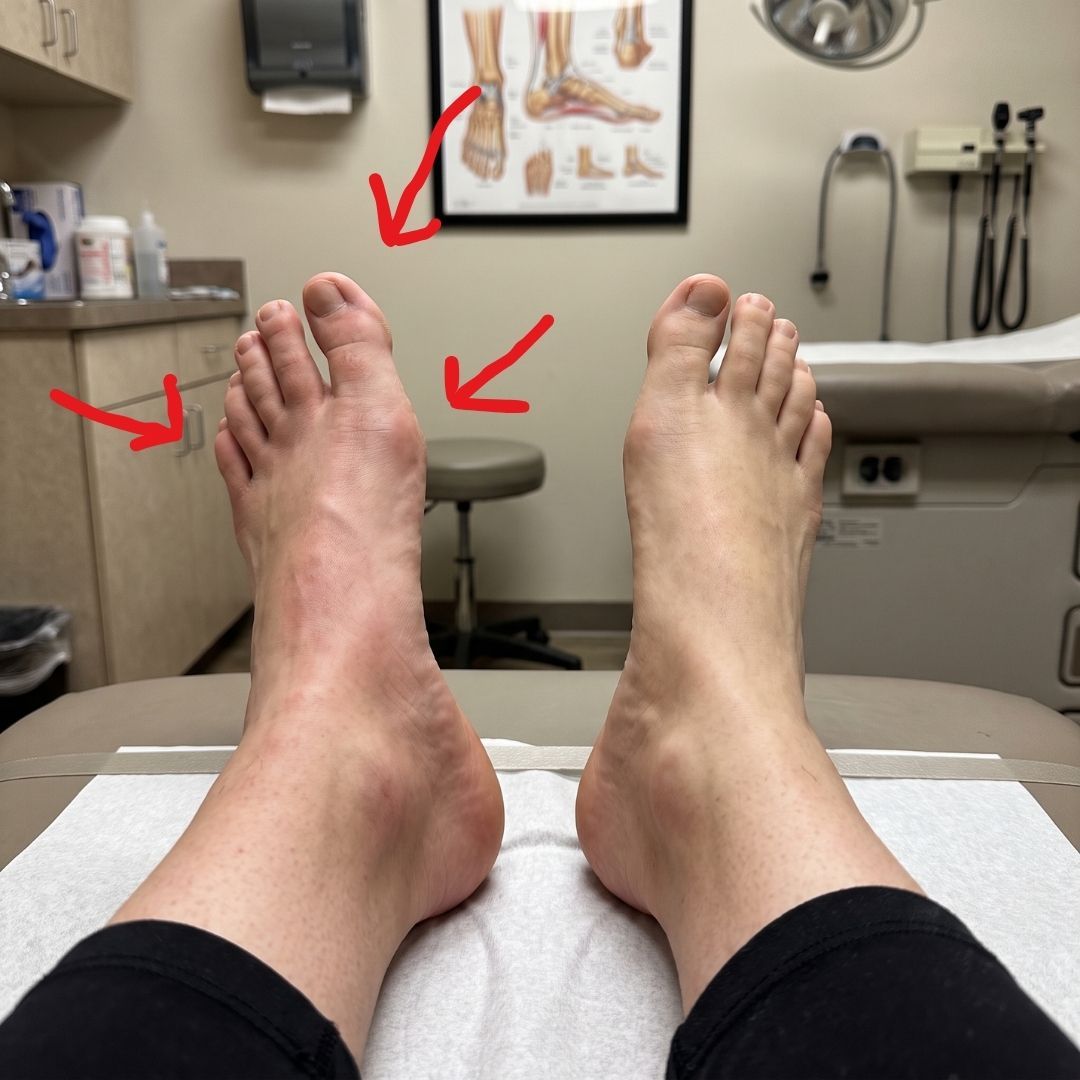
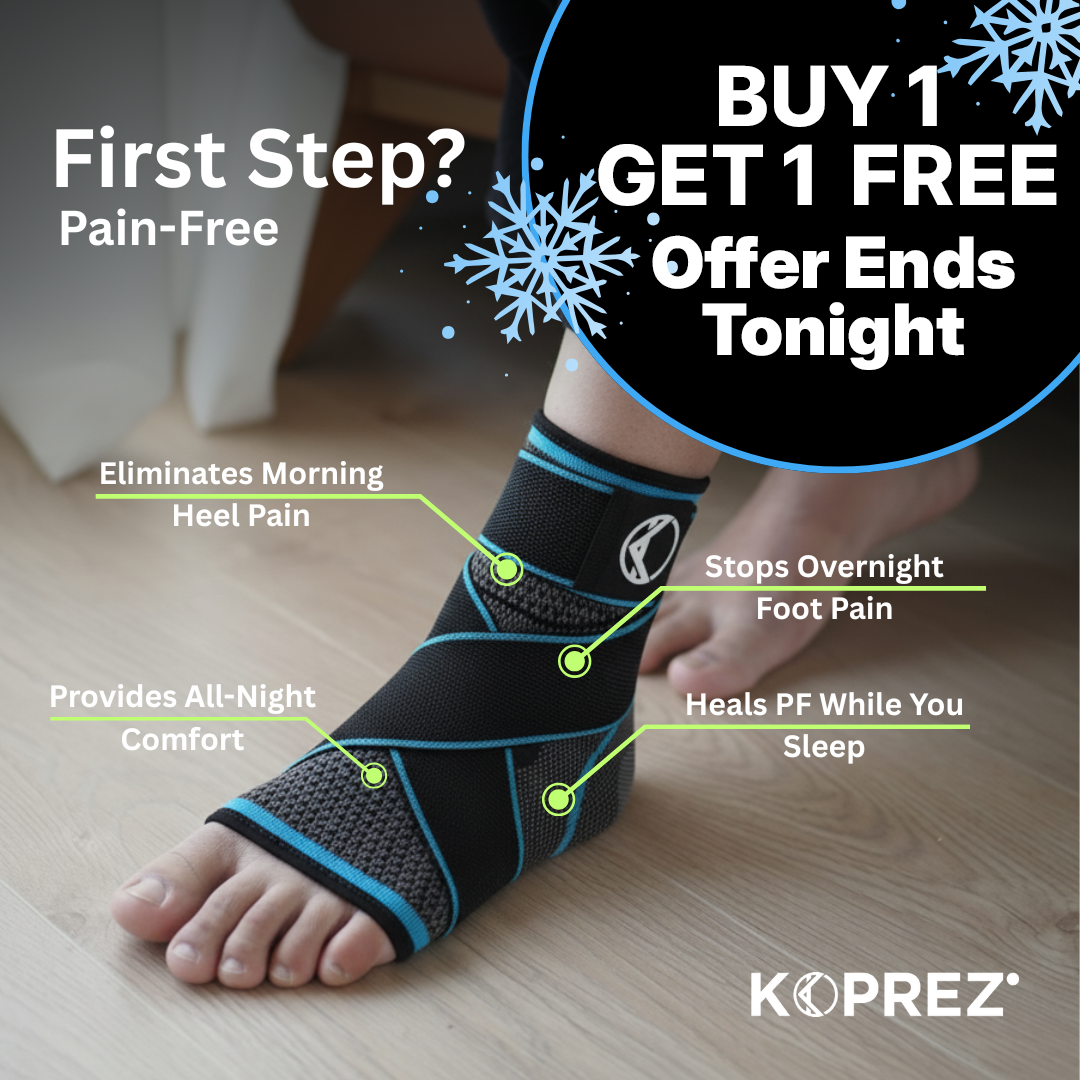
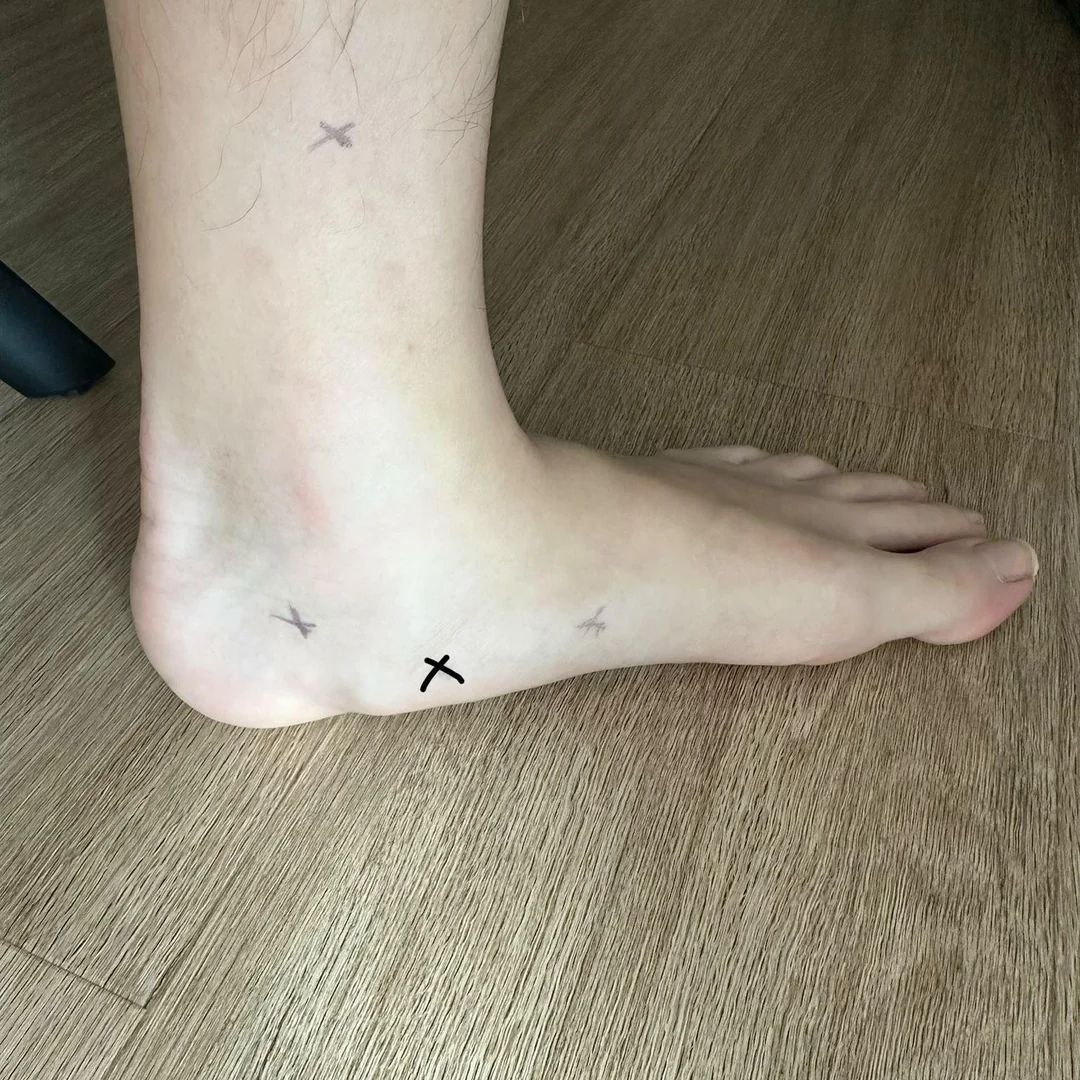
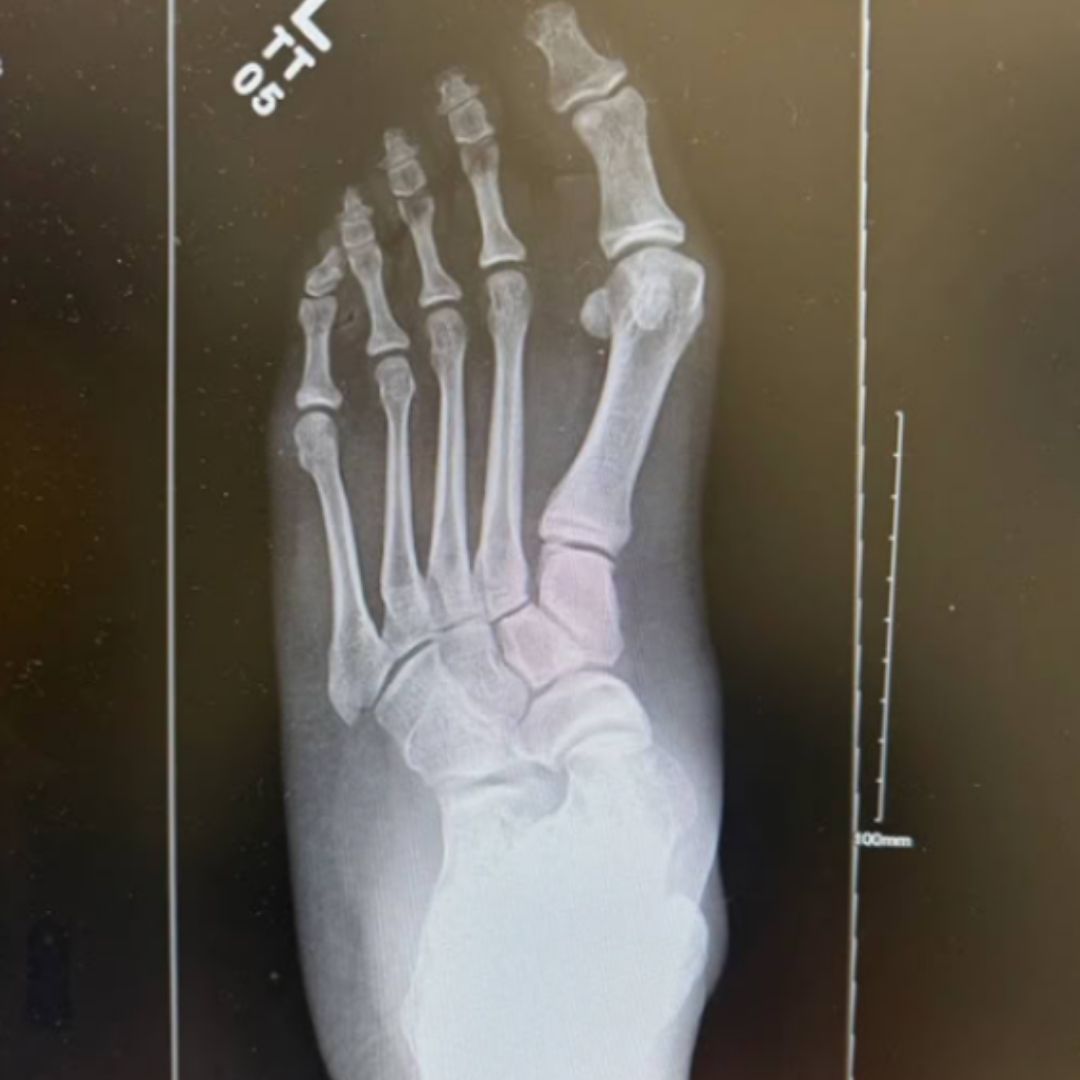
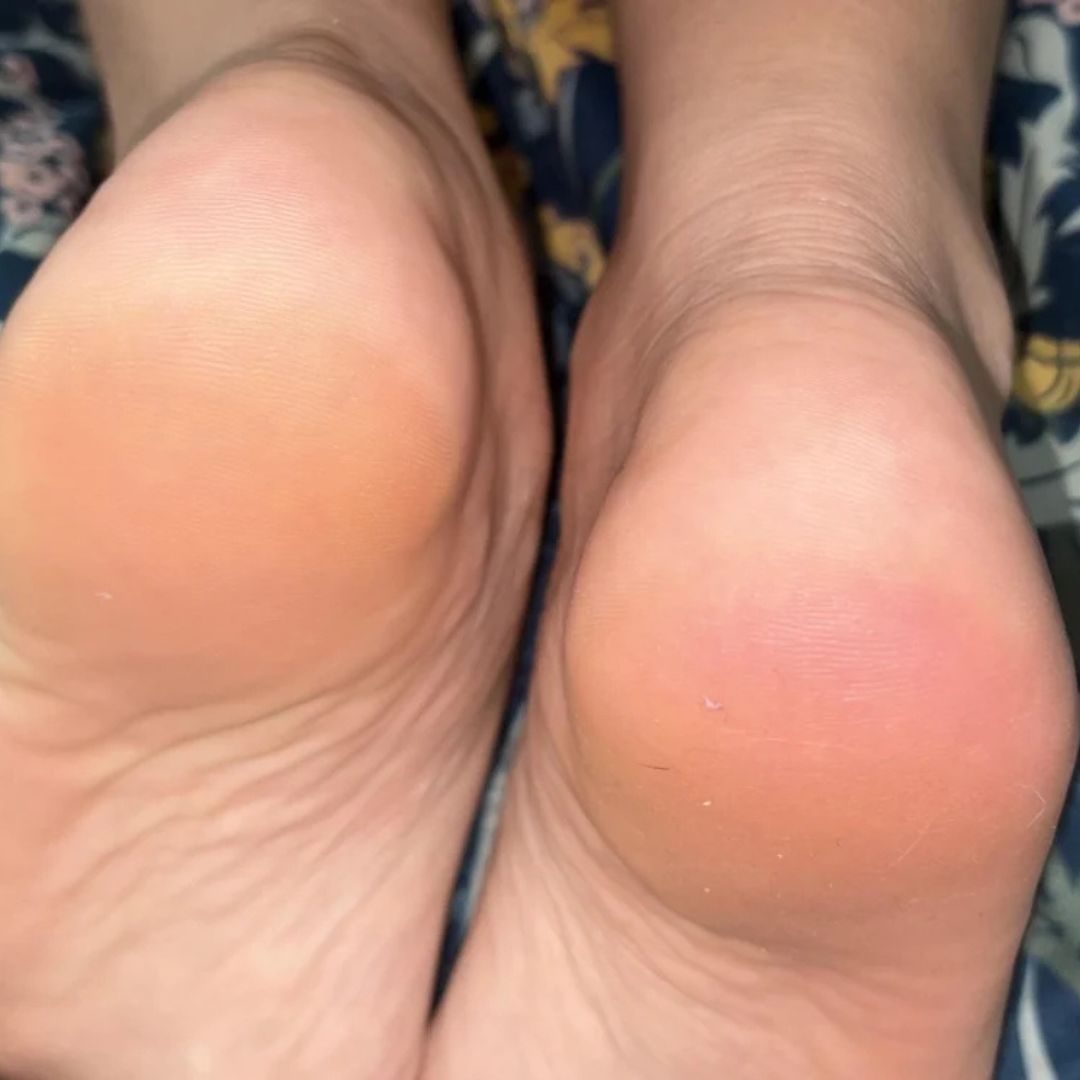
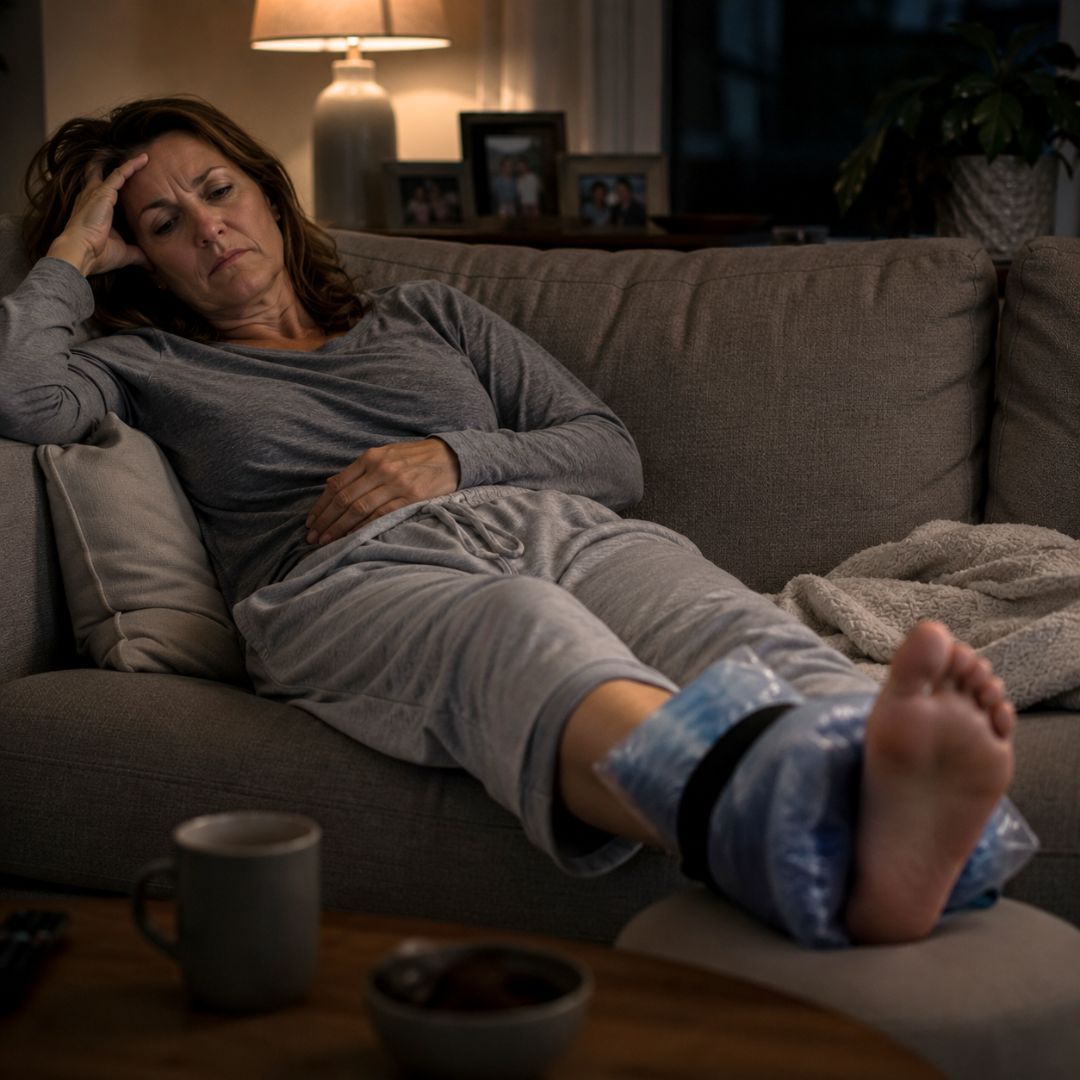
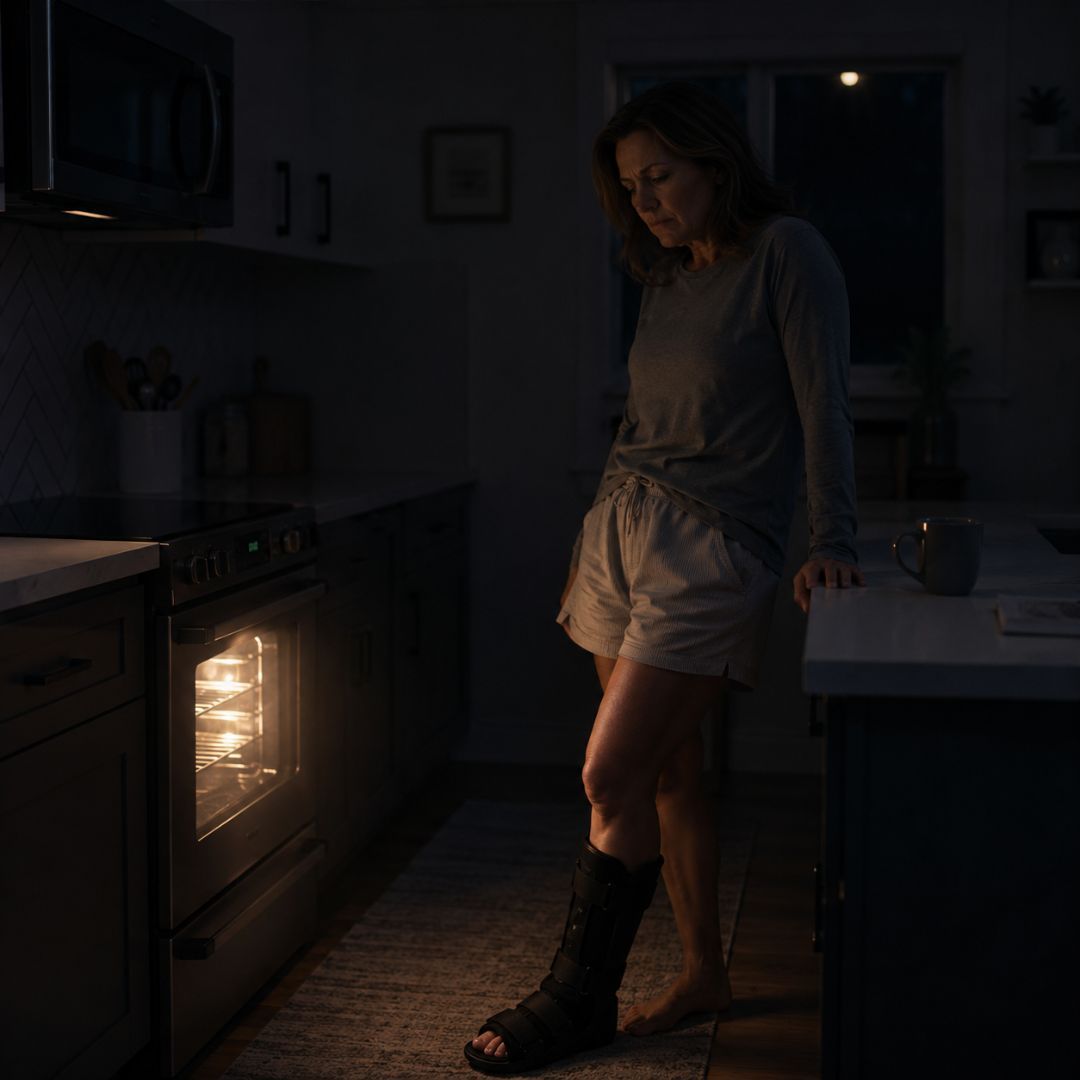
After menopause, women lose up to 30% of their collagen, including the cushion under their heel. That's why your feet feel different now. If your feet started hurting somewhere in your 50s and the pain has been waking you up at night, I want to say one thing before we go anywhere else. It’s not in your head. It’s not because you walked too much in your 30s. It’s not because you waited too long to switch to better shoes. I started looking into this after spending an evening on r/Menopause on Reddit. The pattern in the thread was unmistakable. One woman wrote that just when she thinks something can't possibly be perimenopause-related, someone makes a post about it proving her wrong, and that her feet hurt all the time. That they wake her up in the middle of the night they hurt so badly. Another woman replied that hers had been aching all night, that she never used to have heel pain, but it was a constant issue now. A third said her feet drive her crazy in perimenopause, that she’s not diabetic and not really overweight, and there seems to be no solution to the problem. A fourth wrote that her doctor told her foot and hand pain were an early sign that her hormones were starting to fluctuate, because it takes longer for the extremities to adjust to hormonal changes. Another woman said that once she started HRT, her symptoms got 90% better. The thread was 600 comments long. The same story, told 600 different ways. What almost nobody is connecting for these women is the single mechanism running underneath all of it. The plantar fascia—the thick band of tissue along the bottom of the foot—is collagen. The fat pad under your heel that absorbs every step you take is collagen. The connective tissue in your hands, your Achilles, the cartilage in your joints—all collagen. And collagen production is estrogen-dependent. When estrogen drops in perimenopause and stays low after menopause, collagen production drops with it. Studies estimate the loss at about 2% per year, with up to 30% of skin and connective-tissue collagen lost in the first 5 years after menopause alone. In your feet, that drop shows up in 2 specific places at once. The plantar fascia gets less elastic and more brittle. Small tears that used to heal in days now linger for weeks. The fat pad under the heel, which used to be 18 millimeters thick and springy, gets thinner and stops compressing properly. Researchers call this “fat-pad atrophy.” Patients call it walking on bone. Now combine those two changes with a third one: the fascia is one of the most blood-starved tissues in the body even when it's perfectly healthy. When collagen production drops and the tissue starts breaking down, your body can’t keep up with repair. Every step you take during the day puts a fresh micro-tear in tissue that has no resources to heal it. This is the part most physical therapists who work with menopausal women understand—but that the women themselves are almost never told. After about four weeks of this, what's happening in your foot is no longer inflammation. It’s degeneration. A landmark study published in The Journal of Physical Medicine and Rehabilitation took biopsies from 50 cases of chronic plantar fasciitis. Zero showed inflammation but 100% showed degenerated, breaking-down tissue. That is why the things you’ve tried haven’t worked. Ice, ibuprofen, and the rest were designed for an inflammation problem you no longer have. I know more than one woman in this thread said she could only wear Birkenstocks when the pain was at its worst. But the thing is, while Birkenstocks redistribute pressure, they don't help damaged tissue rebuild. Same with Vionic clogs and Hoka Bondis. Both add cushioning to a heel that had lost its own cushion. And the plantar fascia toe stretches your PT prescribed were written for a 35-year-old foot? Let’s say you’re 58. Your 58-year-old foot has lost up to 30% of its collagen. And HRT helped a lot of you, but HRT alone does not rebuild fascia that’s already been breaking down for months or years. What the post-menopausal foot actually needs is different. Two things have to happen at the same time. One: Blood flow has to increase enough to deliver oxygen and nutrients to fascia tissue that’s starving for them. Without circulation, the tissue can’t rebuild, regardless of what you put under it. Two: The constant micro-tearing has to stop. You have to off-load enough of the mechanical stress that fascia gets to repair during the day, instead of letting it get torn open again and again with every step. Do those two things at the same time and a quiet thing happens. The tissue starts to heal. As it heals, it tolerates more load. Less tearing means more blood flow, and more blood flow means more healing. The cycle reverses. Until recently, almost no product on the market did both. Standard compression sleeves squeeze the surface and never reach the deep fascia. Insoles redistribute pressure but do nothing for circulation. The two therapies menopausal feet need most have required two different products. Which is why the standard self-care toolkit keeps producing the same plateau for women with plantar fasciitis. That is why I started recommending the Koprez Plantar Fasciitis Sleeve to readers writing in about midlife heel pain. It was developed in collaboration with a physical therapist over 26 prototypes specifically for chronic, degenerative foot tissue—the exact pattern that develops in women after the menopause transition. It uses a system the engineers call Biolateral Circular Compression, which is designed to drive blood deep into the plantar fascia rather than just squeeze the surface. Targeted circulation finally reaches the layer where the degeneration is actually happening. Underneath that, Polyaxial Support Straps work like the cables on a suspension bridge—carrying the load of every step so the damaged fascia and the thinning fat pad don't have to. The micro-tearing slows. The healing window finally opens. ⭐ Helen, 58, Oregon ⭐ I went into menopause at 51 and my feet started hurting at 52. I didn't connect the two until years later. I also have hand pain. I also wake up at 3 a.m. for no reason. By 56 I could barely walk my dog around the block. I had every orthotic, insole, and pair of so-called “good shoes.” The Koprez sleeves were the first thing that made a difference I could feel within the first week. I’ve been wearing them every day for four months, and I walk two miles every morning now. ⭐ Diane, 62, Massachusetts ⭐ I had given up on feeling my feet again. I’m a retired nurse, on my feet my whole career, and I assumed this was simply the bill coming due. My daughter found Koprez and bought them for me. I cried the first morning I stood up without that stabbing feeling in my heel. And now it’s been six weeks since I’ve taken ibuprofen. ⭐ Margaret, 55, Texas ⭐ I spent over $2,300 on shoes, orthotics, and two rounds of physical therapy with no real change in foot pain. These sleeves did more in three weeks than any of the rest of it did in three years. I’m hiking with my husband again. I had stopped telling him about my feet because there was nothing left to say. If your heel pain started somewhere in your 50s and it’s part of a longer list of midlife body changes no doctor has been able to fully address, here’s what I want you to take with you. It’s not your imagination or a failure on your part, and it’s not “just aging” either. It’s biology. The standard plantar fasciitis playbook was written for an inflammation problem you don’t have, by people who weren’t even considering your hormones. Restore the blood flow. Stop the tearing. Let the tissue rebuild. Koprez is currently running a buy-1-get-1-free promotion and every order is backed by a 30-day results-or-refund guarantee. If you don't feel a real, lasting difference within a month, the company refunds every cent. Most women in this age range start to feel a change within two or three weeks of wearing them. Click below and give your feet a real chance to repair: https://offers.koprez.com/deg P.S. Koprez is a small operation and the BOGO promotion has caused sell-outs in the pastl. If the page loads with sleeves available, I'd act now. I've heard from readers who waited six weeks for a restock. P.P.S. The reviews on the company's page tell the same story over and over. Women in their 50s and 60s who tried five different things or 8, or 12, before this one. Read some of the reviews. The pattern is hard to miss. 🇺🇸 Shipped From USA 🔬 Developed With 20+ Years of PT Clinical Experience ⭐ Thousands of 5-Star Reviews 🧦 Slim Design, Fits Discreetly In Any Shoe 📦 Ships Worldwide 💵 30-Day, 100% Money-Back Guarantee
It’s Not Aging-Related. It’s Estrogen-Related. Here’s What Most Doctors Miss About Heel Pain.
Aching feet, stiff hands, broken sleep? It’s all part of the same problem….
SHOP NOWLike this ad? Make it yours.
Crush rebuilds this exact creative around your product — your brand, your colors, your offer — in about a minute.