Crysta Rollins
 Facebook ad: “You are reading the Bible wrong.”
Ran for 25 days, from October 23 to November 17, 2026, the last day Crush saw it.
Run by Crysta Rollins on Facebook. Crush is not the advertiser and does not verify its claims. See this ad in Meta's Ad Library(opens in a new tab)
Make your own version of this ad
Crush makes it, launches it in your own Meta ad account, scales the winners and pauses the losers.
About this ad
- Meta Ad Library ID
- 996498676051153
- Platforms
- Facebook, Instagram, Audience Network, WhatsApp and Threads
- Relaunches
- 0
- Niche
- Education & Courses
Ad text
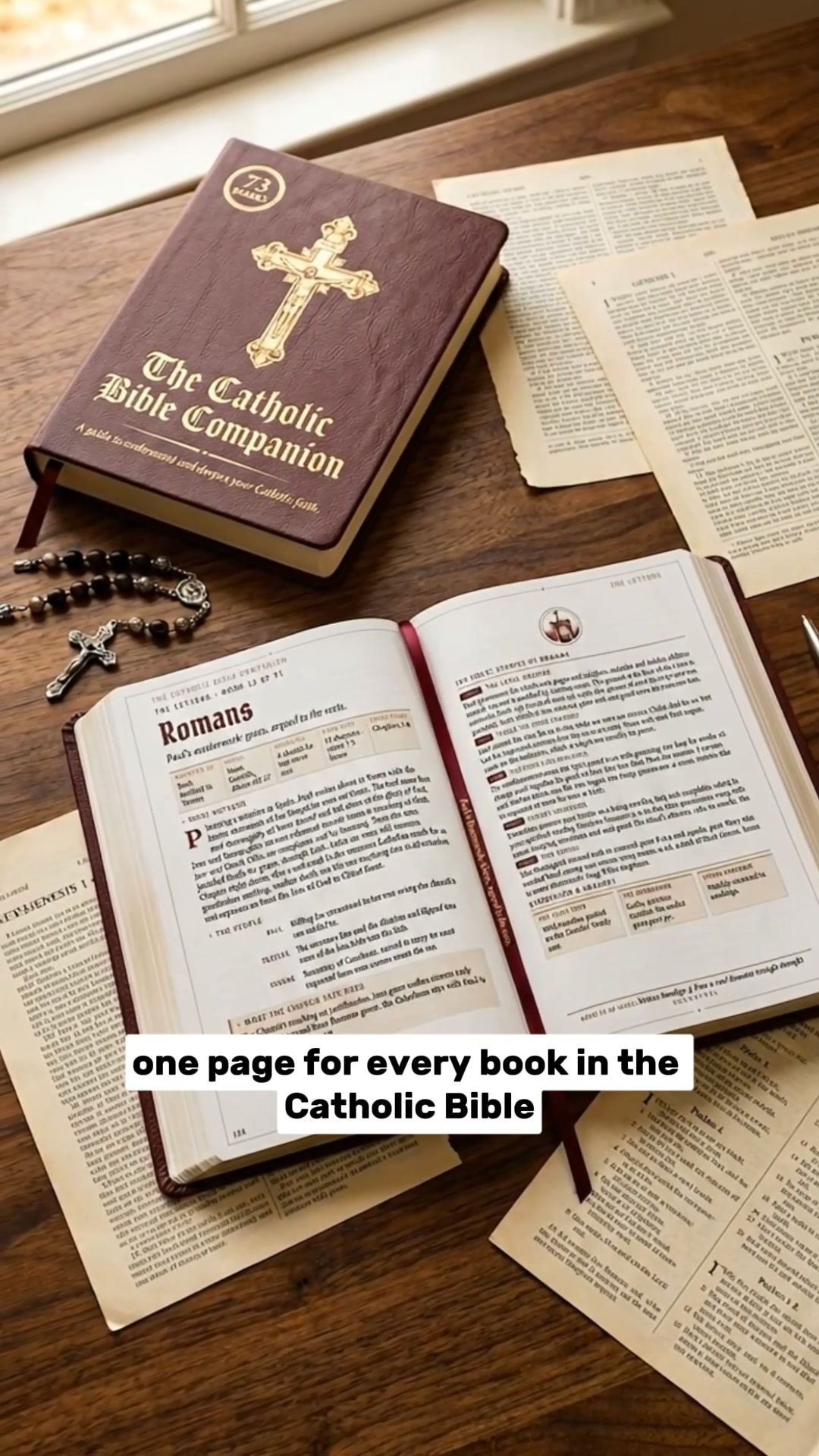
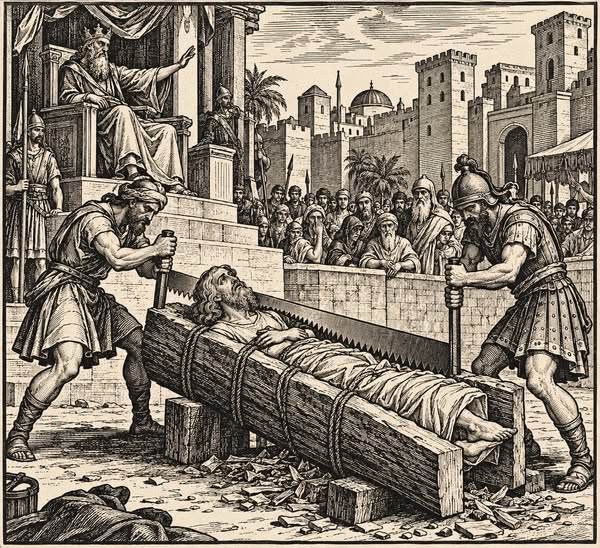
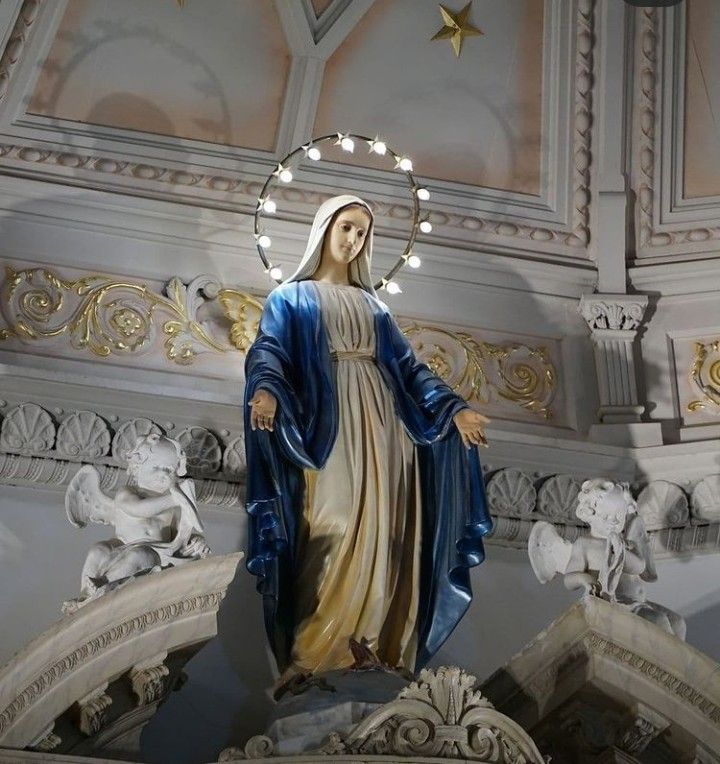
Hail Mary, full of grace, the Lord is with thee. You have said that prayer ten thousand times. Maybe more. Since you were seven years old. Kneeling at the side of your bed. Standing in the pew with the rosary wrapped around your fingers. Whispering it in the car on the way to the hospital when your mother was sick. And almost nobody knows what any of it actually means. Not the feelings it gives you. Not the comfort. What the words actually mean. Where they came from. Why the angel said them the way he said them. Why the Church built an entire prayer around a single sentence from the Gospel of Luke. Because every word in that prayer is doing something specific, historical, and real that most Catholics have never been told. I hadn't been told either. And I've been cantoring at St. Anne's in Covington, Louisiana for 19 years. My name is Rosemary. I'm 61. I have prayed the Hail Mary every day since my First Communion. I have prayed entire rosaries — all four mysteries, all twenty decades — on my knees in the adoration chapel at 6 in the morning before work. And until three months ago, I could not have told you what "full of grace" actually means in the original Greek. Here is what it means. And here is why it stopped me cold when I finally learned it. "Hail Mary, full of grace." That is Luke 1:28. The angel Gabriel appears to Mary. And the word the angel uses — the word that gets translated "full of grace" — is kecharitomene. It is a Greek word that appears exactly once in the entire Bible. Once. Nowhere else. Only here. Only for her. It is a perfect passive participle. Which means it describes something that has already been completed. Not something happening in the moment. Not something being given to her right now. Something that was already finished before the angel arrived. Mary was not being filled with grace in that moment. She was already completely filled with it. Before the angel spoke. Before the Annunciation. Before she said yes. The grammar tells you that. The tense tells you that. The form of the word tells you that. And that one word — that one grammatical form — is the scriptural foundation for the Immaculate Conception. Mary was conceived without original sin. She was full of grace from the beginning. The angel didn't give it to her. He acknowledged it. He greeted her BY it. As if it were her name. I have prayed that prayer since I was seven years old. I did not know any of that until I was 61. "The Lord is with thee." In the Old Testament, that phrase appears a handful of times. It is said to Moses. To Joshua. To Gideon. Every single time, it is said to someone God is about to send on a mission that will change the world. Gabriel is not making small talk. He is commissioning her. The same way God commissioned the leaders of Israel. And she is the only woman in the Bible who receives it. "Blessed art thou among women, and blessed is the fruit of thy womb, Jesus." That is Luke 1:42. Elizabeth says it. But what most Catholics don't know is what happened the moment before Elizabeth said it. Luke 1:41. "When Elizabeth heard Mary's greeting, the infant leaped in her womb, and Elizabeth was filled with the Holy Spirit." The baby — John the Baptist, still unborn — recognized Jesus in Mary's womb. An unborn child recognized an unborn God. Before either of them had been born. Before either of them had spoken a word or performed a miracle or been baptized. Elizabeth's greeting is not her opinion. She has just been filled with the Holy Spirit. What she says next is prophecy. "Blessed art thou among women" is the Holy Spirit speaking through Elizabeth about Mary. And then she says something that most Catholics pray right past without hearing it. Luke 1:43. "And how does this happen to me, that the mother of my Lord should come to me?" The mother of my Lord. Elizabeth — filled with the Holy Spirit — calls Mary the mother of the Lord. Not the mother of Jesus. Not the mother of the baby. The mother of the LORD. That is a divine title. Elizabeth, under the inspiration of the Holy Spirit, is declaring that the child in Mary's womb is God. And she is calling Mary the Mother of God. That is not a Catholic invention. It is not a medieval addition. It is not something the Church made up at a council. It is in Luke's Gospel. Chapter 1. Verse 43. Spoken by Elizabeth. Under the direct inspiration of the Holy Spirit. The next time someone tells you that Catholics invented the idea that Mary is the Mother of God, you have the chapter and the verse and the speaker and the source of her authority. "Holy Mary, Mother of God, pray for us sinners, now and at the hour of our death." That is the part the Church added. And every word of it is built on what came before. Holy — because kecharitomene. Because she was full of grace before the angel arrived. Because the Immaculate Conception is not a feeling. It is a grammatical fact in the original Greek. Mother of God — because Elizabeth said it. Under the inspiration of the Holy Spirit. In Luke 1:43. Pray for us sinners — because Revelation 5:8 describes the saints in heaven offering the prayers of the holy ones to God. They are not dead and gone. They are alive and interceding. And if any saint is interceding, the one who carried God in her womb is interceding. Now and at the hour of our death — because she was there at the hour of His death. At the foot of the cross. John 19:26. And He gave her to us. "Woman, behold your son." He gave His mother to the beloved disciple. To the Church. To us. That is the Hail Mary. Every word. Every line. Every phrase rooted in a specific verse, a specific Greek word, a specific moment in the Gospel of Luke and the Gospel of John and the Book of Revelation. And most of us have prayed it ten thousand times without knowing any of that. I didn't know it either. I learned it three months ago sitting at my kitchen table at 11 at night with a small book open in front of me and a pen in my hand and tears running down my face. The Catholic Bible Companion. 73 pages. One for every book of the Catholic Bible. Each page tells you who wrote it. When. Why. What was happening historically. How it connects to the rest of scripture. I read the page on Luke before anything else. Because Luke is where the Hail Mary lives. And that page handed me kecharitomene. It handed me Elizabeth's prophecy. It handed me the mother of my Lord. Then I read the page on John. And it handed me the foot of the cross. "Woman, behold your son." Then I read the page on Revelation. And it handed me the saints interceding. Then I read the page on Wisdom. One of the seven books Martin Luther removed from the Bible in 1534. And it handed me the most detailed prophecy of the crucifixion in the entire Old Testament. "Let us condemn him to a shameful death." Written a hundred years before Jesus was born. In a book that most Protestants have never seen because it is not in their Bible. 73 books. Not 66. Including the seven books that contain the prophecy of the crucifixion, the scriptural basis for praying for the dead in 2 Maccabees 12:46, and the theological foundation for half of what makes us Catholic. I have been Catholic for 61 years. I have been cantoring at St. Anne's for 19. I have prayed the Hail Mary every single day since my First Communion. And I did not know what "full of grace" actually meant until I read one page of this Companion at my kitchen table with a pen in my hand. That is not my fault. And it is not yours. Nobody ever gave us the foundation underneath the words. We got the prayers. We got the readings. We got the rosary beads and the holy water and the genuflection and the sign of the cross. We got all of it. We just never got the roots. This Companion hands you the roots. All 73 books. In plain language. One page each. I read the whole thing in two nights. My friend Carolyn — the one who gave it to me — read it in two nights. Dolores Landry, who has been Catholic longer than I've been alive, read it in one. The Catholic Bible Companion from Selinary. 73 pages. One for every book of the Catholic Bible. It is 50% off right now. Buy two, get your third one free. Get one for yourself. Get one for your mother. Get one for your daughter. Get one for every woman in your parish who has prayed the Hail Mary ten thousand times without knowing what kecharitomene means. It comes with the 60-day Selinary Guarantee. If it doesn't change the way you hear the readings at Mass, send it back. 👉 selinary.com/pages/list Because the Hail Mary is not just a prayer. It is a prophecy. A commission. A declaration of divine motherhood. A grammatical proof of the Immaculate Conception. A statement about the communion of saints. And a gift from the foot of the cross. And you should know that the next time you pray it. — EDIT: Here's that link again: 👉 selinary.com/pages/list P.S. — The next time someone tells you that Catholics worship Mary, ask them this: Did you know that the phrase "full of grace" in the original Greek is a perfect passive participle that means she was already in a permanent state of grace before the angel arrived? Did you know that Elizabeth called her "the mother of my Lord" while filled with the Holy Spirit? Did you know that Revelation describes the saints actively offering prayers to God? We don't worship Mary. We listen to what the Bible says about her. And most of the people who criticize us for it have never read what the Bible actually says. P.P.S. — 73 books. Not 66. Seven of them were removed by Martin Luther in 1534. One of them contains the most detailed prophecy of the crucifixion in the Old Testament. One of them contains the only explicit scriptural basis for praying for the dead. The Catholic Bible Companion covers all 73. Including the seven that were taken from you. The 60-day Selinary Guarantee means if it doesn't change the way you hear the readings at Mass, you send it back and you get every dollar. The risk is on Selinary. The other risk is another ten thousand Hail Marys without knowing what you're saying. P.P.P.S. — Kecharitomene. One word. One grammatical form. One verse. Luke 1:28. It appears exactly once in the entire Bible. Only for her. That single word contains the Immaculate Conception, and you can explain it to anyone who asks — if you know it exists. The Companion gave me that word at my kitchen table at 11 at night. It can give it to you too. 👉 selinary.com/pages/list ---
Where the ad sends people
https://selinary.com/pages/list
You are reading the Bible wrong..
Learn more: selinary.com(opens in a new tab)