
Inactive· since May 26, 2026
- 22
- days it ran
- 0
- relaunches
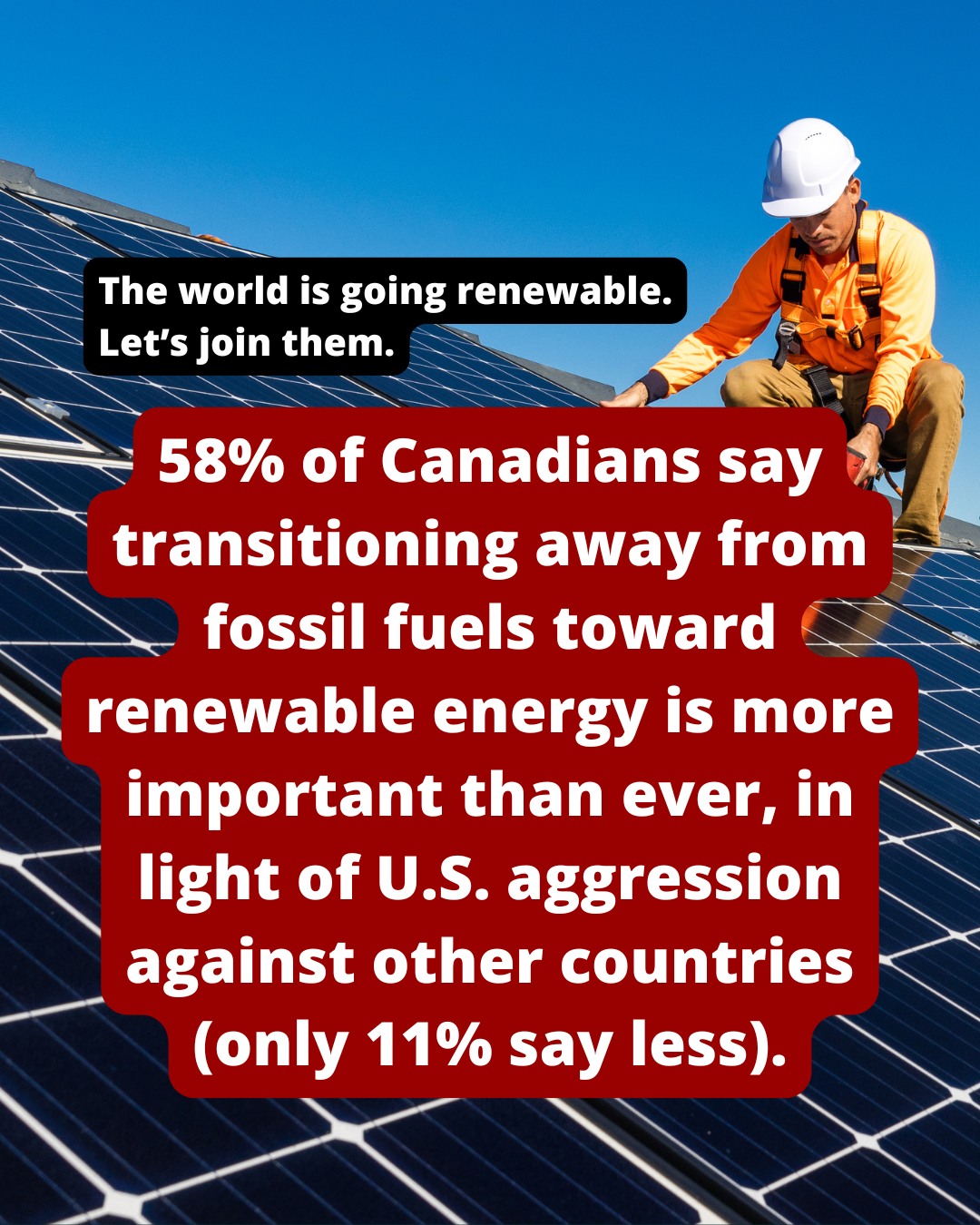
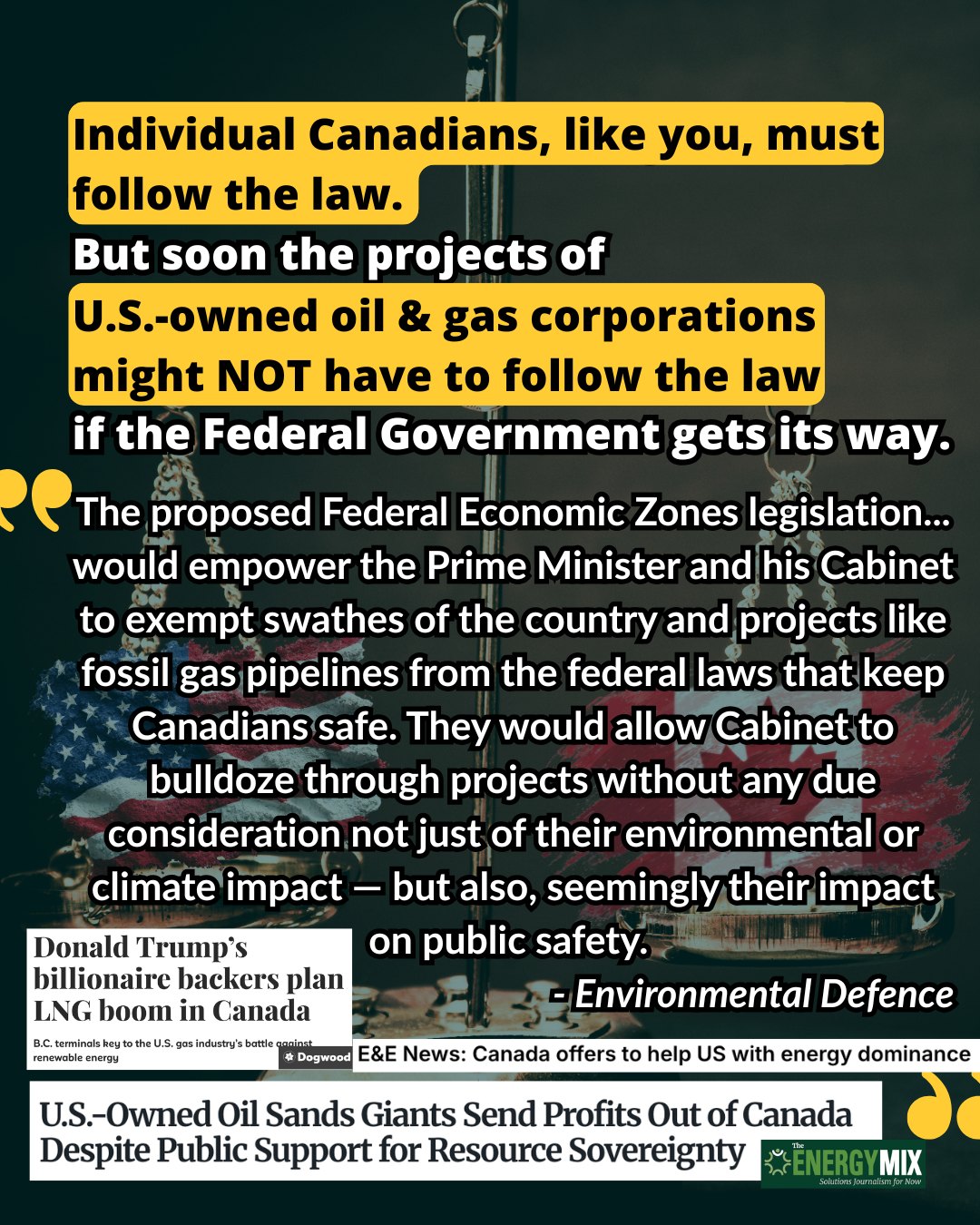
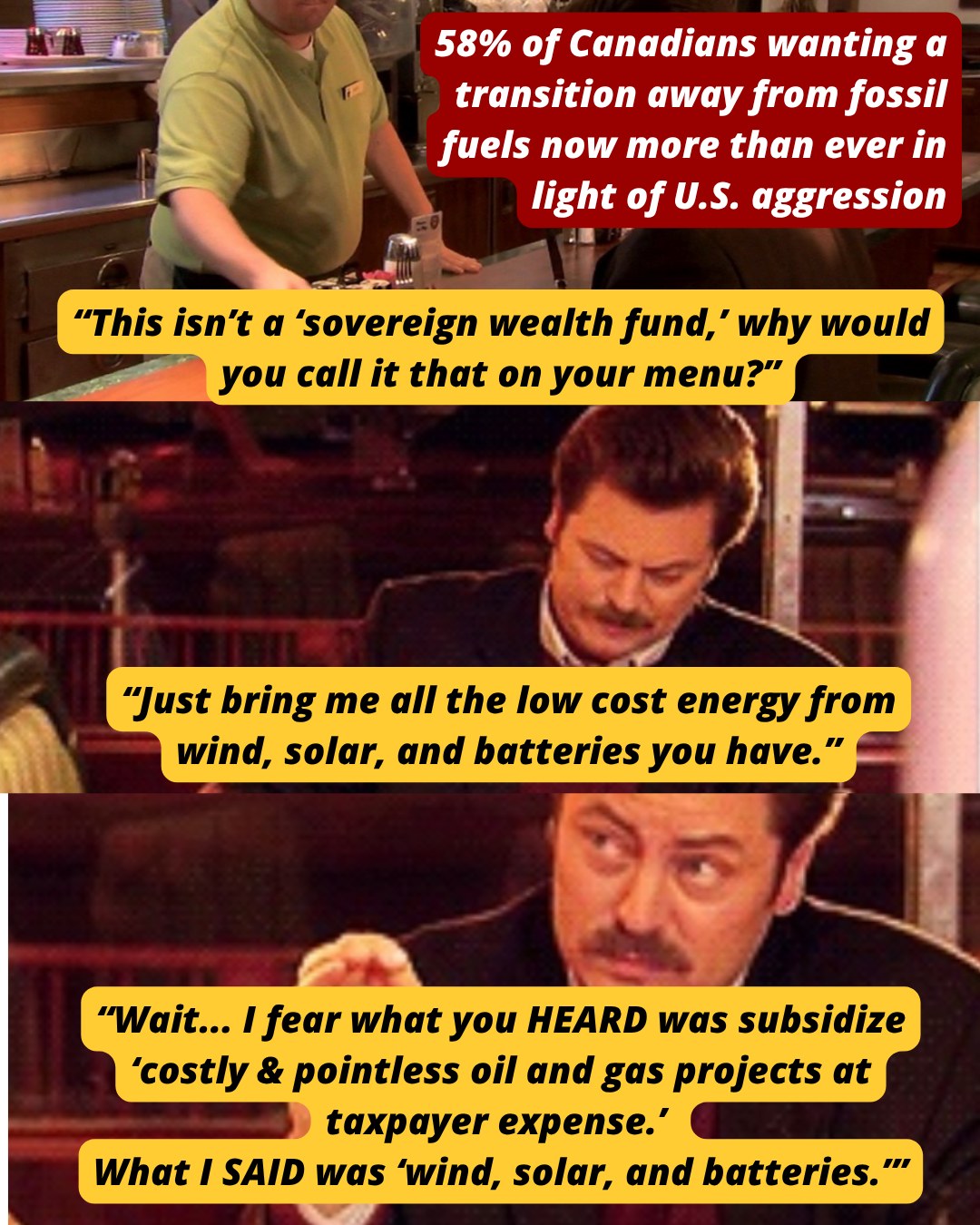
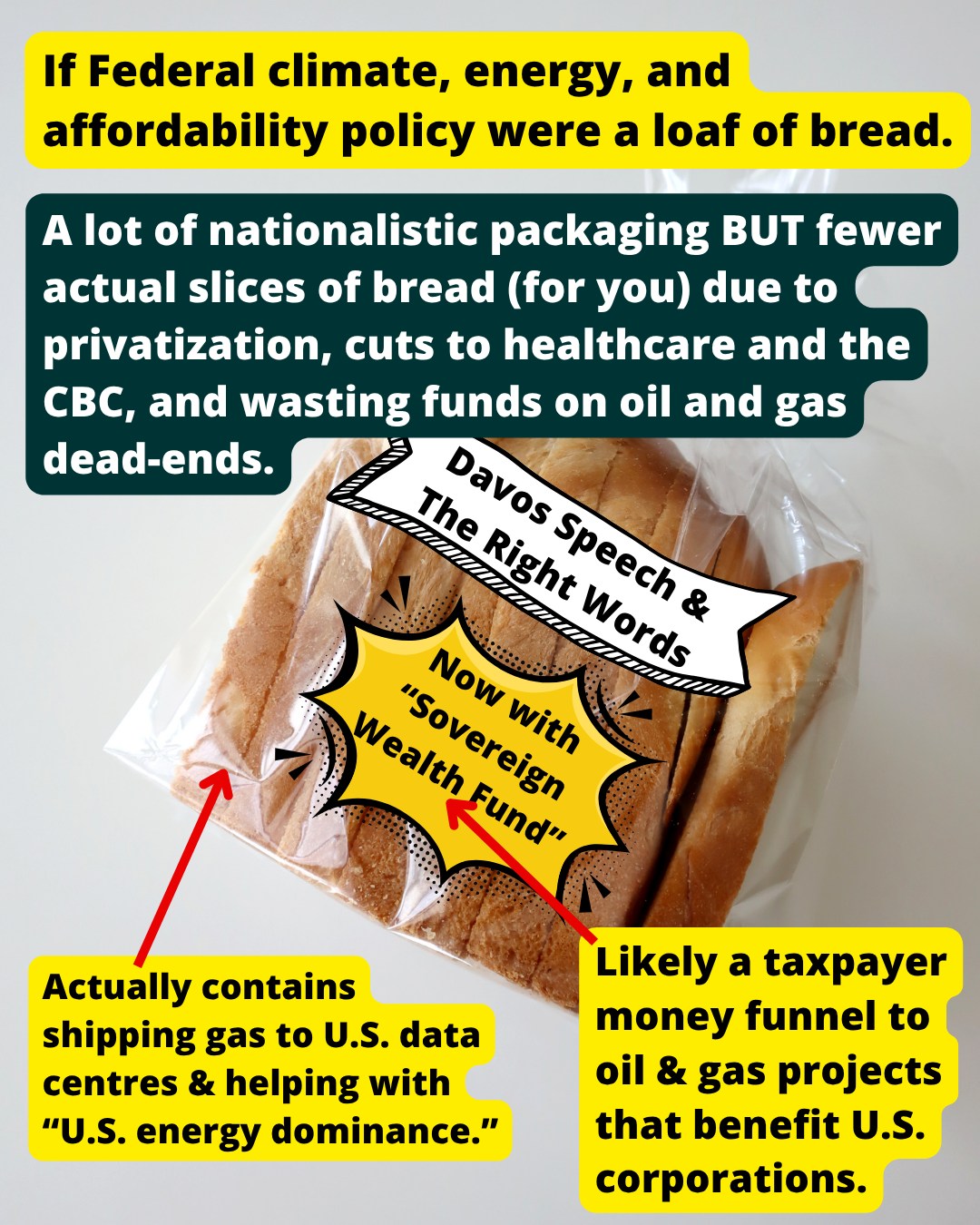
Ad copy
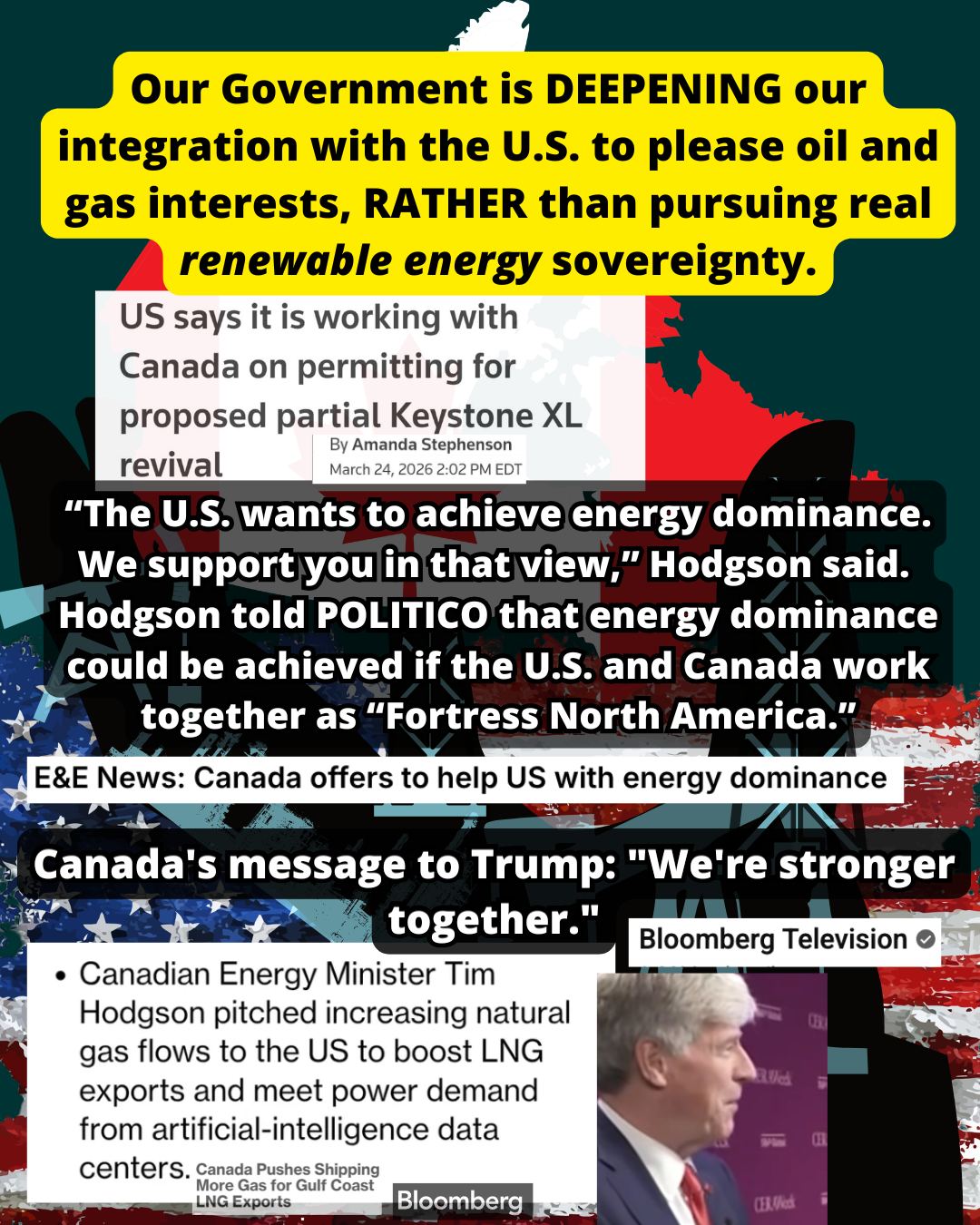
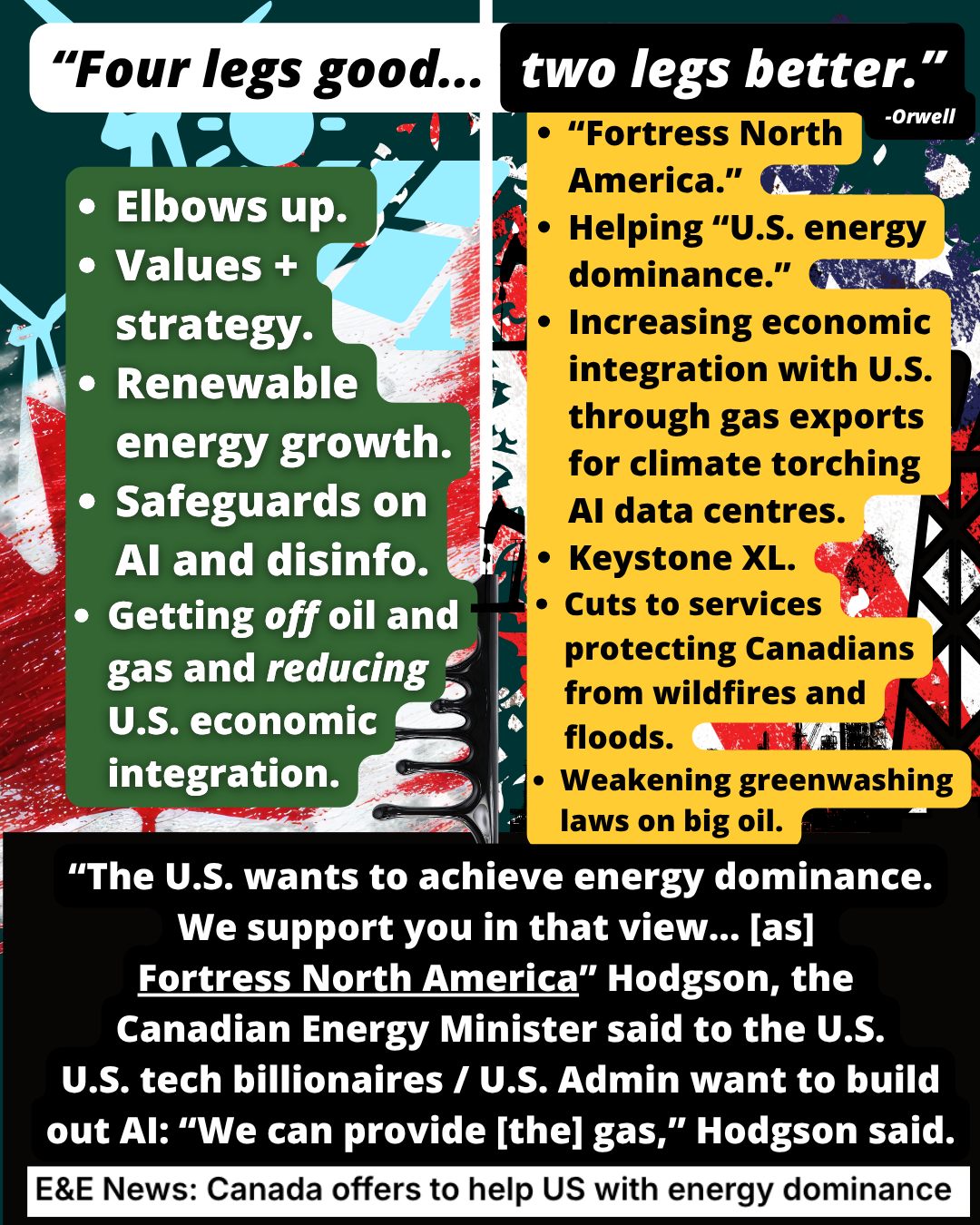
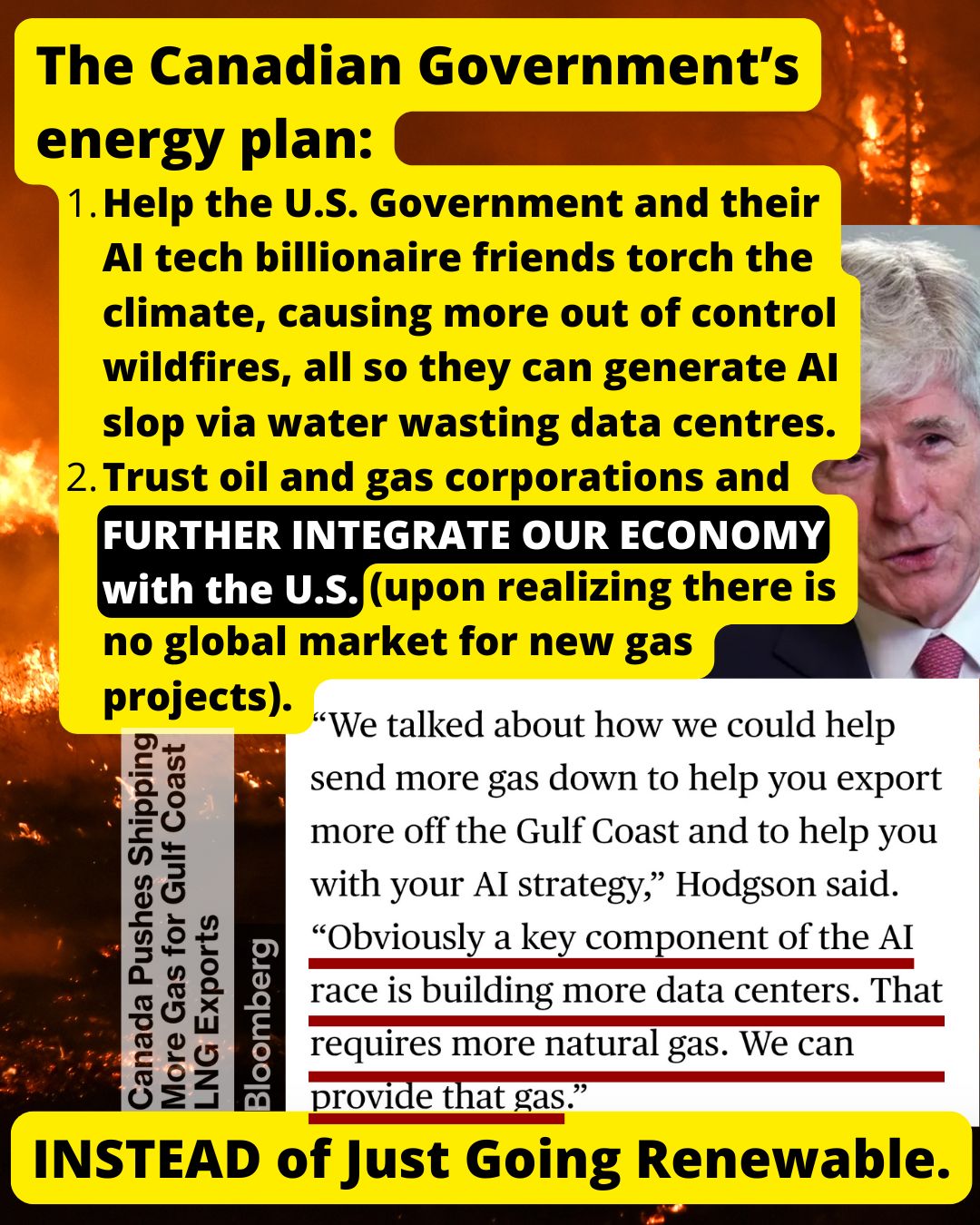
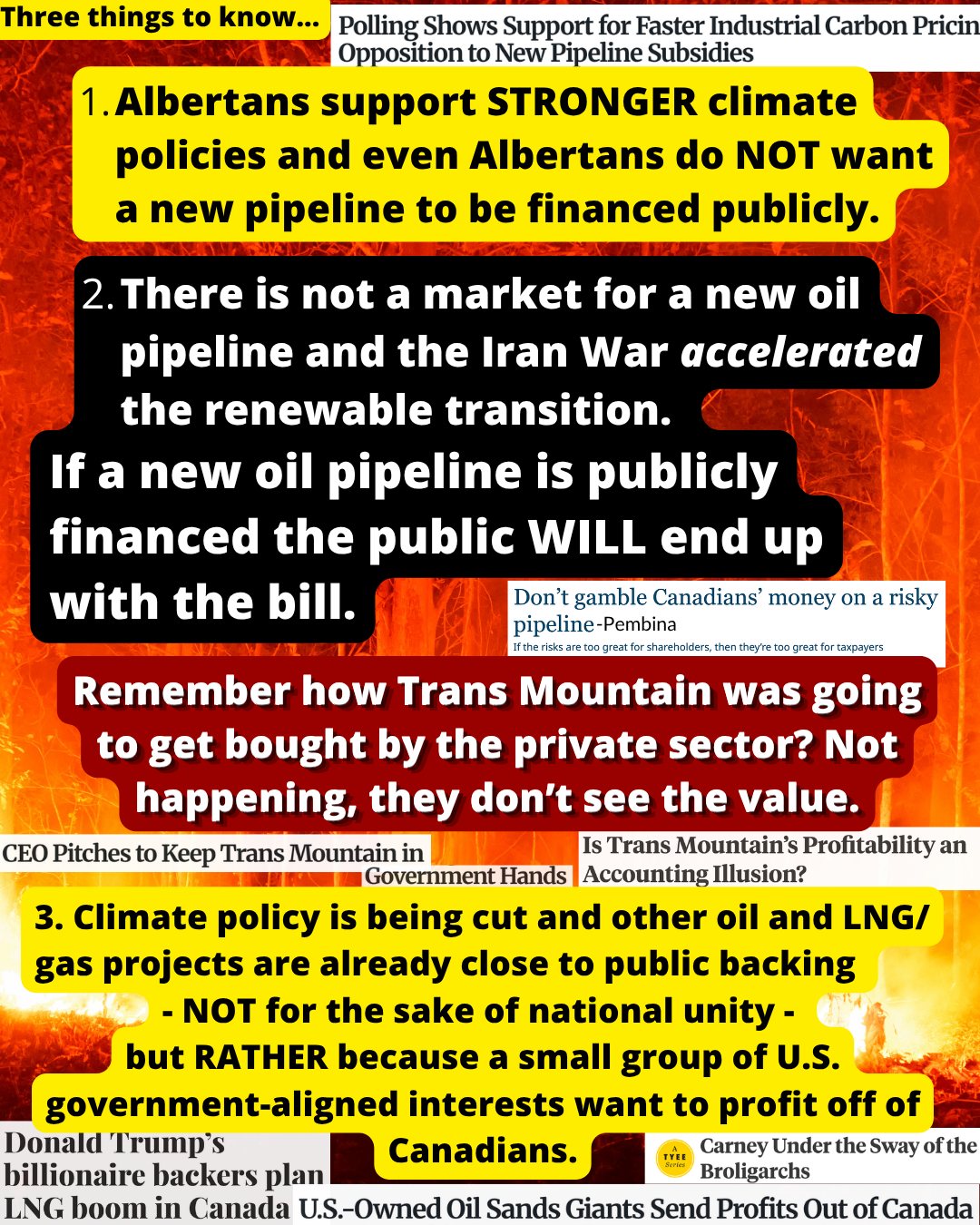
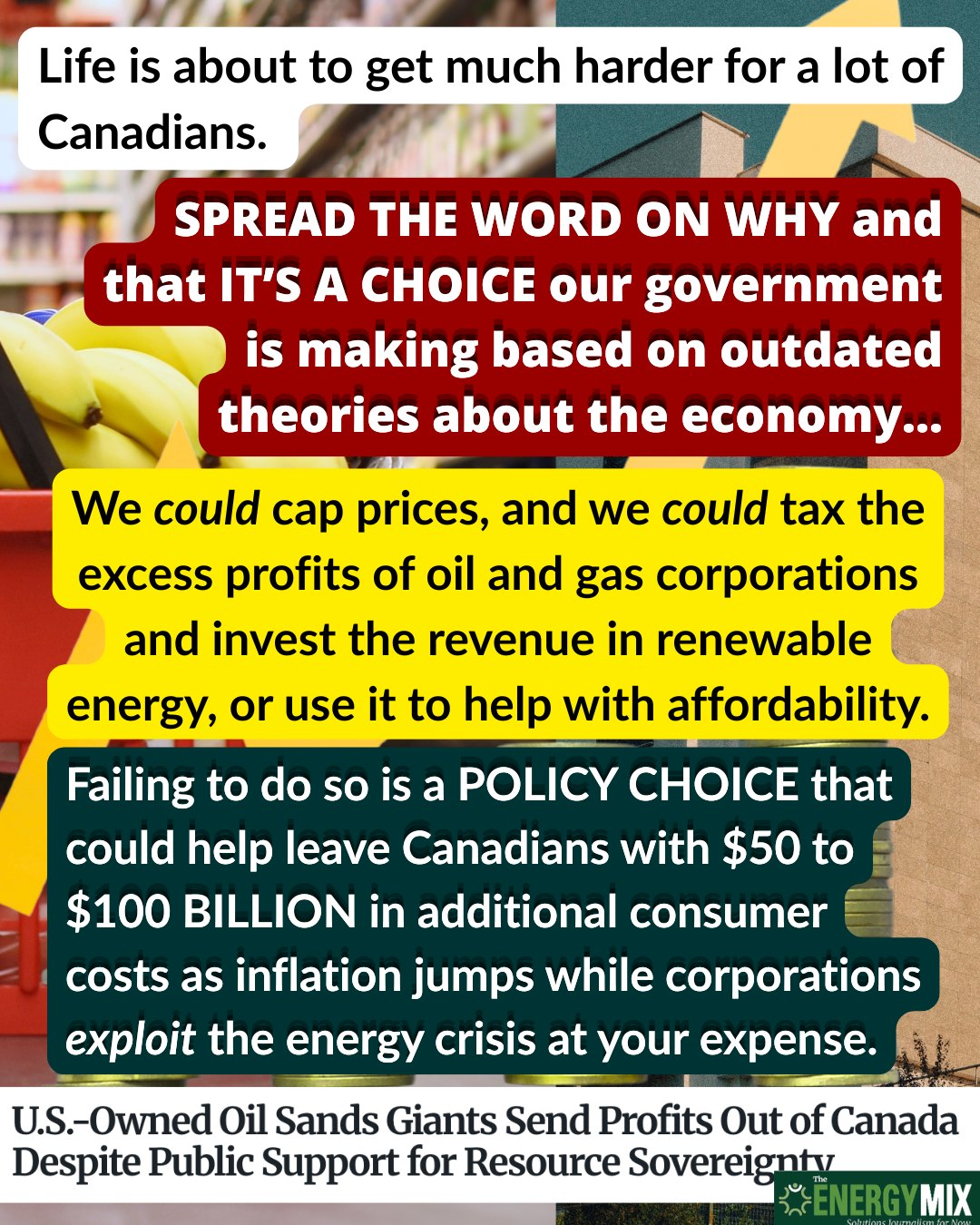
An anti-regulatory approach - and government’s inability to contradict wealthy (often U.S.-linked) oil and gas corporations - could cost Canadians billions as the Iran war drives up the cost of living. As new research "A Sequel We Don't Want" from the Centre for Future Work points out: "In the best-case scenario of immediate reopening, Canadian consumers would pay an additional $12 billion over 12 months in direct higher fuel costs, $38 billion in extra indirect costs through higher prices for other goods and services (totaling $50 billion in extra costs), and the inflation rate would increase to 4.2% on average over the same 12-month period. [as oil and gas corporations profit].... it is not inevitable… Canadians are experiencing these consequences [due] to policy choices, not economic laws of nature." “[and]... The study also estimates the windfall revenue gains flowing to Canada’s petroleum industry from the war. Upstream oil revenue will soar by $65 billion over 12 months, even if the Strait reopens immediately.” A lot of the resulting profits wind up in the hands of the already richest 1% and a lot of oil and gas corporations in Canada are U.S.-owned. They send their profits to the U.S. while also advocating against the renewable energy and climate action here in Canada that could actually help with the cost of living - like a ‘trojan horse.’ As economist Jim Stanford wrote in the Toronto Star (in April 2026) price caps and excess profits (or windfall) taxes to address affordability are actually very viable: "Most of Canada's petroleum needs are met from domestic production... Producing, refining and distributing Canadian petroleum products is no more expensive than six weeks ago... [i.e. there's still plenty of incentive under a cap. Suitable measures include] price caps on domestically produced petroleum products, an excess profits tax on abnormal industry profits, and expanded GST rebates for weary consumers... [Australia, Spain & Ireland] & many more, have used price caps, excess profit taxes & consumer rebates to moderate the impact of global oil shocks (in 2022 as well as today)." None of these measures are new nor are they untested. We used to have higher tax rates on corporations and the wealthy and we used to use regulations on corporations to improve the lives of Canadians. Framing that boils everything down to 'the market,' ignores influence and casts corporations as innocent actors (those poor, innocent, oil corporations). It leaves out big oil's direct - intentional - decades of using climate denial and delayism which continues to this day: Big oil and gas are making a lot of the profits they are making precisely because they have held back renewable competition, misleading governments and citizens. Because big oil and gas, like many wealthy interests, try to enforce monopolistic control wherever they can. This market-framing is designed to keep you from seeing that influence. RISING EXTREME WEALTH INEQUALITY HAS AN IMPACT THAT IS SIMILAR TO GLOBAL WARMING: extreme wealth inequality is an overall trend that is the root cause of why a lot of other problems either emerge or are getting worse. It causes chaos on local levels while also becoming a feedback loop - with wealth inequality making itself ever worse as power is increasingly held by the few. Cutting gas taxes - and cutting vital services - does NOT help Canadians. The UK is a prime example of why privatization and de-regulation harm the public as The Guardian reports: “The public has paid almost £200bn to the shareholders who own key British industries since they were privatised… The transfer of tens of billions of pounds to the owners of the privatised water, rail, bus, energy and mail services comes as families face soaring bills, polluted rivers and seas, and expensive and unreliable trains and buses.” Either we regulate corporations now, or we will pay higher costs while they take home the profit and leave us with a future filled with more wildfires, floods, and storms. There’s ‘no such thing as a free lunch’ when it comes to de-regulation. All governments regulate, the question is only WHO GETS REGULATED: are big corporations and the powerful going to be regulated for the sake of Canadians, or are individual Canadians going to be ‘regulated’ for the profits of big corporations and the powerful. Someone pays the cost when the ecosystems we rely on are harmed and when pollution hurts people’s health. De-regulating corporations will leave individual Canadians with fewer options and less security - especially as private monopolies increasingly result from the accumulation of profits in the hands of the few. If we de-regulate and fail to tax excess profits, laws will increasingly focus on restricting the individual rights of those who have the least, rather than on managing the actions of the wealthy and their corporations - if the U.S. is any example of that trend. As our National Conservation Chair, Ole Hendrickson, points out: “Regulations not only ensure public safety, but they can also help ensure a healthy efficient market…. Deregulation, overall, paves the way for closed-door, backroom deals between politicians and developers – crony capitalism. Too many people believe that by getting rid of regulations we can unleash economic growth. In actuality, deregulation is a big part of why Canada’s productivity is lagging behind other nations. Conversely, smart regulation spurs innovation, competition, and investment, creates jobs, and saves money.” There’s no better example than the need for renewable energy action being held back by oil and gas interests, as False Profits points out: “Oil and gas industry advertising claims fossil fuels are essential for affordable living. In fact, fossil fuels have caused inflation, exploited consumers and workers, and made life more expensive…. [a] report, Counting the Costs, documents how the spike in world oil prices in 2022 (caused mostly by financial speculation on global futures markets) was the main factor causing the subsequent surge in inflation in Canada (and elsewhere). That oil price spike cost Canadians almost $200 billion over the next three years — $12,000 per household.” Houses are also becoming harder to insure in Canada due to worsening climate impacts. Renewable energy creates more jobs. But we’re doubling down on oil and gas development yet again. That’s even though 58% of Canadians say transitioning away from fossil fuels toward renewable energy is more important than ever, in light of U.S. aggression toward other countries [only 11% say less]. As of June 2025, 72% of Albertans wanted to maintain or increase federal climate action and action to transition the country to clean energy. It’s time for smart regulations on the powerful, excess profits taxes on the wealthy, and community-controlled renewable energy. Read the Centre for Future Work’s A Sequel We Don’t Want here: https://centreforfuturework.ca/2026/05/17/a-sequel-we-dont-want-what-the-2026-oil-price-shock-will-cost-canadians/ Find out more about the impacts and cause of the last (2022) spike in world oil prices here: https://www.falseprofits.ca/ Find polling information and more on the pointlessness of further oil and gas expansion here: https://www.sierraclub.ca/lng-national-interest-canada/ Also read “How Rising Corporate Market Power Undermines Democracy” January 5, 2026 “Regulation saves money and lives” by Ole Hendrickson “U.S.-Owned Oil Sands Giants Send Profits Out of Canada Despite Public Support for Resource Sovereignty” More resources: How batteries let renewables get around needing baseload power: https://www.sierraclub.ca/renewable-energy-does-not-need-baseload-power-more-facts-on-wind-solar-batteries-grids/ Over 120 scientists and academics say ‘no’ to Tantramar shale gas plant, Open letter to the Premier Holt, February 2026 Canada Wind Power Facts: https://www.sierraclub.ca/canada-wind-power-facts/ Canada Electric Vehicles Facts (no, they will not overwhelm the grid and can actually help grids): https://www.sierraclub.ca/canada-electric-vehicles-facts/ A comprehensive list of climate denial myths and why they are myths: https://skepticalscience.com/argument.php
Like this ad? Make it yours.
Crush rebuilds this exact creative around your product — your brand, your colors, your offer — in about a minute.