
Inactive· since May 9, 2026
- 8
- days it ran
- 2
- relaunches
Ad copy
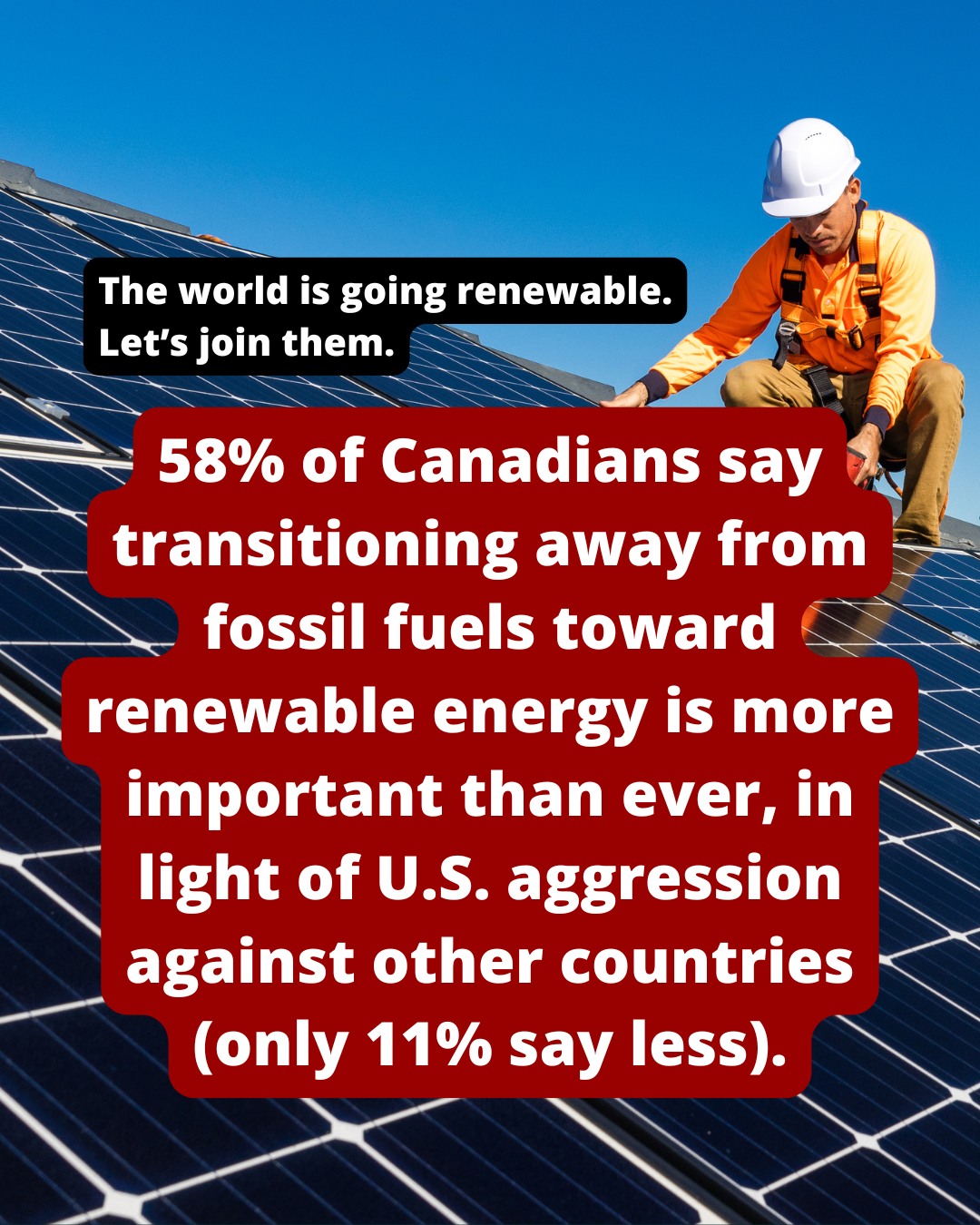
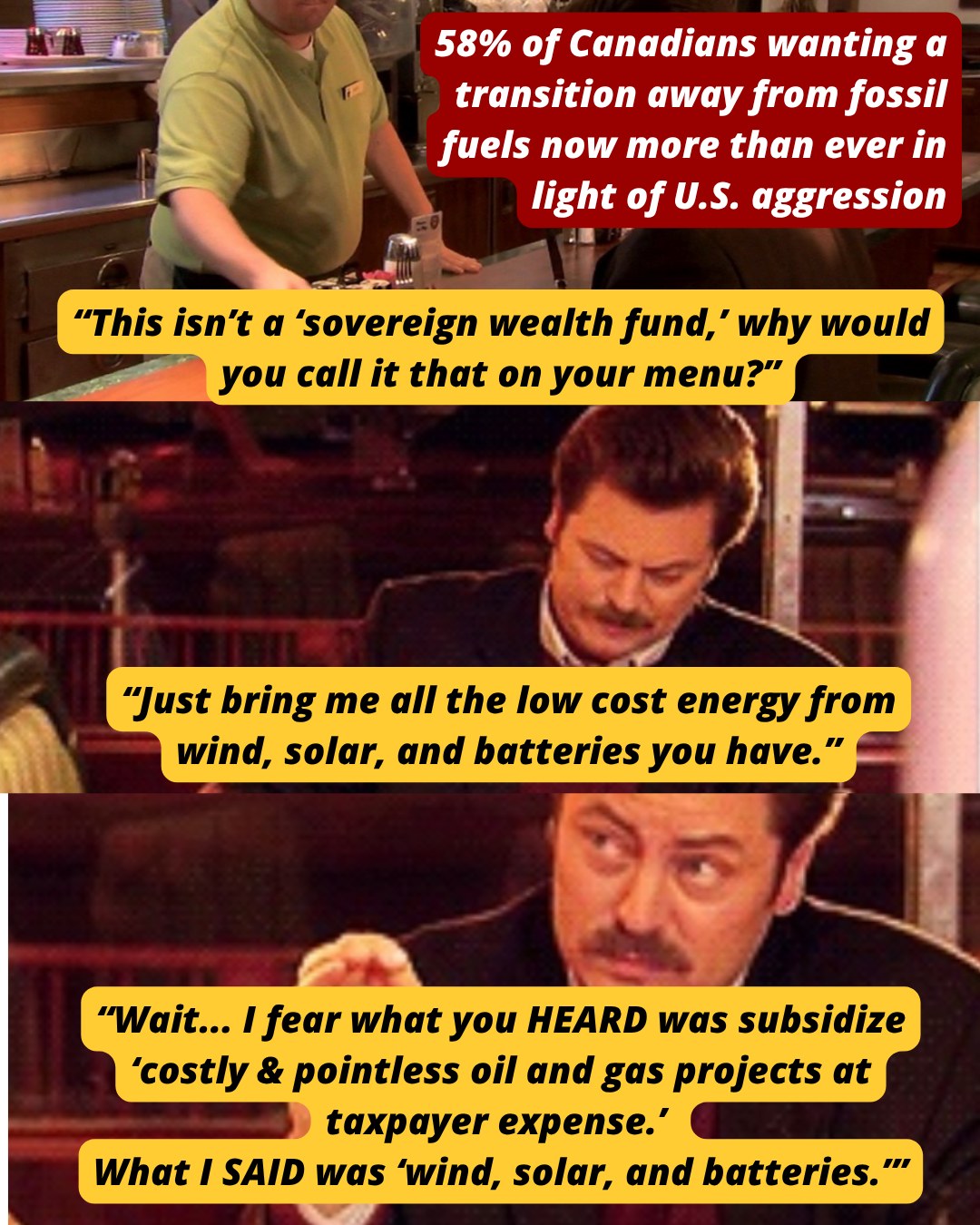
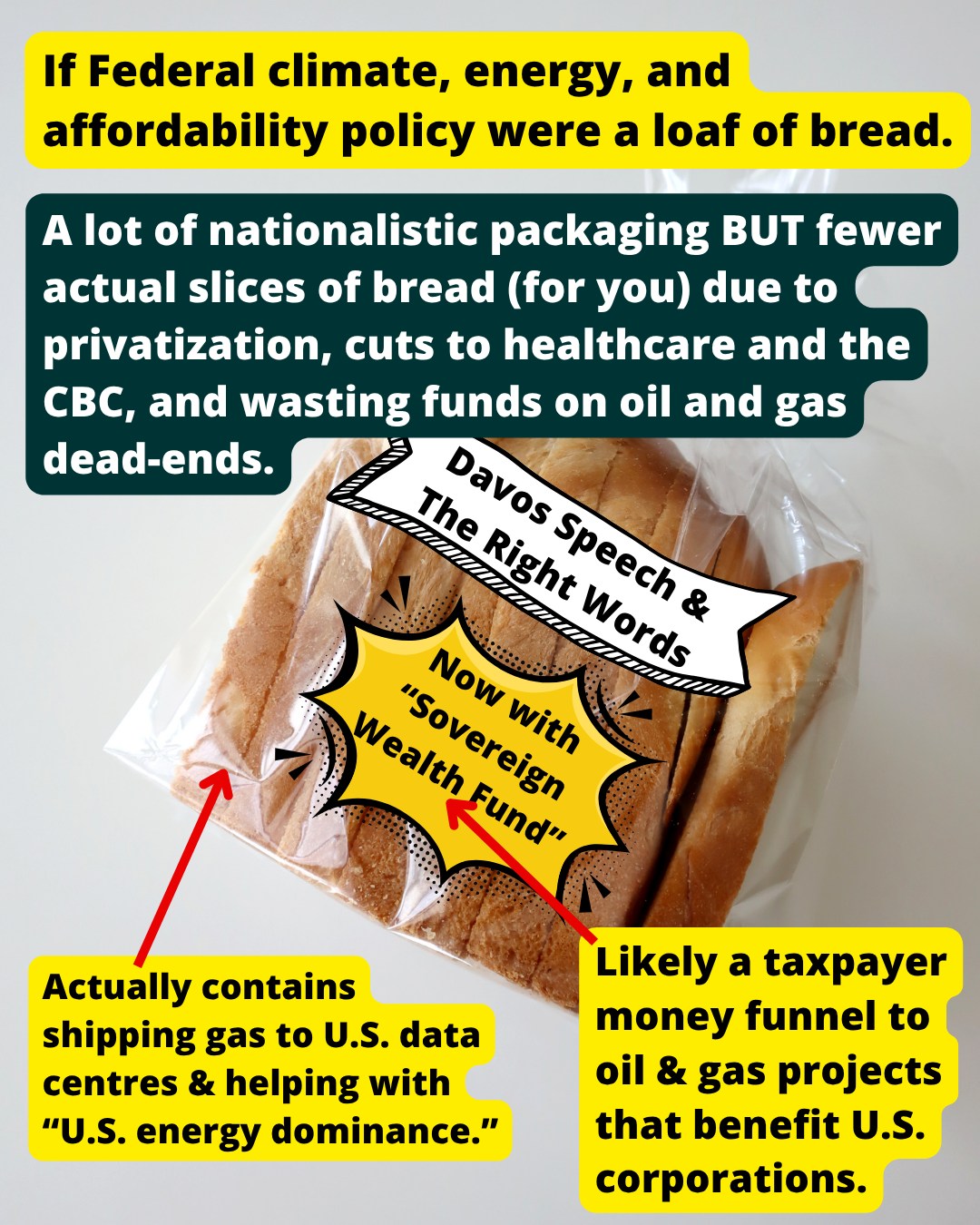
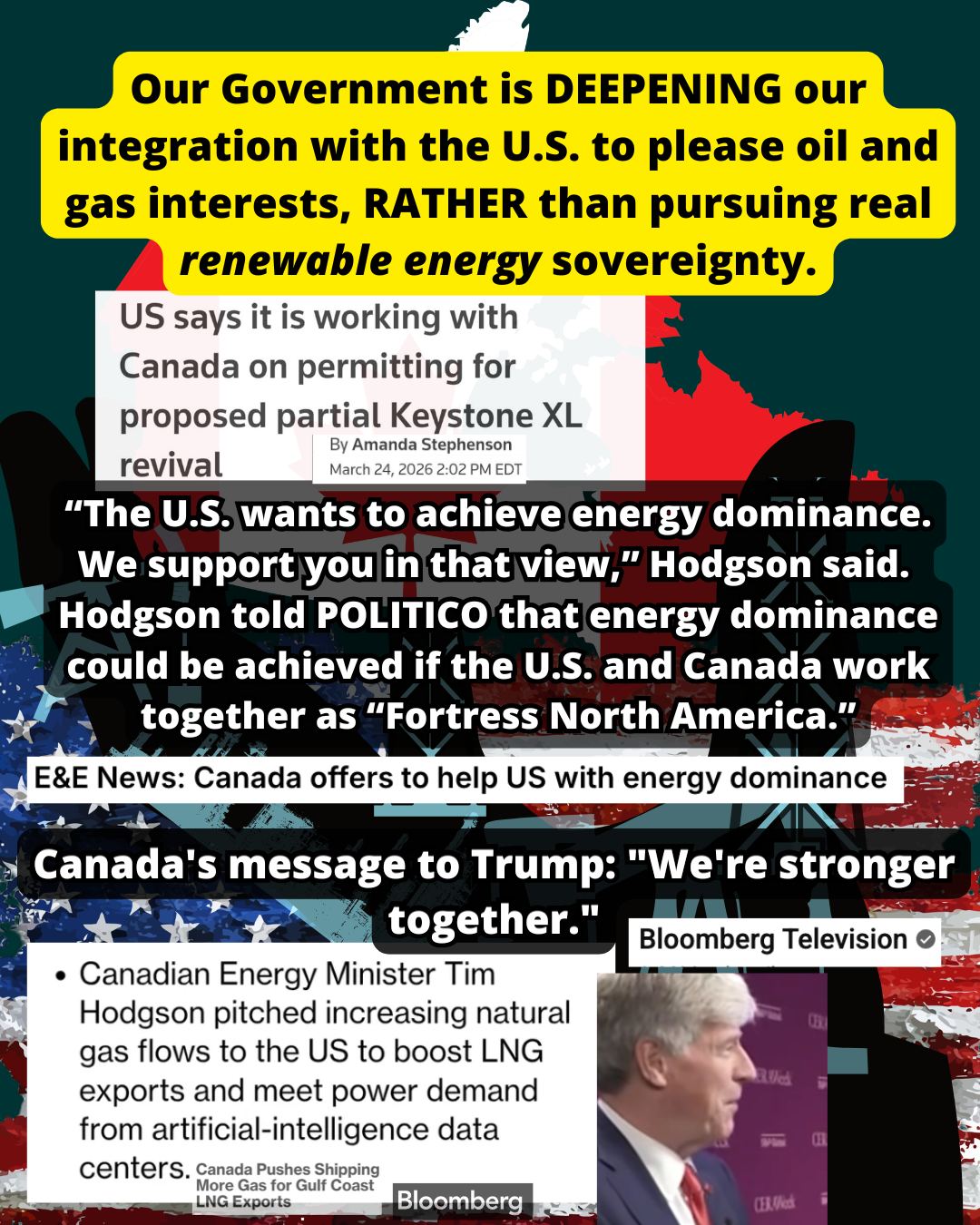
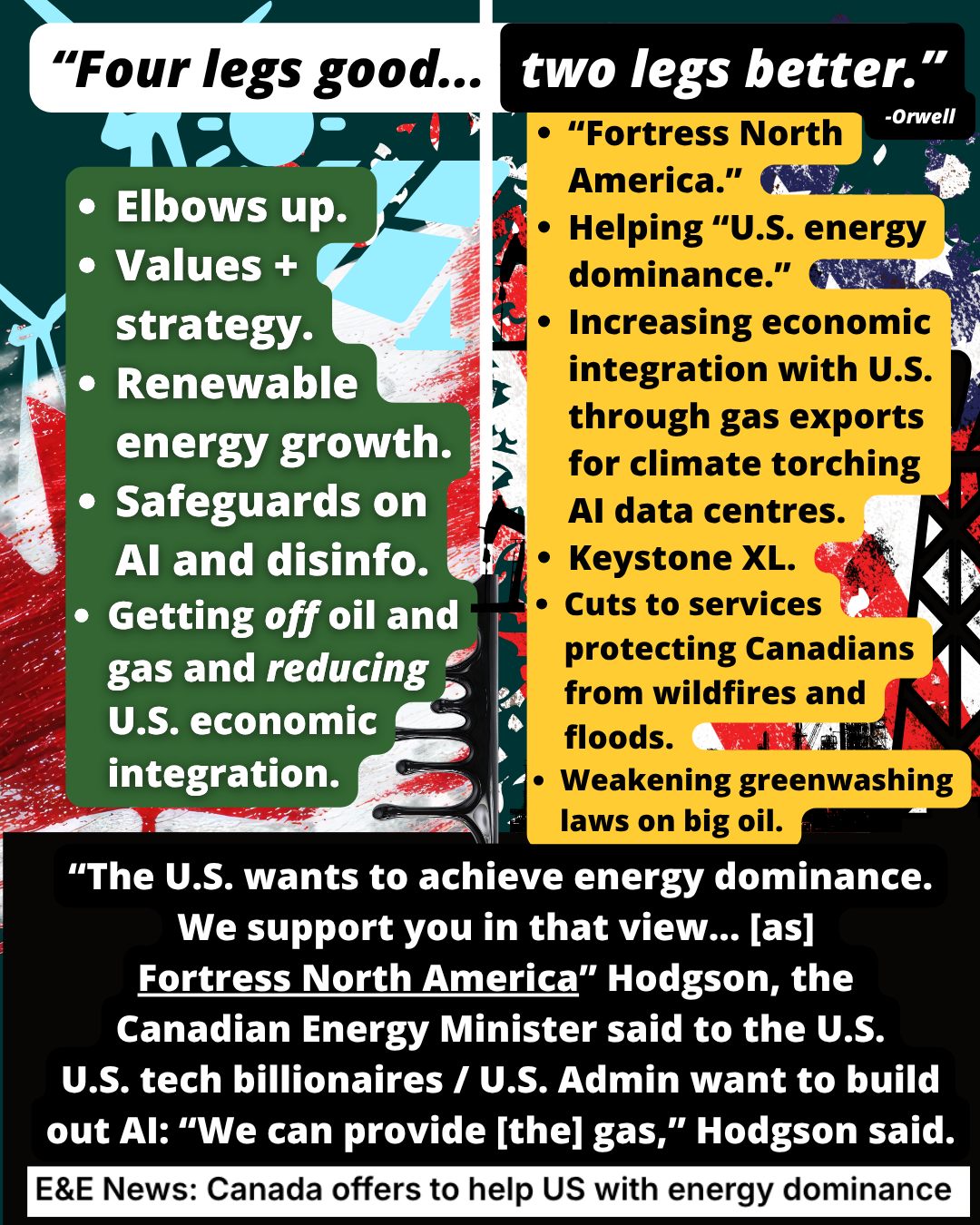
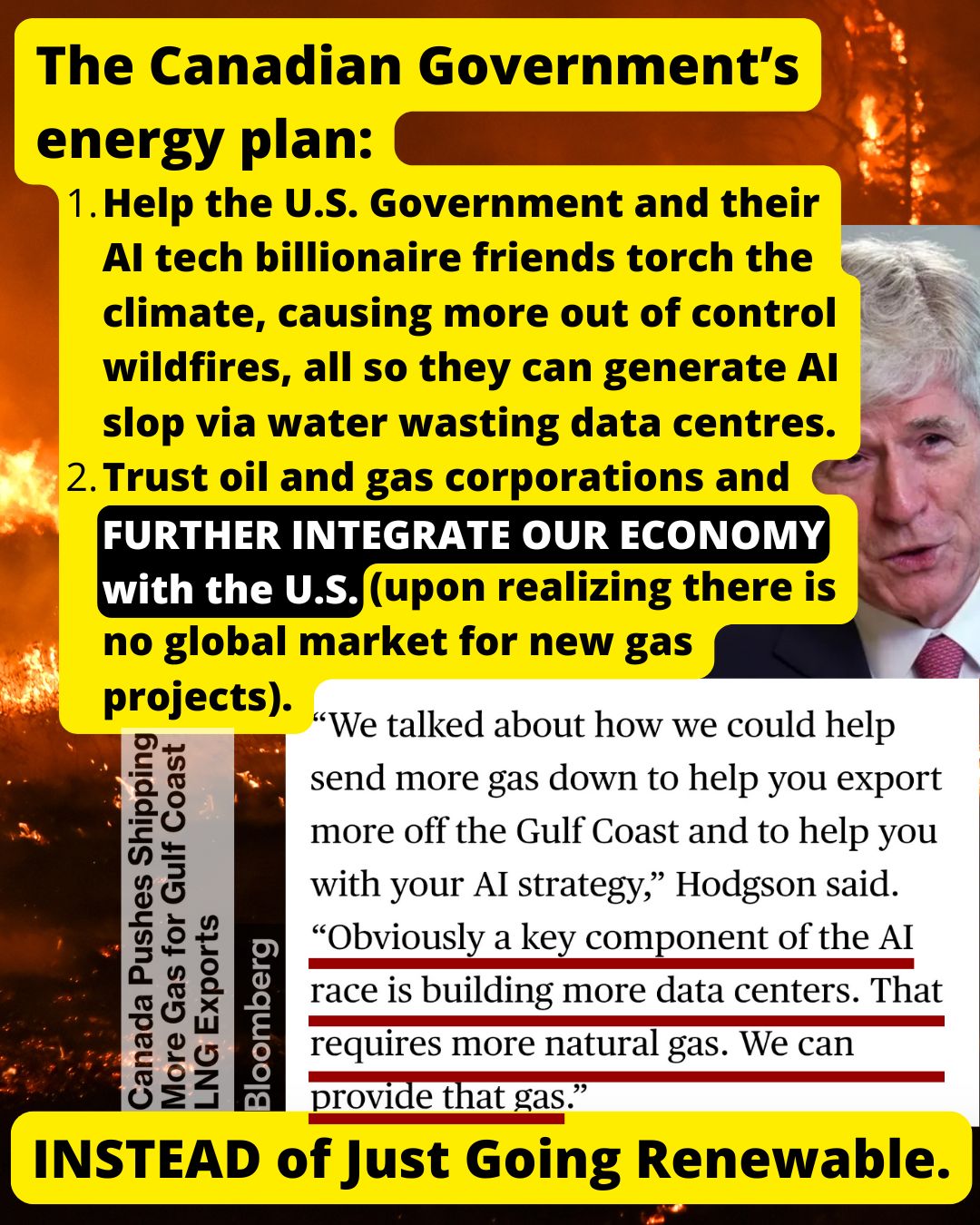
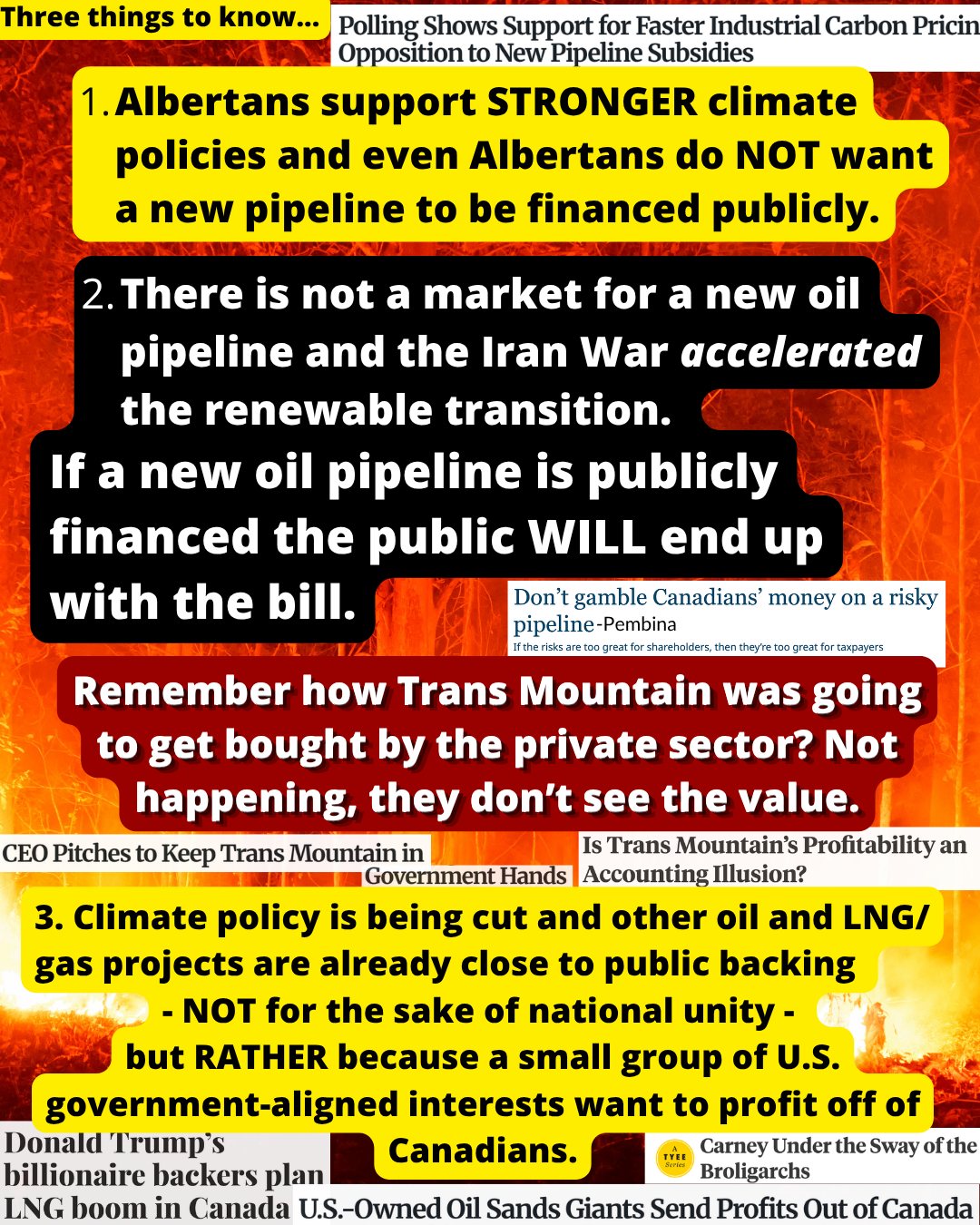
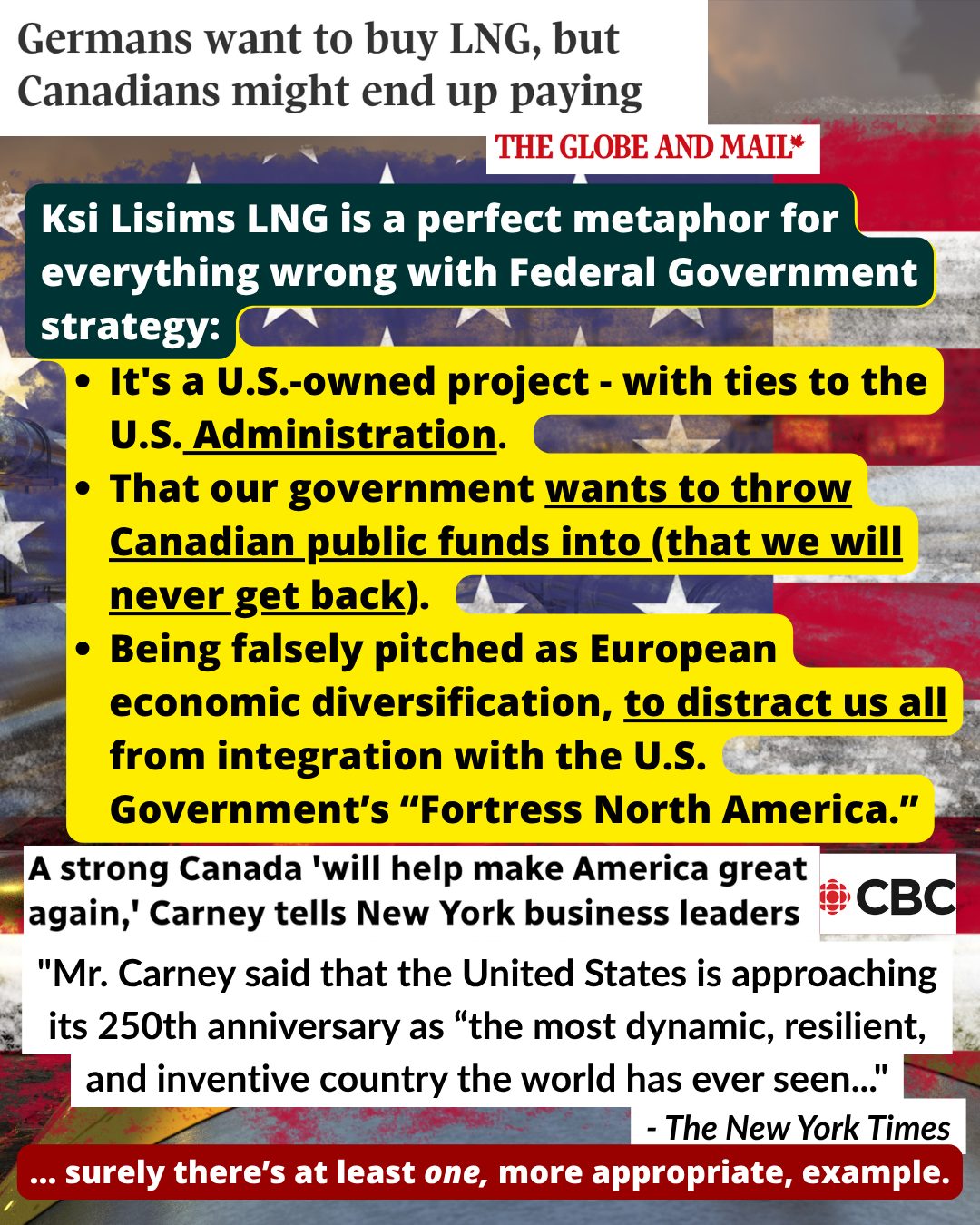
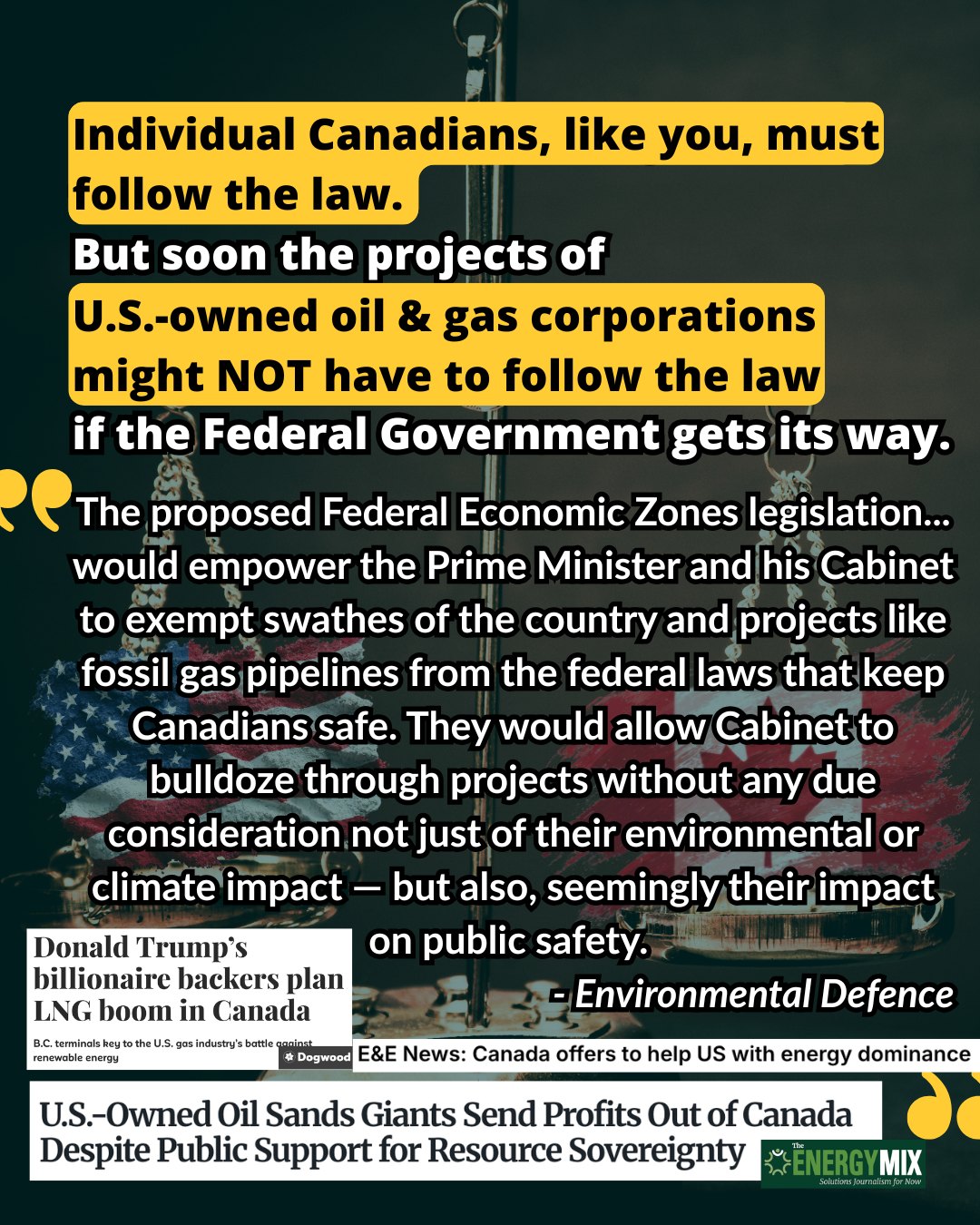
The new U.S. ‘National Security’ Strategy reveals the U.S. plans to use soft power – including private sector influence – to exert influence on other countries like Canada. The strategy mentions the oil and gas, finance, and tech sectors in particular as tools for expanding U.S. influence and specifically declares climate action in other countries to be a threat to U.S. dominance: https://www.sierraclub.ca/canadian-gas-ai-data-centres-keystone-xl-fortress-north-america/ The four companies that represent 80% of Canadian oil sands production are 60% American-owned. They are sending a large share of their profits to their shareholders in the United States, even as they lobby to weaken Canadian climate policy and hold back renewable energy here in Canada. The Ksi Lisims LNG (liquefied natural gas) project has been incorrectly referred to as an Indigenous-owned project when the entity that will construct, own and operate the assets of the project is a wholly-owned subsidiary of Texas-based Western LNG, funded by U.S. private equity firms with ties to the U.S. Administration. It’s not an isolated incident. Oil and gas interests – eager to strengthen ties with the U.S. – are “behaving like a Trojan horse for Donald Trump’s pro-fossil, anti-climate politics.” What have we seen since? “The U.S. wants to achieve energy dominance. We support you in that view… [as] Fortress North America” the Canadian Energy and Natural Resources Minister recently told U.S. audiences. Regarding U.S. tech billionaires and U.S. Admin wanting to build out AI: “We can provide [the] gas,” the Energy Minister said. Sources here: https://www.sierraclub.ca/canadian-gas-ai-data-centres-keystone-xl-fortress-north-america/ NOW A NEW PROPOSAL COULD SEE CORPORATE PROJECTS EXEMPTED FROM CANADIAN LAW: "This proposal [from the Canadian Federal Government on May 8th, 2026] suggests, without evidence for need, that Canada should sacrifice the rule of law and our most sensitive species and ecosystems in order to build pipelines and other projects," Tim Gray, Executive Director at Environmental Defence said in their response. More on that here in their full release: https://environmentaldefence.ca/2026/05/08/statement-proposed-changes-to-major-project-decision-making-risk-dismantling-decades-of-environmental-progress/ It also turns out (as reported by SaskNOW): 'staff are on loan [to the Major Projects Office] from the private sector, including banks, through the government’s interchange program. The long-standing program allows for private sector employees to temporarily bring their expertise to the public service. THOSE COMPANIES ARE ALSO TOPPING UP THEIR EMPLOYEES’ SALARIES WHILE THEY’RE ON LOAN TO THE MAJOR PROJECTS OFFICE...' That's a big potential conflict of interest. As the National Observer reported recently, the Federal Government has no comprehensive plan for wind, solar, and battery storage even though the rest of the world realizes wind and solar are much more efficient, cheaper, and quicker to deploy than all other forms of power. Indeed: “Canada, the Global Electricity Review found, is an outlier to the market trend. Renewable energy plant construction has dropped over the past two years, leaving wind and solar power accounting for just nine per cent of the country’s electricity mix, less than half the average among the G7.” CLIMATE ACTION IS THE CANARY IN THE COAL MINE – NOT A SECONDARY ISSUE: if governments can’t commit to climate action and take affordability measures that confront oil and gas corporate profits, we can’t rely on them to do a lot of other things either. Cuts to public services - like cuts to the CBC - are already happening that hurt Canadians and hurt Canada's sovereignty as a whole. The way the Federal Government talks about pharmacare now is the way they talked about the emissions cap just before it was scrapped: vaguely. As Althia Raj writes: 'Without a line item in budget 2025 or [the] economic update... The [pharmacare] program is ending... The federal government is also slashing billions from health care.' The Canadian Government also says they're following the privatization example of the UK in 'recycling assets' (i.e. selling off public assets like airports to private interests). Well, as The Guardian reports: "[The] UK public has paid £200bn to shareholders of key industries since privatisation... The transfer of tens of billions of pounds to the owners of the privatised water, rail, bus, energy and mail services comes as families face soaring bills, polluted rivers and seas, and expensive and unreliable trains and buses." More on that here: https://secure.sierraclub.ca/civicrm/mailing/view?id=3932&reset=1 These cuts, proposed legal exemptions, and actions are NOT 'pragmatic,' 'practical,' nor 'balanced.' These actions do NOT help defend Canada - they make it HARDER to defend Canada and they put Canadians at risk. None of this is what Canadians want: A majority of Canadians say reliance on oil and gas increases the risk of international conflict (67%), believe Canada would be safer if it produced more renewable energy (59%), and a majority say transitioning away from fossil fuels toward renewable energy is more important than ever (58%) - only 11% say it’s less important: https://www.sierraclub.ca/lng-national-interest-canada/ A REAL energy plan would tax the excess (or ‘windfall’) profits of oil and gas corporations and use that revenue to fund community-controlled, localized, renewables and storage (rather than cutting services and selling public assets): https://secure.sierraclub.ca/civicrm/mailing/view?id=3916&reset=1
Like this ad? Make it yours.
Crush rebuilds this exact creative around your product — your brand, your colors, your offer — in about a minute.