
Inactive· since Aug 30, 2026
- 3
- days it ran
- 0
- relaunches
Ad copy
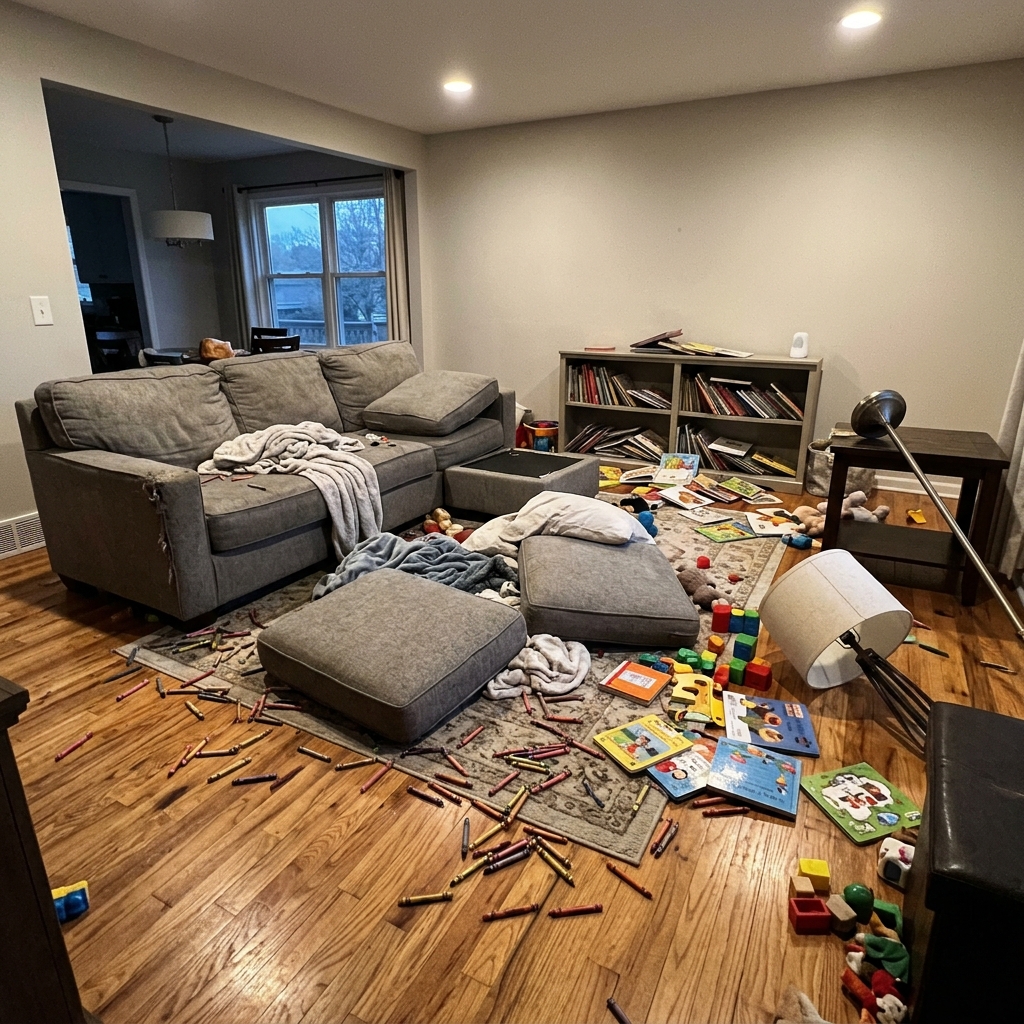
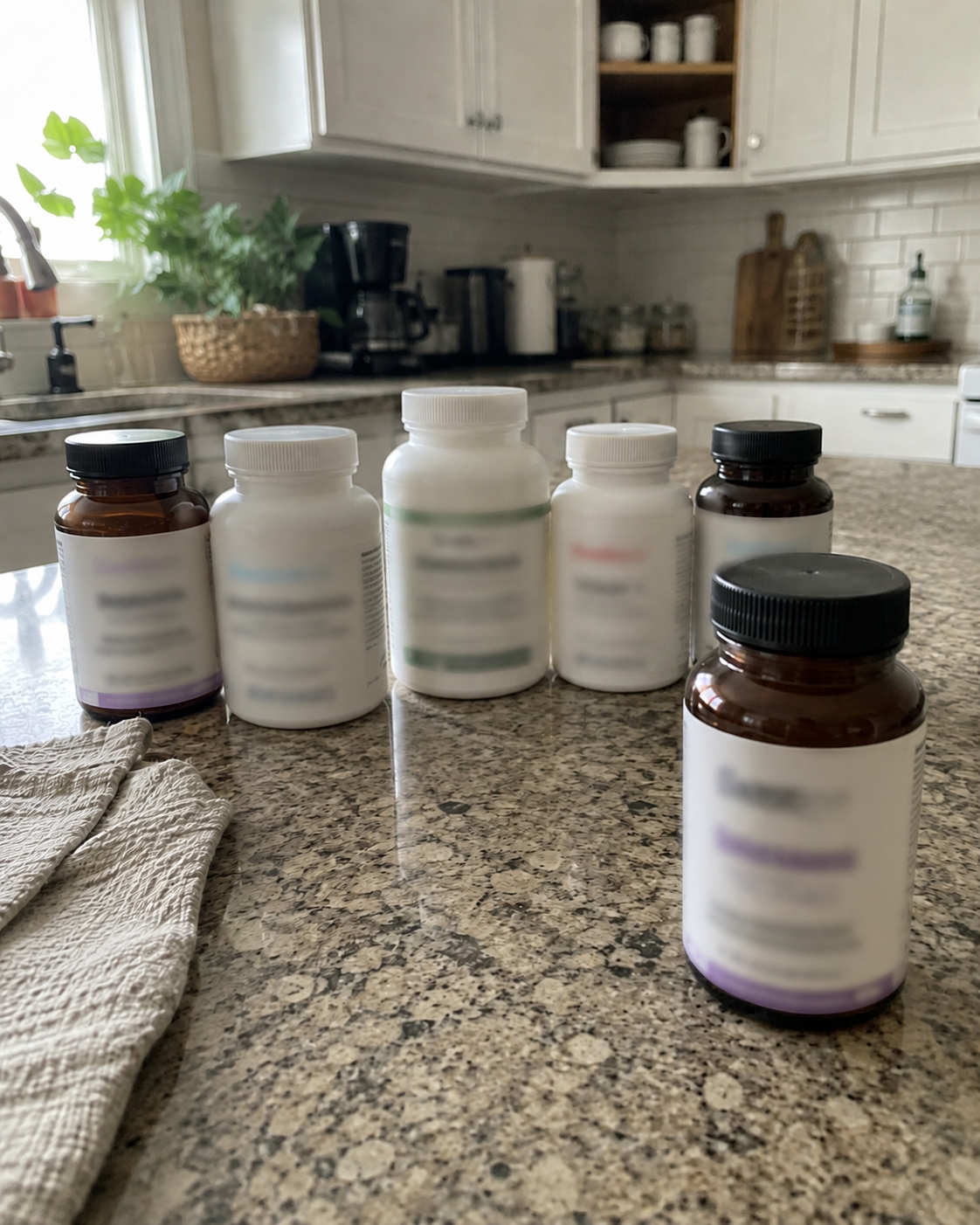
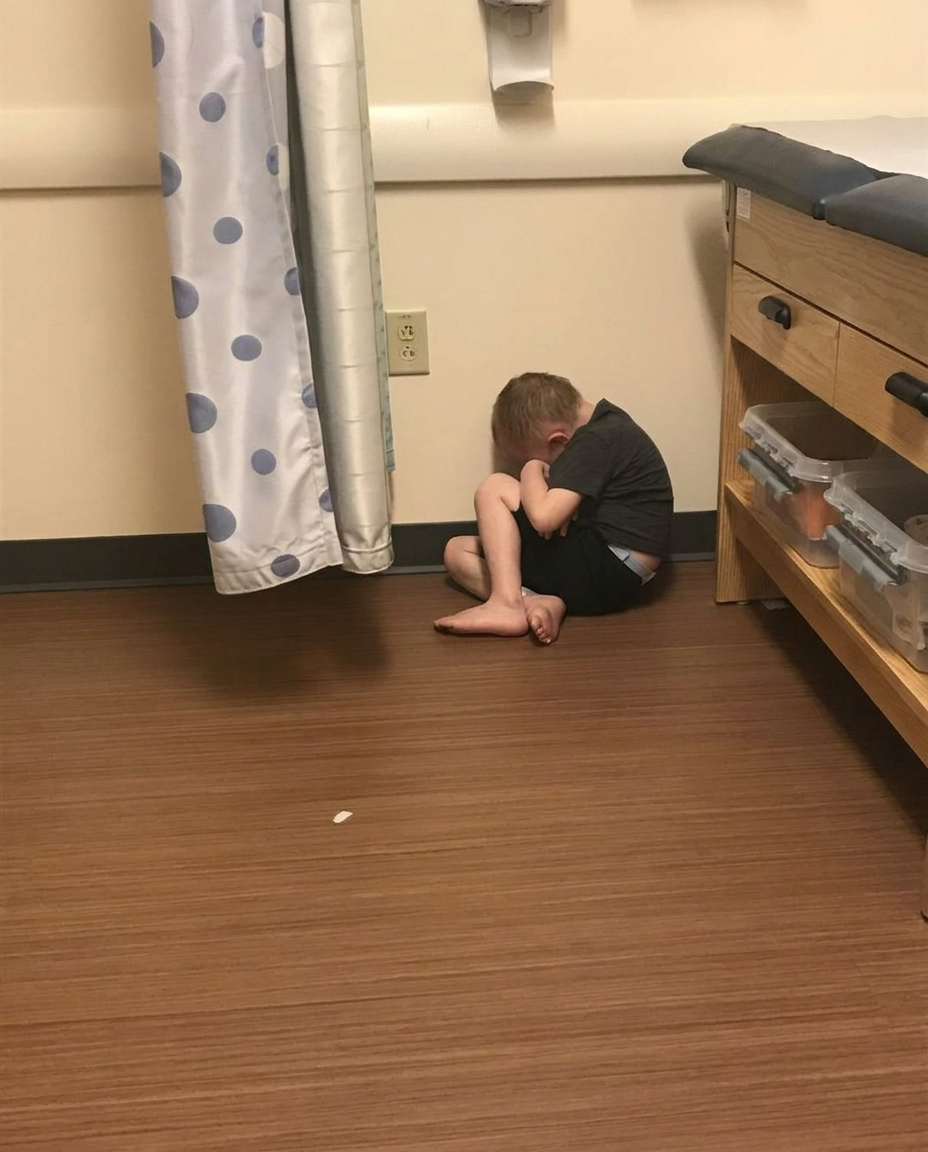
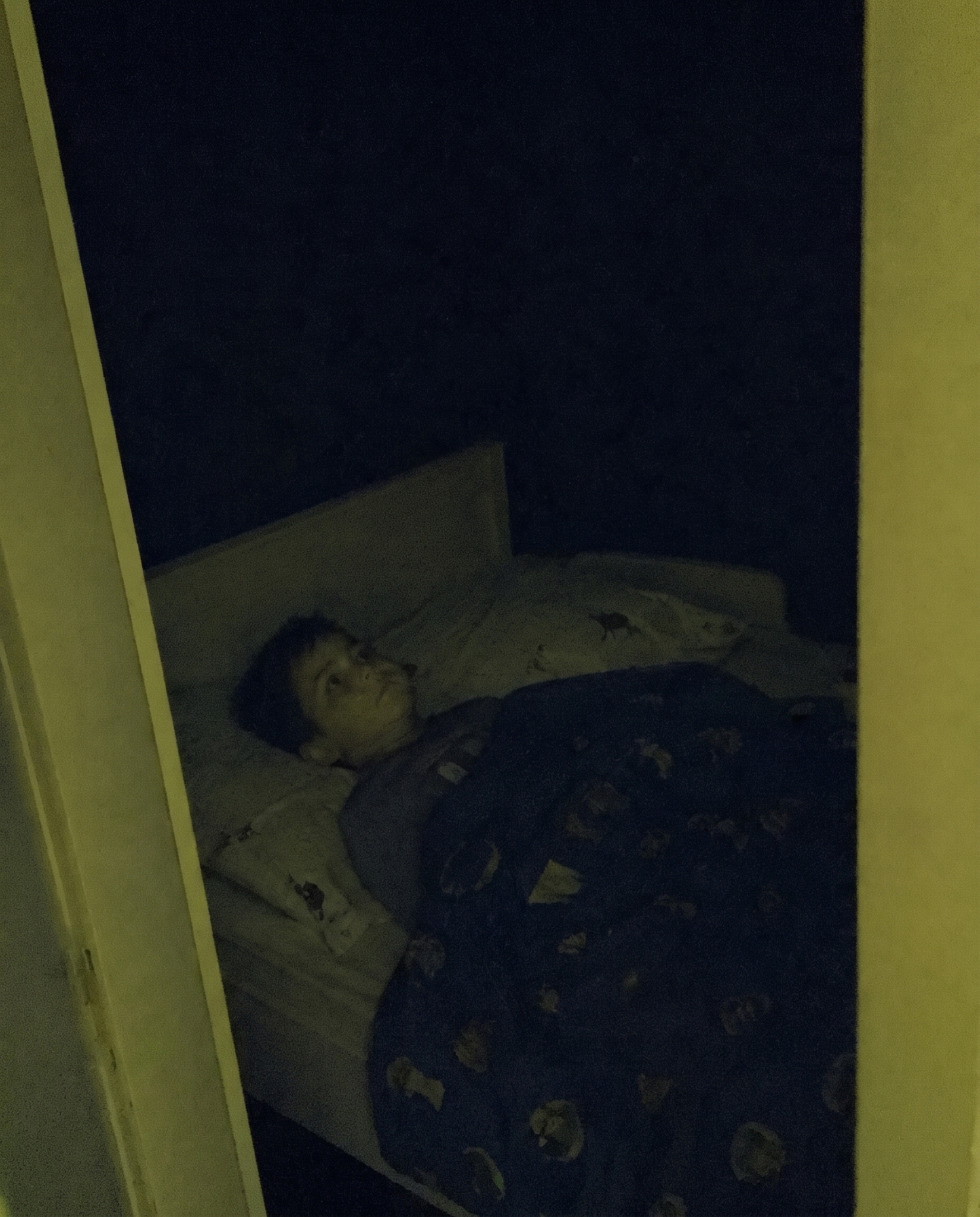
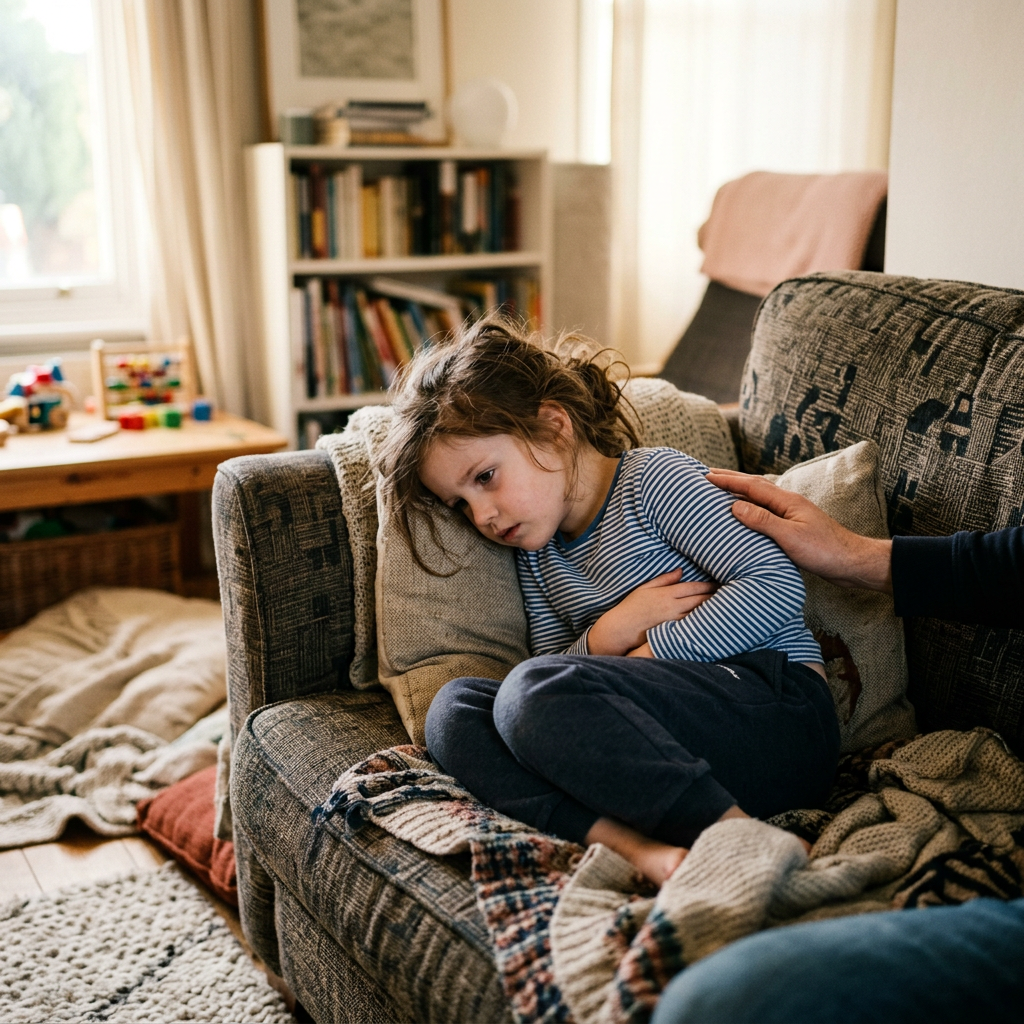
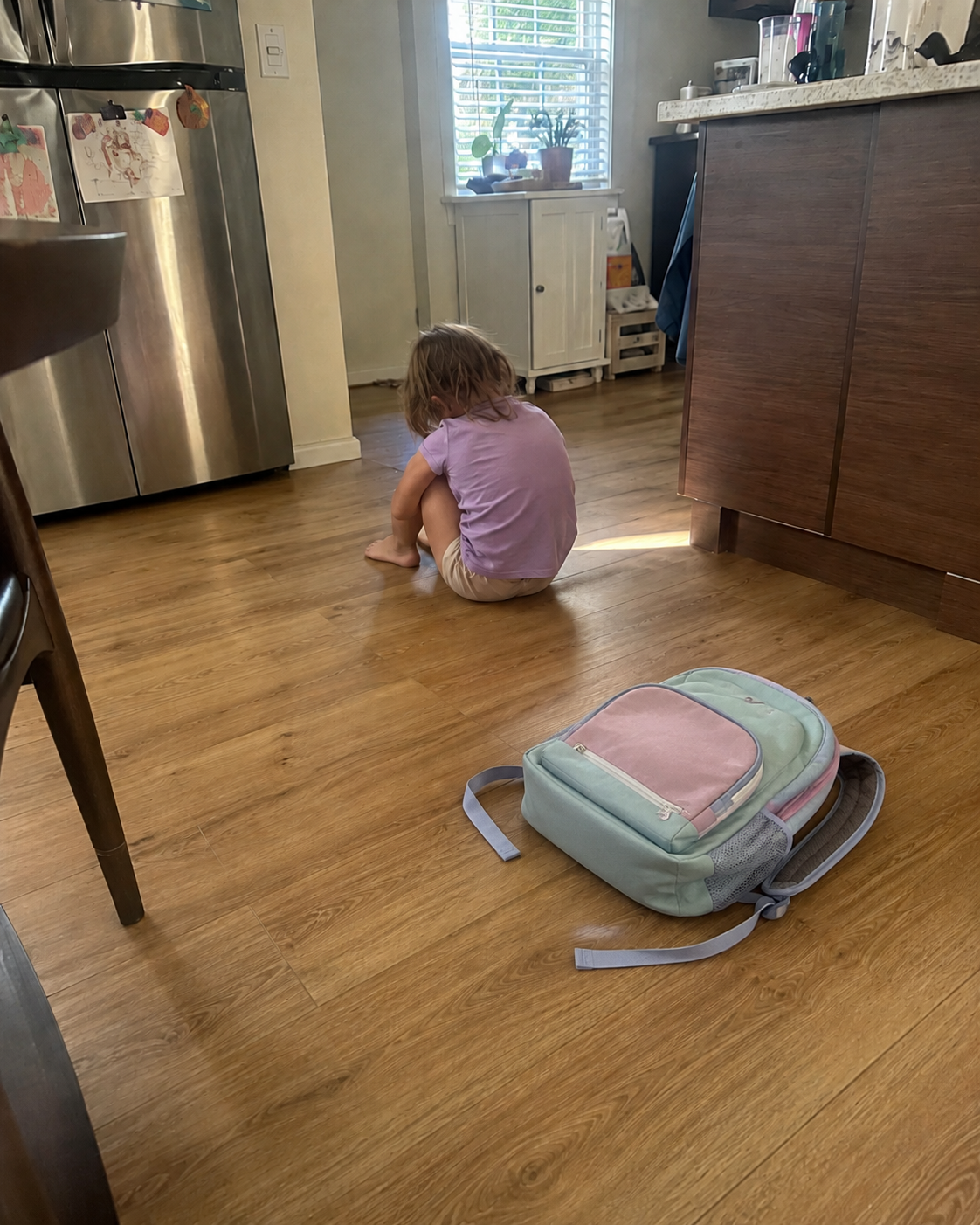
The best way to help your ADHD kid is NOT teaching discipline, NOT gentle parenting, and definitely NOT another behavioural therapy. These 3 chemicals need to be filled in their brain to make them calm. If your child is having meltdowns every afternoon, big emotions over tiny things, or explosions the second they get home from school — you need to hear this. What nobody is telling you is what's actually causing it. I used to give every exhausted ADHD mom in my groups the same advice. Be more consistent. Set firmer limits. Try the regulation corner. Validate the feelings before you redirect. After years of watching families try every single one of those things and come back to the group with the same story, I stopped giving that advice so confidently. The meltdowns weren't happening because parents weren't trying hard enough. They were happening because nobody was addressing what was actually running them. I'm telling you this now because last year I watched my own daughter fall apart every single afternoon and realized I'd been giving other families the same advice that wasn't working for us either. Here's what I eventually learned. Your child's emotional regulation isn't a discipline problem. It's a chemistry problem. Three chemicals run the brain's ability to regulate emotion. Dopamine. Serotonin. Norepinephrine. Dopamine is the signal that says this is worth focusing on. When it's low, the brain goes hunting for stimulation. That's the child who can't stop moving, can't sit through dinner, can't tolerate waiting for anything. Serotonin is the brake pedal. It's the signal that allows the brain to pause, recover, and come back from a moment of frustration without spiraling. When it's low, the brake doesn't catch. A tiny no becomes a forty-minute meltdown. Not because the child is being dramatic. Because the system that's supposed to slow the reaction down has nothing to run on. Norepinephrine is drive and recovery. When it's low, the child crashes by 3pm. Everything that was manageable at 9am is impossible by the time they walk through the front door. ADHD brains don't produce or regulate these three the same way other brains do. And here's the part that made everything click for me. Every strategy I'd ever recommended assumed the brake pedal existed and just needed to be used correctly. More consistent limits — that's telling the child to press the brake harder. Gentle parenting — that's teaching the child when and how to press the brake. Regulation corners — that's giving the child a place to press the brake. But if the brake has no fuel, pressing harder does nothing. You can't discipline your way out of a chemistry problem. And you can't gentle-parent your way around a depleted serotonin system. What the brain actually needs is the raw material to build those three chemicals itself. To give the brake pedal something to run on. So here's the trap most families are stuck in. Two paths. Both fall short. Path one: Behavioral strategies. They help. They're real. But they work at the surface level. The moment the chemistry crashes — usually around 3pm when school has burned through everything — the strategies stop working no matter how consistent you've been. Path two: Medication. It helps many kids. But it overrides the system instead of feeding it. And parents describe watching the personality go quiet alongside the behaviors. There's a third path most pediatricians won't mention. And it's the only one I've seen address the actual cause. Saffron. Not the cooking spice. Clinical grade saffron extract — two specific compounds, crocin and safranal, studied specifically for mood and emotional regulation in children. In a 2019 clinical study, saffron was put head to head against stimulant medication in kids with ADHD. It matched it on focus. It beats the mood. No appetite suppression. No personality disappearing at the dinner table. Because saffron doesn't override the dopamine and serotonin systems. It supports them. It gives the brain the raw material to produce its own regulation naturally. When those three chemicals are supported, the brake pedal starts working. The meltdown that used to take forty minutes starts resolving in ten. The child who used to be unreachable after school starts coming back. Not because the strategy changed. Because chemistry finally has something to work with. But here's what I discovered when I started looking. Most saffron supplements don't contain enough of the active compounds to do anything. The crocin and safranal concentrations are too low. Parents try it, nothing changes, and they decide it doesn't work. It works. The dose is just wrong. And most come in gummies. Gummies lose half the dose in digestion before any of it reaches the brain. You need something that absorbs before the stomach. Clinical grade concentration. The right form. I found Bloomwise. Clinical grade saffron at the concentration from the actual studies. Magnesium glycinate, zinc, B12, and eleven more nutrients the ADHD brain runs low on. A meltable — dissolves on the tongue in seconds. No gummy. No sugar. No negotiation. My daughter has been on it for two months. The meltdowns still happen. I want to be honest about that. But they're shorter. And she comes back. That's the thing nobody prepared me for — what it feels like when the brake actually catches. When the spiral stops before it swallows the whole evening. Last Tuesday she got told no about something she really wanted. She went quiet for a moment. Then she said okay and went to her room. I stood in the kitchen for a minute not sure what to do with myself. You're in a window right now. The behaviors that are hard at seven look different at twelve if the chemistry underneath them isn't addressed. Every behavioral strategy you're using is real and worth continuing. But if it's not fully working, it's probably because you're pressing a brake pedal that doesn't have fuel. Give it fuel. That's what we use. 👇 https://hellobloomkids.com/products/bloomwise-kids-meltable 60-day money-back guarantee. First order 50% off.
Read This If Your Kid Has ADHD!
A 2019 pediatric trial put a saffron extract head to head with the standard prescription. Here's the gap between the research and the supplement aisle — and what to check on a label before you buy.
SHOP NOWLike this ad? Make it yours.
Crush rebuilds this exact creative around your product — your brand, your colors, your offer — in about a minute.