
Inactive· since Apr 14, 2026
- 48
- days it ran
- 2
- relaunches
Ad copy
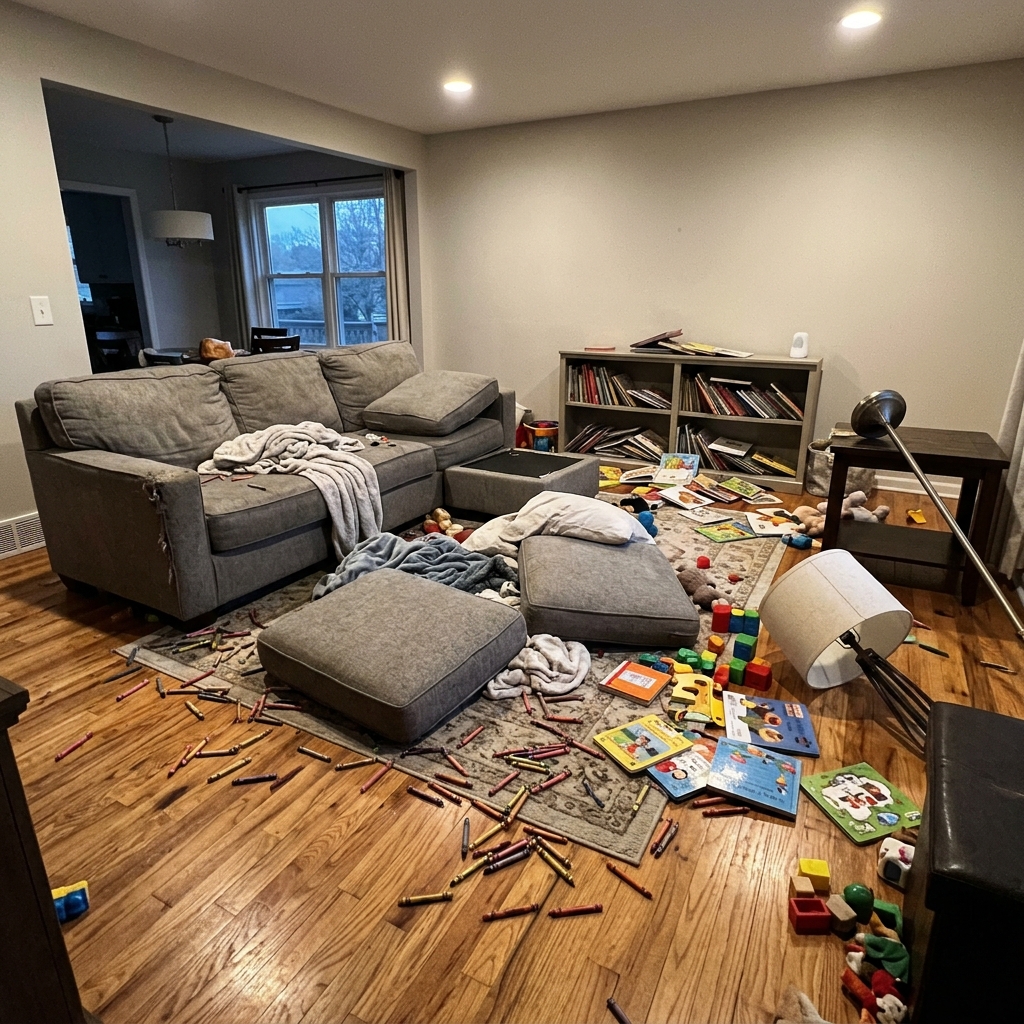
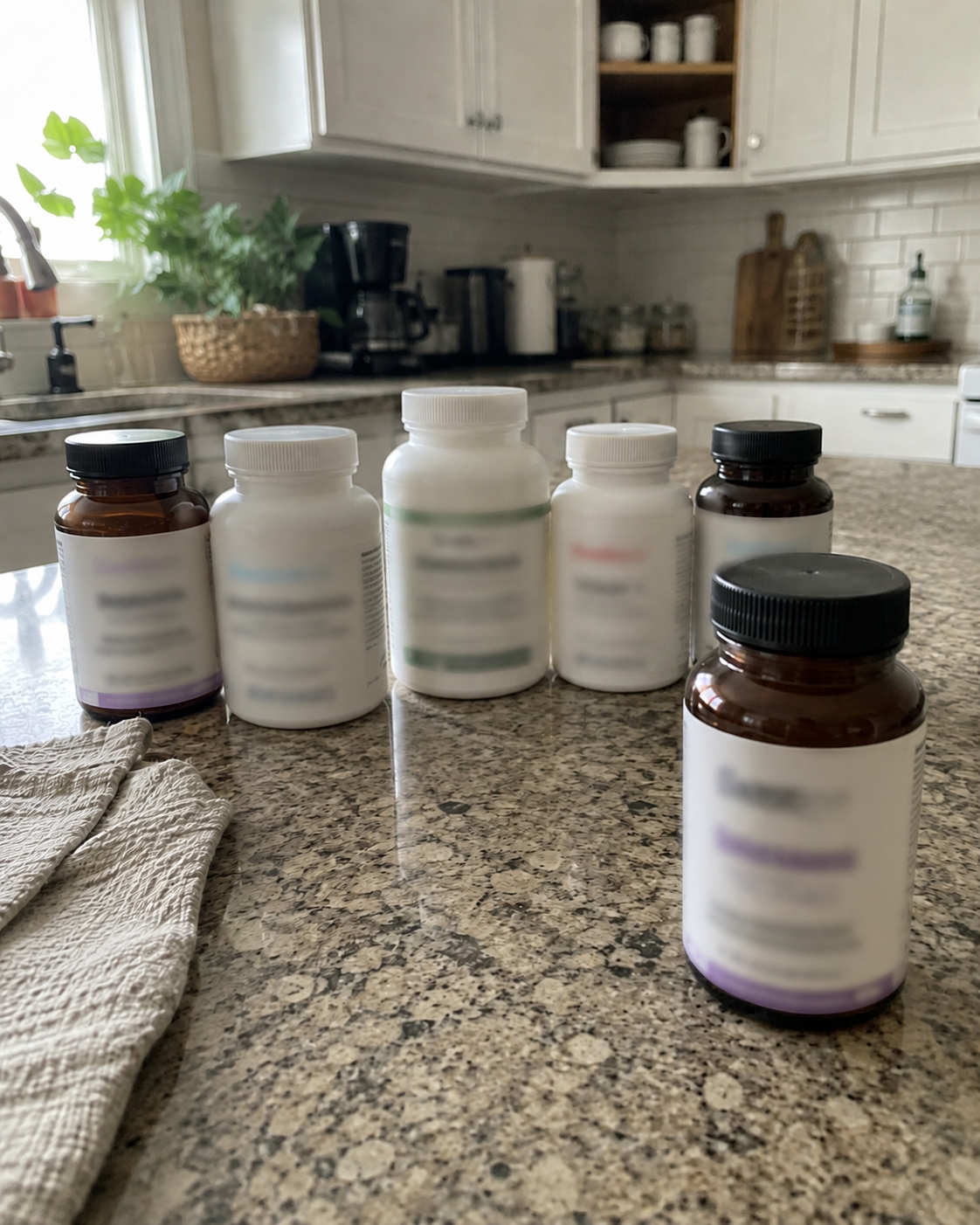
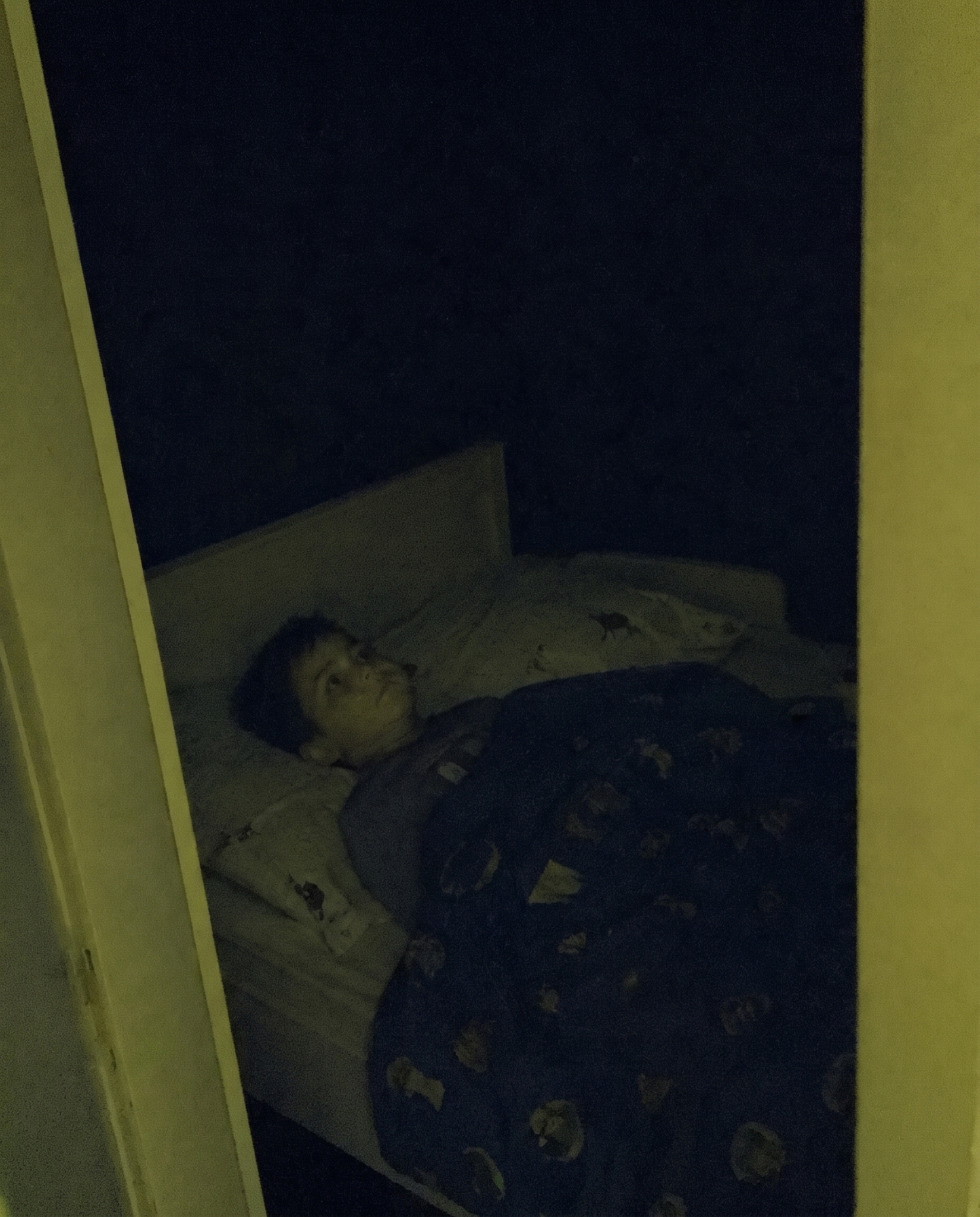
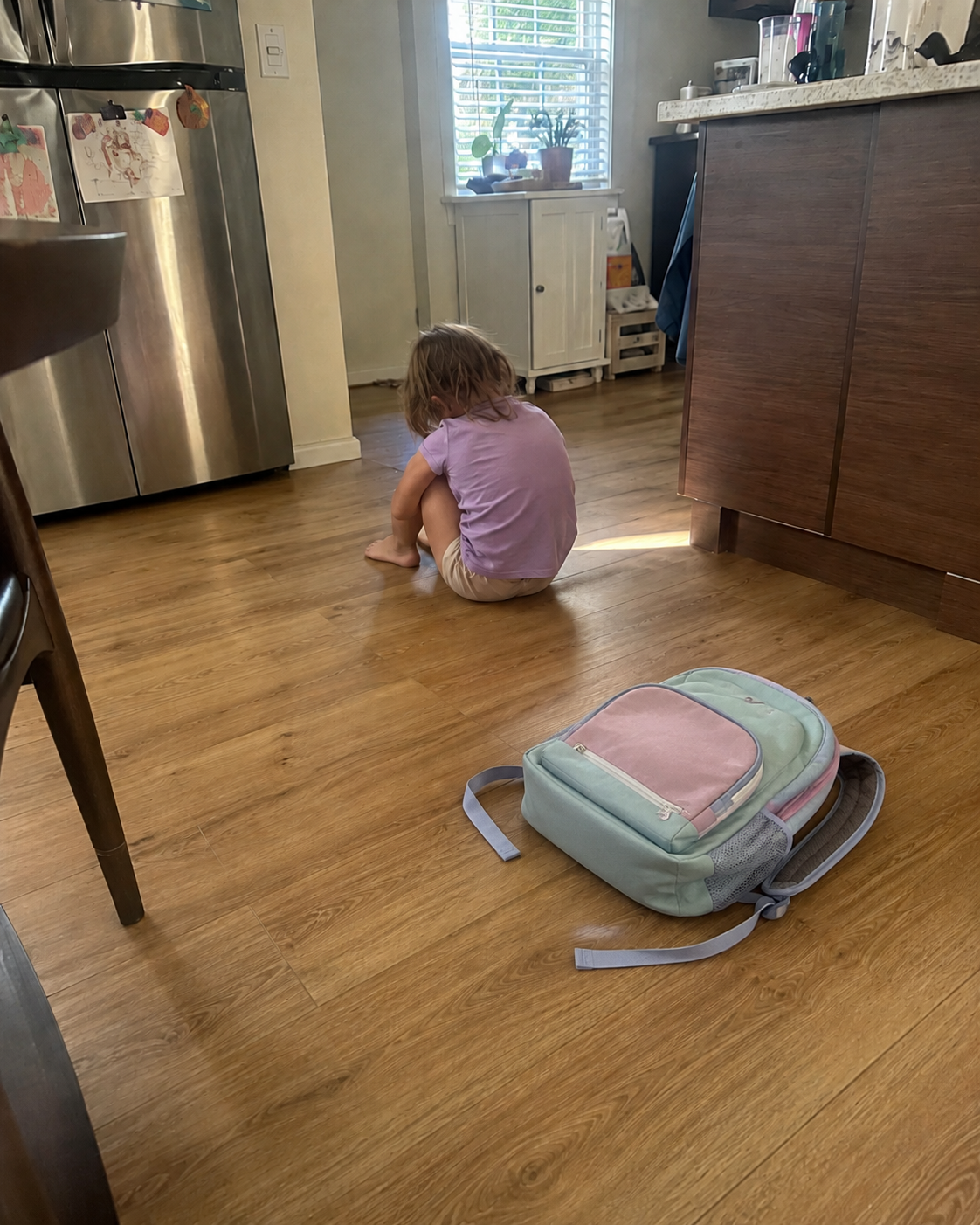
My ADHD son has been struggling since preschool. He's 8 now. A nutritionist told me something last month that I'm still angry nobody mentioned sooner. It was 11:52 PM on a Tuesday. I was sitting on the kitchen floor with my back against the cabinet. My son had finally fallen asleep after two hours of what I can only describe as him trying to tear the house apart from the inside. Not because he's a bad kid. He's not. But he'd thrown his backpack at his little sister, screamed something that I'm not going to repeat, and then collapsed into sobs on the bathroom floor — and I didn't know how to help him. I just sat there and watched him fall apart. And then I went to the kitchen and I sat on the floor. Not because I was tired. I mean, I was. But that wasn't it. I sat there because I had run out of things to try. Ethan has been struggling since he was three. Preschool teachers flagged it first — "he has trouble with transitions," "he gets very upset when he doesn't get his way," "he's bright but we're concerned." I nodded and took notes and went home and started researching. That was five years ago. Five years. I want you to understand what those five years actually looked like. Two therapists. The first one said he needed consistency. The second one was good — genuinely good — but she was $190 a session and after eight months, insurance stopped covering it and I had to stop. Three different medications. The first one made him cry at random and I watched my son look at me one afternoon like he didn't know where he was, and I called the pediatrician that night and said we're done. The second one worked better but gave him headaches and completely killed his appetite. He dropped four pounds in six weeks. He's eight. The third one — we couldn't even get consistently because it kept being out of stock at the pharmacy. Two months of "try calling next week." Dietary changes. We cut dyes. We cut sugar. We did a food journal for six weeks. We added omega-3s. We tried a kids' magnesium powder that he refused to eat because of the texture. I'm not telling you this so you feel sorry for me. I'm telling you this because I need you to know that I was not a mom who hadn't tried. I had tried everything. And every good week was followed by a bad one. Every small improvement evaporated. Every person who meant well — the teachers, the doctors, the pediatric therapist — they all gave me pieces of something. But nothing connected. I kept thinking it was me. That I wasn't consistent enough. That I was too emotional in the hard moments. That if I just had more patience, more structure, more something — it would work. I cried in my car a lot during those years. Once in a Target parking lot for about 20 minutes, which I mention not because it's funny but because I remember the specific feeling of not being able to stop. The question I asked myself in quiet moments was the one I was most ashamed of: What if I'm doing everything right and it's still not enough? Last month I was at a wellness event — one of those Saturday morning things at a local studio, not something I'd normally go to, but a friend had an extra ticket. There was a pediatric nutritionist speaking. Not someone selling anything. She was a researcher, and she was talking to a small room of maybe 30 people. She said something that I haven't stopped thinking about. She said: "Most of the kids I see who are struggling with emotional regulation and focus are not being treated for the right problem. We treat their behavior. We treat their attention. But we rarely ask what their brain is actually running on." I didn't move. She kept going. She explained that kids with ADHD and emotional dysregulation almost universally show measurable deficiencies in four specific areas — and that these aren't subtle. She said iron levels affect whether or not the brain can produce dopamine at all. Not enhance it. Produce it. That zinc deficiencies of even 7% correlate with significantly worse hyperactivity. That magnesium — which most kids eating a typical Western diet are low in — is what the nervous system needs to come down from a stress response. She said something like: "When a child's nervous system has nothing to work with, it can't regulate. It's not a behavior problem. It's a fuel problem." I raised my hand. I said: "Why doesn't anyone tell parents this?" She paused. She said: "Because we're still treating the symptom in the office and sending you home to manage the cause." I know how that could sound if you're skeptical. I was too. I had tried supplements. I had tried the omega-3s and the magnesium gummies and two different kids' vitamins. None of it had moved the needle. And I told her that. She asked me what forms I'd used. I didn't know what she meant. She explained that most commercial kids' supplements use forms of these nutrients that kids — especially kids with ADHD — have a harder time absorbing. That you could give a child magnesium in a form their gut couldn't use and show no change at all and conclude "magnesium doesn't help" when the truth was: that version never made it to their brain. I sat with that for a while. Because it meant that when I'd tried those things and they hadn't worked — it wasn't that the approach was wrong. It was that the product wasn't actually doing what I thought it was doing. That every time I'd bought something, crossed my fingers, waited, and watched nothing change — it wasn't failure. It was incomplete information. I want you to feel what that felt like. Because there is a very particular kind of grief in realizing that the thing you needed was real and available and you were just never pointed toward the right version of it. I went home and spent several hours going down a rabbit hole I probably should have found three years ago. The gut-brain axis. I knew the phrase. I'd heard it. But I hadn't understood that the gut is where 90% of serotonin is produced — including the serotonin a dysregulated, emotionally volatile child desperately needs. And that if the gut microbiome is out of balance, those signals don't get sent correctly. I hadn't understood that stress itself depletes magnesium — which means the more outbursts Ethan had, the more his magnesium was being drained by the stress response, which made the next outburst more likely, which depleted more magnesium. A loop no one had ever named for me. I hadn't understood that saffron — which sounds like a spice and not a brain nutrient — has clinical research behind it for mood regulation and attention in children. That it supports serotonin activity gently, without the mechanism that makes people nervous about pharmaceutical intervention. I wasn't asleep on all of this. I had just never had it explained as a system. As four interlocking things that all had to be addressed together before any of them could actually work. A friend of mine — she has a 9-year-old daughter with similar struggles — texted me about a month after all of this. It was close to midnight. She said she'd been using something called Bloomwise Focus Meltable for a few weeks and hadn't told anyone yet because she was still watching. She said: "I don't want to jinx it but something is different." I looked it up. It had saffron. Magnesium in a bioavailable form. L-theanine, which supports calm focus without sedation. Probiotics for the gut-brain connection. Vitamin D and B12 and a full panel of the nutrients I'd spent a month learning about. It was a meltable — not a gummy, no sugar, dissolves in the mouth — which mattered because Ethan's texture issues had killed half our supplement attempts before we even got to the question of whether they worked. I didn't buy it that night. I took two more weeks. I read everything I could find. Then I ordered it. I'm not going to give you a timeline because it wasn't like that. It wasn't week two and week six and week ten. There was a morning — I genuinely don't know how far in — where I noticed Ethan had come downstairs and eaten breakfast without a single escalation. The backpack was by the door. He'd put it there himself. I didn't say anything. I almost didn't breathe. There was a day his teacher emailed me — not about a problem. She said he'd helped a classmate find something they'd lost on the playground. There was a night where he got frustrated — really frustrated — and instead of it becoming the two-hour spiral, it peaked and then it came back down. In maybe twelve minutes. I sat on the kitchen floor again that night. Different reason. I think about what would have kept happening if I hadn't gone to that event. Another medication adjustment. Another bottle of the wrong version of magnesium that did nothing. Another year of him being labeled as the problem when the problem was that his brain didn't have what it needed to do what I was asking it to do. Another year of me on the kitchen floor thinking I had failed him. He didn't need to be fixed. His brain needed fuel. Real fuel. The right fuel. Nobody told me that for five years. One nutritionist told me in forty-five minutes. If you're where I was — tried everything, exhausted, watching your child struggle and watching yourself slowly stop believing anything will work — I understand. And I'm not here to sell you on a dramatic transformation. I'm here to tell you what I wish someone had said to me three years ago: There is a reason nothing worked. And it is not because there's nothing that can work. It's because most approaches only treat the behavior. They don't ask what the brain is running on. Once I understood that — once someone actually explained the four pieces of this and why they have to work together — everything that had failed suddenly made sense. And everything that needed to change became a lot clearer. Bloomwise is what I use. It's what my friend uses. It's not magic. It's not a cure. But it's the first thing I've put in my son's hands that I understand why it works. And for the first time in five years, I feel like I'm working with his brain instead of fighting against it. That's all I wanted. For a very long time. That's all any of us wanted. Click below to learn more.
Like this ad? Make it yours.
Crush rebuilds this exact creative around your product — your brand, your colors, your offer — in about a minute.