
Inactive· since Aug 17, 2026
- 24
- days it ran
- 0
- relaunches
Ad copy
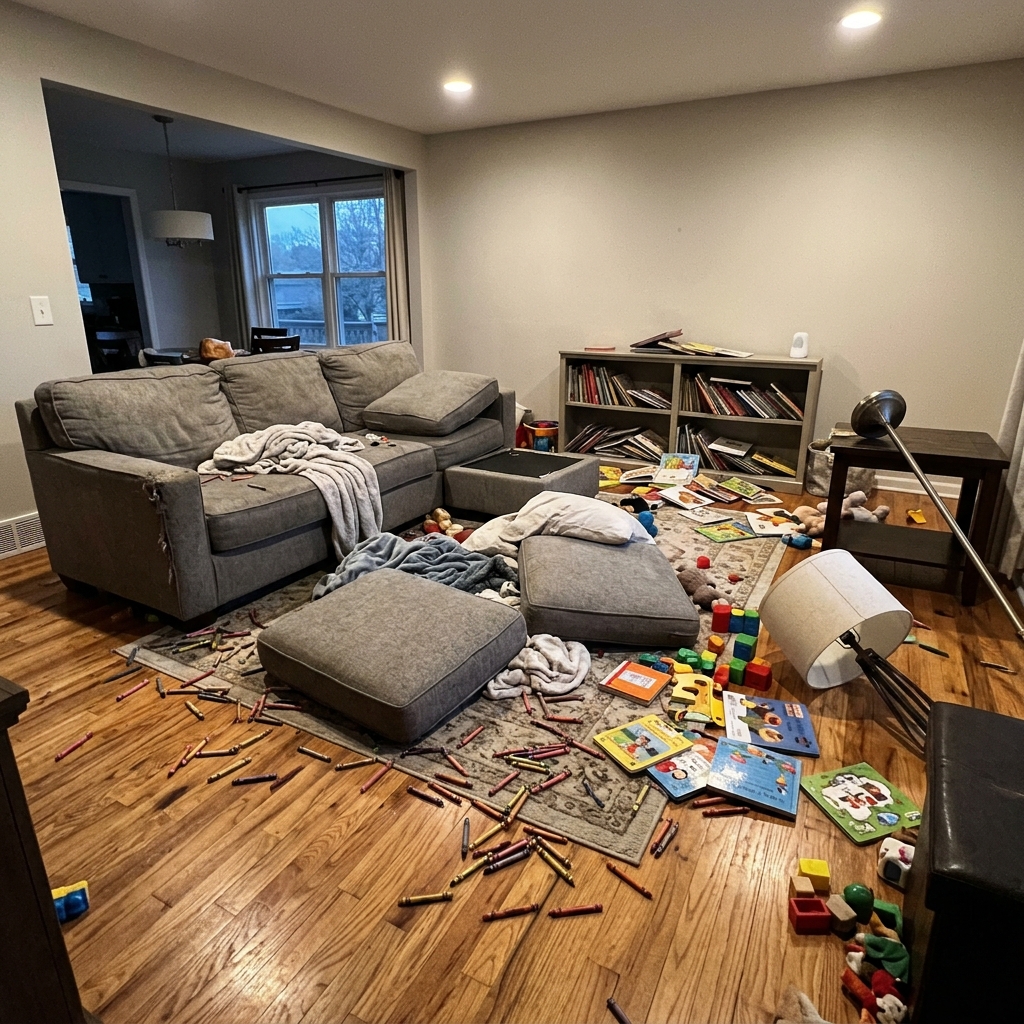
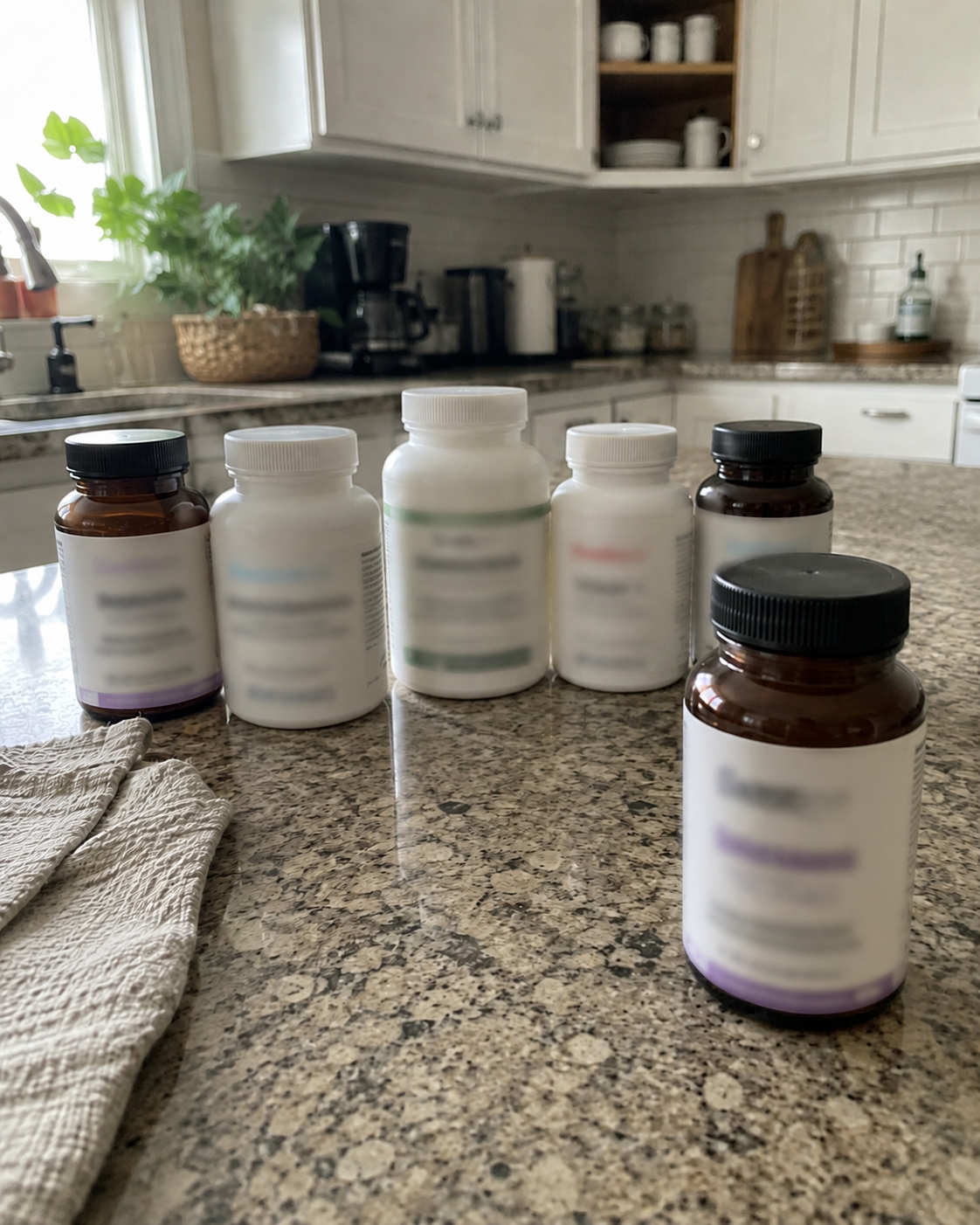
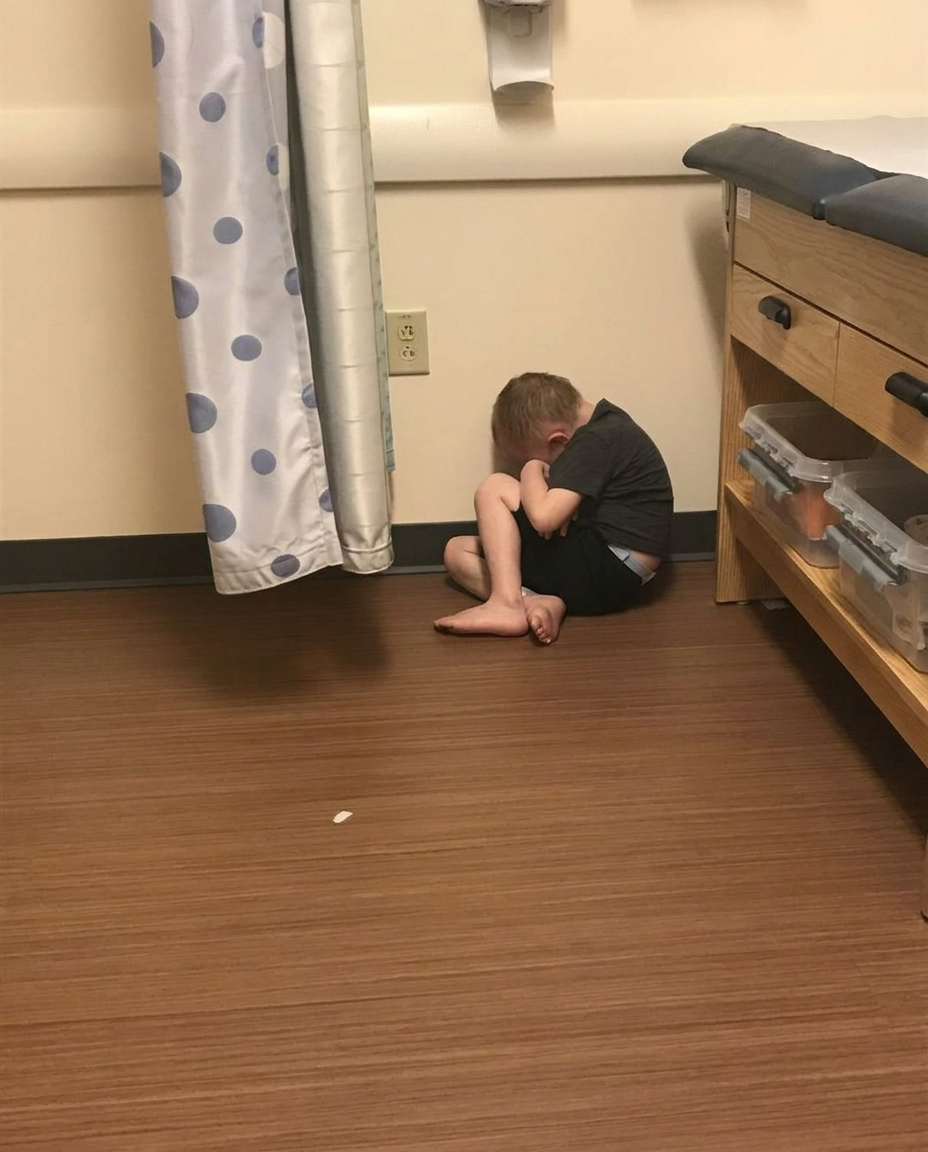
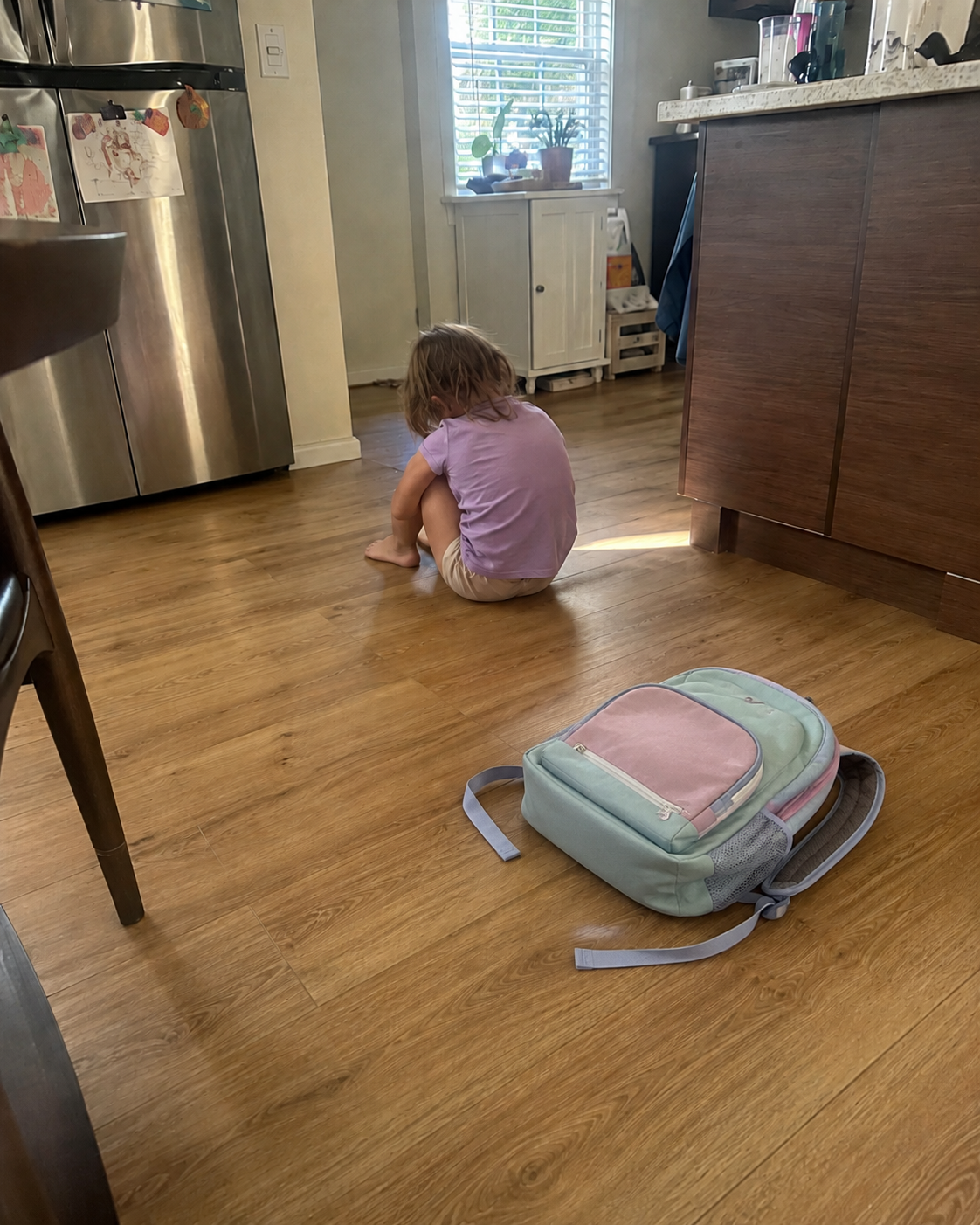
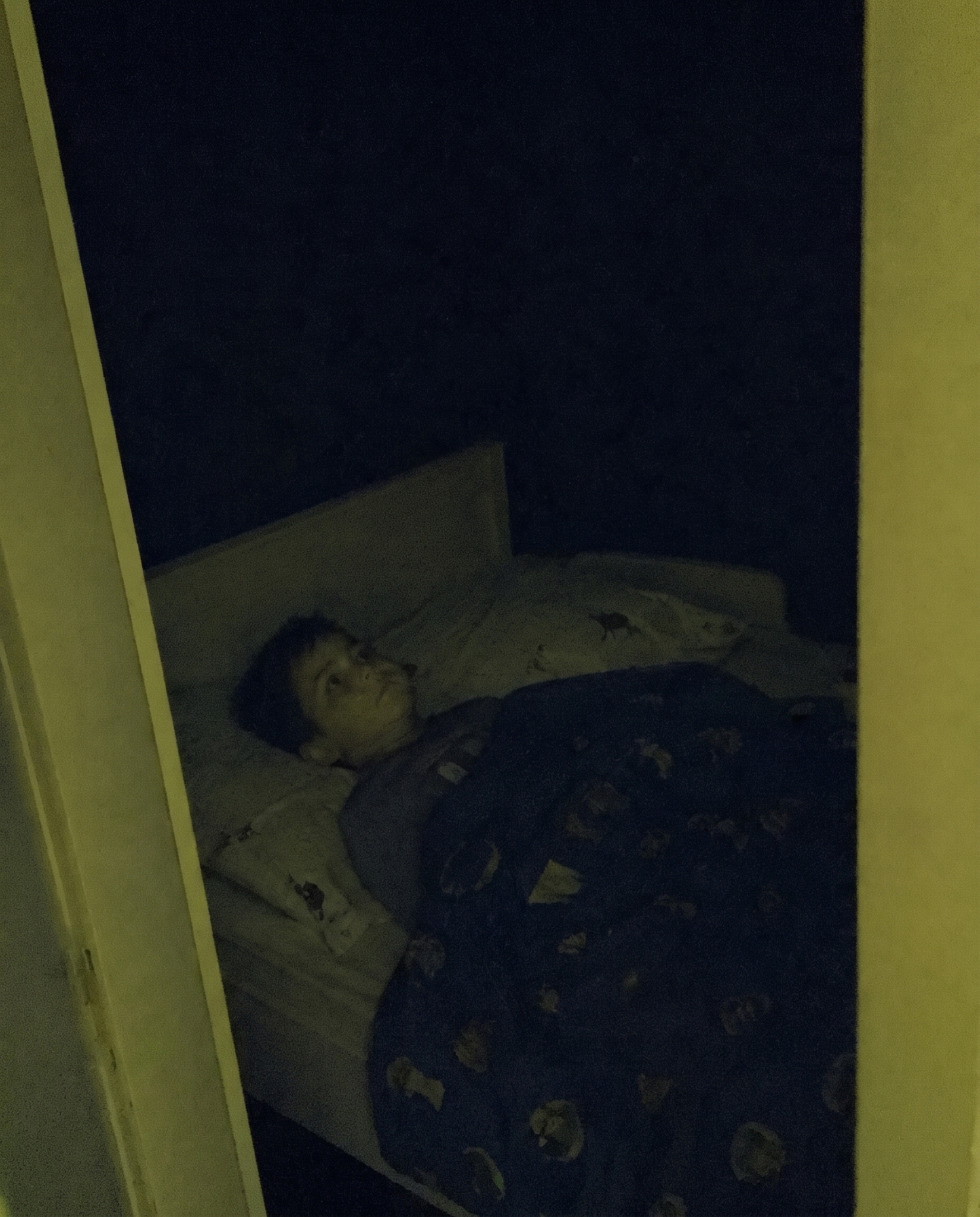
The reason ADHD kids can't fall asleep has nothing to do with screens, routines, or discipline. It's a chemistry problem and melatonin doesn't fix it. It makes it worse. If your kid has ADHD and bedtime is the last battle of a day that was already all battles, you know what the last four years have looked like in my house. 10:47 p.m. and Marcus is standing in the hallway again. Water this time. Before that it was the bathroom. Before that he had to say goodnight to the cat. Then he came back out because he wasn't sure the cat heard him. He's nine. I've been lying on his bedroom floor until he falls asleep since he was six. I stopped telling people that because of the way they looked at me when I did. Some nights I'd finally get up, go to brush my teeth, and there'd be a knock on the bathroom door. Him. Wide awake. Wanting to tell me something about sharks. And then 5:30 a.m. His eyes open like a switch flipped. Ready to go. The hours between 9 and 11 were supposed to be mine. Me and my husband. A show we'd been trying to finish for four months. A conversation that wasn't about logistics. We stopped expecting it somewhere around year two. I had tried everything. I want to be specific about that, because I know how it sounds. Melatonin every single night for two years. Started at half a milligram. Worked for about three weeks, then stopped working. So we went to one milligram. Then three. Magnesium gummies. The ones the mom groups swear by. No screens after seven. Weighted blanket. White noise machine. Blackout curtains. The exact same routine every night — bath, two books, lights out — for over a year, because three different people told me consistency was the answer. We tried a podcast. One of the sleep ones made for kids. The idea was to give his brain one thing to hold onto while it wound down, so I'd set the timer for twenty minutes and it would shut itself off once he'd drifted. He figured out how to restart it. Volume down low so I wouldn't hear it through the door. I only found out because he started telling me things at breakfast that could only have come from the episodes way past twenty minutes. I paid a sleep consultant $280 for a phone call and a PDF. I followed the PDF for eight weeks. Then we started prescriptions to get him down at night. Guanfacine first. Then clonidine. I watched him too closely those first two weeks. I didn't love who he was in the mornings. At our last appointment his pediatrician said some kids just have a harder time regulating sleep, and we could adjust the dose or add something else. He's nine. And the plan was a prescription, managed indefinitely. I'm not listing all of this so you feel sorry for me. I'm listing it so you understand I was not a mom who hadn't tried. Here's the night it changed. He'd been put to bed at 8:30 and at 11:40 he was still awake. I finally got him down and then I couldn't sleep either. That happens now. My body stays braced for the door. So at 2 a.m. I was lying in bed with my phone, my husband asleep next to me, doing what I'd done a hundred times. Searching. ADHD child can't fall asleep. Melatonin stopped working. Why won't my son's brain turn off. Same three answers every time. Limit screens. Keep a routine. Talk to your doctor. Except this time I found a masterclass. A pediatrician had done a full recorded session in a Facebook group for parents of ADHD kids, and it was about sleep specifically. I watched the whole thing lying there in the dark. It was almost an hour. And she said something in the first ten minutes that I had to rewind twice. She said sleep isn't something a child's body just does. It's something the brain has to start. And it can't start it without the right chemistry sitting there ready. Then she named the chemistry. Dopamine. Serotonin. Norepinephrine. I sat up in the dark. Because those are the three. Those are the same three every parent hears about the day their kid gets diagnosed. She went through all of them, and she tied every one to bedtime. Dopamine is focus. When it's low, his brain goes hunting for something interesting. That's the third trip out of the room. That's the shark facts at ten o'clock. He isn't stalling. He's looking for something to hold onto. Serotonin is calm. When it's low, he can't come down. He can be exhausted and still not able to settle. Norepinephrine is drive. When it's low, that's the next morning up at 5:30 running on nothing, flat by nine, the whole day starting behind. Which is what makes the next night worse than the one before it. Starve all three and everything falls apart. Bedtime is just where you see it first. Every parent in that group knew those three run low in an ADHD brain. That's the whole diagnosis. That's the reason he can't sit still, can't wait his turn, can't let a small thing go. What nobody had ever told me is that they're also what his brain needs to shut itself down at night. His brain wasn't refusing to sleep. It didn't have what it needed to start. At the end she said she was doing a live Q&A the next day at 5 p.m. I went to work on three hours of sleep and came home more tired than I left. I got Marcus started on his homework and joined that call at 5 with my laptop propped on the kitchen counter. I typed out everything. Four years. The melatonin. The doses going up. The magnesium, the podcast timer, the $280 PDF, the guanfacine, the clonidine, the floor. When she got to me, she read some of it out loud. Then she said, "You've done more homework than most parents I talk to. None of this was your fault, and none of it was random. Every single thing on that list failed for a reason." I sat down on the kitchen floor. Then she went through it, one at a time. The melatonin first. She said store-bought melatonin is a finished hormone, made in a factory, dropped in from the outside. All it does is tell his body it's night. It never touches the chemistry that actually lets his brain power down — and a body handed a hormone every night leans on it instead of doing the work itself. That's why it works for three weeks and then stops. And that's why every time you raise the dose it works for a little while and then stops again. I'd been doing that for two years. Then the podcast. She actually laughed a little, kindly. She said a brain that can't start its own shutdown will hold onto anything you give it. I'd handed it something interesting and asked it to let go. It was never going to let go. Then the routine, the blackout curtains, the weighted blanket, no screens after seven. She said all of that is real and all of it helps — but not one of those things makes the chemistry. You can build the most perfect room in the world around a brain that can't produce what it needs, and he'll lie in that perfect dark room wide awake. That was the sentence that got me. Then she asked me something I had never once thought about. "The magnesium, the vitamins, all the supplements you tried, what form were they in?" Gummies, I said. And a powder we gave up on. She said most supplements never really make it into the child. They go down into the stomach and most of it gets destroyed in digestion before the body can use it. At best, about half. So even on my most consistent month, he was getting maybe half a dose. Never enough to change anything. "That," she said, "is usually when parents give up and go back to the prescription." And then she said the gummies were the worst of them. Loaded with sugar. Sugar right before bed gives a spike and then a crash — and a crashing brain is more wound up, not less. The one thing he'd happily take at bedtime was feeding the exact problem. So I asked her what was left. If it's not gummies and it's not powders and it's not another melatonin, what do I actually give him? And she stopped talking about bottles. She said what his brain needed was the raw material to build those three chemicals itself — magnesium, zinc, B12, folate, vitamin D. Plus saffron, which she said has real clinical research behind it for mood and attention in kids, and which helps protect the serotonin he's already making. And L-theanine, which settles a child without sedating him — calm, but still himself. She said in the right form, that combination is what actually works. And that there's one made for kids that melts on the tongue instead of going through the stomach. Then she said the name. Bloomwise. I didn't just order it. I'm the mom who researches things, that's how I ended up with a cabinet full of bottles in the first place. So I read the label a dozen times. Saffron. Magnesium. Zinc. The B vitamins in the form the body can actually use. Fourteen nutrients in one, almost every bottle I'd been buying separately, already picked and already dosed. No sugar. Nothing to swallow. Two in the morning, two at night. I ordered it that night. The first night, nothing happened. Same hallway, same trips, same floor. I wasn't surprised. Nothing had ever worked before. The third night, I was standing in the hallway at 9:15 waiting for him to come out. He didn't come out. I stood there a minute. Then I went back downstairs. A week in, he asked me for his melts in the morning before I'd remembered them. He liked them. That alone was new, four years of fighting him over everything I'd ever tried to give him. Two weeks in, we got through a whole morning without a fight. Nobody cried about socks. Nobody got yelled at in the car. I was halfway to work before I realised I wasn't gripping the wheel. And about a month in, my husband and I finished the show. All of it. Both of us awake. Nobody knocked on the door. I'm not going to tell you this is a cure. ADHD doesn't have a cure, and Marcus is still Marcus. Some nights are still long. What I'll tell you is that I'm not in the loop anymore. Trying the next thing, watching it work for two weeks, watching it stop, raising the dose, watching it stop again. I was in that loop for four years. I'm not in it now. Last week he got into bed at 8:45 and pulled the blanket up, and I was standing in the doorway waiting for the first trip out. He looked at me and said, "Mom, my brain feels quiet tonight." I turned off the light and went back downstairs. This is the one we use: https://hellobloomkids.com/products/bloomwise-kids-meltable They back it with a 60-day money-back guarantee. Give it to your child, and if nothing changes, you send it back and you're out nothing. After what I spent on the shelf, that's the only reason I finally let myself try one more thing. The first order is 50% off, and you pick how many kits you need, one per kid, about a month each. I'd get more than one. I ran low once and we lost a week getting back to where we'd been. Try it. Then come back and tell me how it went. 💛
Like this ad? Make it yours.
Crush rebuilds this exact creative around your product — your brand, your colors, your offer — in about a minute.