
Inactive· since Jun 24, 2026
- 36
- days it ran
- 0
- relaunches
Ad copy
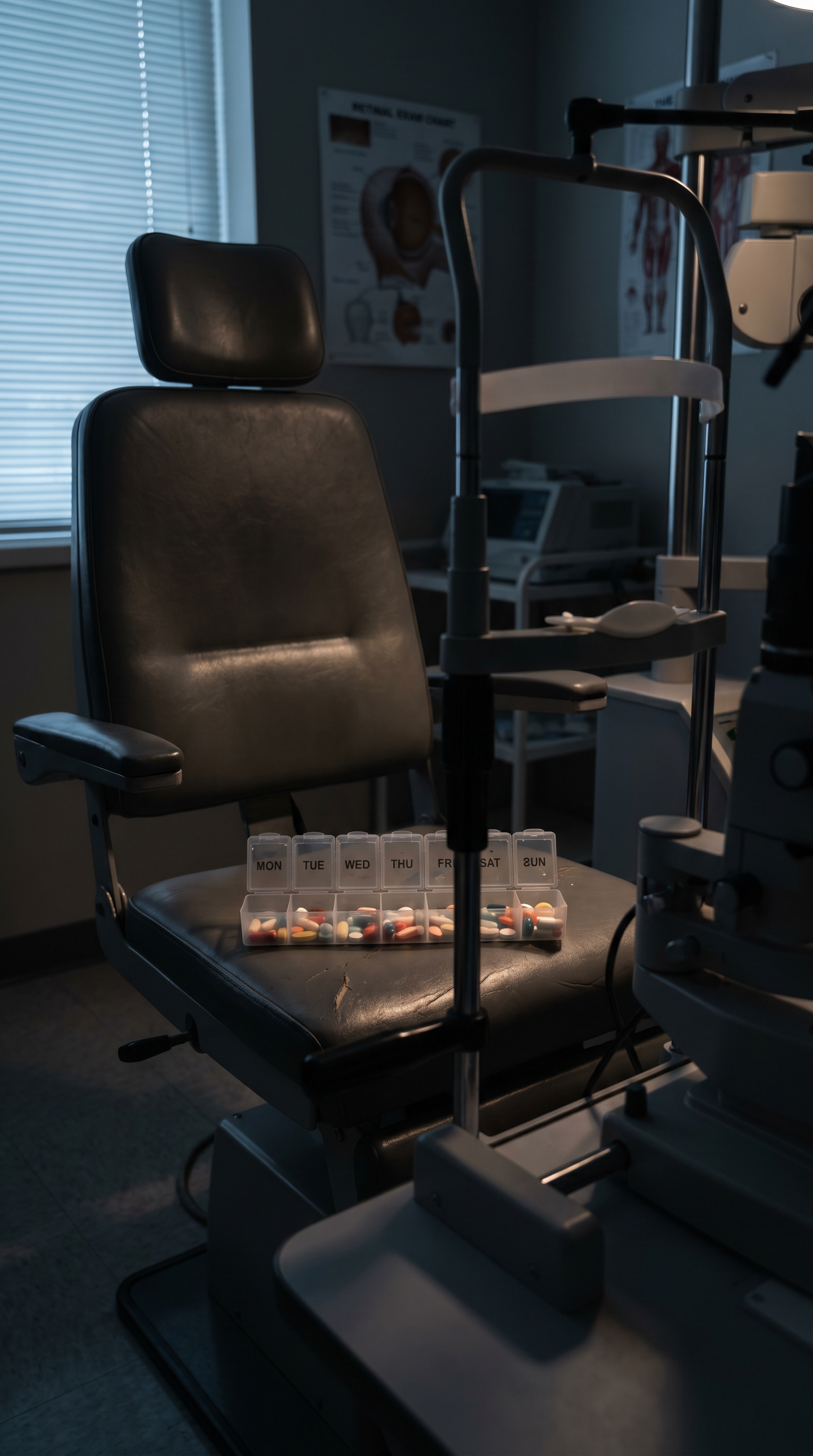
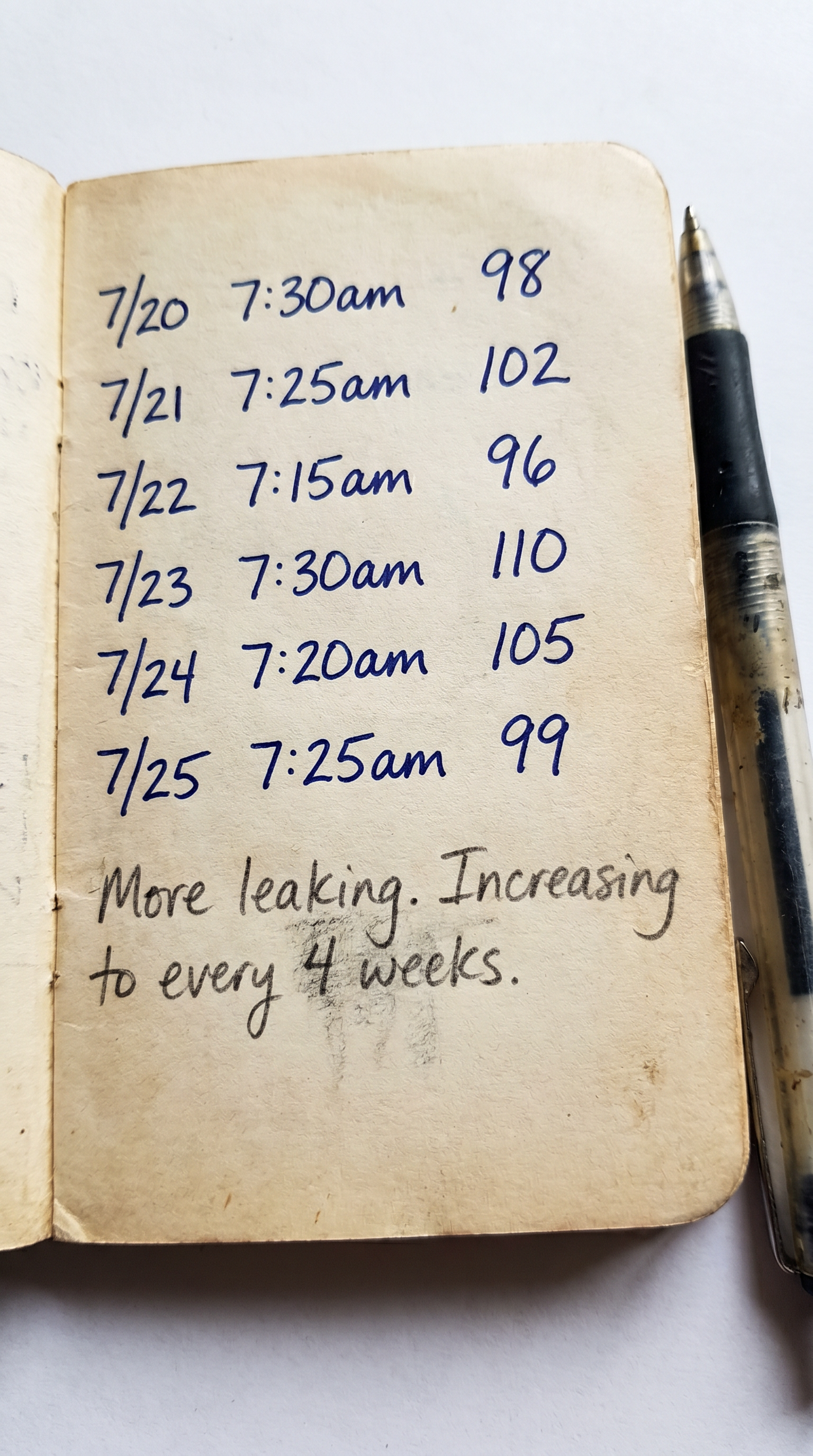
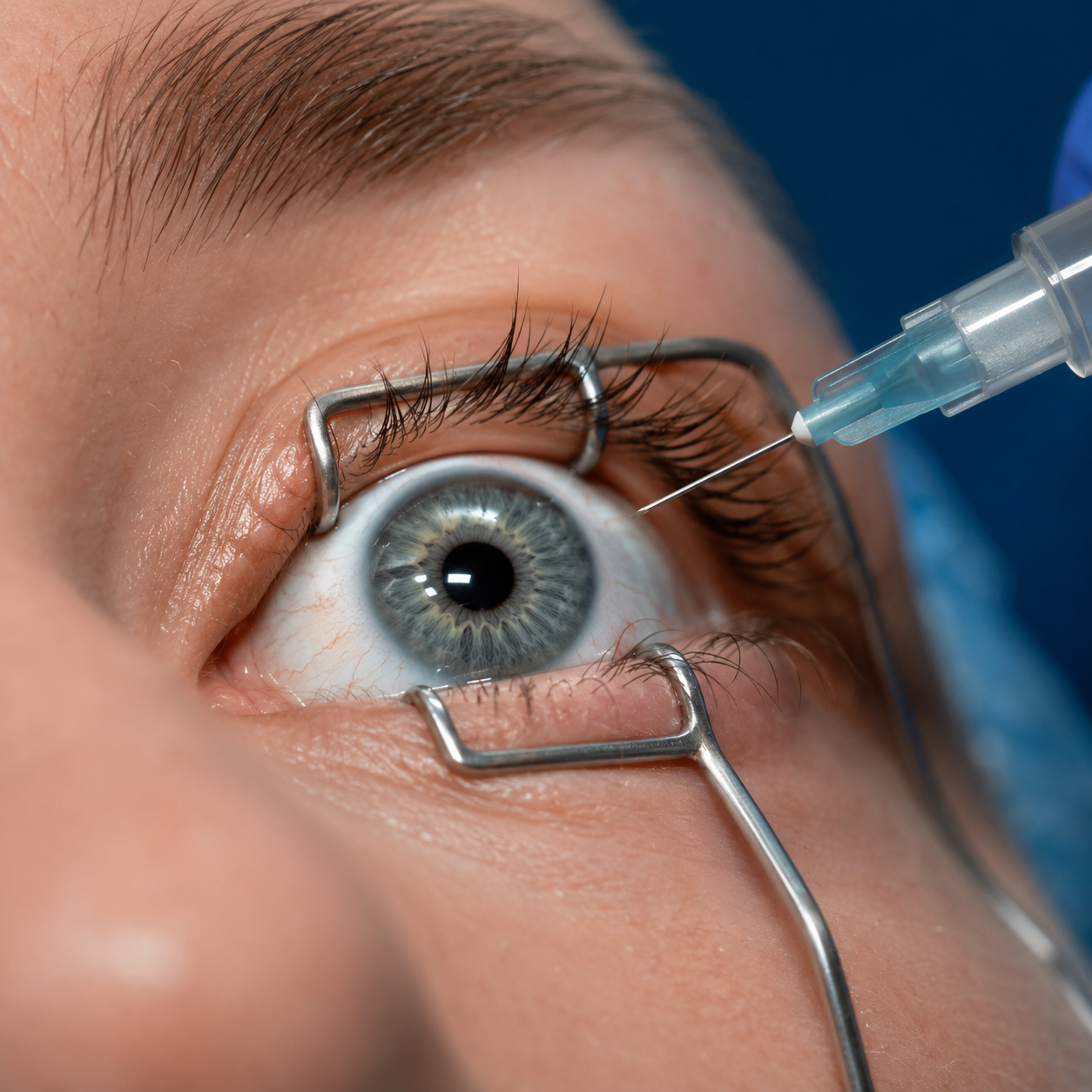
I've been a retina specialist for 23 years. I've treated hundreds of diabetic retinopathy patients. And I need to tell you something that's haunted me since my mother went legally blind three years ago. My mother had type 2 diabetes for 22 years. She managed it. Every single day. Checked her blood sugar every morning. Pricked her finger before every meal. Logged every number. Took her Metformin on schedule. Cut the sugar. Cut the carbs. Counted every gram. Walked after dinner. Lost the weight her endocrinologist told her to lose. Brought her A1C down from 10 to 5.7. She did everything they asked. Everything. And her eyes still fell apart. For nine years, my mother received Eylea injections every six weeks for diabetic retinopathy. $2,100 per injection. Seventy-eight injections total. Roughly $150,000 in treatment costs. And I was the one who recommended them. I'm not just her daughter. I'm the retina specialist who looked at her retinal scans every six months for nine years and told her this was the best we could do. Keep your A1C under control. Check your blood sugar every morning. Take your Metformin. Watch your diet. And get injections when the vessels start bleeding. That was the protocol. That's what I was trained to recommend. And it failed her completely. By year eight, she was legally blind anyway. Could see shapes and movement, but faces were gone. Text was gone. The books she'd read her entire life were gone. The injections didn't save her vision. They just slowed down how fast she lost it while draining her savings. Her A1C was 5.7. Perfect. And her retina was still leaking. Not because she failed. Because the damage was happening on a completely different battlefield — inside her eye, behind a wall that her blood sugar control was never built to cross. I didn't understand that then. I do now. I carried that failure quietly for three years after she passed away. Then two years ago, at a routine screening, I found the first changes in my own eyes. Microaneurysms. Tiny dot-like bleeds. The earliest warning signs of diabetic retinopathy. The exact same disease that blinded my mother. I've had type 2 diabetes for fourteen years. My A1C has been under 6.0 for the last five. I check my blood sugar every morning. I take my medication on schedule. I watch every meal. I did everything right. And my retina was still leaking. And I sat in my own exam chair, staring at my own scans, and I felt something break open inside me. Because I realized — my A1C was perfect. My blood sugar was managed. And the damage was happening anyway. That's the A1C Trap. And nobody told me. Nobody told my mother. And nobody is telling you. Your A1C measures the sugar in your blood. But the damage to your eyes isn't happening in your blood — it's happening inside the eye itself, behind the blood-retinal barrier, where nothing in your current treatment can reach. There are two battlefields. Your insulin, your pills, your diet, your finger-sticks — every tool you've been handed fights on the first one: your bloodstream. But the leaking, the swelling, the bleeding — that's all happening on the second battlefield, deep inside the eye, where nothing in your current treatment was ever built to go. That's why you can do everything right. Check every log. Bring your numbers down to a perfect 5.7. And still sit in that exam chair and hear the words "there's new leaking." It feels like a punishment. It feels like you failed. You didn't. You haven't been losing. You've been fighting on the wrong battlefield — with weapons that were never designed to get inside the eye. And if you're carrying the guilt — that quiet voice that says you did this to yourself, that if you'd just managed your diabetes better, you wouldn't be losing your sight — I need you to hear this as a retina specialist and as someone who watched her mother carry that same shame for nine years: It is not your fault. Microvascular damage is an incredibly complex metabolic challenge. It runs through glycation — sugar chemically bonding to the soft walls of your retinal capillaries, hardening them like sugar caramelizing on a stovetop, making them brittle and porous until they weep fluid. It runs through oxidative corrosion — free radicals eating the cells lining those vessels, like rust corroding a pipe from the inside, working between every appointment whether your blood sugar reads 5.7 or 9.0 that morning. These pathways operate locally, inside the retinal tissue, on their own clock. Your A1C doesn't reach them. Your Metformin doesn't reach them. Your diet doesn't reach them. The guilt you carry is based on a lie — the lie that perfect control equals perfect protection. It doesn't. Because the damage is on the other side of a wall. And you were never given anything to fight on that side. I should have known this nine years ago. I'm a retina specialist. This is my field. I'm the one who does the injections. I'm the one who reads the scans. I'm the one who sees the leaking. And I didn't know why my own mother's eyes were still falling apart despite doing everything right. Because I was trained the same way every retina specialist in America is trained — to manage disease with needles and lasers. To fight the fires. Not to prevent them with targeted nutrition. Not to ask whether the damage was happening on a battlefield my tools couldn't reach. And then there was the supplement. When my mother asked if there was anything else she could do — any supplement, anything at all — I told her what every retina specialist tells diabetic patients: take PreserVision. The standard recommendation. The one on every pharmacy shelf. The one trusted by twenty million people. She took it religiously for nine years. Never missed a dose. It did nothing. And here's the part that makes me sick to my stomach — PreserVision was never designed for diabetic eyes. I didn't know this. Not then. And I should have. Because I'm the one who specializes in the retina. I'm the one who should have asked whether the supplement I was handing my own mother was built for the disease she actually had. PreserVision was designed in the 1990s for age-related macular degeneration. AMD. A completely different condition. Different pathways. Different damage. Different disease. Diabetic retinopathy runs through glycation corroding your vessel walls. Through oxidative rust eating your capillary cells. Through fragile vessels leaking fluid behind a wall your blood sugar cannot cross. Through pathways AMD supplements were never built to address. PreserVision has no Alpha-Lipoic Acid — the one antioxidant studied directly for diabetic eyes and nerves. No Bilberry to reinforce the leaking capillary walls. No Astaxanthin to cross the blood-retinal barrier. No Meso-Zeaxanthin to protect the center where diabetic damage concentrates first. They sell it to diabetics using a label loophole that lets them print "eye health" without specifying which kind. And retina specialists — the people who should know better than anyone — hand it to diabetic patients because it's what's on the shelf. Not because it matches the disease. I handed my mother a formula built for the wrong disease. For nine years. And I'm the one who specializes in the retina. So I did what I should have done nine years ago for my mother. I stopped trusting the protocol. And I started reading the actual research. I was at a conference in Boston. Saturday afternoon session. Half-empty lecture hall. The presenter was a retinal biochemist. She put up a slide showing the pathways of diabetic retinopathy — not AMD. Diabetic retinopathy specifically. She showed how glycation hardens the capillary walls from the inside. How oxidative corrosion eats the cells lining those vessels. How the vessels crack, weep fluid, and eventually rupture. How the eye panics and grows fragile new vessels that bleed and demand injections. And how all of this happens behind the blood-retinal barrier — on a battlefield that systemic blood sugar control cannot reach. Then she showed the ingredient panels of the five most popular eye supplements retina specialists recommend to diabetic patients. Every single one — PreserVision, Ocuvite, the generic AREDS2 formulas — was designed for aging maculas. Not for diabetic eyes under glycemic stress. She said: "These formulas use a label loophole to print 'eye health' without specifying which kind. They lack the clinical-grade ingredients needed to protect fragile, leaking capillaries from glycation damage. We are recommending the wrong formula to the wrong disease." I sat there and felt the same thing break open that broke open when I looked at my own scans. My mother. Nine years. $150,000. Seventy-eight needles. A perfect A1C. And a supplement built for the wrong disease every single morning — handed to her by me. Her retina specialist. Her daughter. After that conference, I went looking for a formula that was actually built for what is happening inside a diabetic eye. I had criteria: All three retinal carotenoids — Lutein, Zeaxanthin, AND Meso-Zeaxanthin — at clinical doses, because these are among the only nutrients that physically cross into the retina and reach the second battlefield. Alpha-Lipoic Acid — the one antioxidant studied directly for diabetic eyes and nerves, the only one that works in both the watery and fatty parts of your cells and recharges the others as they burn out. The piece generic eye vitamins leave out entirely. Bilberry — to reinforce the fragile capillary walls that are leaking, strengthen the tight-junction seals, and stop the weeping. Astaxanthin — to cross the blood-retinal barrier and quench the oxidative rust corroding the vessel walls from the inside. Sugar-free. Does not touch glucose. Not another blood sugar pill. It took me four months to find one that met every criterion. I ordered it the day I found it. Because I had microaneurysms in both eyes. Early diabetic retinopathy. A perfect A1C. And damage that was happening anyway — on the battlefield my blood sugar was never built to reach. I started taking it immediately. Week 1: Nothing measurable. I documented the date and waited. Week 3: Less eye fatigue after long surgical days. The gritty, sandy burning feeling that I had accepted as part of having diabetes — it started fading. Subtle, but there. Week 6: I was reading a journal article and my husband said, "You're not squinting anymore." I hadn't realized I had been. For months. Week 8: Colors looked more vivid. Like someone had adjusted the saturation on reality. The floaters that had been drifting across my vision like little dark shadows — fewer of them. Noticeably fewer. Week 12: I did my own retinal imaging. The microaneurysms hadn't disappeared — that's not how this works. But they hadn't multiplied. No new dot bleeds. First three-month interval where the disease didn't progress. Month 6: Follow-up OCT scan. My colleague who reviewed my scans, who didn't know I'd changed anything, wrote in my chart: "Capillary walls appear more stable. No new leakage detected. Continue current management." No new leakage. Not "slowing decline." Not "stable despite progression." No new leakage. Current management was a bottle with the diabetic-specific ingredients my mother never had access to — working on the battlefield her blood sugar control could never reach. And her PreserVision was never built to reach. I've been taking it for two years now. My last scan was three weeks ago. At 63, my retinal vasculature looks healthier than it did at 61. The microaneurysms are still there — the existing damage doesn't erase — but there are no new ones. No new bleeds. No new leaking. My mother's scans at 63 showed exponential progression from where she'd been at 61. New hemorrhages. New leaking. Another round of injections scheduled. While she took her Metformin every morning and her PreserVision every evening and checked her blood sugar before every meal and did everything right. The difference is what gets inside the eye. Her blood sugar management fought on the first battlefield. It did its job. Her A1C was perfect. Her PreserVision was built for a disease she didn't have. It never crossed the barrier. It never reached the second battlefield. My formula reaches the second battlefield. It does the job neither her blood sugar control NOR her supplement ever could. Now here's what I need you to understand. If you have diabetes and you're taking PreserVision, Ocuvite, or any standard AREDS2 formula — you are taking a supplement designed for age-related macular degeneration. Not for diabetic retinopathy. Not for leaking capillaries under glycemic stress. Not for the oxidative rust that is corroding your vessel walls behind a barrier your blood sugar cannot cross. Your blood sugar management is doing its job. Your A1C is doing its job. But there's a second battlefield they cannot reach — and you've never been given anything for it. If your A1C is managed and your eyes are still getting worse — you are not failing. You are fighting on the right battlefield with the right weapons — and nobody gave you anything for the second one. If you're carrying the guilt — stop. You did not bring this on yourself. The gap is in the treatment, not in you. And every day you wait, more capillary walls corrode. More vessels leak. More photoreceptors starve. The damage behind that barrier accumulates — and the parts that die do not come back. The formula I take is called Visiovance 15-in-1 Advanced Eye Formula. It's the only one I found that contains: The 3 Retinal Carotenoids: Lutein: 20mg (clinical dose — double what PreserVision uses) Zeaxanthin: 2mg Meso-Zeaxanthin: 2mg (the center protection PreserVision, Ocuvite, and EyePromise DVS all skip) The Diabetic-Specific Ingredients: Alpha-Lipoic Acid: 50mg — the one antioxidant studied directly for diabetic eyes and nerves. Works in both the watery and fatty parts of your cells. Recharges the other antioxidants as they burn out. The piece generic eye vitamins leave out entirely. Astaxanthin: 4mg — crosses the blood-retinal barrier. Vitamin C can't get through. Vitamin E can't get through. Astaxanthin can. Stops the oxidative corrosion at the capillary walls. Bilberry Extract: 50mg — strengthens the walls of your tiny blood vessels. Seals the cracks. Stops the weeping. Keeps the fluid where it belongs. Plus: Saffron Extract: 10mg — improves retinal cell function Ginkgo Biloba: 40mg — drives blood flow back into the smallest vessels feeding your retina Taurine: 75mg — an amino acid your retinal cells run on but that gets drained under high blood sugar Luteolin: 50mg — calms the inflammation inside the eye that glycemic stress keeps firing up Omega-3 Fatty Acids: 100mg — photoreceptor membrane stability Zinc: 15mg — properly dosed so it doesn't cause nausea like PreserVision's 80mg Copper: 2mg — balanced with zinc Vitamin C: 75mg — antioxidant protection Vitamin E: 30mg — shields eye cells from oxidative stress All 15 ingredients. All at clinical doses. All third-party tested. Sugar-free. Does not touch your glucose at all. Not another blood sugar pill. Complete protection for the diabetic eye — working on the one battlefield your A1C can never reach. I cannot tell you this will stop your diabetic retinopathy. I'm a retina specialist, not a salesperson. Individual responses vary. But I can tell you what the research shows. I can tell you what happened in my own eyes, documented with retinal imaging every three months. I can tell you what I've seen in my patients who've switched from PreserVision to a formula actually built for diabetic eyes. And I can tell you this: My mother managed her diabetes perfectly for 22 years. Perfect A1C. Never missed a dose of Metformin. Never missed a finger-stick. She fought on the first battlefield with everything she had. And she took PreserVision for nine years. A supplement built for a disease she didn't have. On the second battlefield — the one inside her eye where the damage was actually happening — she had nothing. The formula I take daily reaches the second battlefield. It does the job her blood sugar control never could and her supplement was never built to do. I wish I could have put this bottle on my mother's kitchen counter fourteen years ago — the day she was diagnosed with diabetic retinopathy. Before the first microaneurysm. Before the first injection. Before the first needle and the claw and the dread and the $150,000 and the blindness. I wish I'd questioned the protocol instead of blindly following it. I wish I'd asked whether the supplement I was handing her was actually built for the disease she had. I'm a retina specialist. I'm the one who does the injections. I'm the one who reads the scans. I should have been the first person to ask that question. And I was the last. But I can't change the past. I can only tell you what I know now. There was a window for my mother. And it closed while she did everything right on the first battlefield — perfect A1C, perfect compliance, perfect discipline — while taking a supplement on the second battlefield that was built for the wrong disease, getting $2,000 injections that managed symptoms but never addressed the corrosion, trusting a system that profits from her decline. Your window is still open. But it's closing. Every day you spend taking a supplement designed for AMD, your diabetic retina gets nothing it actually needs on the second battlefield. Every month you wait for your next "monitoring" appointment, more capillary walls corrode behind the barrier. Every year you trust that the medical system will tell you when it's time to act, you get closer to the point where action won't matter anymore. My mother waited. She trusted the system. She followed the protocol I gave her. She managed her diabetes perfectly. And now she's gone, and I live with the knowledge that I could have saved her vision if I'd just questioned what I was taught — if I'd just asked, as her retina specialist and her daughter, whether the supplement I was handing her every morning was built for the disease she actually had. Don't make the same mistake. Don't trust supplements built for a disease you don't have. Don't wait for injections. Don't let the window close. Visiovance comes with a 90-day money-back guarantee. Not 30 days. Ninety days. Take it for three full months. If your eye comfort doesn't improve... If the gritty, burning dryness doesn't fade... If your floaters don't start easing... If your next retinal screening doesn't show stabilization... Send back the bottles even if they're empty and get every penny back. No questions asked. Less than 1% of people do this. Because it works. Here's what you can expect: Week 2-3: Eye comfort improves. The gritty, sandy burn starts fading. Eyes feel less exhausted after long days. Month 2: Vision becomes noticeably more stable. The blur that used to come and go starts staying clear. Colors appear more vivid. Floaters start easing. Month 6: Retinal screening improvements. Many users report their specialist noting more stable capillary walls, less leaking, no new hemorrhages. Month 12: Long-term protection established. Users maintain independence, drive safely, read comfortably, see their grandchildren's faces clearly. This is the protection your diabetic retina has been running without — on the battlefield your blood sugar was never built to reach. My mother spent nine years and $150,000 on injections that didn't save her vision — while managing her diabetes perfectly on the first battlefield and taking a supplement built for the wrong disease on the second. I'm spending less than $2 per day on a formula that actually reaches the second battlefield. That was actually built for diabetic eyes. The choice is obvious. I'm 63 years old. I'm a retina specialist. I've spent 23 years treating diabetic eye disease. I'm the one who does the injections. I'm the one who reads the scans. I'm the one who tells patients whether their vessels are stable or leaking. And I am telling you, with every bit of professional credibility I have: The system failed my mother. It managed her blood sugar beautifully. It gave her needles for the symptoms. And it handed her a supplement for a disease she didn't have. Nobody questioned it. Not even the retina specialist. Not even me. It doesn't have to fail you. But you have to act. Right now. While there's still time. While your window is still open. 👉 https://visiovance.com/products/visiovance-15-in-1-advanced-eye-formula P.S. — I know what you're thinking. "If this works, why doesn't my retina specialist know about it?" Because your retina specialist was trained the same way I was. To manage diabetic eye disease with needles and lasers. To put out the fires. Not to prevent them with targeted nutrition. Not to ask whether the supplement on the shelf was built for the right disease. Because Alpha-Lipoic Acid isn't patentable. Bilberry isn't patentable. There's no money in telling you to reinforce your capillary walls with a $2-a-day capsule. There IS money in putting you on Eylea, Lucentis, and Avastin for the rest of your life — $2,000 a needle, every month, forever — while your vessels keep corroding on the second battlefield. Because the system profits from managing your decline on the first battlefield. Not from reaching the second one. My mother trusted that system. She managed her diabetes perfectly. I was her retina specialist. I enforced the protocol. And she went blind anyway. Don't make the same mistake we did. And one more thing — if you've been blaming yourself for your vision loss, if you've been carrying the guilt that you did this to yourself, if you believe your blindness is a punishment for how you managed your diabetes — Stop. Your A1C was perfect. You did everything right on the first battlefield. The damage happened on the second one — behind a wall nothing in your treatment could cross. Nobody told you. Nobody told my mother. And I should have known. I'm the retina specialist. It was my job to know. And I didn't. It was never your fault. Now you know. Act before the window closes. 👉 https://visiovance.com/products/visiovance-15-in-1-advanced-eye-formula
Like this ad? Make it yours.
Crush rebuilds this exact creative around your product — your brand, your colors, your offer — in about a minute.