
Inactive· since May 16, 2026
- 44
- days it ran
- 1
- relaunches
Ad copy
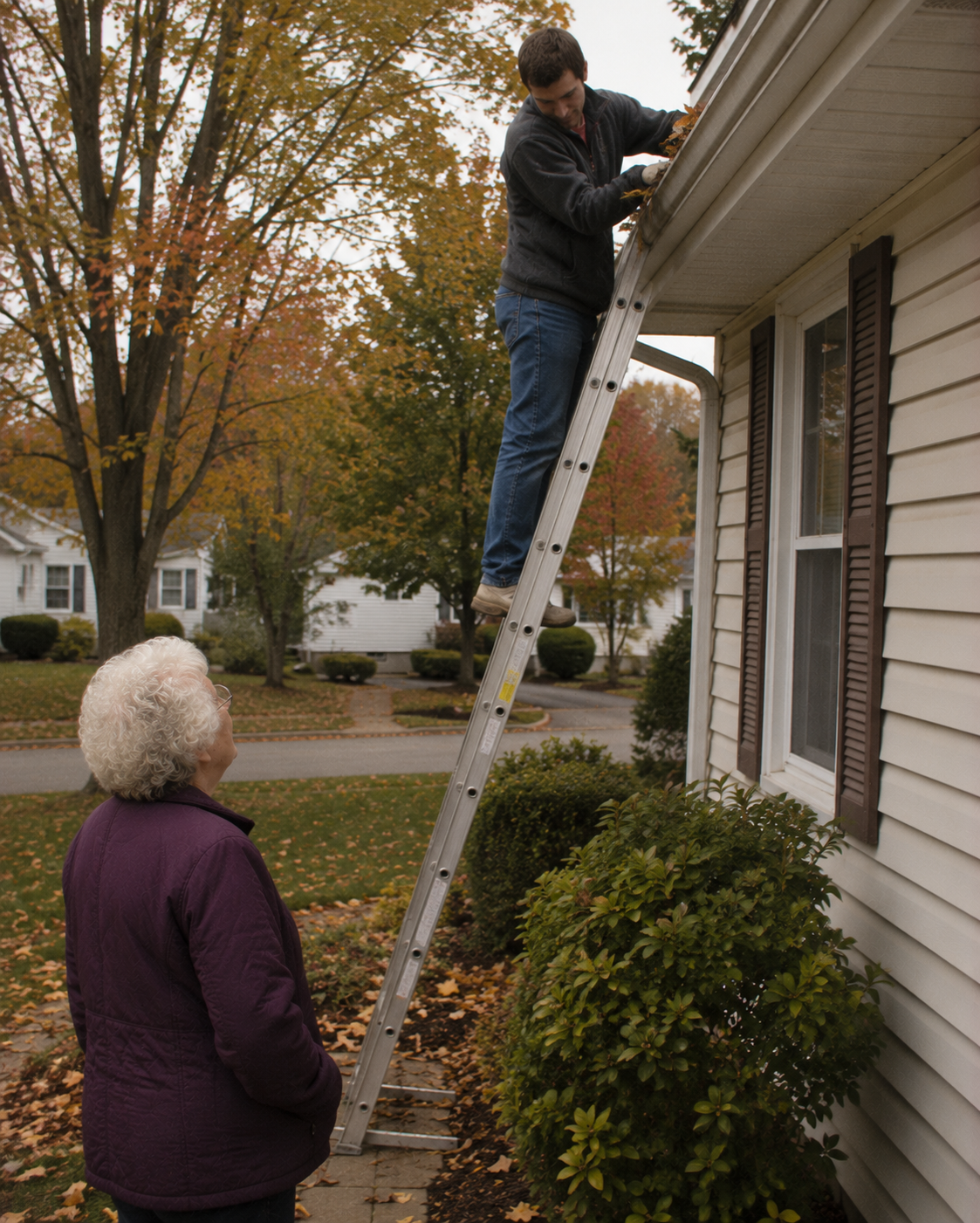
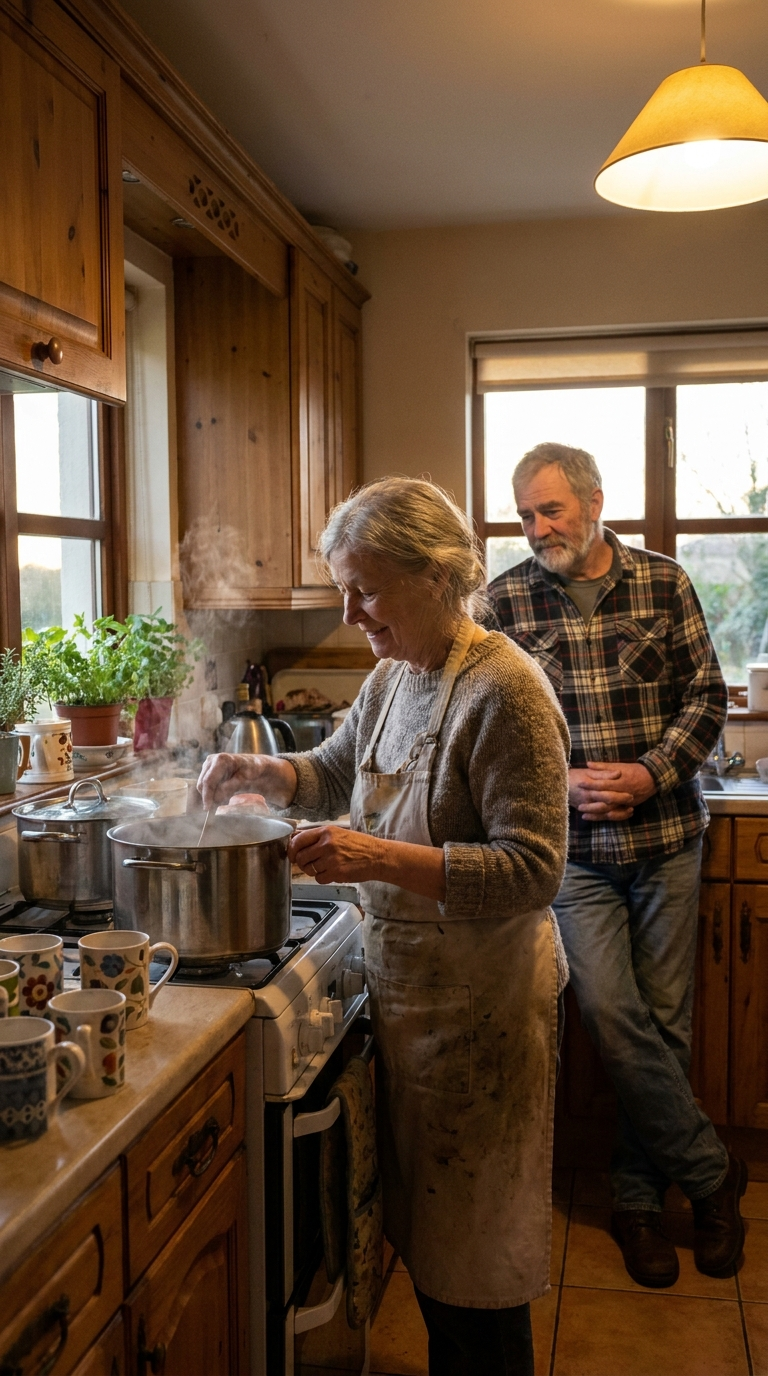
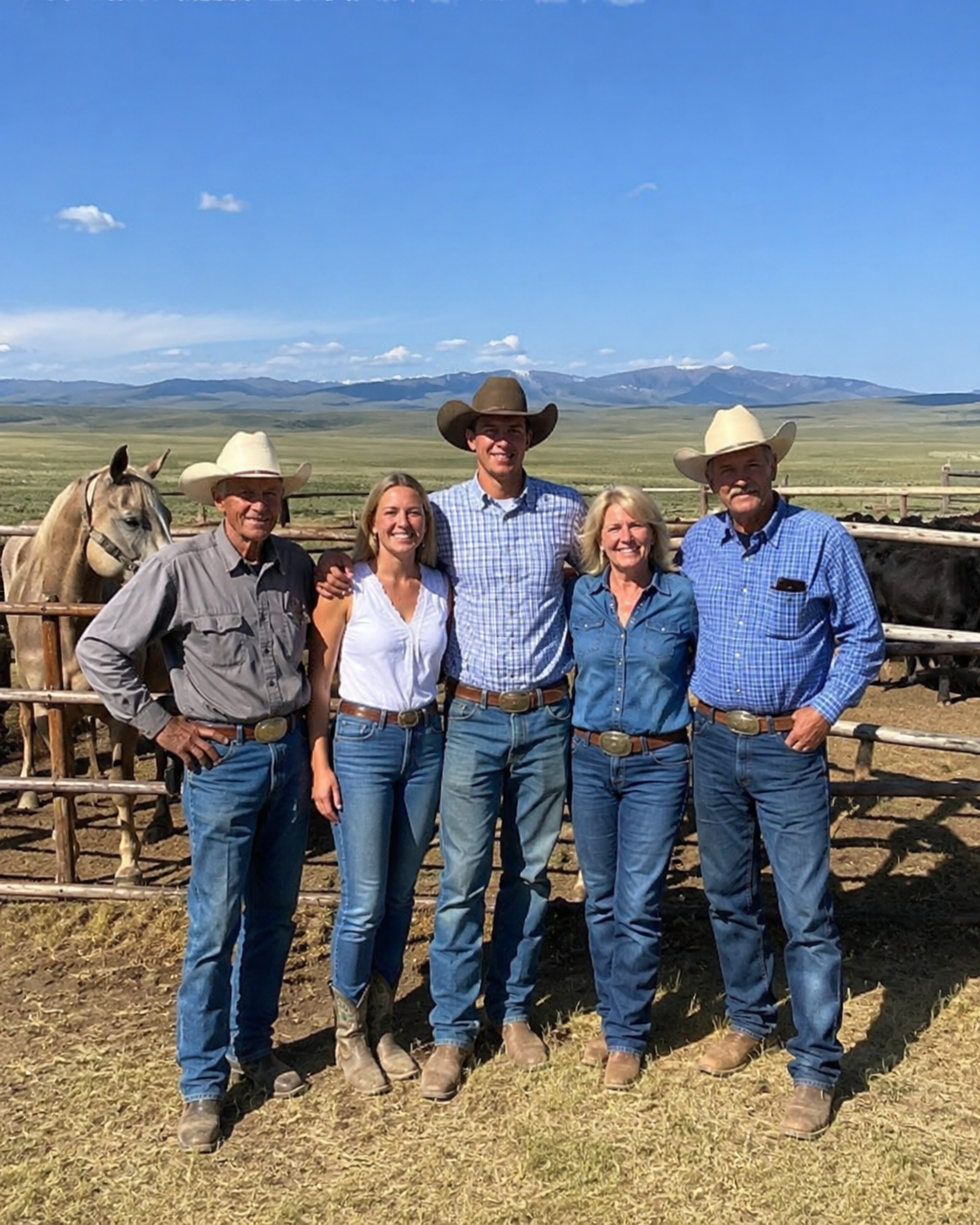
My cardiologist daughter left her practice in Denver, married a cattle rancher in Montana, and moved to a ranch where the nearest pharmacy is an hour away and nobody needs one. My family thought she was throwing away her career. She was saving her father's life. But I'm getting ahead of the story. Way ahead. My daughter Laurie married Cole Mercer on September 21st at the ranch where his family has been running cattle for four generations. To understand how she saved her father, you have to understand how she got there — and what she found when she arrived. Laurie is a cardiologist. Was a cardiologist. Board-certified, top of her residency class at the University of Colorado, the kind of doctor other doctors sent their parents to. She'd spent four years of medical school and three years of residency learning how to keep hearts beating. She prescribed statins. She told patients their numbers looked excellent. She managed more cholesterol patients than she could count. She believed in what she was doing because every professor she'd ever studied under and every attending she'd ever worked with told her she was doing the right thing. Montana changed that. Laurie took a temporary position at a rural clinic in central Montana two years ago. A clinic in a county the size of Connecticut with a population smaller than our neighborhood back home. Ranching families. Farm families. People who drove ninety minutes on gravel to see a doctor, which meant most of them didn't unless something was broken or bleeding. The clinic needed a doctor to cover six months while the permanent provider took a leave. Laurie took it because she was burned out from her cardiology practice in Denver and wanted to breathe different air for a while. She came home from her first week talking about the sky and the grass and the silence and a rancher named Cole who had come into the clinic with a dislocated shoulder from being thrown by a young horse. She relocated it. He didn't flinch. He thanked her and said if she was new in the area, his family was branding calves that Saturday and she was welcome to come watch. She told me this on the phone and I could hear her smiling. I didn't think anything of it. My daughter has always been drawn to people who don't complain. She once told me the thing she liked least about the cardiology practice was that everyone was there because they were afraid of dying. At the ranch clinic, people came in because they'd been kicked by a horse or cut by barbed wire or needed stitches from something that happened while they were working. They weren't afraid. They were just hurt. She liked that better. The second week she mentioned Cole again. He'd brought her a bag of elk jerky his mother had made. The third week she didn't mention him at all, which is when I knew. By Thanksgiving she told us she was extending the contract. By Christmas she told us she was seeing him. By Easter she told us he'd asked her to marry him and she'd said yes. My husband Glen sat at our kitchen table and didn't speak for a long time. Then he said: "She's going to live on a cattle ranch." That was his way of saying everything he couldn't say. That our daughter — who was board-certified in cardiology, who had $280,000 in student loans, who had a job at one of the best practices in Denver — was going to live on a ranch where the nearest grocery store was an hour's drive, where the winters dropped to thirty below, where the work was animals and fences and dirt and never stopped. My sister Linda is a school counselor. She called me that night and said: "Sharon, she's romanticizing it. Wait until January." My brother-in-law Dave, who sells commercial real estate, said: "What's the plan? She's going to vaccinate cows?" My mother said: "Does he at least have a real house?" Which was her way of asking whether our daughter was going to live in a bunkhouse. Nobody in my family understood it. I didn't understand it either. But I watched Laurie's face when she talked about Cole and I saw something I recognized — the look I had when I met Glen at a friend's barbecue in 1990 and knew before I had any right to know. You can't argue with that look. It doesn't negotiate. I tried. It didn't work. We flew to Montana for the wedding in late September. Rented a car at the airport and drove two and a half hours north. I'd been awake since before the alarm — not to pack, but to watch. Glen sits on the edge of the bed every morning and flexes his fingers. Open. Close. Open. Close. Five minutes before he can make a fist. Then he runs them under hot water at the sink until they agree to work. He thinks I'm asleep. I've been pretending for three years. The interstate ended after forty minutes. Then it was a two-lane highway through grassland so flat and wide it made you dizzy. Then a county road. Then gravel. The fences along the road went on for miles without a gate. The sky was so big it felt like the ground was just a narrow strip between two blue walls. Glen was gripping the passenger door handle on the curves. Not because the road was rough — because his hands needed something to hold onto. He'd been doing that for two years. Bracing. Anchoring. Finding edges and handles and armrests because his grip didn't trust itself without something to close around. I lost cell signal thirty minutes before we arrived. Glen noticed before I did. Checked his phone. Held it up. Nothing. He put it in his pocket and looked out the window and I watched him realize we were going somewhere his world didn't reach. The ranch appeared after a curve in the gravel road — and I want you to understand what I saw because it matters for everything that comes later. It wasn't a farm. It wasn't a homestead. It was a country. The land ran to the horizon in every direction — grass and sage and rolling hills with the mountains behind them like a wall at the edge of the earth. A main house — log and stone, long and low, with a porch that ran the full length. A barn that looked like it had been standing since the territory was a territory. Corrals. A bunkhouse. A shop with the doors open and the sound of metal on metal coming from inside. Horses in a pasture. Cattle on the hills behind the barn. Dogs running toward our car before we'd stopped. I noticed what wasn't there before I noticed what was. No neighbors. No power lines visible — Laurie told me later the electricity came from a generator and solar panels Cole had installed, and they used it sparingly. No TV satellite dish. No sounds except wind and animals and the distant clank from the shop. The Mercers had internet — barely, through a satellite connection that worked when the weather allowed it — but nobody used it. They didn't have time to use it. The ranch started before dawn and didn't stop until after dark, seven days a week, twelve months a year. There were no weekends. There were no vacations. There was the land and the cattle and the work and that was the whole of it. Laurie had told me once on the phone: "Mom, these people live the way Americans lived a hundred years ago. Not because they're trying to. Because nothing out here ever changed." Cole met us in the yard. He was tall. Lean the way men are lean when the muscle comes from work, not from a gym. Weathered face, sun-darkened hands. He shook Glen's hand and I watched my husband register the grip the same way he'd registered every strong handshake for three years — with a small flinch of recognition. Remembering what his own hand used to feel like. "Mr. Harmon. Glad you made it." "Call me Glen." "Yes sir." Cole introduced us to his parents — his father Mack, 62, and his mother June, 59. Mack was built like something the land had made — square, solid, brown from the sun, hands so thick they looked like they'd been carved from the same wood as the fence posts. He'd been working cattle since 4 AM and it was past noon and he looked like he'd just woken up from a nap. Sixty-two years old. One year younger than Glen. He'd been doing this work since he was fourteen — learned it from Walt, who learned it from his father, who homesteaded this land in 1912. Four generations of men doing the same work on the same ground. Their bodies weren't maintained — they were built by the land itself, the way a river builds its own banks. June was warm and direct and had the handshake of someone who'd been pulling calves and hauling hay her whole life. She took my hand and said: "Laurie talks about you all the time. I feel like I already know you." She walked us toward the house and pointed at a long garden along the south side — squash, beans, tomatoes still on the vine, herbs I couldn't name. "That's tomorrow's dinner and next winter's pantry," she said. Behind the barn I could see a smokehouse with the door cracked open and a walk-in cooler built into the hillside — the kind you use when you butcher your own beef. This family didn't go to the grocery store. The grocery store was the land. Then Walt came out of the barn. Cole's grandfather. Eighty-seven years old. He walked toward us across the yard and I need you to understand how he walked because it matters for everything that comes after. He didn't shuffle. He didn't use a cane. He didn't hold onto anything. He walked the way men walk when their body is still a tool they trust — long stride, straight spine, weight centered, boots hitting the ground with purpose. He was wearing a hat that had been shaped by decades of weather and a pair of leather gloves tucked into his belt and he moved across that yard like a man who had somewhere to be. He shook Glen's hand. I watched Glen's face. The same flinch. But deeper this time. Because Walt was 87 years old and his grip was iron. "You raised a fine girl," Walt said. His voice was clear. Low. The kind of voice that doesn't need volume because nobody's going to talk over it anyway. His eyes were blue and sharp and they moved from Glen to me to the car to our luggage and back to Glen in about two seconds, taking inventory the way a man takes inventory of livestock — assessing condition. I saw his eyes pause on Glen's hands. Just for a moment. Then move on. We spent the afternoon at the ranch. Mack took us on a tour in the truck — showed us the sections, the water rights, the hay fields, the winter pastures. Thousands of acres. Glen sat in the back seat and I could see him doing the math — this family owned more land than our entire town. Mack drove us past the hay barn — three cuttings a year, he said, all put up by the family. Past the calving shed where they spent six weeks every spring checking heifers at 3 AM. Past the breaking pen where Cole trained the ranch's own horses. Past a creek where Mack stopped to check a water gap — a stretch of fence that crossed the creek bed — and fixed a loose wire with his bare hands and a pair of pliers from behind the truck seat. He didn't ask for help. He didn't think about it. He just got out, fixed it, and got back in. The way you fix something when fixing things is what you do all day every day and have done since you were fourteen. "How far is the nearest town?" Glen asked at one point. "Depends what you mean by town," Mack said. "Gas station's about forty minutes. Grocery store's an hour. Hospital's an hour fifteen." "What do you do if somebody gets hurt?" Mack smiled. "Depends on how hurt. Cole dislocated that shoulder last spring and Laurie set it in the kitchen. Before her, we set things ourselves. Walt stitched a gash on his own arm with a sewing needle and fishing line about ten years ago because it was snowing too hard to drive. Dad hasn't been to a doctor since he cracked two ribs getting thrown in '94. Taped them himself and rode the next day." He said it the way you say something that isn't a story — just a fact. The way things are done out here. Not because they were tough. Because the nearest alternative was ninety minutes on gravel and the cattle still needed feeding. "None of you take anything?" Glen asked. "No medications?" "What for?" Mack said. Not dismissive — genuinely asking. "We eat what we raise. Beef's grass-fed because that's what the grass is for. Elk and antelope in the fall. Eggs from the chickens. Garden runs from May to October and June cans everything that doesn't get eaten fresh. We're moving all day, every day. Nobody's sitting long enough to get sick." He glanced in the rearview mirror at Glen. "The way I see it, the land is the medicine. We just never stopped taking it." I felt something shift in the truck. Not a sound — a feeling. Glen was quiet. He was looking out the window at the grass and the cattle and the mountains and I could feel him measuring the distance between this life and ours. Between a man who fixes a fence with bare hands and a man who can't open a pill bottle without fumbling the cap. At one point we stopped at a line shack — a small cabin up on a ridge where riders could shelter in bad weather. Mack held the door open. Glen looked at the door frame and ran his hand along the joint where the header met the post. I hadn't seen him touch wood like that in three years. "That's hand-cut mortise and tenon," Glen said. "Somebody knew what they were doing." Mack looked at him. "Walt built that. Forty years ago." Glen didn't say anything else. But I saw him look at his own hands after he pulled them away from the wood. The hands that used to do work like that. At another point Mack stopped the truck and pointed to a ridge about a mile away. A single rider on horseback, moving along the ridgeline against the sky. "That's Walt. He rides that fence line every morning. Four miles out, four miles back. Takes him about two hours." "Every morning?" Glen said. "Every morning. Rain, snow, doesn't matter. He's been riding that line since before I was born. Says the fence tells him things if he listens." An 87-year-old man. Eight miles on horseback every morning. Glen couldn't walk to the mailbox without his knees aching. The wedding was the next afternoon. Not in a church — in front of the barn, on a patch of ground that had been cleared and leveled. Hay bales for seating. The mountains in the background catching the late September light. Laurie wore a simple white dress and cowboy boots. Cole wore a clean pearl-snap shirt and his good hat. A pastor from the church in town drove forty-five minutes to perform the ceremony. They said their vows with the cattle on the hill behind them and the dogs lying in the shade of the barn and the wind moving through the grass like something alive. Laurie's voice was steady. Cole's cracked once — on the word "always." I cried. Not because I was sad. Because my daughter had chosen a life that made no sense in a spreadsheet and standing there with the mountains and the grass and the sky I could feel that it made sense in a way spreadsheets don't measure. Glen put his arm around me. His hand on my shoulder was light. It used to be a grip that said I'm right here. Now it rested there like something placed, not held. The dinner was in the barn. Long tables made from planks on sawhorses. Lanterns hung from the rafters. The food was ranch food — and I mean that literally. June told me as we sat down: every piece of meat on this table came from their herd or from the elk Cole took last November. The potatoes came from the garden. The eggs in the cobbler came from the chickens behind the barn. The butter was from a neighbor's dairy cow. The biscuits were made with flour and lard and nothing else. There was nothing on that table that had been inside a factory or a package or a store. These people didn't eat food that was made for them. They ate food they made from the ground up. Beer and whiskey and coffee in tin cups. The neighboring ranches had come — families who'd known the Mercers for three generations. Old men in clean hats and pressed shirts. Women who could run a ranch and a kitchen and a checkbook and never sit down. I watched an old man I later learned was 82 carry a cast iron Dutch oven from the house to the barn with one hand. One hand. He set it on the table and went back for another one. Glen was sitting at the table. His hands were in his lap. I watched a woman who was 78 carry a stack of plates, set the table, pour coffee, slice cobbler, and clear dishes without stopping. She'd been on her feet since dawn helping with the food. She wasn't tired. She wasn't stiff. She moved through the evening like a woman who had never been told by her body that it was time to stop. I kept looking at Glen. And then looking at these people. And then looking at Glen. Why are they like this and he is like that? They were older. Some of them decades older. And they moved through the world like it still belonged to them. I thought about what Mack had told us on the tour. These people had been up since before dawn. They'd be up before dawn again tomorrow. They ate meat they raised on grass they grew. They breathed air that had never been inside a building. Their idea of a slow day was only eight hours of physical work. They didn't take supplements or go to gyms or track their steps on a watch. They didn't need to. Their entire lives were the exercise. Their entire diet was the supplement. And not one of them — not the 82-year-old man, not the 78-year-old woman, not Walt at 87, not Mack at 62 — had ever walked into a doctor's office and been told they needed a pill to keep them alive. They were alive because of how they lived. Not because of what they took. Glen was slumped in his chair. His plate was half finished. He was holding his beer bottle with both hands because one hand alone couldn't keep it steady. After the main plates were cleared and the cobbler was served, people started giving toasts. Ranch toasts aren't formal. People stand when they have something to say. Mack spoke first — short, warm, about Cole being ready for the life. June spoke next and cried. My sister Linda said something brief and polite. Then Glen stood up. My husband is not a public speaker. He's a man who says I love you by building things, not by talking about them. But he stood at that table and he gave a toast about Laurie. About the day she was born. About teaching her to hammer a nail at six years old in his workshop. About watching her graduate and knowing — the way fathers know — that she was going to end up somewhere that needed her more than he did. His voice cracked twice. He held his tin cup of coffee with both hands while he spoke because one hand alone would have shaken too much to hold it steady. I saw Walt watching him from across the table. Watching his hands. Watching the cup. He finished. People clapped. He sat down. Reached for my hand under the table and squeezed. His grip was weak. I squeezed back harder to make up the difference. Then Walt stood up. The barn went quiet the way a barn goes quiet when the oldest man in the room decides to speak. The lanterns swayed slightly in a draft from the open doors. The horses in the corral outside shifted and one of them nickered and then it was still. He looked at Laurie first. Tipped his hat to her. Then he looked at our side of the table — me, Glen, Linda, Dave. He looked at us the way a man looks at a herd he's about to sort. Not unkindly. Just assessing. "I want to welcome Laurie's family into ours," he said. "You raised a daughter who looked at this ranch and this life and didn't run. That tells me who she is. That tells me who you are." He paused. Adjusted his hat. A man buying himself one more second before he says the hard thing. "But I'm 87 years old and I've been on this land since before the highway was paved and I didn't get to 87 by being polite when honest was what the situation called for. Your daughter is a Mercer now. That makes you my family. And I don't let family go lame when I can see the limp." The table was completely still. "I've been on a horse since I was four years old. I rode fence this morning — eight miles before breakfast. I'll ride it again tomorrow. My hands can hold a rope tight enough to stop a twelve-hundred-pound steer. My son Mack is 62 — he's been moving cattle since before the sun came up today and he'll go until after it sets tomorrow. Neither of us has ever taken a pill. Neither has anyone on this side of the table." He looked at Glen. Not unkindly. But the way a man looks at a horse he's evaluating. "I watched you give your toast. You held that cup with two hands because one wasn't enough. You're 63 years old. I'm 87. I can cinch a saddle tight enough to hold on a green bronc. You can't hold a coffee cup." He paused. Let it land. "That man didn't wear out. Somebody broke him. And it wasn't the years and it wasn't the work because I've got 24 more years and a lifetime more work and I'm standing here holding my own cup just fine." I heard Linda inhale sharply beside me. Dave put his hand on her arm. "Your wife's been watching you all night. I know that look. My wife had it before she passed — the look of a woman who's been watching something go wrong and doesn't know what it is and nobody's telling her she's right about what she's seeing. I'm telling you — she's right." He was looking at me. And he was right. I was looking at him exactly like that. "I had a brother named Lyle." Had. Past tense. The barn held its breath. "Lyle was two years younger than me. We grew up on this ranch together. Worked side by side for twenty years. Lyle could rope anything that moved. He could throw a hay bale onto a flatbed from the ground — just pick it up and toss it, like it weighed nothing. He could shoe a horse in thirty minutes. His hands were the strongest hands I ever saw on any man, and I've been around men who use their hands for a living my whole life." He looked at his own hands. Brown, scarred, thick. Still working. "Lyle left the ranch when he was 22. Wanted to see what was on the other side of the mountains. Moved to Billings. Got a job at a grain elevator. Married a woman named Donna who was good to him. I didn't blame him for going — this ranch is beautiful but it's hard and not everyone wants hard for their whole life." "He was doing fine. Working. Building a life. Being Lyle. Then around 54 a doctor told him his cholesterol was too high. Put him on a pill. Crestor. Told him to take it every night and come back in three months." He said "Crestor" like the name of something that took from him. "Lyle took it. Every night. Because the doctor said to and Lyle respected anyone who'd gone to school that long. He figured they knew things he didn't. He didn't question it. Just took the pill and went to bed and got up and went to work." His voice was steady. The voice of a man who's told this story to the mountains and the horses and the fence line a hundred times and the grief has gone smooth as river stone. "First thing was his hands. He'd come home to the ranch for holidays and I'd watch him and something was off. Three years on that pill and he couldn't rope anymore. His hands wouldn't close right. He'd reach for a coffee cup and fumble it. He'd try to saddle his horse and he couldn't pull the cinch tight — the horse would turn and look at him like it knew. Lyle said he was just getting older. He was 57. Our daddy was roping at 57. I was building fence at 57. Fifty-seven is not old on this ranch." I felt something cold settle into my chest. Glen's hands. The cup with both hands. The way he'd stopped building things three years ago because his hands wouldn't hold the tools steady. "By year five his head started going. He'd call me on the phone and lose what he was saying. Stop mid-sentence. I'd wait and he'd say 'what was I talking about?' Not joking. He'd lost the trail. The man who could read a cow from two hundred yards couldn't follow his own sentence." Glen. Three times last week. The same story about the deck he built for the Hendersons. "By year seven he couldn't work anymore. Told Donna he was taking early retirement. He wasn't retiring. He was used up. Couldn't lift. Couldn't grip. Couldn't climb a ladder. The man who threw hay bales like pillows was winded walking to his mailbox." Glen closed his business. Told everyone he was retiring. He wasn't retiring. "And every six months Lyle would drive to that doctor in Billings and the doctor would look at his blood and say his numbers were outstanding. Outstanding. My brother couldn't saddle a horse and his numbers were outstanding." He looked at Glen again. "The doctor took the man and gave back a number. That's not medicine. That's bookkeeping." Nobody moved. The lanterns swayed. A horse stamped in the corral outside. "Donna tried to get him to come home to the ranch. He wouldn't. Said he didn't want us to see him like that. My brother who grew up on this land — who could ride any horse in the string and rope any calf in the herd — didn't want his own family to see what he'd become." Walt's voice held. But something underneath it shifted — the way the ground shifts before a crack opens. "He died in Billings. Sixty-five years old. In his recliner. On a Tuesday afternoon. Donna found him when she came home from the store. His doctor — the one who said outstanding — didn't come to the funeral. Nobody from that clinic came. They mailed a card." He was quiet for a long moment. The whole barn breathing. "I brought Lyle home. Buried him on the hill behind the barn where our parents are. Where our grandparents are. I carried his casket with Mack and Cole and three men from the neighboring ranch. The casket was light. The strongest man I ever knew, and his casket was light." He looked at me. Then back at Glen. "Tonight I watched your daughter's father hold a tin cup the way Lyle held things at the end. Two hands. Because one wasn't enough anymore." He sat down. Nobody spoke. The barn held the silence the way the land holds weather — completely, without resistance. June touched Walt's arm gently. Laurie was looking at Glen with tears running down her face. Cole had his hand on her back. Linda was staring at the table. Glen was staring at his hands. I was staring at my husband's hands too. The hands that used to frame houses. Used to grip a hammer for twelve hours straight. Used to hold mine so tight I'd say "you're going to break my fingers" and he'd grin and squeeze harder. An 87-year-old rancher had just said out loud — in front of both families, in front of the whole valley — the thing I'd been swallowing for nine years. The barn slowly came back to life around us. People started talking again — quietly, carefully, the way you start talking after something true has been said. Glen didn't move from his chair. I watched Mack carry the Dutch ovens back to the house. Sixty-two years old. Still carrying things. Still moving. Glen was still in his chair when I finally touched his shoulder and said "let's go to bed." He stood up slowly. I held his arm. We left two days later. The drive to the airport was three hours. Glen didn't speak for the first hour. Then he said: "The old man was out of line." "Was he wrong?" Glen didn't answer. I drove. He sat in the passenger seat looking at the grassland through the window. His hands were in his lap. That night at home I stood in our bathroom doorway and watched Glen get ready for bed. He picked up his Atorvastatin bottle from the nightstand. Fumbled the cap. Shook a pill into his palm. Took it with a sip of water. Set the bottle back down. I looked at that bottle and I heard Walt's voice: That man didn't wear out. Somebody broke him. For nine years Glen has been taking that pill. His doctor put him on it when his total cholesterol hit 248 and his LDL was 164. The drug brought it down. LDL sits at 106 now. Doctor's happy. Every six-month appointment, same thing: "Numbers look excellent, Glen. Keep doing what you're doing." And for nine years I've watched my husband keep doing what he's doing while his body quietly stopped doing what it used to do. Glen was a carpenter for 30 years. He owned his own contracting business — Harmon Built, the name on the side of his truck. He framed houses, built kitchens, finished basements. His hands could feel when a joint was true and when it wasn't. He could hang a door by himself. He could carry a sheet of plywood up a flight of stairs with one hand on the sheet and one on the railing. He built our daughter's first bookshelf when she was seven. Built the deck on the back of our house. Built the cabinets in our kitchen. Everything we lived inside, his hands had touched. He closed the business three years ago. Told everyone he was stepping back to take on smaller projects. He wasn't stepping back. His hands were betraying him. He'd dropped a framing nail gun off a scaffold because his grip opened without warning. He'd started asking his crew to do the finish work because his fingers couldn't hold a chisel steady enough for trim. Then he started asking them to do everything. Then there was no point in showing up. I watched it happen the way you watch weather change — you know it's different but you can't point to the exact moment the sky shifted. I'd been calling all of it aging. His doctor called it aging. Nine years of "excellent numbers" while the man attached to the numbers dimmed. Lyle. Eleven years on Crestor. Couldn't saddle a horse. Couldn't follow a sentence. Died in a recliner with outstanding numbers. Glen. Nine years on Atorvastatin. Can't hold a coffee cup. Can't build anything. Can't remember his own stories. Different drug. Same mechanism. Same disappearing. I saw it. Standing in that bathroom doorway watching Glen take his pill. Walt had said it out loud in front of everyone and now I couldn't unhear it. For three weeks I carried it. I didn't tell Glen. I didn't tell Linda. I watched him flex his fingers every morning. I watched him fall asleep in his recliner at 7 PM. I watched him move through our house like a man dragging something heavy that nobody else could see. Then Laurie called. "Mom, I need to come see you. I have something to show you." She flew down on a Saturday. Drove from the airport to our kitchen table. She looked different — not just the boots and the tan and the way she'd stopped straightening her hair. She looked like someone who'd been poured into a mold that fit. Like the version of herself she'd been circling her whole life had finally caught her. She sat down. I poured coffee. She wrapped one hand around the mug — steady, sure, the grip of someone who spends her days working with her hands. "Mom, I need to talk to you about Dad." "I know." "You know?" "Walt said it at the wedding. I've been seeing it since we got home. I've been seeing it for years, Laurie. I just didn't have a name for it." She nodded slowly. Then she opened her bag and pulled out a folder. Thick. Color-coded tabs. Highlighted printouts. Notes in the margins in her small, precise handwriting. I recognized the way she organized research — the same way she'd organized it in medical school. The same discipline. Applied to something personal now. "Mom, I'm a cardiologist. I spent three years in residency learning how to treat hearts. I prescribed statins. I told patients their numbers looked great. I said the same things Dad's doctor says to him every six months." She paused. Her eyes were bright. "And then I moved to a ranch where the nearest pharmacy is an hour's drive and nobody takes anything. And I watched Walt ride eight miles on horseback at 87 with hands that could stop a steer. And I watched Mack work sixteen-hour days at 62 while Dad can't carry a bag of groceries without resting." "I started asking a question I never asked in residency: why are the men who never come to a doctor healthier than the men I was treating every week?" She slid a printout across the table. "The LDL number Dad's doctor has been watching for nine years is the wrong number. LDL cholesterol isn't what causes heart attacks. OXIDIZED LDL is. There's a difference — and that difference is the difference between Lyle roping calves and Lyle dying in a recliner." "Regular LDL is a transport vehicle. Your body makes it on purpose. Your brain is 60% cholesterol. Your cells need it. But when LDL gets attacked by free radicals — from stress, processed food, pollution, the wear of modern life — it oxidizes. Becomes a completely different substance. Embeds in artery walls. Triggers inflammation. Builds plaque. Causes the rupture that causes the heart attack." "Dad's Atorvastatin lowers the total number. All of it — the harmful kind and the useful kind, including the cholesterol his brain needs to think. But it does nothing about the oxidation. The process that actually makes cholesterol dangerous keeps going unchecked." She pulled out another page. Her hand was steady. Her voice was not. "And this is what explains his hands. And his fog. And everything Walt saw. Everything I should have seen years ago." "The same pathway the drug blocks to lower cholesterol also produces CoQ10 — Coenzyme Q10. The energy molecule every cell uses to function. Heart, brain, muscles, hands. Statins can reduce CoQ10 production by up to 40%." She looked at me and her eyes were wet. "Mom — that's not a side effect. That's the mechanism. That's what the drug DOES as part of how it works. I prescribed this. I told patients to keep taking it. I watched them come in complaining about fatigue and muscle pain and brain fog and I called it age-related and adjusted the dose upward. And every night for nine years, Dad has been taking a pill that drains the cellular fuel his hands need to hold a hammer and his brain needs to remember what he built yesterday." I thought about Glen on the edge of the bed. Open. Close. Open. Close. Every morning for nine years. And every doctor — including his own daughter — calling it aging. "The men on the ranch don't have this problem. Not because they're lucky or because Montana air is magical. Because they eat what they raise, they work physically all day, and nobody ever put them on a drug that drains their cells while it lowers a number. Their bodies aren't producing the free radicals that oxidize cholesterol. And nobody is depleting their CoQ10. That's why Walt is 87 and riding fence. That's why Mack is 62 and moving cattle at 4 AM." She paused. "But you and Dad can't move to a ranch. So I kept looking for something that does what their life does. Something that targets the oxidation specifically." She pulled out one more printout. "Betalains. I never heard about them in residency — they're not in the cardiology curriculum. But the research is enormous. Hundreds of peer-reviewed studies. Dozens of registered clinical trials. Published in real medical journals. This has more clinical evidence behind it than half of what I prescribed in practice." "They're precision antioxidants. Most antioxidants are carpet bombs — they neutralize all free radicals, including the ones your body needs for immune function. Betalains target only the free radicals responsible for oxidizing LDL — the exact molecules that turn ordinary LDL into the sticky, inflammatory, artery-damaging kind. Smart missile instead of carpet bomb." "And they penetrate cell membranes. They reach the endothelial lining of your blood vessels. They get inside the LDL particles themselves — the exact place where the oxidation is starting. Where no statin, no fish oil, no supplement can reach." She tapped the printout. "When oxidative stress drops at the cellular level, the body stops overproducing cholesterol as a defense mechanism. The vicious cycle breaks. Naturally. Without blocking enzymes. Without depleting CoQ10. A 12-week clinical study showed concentrated betalain supplementation reduced total cholesterol by 15.2 mg/dL, lowered oxidized LDL markers by over 20%, and improved the cholesterol-to-HDL ratio." "There's only one food in nature that contains betalains in therapeutic concentrations, Mom. Beetroot. That deep crimson pigment that stains your cutting board when you slice one — those are the betalains. But the modern beet you buy at the grocery store has been bred for sugar content for over a hundred years. Bright red on the outside, hollow on the inside. The active compound is almost gone. The beet that used to be medicine became candy." She reached into her bag and set a bottle on the table. "Rosabella Beetroot. 1,300 milligrams of pure organic beetroot per capsule. Grown from an heirloom seed line called Blutwurzel — blood root — by a small family farm that's been working the same fields for six generations. They never participated in the sugar-selection breeding. Their crop has ten times the betalain concentration of what you find at the grocery store." "Betalains are also heat-sensitive, Mom. Almost every beetroot supplement on the market is spray-dried at high temperatures — which cooks the active compound out before the bottle is even sealed. Most of what's on the shelves is red dust. Rosabella is shade-dried slowly, at low temperatures — which is the only reason the betalains in those capsules are still alive." She pushed the bottle across the table. "You can't give Dad Walt's life. But you can give him this. The betalains target the oxidation the statin ignores. The shade-drying is what keeps them alive long enough to reach Dad's bloodstream. Compound and delivery. Both must be there. Two capsules. One glass of water." "Mom — Walt is 87 and riding fence because nothing in his world is attacking his cholesterol and nothing is draining his cells. Dad is 63 and can't hold a coffee cup because everything in his world is doing both. This is the closest thing to what the ranch gives those men. Two capsules a day." I looked at the bottle on my kitchen table. I looked at the recliner where Glen would fall asleep in four hours. I looked at my daughter — the cardiologist who left her practice, married a rancher, and flew home to sit at her mother's kitchen table and say the thing her training never taught her to say. I picked up the bottle. That night, after Glen fell asleep in his recliner at 7:15, I read the label three times. Set the bottle on the counter. In the morning I shook two capsules out next to his coffee mug with a tall glass of water. He came downstairs. Kissed the top of my head the way he always does. Sat down. Looked at the capsules. "What's this?" "Something new. Just take them. For me." "What is it?" "Glen. Just take them. Please." He looked at me. We've been married 33 years. He knows when I'm asking something that matters. He picked up the capsules and took them with the water. Day five — a Friday — Glen got out of bed without sitting on the edge first. I was already awake. I'd been watching him the way I watch every morning — the way Walt's wife watched before she died, the way I've been watching for nine years, holding my breath, counting what's left. He swung his legs over, stood up, walked to the bathroom. No pause. No flexing. No negotiation. I stared at the ceiling and didn't breathe until I heard the faucet running. Week two. The tiredness shifted. He was up past 9 PM. One night he looked up from his plate at dinner and said: "Sharon, when's Laurie expecting us back at the ranch?" We hadn't been back since the wedding. I said "whenever we want" and meant it in a way he hadn't heard from me in years. Week three. Saturday morning. A sound from the garage I hadn't heard in three years. The table saw. Glen was out there at 7:30 AM — the hour he usually fell asleep, he was now starting things — measuring a board, marking it with a pencil. He was building a new shelf for the mudroom. Nothing fancy. Just a shelf. Just his hands holding a saw and his arms lifting a board and his body doing what it was made to do. He came inside at noon with sawdust on his shirt. "Shelf's done. Want to see it?" I went to the garage. It was straight. Level. Clean joints. "Glen, it's beautiful." "It's a shelf, Sharon." But he was smiling. The way a man smiles when his hands remember who he is. Week four. Glen fixed the fence gate in the backyard. Fixed the squeaky step on the front porch. Tightened every loose thing in the house he'd been walking past for years. He was out in the garage most of Saturday sorting tools. Reacquainting. Week six I told him everything. Walt at the wedding. Lyle's story. What I'd been watching for nine years. What Laurie found in her research. Oxidized cholesterol. CoQ10 depletion. All of it. He listened. He didn't say "I'm fine." He said: "I knew something was wrong. I just thought this was what 63 was supposed to feel like." "It's not. Walt is 87 and he rode eight miles this morning." He tapered the Atorvastatin over six weeks with his doctor's reluctant agreement. Bloodwork at twelve weeks. Fully off Atorvastatin for four. Total cholesterol: 202. On Atorvastatin it had been 209. LOWER without the drug. LDL: 119. On Atorvastatin it had been 106. Thirteen points higher — still well within range. Without the drug that had been draining his CoQ10, destroying his grip, fogging his brain, and taking his hands from him. HDL: 58. On Atorvastatin it had been 40. Eighteen points higher. The PROTECTIVE cholesterol — the one that actually guards your arteries. The one that nine years of Atorvastatin never moved a single point. Eighteen points in twelve weeks. Triglycerides: 124. Down from 194. Glen's doctor studied the results for a long time. "You stopped the Atorvastatin." "Ten weeks ago." "What are you taking instead?" Glen told him. Everything. Betalains. Beetroot. The oxidized cholesterol research. He told him about Walt — about an 87-year-old rancher in Montana who rides eight miles every morning and has never taken a pill. He told him about Lyle — about a man who left the ranch, trusted a drug for eleven years, and died in a recliner with outstanding numbers while his brother rode fence on the land they grew up on. The doctor was quiet. "I'm not familiar with this research. But your numbers are better than they've been since I started treating you. And frankly, you look better than you have in years." He didn't tell Glen to go back on Atorvastatin. First time in nine years. We flew back to Montana for the spring branding. Laurie picked us up at the airport. She was wearing boots and a canvas jacket and her hair was in a braid under a hat and she looked like the land had raised her instead of us. Cole shook Glen's hand at the ranch. Glen gripped back. Really gripped. Cole looked at his hand and then at Glen and nodded. "Your hands are different." "Getting there." Walt was on horseback in the corral. Because Walt is always on horseback. He was sorting pairs — cows and calves — ahead of the branding. Moving the horse with his legs, guiding cattle with a rope, his hands working the reins the way they'd worked them for 83 years. He saw Glen and rode over to the fence. He didn't dismount. He looked down from the saddle. Looked at Glen's hands. At the way Glen was gripping the corral rail — really gripping it, white-knuckled, the grip of a man whose hands had come back and wanted to prove it. "You're holding that rail like you mean it," Walt said. "I do mean it." Walt studied him for a long moment. Then he leaned down from the saddle and extended his hand. Glen took it. They gripped each other — an 87-year-old rancher on horseback and a 63-year-old carpenter on the ground — and I watched my husband hold on and not let go and not flinch and not compensate. "That's a working man's grip," Walt said quietly. "You didn't have that when you were here last fall." Glen's eyes went wet. He didn't hide it. "Your granddaughter saved my life," Glen said. "And you said the thing at the wedding that made it possible. The thing nobody else would say." Walt looked at him from the saddle. The blue eyes. The sun on his face. Eighty-seven years old. "I said it because your daughter is mine now. And I know what a broken man looks like because I watched my brother break. And I wasn't going to sit at a table and eat dinner while another man went the same way when a few hard words might stop it." Mack came around the barn on his horse. Sixty-two years old. Riding like he was born in the saddle, because he was. He saw Glen at the fence and pulled up. "Laurie tells me you can frame a door." "I can frame a door." "We've got a line shack up on the north section that needs a new door frame. You interested?" Glen looked at me. Looked at his hands. Looked at the mountains. "I brought my tools." He hadn't told me he'd packed his tools. I stood at the corral fence and watched my husband walk toward the truck with Mack. A carpenter going to frame a door on a cattle ranch in Montana. His tool bag over his shoulder. His stride longer than I'd seen it in years. Walt still on horseback in the corral behind me. The mountains ahead. Lyle left this ranch and lost everything to a pill and died in a recliner in Billings. Walt stayed and rode fence every morning for 83 years and buried his brother on the hill behind the barn. And my husband — who almost went the same way as Lyle — was walking toward those mountains with tools on his shoulder because his hands worked again. I'm telling you this because I think you might be where I was the night of that wedding. Sitting somewhere watching your husband hold a glass with both hands. Watching him fall asleep in his chair. Watching his hands fail him every morning. Watching his doctor smile at a number while the man behind the number disappears. If your husband is on a statin — Atorvastatin, Lipitor, Crestor — and his energy is fading, his hands are stiff, his brain is foggy, and his doctor keeps saying "your numbers look great" — the numbers might not be the whole story. They weren't Glen's. They weren't Lyle's. If you've been watching someone you love slow down and sit more and do less and you've been calling it aging because that's what the doctor calls it — maybe it's not aging. Maybe it's the drug. Maybe it's CoQ10 being drained from every cell while a number on a chart stays excellent. An 87-year-old rancher stood up at a wedding dinner in Montana and told my family the truth. He rides eight miles every morning. His hands can stop a steer. He's never taken a pill. And my husband — 24 years younger — couldn't hold a coffee cup. That man didn't wear out. Somebody broke him. And it wasn't the years and it wasn't the work. Rosabella fixed what was broken. Two capsules. One glass of water. The betalains target the oxidative stress the statin ignores and the cheap heat-processed supplements can't reach. The shade-drying is what keeps them alive long enough to do their job. No CoQ10 depletion. No muscle wasting. No brain fog. No man closing his business because his hands stopped listening to him. My daughter married a rancher. My family thought she was throwing away her career. She was saving her father's life. https://track.tryrosabella.com/bfcb877b-9f52-4175-9be6-9bc1a89ce3a8 P.S. — If you're the wife reading this and your husband is on a statin and something in him has been dimming for years — you're not imagining it. You're not being dramatic. You've been watching something real. The doctor has been watching the chart. You've been watching the man. You're closer to the truth than the chart is. Walt told me at a table in Montana: "I know that look — a woman who's been watching something go wrong and nobody's telling her she's right." If that sentence hit you the way it hit me — if you know exactly what he means — then you already know what you need to do. Don't wait for your own Walt. I'm telling you now. P.P.S. — Glen framed that door on the line shack. Took him most of the afternoon. Mack held boards while Glen measured and cut and hammered. When they were done Mack swung the door three times and said "that's a door that'll last." Glen told me that night it was the first thing he'd framed in three years. Walt rode up to the line shack before sunset to inspect it. Sat on his horse looking at the door frame. Then he said: "Good work. Your hands are back." Glen told me later that was the best thing anyone had said to him in years. A rancher on horseback telling a carpenter his hands still work. Laurie watched from the truck. My daughter the cardiologist. Who left her practice, married a rancher, and found the answer her training never gave her. She told me last week she doesn't regret a single thing. I believe her. I can see the proof in her father's hands every morning. P.P.P.S. — Here's what I'd tell you to do: shake two capsules out of the bottle. Take them with a tall glass of water. Set a timer for 20 minutes. You're going to feel something shift — a clarity, a lightness, like someone adjusted the focus on a camera you didn't know was blurry. Glen felt it. I felt it. Almost everyone does. That's not placebo. That's the first real dose of intact betalains reaching inside your LDL particles — the exact place the oxidation is starting. Something your statin has never done and never will. The cholesterol improvement takes weeks to show up on bloodwork. But that first-day clarity? That's your body telling you: finally — something that actually reaches where the damage is happening. P.P.P.P.S. — Rosabella has a 90-day money-back guarantee. If the numbers don't improve, every penny back. No questions asked. In nine years of Atorvastatin, nobody ever offered Glen a refund when the drug took his grip, his energy, and his mind. Nobody offered to give back the years he spent in a recliner while his doctor said "excellent numbers." The system doesn't do refunds. Rosabella does. Think about what that tells you about who's confident in their product and who's just confident in their prescription pad. P.P.P.P.P.S. — Rosabella is a small company. They sell out. Laurie had to wait 12 days for her second order. I keep two bottles now — one for Glen, one for me. Because after what I learned about oxidative stress, I started taking it too. The mechanism doesn't care about gender. If your own cholesterol is managed by a statin and your own grip has been fading, this is for you too. They currently have a buy 3 get 2 free deal I used to stock up. If your husband's next bloodwork is in 30 to 60 days and you want him to walk into that appointment with real numbers instead of the same conversation he's been having while his body tells a different story — check availability now. Not next week. Now. Every day on the statin is another day of CoQ10 depletion. Every day without addressing the oxidation is another day the cycle spins. Lyle had eleven years. Glen had nine. Don't let your husband have another month. P.P.P.P.P.P.S. — Do not forget about their 90-day money-back guarantee. https://track.tryrosabella.com/bfcb877b-9f52-4175-9be6-9bc1a89ce3a8
Support stamina and heart health every day
"Best customer support ever. My issue was resolved quickly and professionally. I so love how the beetroot capsules are helping manage my blood pressure."
LEARN MORELike this ad? Make it yours.
Crush rebuilds this exact creative around your product — your brand, your colors, your offer — in about a minute.