
Inactive· since Jul 11, 2026
- 23
- days it ran
- 1
- relaunches
Ad copy
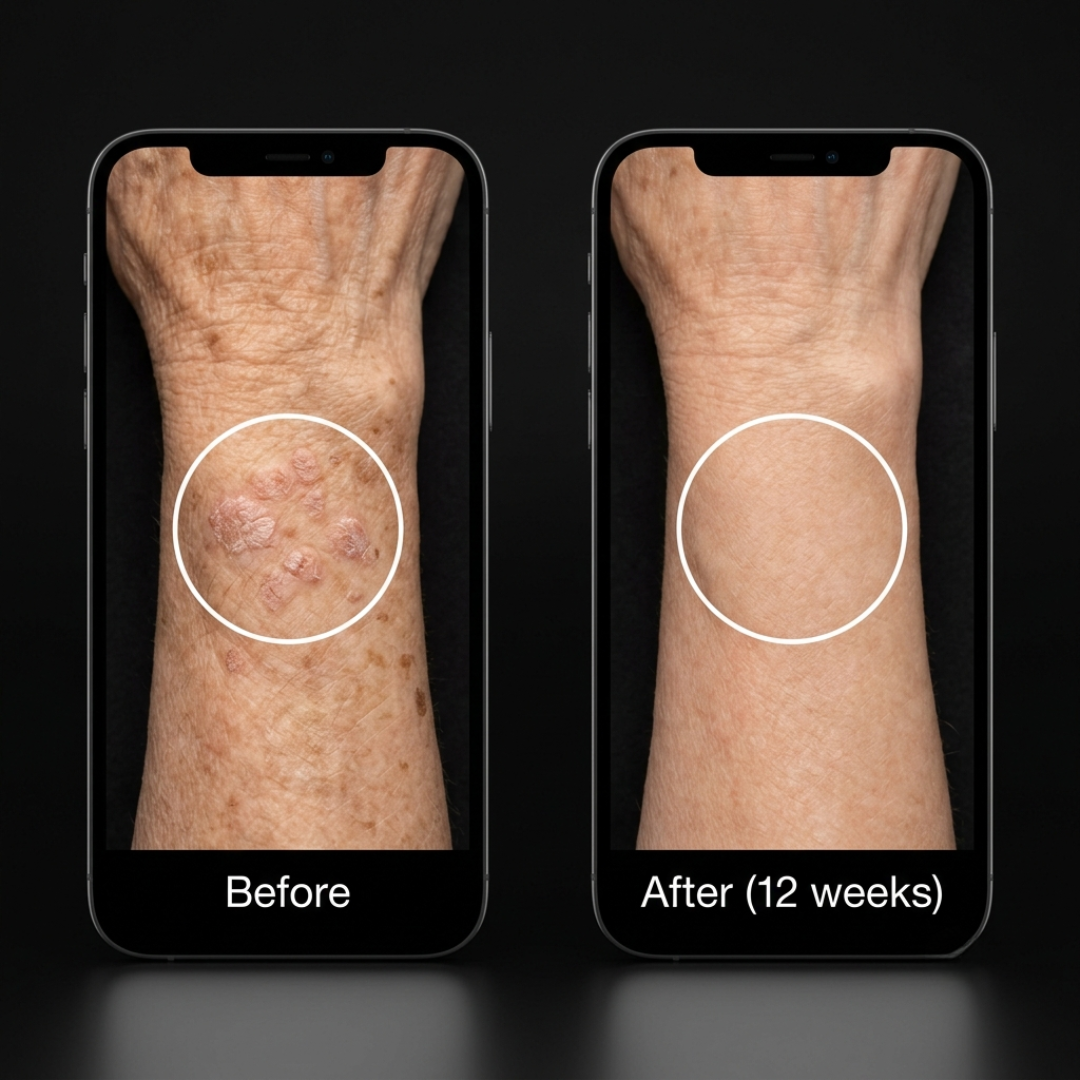
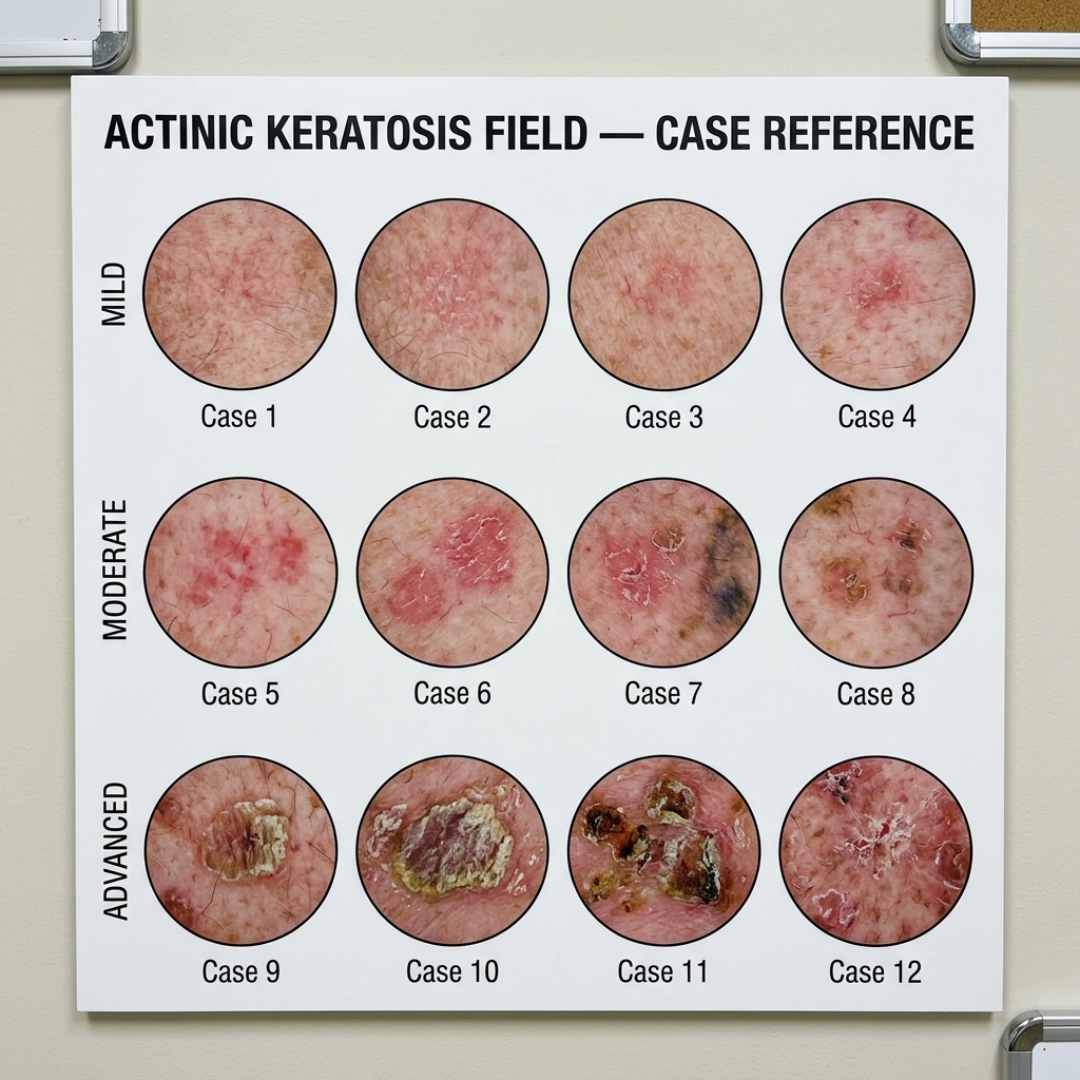
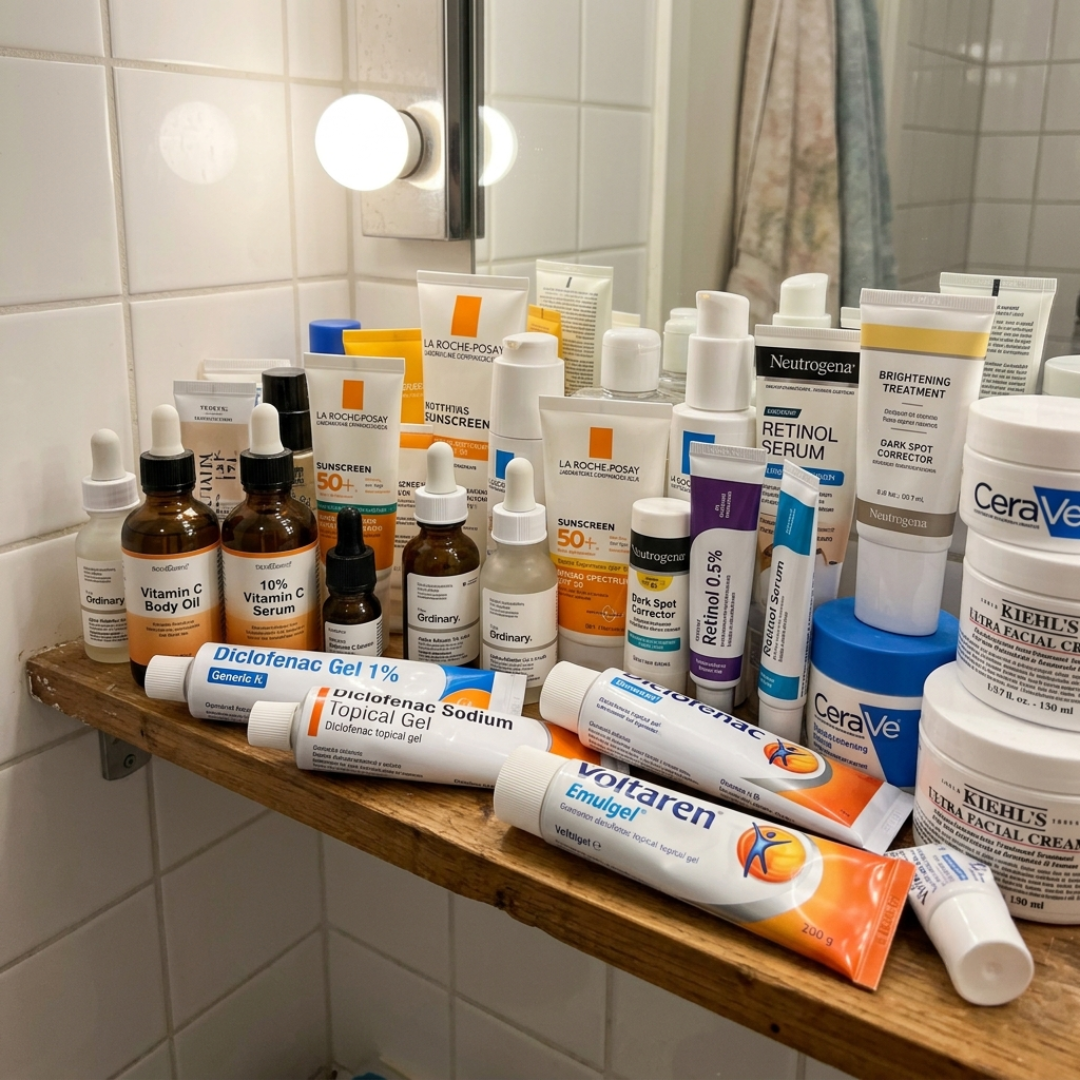
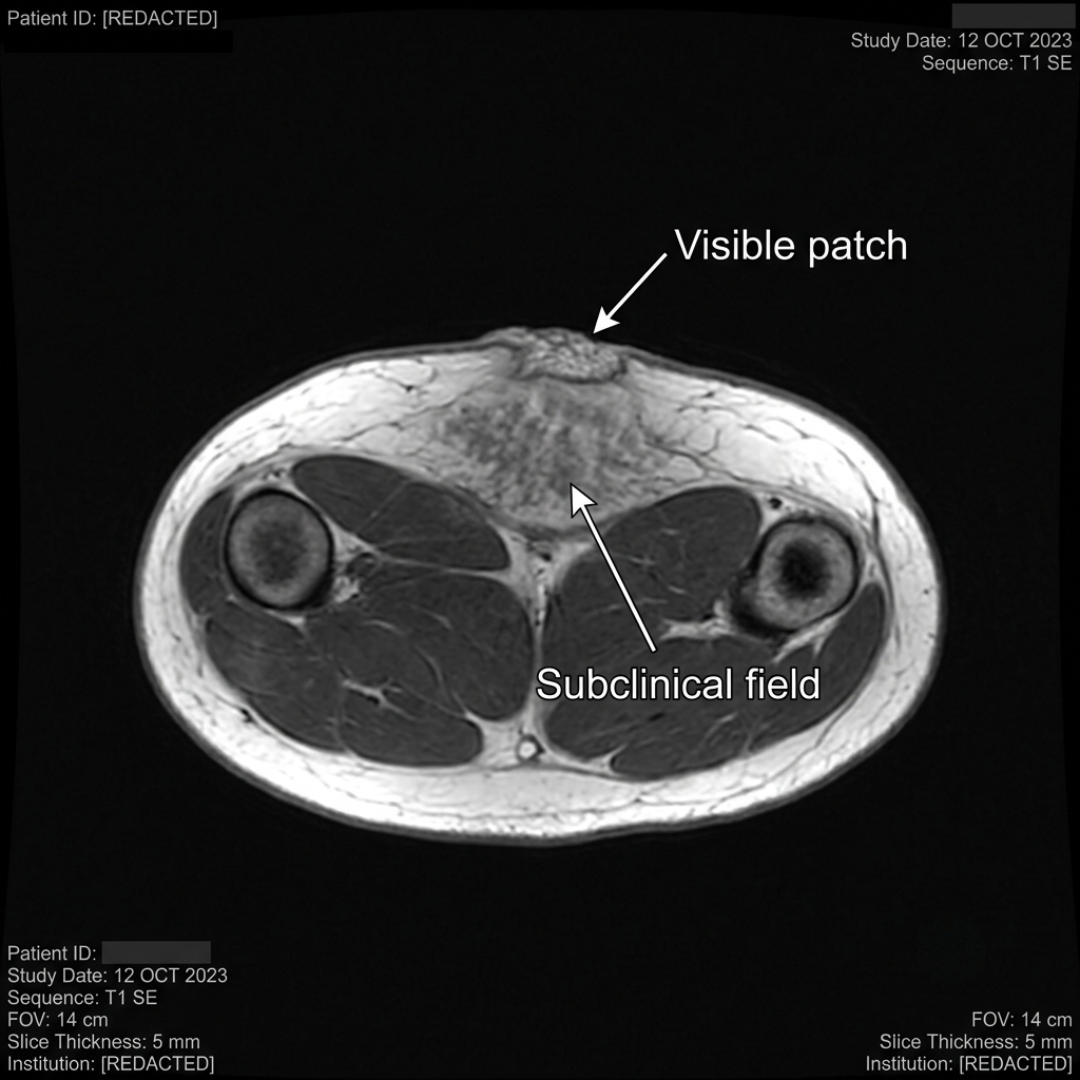
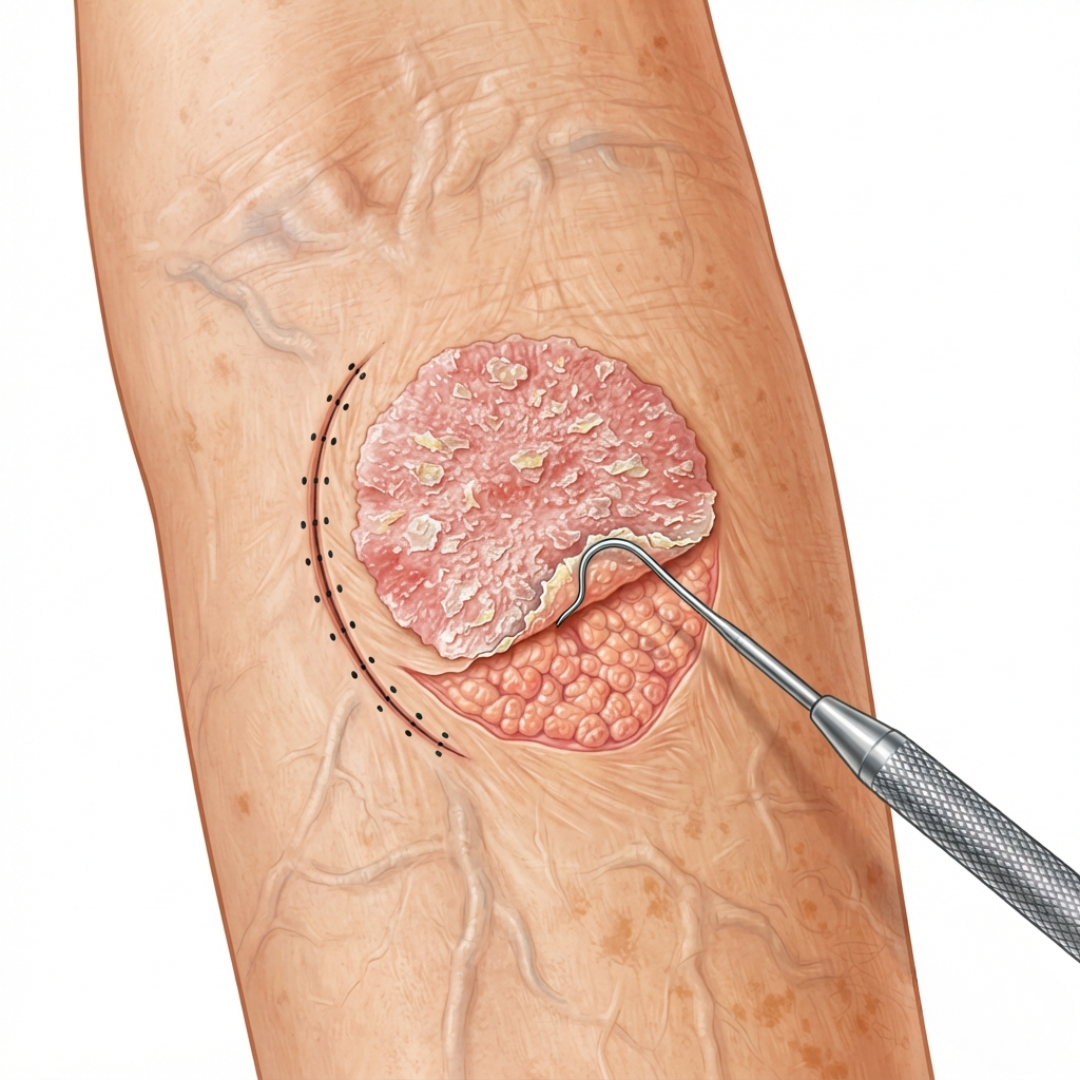
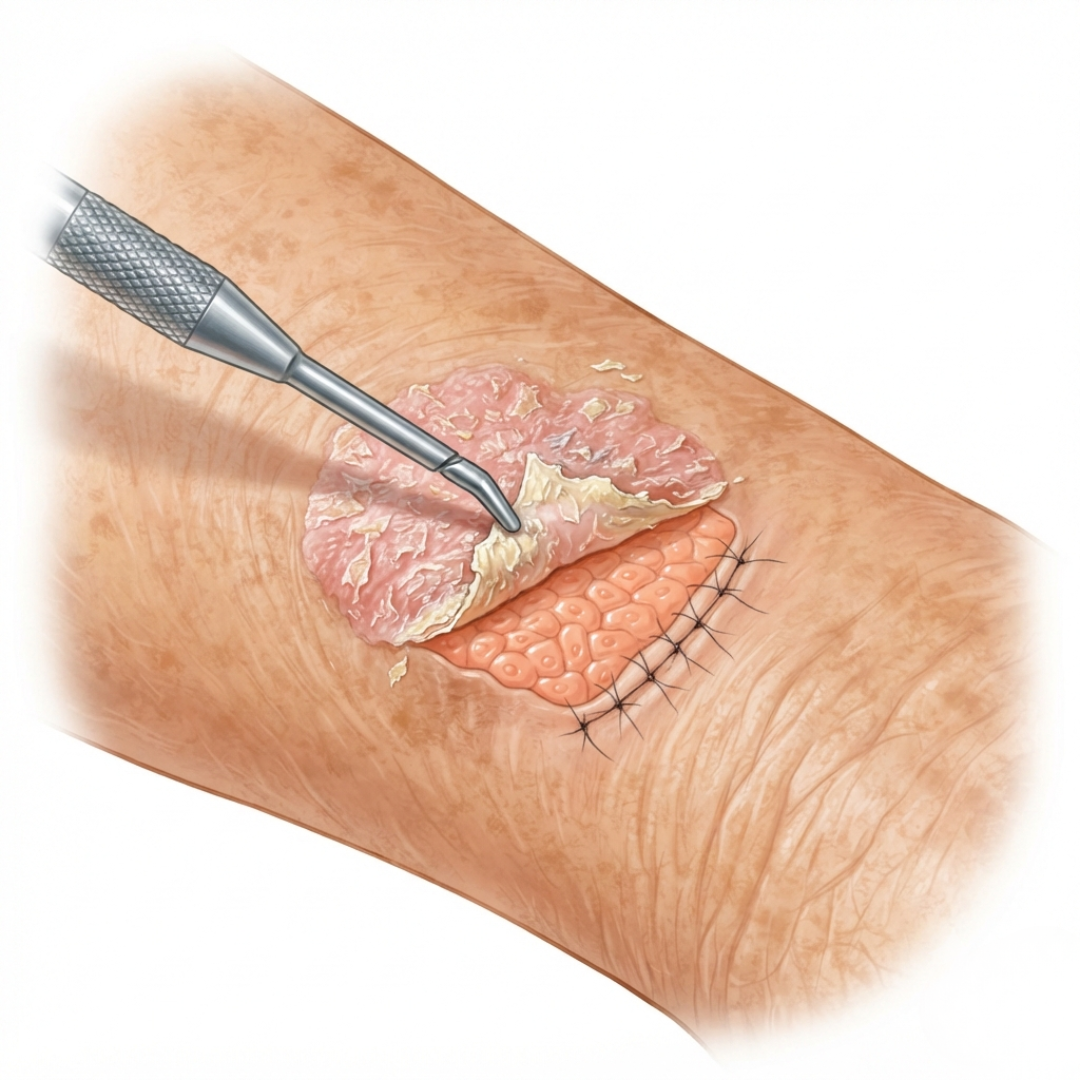
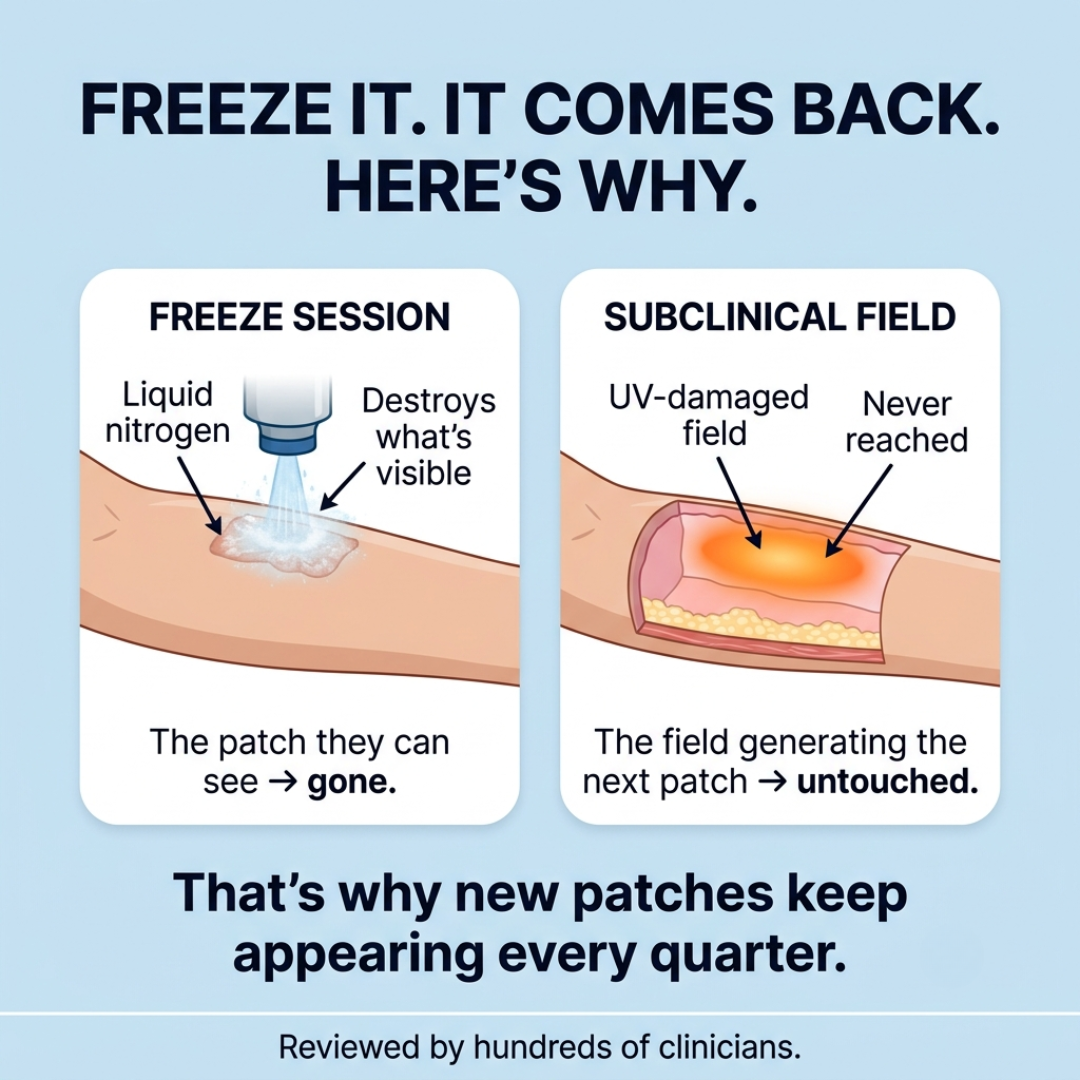
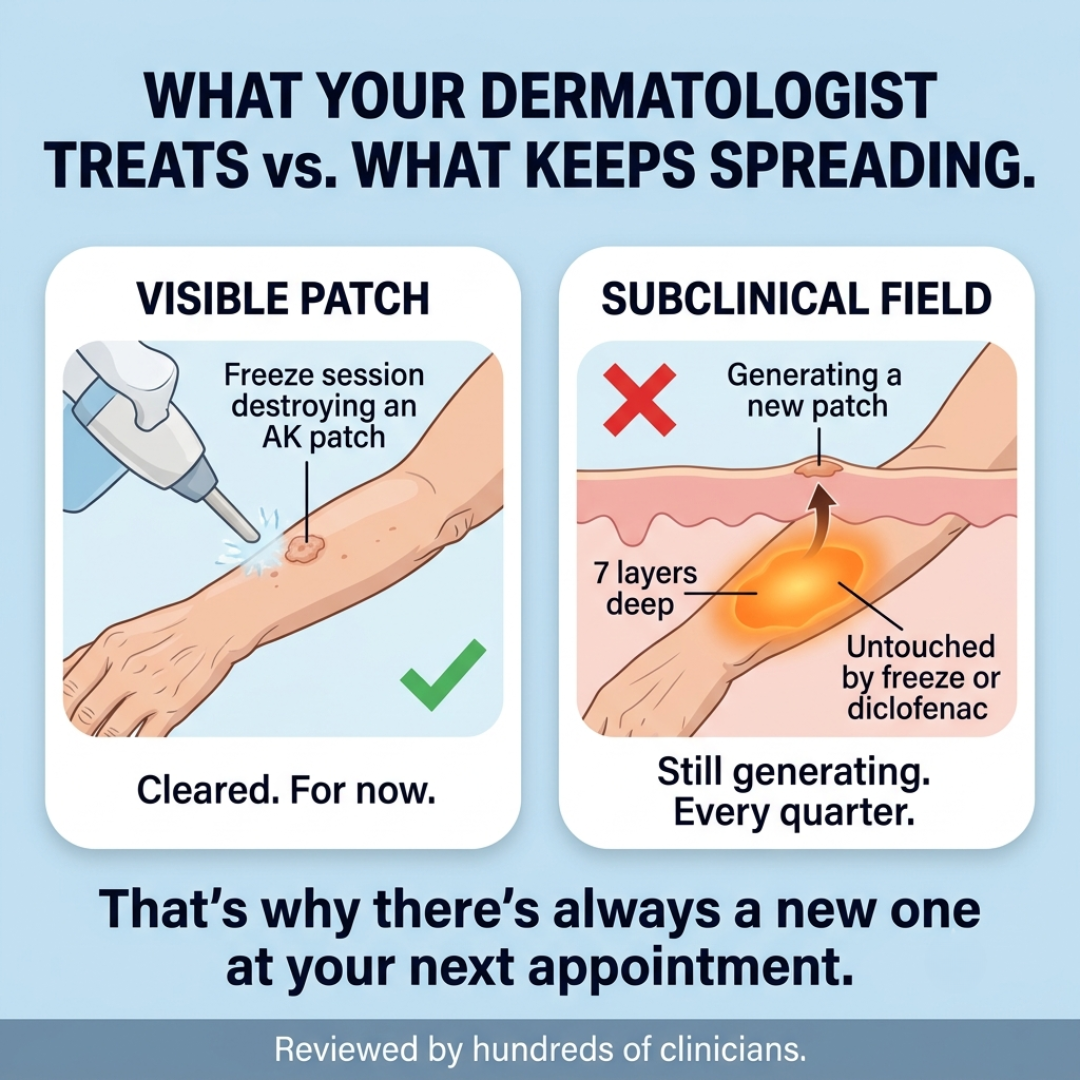
"I've Had Actinic Keratosis For 6 Years. Five Dermatologists. Zero Answers." I've had these patches for six years. Not a rash. Not a bruise. Rough, raised, scaly patches on my forearms and hands that get worse after every summer, keep showing up in photos, and have made every person in my life ask me the same question at least once: "Are you okay? Those patches look really rough." I'm 65 years old. I've never had a serious skin problem in my life. And now I cover my arms like I've been hiding them since high school. --- Let me tell you about the dermatologists. **Dermatologist #1:** My primary care referred me. She looked at my forearms. No concerning borders. "Actinic keratosis. Sun damage." Scheduled a freeze session and prescribed diclofenac gel between visits. Eight weeks later: still spreading. Worse, actually. Especially on my right forearm and the backs of my hands. **Dermatologist #2:** A second opinion. Skin assessment. Two new patches had appeared since the last visit. "That's normal with AK. Come back in three months and we'll freeze the new ones." Recommended SPF 50 and a vitamin C serum. I bought the serum. Applied the sunscreen. Wore long sleeves in the car every morning. Avoided midday sun daily. Patches kept appearing. **Dermatologist #3:** A specialist at a larger clinic. Skin assessment: moderate actinic keratosis, multiple active sites. She said, "The field is generating faster than the freeze sessions can keep up." Gave me a prescription for diclofenac twice daily and moved me to freeze sessions every two months instead of three. I came back every two months. More sessions. More diclofenac. The patches didn't stop. Not even close. She added 5-fluorouracil field therapy — twice daily for six weeks. My skin wept and crusted. I couldn't wear a watch. Couldn't go outside. Six weeks of that. Three months later: new patches at the edges of the treated area. She said, "Some AK fields are just hard to stop." Some AK fields are just hard to stop. That's what $3,200 in specialist visits and field therapy gets you. **Dermatologist #4:** A photodynamic therapy specialist. She studied my forearms under magnification. Said the field was widespread, active, and had clearly been generating for years. "Consistent with established subclinical field involvement." I said, "But I've done everything. Every session. Every cream. Six weeks of field chemotherapy." She said, "That's the thing nobody explains. The patches you see on your skin are the finish line. The field starts somewhere else entirely. You don't stop it on the surface. You get the spreading, the new patches every quarter, the watch list that keeps growing, and the feeling of skin that won't cooperate." Six years. Four dermatologists. Freeze sessions, diclofenac, field chemotherapy, photodynamic therapy. And it was coming from deep in the dermis the whole time. --- She put me on photodynamic therapy. Three sessions at $800 each. "Clinical intervention for established AK field. Give it three months." I gave it three months. The patches looked maybe 20% calmer. The spreading went from constant to frequent. New lesions went from appearing every visit to appearing most visits. 20% better after three sessions of photodynamic therapy and $2,400. She added imiquimod cream twice weekly. Told me to continue diclofenac between sessions. Stop all exfoliating. Avoid all trigger sun exposure. I did everything. Everything. I followed the protocol to the letter like my summer depended on it — because it did. I'm a retired nurse. I attend my grandchildren's events. I travel with my husband. And I do it all with arms I have to hide under long sleeves by noon. Six months of maximum topical and photodynamic therapy and the patches were still there. Still spreading. Still that stubborn rough raised texture in the skin that no session could reach, because it wasn't on the surface, it was coming from inside. **Dermatologist #5:** A second photodynamic therapy specialist. She examined me. Field was showing active generation at multiple sites. "Consistent with established actinic keratosis." She said, "AK fields are notoriously difficult to stop. Sessions help some patients. Some patients need repeated field therapy cycles. Some patients just learn to manage it." Learn to manage it. Manage skin that makes strangers think something is seriously wrong with my arms. Manage forearms that I hide in every family photo. Manage covering up that makes my daughter ask if I'm okay twelve times a day. Manage the embarrassment of hiding my arms through every lunch, every outing, every phone call. I drove home and sat in my driveway for twenty minutes. --- Here's what nobody explained until I researched it myself: Actinic keratosis is different from ordinary sun damage. With simple surface damage, a brightening cream or single freeze session can address it. With chronic AK, a subclinical field of UV-damaged keratinocytes runs deep in the dermis — misfiring, dividing abnormally, generating the next visible lesion weeks before it appears on the surface. The surface has almost no defense once that field is generating. Your deep dermis has layers of tightly packed skin cells. The subclinical field spreads invisibly through those layers. Your surface barrier? Already overwhelmed. So even when you freeze the visible patch, the field underneath keeps producing the next one. And here's the critical part: freeze sessions destroy the visible lesion. But the deep dermal field — the subclinical zone of UV-damaged keratinocytes hiding behind layers of skin — remains active even when the surface looks temporarily calmer. That field keeps generating new lesions and gets triggered by anything that activates it: UV exposure, seasonal change, oxidative stress. So you can clear the visible patches and STILL have new ones forming from the field underneath. That's why I only got 20% improvement. The sessions and the field therapy addressed the smoke but not the kitchen fire. And they didn't reach or calm the deep subclinical field that was already actively generating. --- For the next year, I tried every product the AK forums recommended: Vitamin C serums — the expensive stabilized kind. $40/bottle. No change in new patch frequency. Elimination of sun exposure, one trigger at a time. Helped maybe 5%. Unsustainable. CeraVe and Eucerin — the barrier creams. Sealed the surface. Never reached the field. Retinol — the prescription strength version. Smoothed surface texture temporarily. New patches kept appearing. Green tea extract — calming while applying. Vanished the second I stopped. Aloe and oatmeal masks — same story. Surface comfort. No field effect. Collagen supplements — dropped straight past the problem. My skin got nothing. Every product had the right idea. Every one failed because of approach. Creams stayed on the surface. Topical treatments fixed the surface temporarily. Supplements landed in the bloodstream and did nothing for the deep field. Nothing reached the dermal layer driving the generation long enough to matter. --- Then a woman in my AK support group posted something that stopped my scrolling. "I found something that actually works on the source. It's a body oil. You apply it morning and evening. You can feel your skin shifting and within weeks the patches start flattening. It's the first thing that goes deep." I'd read hundreds of product recommendations in that group. I'd ignored most of them. But "the source" — those words got me. Because nothing had ever reached the source. She posted the compounds. I recognized them from the research I'd been reading late at night: Bakuchiol and Oil-Soluble Vitamin C. Sea Buckthorn and Camellia Oil. All four. In one morning and evening body oil. Designed to reach the subclinical AK field and support normal keratinocyte cycling through all seven skin layers. Not a cream that sits on the surface. Not a session that destroys the visible patch and watches the next one form. Not a supplement that lands in the bloodstream and does nothing. An oil that works inside, where the field is. Obviously I was skeptical. I'd spent $4,000+ on treatments that failed. But the 90-day money-back guarantee meant the worst case was another $44.95 down the drain. I ordered it at 10 PM because I'd just seen a photo from my granddaughter's birthday where my forearms looked so rough and patchy that my daughter asked if I'd had my skin checked recently. Recently. My daughter thought something was seriously wrong. Because of patches caused by a deep dermal field that five dermatologists took six years to fully explain. --- First morning: I applied the oil before getting dressed. The shift wasn't on my surface yet — it was deeper. The bakuchiol and sea buckthorn go where the field actually is — the deep dermis. There's a mechanism behind it: oil-soluble vitamin C neutralizes the UV-induced oxidative cascade and penetrates all seven skin layers, bakuchiol supports normal keratinocyte cycling and calms the abnormal proliferation signal driving the patch generation. That was the difference. It went to the source. I looked at my forearms that morning — the same forearms I'd been covering for six years — and waited for the familiar frustration that always came within minutes of looking. It didn't come. I looked for a full minute. Something felt different. Not the patches yet — but something underneath. Calmer. **Day 3:** The rough texture on my worst patch felt slightly softer. Not dramatically. But I noticed because I run my fingers across those patches every morning and I know exactly what they feel like. Softer. **Day 7:** My forearms felt more even through the full morning. No new patch appearing by noon. No new lesion by end of day. I went to my book club — two hours — with my arms resting on the table for the first time in years. My friend sent me a message afterward: "You looked so relaxed today. You seemed really comfortable." She didn't know. She had no idea what that message meant to me. **Week 3:** The raised edges on my largest patch started flattening. The one that had been raised and rough for four years. I pressed my forearm flat against the kitchen counter. No catching. No rough edges dragging. First time in years. **Week 5:** I went out to dinner. I ate. I talked. I laughed. I left my arms uncovered. Not once did I reach for my cardigan. My daughter kept looking at me across the table. After twenty minutes she said, "Mom, your arms look so much better." I hadn't even noticed how much until she said it. That's how different it was. **Week 8:** I stopped the diclofenac. The one that never worked anyway. The one I'd been applying twice daily out of desperation for three years. Stopped it. Nothing worsened. Because the patches were never just surface lesions. It was the deep field. And now the source was calming. **Week 12:** My dermatologist looked at my forearms again. The rough texture and active patch count had visibly improved. She asked what changed. I showed her the bottle. She looked at the ingredients. Looked at me. Said, "This makes sense. These are the compounds that work on the dermis, not just the surface. The lipid carrier gets the oil-soluble actives through the stratum corneum to where the field lives. I don't know why more people don't treat from the inside out." I said, "Someone finally did." I ordered four more bottles from her parking lot. I will never be without this. --- My daughter called me last week. We talked for forty minutes. She didn't ask about my arms once. Because there was nothing to ask about. My husband says our evenings feel different now. Not different in a bad way. Different because the long sleeves, the hiding, the quarterly appointments that were the soundtrack of our weekends are gone. My neighbor pulled me aside and said, "Whatever you're doing, keep doing it. Your arms look completely different." They are completely different. I'm the person I was before the patches stole six years of my life. --- Sorry this is so long. But I spent six years being told I had sun damage. Then an established field. Then a "difficult case." Five dermatologists. Multiple freeze session cycles. Field chemotherapy. Photodynamic therapy. And not one person told me my deep dermis needed to be reached — not just my surface needed to be frozen. Dermiqua is the first thing that reached the source and stayed there. Because it works inside, where the field is. And the inside is the only place that makes sense when new patches keep being generated from deep in your skin. THANK YOU for giving me my arms back. For giving me quiet mornings. For giving me summers without hiding and dinners without covering and phone calls where my daughter doesn't ask if something is wrong. It still blows my mind. — Margaret Holloway, 65 👉 dermiqua.com/pages/actinic-keratosis
Like this ad? Make it yours.
Crush rebuilds this exact creative around your product — your brand, your colors, your offer — in about a minute.