
Inactive· since Jun 19, 2026
- 28
- days it ran
- 0
- relaunches
Ad copy
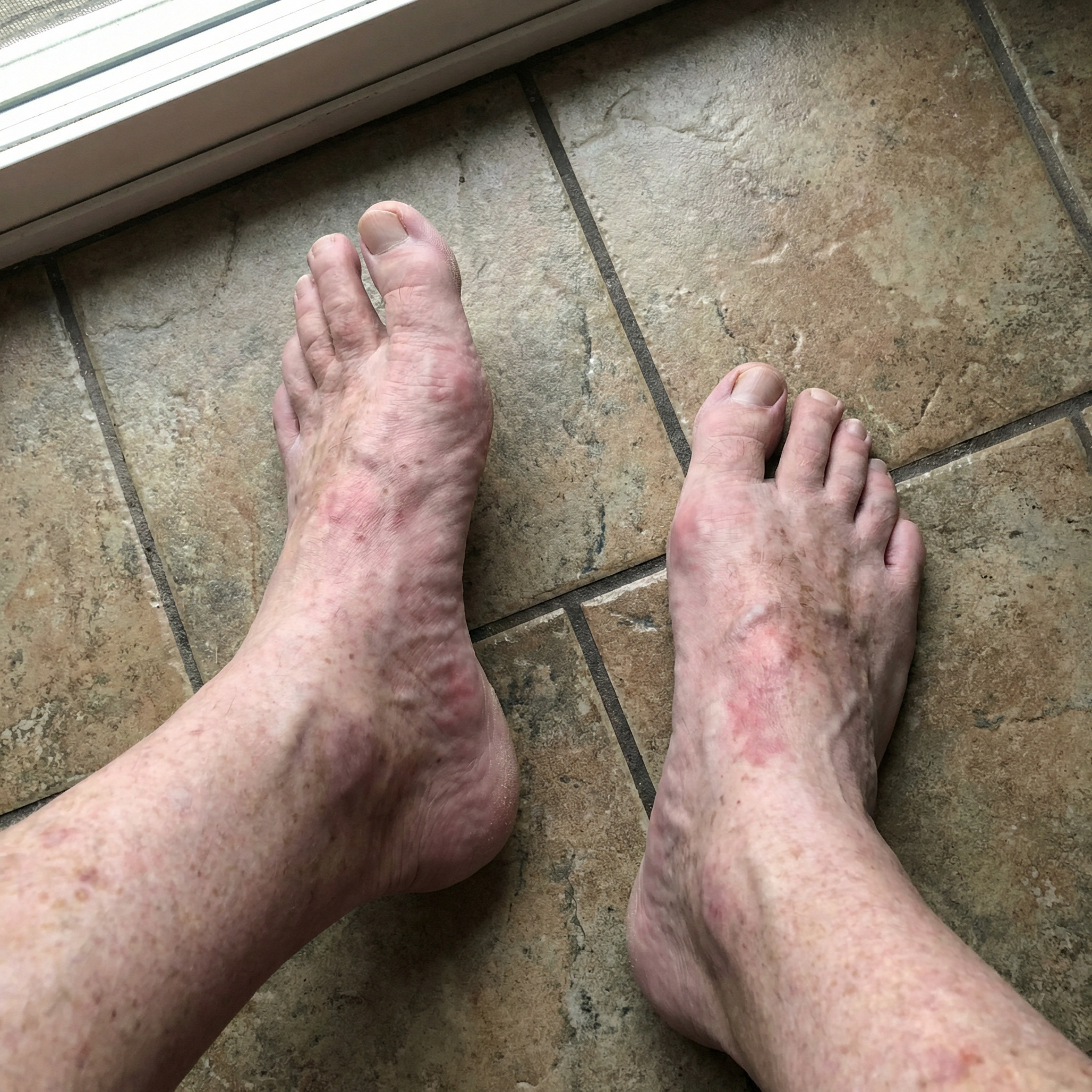
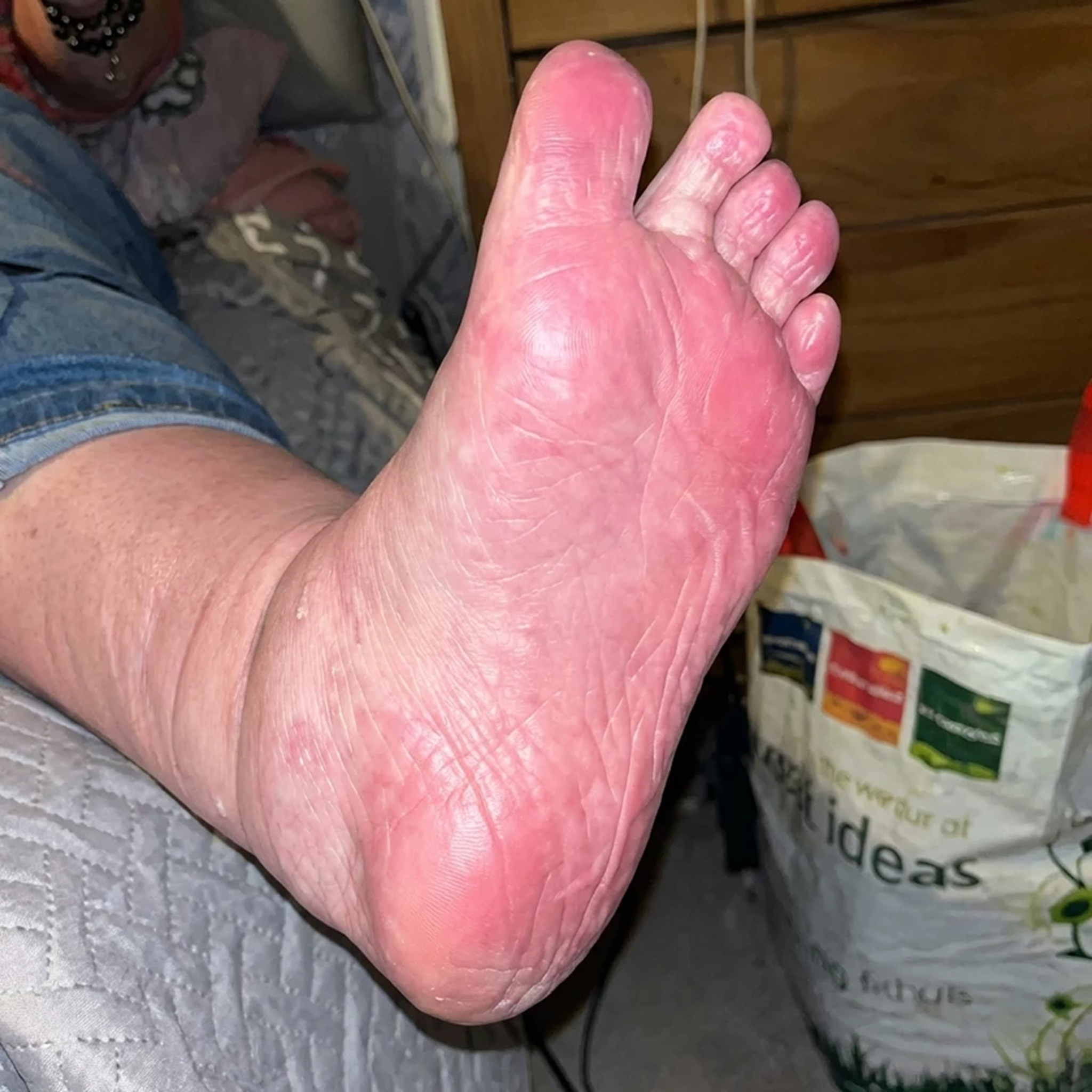
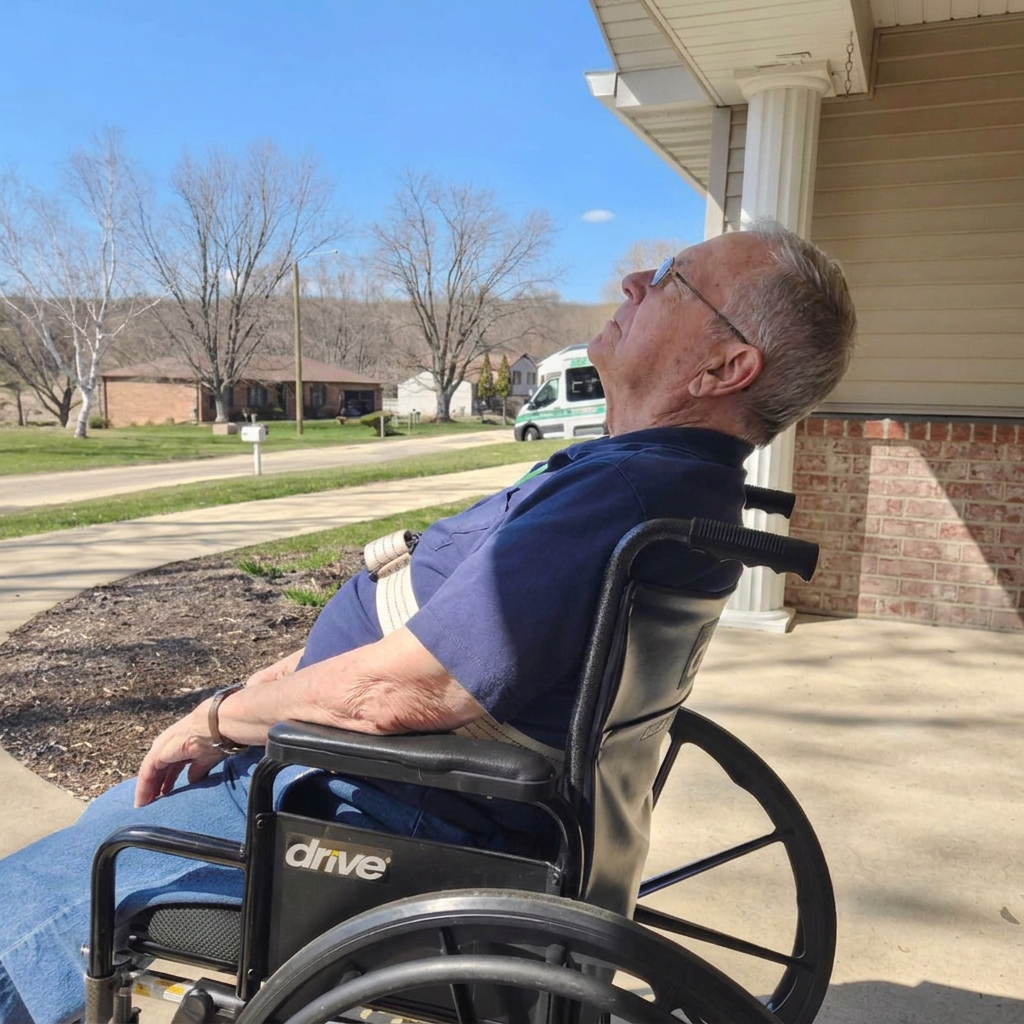
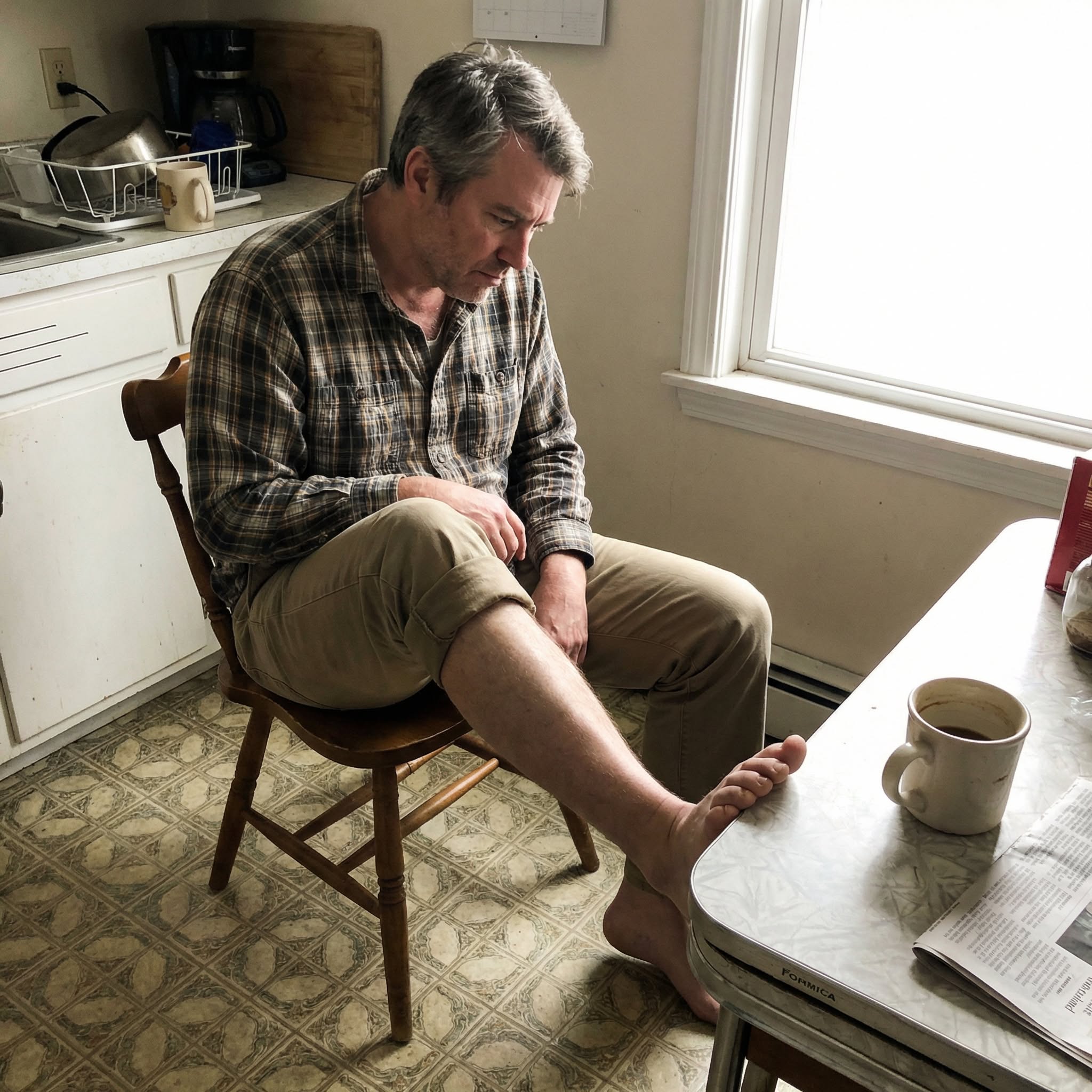
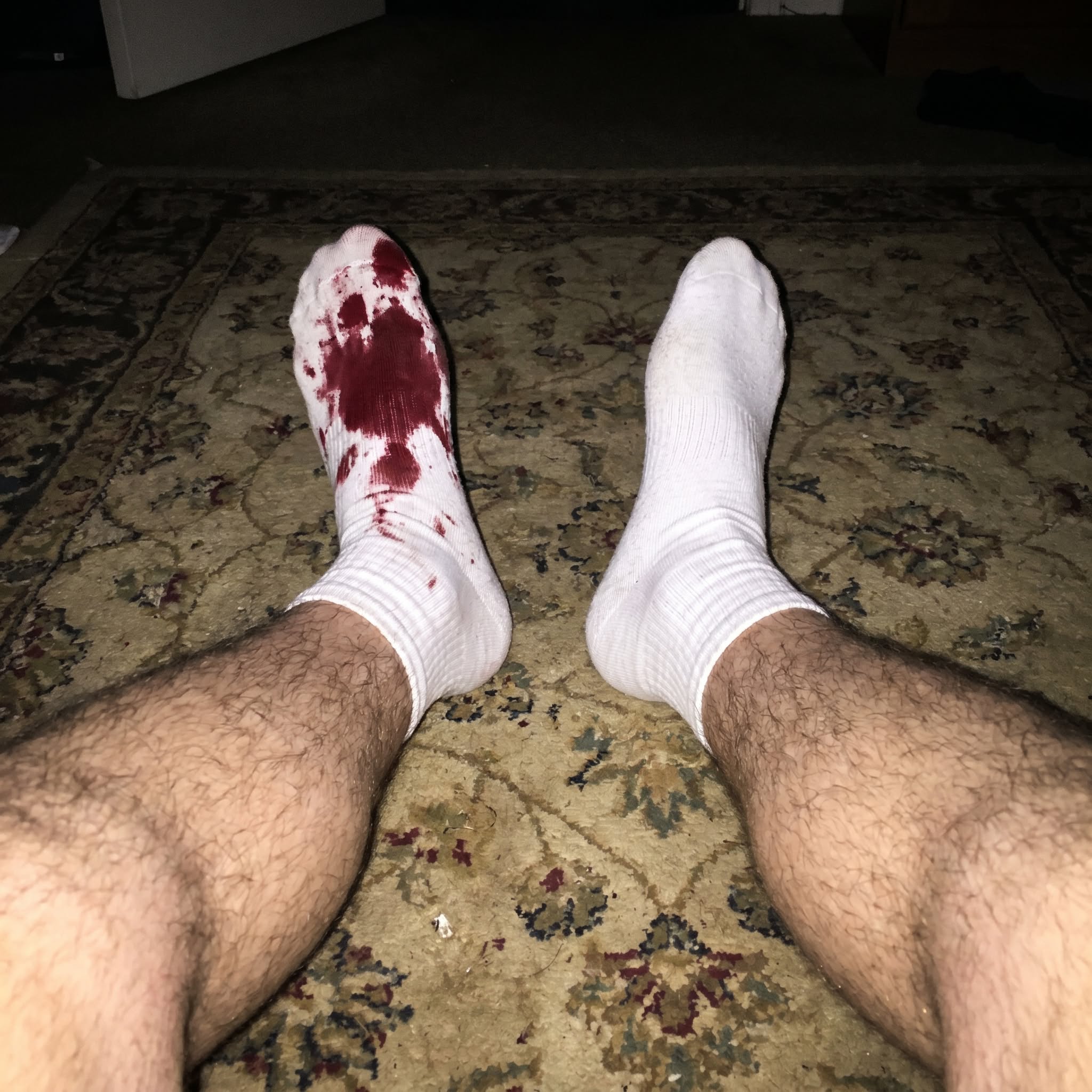
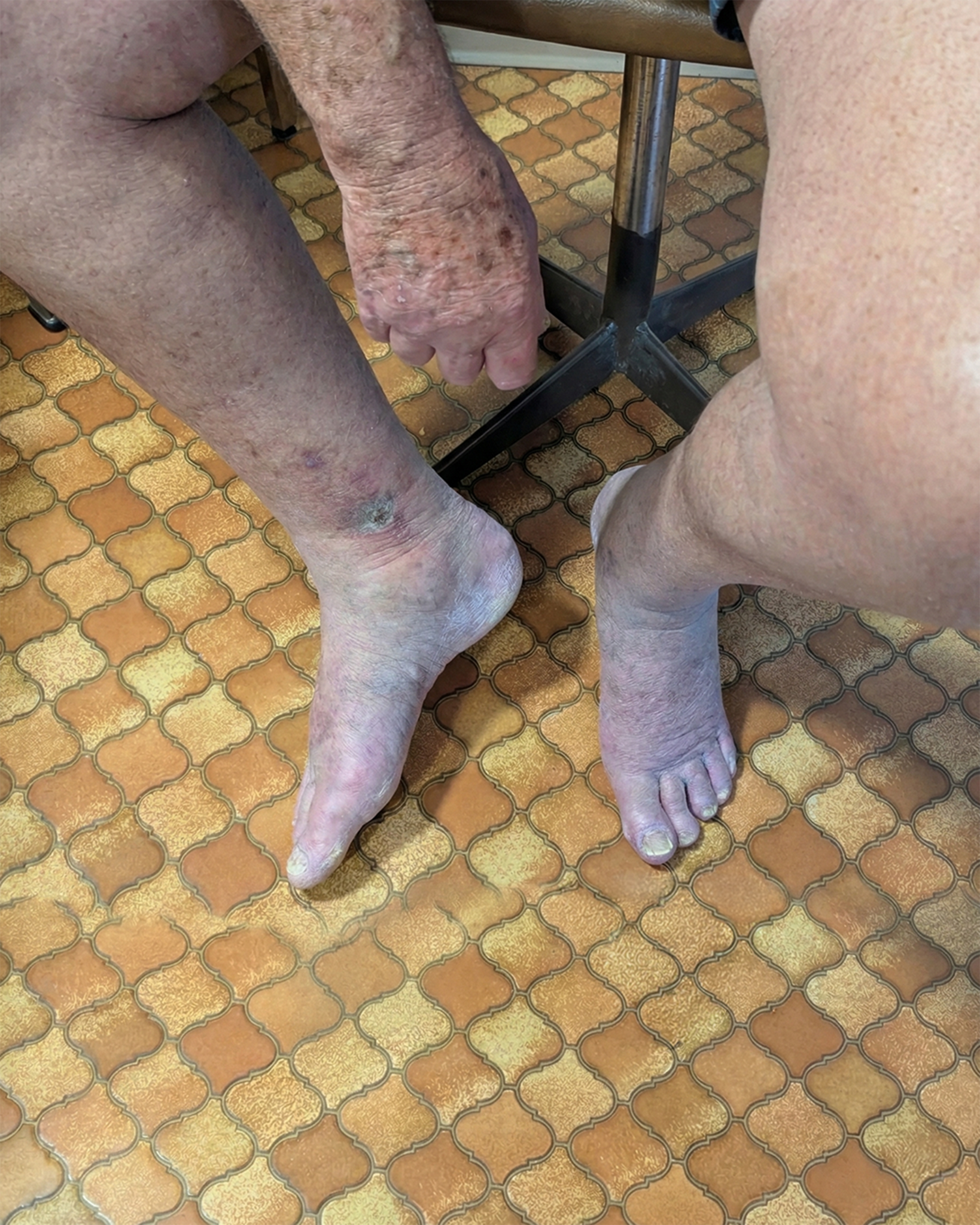
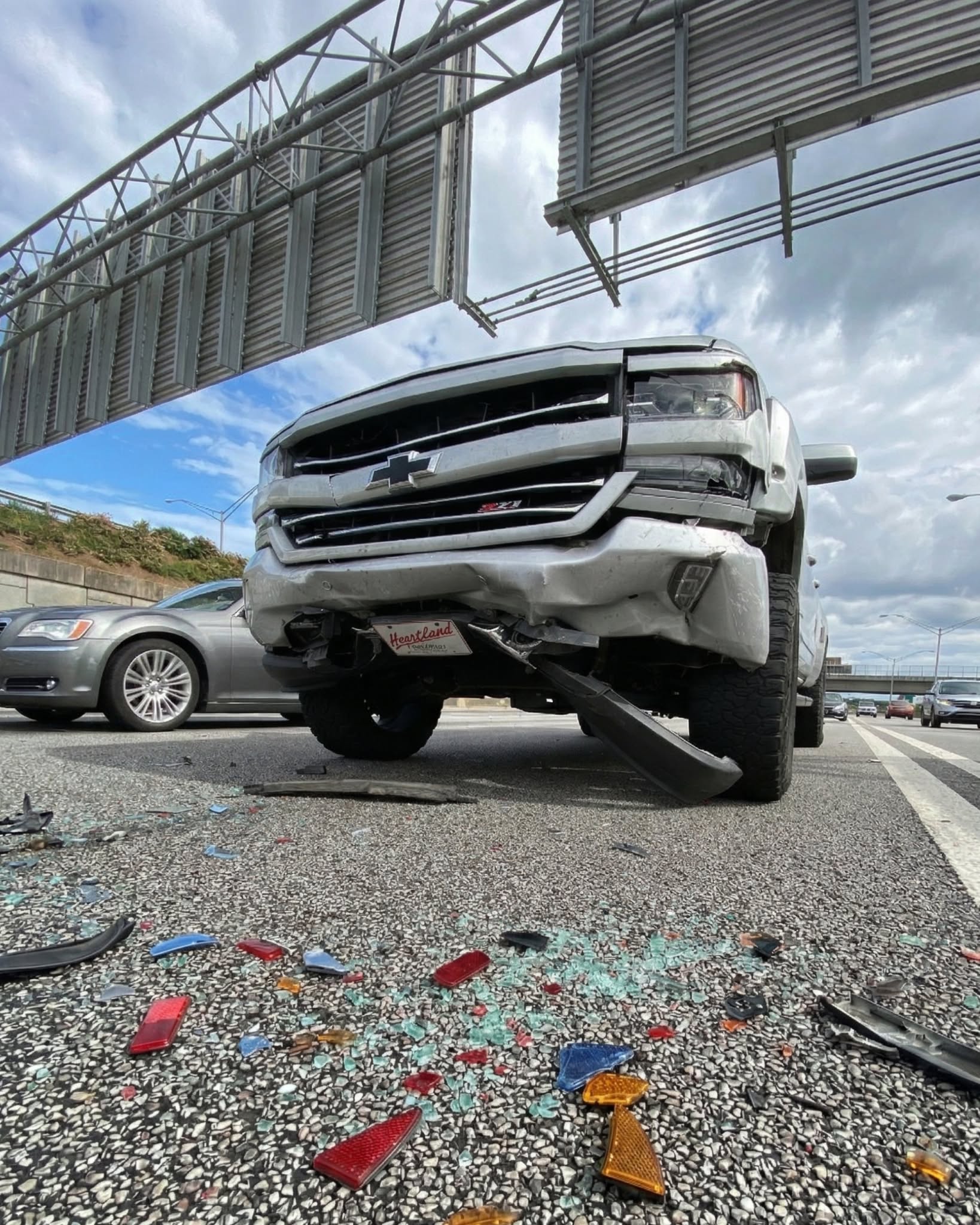
Last Thursday I rear-ended a woman in a parking lot at maybe five miles an hour. I sat in my car for ten minutes afterward shaking so hard I couldn't hold my phone to call my wife. It wasn't the damage that scared me. Her bumper had a scratch. My front bumper was bent. That's it. It was the reason it happened. I couldn't feel the brake pedal. My foot was on it. I know it was on it because I looked down after impact and saw my shoe pressing the pedal. It was then when I realised I had barely pressed down on it. My foot went to the right spot. My brain told it to press. But I couldn't feel how hard I was pressing. I thought I was braking but I was barely touching it. By the time I realized the car wasn't stopping, it was too late. A dull thud into her bumper. Five miles an hour. My foot was on the brake the whole time and it still happened. The woman got out. She was fine. Annoyed, but fine. I apologized, we exchanged insurance information, and she left. I stayed in the parking spot for ten minutes. Engine off. Hands on the steering wheel. Because I knew something she didn't. That wasn't a bad driver making a mistake. That was a 61-year-old man whose feet have been going numb for three years. Finally reaching the point where his body can't do the most basic thing you need to do behind the wheel. And if that parking lot had been a highway – if I'd been going 60 instead of 5 – I would not be here sharing my story. — First, let me back up. The numbness started about three years ago. Just my toes at first. The left foot, then the right. I figured it was circulation. I'd been sitting at a desk for thirty years, my doctor had mentioned my blood sugar was "borderline," and I was carrying about twenty-five extra pounds. I assumed it was one of those things. Then the tingling started. Not just my toes anymore. The balls of my feet. Creeping toward my ankles. A constant buzzing that never turned off. Then the burning at night. That's when it stopped being something I could ignore. Every night, same pattern. I'd lie down. My feet would be cold. Within fifteen or twenty minutes they were on fire. Not warm, but on fire. The kind of burning where you kick the blankets off and put your bare feet on the hardwood floor just to get a few seconds of relief. Then the floor stops helping. So you go get ice packs. The ice packs work for ten minutes. Then the burning comes back through the cold. My wife would wake up at 1 AM and find me sitting on the edge of the bathtub running cold water over my feet. "You need to see someone about this," she said. "I know." "You've said that four times." She was right. I'd been putting it off because I was afraid of what they'd tell me. I finally went. My GP ran bloodwork. Everything came back "in range." Blood sugar borderline but not diabetic. Thyroid fine. CBC fine. "Probably just peripheral neuropathy," he said. "It happens. We'll keep an eye on it." He prescribed gabapentin. 300mg at night. I took it for two months. The burning eased – not gone, but enough that I could sort of sleep most nights. But something else happened that I wasn't prepared for. I started forgetting things. Not big things. Just normal words I'd said a thousand times. The name of the restaurant my wife and I go to every anniversary. My neighbor's dog's name, which I've said five hundred times. I'd be mid-sentence and just... lose the thread. I’d stand there with my mouth open, waiting for my brain to catch up. My wife noticed before I did. "You seem foggy," she said. "Like you're not all the way here." I was also exhausted. The gabapentin knocked me out at night but I never felt rested. I'd sleep eight hours and wake up feeling like I'd slept two. And the numbness in my feet? The gabapentin barely helped. The burning was quieter but the numbness kept creeping. Slowly. Steadily. A little more each month. I went back to my doctor. Told him about the brain fog, the fatigue, the spreading numbness. He said the cognitive symptoms were a known side effect of gabapentin and the numbness was "just the progression of the neuropathy." He increased my dose to 600mg. I took it for three weeks and then stopped because I almost fell down the stairs. The gabapentin had made me so unsteady that I misjudged a step and caught myself on the railing at the last second. My wife was standing at the bottom. The look on her face told me everything. I was taking a drug for nerve problems that was giving me new problems. I stopped the gabapentin on my own. Didn't tell my doctor. The brain fog started lifting within a week, which confirmed what I already suspected – the drug was doing just as much damage as the condition it was supposedly treating. But now I was back to the burning at night. And the numbness in my feet was worse than before I'd started. I tried other things. The things you find when you're up at 2 AM scrolling through neuropathy forums with ice packs on your feet. Lidocaine cream. Rubbed it on every night for six weeks. Did absolutely nothing for the numbness. Slightly helped the burning for about twenty minutes, then wore off. Alpha lipoic acid. Took it for two months. If it did anything, I couldn't tell. Compression socks from Amazon. Made my feet sweat. Didn't change the numbness one bit. Capsaicin cream. Burned the surface of my skin so badly I couldn't wear socks the next day. The nerve pain underneath didn't change. A B12 supplement from CVS – the white bottle with the blue label. My wife had read somewhere that B12 helps with nerve problems. I took it every morning for three months. The label said cyanocobalamin, which meant nothing to me at the time. Nothing changed. I told my wife B12 was a dead end. I had a drawer full of things that didn't work and feet that were getting worse. — The parking lot accident happened about a month after I stopped trying new things. I'd accepted it. Or I thought I had. The numbness was just part of me now. I drove carefully. I wore thin-soled shoes so I could feel the pedals better. I gripped the steering wheel harder than I needed to, like that would somehow compensate. And then the incident happened. My foot pressed the brake and I couldn't feel it, and I rolled into a woman's bumper at five miles an hour, and everything I'd been pretending was fine stopped being fine. That night I told my wife I didn't think I should be driving anymore. She didn't argue. She'd been thinking the same thing but didn't want to say it. Do you know what it feels like to hand your car keys to your wife at 61 years old? To go from the person who drives everywhere – who drove his kids to school, who drove cross-country twice, who drove his wife to the hospital when she had their youngest – to the person who rides in the passenger seat while his wife takes him to his own doctor's appointments? It's not inconvenient. It's humiliating. I stopped going places. Not deliberately, I just stopped asking. Stopped suggesting dinner out. Stopped saying yes to things that required someone else to drive me. My world shrank to the house and the backyard and whatever I could walk to, which wasn't much. My wife started doing all the grocery shopping alone. She didn't complain. That made it worse. — About three weeks after the accident, I was in a Facebook group for neuropathy. I'd been a member for over a year but mostly just read other people's posts and occasionally commented "same." Someone posted about numbness while driving. She said she'd almost run a red light because she couldn't feel how hard she was pressing the accelerator. I commented. Told a short version of my parking lot story. A man named Richard replied. Said he'd been where I was eighteen months ago. Numbness in both feet, burning at night, neuropathy getting progressively worse. Said he'd stopped driving for four months. Then he said: "I'm driving again. Here's what changed for me." I messaged him. He told me his neuropathy had started about four years before mine. Burning feet at night, creeping numbness, the whole pattern. He'd done the gabapentin, done the lidocaine, done all of it. He'd also tried B12 – the same white CVS bottle with the blue label. Nothing. "Then my daughter – she's a nurse practitioner – sat me down and explained something that made me furious" he said. She told him that neuropathy is nerve damage. Every nerve in your body has a coating around it – like the rubber around a wire. That coating is called myelin. When it breaks down, the signals that travel along the nerve get weaker. Slower. Eventually they stop getting through. That's the numbness. The nerves are still there. They just don't have their protective coating anymore. So the signals can't travel the way they're supposed to. And one of the most common reasons that coating breaks down? B12 deficiency. B12 is one of the main things your body uses to build and repair that coating. When B12 is low, the body can't fix the damage as fast as it's happening. The coating wears away. The nerves lose protection. You lose feeling starting in the places farthest from your brain. Which is why it always starts in the toes and feet. "But here's the part that made me angry," Richard said. He'd been told his B12 was "normal." Just like me. 290 on the blood test. His daughter told him the serum B12 test is unreliable. It measures what's floating in the blood, not what's inside the nerve cells where B12 actually does its job. You can have a perfectly "normal" blood reading while your nerves are starving. And the B12 he'd been taking – the blue CVS bottle? Cyanocobalamin. A synthetic form that has to be converted by the body into the active form before it can be used. That conversion requires stomach acid and something called intrinsic factor, both of which decline with age. If you're over 50, the conversion is already compromised. If you're on Metformin, a proton pump inhibitor, or even just drinking a glass of wine with dinner regularly, it's even worse. "I'd been swallowing B12 every morning for a year," Richard said. "My blood test said normal. And almost none of it was reaching my nerves. I was checking a box on a label while my myelin was falling apart." When he told me that, I felt the same thing he described. Furious. Because my doctor had looked at my B12 result, said "normal," and never mentioned that the test might be misleading. Never mentioned that the form of B12 matters. Never connected the neuropathy to a possible deficiency that his own blood test wasn't designed to catch. I asked Richard what he did about it. He said his daughter told him he needed three things: the right form of B12 – methylcobalamin, the active form his nerves could use immediately. The full B-vitamin complex, because B12 doesn't work alone. B6, folate, riboflavin – they're all part of the nerve repair process. And a delivery method that didn't depend on his gut to absorb it. She'd found a small company called Nuvel that made a sublingual B-complex. You dissolve it under your tongue. It absorbs directly through the capillaries into the bloodstream. Completely bypasses the stomach acid problem. "I was skeptical," Richard said. "I'd been through the whole drawer of things that didn't work. But my daughter's a medical professional, she'd done the research, and they had a 90-day money-back guarantee. So I figured the worst thing that happens is I mail it back." I decided to order Nuvel that night. — I want to be honest about how this went. Because I've read enough miracle stories online to know when someone's stretching the truth, and I don't want to be that. Week one – nothing. Burning at night was the same. Numbness was the same. I took it every morning under my tongue and went about my day. Week two – my wife asked if it was working. I told her I didn't know. Week three – I slept five hours straight on a Tuesday night. That hadn't happened in months. I woke up at 4 AM and the burning was there but it was dull. Not the usual intense fiery. I went back to sleep and woke up at 6:15 and just lay there, confused, because I'd slept over six hours and that doesn't happen to me. I told myself not to get excited. One good night means nothing. Then it happened again Thursday. And Saturday. Week five – I got out of the shower and stepped onto the bath mat. And I felt it. The texture under my feet. Not sharp. Not the way I remember from years ago. But the pressure. The fibers. A dull awareness of the surface under me that had been gone for over a year. I stood there dripping wet, pressing my toes into the mat. My wife walked in. "What are you doing?" "I can feel the bath mat." She looked at me like I was crazy. Then she understood. And we both stood there in the bathroom getting emotional over a bath mat, which is not something I ever expected to happen at 61 years old. Week seven – the burning at night was half of what it used to be. I was sleeping five or six hours before it woke me up. When it did wake me up, I could usually fall back asleep without ice packs. Week nine – I put on my thin-soled shoes. Walked to the car. Sat in the driver's seat for the first time in almost three months. Put my foot on the brake. I could feel it. Not fully. Not the way I could five years ago. But I could feel the resistance. I could feel the pressure under my foot. I could feel the pedal pushing back. I drove around the block. One loop. Maybe two minutes. My wife was standing in the driveway when I pulled back in. "How was it?" "I could feel the pedal." — It's been five months now. I drive to the grocery store. I drive to my doctor's appointments – by myself, sitting in the driver's seat, not the passenger seat. Last Saturday I drove my wife to dinner. She sat in the passenger seat and didn't say a word about it, because she didn't have to. It was just normal again. The burning at night isn't completely gone, but it's a two or three where it used to be an eight. I sleep six or seven hours most nights. I use ice packs maybe once a month instead of every single night. I can feel surfaces. I can feel pressure. I can feel the gas pedal and the brake and the difference between them, which sounds insane to type out but three months ago I couldn't, and that fact almost hurt someone. I'm not cured. But I'm functional. And the gap between those two things is the difference between a man who drives his wife to dinner and a man who sits in the passenger seat while his world gets smaller every week. EDIT: I keep getting messages asking what exactly I take. Here's the exact one – Nuvel B Essence Complex. Sublingual methylcobalamin (5,000mcg), plus the full B-vitamin complex in their active forms. Not the synthetic cyanocobalamin in every drugstore bottle. You dissolve it under your tongue, it goes straight into the bloodstream, skips the stomach entirely. This is what I take every morning: [https://trynuvel.com/products/b-essence-complex]
I Pressed the Brake… and Nothing Happened
My foot was on the pedal—but I couldn’t feel it, and that’s when I realized something was seriously wrong.
LEARN MORELike this ad? Make it yours.
Crush rebuilds this exact creative around your product — your brand, your colors, your offer — in about a minute.