
Inactive· since Aug 24, 2026
- 11
- days it ran
- 2
- relaunches
Ad copy
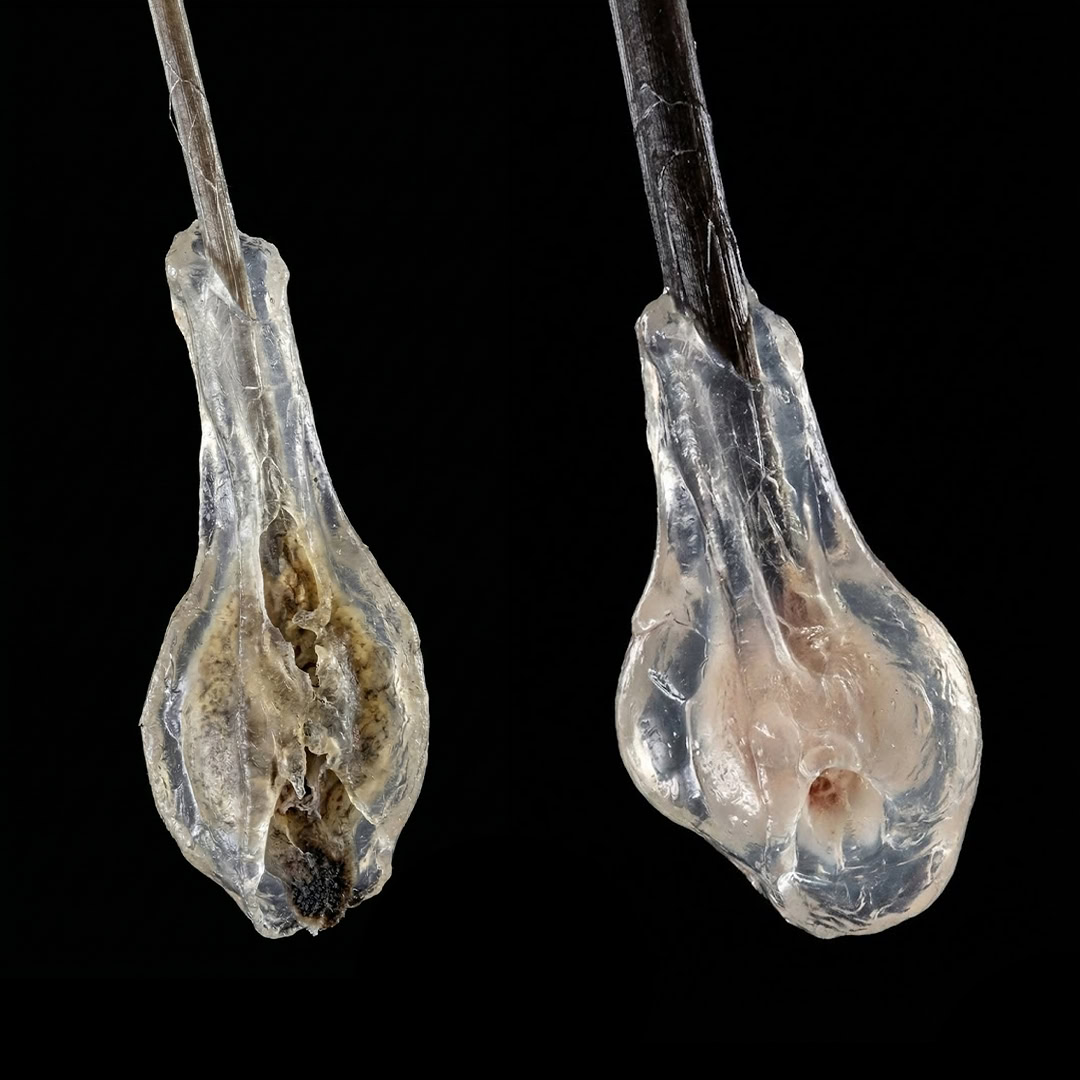
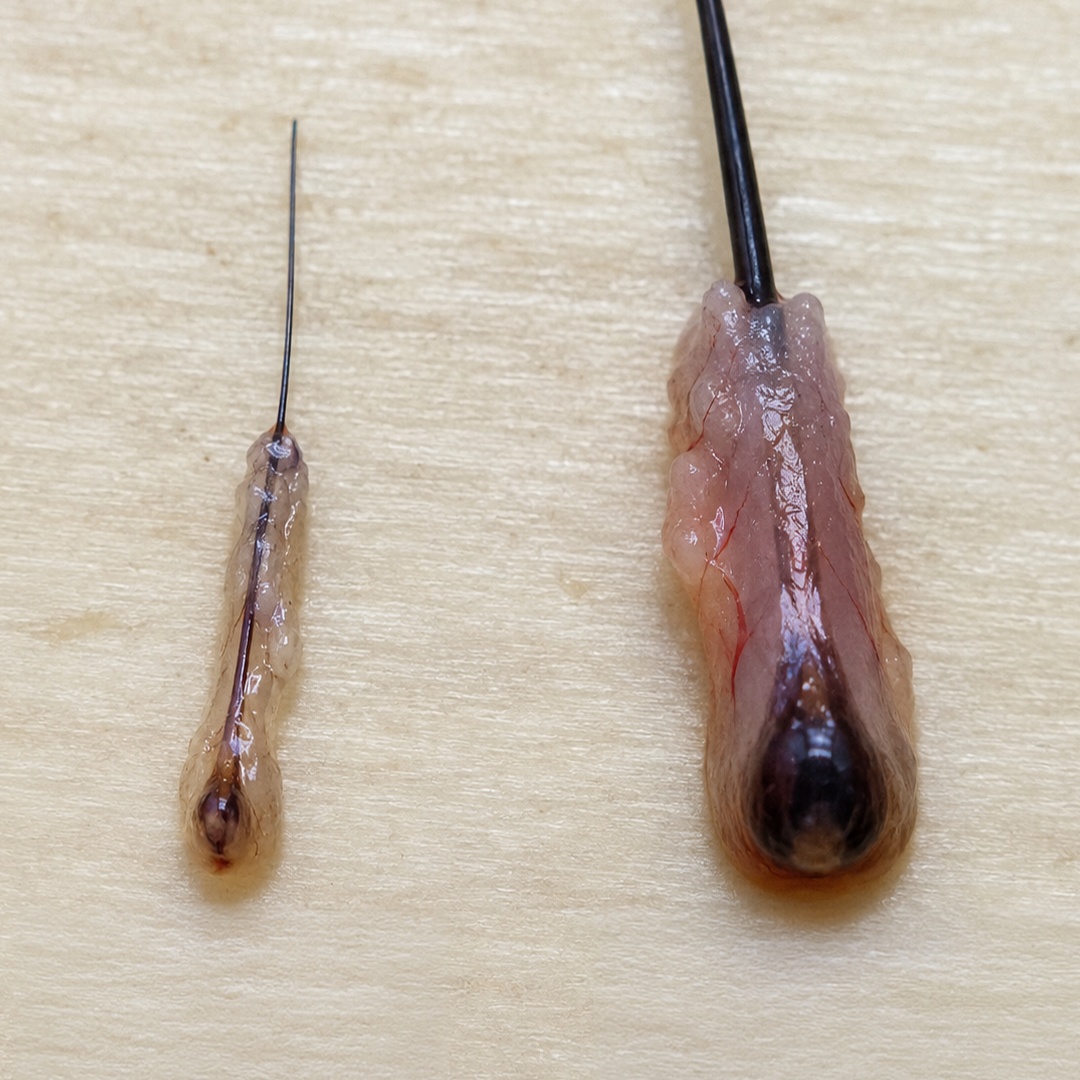
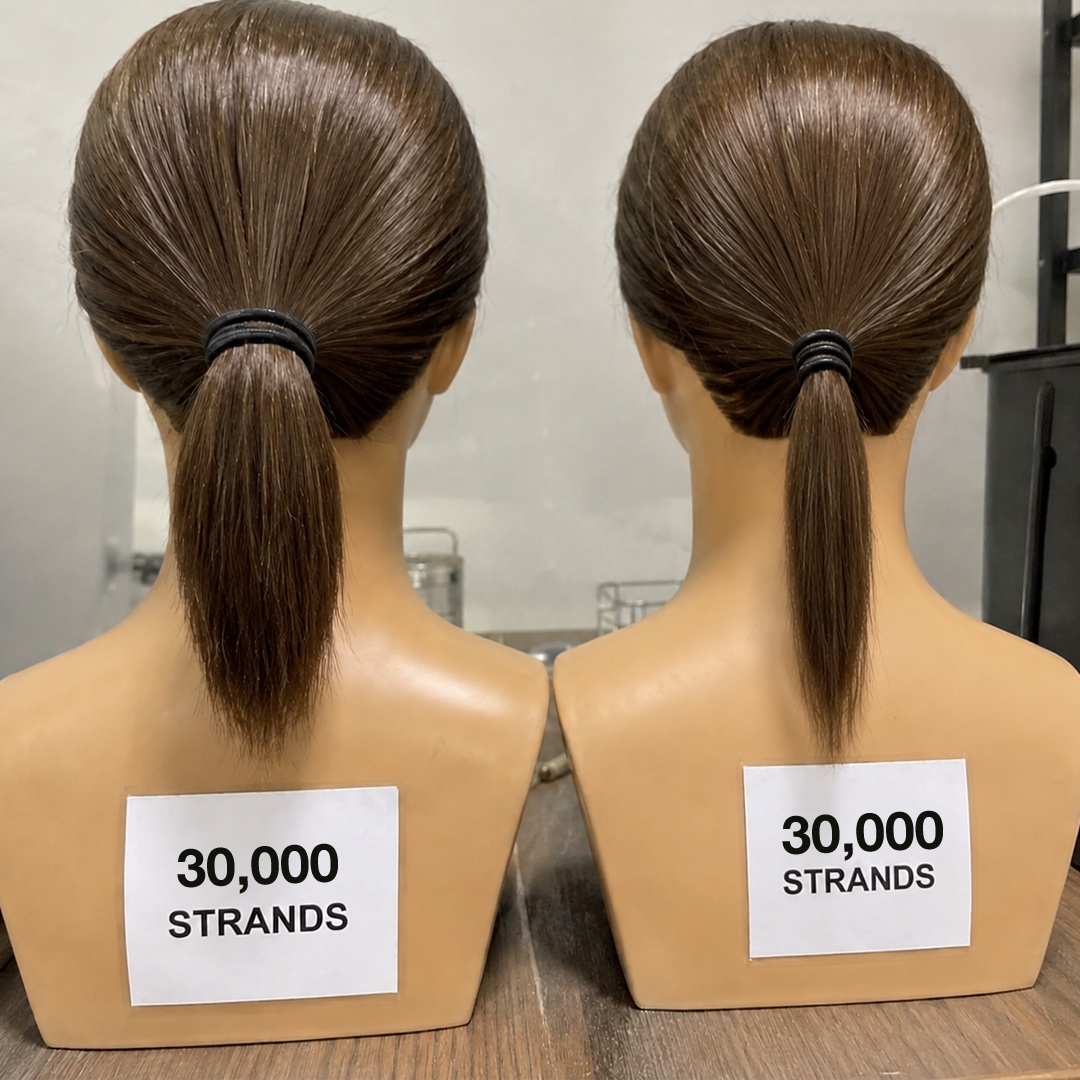
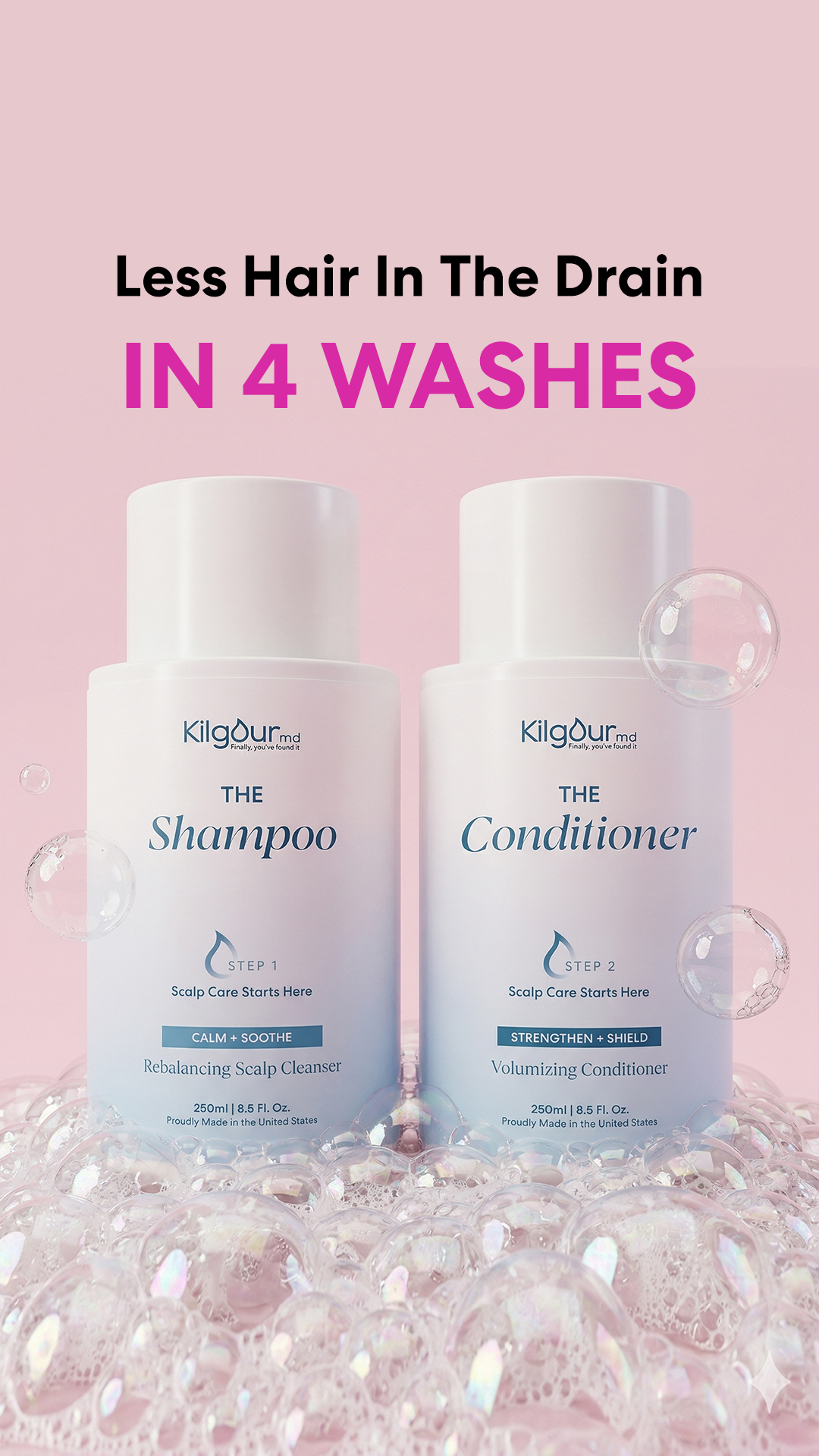
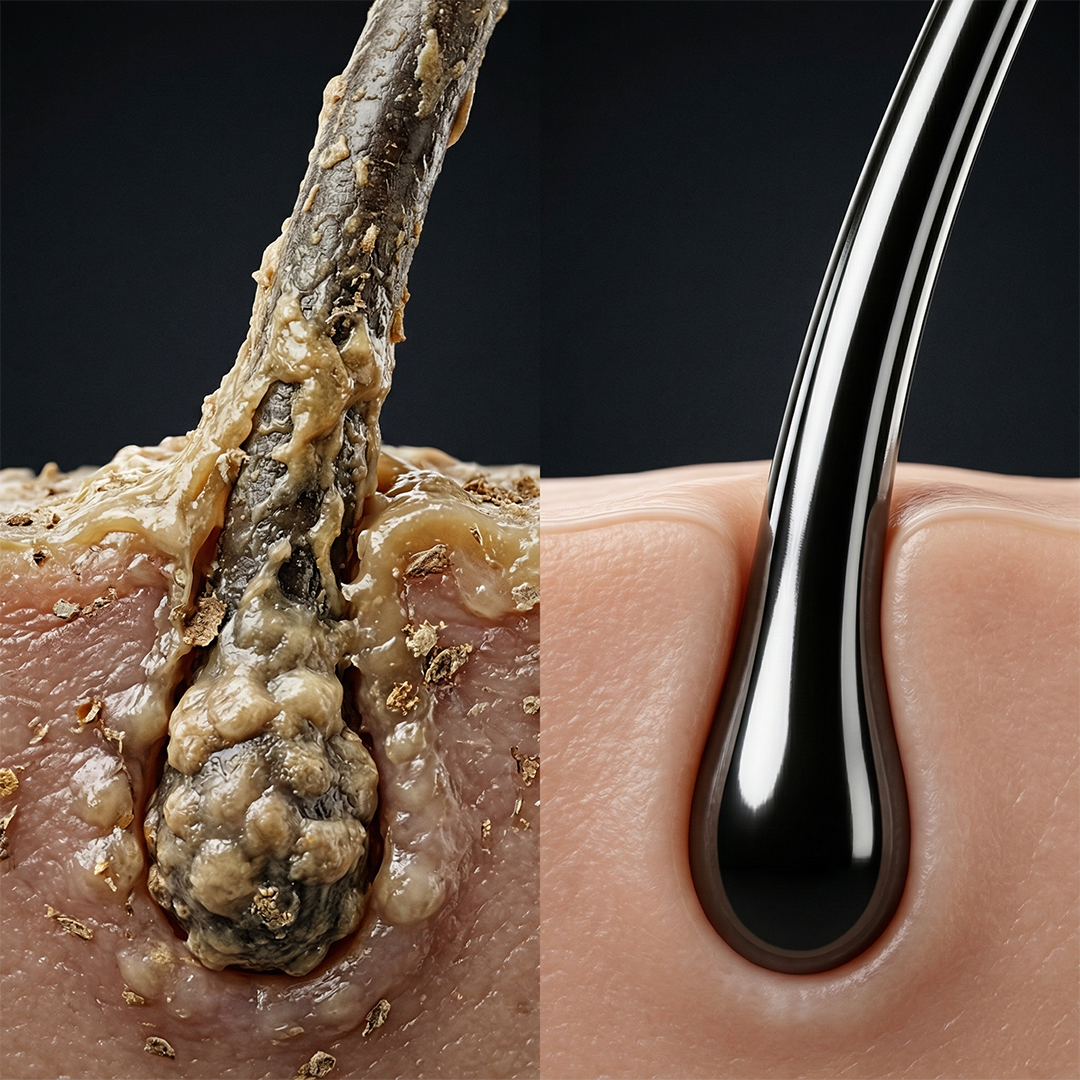
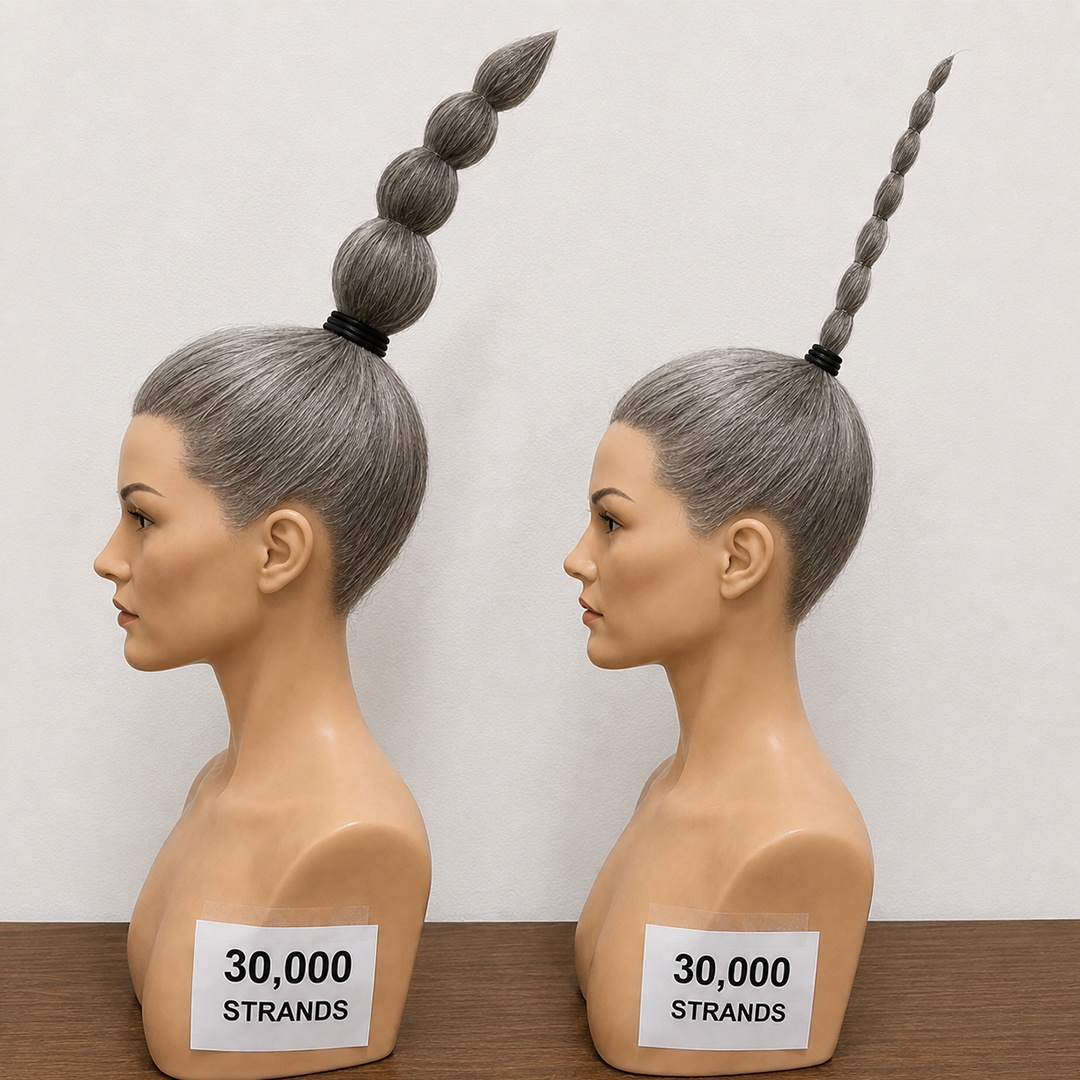
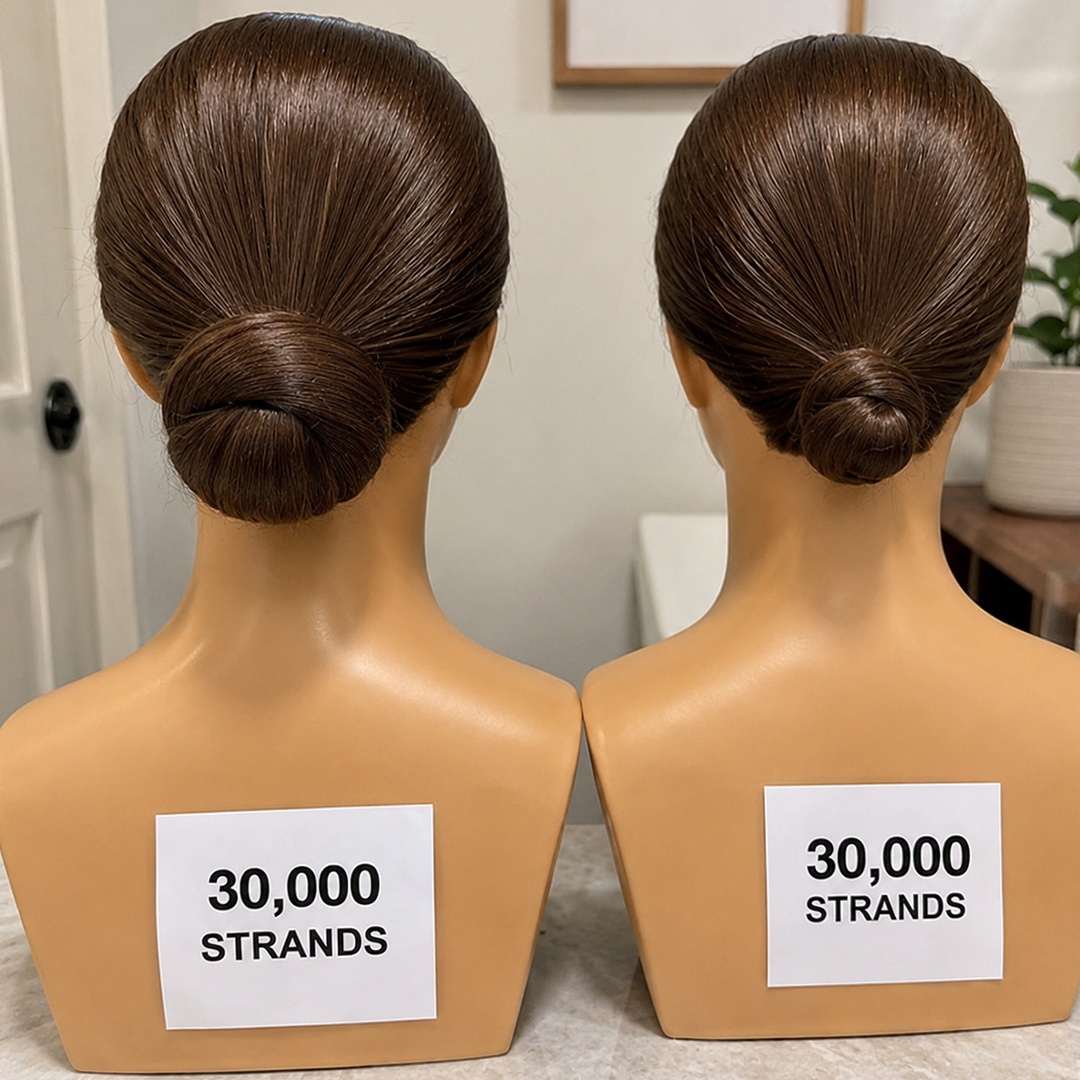
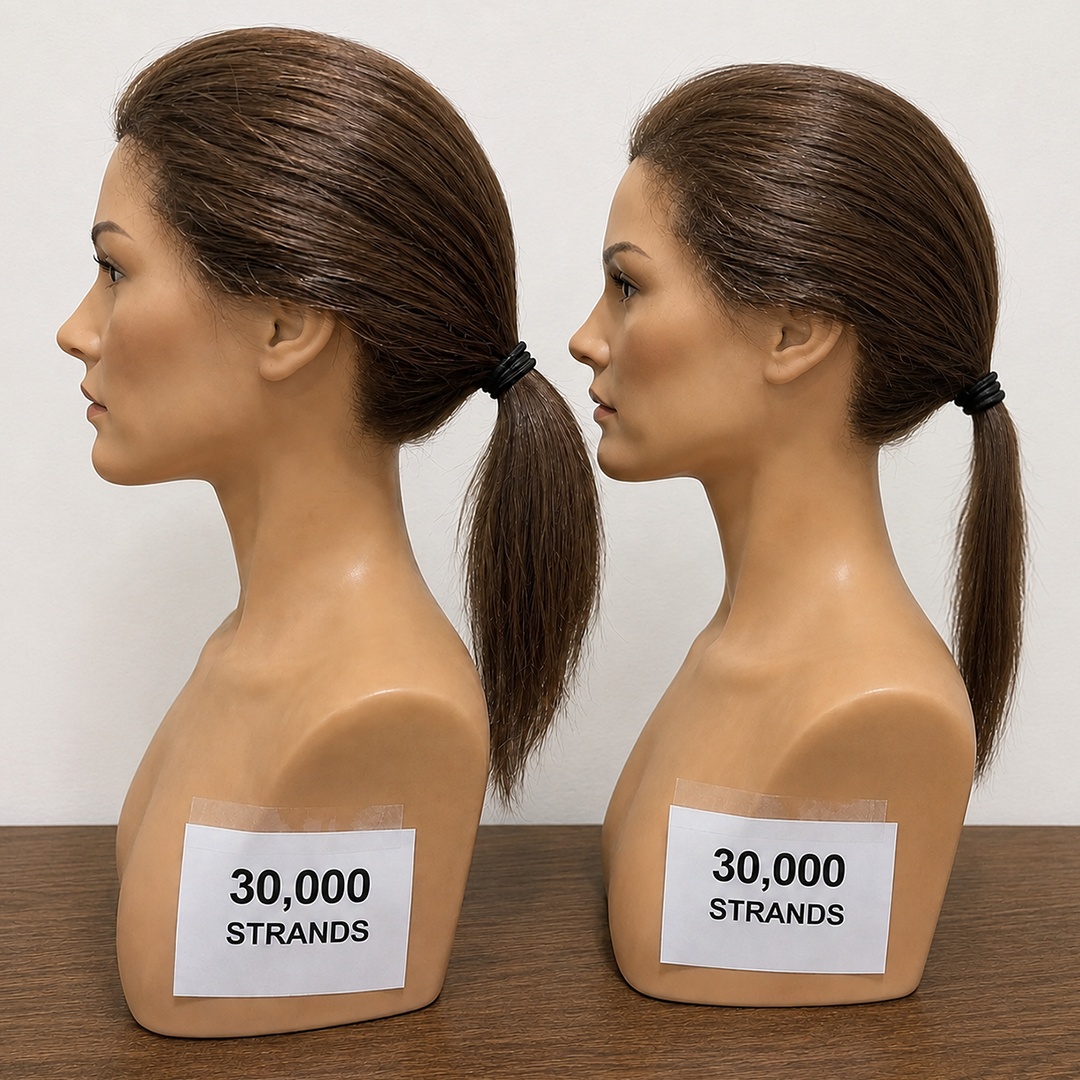
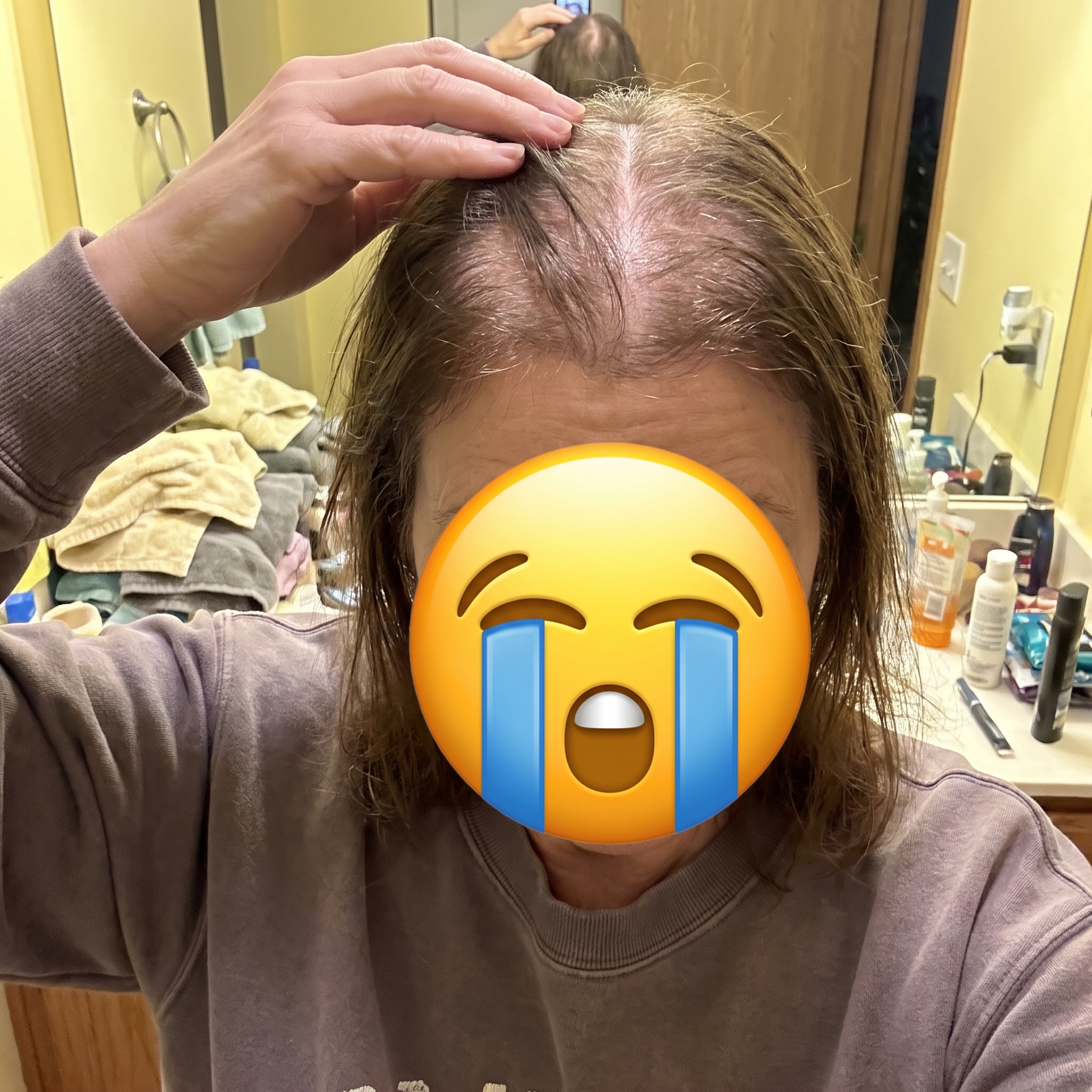
Please stop stretching your wash days. I know that sounds backwards. Every menopause hair loss forum says the same thing - wash less. Fewer washes means less shedding. Push it to every four days. Every five. "Train" your hair. It sounds logical. Hair falls out in the shower, so shower less. Basic math. Except it's wrong. And the reason it's wrong changes everything about how menopausal hair loss actually works. Women aren't shedding because they wash too often. They're shedding because of what's in the wash. Reducing frequency doesn't fix that. It just spaces out the damage. The shedding events get further apart, but each one gets worse. Here's what's actually going on. Because almost nobody explains this properly, including me, for a long time. At the 14th World Congress for Hair Research in Seoul, researchers presented the largest menopausal hair loss analysis reported to date, covering 187,016 women. And what separated the ones who thinned badly from the ones who didn't wasn't their bloodwork. It wasn't their age. It wasn't even how much hair they started with. It was the state of their scalp. Specifically, the inflammation on it. Estrogen begins declining in a woman's early forties, often years before menopause. As it falls, inflammation on the scalp can rise up to six times higher than before the decline. You usually cannot see it. You may not even feel it. But it has been silently weakening how firmly each hair is held for years. Estrogen also used to keep the scalp moisturized, calm and protected. Once estrogen falls, the scalp becomes drier, more sensitive and easier to irritate. By the time most women notice shedding, that change has already been building for years. Now here's what happens in the shower. Sulfates are the cleaning agents used in the vast majority of shampoos. Including most "gentle" ones. Including the ones that cost $40 at Sephora. They create that huge lather by stripping away oil. A younger scalp can usually recover from that between washes. A menopausal scalp cannot recover as easily. So every time the same sulfate-heavy shampoo touches it, the scalp becomes more irritated and the hairs already being weakened around the root become easier to release. That's the shedding event. That's what my patients see in the drain. It's not simply hair that was always going to fall out at that exact moment. The wash helped push already-weakened hairs over the edge. Monday. Wednesday. Friday. Three shedding events per week. Triggered by the shampoo. Between washes, the scalp tries to calm down. But without the same estrogen support, it never fully recovers. Then the next wash hits it again. That escalating feeling, the sense that it's gradually getting worse, the clump getting bigger, the drain filling faster, isn't anxiety. It's real. And stretching your wash days does not solve it. When you wait four or five days, the scalp is still irritated. Oil, dry shampoo, styling product and dead skin continue collecting around the roots. Then when you finally wash, several days of loose hair appear at once. Fewer washes. Same underlying problem. Just concentrated into fewer, more devastating drain moments. Now here's where it gets worse. There is an enzyme in your scalp that creates DHT. DHT is the hormone that slowly shrinks hair at the root. Each replacement hair grows back finer, shorter and less visible than the one before it. Estrogen used to help keep that DHT-making enzyme under control. When estrogen declined, the brakes came off. And inflammation speeds it up even further. More inflammation means more DHT. More DHT means thinner hair. Thinner hair combined with continued wash-day shedding means visible loss. More scalp in your part. Less weight in your ponytail. Shorter, finer hairs that never seem to create coverage. Strip the scalp. Irritate it. Produce more DHT. Shrink the hair. Then do it again on Wednesday. Three times a week. For years. This is why nothing I prescribed worked. Biotin builds keratin. But the root producing that keratin is being shrunk by DHT. It is more building material going into a factory that is slowly shutting down. Collagen gets digested and distributed throughout the body. Your body decides where it goes. Hair is last in the queue. Rosemary oil does not clear the oil and buildup covering the root or stop the DHT being produced underneath it. Minoxidil targets blood flow. It does not address the inflammation or local DHT being created around the root. I gave all of those out. To patients and to my own mother. The wash step was the weak link the entire time. And nobody addresses it. So I built one that does. A research lab in Berlin developed a plant complex specifically for what happens to the scalp after hormonal changes. It does two things no other shampoo ingredient does. It reduces scalp inflammation by 74.5% in 4 weeks. The invisible inflammation that's been loosening follicles and accelerating DHT. Measured. Head-to-head against the industry standard. I also included Resveratrol, which has been shown to reduce shedding by 61%. Then I built the Conditioner around two ingredients focused on the hair you are keeping. Making every strand look fuller and helping that fullness survive through the lengths. The first is KeraShaft V®. It enters the hair and rebuilds the structure responsible for the strand's thickness. After one wash, it gives hair up to 37% more visible volume. Not by leaving a thick coating on the surface. By making the strand itself occupy more space. The second is Silkgel Neo®. It forms a thin, flexible shield around the strand that bends with the hair instead of making it stiff or heavy. In testing, it made hair up to 70% stronger against breakage. So less of your length snaps away during washing, towel-drying, brushing and styling. The Shampoo helps keep more hair out of the drain. The Conditioner makes every strand you keep look fuller and harder to break. They replace what is already sitting in your shower. Same wash schedule. Same two steps. But now every wash is working on the problem instead of simply cleaning around it. I can't examine your scalp through a screen. So I built the next best thing. The same questions I ask in clinic, in a two-minute Strand Quiz. It asks when your hormonal changes began, how often you wash, where you are shedding, where you have lost volume, and whether your hair is thinning at the root or breaking through the lengths. Then it tells you what is actually driving it, whether what you are currently washing with is making it worse, and how often you should be washing for your scalp. Two minutes. No email. Take the Strand Quiz: https://kilgourmd.com/pages/strand-quiz Dr. James Kilgour, MD, FAAD Stanford-trained dermatologist P.S. If this sounds like another shampoo making enormous promises, don't take my word for it. More than 20,000 women already use this Shampoo and Conditioner system. More than 1,000 physicians recommend KilgourMD to their patients. And you can see hundreds of real before-and-after photographs inside the Strand Quiz and throughout our website. Find the women whose starting point looks like yours. Look at their drains. Look at their parts. Look at their ponytails. Then decide for yourself. P.P.S. Take the Strand Quiz before you buy anything. It does not give every woman the same generic recommendation. It asks when your hormonal changes began, how often you wash, where you are shedding, where you have lost volume and whether your hair is becoming thinner or breaking through the lengths. Then it shows you what is happening, what results to expect and the wash routine built around your answers. It also unlocks a special discount on your recommended routine. No email. No sign-up. Just your results. https://kilgourmd.com/pages/strand-quiz
Wash day shedding...
Dermatologist-developed, the best hair growth products for thinning hair. Reduce hair fall by 30% in two months, and stimulate hair follicle growth by 200%. No known side effects.
LEARN MORELike this ad? Make it yours.
Crush rebuilds this exact creative around your product — your brand, your colors, your offer — in about a minute.