Dr. Amanda Graham Trichologist
Dr. Amanda Graham Trichologist Facebook ad: “I Tested 10 Pumpkin Seed Oils. Only 1 Worked.”
Ran for 28 days, from July 16 to August 13, 2026, the last day Crush saw it.
Run by Dr. Amanda Graham Trichologist on Facebook. Crush is not the advertiser and does not verify its claims. See this ad in Meta's Ad Library(opens in a new tab)
Want an ad like this for your product?
Crush makes new ad images for your product from this ad: your logo, your product photo, your offer.
Trials from $19.95 USD, then $79.95 USD a month. Cancel anytime.
About this ad
- Meta Ad Library ID
- 1031462689853478
- Platforms
- Relaunches
- 0
Ad text
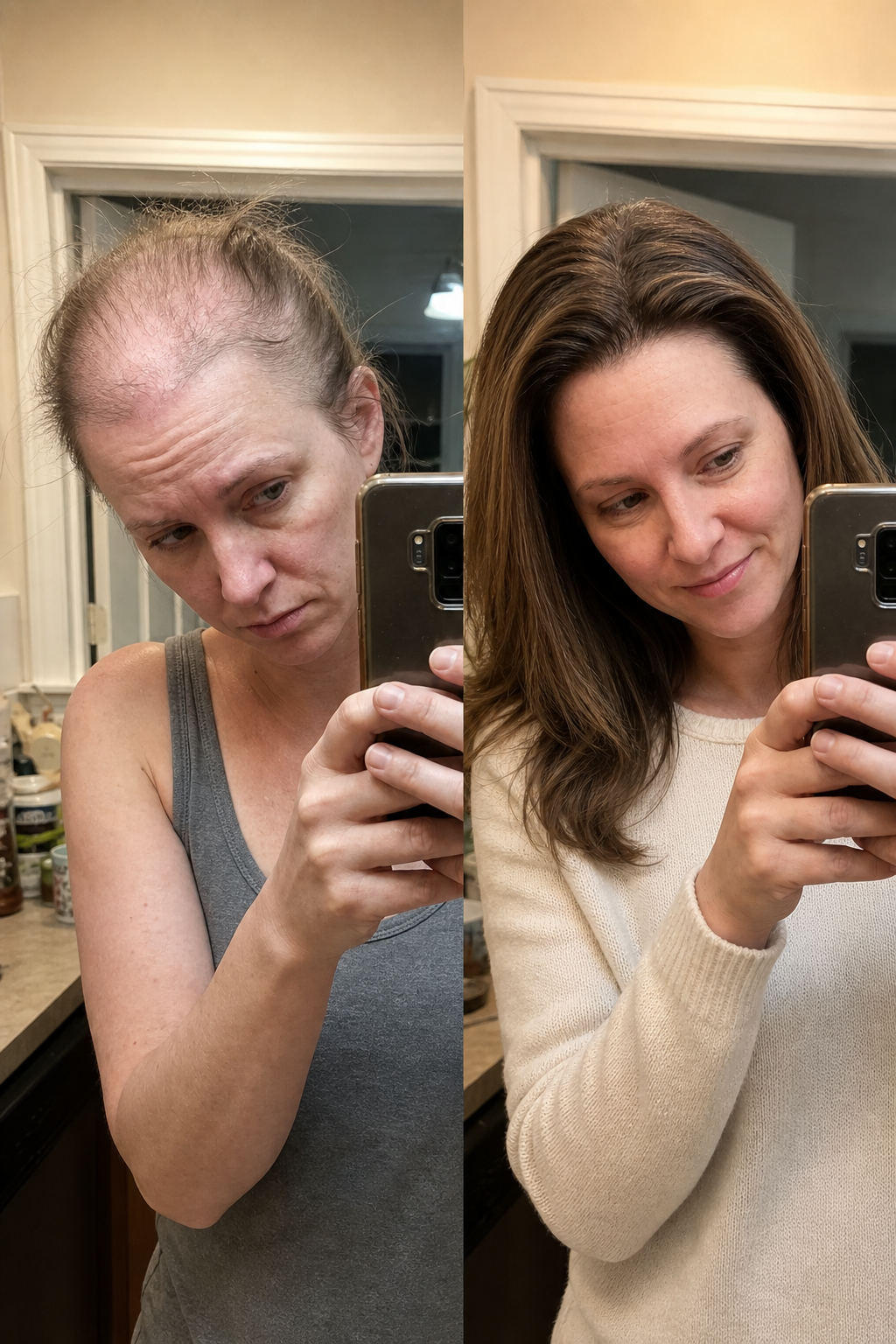
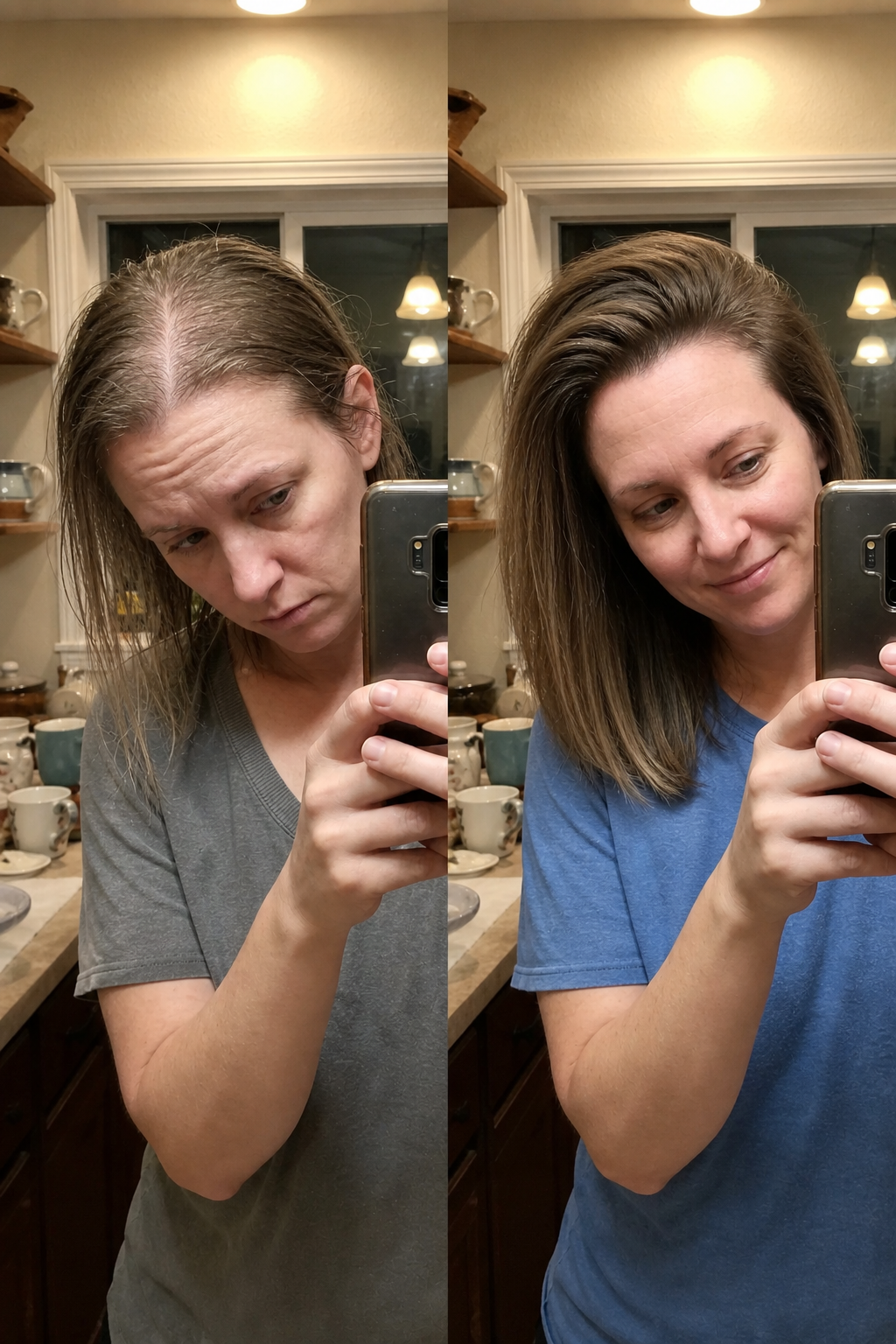
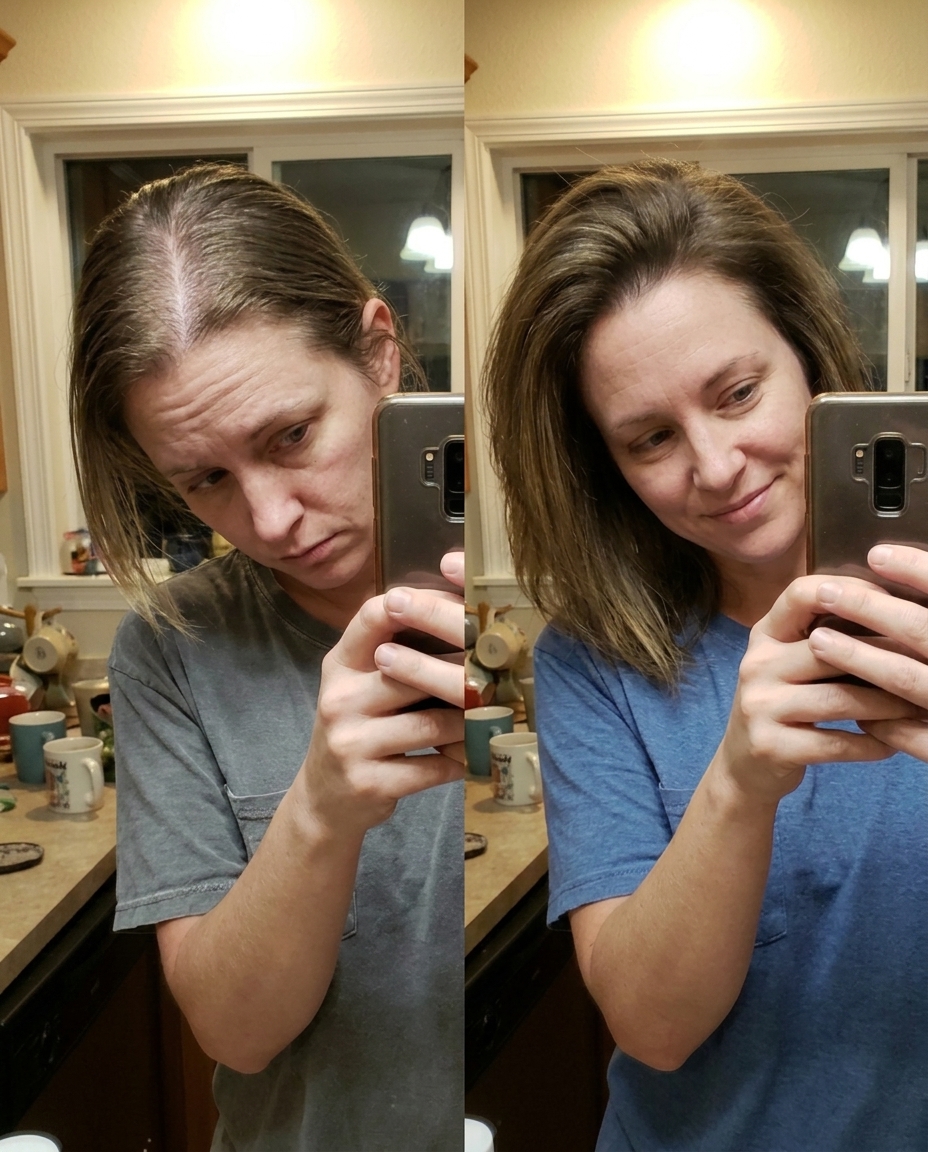
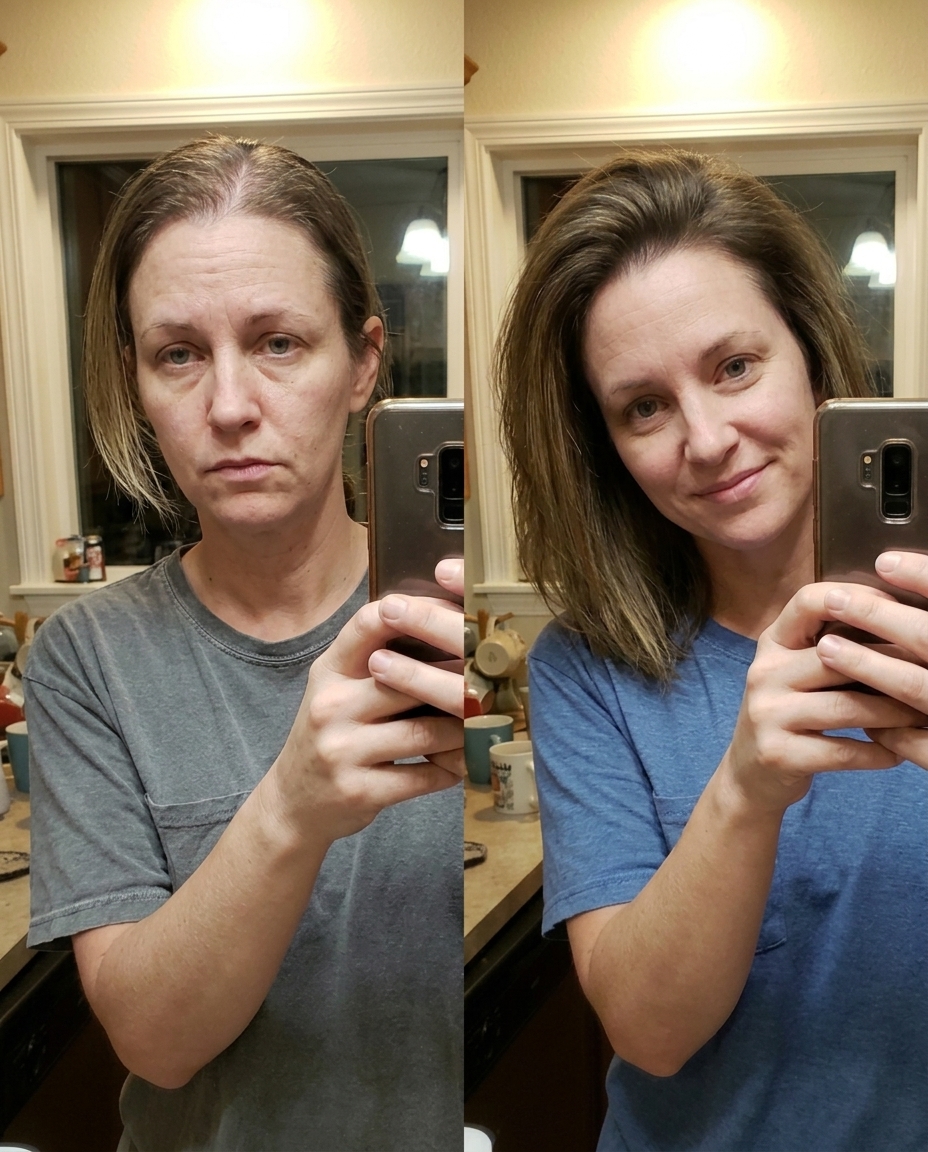
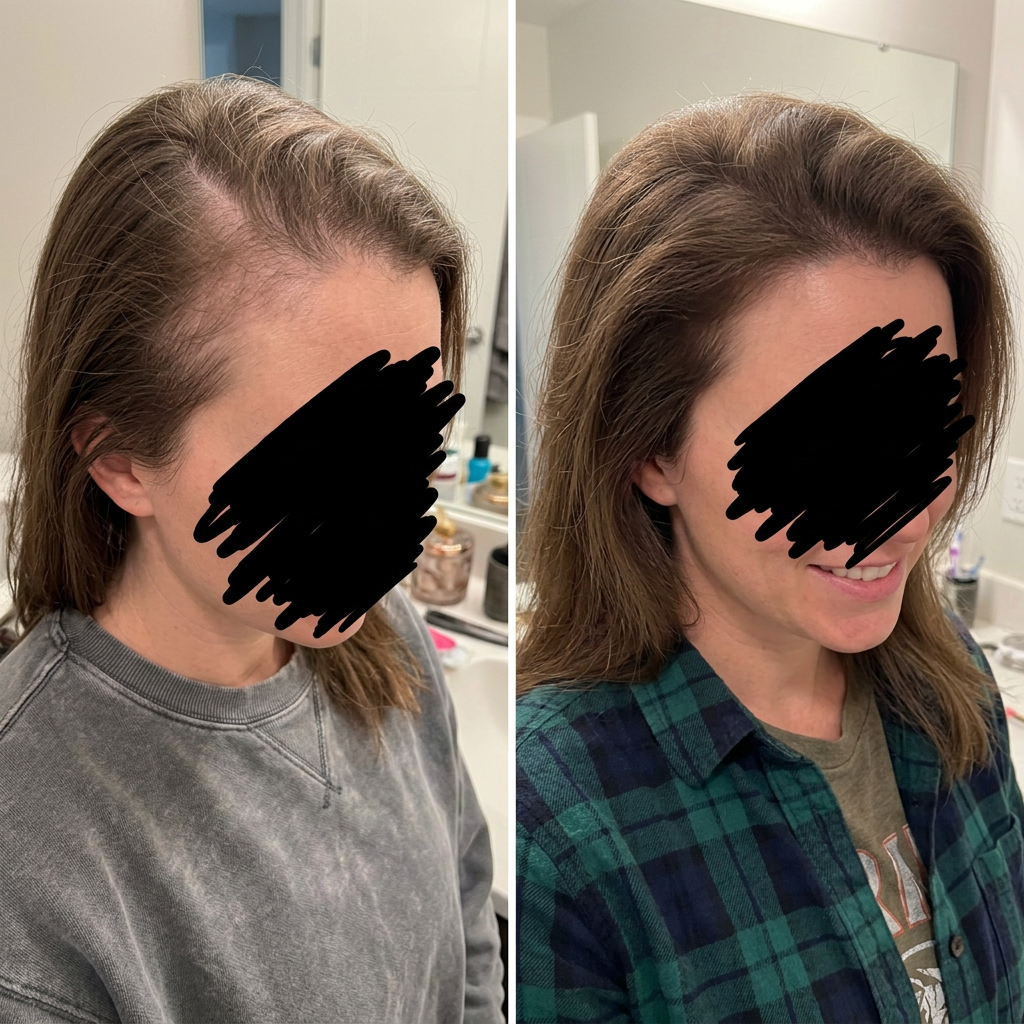
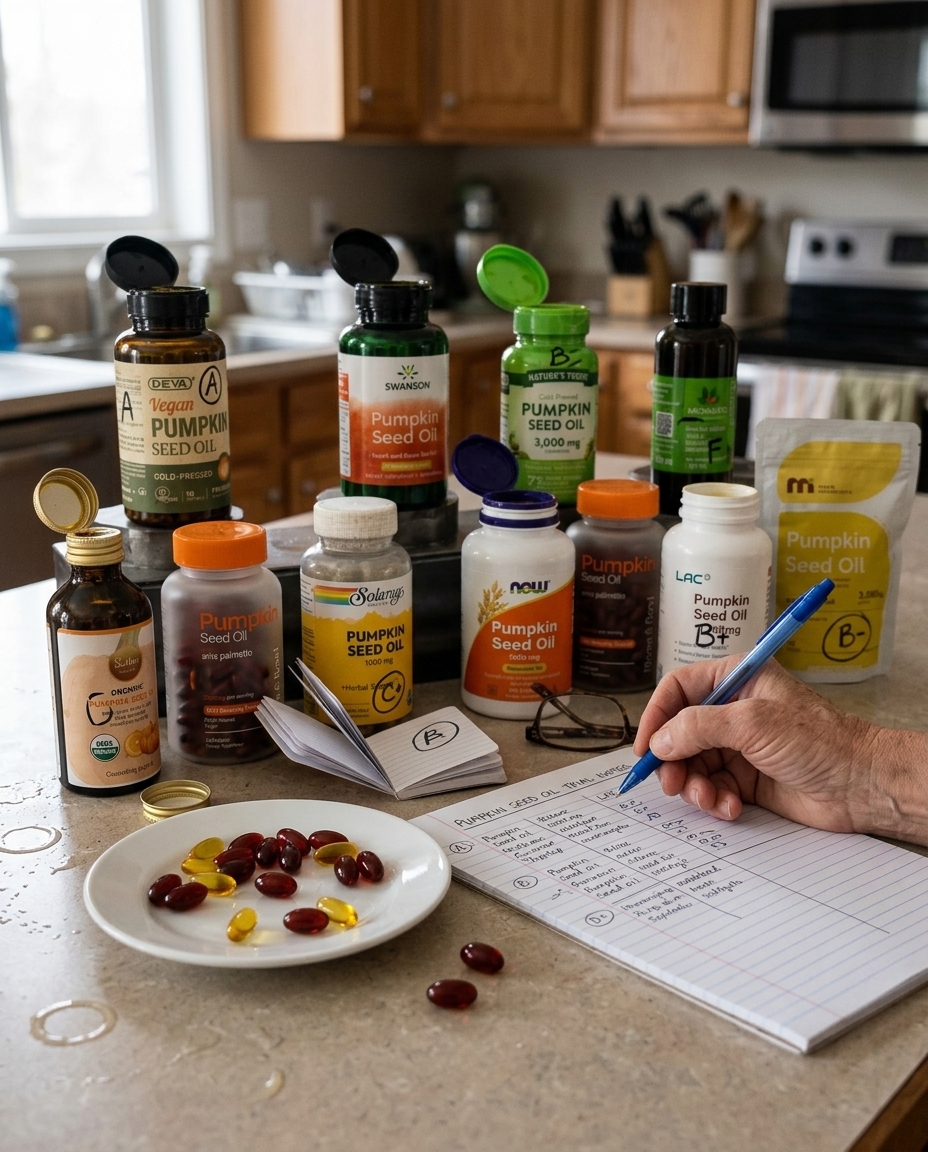
I'm a trichologist. I've been staring at women's scalps under magnification for almost twenty years. And in the last two years, one question has come at me more than any other, in the chair, in the DMs, in the checkout line at the pharmacy. "Amanda, which pumpkin seed oil should I actually take?" I understood why they were asking. The research on pumpkin seed oil for female pattern hair loss has finally hit the mainstream. Every hair influencer on the internet has done a video about it. Every wellness brand suddenly has a bottle on the shelf. And in my practice, I was watching women in their late forties and fifties walk in with two, three, sometimes four different pumpkin seed oil products in their tote bag, all half-empty, none of them working. So I did what I probably should have done six months earlier. I bought ten of them. Ten pumpkin seed oil hair loss formulas, from ten different brands, all of them marketed to women exactly like the ones sitting in my chair. I lined them up on my kitchen counter and I spent almost three weeks tearing every single one of them apart. Ingredient panel. Extraction method. Dose. Third-party testing. Bioavailability. Synergist ingredients. I want to walk you through what I found because I promise you, if you're spending money on any of these bottles right now, you need to hear this. Nine of the ten were a waste of money. Nine of them failed for the exact same reason. And the one that got it right? It surprised me. It wasn't the biggest name. It wasn't the most expensive. It wasn't the one my patients kept asking me about. Let me back up first, because if you don't understand what pumpkin seed oil is actually supposed to do, none of the rest of this matters. There's a hormone called DHT. Your body makes it every single day. It's a byproduct of testosterone converting through an enzyme called 5-alpha-reductase. Every woman has it, every woman has always had it. DHT is the hormone that shrinks your hair follicles. It attaches to a receptor on the follicle, and over time, it miniaturizes it. Every hair that follicle grows comes in a little thinner, a little weaker, a little shorter than the last one. Until eventually the follicle stops producing anything at all. You are not "losing your hair." The follicles are still there. They are being strangled by a hormone. So the question is, if DHT has always been in your body, why did your hair look great for forty years and then start unraveling in three? Estrogen. Estrogen sits on top of your follicles like a shield. It keeps DHT from getting through. That's why women in their twenties almost never see this pattern. But in perimenopause, and then in menopause, your estrogen falls off a cliff. The shield lifts. And the DHT that had been circulating in your body your entire life suddenly has a straight shot at your follicles. That is androgenic alopecia. That is what your dermatologist means when he says "female pattern hair loss." That is the widening part, the thinning temples, the ponytail that used to wrap three times and now barely wraps twice. And that is exactly what pumpkin seed oil, done right, can interrupt. The clinical research on it isn't small. There's a study out of Korea, another one published in Evidence-Based Complementary and Alternative Medicine, another out of Iran on postmenopausal women specifically. Consistently, the mechanism is the same. Pumpkin seed oil inhibits 5-alpha-reductase. It slows the enzyme that converts testosterone into DHT in the first place. That's the faucet. You need to turn the faucet down. But here's what the marketing on nine out of ten bottles won't tell you. Turning the faucet down is only half the job. There is already DHT circulating in your scalp right now, sitting on your follicle receptors, doing damage as we speak. Slowing production doesn't touch that. You also need something that shows up in the scalp and physically blocks the DHT already there from grabbing onto the follicle. That is saw palmetto. Saw palmetto is a receptor blocker. It doesn't stop the hormone from being made. It stops the hormone from being able to attach. In the clinical literature, pumpkin seed oil and saw palmetto together outperform either one alone by a wide margin. I have watched this play out in my own practice for the better part of a decade. One turns the faucet down. One puts a lid on the drain. You need both. Now let me tell you what I found on my kitchen counter. Of the ten bottles I tested, nine of them were missing saw palmetto entirely. I'm not exaggerating. Nine out of ten pumpkin seed oil hair loss formulas, marketed specifically to women with androgenic alopecia, contained zero saw palmetto. They were selling women half a solution. They had put pumpkin seed oil on the front of the bottle, priced it at forty to seventy dollars a month, and left out the ingredient that actually finishes the job. And it got worse. Of those nine bottles, six of them were heat-processed pumpkin seed oil. If you heat-process pumpkin seed oil, you destroy the delta-7-sterols. Those are the active compounds. Those are the compounds the clinical papers were measuring. Heat-processed pumpkin seed oil is essentially a cooking oil with a label on it. It will not do what the studies show. Four of them were underdosed. The clinical literature uses around 400mg per day of cold-pressed pumpkin seed oil. Four of the ten I tested contained less than 200mg. One of them, and I want you to sit down for this, contained 50mg. Fifty. In a bottle that cost forty-eight dollars. Two of them padded the label with biotin. Biotin. Which, I will say this clearly, does absolutely nothing for DHT-driven hair loss. Biotin only helps you if you have a genuine biotin deficiency, which almost no adult woman in the developed world actually has. It's filler. It's there because the brand needed a "hair vitamin" story and biotin is cheap. One of them was almost entirely rosemary oil in a softgel, with a token dusting of pumpkin seed oil at the bottom of the ingredient list. I sat at my kitchen table looking at nine bottles of expensive urine. Because that's what most of these products end up being. Your body absorbs a fraction of what's in there, and the rest exits the way everything else exits, and you spend another month wondering why your part keeps widening. I want to tell you about one of my patients. I'll call her Marta. She's fifty-one, she came to me last spring, and she came in with a canvas bag that held four different pumpkin seed oil products she had rotated through over eighteen months. Four brands. Eighteen months. Somewhere north of twelve hundred dollars. Her part was almost an inch wide at the crown. I lined her four bottles up on my desk and I did the same teardown I'd done in my own kitchen. Not one of them had saw palmetto. Two were heat-processed. One had 75mg of pumpkin seed oil in a softgel that also contained collagen, biotin, keratin, silica, and something called "hair complex blend" at a proprietary dose, which is the industry way of saying "we don't want to tell you how little of this is actually in here." Marta cried in my office. Not because of her hair. Because of the money. Because she'd done everything she was supposed to do, she'd taken the recommendation of a well-meaning friend, she'd read the reviews on Amazon, and she'd still been sold garbage. That was the week I decided I had to stop just telling patients "take pumpkin seed oil" and start telling them exactly which one. So back to the ten bottles on my counter. One of them got it right. GLOV Beauty Pumpkin Seed Oil, Advanced Hair Loss Complex. Here is what was in that softgel, and here is why it was the only one I would put my name on. Cold-pressed pumpkin seed oil at the clinical dose. Not heat-processed. The delta-7-sterols are intact. This is what the Korean study used. This is what the postmenopausal trial in Iran used. This is the format that has data behind it. Saw palmetto as a concentrated standardized extract. Not the dried berry powder you see in the cheap prostate supplements at the drug store. A standardized extract, which means the actual active fatty acid content is measured and consistent from batch to batch. This is what turns the faucet down AND puts the lid on the drain in the same softgel. Biotin was included, and normally I'd roll my eyes, but the dose was reasonable and it was clearly there as a supporting ingredient, not as a marketing prop pretending to be the star. That told me something about the formulator. They understood the hierarchy. A bioavailability enhancer, so that what's in the softgel actually gets absorbed into your system instead of getting flushed. This is the piece that almost every supplement on the market skips because it costs more. Made in the USA. Third-party tested. No proprietary blend. Every ingredient at a dose you can actually read on the label. I ordered a second bottle to make sure the first wasn't a fluke. It wasn't. Same clean panel. Same dose. Same everything. Then I did what I always do before I recommend anything in my practice. I took it myself for eight weeks. I'm fifty-two. My mother lost her hair in her late fifties. My grandmother lost hers earlier than that. I am, genetically speaking, the woman these bottles are marketed to. And I have been quietly managing my own thinning for the past three years, honestly a little embarrassed that a trichologist has to think about this at all. Week two, the shedding slowed. Not stopped. Slowed. The wad of hair in the shower drain went from something that made me flinch to something I barely noticed. Week six, the shedding had genuinely calmed. My wash-day dread was gone. If you've been through this you know exactly what that feeling is. Week eight, the baby hairs. Along my part, at my temples, a fine halo of new growth I had not seen since my early forties. Under the scope, in my own bathroom mirror, with the little dermascope I use on patients, I could see follicles that had clearly been miniaturizing starting to produce a healthier caliber of hair. I started putting Marta on it the following month. At her three-month check-in, her part had visibly narrowed. Not gone. Narrowed. She sat in my chair and pulled her hair down and cried again, for the opposite reason this time. She said, "Amanda, I stopped covering my part with powder last Tuesday. I forgot about it. I just walked out of the house." That is the moment we are all chasing. So here is what I need you to take from all of this. If you are spending money on a pumpkin seed oil hair loss product right now, go get the bottle and read the panel. If you don't see saw palmetto on it, you are taking half a solution. If it says "pumpkin seed oil" without specifying cold-pressed, you are very likely taking a heat-processed version that has already lost its active compounds. If the dose is under 400mg, you are not at the level any of the clinical studies used. If the label is padded with biotin, collagen, keratin, and "proprietary complex" language, someone is trying to distract you from what's actually in the bottle. Nine out of ten are getting it wrong. The one that got it right is the only one I recommend to patients now. GLOV Beauty is a small brand. They run out constantly, and honestly, once you look at what they're putting in the softgel at the dose they're using, you understand why. They are not cutting corners the way the bigger names are, and it costs them more to make. They have a buy two, get one free promotion running right now. My honest recommendation is to grab the three-bottle bundle, because at the doses that actually work, you need a full three months on it before you can fairly judge whether it's doing what it's supposed to do. Nobody's follicles change in three weeks. Menopause changes a lot of things. It doesn't have to take your hair. If your part is widening, if your temples are thinning, if you have been quietly rotating through the pretty bottles at Whole Foods and wondering why none of them are moving the needle, this is the one to put your money on. I am not compensated by GLOV. I do not sit on their board. I bought all ten bottles myself, out of my own pocket, because too many of my patients were being lied to by pretty packaging. Nine out of ten were a waste of money. This is the one that isn't. PS. Read the panel yourself. Compare it to whatever you're taking now. If yours is missing saw palmetto or the pumpkin seed oil isn't cold-pressed, you already have your answer. The buy two, get one free deal is live at the link below and it's the only reason I ever recommend anyone try a three-month supply, because three months is the honest minimum to judge a DHT-blocker on a menopausal scalp. 👉 https://glovbeauty.com/products/pumpkin-seed-oil-advanced-hair-loss-complex-softgels
Where the ad sends people
glovbeauty.com
I Tested 10 Pumpkin Seed Oils. Only 1 Worked.
Our Advanced Hair Loss Complex combines cold-pressed Pumpkin Seed Oil with Saw Palmetto - two clinically studied ingredients that work together to naturally balance DHT levels, the leading cause of hair thinning and loss.
Learn more: glovbeauty.com(opens in a new tab)