
Active· since Jul 16, 2026
- 66
- days running
- 0
- relaunches
Ad copy
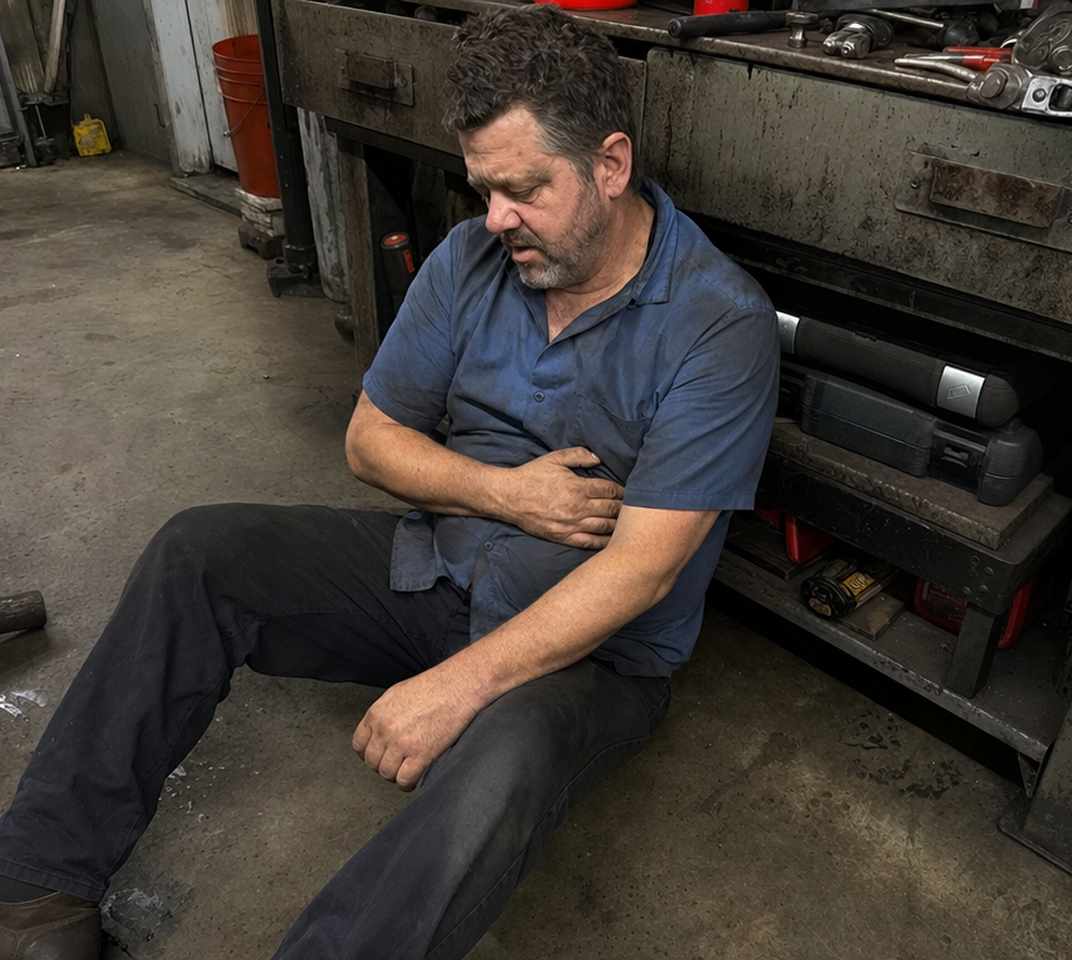
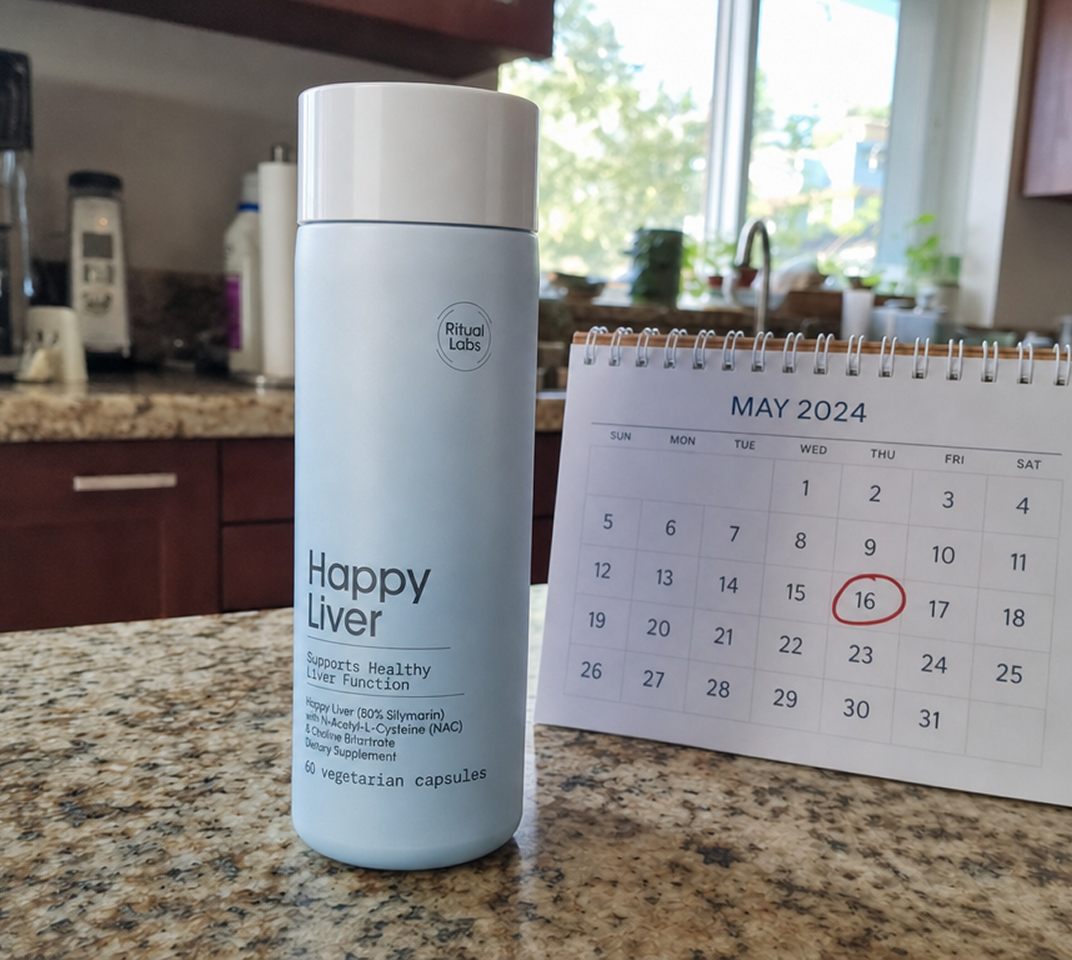
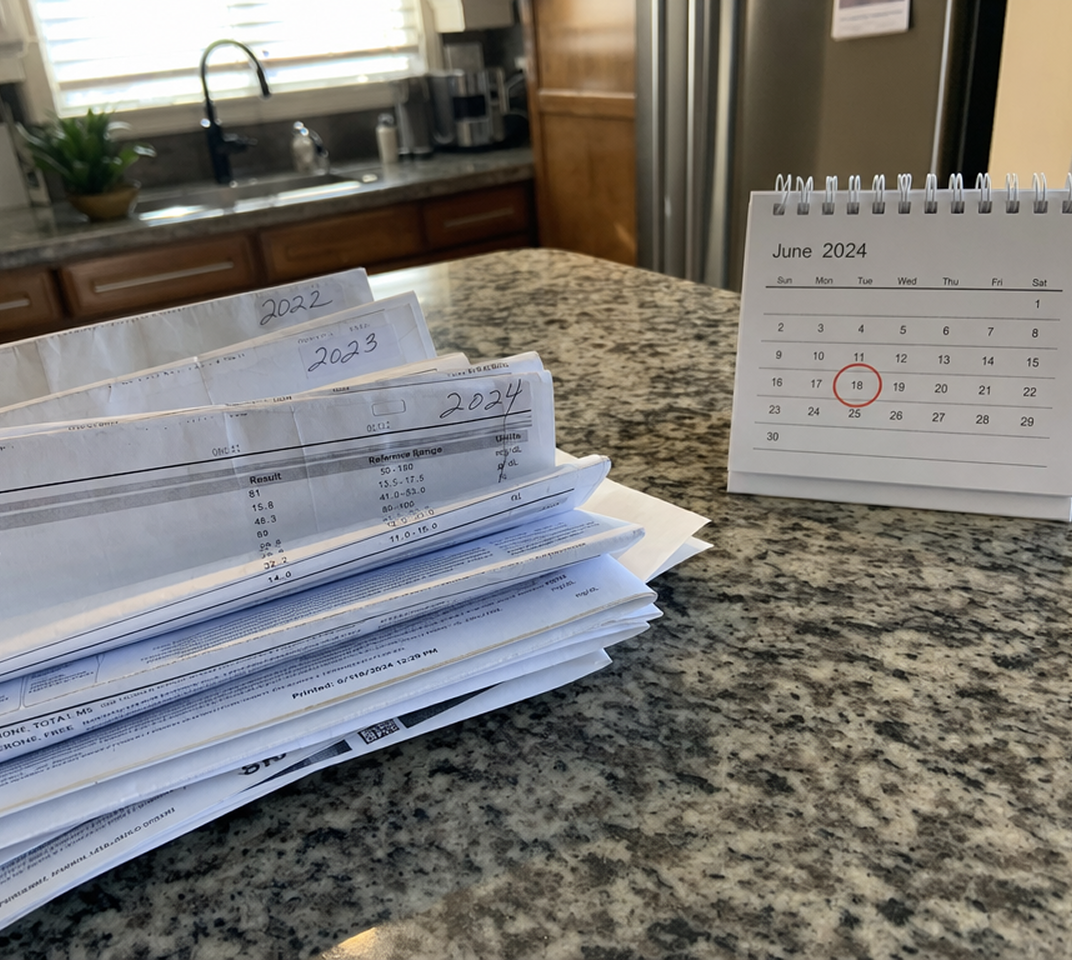
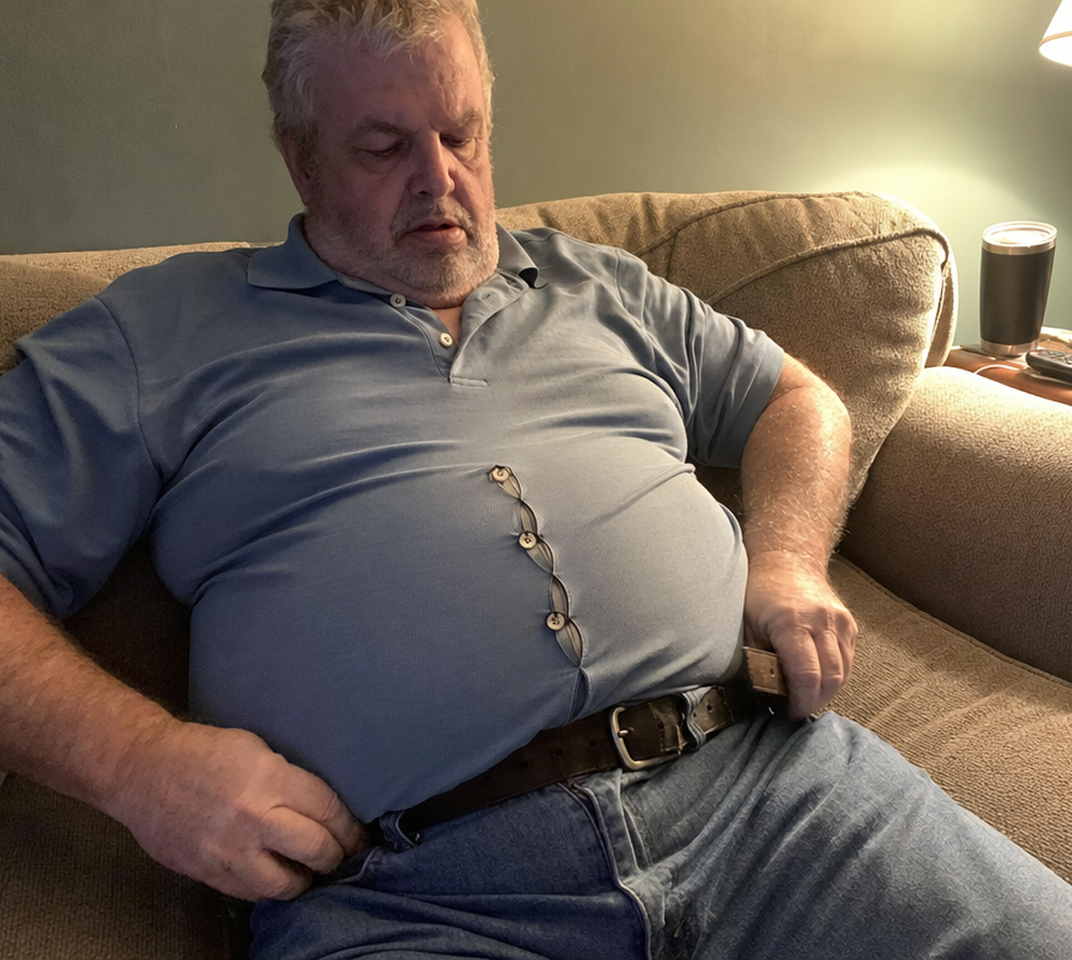
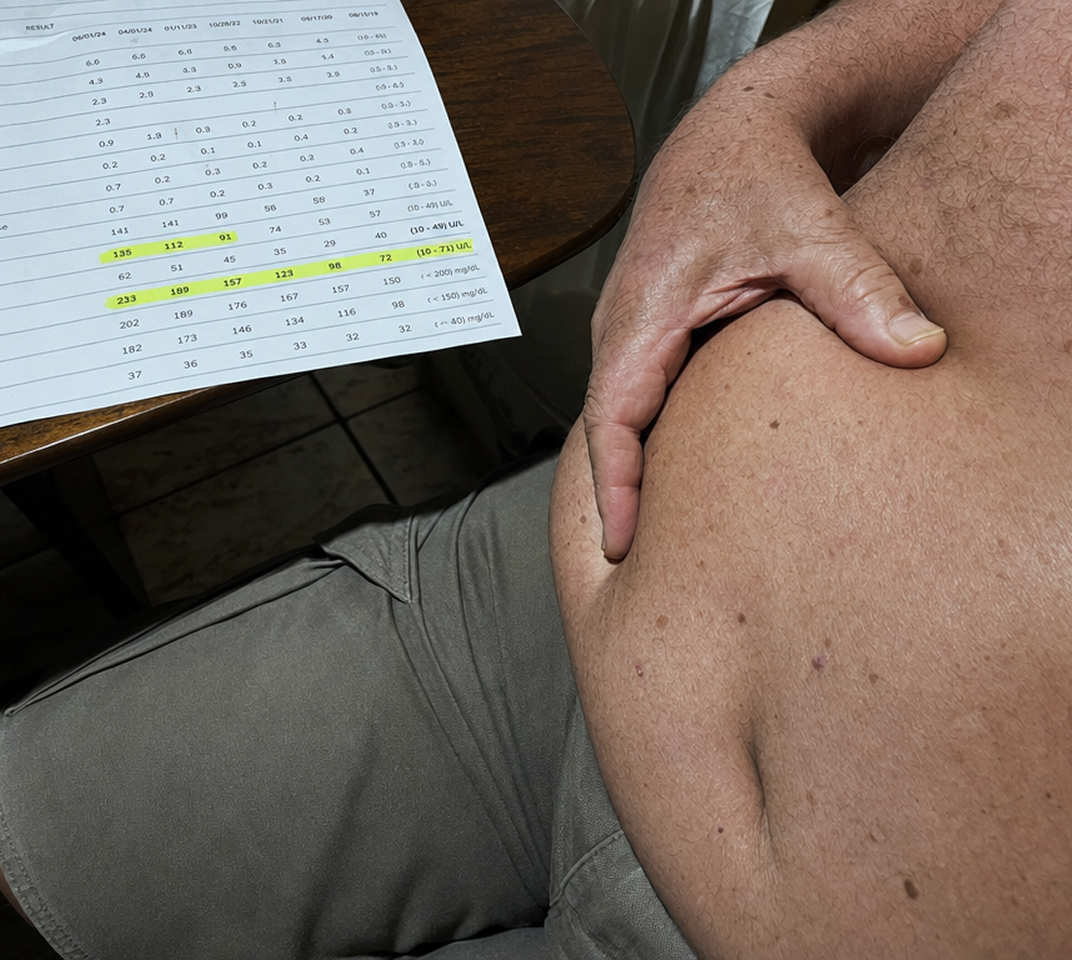
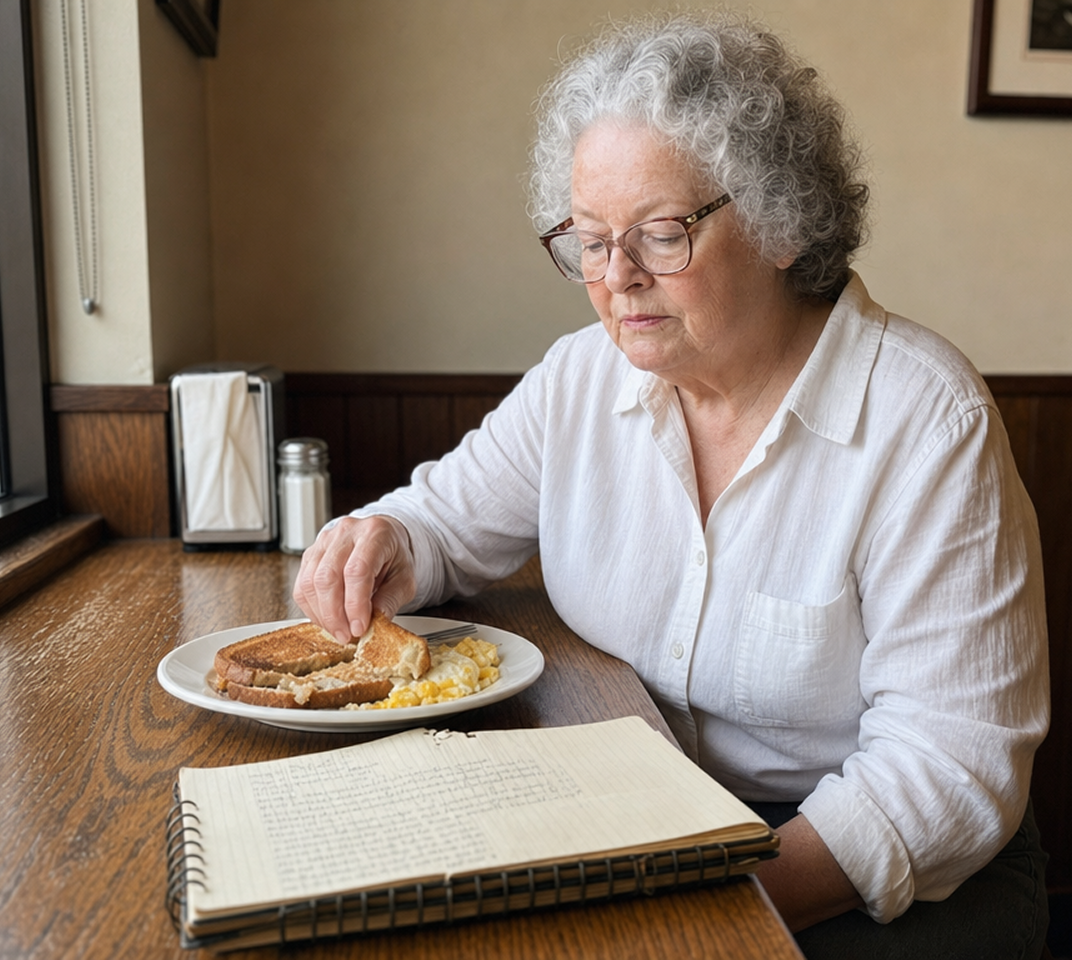
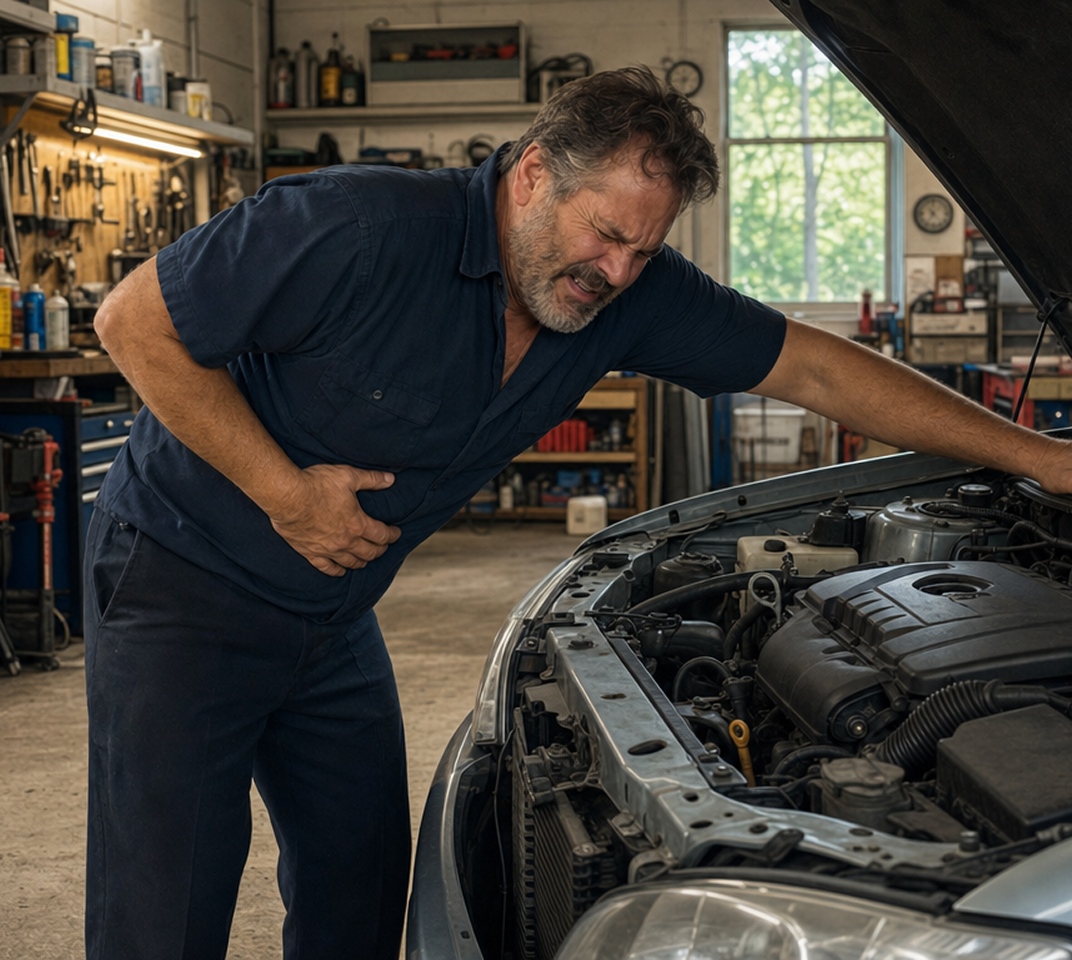
I almost walked past the woman who saved my husband. She was seventy-six, sitting alone at the counter at the little diner on Route 6 with a cup of tea and a plate of dry toast in front of her. She was breaking the toast into small pieces she didn't eat. If I'd known, the morning I sat down two stools over and asked her how the tea was, that she was the only reason my husband would still be tinkering under the hood of that '72 Chevelle at sixty-eight — I would have looked at her longer. Taken a real breath. Thanked her before she'd said a word. But I didn't know. I just sat down and asked her about the tea. Her name is Eleanor. She's seventy-six. She was a hospital dietitian for twenty-nine years before she retired. She still cuts her food into small pieces out of habit and apologizes when she does it. She says "please" and "thank you" to every waitress like she was raised in a different century, which she almost was. She started sitting with me at the diner on Wednesday mornings the third week after we met. She started calling me "sweetheart" the fifth. Her husband had been dead six months by the time I sat down at that counter. Ray and I had been coming to that diner every Wednesday morning for eleven years. After his monthly check at the clinic in town, we'd drive there straight from the parking lot. We'd order the same thing and not talk about the appointment. Just watch the traffic on Route 6 and eat. That Wednesday in April, I'd been watching Eleanor at the counter for maybe two minutes. She wasn't eating. She was breaking her toast into little squares and pushing them around the plate the way a person does when there's nowhere to be and no one to be with. I'd seen her in there before. I almost said nothing. I moved over anyway. I'm going to tell you why I did, because it matters. It wasn't kindness. I wish I could say it was. It wasn't. Ray and I had been married thirty-six years. The last year and a half had been the quietest of them. He'd stopped going out to the garage. He'd stopped fixing things around the house. He came to the diner with me every Wednesday, ordered eggs, ate about half, and pushed the plate away with both hands on his belly like it hurt to sit up straight. I was sixty-three by then. Ray was sixty-eight. I knew something was sliding away from us and I didn't know what to name it. I had a hole in my chest the size of my husband. Eleanor had a hole in hers the size of the man who'd died beside her the fall before. That was the whole reason. Two people with holes in their chests. That's all. Eleanor asked me what I did for work. I told her I'd run the front office at the elementary school for twenty-eight years before I retired. Her eyes flickered. "Do you miss the kids?" I told her some Wednesdays more than others. Mostly I missed being needed in a specific way. Being the one who knew where every file was. "What about your husband? What did he do?" I told her Ray had been a mechanic all his life. Owned his own shop for thirty years. Sold it four years ago to a young man named Kyle who'd apprenticed under him. Still kept a garage at the house with a Chevelle he'd been rebuilding since 1998. She nodded. The way she nodded was the way a woman nods when she's setting information aside to come back to later. "My Frank was a machinist. Sold the shop the year before he got sick. He kept an old drill press in the basement he swore he was going to restore. He died in September." She set down her toast. There was a small spiral notebook on the counter next to her purse. The kind of notebook a nurse or a dietitian carries in a uniform pocket. It was worn at the corners and had two pens clipped to the spiral. Papers folded into the back cover. Lab results, I found out later. Frank's. I didn't know it then, but that notebook had twenty-nine years of dietitian notes in it. The last eight months of pages were about Frank. Ray shook her hand at the end of the meal. He doesn't usually do that with strangers. He told her if she ever wanted company on a Wednesday, we ate here every week at seven-thirty. She came the next Wednesday. And the Wednesday after that. The first two months were hard on her. I won't pretend they weren't. She'd check her purse twice a meal. She kept it in her lap the whole time, like she might have to leave. She drank hot water with lemon for the first month because she said coffee made her think about Frank's mug still sitting in the cabinet at home. She didn't open up about him until June. June was when Ray asked her what Frank had been like at his workbench, and she pulled a photograph out of her wallet — Frank at a drill press with a set of calipers in his hand and a pencil behind his ear. Something about Ray recognizing the tools — knowing what every gauge on the press did — broke something loose in her. She started coming to our house for Wednesday dinner two weeks later. She started calling me "sweetheart" the night I made pot roast. She said, "Sweetheart, this is the first pot roast I've had since Frank died," and I nearly dropped the serving fork in the gravy. By August she was bringing me a jar of blackberry preserves every Wednesday. She'd set it on the counter and walk past without a word. That was the kind of friend she was becoming. Ray is sixty-eight. He'd been a mechanic since he was nineteen. Forty-nine years with a wrench in his hand. He'd owned his shop — Coleman's Auto — for thirty of those years. His longest customer was a woman named Mrs. Alvarez who brought him her Buick every six months for three decades and paid him in cash and homemade tamales. Ray rebuilt the transmission on my first car when we were dating in 1987. He fixed the pastor's Suburban the year the pastor lost his job. He'd been working on the Chevelle in our garage for twenty-six years — a project he swore he'd finish when he retired. Four years into retirement, the car sat under a canvas tarp with the hood open and no work done on it in fourteen months. He'd also been carrying a slow, quiet decline the whole four years since he sold the shop. His belly had swelled a size and a half. His belt kept going out — not because he was eating more, but because his middle wouldn't stop growing while the rest of him was getting smaller. His arms were thinner. His face had hollowed. Everything he was losing seemed to be relocating to the front of him. He was tired in a way that didn't lift. He'd fall asleep in the recliner after lunch. He'd get up to go to the bathroom two, three times a night. He'd stopped finishing his plate two years earlier. He'd stopped reading the paper because the words wouldn't stay in his head. The doctor at the clinic — a decent man named Dr. Halstead — had been watching Ray's liver enzymes climb for four years. Every visit, the same script. "Your ALT is a little high. Your GGT is a little high. Nothing alarming. This is common at your age. Try to lose some weight. Watch the fried food. We'll check again in six months." Every six months, a little higher. Every six months, the same conversation. Ray had cut out fried food four years ago. He'd stopped drinking beer three years ago. He walked our dog Buddy to the end of the driveway and back most nights. Nothing moved. At the checkup that April — the one right before I met Eleanor — Dr. Halstead had told Ray his numbers were creeping up again and asked if he'd talked to anyone about depression. He said the fatigue at Ray's age sometimes had a mental component. Ray had nodded, shaken his hand, and driven home. He'd sat at our kitchen table that afternoon and told me he'd rebuilt a thousand engines with his hands, and now his hands couldn't hold a socket wrench steady long enough to break a bolt loose. He didn't cry. Ray doesn't cry. He just looked at his coffee mug for a long time. Eleanor was at our Wednesday breakfast the next week when I broke down in the booth. I hadn't planned to. I'd been holding it in for months. The waitress had set down our eggs and I told Eleanor about the antidepressant suggestion and my eyes filled up before I could stop them. Eleanor set her coffee down. "Sweetheart. I have been waiting six months for you to ask me what I've been seeing." She reached into her purse. Pulled out the notebook. Tore out a page. Wrote three words on it in pencil. Slid it across the counter to me. The page said: Three fronts. Not one. I read it twice. I put it in my purse. "I'll explain. But not here. Come to my house Saturday afternoon. Bring Ray if he'll come. Just promise me you'll listen all the way through before you tell me I'm crazy." I promised. She finished her eggs like nothing had happened. That night I drove to the drugstore. I stood in the vitamin aisle for fifteen minutes and picked up a bottle of milk thistle. The label said 1000mg. The bottle was fourteen dollars. Eleanor had written three fronts, but the bottle just said "liver support" and I didn't know what else to do. I started giving Ray two capsules with breakfast the next morning. He drank his coffee, took the pills, and said, "Sweetheart, I've tried this before." Saturday came. I drove. Ray sat in the passenger seat looking out the window the way he did at everything now. Eleanor met us at her front door in a clean blouse. Her notebook was under her arm. She hugged Ray for a long time before he sat down. He looked startled by it. He hugged her back. We had coffee at her kitchen table. She had a plate of shortbread out. Ray had two pieces and apologized. She told him to have more. Eleanor folded her hands and looked at Ray. "Mr. Coleman. Margaret. I almost didn't bring this notebook out. I sat with it on my kitchen counter for an hour before you got here." "I was a dietitian. I'm not a hepatologist. I might be wrong about all of this." Before she could go further, I set the drugstore bottle of milk thistle on the table. "Eleanor. I bought this Wednesday night. He's been taking it for three days. I don't know if I did it right." She looked at the bottle. Then at me. Not unkindly. "Sweetheart. That's what almost everyone does first. I did too. I'm going to show you why it was never going to work. But I have to start at the beginning. And I need you to hear me all the way through." She opened the notebook. She didn't start with Ray. She started with Frank. "Mr. Coleman. Margaret. I have to tell you about my husband. I don't talk about him because it still hurts, and because I should have known better. But I've carried this for six months and I should have told you sooner." She laid out the lab results first — the folded pages from the notebook's back cover. Her husband, Frank Marino, had been told at sixty-four that his liver enzymes were a little elevated. ALT of 52. GGT of 68. Doctor said watch it. Diet and exercise. Come back in six months. Frank was a machinist. He'd made his own tools. He'd made her a set of copper measuring spoons for their twentieth anniversary that she still had hanging in her kitchen. Eleanor had counseled hundreds of patients on dietary changes for liver issues over her career. She had not known what to do for her own husband. "I want to tell you who Frank was before I tell you what happened," Eleanor said. "Because I need you to understand he was a man, not a chart." Frank had built her a jewelry box out of walnut for their first Christmas. It still sat on her dresser. She kept her wedding ring in it now. I'd never heard any of this before. "Six months in, the bloating started," Eleanor said. She slid a printout across the counter. "ALT 61. Doctor wrote: patient reports abdominal fullness, counseled on portion sizes." "Year two, his ankles started swelling by night. His belt went out a notch. Doctor wrote: continue lifestyle modifications." "Year three, he was up twice a night to the bathroom. His skin looked gray. Doctor wrote: recommend weight loss, minor progression, not concerning." She pulled another printout. "Year four, Frank was so tired he couldn't finish a crossword. His enzymes were nearly double what they'd been at the start. Doctor wrote: progression consistent with metabolic-associated fatty liver, continue monitoring." She set the printout down. "Every appointment, the number crept up. Every appointment, the doctor said we were doing what could be done. Then one Tuesday the pain in his side got bad enough that we went to the emergency room. And a scan showed things had gone much further than anyone had been watching for." "He was gone eleven months later." Eleanor looked up at Ray. "Mr. Coleman. Your enzymes are climbing the same way Frank's did. Same symptoms. Same script from the doctor. Same 'we'll monitor it' while everything gets worse." She paused. "I lost my husband in September. I'm not losing the man who knows what a machinist's calipers do to the same slide if I can help it." She pulled out a thinner section of the notebook. Words in the margins. Definitions written in pencil. "I know how this is going to sound. A retired dietitian telling you two doctors have been watching the wrong thing. I know." "I read until I understood. I might still be wrong. If I am, tell me and I'll drop it. But please. Hear me out first." She took a breath. "Your liver isn't dealing with one problem. It's dealing with three at the same time. And every doctor you've been to, and every supplement you've bought, has been trying to fix one of them while ignoring the other two." "The liver has three separate jobs it does every day. Front one: it shields its own cells from the toxic damage coming in from food, medication, alcohol, everything. Front two: it repairs the damage that's already been done, using an internal cleanup crew built from a molecule called glutathione. Front three: it packages up the fat that comes in from food and ships it out to the bloodstream so it can be used or stored elsewhere." "When all three are working, you don't notice your liver. When one falls behind, you start to feel it. When two fall behind, you start to look like Frank did in year three. When all three fall behind — which is what's happening to almost every man in this country over sixty — you get exactly what Ray is going through right now." She looked at me. "Ray's bloating isn't from what he's eating. Ray's belly is expanding because his liver has run out of the material it needs to ship the fat out. So the fat that comes in every day has nowhere to go. It stays inside the liver. The liver gets larger. The middle expands. And no amount of walking the dog is going to fix a machine that's missing the raw material to do its job." "The material is a nutrient called choline. Over eighty percent of American adults don't get enough of it. It's found mainly in egg yolks and organ meats, and almost no one eats enough of either. It's been on the government's essential nutrient list since 1998. And no doctor Ray has seen has ever mentioned it. Because there's no prescription pad for it. It's a nutrient. It's just missing." "That's front three. That's the belly." She pulled another sheet from the notebook. "Front two is the cleanup crew. The liver rebuilds itself using glutathione. But glutathione gets used up faster than it can be made when the liver has been under stress for years — from processed food, from medication, from age. The raw material to rebuild glutathione is a compound called NAC. Hospitals have used it since the 1960s as the emergency treatment for acute liver injury. It's the most direct precursor to glutathione that exists. Almost no drugstore liver supplement includes it at a real dose, and the ones that do usually hide the amount in a 'proprietary blend' so you can't tell what's in there." "That's front two. That's the fatigue and the brain fog." Then she reached over and picked up the drugstore bottle of milk thistle I'd brought. "And this. This is front one. Milk thistle really does work. It's not a scam. The active compound in it is called silymarin, and it shields the liver cells from incoming toxic damage." She turned the bottle in her hand. "But this bottle doesn't tell you how much silymarin is in it. It tells you the total weight of the plant extract. Most drugstore milk thistle is not standardized for silymarin content at all. The clinical studies that showed real results used milk thistle standardized to eighty percent silymarin. Almost no bottle on a shelf hits that number." "You bought Ray a bottle of what could be twenty percent silymarin. Or forty. Or something else. The label won't say. It never has to." She set the bottle down next to Frank's lab results. "So even the one front the supplement industry pretends to address, they've been shorting people on for decades." I stared at the printouts. At the bottle. At Eleanor's handwriting in the margins. I couldn't speak. Eleanor smiled a little for the first time all afternoon. "I found one formula that was different. It was the only one I looked at that hit all three fronts at the doses the research actually uses. And listed every milligram on the label. No proprietary blend. No hidden numbers. Milk thistle at the eighty percent standardization the clinical trials used, tested in a lab to verify each batch. NAC at the six hundred milligram dose the hospital literature uses. Choline at four hundred milligrams — the nutrient nobody talks about. Plus two supporting ingredients — artichoke leaf extract to stimulate bile flow, and alpha-lipoic acid to help the body recycle glutathione." "It's called Happy Liver. From a company called Ritual Labs." She reached into a drawer beside her and pulled out a bottle. Pushed it across the table to Ray. "Mr. Coleman. I bought this for you three weeks ago. It's been sitting in my pantry while I worked up the courage to put it on this table." "You're the only man since Frank who ever recognized a machinist's tools when I pulled out his picture. You shook my hand the first morning I sat with you at the diner and asked me back the next Wednesday." "I'm asking you to try it for me. Three capsules with breakfast. For me. Please." Ray didn't say anything for a long moment. He looked at the bottle. He looked at Eleanor. He looked at the lab results on the table — Frank's from year three, the one where the doctor had written not concerning. He picked up the bottle. "Eleanor. At this point I'd swallow gravel if you told me to. I'll start tomorrow morning." We drove home with the bottle on the seat between us. Week two, Ray finished his dinner. I noticed halfway through and didn't say anything. Week three, he didn't unbuckle his belt at the table. He hadn't gone a meal without doing it in two years. Week four, Buddy pulled him past the mailbox on the evening walk and Ray kept going. All the way to the corner and back. He came in the door and said, "Sweetheart, that dog is trying to kill me," and I laughed so hard the neighbors probably heard. Week six, Ray's color came back. I noticed it in the bathroom mirror one morning. The gray had lifted. His face looked like his face again. Week eight, he read the paper front to back at the kitchen table. He said, "I forgot how much I liked reading the sports page." Week ten, Ray was in the garage on a Saturday morning with the tarp off the Chevelle. He'd popped the hood and had one of his old shop rags over his shoulder and was leaning under the hood the way he used to lean under a customer's hood at seven a.m. on a Monday. I brought him a cup of coffee. He looked up. He was grinning. "Sweetheart. I can see what I'm doing again. The numbers on the timing gauge aren't swimming anymore." I had to walk back into the house because I was about to cry and I didn't want him to see. Week twelve, we went back to Dr. Halstead. Ray's ALT had dropped from 74 to 32. His GGT from 91 to 44. His triglycerides had come down. His waist measurement was down almost two inches — not because he'd lost dramatic weight, but because the fat that had been trapped in his liver had started moving out. Dr. Halstead pulled up the chart. Looked at it. Looked at it again. He said, "Mr. Coleman. This is the best set of numbers I've seen from you in six years. What have you been doing?" Ray told him. Everything. The Wednesday breakfasts with Eleanor. The Saturday afternoon at her kitchen table. The three fronts. The Happy Liver bottle. All of it. Dr. Halstead listened without interrupting. When Ray finished, he was quiet for a moment. Then he said, "Mr. Coleman. Three months ago I suggested an antidepressant. I'm glad I didn't push it. Whatever you're doing, keep doing it." Ray called me from the parking lot afterward. He didn't say anything for a second. Just breathed. Then he said, "Sweetheart. I don't have to sell the Chevelle." I was standing at the kitchen sink. I slid down against the cabinet until I was sitting on the floor. I cried the kind of cry you cry when something you thought was gone comes back. Four months after Eleanor slid the notebook page across the diner counter, I drove out to her house on a Saturday afternoon. Ray was already there. He'd driven over an hour earlier with an old machinist's toolbox under his arm. I asked him later how he'd known. He said he'd called Eleanor from the garage the week before. He'd been thinking about Frank's drill press — the one Frank had wanted to restore and never got to. He asked Eleanor if she'd let him take a look. She'd told him she'd been hoping someone would ask. He was down in her basement with the toolbox open and the side panel off the drill press when I got there. I sat on the basement stairs. I didn't say anything. I thought about Frank. A man I never met. A man who'd died last September of a liver problem the doctor kept calling "not concerning" while it was busy running out of time. A man whose widow had eaten alone at a diner counter for six months because a hospital dietitian who'd counseled hundreds of families didn't know how to stop grieving her own. Frank didn't die for nothing. Frank saved Ray. From a folder in Eleanor's purse. I walked over and put my hand on Eleanor's shoulder while Ray worked on the drill press. I drove home that day and I thought about how close everything had come to going differently. If Eleanor hadn't been at the diner the Wednesday I looked up. If I'd let her sit alone the way I almost did. If she hadn't carried Frank's lab results in her purse for six months waiting for someone to ask. If I hadn't broken down in the booth. If she hadn't reached for the notebook. Every one of those was a hinge. I'm telling you this because I think you might be where I was fourteen months ago. Watching someone you love slip away in small pieces. Watching the doctor call it "manageable" while the person you married disappears into a recliner. Blaming aging. Blaming stress. Blaming everything except what's actually happening. If your husband's belt keeps going out a notch and it isn't from what he's eating — if his ankles swell by night — if he's up twice to the bathroom — if the doctor keeps saying your enzymes are a little elevated, watch it — the enzyme number isn't the whole story. It wasn't Ray's whole story. It hadn't been Frank's. If you're the one whose middle keeps expanding no matter what you cut out of your diet — if the fatigue has been getting worse for years — trust what your body is telling you. Your doctor has been watching the chart. You've been living the body. You're closer to the truth than the chart is. Happy Liver. Three capsules with breakfast. That's it. You can find it at https://rituallabs.shop/products/happy-liver13 Milk thistle at the standardization the clinical research actually used. NAC at the dose hospitals use. Choline for the nutrient over eighty percent of adults are missing. Every ingredient at the dose the studies measured. Every milligram on the label. No more expanding middle. No more falling asleep at four in the afternoon. No more "watch it" while everything gets worse. No more man quietly giving up the workshop he built with his own hands because his body stopped cooperating. Ray is under the hood of the Chevelle every Saturday morning now. His enzymes are in the normal range for the first time in six years. He hasn't fallen asleep in the recliner in two months. None of that was possible fourteen months ago. All of it is possible now. P.S. — If you're the wife reading this and your husband's belly has been expanding no matter what he does, and he's been dimming month by month — you're not imagining it. You're not being dramatic. You're watching something real. Trust what your eyes have been seeing. P.P.S. — Eleanor has now given the notebook page to three other women at the diner. Two of them have come back to tell her. One of them — a woman named Rita, whose husband Charlie had been dealing with the same slow slide for eight years — pulled Eleanor aside last Wednesday and told her Charlie had put his boat back in the water for the first time in three summers. "Eleanor," she said, "he took our grandson out yesterday. He hasn't taken anyone out since he retired." That was what she said. She also told Eleanor she'd started planning a trip to see her sister in Michigan — something she'd put off for two years because Charlie was always too tired to travel. They're going in the spring. Eleanor's coming to our house for Christmas. She'll be the first guest at our table who knew Frank. You can find Happy Liver at https://rituallabs.shop/products/happy-liver13 P.P.P.S. — Here's what I'd tell you to do. Three capsules with breakfast. Every morning. That's the whole protocol. You're going to feel something shift in the first couple of weeks — a lightening after meals, a fullness that doesn't turn into bloating anymore. Then the belt. Then the energy. Then, if you keep going, the numbers at the doctor's office. Ray felt it. Rita's Charlie felt it. Almost everyone does. That's not placebo. That's a liver getting the material it's been missing for years. The enzymes take longer. But the first week your husband finishes a plate and doesn't push it away — that one stops you cold. P.P.P.P.S. — Happy Liver has a 60-day money-back guarantee. If your husband's belt doesn't loosen, if his energy doesn't come back, if you don't see the man you married starting to come back — every penny back. The doctor's appointment doesn't come with a money-back guarantee. Neither does the drugstore milk thistle Ray took for a year and a half that did nothing. Think about what that tells you about who's confident in what they're selling. Order at https://rituallabs.shop/products/happy-liver13
It was your liver
Your liver processes everything - alcohol, medications, junk food, environmental toxins. Happy Liver provides daily protection with clinical doses of Milk Thistle, Turmeric, Pueraria, and Inositol
LEARN MORELike this ad? Make it yours.
Crush rebuilds this exact creative around your product — your brand, your colors, your offer — in about a minute.