
Active· since Jul 16, 2026
- 66
- days running
- 0
- relaunches
Ad copy
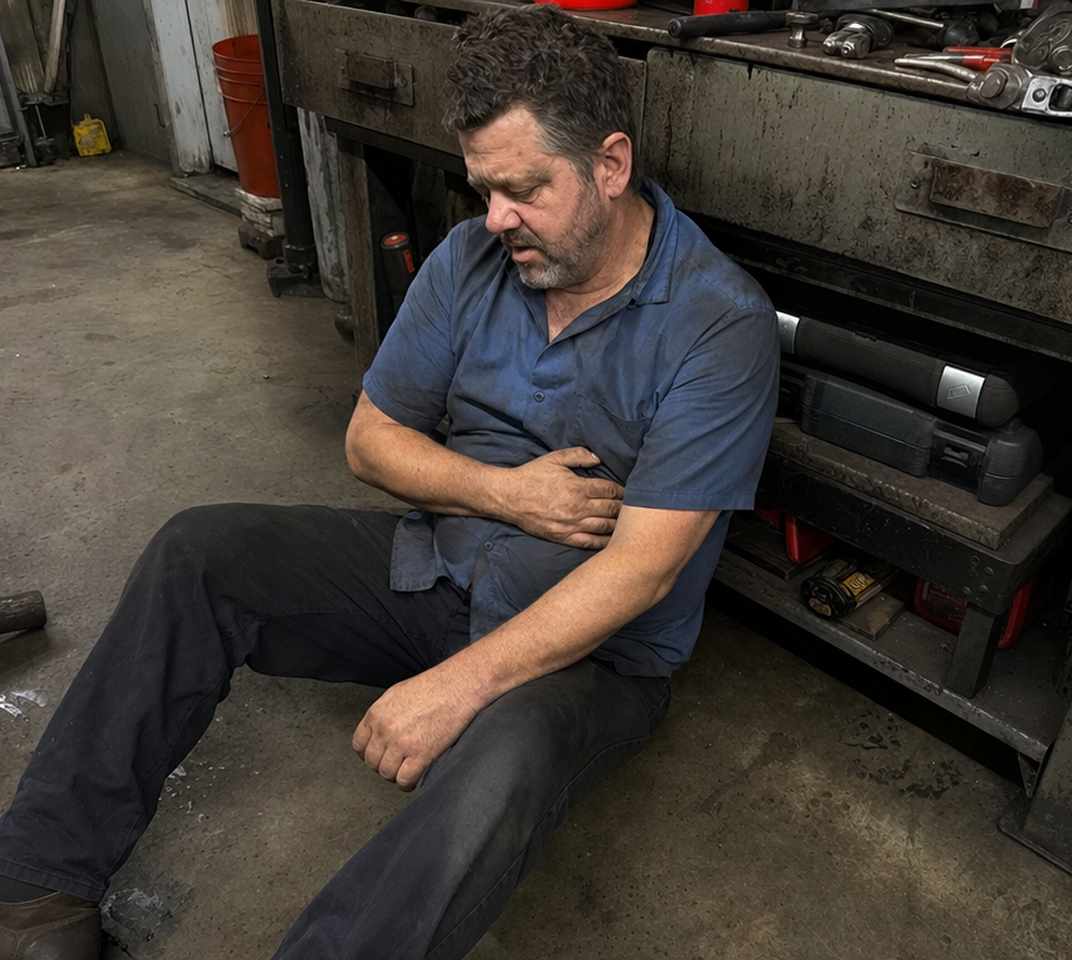
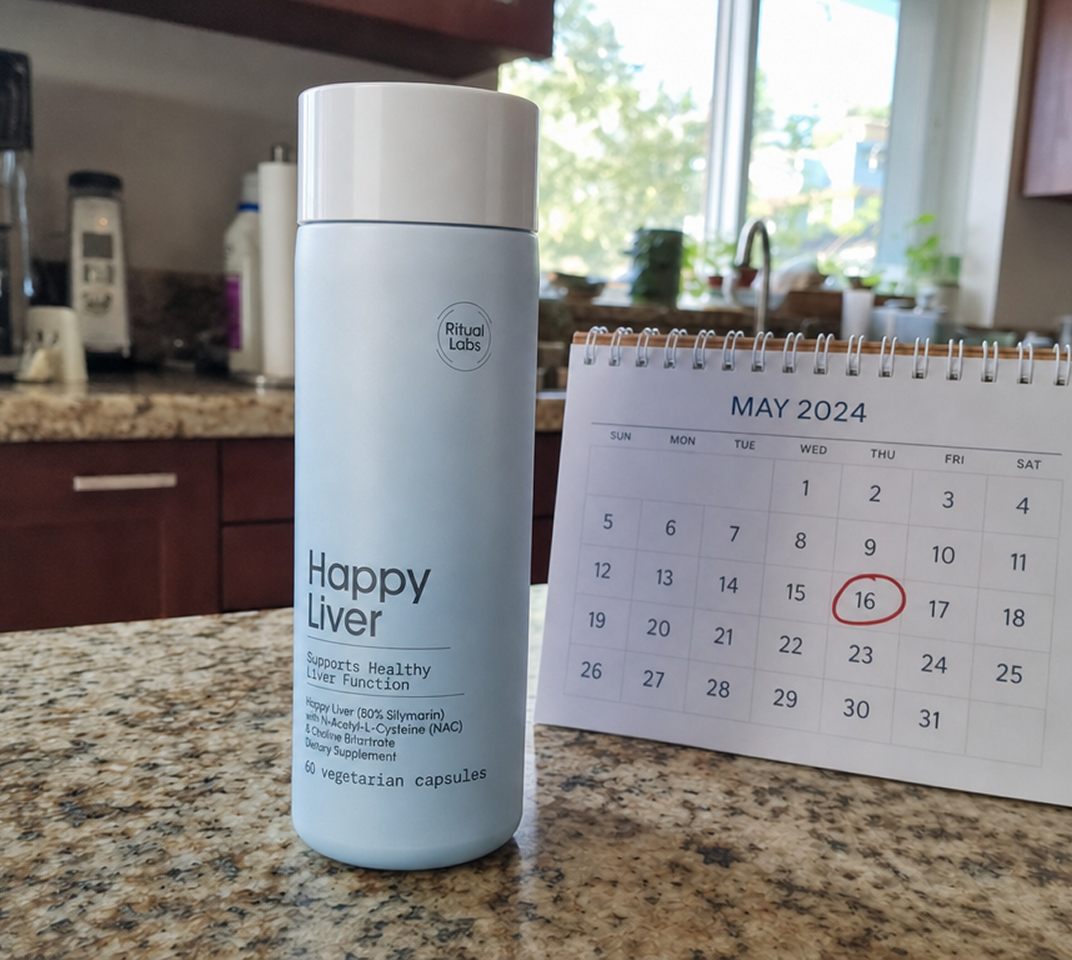
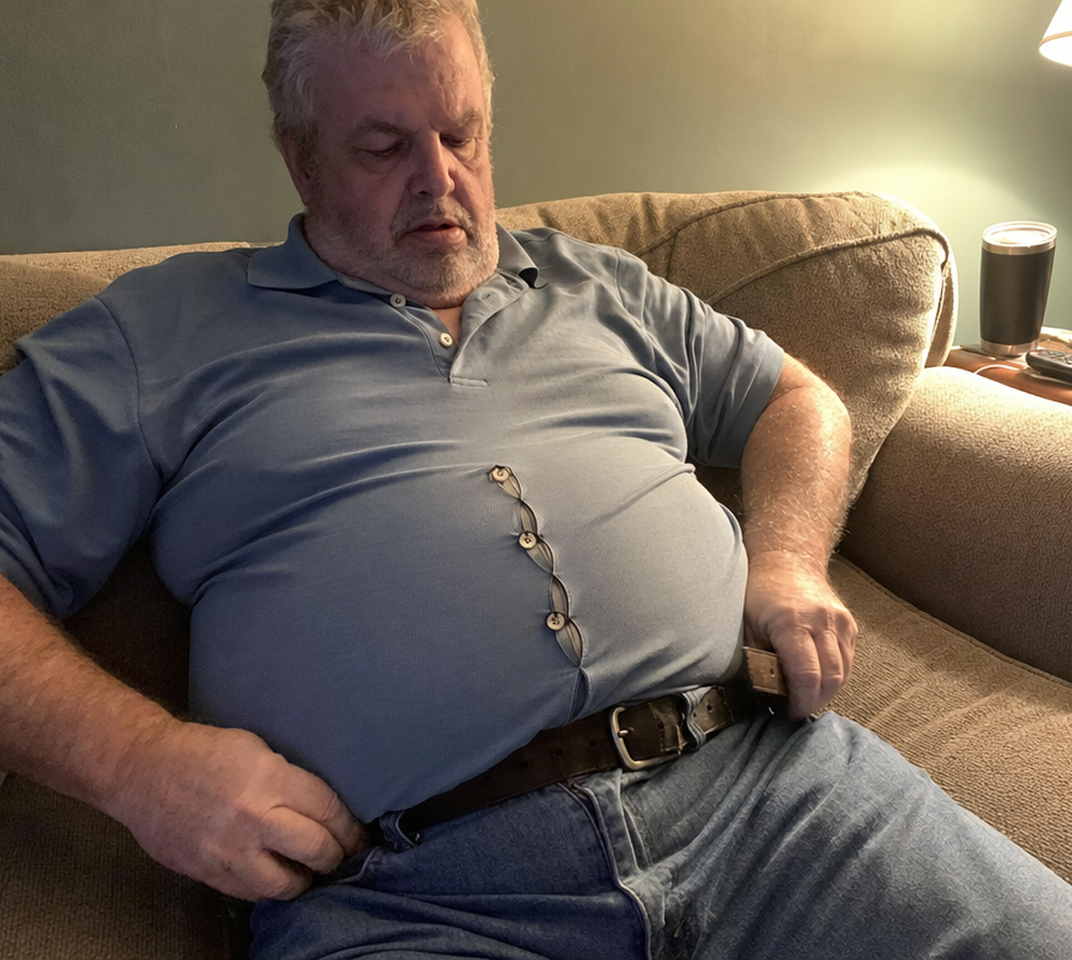
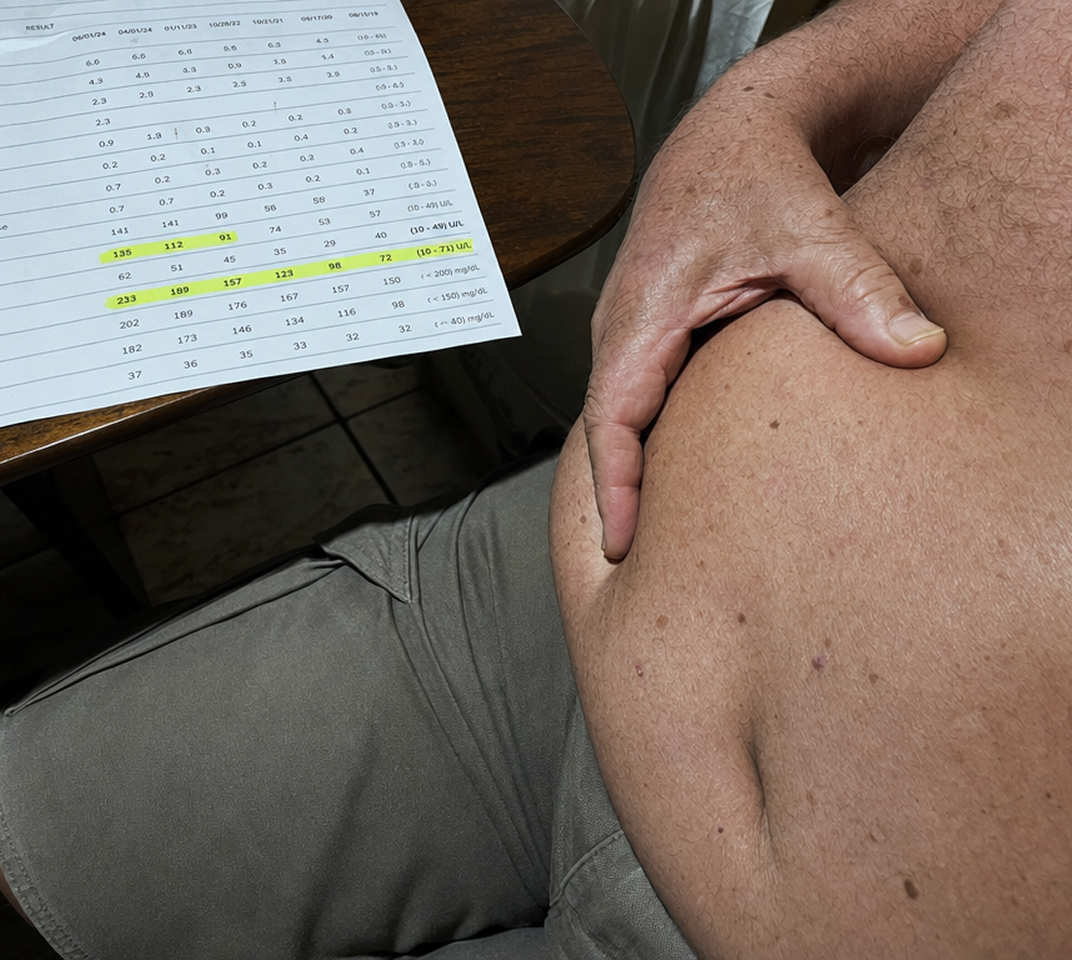
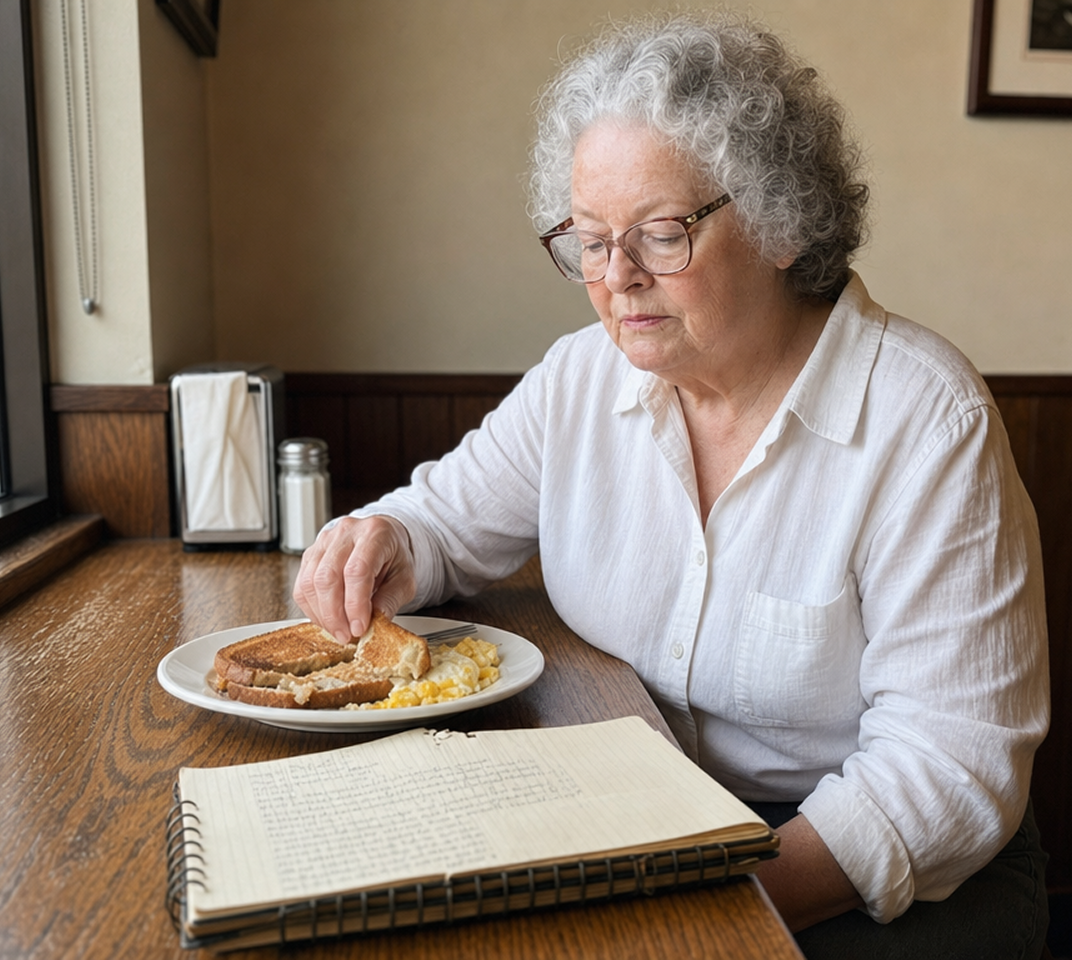
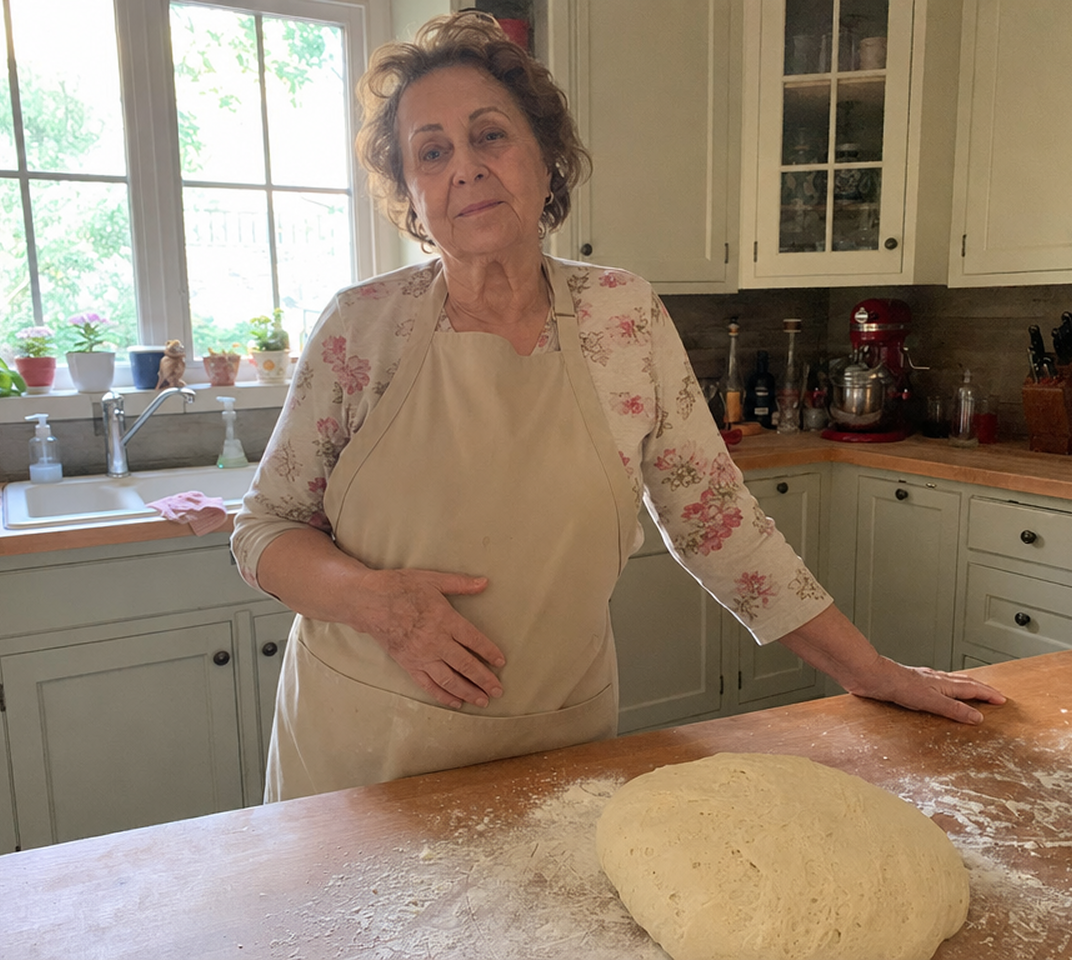
My mother told me she was just slowing down. I believed her for two years. I was wrong, and I will spend the rest of my life grateful that I figured it out before I lost any more of her than I already had. My mother's name is Frances. She is 69 years old. She has been baking since she was 6. That's not a figure of speech. There is a color Polaroid on my parents' refrigerator of my mother at 6 years old, standing on a wooden stool next to her own mother at a floured kitchen counter, both of them elbow-deep in bread dough, both of them grinning like the world was made of yeast and butter. She has baked every week of her life since that photograph was taken. She baked through her own pregnancy with me. She baked through the year my father lost his job in 1986, because she said the smell of bread coming out of the oven was the one thing that made our house still feel like a house. She baked through my father's heart attack five years ago. She baked through the first Christmas after he came home from the hospital, when he wasn't supposed to have any of it and she made every last thing on the list anyway because she said the making of it was the point. And then, two years ago, she stopped kneading. She didn't stop baking. Not all at once. She just stopped making the bread that had to be kneaded. She started buying pre-made pie crusts. Then boxed cake mixes. Then she started asking me to bring rolls to Sunday dinner because she said the oven had been running warm lately, which wasn't true. She told me she was just slowing down. I told myself the same thing. For two years, that was the story. This is a story about a kitchen. It is also a story about how slowly you can watch someone you love stop being themselves, and how long you can pretend it isn't happening. I am writing it down because I think there are a lot of daughters carrying around a quiet version of this same story. The mother who used to do something with her whole body and now buys the store-bought version and calls it good enough. The mother who says she's just slowing down. The mother who is still here, still loving, still present — and also, somewhere inside, slowly walking away from the things that used to make her her. Year one. The first winter she used the pre-made pie crusts, I didn't think anything of it. She is 69. People get tired. She had been baking pies from scratch for over six decades. It seemed reasonable that her body would start asking for accommodations. She still made the pies. She still made the filling from scratch. She still had a full Christmas cookie assortment on the sideboard the week of Christmas. She still hosted Sunday dinner. She still made the birthday cakes for every grandchild's birthday. If you had asked me at the end of that first winter how my mother was doing, I would have said great. Because she was still doing everything she had always done. She was just doing some of it from a box instead of from scratch. I did not yet know how to read what was happening. Year two. The pre-made pie crusts stayed. The boxed cake mixes joined them. She stopped making the yeast rolls she used to make every Sunday afternoon for Sunday dinner. She started asking me to bring the bread. She skipped the Christmas cookie assortment entirely. She said she was going to try a "simpler Christmas" that year. She bought a tin of cookies from the bakery in town. At Thanksgiving, she sat in her chair at the head of the table and asked my sister-in-law to slice the turkey. She had sliced the turkey at Thanksgiving for 40 years. After dinner, when everyone else was in the kitchen with dessert, she stayed in her chair at the table. My older brother Mark leaned down next to me at the sink and said quietly, "Has she been like this lately?" I said, "Like what?" He said, "Slower. Quieter. Just — less of her. And her middle. Did she gain weight? She looks bigger around, but the rest of her looks smaller." I told him she was just tired from cooking all day. I told myself the same thing. I drove home that night and cried for ten minutes in the car in my own driveway before I went inside. I cried because I had said one thing to my brother and known another. Spring of the third year. She didn't make the Easter bread. She had been making the Easter bread — a big braided sweet loaf with colored eggs baked into it — every year for as long as I had been alive. It was the centerpiece of the Easter table. That Easter, there was a store-bought coffee cake on a paper doily instead. I asked her about it. She said she'd been thinking about scaling back this year. Maybe just going with the store stuff for the holidays. I said, "Mom, you don't do store stuff for Easter. You do the braided bread." She said, "Maybe I don't anymore, honey. Maybe that part of my life is winding down." She said it the way you say I'll have the smaller portion. Like it was nothing. Like she had decided to let the part of her life that had defined every week of it just quietly fade out. I drove home and I sat in my kitchen and I knew. I knew the way you know when you stop pretending. Something was happening to my mother and it wasn't just slowing down. Something was getting smaller. And the kitchen was the part of her you could see it in, but the kitchen wasn't really the part that was at stake. What was at stake was Frances. The conversation with my brother. That spring, I called Mark. He lives in Denver. He has three kids and a demanding job and we don't talk on the phone as often as I'd like. I told him what I'd been seeing. I told him about the pie crusts. The Easter bread. The turkey she didn't slice. I told him she said she was just slowing down. I told him I didn't believe it anymore. I told him I had been telling myself the story she told me, for two years, because it was easier than asking what was actually happening. He was quiet on the phone for a long time. He said, "I've been wanting to call you about this for six months." I said, "Why didn't you?" He said, "Because I see her three times a year. You see her every week. I figured if you weren't worried, I wasn't entitled to be." We talked for an hour and a half. We agreed I would talk to her doctor before I tried to talk to her. Because we both knew Mom. We both knew she would wave it off if we came at her directly. We needed someone with credibility to help us. The doctor call. I called my mother's doctor's office on a Wednesday morning. Dr. Halloran had been my mother's doctor for 14 years. He is a careful, unhurried man in his early sixties who takes his time with patients and remembers their grandchildren's names. I told the nurse who picked up exactly what I had been seeing for two years. The kitchen. The pre-made crusts to the boxed mixes. The Easter bread. The turkey. The slow withdrawal from the woman she had been. I told her about how Mom looked now — the way her middle had gotten bigger while the rest of her had gotten smaller. The way she pressed her hand against her belly after meals and pushed her plate back with a sigh. The way she fell asleep in her chair after Sunday dinner and slept for two hours. The nurse listened. She didn't interrupt. When I finished, she said, "I want to bring this to Dr. Halloran this afternoon. Can he call you back?" The doctor called me at 3:45. He listened for another twenty minutes. He said, "What you're describing — the fatigue, the changes in her middle, the withdrawal from the physical work she used to do without thinking about it — that sounds like it could be a slow accumulation of everyday liver stress. The liver does an enormous amount of quiet work every day, and when it gets tired, the whole person gets tired. Her enzymes have been creeping up over her last few visits. Not into an alarming range, but creeping. And the frustrating thing is that a woman can be functionally very different from herself long before the numbers cross the threshold where standard care has a next step." He paused. He said, "I'd like to see your mother. Not for a regular check-up. For a longer appointment where we actually have time to talk about how her body has been feeling, not just what her numbers look like. Bring her in. I'll make space." I almost cried at my kitchen table. Because for two years I had been waiting for somebody to take what I was seeing seriously, and the first person who did was a nurse on a Wednesday afternoon, and the second was a doctor on the same Wednesday afternoon at 3:45 p.m. The appointment. I drove my mother to her appointment two weeks later. Dr. Halloran spent 50 minutes with us. He asked my mother questions she hadn't been asked in years. About sleep. About energy. About what her body felt like when she got out of bed. About what she had stopped doing and when. About what she missed. My mother cried during the appointment. She had not cried in front of me about her body in her whole adult life. She said, "I miss kneading dough. I miss the way my hands used to know what the dough was supposed to feel like. I didn't realize how much I missed it until you just asked me." Dr. Halloran waited while she cried. He said, "Frances, your bloodwork is telling me your liver is working harder than it should have to. Your enzymes are elevated, though not into a range where I would prescribe anything today. The medication we could reach for at this level wouldn't do what you actually need. What you need is for your liver to have more support in the everyday work it does. There's a lane the standard care isn't really built for, and I think that's the lane you're living in." He said the obvious things — get her walking a little every day, sleep, water, more vegetables. Then he said, "There are also some sensible additions that some women in your age range find helpful. General liver support. Compounds that support the way the body handles fat and the way the liver rebuilds itself. None of it replaces the care we're already giving you. But it can support the parts of your life that aren't really about the numbers on the chart." He said, "Look into it. Tell me what you want to try. We'll talk about it together." That night, I sat with my laptop after my mother went to bed. I read for hours. I read about the way the liver changes with age. About the slow accumulation of everyday load — every meal, every medication, every drink of water from a plastic bottle. About how the liver does a great many jobs every day and how, when it gets tired, some of those jobs slip. I read about milk thistle, which the herbal medicine tradition has been using for liver support for a very long time. I read about a specific compound in it called silymarin — the actual active part of the plant — that the research community has been circling for decades. I read about a compound called NAC, which is used in medical settings and which the research community has looked at in the context of supporting the body's own antioxidant systems. I read about choline, an essential nutrient officially recognized by the National Institutes of Health, that most American adults don't get enough of from diet alone. Choline is involved, among many other things, in the way the liver handles fat. Eventually I came across a specific formula. Small operation. Every ingredient at a specific milligram amount on the label — no proprietary blends. Milk thistle standardized to eighty percent silymarin, the standard the research uses, verified in a lab batch by batch. NAC at the dose the medical literature works with. Choline at a real dose. Plus two supporting ingredients — artichoke leaf extract, which supports the way the liver moves things along, and alpha-lipoic acid, which the research community has looked at in the context of the body's own antioxidant recycling. The formula was called Happy Liver, from a company called Ritual Labs. I called Dr. Halloran's office back. I told the nurse what I was thinking about. She put me on hold for a few minutes. She came back and said the doctor had no concerns. The doctor agreed it was a sensible thing to add. The doctor reminded me to keep Mom on her current medications exactly as prescribed and to bring her back in three months for another look at her enzymes. I want to stop here and say this clearly, because I think it's the most important part of this whole story. That phone call was the most important step. Not the supplement. The phone call. If you take one thing from what I'm writing, take that. You call the doctor's office before you add anything to what someone you love is already taking. That phone call costs you four minutes. It's the most important step in this whole process. I drove out to Mom's house the next Sunday with a bottle of Happy Liver and a bouquet of grocery-store flowers. She was in the kitchen. Reading a magazine at the table instead of doing what she used to do at that table. I sat down across from her. I told her everything. I told her about Mark and me on the phone. About the doctor's call. About the reading I had done. About Happy Liver. I told her this wasn't going to fix anything overnight. It was a small thing. The doctor had said it was fine to add. I asked her to try it for 60 days. She looked at the bottle for a long time. She said, "You really have been worried about me." I said, "For two years, Mom." She nodded slowly. She said, "I'm sorry. I think I've been pretending too." She took the first three capsules with her coffee that Sunday morning. The story of the next six months. Told as the kitchen told it. Late May. Mom calls me on a Thursday afternoon. She has not called me, just to call me, in close to a year. She says she wants to know if I remember the name of the flour her mother used to use for pie crust. The kind with the blue writing on the bag. I don't remember. But I tell her I'll ask my aunt. She says, "I might make a pie this weekend. From scratch. Just to see." I say, "I think that sounds wonderful, Mom." I hang up the phone and I sit at my kitchen table and I cry for a long time. June. I drive out to her house on a Sunday. There is a pie cooling on the windowsill. Peach. From scratch. The lattice work is a little uneven — her hands were out of practice — but it's a real pie. She doesn't comment on it. I don't comment on it. We have Sunday dinner. She gives me the leftover pie to take home. Late June. She makes bread. Not the Easter bread. Not yet. Just a simple loaf of white sandwich bread. She calls me after it comes out of the oven and tells me it took her the whole afternoon and she had to sit down twice in the middle of the kneading. But she made it. She is 69 years old and she is kneading bread again. August. She hosts a small birthday for my niece. She makes the cake from scratch. Buttercream frosting. Real vanilla. The kind with the little flecks of bean in it. The cake is a little lopsided but it is the most beautiful cake I have ever seen in my life. Mark flew in for the birthday. He and I stood in the kitchen while she was frosting it and neither of us said anything. He put his hand on my shoulder. That was the whole conversation. September. She goes back to Dr. Halloran for the three-month follow-up. Her enzymes are down. Not to the middle of the range. But down. Both of them. Dr. Halloran tells her whatever she is doing, she should keep doing it. He asks her, at the end of the appointment, whether she has been baking. She tells him she made a peach pie in June, a loaf of bread in July, and her granddaughter's birthday cake in August. She tells him she is thinking about the Easter bread again for next spring. He smiles. He says, "Frances, I would very much like to try a slice of that Easter bread when the time comes." Thanksgiving. She hosts. She slices the turkey. She stands at the head of the table with the electric knife in her hand, the way she stood at that same table for 40 years, and she carves her way through a 22-pound bird without asking anybody for help. Mark caught my eye from across the room. He didn't say anything. He didn't have to. After dinner, Mom and I do the dishes together. I wash, she dries. She tells me a story about the year her own mother taught her how to braid the Easter bread. She was nine. Her hands were too small at first and she cried into the flour. Her mother told her the bread wouldn't rise if she cried into it. That made her laugh, which made her stop crying, which meant the bread rose. I have never heard this story before. She is 69 years old, and there are still stories of her childhood I have never heard, and she is telling them to me now over a sink full of soapy water in November. She is still telling stories. She is still here. She is still my mother. Mom is still on her medications. She has not changed anything Dr. Halloran told her to take. Her enzymes at her most recent draw were in the normal range for the first time in four years. Dr. Halloran did not tell her exactly what turned the corner. Dr. Halloran doesn't really know. Dr. Halloran knows that we came into his office two years into a slow slide, told him the truth about what we had been watching, made a phone call before we added anything new, and did what he suggested alongside what he had already prescribed. I know my mother. I know what I have watched come back. This is the part where I tell you what I would say to another daughter who is watching her own mother slowly stop being herself. Talk to your sibling. Say it out loud. Don't carry it alone. Talk to your mother's doctor. Not about supplements. About her. Tell the doctor what you've been seeing. Don't accept "she's just slowing down" as the whole answer. Sometimes it is. Sometimes it isn't. You won't know unless somebody who has known her medically for years gets to hear what you've been watching. Then call the doctor's office again before you add anything new to what your mother is already taking. Always. That phone call is the most important step in this whole process. And then — and I mean this — give it time. Slowly. Not on a clinical timeline. Not on any timeline at all. Just gently, season by season, with patience. Mothers don't come back all at once. They come back the way they left. A little at a time. Until one day you're standing at her kitchen counter watching her braid the Easter bread again for the first time in three years, and you realize the woman you have been quietly mourning for two of those years has been making her way back to you the whole time, and all she needed from you was for somebody to finally see her clearly enough to ask. P.S. If you've been watching someone you love fade in the way I just described — and if you have been telling yourself for too long that it's just aging — talk to her doctor about her. Not the chart. The woman. A good doctor will take that seriously. Don't let yourself wave it off any longer. P.P.S. If you decide to try Happy Liver, call her doctor's office before you start it. Just to confirm there's no reason not to add it given whatever else she's taking. It takes one phone call. Most nurses will get you an answer the same day. That phone call is the most important step. Then put the bottle next to wherever she takes her morning pills. Three capsules with breakfast. Don't change anything else she's taking. Just add this one thing. Give it 60 days before you decide anything. Some women notice something within the first few weeks. Others take longer. Bodies are different. Be patient with her. P.P.P.S. Happy Liver has a 60-day money-back guarantee. If you're not satisfied for any reason, every penny back. No questions asked. That's a sensible policy for a supplement. It gives you long enough to actually see whether it helps before you decide. P.P.P.P.S. Ritual Labs is a small operation. I keep an extra bottle in the cupboard for Mom now, because the last time I ordered they were between batches and it took a few extra days to arrive. Worth having the second one on hand. P.P.P.P.P.S. The Easter bread came back. Mom made it this April. Braided it herself. Colored the eggs the way her own mother had taught her to color them, with onion skins and vinegar. Baked it in the same ring pan she had used for 40 years. She sent a small loaf of it to Dr. Halloran's office with a handwritten note. The note said: Thank you for asking me what I missed. That's the kind of doctor everyone deserves. That's the kind of mother I get to keep. For as long as the seasons keep coming, I'm going to keep showing up at her kitchen counter and watching her hands know what the dough is supposed to feel like. That's the whole story. https://rituallabs.shop/products/happy-liver13 DISCLAIMER Individual experiences vary. These statements have not been evaluated by the FDA. This product is not intended to diagnose, treat, cure, or prevent any disease.
It was your liver
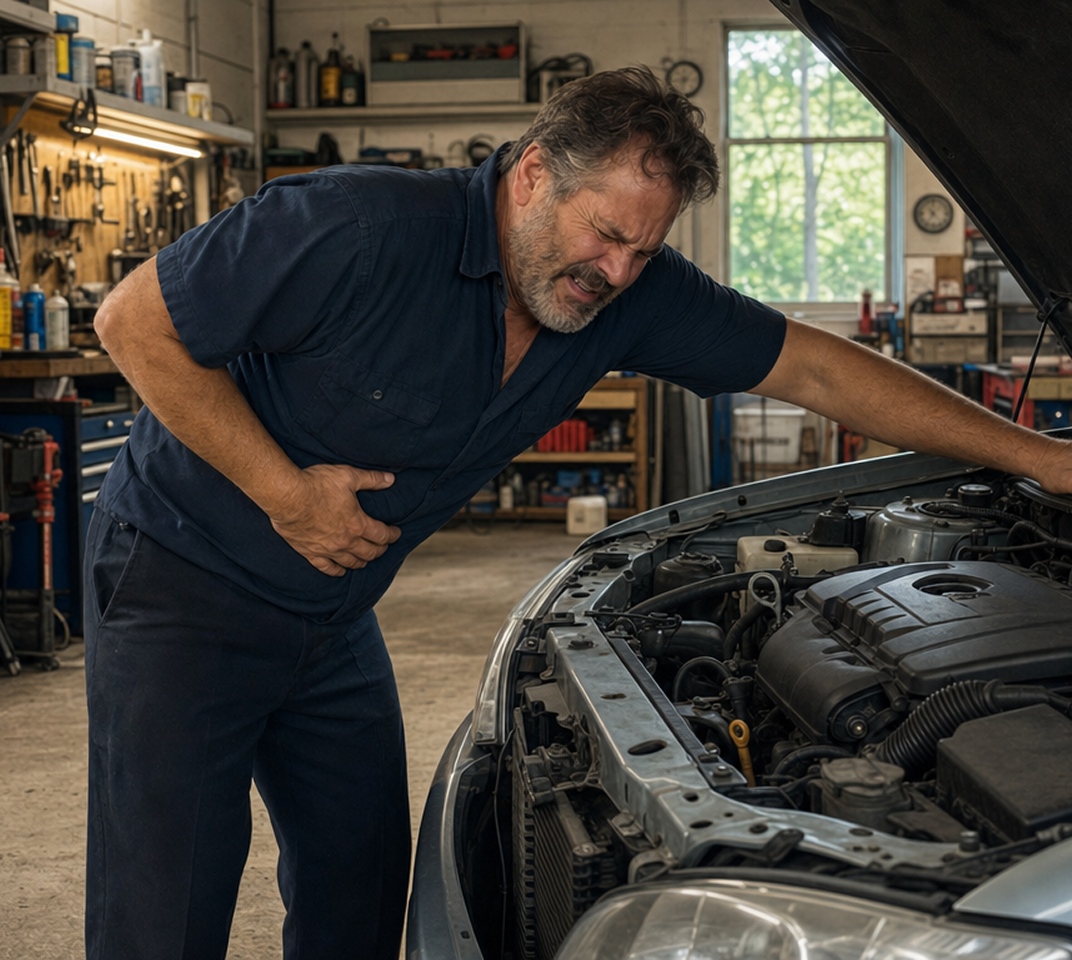
Your liver processes everything - alcohol, medications, junk food, environmental toxins. Happy Liver provides daily protection with clinical doses of Milk Thistle, Turmeric, Pueraria, and Inositol
LEARN MORELike this ad? Make it yours.
Crush rebuilds this exact creative around your product — your brand, your colors, your offer — in about a minute.