
Active· since Jul 16, 2026
- 66
- days running
- 0
- relaunches
Ad copy
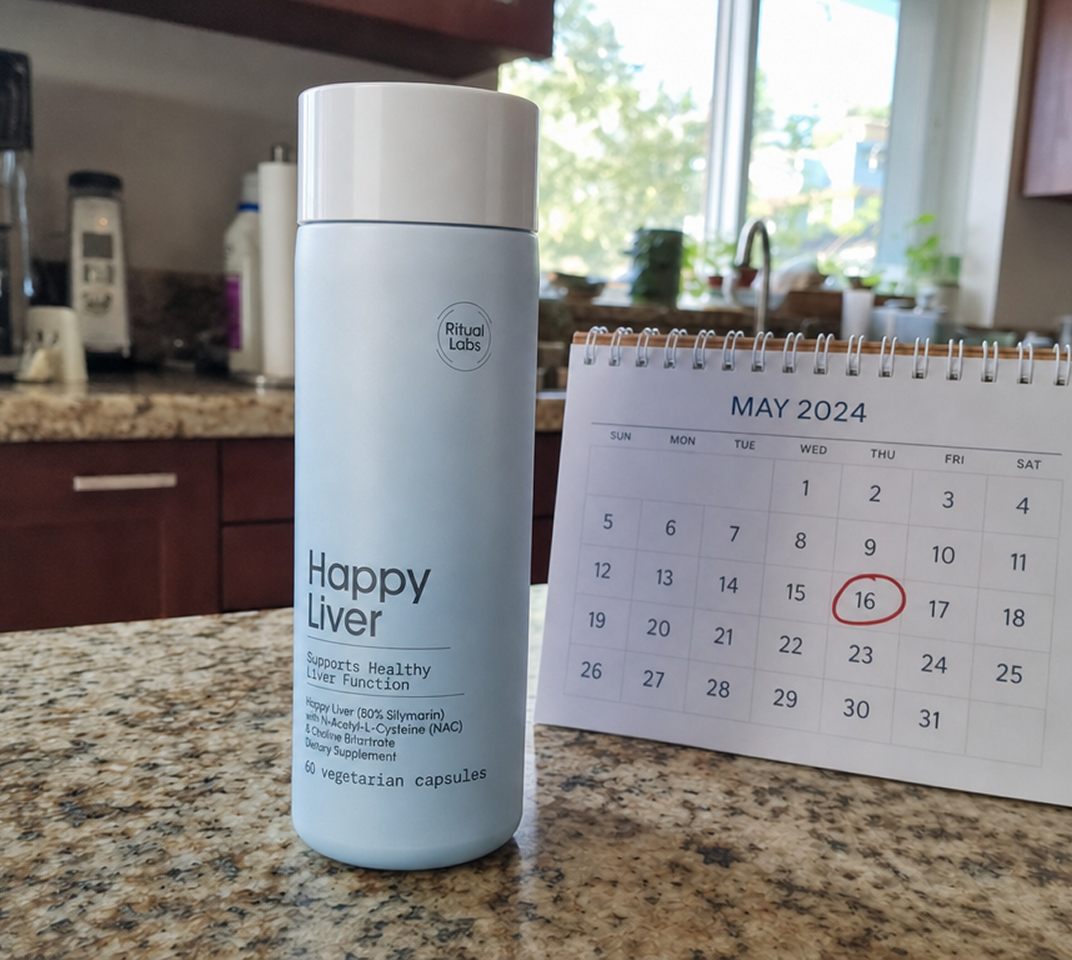
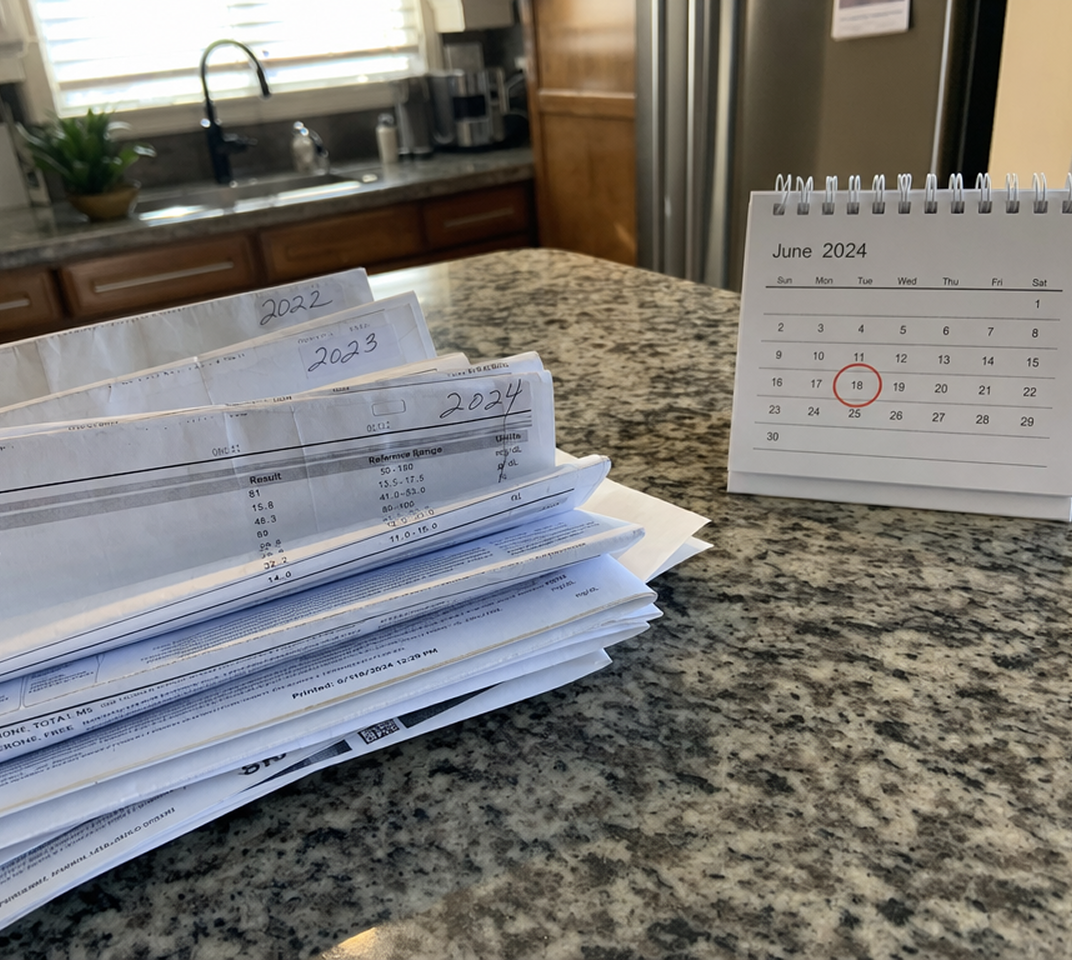
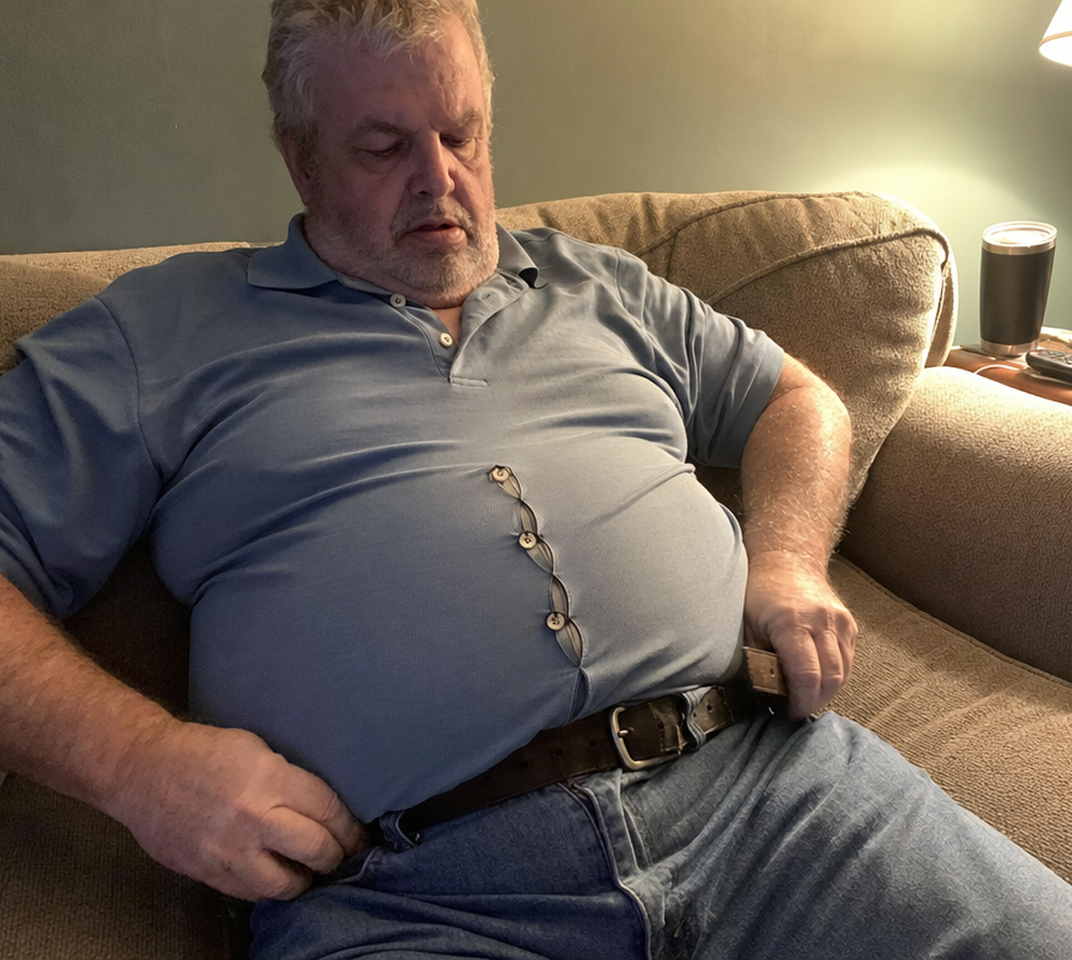
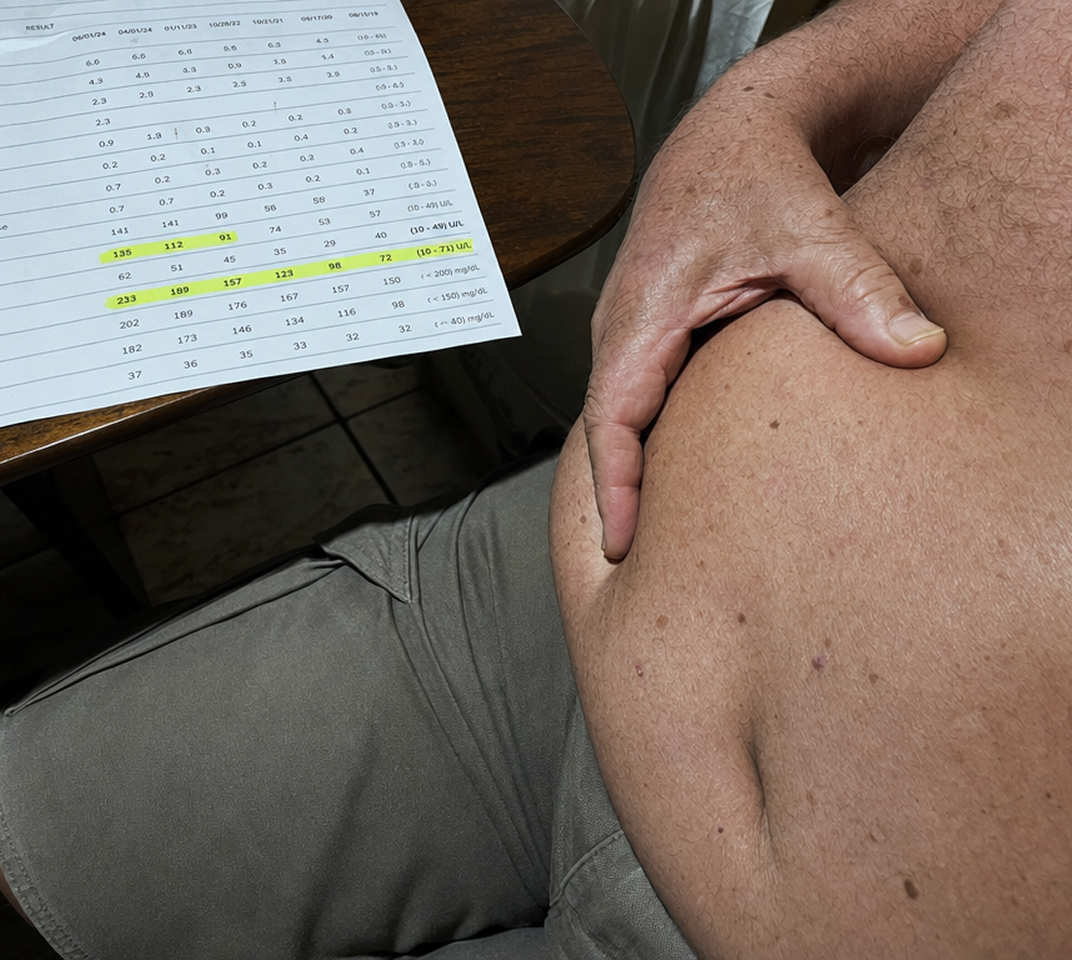
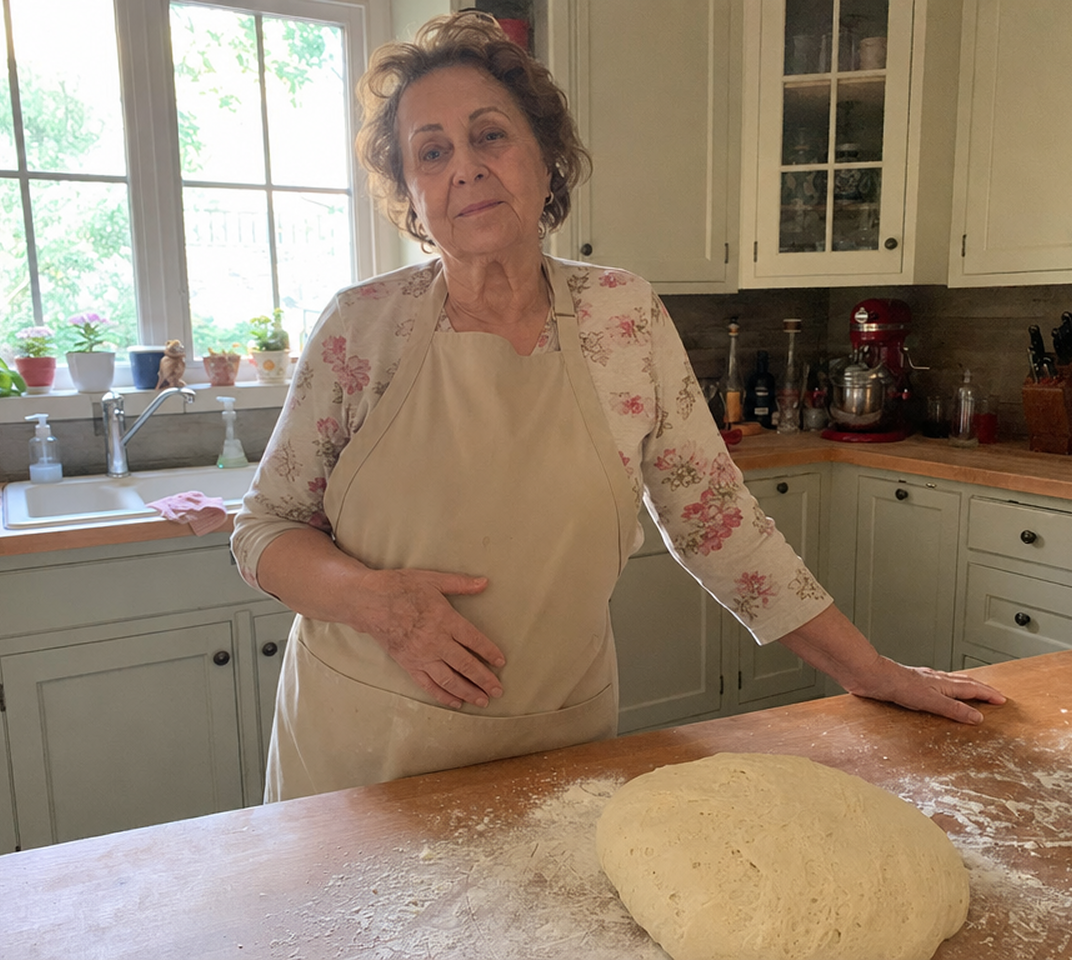
My husband had been a man who came home from work humming. For about two years, I watched him quietly stop humming, and I did not know how to bring it up. I have been married to Paul for thirty-one years. My name is Ellen. We have lived in the same house outside of Louisville for twenty-four of those years, raised a son and a daughter here, and put in a small vegetable garden every spring that Paul digs and I plant. Paul is fifty-nine. He has worked for the same commercial insurance brokerage for twenty-eight years, the last nine as a senior agent. He is, by every measure that matters, a good man. I am telling you that because the story I am going to tell you does not make sense if you do not know what kind of man Paul has been. Paul came home from work humming for twenty-nine years. I do not mean that as a figure of speech. I mean it literally. He came in the side door at five-forty-five, set his briefcase on the bench in the mudroom, and started humming something — half the time it was a song he had heard driving home, half the time it was nothing in particular, just the sound of a man who was glad to be back in his house. I would hear it from the kitchen and I would know he was home, and I would call out, Paul, and he would call back, Ellen, and that was the small daily ritual of our marriage for twenty-nine years. About two years ago, the humming started getting quieter. I noticed it the way you notice these things, which is over a long period of time, in small pieces, none of which I would have been able to point to individually. By the end of the first year, the humming had mostly stopped. By the end of the second year, Paul was coming home at five-forty-five, setting his briefcase down, and going straight to the couch in the family room. Quiet. He would say hi, honey, and kiss the top of my head, but the humming was gone. The humming was not the only thing. He stopped suggesting the Saturday-morning drives we used to take out to a small farmers market about forty minutes east of us. We had been going for eleven years. He stopped mentioning it. He stopped going to the Sunday-morning breakfast group he had been part of at the diner in town — six men, mostly his age, most of them insurance and small business people, who had been having breakfast together on the first Sunday of every month for eight years. He stopped going one month and then stopped going the next month, and when I asked him about it he said his stomach had been off, which was partly true but not the whole truth. He stopped tinkering in the garage on Sunday afternoons. He had a workbench in there where he used to fix small broken things people brought him — a busted lamp, a bicycle chain, the pull cord on somebody's lawnmower. The workbench had a pile of half-fixed things on it that had not moved in over a year. He stopped reading at night. He had been a reader for thirty-one years. He stopped, in the small daily ways a wife notices, being the Paul I had married. I noticed all of it. He did not. I want to be clear that none of this was sudden. None of it was dramatic. He was not depressed. He was not sick. His annual physical, which he had at fifty-seven and again at fifty-eight, came back mostly clean both times. His doctor had mentioned that his liver enzymes were a little elevated — nothing alarming, just something to keep an eye on — and had told him to watch his diet and get some walking in. His blood pressure was fine. His cholesterol was fine. He was in good shape for fifty-eight. There was nothing at the chart level that needed a fix. There was just a man who had quietly stopped humming. The thing that finally got me to say something out loud happened in September. About thirteen months ago. Paul's older brother, Tom, was turning seventy. Tom lives in Tennessee with his wife, and the family drove down for a weekend at their place. Tom is eleven years older than Paul and has always been the kind of man who has aged the way you would want to age — he takes the dog for a two-mile walk every morning before breakfast, still works part-time at his old firm because he likes it, still plays golf on Saturdays with the same three men he has been playing with for twenty years. On the Saturday afternoon of the visit, Paul and Tom were sitting on the back porch with iced tea while I helped Tom's wife, Louise, in the kitchen. I could see them through the window over the sink. At first they were talking the way brothers talk when they see each other twice a year — the kids, the news, the weather. Then somewhere in the second half hour, the conversation changed. I could see it on Paul's face through the window. He was listening to Tom in a way I had not seen him listen to anybody in almost two years. I did not hear what they said. I just noticed. That evening, on the drive back to our hotel, I asked Paul what he and Tom had been talking about on the porch. He was quiet for a minute. He said, Tom asked me how I was doing. Not the polite way. The other way. And then he told me what he'd been doing for the last few years to feel like himself again. He said it took him a long time to admit he had been needing to do something. He said he wished he had said something to Louise sooner. I asked Paul if Tom had told him what he had been doing. Paul said yes. He said the most important thing Tom had told him was to go see his own doctor about it. To have the conversation. Not to keep quietly working around it. He also told Paul about a supplement — a liver support formula — that Tom had added to his mornings after talking it through with his own doctor. Tom had told Paul the brand was Happy Liver, from a company called Ritual Labs, and that he had picked it because the label showed every ingredient at the dose he had looked up in the research. He told Paul that the supplement was not the point. The point was the appointment. Paul and I drove the rest of the way to the hotel without saying anything. When we got to the room, he sat on the edge of the bed and told me, for the first time in two years, that he had been noticing the same things in himself that I had been noticing about him, and that he had not known how to say so. I held his hand for a long time. We talked for almost two hours that night. The Monday after we got back from Tennessee, Paul called his doctor's office and made an appointment. I want to tell you something about that appointment that matters for this letter, because Paul told me about it on the drive home and I have been thinking about it ever since. His doctor — a man in his forties Paul had been seeing for nine years — did not make a face. He did not rush Paul through the visit. He asked careful questions. He ran the bloodwork he wanted to run. He looked at the elevation in Paul's liver enzymes from the previous years and told Paul that he wanted to keep an eye on them but was not, at this point, alarmed. He talked to Paul for a long time about what a tired liver actually is — what it does, what it needs, what it responds to. He told Paul to think about it. He told Paul there was no rush. He told Paul to come back when he had thought about it. He told him, before he left, that if he ever wanted to add anything new to his routine — anything at all, from any source — to call the office first, so someone who knew his chart could look at it alongside anything else he was taking or dealing with. Paul came home that evening and we talked for another long evening about what he was going to do. He did not decide that night. He decided about three weeks later, after he had read carefully about a number of things, including the supplement Tom had mentioned in Tennessee. Paul read about Happy Liver the way Paul reads about anything, which is carefully, with a pad of paper, in the evenings, at the kitchen table. He read about milk thistle — a plant the herbal-medicine tradition has been using for liver support for a very long time — and about a specific active compound in it called silymarin that the research community has been studying for decades. He read about NAC, a compound with a long history of use in a variety of medical settings and one that the research community has looked at in the context of supporting the body's own antioxidant systems. He read about choline, an essential nutrient officially recognized by the National Institutes of Health, that most American adults do not get enough of from diet alone. Choline is involved, among many other things, in how the liver handles fat. He read about artichoke leaf extract and alpha-lipoic acid, both of which have long research literatures behind them in the context of digestive and metabolic wellness. None of what he read was a fireworks story. He read it out loud to me at the kitchen table on several evenings, and I want to tell you what struck both of us about what he was reading. The language being used was language we had not been hearing in the supplement aisle of the drugstore. It was supports healthy liver function, supports the body's own antioxidant systems, supports how the liver handles fat — in people whose numbers are already in the range their doctors want them in, or close to it. Not fixes anything. Not replaces what your doctor is watching. Not lowers anything. Paul said, on one of those evenings at the kitchen table, that it was the first language he had read in a supplement context that he could square with how his doctor had talked to him at the appointment. He picked Happy Liver — the brand Tom had mentioned — for two reasons. The first was that every ingredient was listed on the label at a specific milligram amount, with no "proprietary blend" hiding the dose. Paul is an insurance man. He reads fine print for a living. He noticed that no ingredient on the label was named without a number next to it. That told him something about the company. The second was the milk thistle standardization. He had read that milk thistle only does what the research says it does when it is standardized for silymarin content — the actual active compound. The Happy Liver label said the milk thistle was standardized to eighty percent silymarin, tested in a lab. That matched what he had read. The other thing he liked was the simplicity. Three capsules in the morning with breakfast. Paul likes things that fit on the counter next to the coffee. Now I want to tell you about the call he made before he started taking it, because it is the most important part of this letter. His doctor had told him, at the appointment, to call the office before he added anything new to his routine. He called. He spoke to the nurse line. They looked at his chart. They noted that he was not on any prescription medications at the time. They looked up the ingredients he was asking about. They put him on a brief hold and came back a few minutes later. They told him his doctor had no concerns about him trying it, and that if he wanted to have his liver enzymes rechecked in a few months to see how things were going, they would put in the order. I want to say something now, on behalf of Paul and on behalf of myself. If your husband — or your father, or your brother, or whoever it is you are watching from across the kitchen — is on any prescription medication for anything at all, please make sure he calls his pharmacist or his doctor's office before he adds anything new. This is not optional. Liver support supplements — and this includes milk thistle, NAC, and many other ingredients used in these formulas — can interact with prescription medications. The interaction is not necessarily anything at all. But it depends on the medication, the dose, what else he is taking, and what his prescribing physician would want for him. That is exactly the kind of small, specific, individualized question that the people who know his chart can answer in two minutes — and that we, as wives, are not qualified to answer for him. Paul made the call. He did not have anything on his chart that would have been an issue, and he still made the call. If your husband is the kind of man who would skip the call, please ask him to make it anyway. Sit with him while he makes it if you have to. The two minutes are worth every second. Paul started on a Monday. The first two weeks I did not notice anything in particular. Neither did he. We had read enough alongside what Tom had said to know that bodies are different — some people notice something within the first week or two, some people take much longer, some people don't notice much at all — and we had both braced ourselves for any of those outcomes. What I noticed, I noticed slowly. I was the one watching. Paul was not. The first thing I noticed, around week four, was the humming. Not the way it had been for twenty-nine years. Not at the side door at five-forty-five. It was small. It was at the sink one Saturday morning while he was rinsing out his coffee cup. He was humming something I did not recognize. He had not been humming at the sink in two years. I did not say anything. I made a quiet note. The second thing I noticed, in week five or six, was that he stopped going straight to the couch. He had been going straight to the couch after work, every evening, for two years. He would sit, look at his phone, and eventually come to dinner. Most evenings, after dinner, he would go back to the couch until bed. Around week five, I noticed he had not gone back to the couch after dinner. He had come into the kitchen while I was finishing the dishes, and he had picked up a dish towel from the drawer the way he used to, and we had finished the dishes together, the way we had done it for twenty-seven years before the couch years. We did not make a thing of it. The next evening, he was in the kitchen again. The third thing I noticed was the workbench. In the spring, about ten weeks in, Paul was in the garage on a Saturday morning with the pile of half-fixed things. He spent most of the day out there. He came in for lunch with grease on his forearms, which is a sight I had been missing without realizing I had been missing it. By the end of that summer, he had fixed everything on the bench. Then he had asked around at church whether anyone had anything else. Two women had brought him small broken things by August. He had not touched the workbench in over a year. The fourth thing I noticed was the belt. Paul's belt had been going out a notch each year for the last four years. His middle had been thickening in the way you assume is just what happens to a man in his late fifties. Around the fourth or fifth month, I noticed one morning while he was getting ready for work that his belt was on a notch tighter than it had been. Not dramatically. Just one notch back. I noticed it a second time a month or so later. Then a third. He did not mention it. I did not either. The fifth thing I noticed was the humming at the side door. It came back sometime in the sixth or seventh month. Not every day. But there were days, more than there had been in a long time, when Paul came in the side door at five-forty-five and set his briefcase down and started humming something on his way to the kitchen. The humming was back. The dishes were back. The workbench was back. The belt was back. Paul was back. I want to be careful with what I am telling you now, because I am writing this to women I do not know, and I do not want to overstate anything. I am not telling you Happy Liver did any of those things on its own. Paul had gone to his doctor. He had told his doctor the truth about how he had been feeling. His doctor had taken him seriously. He had started walking after dinner with me — we had begun taking the dog around the block together in the months after the porch conversation with Tom. He had been getting to bed at a more regular hour. He had finally told me what had been quietly going on for two years. There were several things changing at once, the way there are when a man finally stops avoiding the things he has been avoiding. All I am telling you is that Paul added one small thing to a list of things he was already doing — including the doctor visit and everything that came out of it — and a stretch of months followed that was qualitatively different from the two years that had preceded it. That is the honest version. I would not trust anyone who gave you a cleaner one. Paul went back to his doctor at his next annual physical, about eight months after the Tennessee visit. His liver enzymes had come down. Not dramatically. But down. His doctor told him whatever he was doing, he should keep doing it. He drove home from the appointment and we went out for dinner that night at the small Italian place down the road we used to go to on our anniversary. He hummed in the car on the way home. If you are reading this and you are watching your own husband, or someone you love, in the way I had been watching Paul for two years — quietly, without quite knowing what to say, adjusting around small daily changes you did not know how to name — I want to say a few things to you carefully. I do not know your husband. I do not know his bloodwork or his medications or what his doctor has said. Bodies are different. Some men notice something within the first week or two of adding something like this. Some men take much longer. Some men don't notice much at all. That is the honest version, and anyone offering you a cleaner one is selling you harder than I am. Here is how Paul and I think about Happy Liver now, in the words we would actually use. It is something the body uses. The research community talks about the ingredients in it in the context of supporting healthy liver function, supporting the body's own antioxidant systems, and supporting the way the body handles fat — in people whose numbers are already in the range their doctors want them in, or close to it. It is not a fix for anything. It is not a substitute for anything his doctor has him on. It is one small thing he adds to a list of things he is already doing for himself, alongside everything else. Please — and I mean this — have him call his pharmacist or his doctor's office before he adds it. If he is on any prescription medication, this is non-negotiable. If your husband is the kind of man who would skip that call, please ask him to make it anyway. The people who know his chart will tell him in two minutes whether the supplement is safe for him to add. I am a fifty-eight-year-old wife outside of Louisville. I am not the person to ask. His pharmacist or his doctor is. The other thing I want to ask of you — and this is the part of this letter that matters more than the supplement — is that if your husband has not yet had the conversation Paul had with his doctor, please find a way for him to have it. The point is not Happy Liver. The point is the appointment. Paul did not start humming again because of a capsule. He started humming again because he finally went to his doctor about something he had been carrying for two years, and because his doctor took him seriously, and because we then made a number of small careful changes alongside his existing care — one of which was adding Happy Liver. The appointment is the thing. The company has a sixty-day satisfaction guarantee. If he is not satisfied — for any reason at all, including just changing his mind — they refund you. It is not tied to his bloodwork. It is not tied to anything he has to prove to anybody. If he is not satisfied, he is not satisfied. That is the whole policy. That is all I have. Thank you for reading this far. I hope something here was useful to you and to him. — Ellen P.S. I want to come back to the standardization for a second. Milk thistle only does what the research says it does when it is standardized for silymarin content — the actual active compound in the plant. Most drugstore milk thistle is not standardized at all, or is standardized to a level well below what the research measured. Happy Liver chose the standard the research used. Eighty percent silymarin, tested in a lab, batch by batch. It costs them money and time. They made the choice anyway. Paul, the insurance man, pays attention to that kind of choice. P.P.S. Three capsules. In the morning. With breakfast. That is the entire protocol. No powder to mix. No afternoon dose to remember. No schedule taped to the inside of the cupboard. Paul keeps the bottle on the kitchen counter next to the coffee maker. He takes the three capsules with his first cup, before he leaves for work. That has been the rhythm of his morning for eight months. P.P.P.S. I am going to say it one more time, because I have to. Please. If your husband is on any prescription medication, have him call his pharmacist or his doctor's office before he adds anything new. If he won't, please make the call yourself and ask them what they would tell him. The people who know his chart have his whole picture. I have written you a letter. There is a difference, and the difference matters. The two minutes are the most important two minutes of any addition he might make. P.P.P.P.S. The guarantee, again, in case you skimmed. Sixty days. Any reason at all. You do not have to prove a single thing — not to them, not about anyone's numbers, not about how anyone feels. If he tried it and he is not satisfied, he is not satisfied, and they send the money back. That is the whole policy. A small-company policy. The kind of thing companies used to do when companies still answered the phone. P.P.P.P.P.S. The thing Tom said to Paul on the back porch in Tennessee — the supplement is not the point. The point is the appointment — has stayed with me for over a year now. It is the truest sentence anyone has said to my husband about his health in his entire adult life. If your husband has been quietly carrying something for a long time, and you have been quietly adjusting around it without knowing what to say, I hope you find your version of Tom on the back porch. If you don't find one, I hope this letter is a small piece of it. I hope your husband goes to his doctor. I hope his doctor takes him seriously. I hope, one evening seven or eight months from now, you hear him humming at the sink while he rinses his coffee cup, and you know, in the small daily way that wives know things, that he is becoming more like himself again. I hope that for you. That is the whole reason I wrote this letter. — E. https://rituallabs.shop/products/happy-liver13 DISCLAIMER Individual experiences vary. These statements have not been evaluated by the FDA. This product is not intended to diagnose, treat, cure, or prevent any disease.
It was your liver
Your liver processes everything - alcohol, medications, junk food, environmental toxins. Happy Liver provides daily protection with clinical doses of Milk Thistle, Turmeric, Pueraria, and Inositol
LEARN MORELike this ad? Make it yours.
Crush rebuilds this exact creative around your product — your brand, your colors, your offer — in about a minute.