
Inactive· since Sep 1, 2026
- 10
- days it ran
- 0
- relaunches
Ad copy
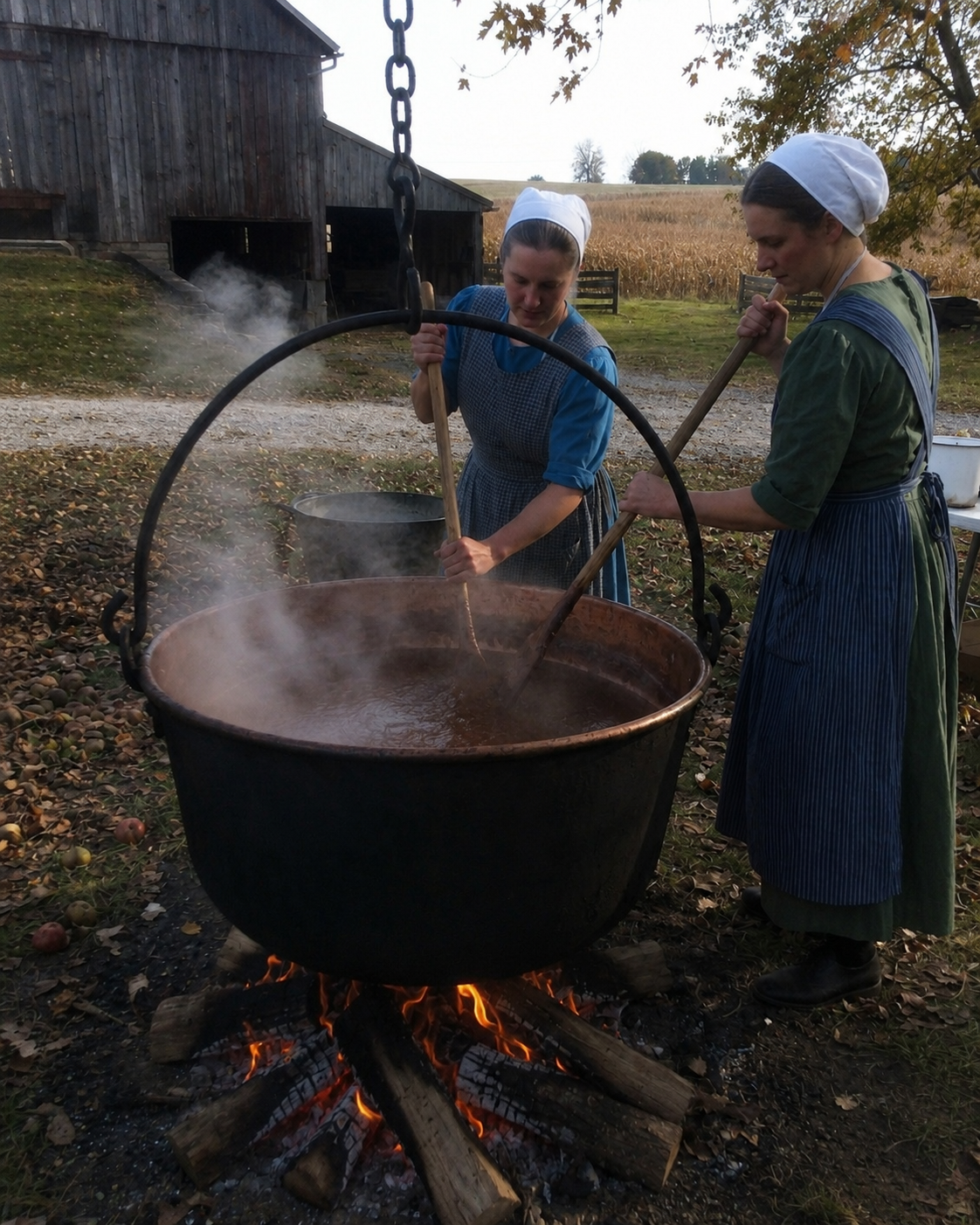
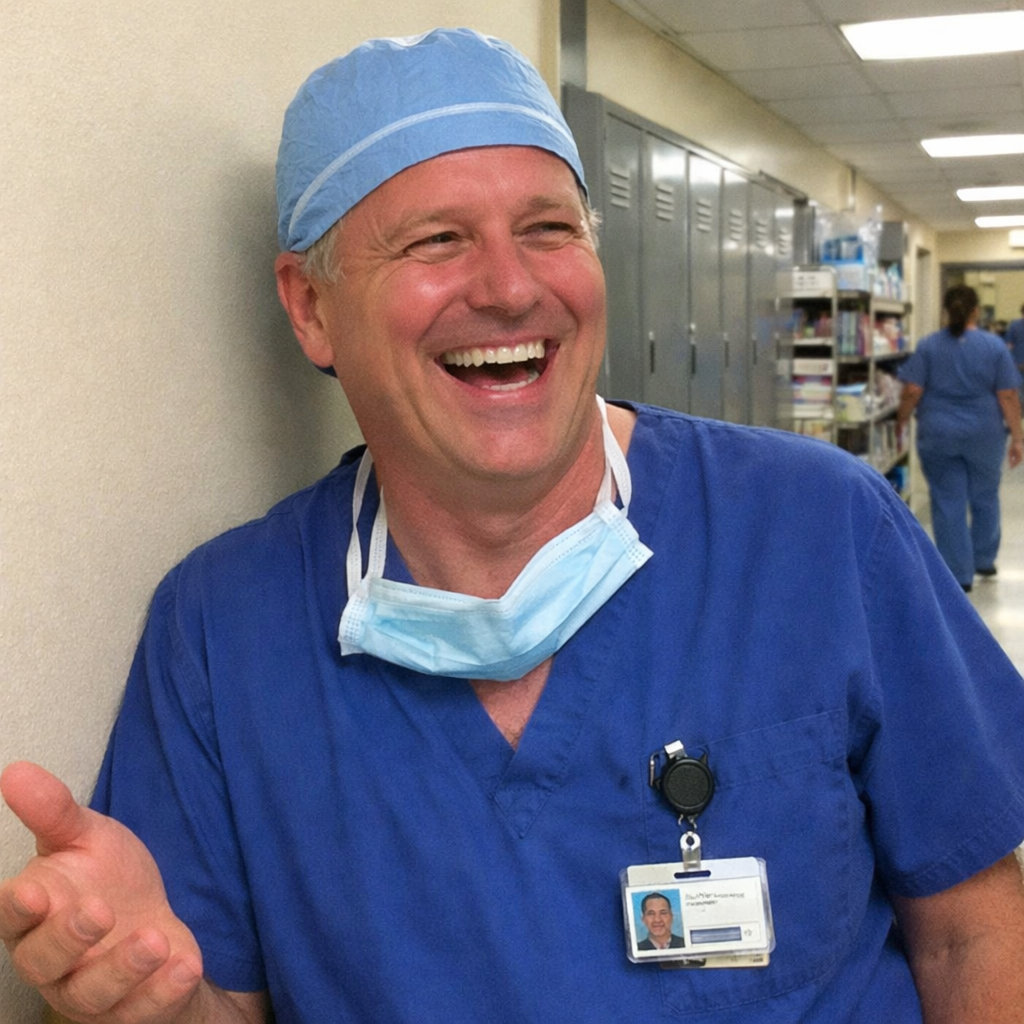
The most dangerous sign of kidney failure is not back pain. It is not swelling in your legs. Kidney failure is called the silent killer for a reason — by the time you feel anything, you have already lost 75% of your kidney function. I have spent 18 years watching people find out too late. I'm Dr. Elias Warner. I've been a nephrologist — a kidney specialist — for 18 years. I've watched blood sugar dissolve kidneys from the inside out. I've watched blood pressure grind them down. I've sat across from patients and explained what dialysis means. I've watched a grown man grip the armrests of his chair and stare at the floor when I told him his kidneys were at 26 percent. Every single one of them had missed the real warning. Not because they were not paying attention. Because nobody had told them what was actually destroying their kidneys. And by the time their labs caught up to the damage, there was very little left to save. Here are the signs most people dismiss until it is too late. Constant fatigue that sleep cannot fix. You wake up after eight hours feeling like you slept two. Your body is quietly drowning in waste your kidneys can no longer clear. Every cell is starving for clean blood and not getting it. Foamy urine. Protein leaking through damaged kidney filters into your urine. Protein belongs in your blood — it should never appear in the bowl. When you see foam, the mesh inside your kidneys has already started to tear. Shortness of breath doing things that never winded you before. Fluid building in places it should not be. A heaviness in your chest that was not there a year ago. Itchy skin with no rash, no allergy, no explanation. Toxins your kidneys should be catching are escaping through your skin because the filters that should stop them are no longer holding. Any one of these is your kidneys asking for help. Most people blame age. They blame stress. They tell their doctor they will keep an eye on it. I know what keeping an eye on it looks like from the other end. It looks like quarterly labs documenting the decline in neat little rows while the kidneys quietly fall apart between appointments. It looks like a GFR that drops two points every six months while everyone agrees to monitor the situation. It looks like the conversation I have had nine hundred times that starts with "I wish we had caught this sooner." We did catch it. We just were not looking at the right thing. I said those exact words — "we caught it early, we'll monitor it" — to nine hundred patients over eighteen years. Then I said them to my brother. Roland is three years older than me. Type 2 for twelve years. Active. Disciplined. The kind of man who built furniture in his garage on weekends — bookshelves, side tables, a rocking chair for his first grandchild. Precise work. The kind that requires steady hands and four hours on your feet. He followed every instruction I gave him because his little brother is a kidney specialist and he trusted me completely. He was on metformin. A1C sitting at 7.0. His primary care doctor added Lisinopril when his blood pressure crept up — the standard kidney-protective protocol. Everything by the book. Everything I would have recommended to any patient. I monitored his kidneys personally. Quarterly labs. Every three months, I pulled up his chart, reviewed his numbers, adjusted his medications if needed. His GFR at the first draw was 71. Mildly reduced, but stable. Nothing alarming. A year later, 63. I adjusted his Lisinopril dose. Told him we were on top of it. Roland called me on a Saturday afternoon about two years in. "I tried to get back to the garage today." His voice was flat. "Got the table saw set up. Pulled the cherry boards off the rack. Stood for about forty minutes and had to sit down on the concrete because my legs wouldn't hold." He paused. "I'm not going back out there until I can stand for four hours like I used to. It's not safe." His GFR that quarter was 53. I told him what I told every patient. We are monitoring it. We caught it early. Let's adjust the Lisinopril dose. Recheck in 90 days. At the three-year mark, I pulled up his chart and his GFR was 44. Stage 3B. The threshold where the conversation changes. Where "monitoring" becomes "preparing." I stared at the screen. I had watched that number fall from 71 to 44 in three years. Every point documented. Every appointment noted. Every medication adjusted according to the guidelines I had followed my entire career. And he was sitting across from me — my brother, in my exam room, in my department — waiting for me to tell him what to do next. The way he had trusted me to do for three years. The way nine hundred patients before him had trusted me to do. I could not say "we'll keep monitoring it" again. Not to him. Not with 44 on the screen and a man sitting on a concrete garage floor in the middle of his own unfinished work. That night I did something I had not done since residency. I sat at my kitchen table with my laptop and I went looking for what I had missed. Not what the guidelines said. Not what the textbooks recommended. What I had missed. I typed: "GFR decline despite ACE inhibitor and glucose control — mechanism." What came back changed everything I thought I understood about kidney disease. A paper in a nephrology journal I subscribe to. Cited fourteen studies I had never read. Fourteen. In a journal that arrives at my office every month. The paper was about oxidative stress in glomerular capillaries. I called Dr. Yara Haddad the next morning. She runs a renal research lab. I told her what I was seeing — the steady GFR decline despite managed glucose, despite ACE inhibitors, despite perfect protocol compliance. Told her about Roland. She was quiet for a moment. Then she said something I have never forgotten. "Elias, you've been measuring the aftermath. Not the assault." "What do you mean?" "The GFR tells you the mesh is torn. It doesn't tell you what's tearing it. And what's tearing it is not the sugar itself, and it is not the pressure itself. Let me back up. Inside each kidney you have roughly one million filtration units — glomeruli. Microscopic capillaries woven together into the finest mesh you can imagine. Their job is to pull waste from your blood while keeping protein and red blood cells where they belong." "I know what glomeruli are, Yara." "I know you do. But you were trained on the wrong model for how they fail. The damage is not mechanical. It's not blood sugar physically grinding through the filter. That's the model most nephrologists learned. Sand through a screen. Pressure wears it down." She paused. "It's chemical. Put a filter under strain — by sugar, by pressure, by the ordinary overwork of years — and it starts throwing off free radicals. The most destructive ones your body produces. Those radicals attack the capillary walls of the glomeruli. They oxidize the tissue. Corrode the mesh from the inside." Not sand through a screen. Acid dissolving the screen itself. "And it feeds on itself," she said. "Every filter that corrodes throws its share of the work onto the ones still standing. The ones still standing strain harder. Straining harder throws off more of the corrosion. More corrosion takes down more filters. Once it starts accelerating, it is very hard to slow down. That is the slope you have been documenting for three years. You have been calling it disease progression. The natural course." I thought about every patient I had ever told "we'll keep monitoring it." Every chart showing a GFR slope I had called inevitable decline. It was not the natural course. It was corrosion — and I had spent eighteen years never once looking for it. "And here's what matters for your brother," she continued. "A 7.0 A1C strains those filters less than an 8.5. Controlled pressure strains them less than uncontrolled. But less is not none. The strain is lower. The corrosion is slower. But it does not stop." I asked her about the medications. "Metformin brings the sugar down. That is real, and it matters — the sugar is one of the things straining the filter. But metformin does not neutralize a single one of those radicals." I prescribed Roland metformin myself. Twelve years ago. Told him it would protect him. "And the ACE inhibitor?" "Lisinopril turns down the pressure pushing blood through the filters. It slows the flow through the mesh. That is real protection — against the pressure. But it does nothing to the corrosion. The flow is slower. The mesh is still dissolving." Metformin easing the sugar. Lisinopril slowing the current. Both of them working on what strains the filter — and the thing the strained filter was actually throwing off, the corrosion eating Roland's mesh, had never once appeared on a chart I reviewed. Because I had never looked. Because nobody had told me to. Two-thirds of the answer is not the full answer. I asked her what neutralizes that corrosion at the level of the filter. "Betalains. The deep red-violet pigment in a specific kind of beet — one of the most powerful antioxidant classes in the entire food supply. They neutralize the exact free radicals corroding the mesh. That is the one thing neither of your brother's medications does." Then she said the part I was not expecting. "And the same beet does the other half too. It is the richest dietary source of nitrate there is. Your body converts that nitrate into nitric oxide — the signal that relaxes the blood vessels and turns the pressure down inside the filters. The exact job the Lisinopril is doing. One thing. Both halves." I sat with that. One did what the drug does — turned down the pressure. The other did the one thing the drug can't — stopped the corrosion. Both halves of the damage, in one thing. "Is there anything on kidneys specifically?" I asked. "Real numbers." "There is. A 640-patient trial. Dietary nitrate — the compound the beet delivers — against placebo, in people whose kidney function was already reduced. Kidney injury cut by about seventy percent. Major adverse kidney events cut sixty-two percent over the following year. It was not a cure for chronic kidney disease, Elias. Nobody is claiming reversal. It was protection — a real, measured shield over kidneys that were already under strain. Which is more than anyone ever offered your brother." Published. Peer-reviewed. The kind of study that should have been on my desk years ago. I ordered a beetroot supplement that week. Highly rated. Thousands of reviews. Four and a half stars. I gave it to Roland myself. He took it every day for six weeks. Did not miss a dose. He told me the first couple of weeks he thought he felt a little more energy in the afternoons. Then it faded. By week five the fatigue had settled back in and the garage was still empty. I ordered labs. GFR: 43. Essentially unchanged. Protein still spilling. The fog was the same. He was still not going to the garage. I called Roland with the results. Long pause. "So it didn't work." Not a question. I told him I was going to figure out why. He said "okay" the way people say okay when they have stopped expecting anything. I recognized that tone too. I had heard it from patients who were starting to make peace with dialysis. I closed the laptop. Opened it. Stared at the wall above the screen for a long time. The research was clear. Betalains neutralize the corrosion. Dietary nitrate protects kidneys under stress. The studies were published, peer-reviewed, replicated. This should have worked. So I asked the same question I should have asked three years earlier. Not "does beetroot work?" The research already answered that. "Why isn't THIS beetroot working?" I took the bottle to the counter and twisted one of the capsules open over a white saucer. A dull, brick-brown powder spilled out. I stopped. Betalains are deep crimson — almost violet. That color is the compound. That color is the whole medicine. If the powder is brown, the pigment is dead. It had been cooked — spray-dried at high heat somewhere before it ever reached my brother — and heat destroys both things that matter in a beet at once: the pigment and the nitrate ride out together. Then I read the label. It said, simply, "beetroot powder." No strain. That is the grocery beet — the one we have bred for sugar for over a hundred years, sweeter every decade, until the medicine was bred right out of it and what was left was candy. And the dose was buried inside a proprietary blend, a fraction of what the trial had used, hidden where nobody would check. Nowhere on the bottle, nowhere on their site, was there a certificate of analysis. No independent lab. No proof of what was actually in the capsule. I had given my brother red dust. I had given him almost nothing. The equivalent of writing a prescription for a quarter of the dose and wondering why the number would not move. And that small lift he felt those first two weeks? That part was real. Even a weak beet moves your blood a little — that is the fastest, easiest thing a beet does, and it is exactly how the cheap ones fool you. You feel a little something and you decide it is working, while the corrosion goes on untouched. The feeling was never the proof. The lab sheet is the proof. And the lab sheet had not moved. I spent three days researching every beetroot supplement on the market. I stopped grading them on stars and reviews and graded them on four things. Strain. The heirloom line, or the sugar-bred grocery beet dressed up on a label. Drying. Shade-dried and kept cool, or spray-dried at a heat that kills the pigment and the nitrate before the bottle is ever sealed. Dose. A real 1,300 milligrams you can see on the label, or a fraction hidden in a proprietary blend where they hope you never ask. Lab report. An independent certificate of analysis, published, testing an actual batch — or nothing, which means they are hiding what is not in it. I eliminated them one by one. Wrong strain. Wrong drying. Right strain but the dose hidden. Right idea but no lab report anywhere. One brand met every criterion. Rosabella. Heirloom Blutwurzel beetroot — an old seed line grown by Amish families in Lancaster County, six generations on the same fields, never crossed with the sugar beet, so it still carries close to ten times the betalains and the nitrates of anything in a grocery store. Hand-harvested after the first frost, when the plant pulls everything down into the root. Shade-dried at low temperature — never high heat — so the pigment and the nitrate reach the capsule alive. A full 1,300 milligrams per capsule, no proprietary blend. And a certificate of analysis from an independent lab, published for anyone to read. The same Lancaster County soil, incidentally, where a Penn State study found a cardiovascular death rate seventy-four percent lower than the rest of the state — and cardiovascular disease is what kills more kidney patients than anything else on earth. I ordered it for Roland that night. But before I gave it to him, I did the one thing I should have done with the first bottle. I twisted a Rosabella capsule open over the same white saucer. The powder that fell out was deep crimson. Almost violet. It looked nothing like the brown dust I had bought the first time. I let a single drop of water fall onto it and the red bled across the saucer instantly — alive, saturated, unmistakable. That was what the research was describing. That was what I had never once given my brother. He took the first two capsules with a glass of water on a Wednesday morning. About seventeen minutes later he called me. "Something's different." "What do you mean?" "I feel clear. Like someone turned the lights up. The fog I usually have by midmorning — it's not there." I told him to keep taking it. Track everything. Do not get excited yet. He kept taking it. I checked on him weekly. The fatigue that had settled over him for the past two years started lifting in the first week. The itching on his forearms and shins — the itching his dermatologist had no explanation for — faded by week three. Week five, Roland called. "I went out to the garage today." Almost casual. Like he was mentioning the weather. "Didn't build anything. Just stood there for a while. Looked at the wood." He paused. "I stood for an hour and twelve minutes. I timed it." I ordered labs at 90 days. I pulled up his chart at my kitchen table that evening. Same screen I had watched his GFR fall on for three years. I closed the laptop. Same kitchen table. Same screen. Same brother. I opened it again. Different number. First time in three years, a different number. GFR: 49. Forty-nine. Up from 44. The first time Roland's GFR had climbed in three years of quarterly labs. Three years of watching the line slope downward, adjusting medications, writing "recheck in 90 days." And for the first time — the first time — the line moved the other direction. Protein spillage: 210 milligrams. Down from 390. Creatinine: 1.6. Down from 1.9. The foam was gone. The itching had not come back. I called Roland. "Your GFR is 49." Silence. "It went up?" "It went up. You crossed out of stage 3B." I heard him exhale. A long, slow breath. The kind of breath you let out when you have been holding something for three years and you did not realize how heavy it was until it started to lift. "I'm going to finish that bookshelf," he said. I called Yara Haddad that evening. Told her about Roland's numbers. She was quiet for a moment. "Now imagine if we'd known this eighteen years ago." I have imagined it. Every day since. Since Roland, I have recommended Rosabella to fourteen patients. Every single one has come back with the same two words I had not heard in eighteen years of quarterly reviews. "It's improving." Not managed. Improving. If you have noticed foamy urine, constant fatigue, shortness of breath, or unexplained itching — do not wait for the next quarterly lab to confirm what is already happening. Your kidneys are warning you. The corrosion is happening right now. And your current medications — no matter how carefully dosed — are not designed to stop it. Try Rosabella risk-free. 90-day money-back guarantee. If your kidney markers do not move, if your protein spillage does not come down, if you feel no difference in 90 days — you pay nothing. Every penny back. Most patients who see real movement in kidney function commit to at least three months. That is how long it takes to let the corrosion slow, the mesh stabilize, and the numbers start to shift. The 90-day guarantee means those three months cost you nothing if the numbers do not move. Here is what happens when they do. Sleep improves within the first week. The fog lifts. The energy levels out. The swelling starts to settle. Somewhere in the first month, the thing you gave up because you could not stand long enough to do it starts calling you back. And at your next lab draw — the one where your doctor has been writing "continue current management, recheck in 90 days" for the past two years — she pulls up the chart. Stares at the screen. Looks at you. Back at the screen. "These numbers are improving. What did you change?" Two capsules. One glass of water. Once a day. That is the whole protocol. Roland finished that bookshelf last month. Cherry wood. First one in two years. He sent me a photo. I have it on my phone. Your kidneys have been warning you. Now you know what they have been saying. And you know what to do about it. ~ Dr. Elias Warner, MD, Nephrology, 18 years P.S. — I want to be clear about something. I am not telling anyone to stop their medications. Metformin matters. Lisinopril matters. They are managing the sugar and the pressure — the things straining the filter. That is real and necessary. What I am telling you is that nobody has been addressing the corrosion underneath — the free radicals the strained filter throws off, dissolving the mesh. Rosabella does not replace your prescriptions. It addresses the part of the problem your prescriptions were never designed to reach. I gave it to my own brother before I recommended it to a single patient. I gave him the wrong one first — red dust, brown in the capsule — and watched it fail. I found the right one and watched his GFR climb for the first time in three years. Roland is the reason I trust it. Talk to your doctor. Show them your labs at 90 days. Let the numbers do the talking. P.P.S. — You will feel something within 20 minutes of your first glass. Not the kidney benefit — that takes weeks to show up in bloodwork. But the clarity. The energy. A lift, like someone turned the lights up in a room you did not realize had gone dim. Roland felt it the first morning and called me seventeen minutes in. Almost everyone notices. That is not placebo. That is your blood moving easier — nitric oxide relaxing the vessels, oxygen finally reaching tissue that had been starving for it. And here is how you know you got the real thing: twist a capsule open. If the powder is deep crimson, almost violet, the betalains are alive. If it is brown, it was cooked before it reached you, and you are swallowing dust. P.P.P.S. — Rosabella works the same way regardless of gender. The free radicals corroding your kidney filters do not care whether you are a man or a woman. If your own GFR has been slipping, if your own labs have been trending the wrong direction, if your doctor has been writing "recheck in 90 days" while you watch yourself getting more tired every quarter — this is for you too. P.P.P.P.S. — Rosabella is a small company. They sell out. It is one heirloom seed line, grown by a handful of Amish families in Lancaster County, hand-harvested once a year after the first frost and shade-dried slowly. You cannot scale a hundred-and-fifty-year-old seed line the way you scale a commercial sugar beet — when a season's batch is gone, it is gone until the next harvest. Roland had to wait nine days for a restock after his first bottle. They have a buy 3 get 3 free offer running now — three months for you, and three for the person you have been thinking about the whole time you have been reading this. The cost of 90 days is less than most people spend on a single copay. And unlike your copay, this one comes with a money-back guarantee. If your next lab draw is in 30 to 60 days and you want to walk in with real numbers instead of another quarter of managed decline — check availability now. Roland waited three years under my care before I found the right answer. Do not wait because your doctor has not found it yet either. P.P.P.P.P.S. — Do not forget about their 90-day money-back guarantee.
Support stamina and heart health every day
LEARN MORELike this ad? Make it yours.
Crush rebuilds this exact creative around your product — your brand, your colors, your offer — in about a minute.