
Inactive· since Jul 11, 2026
- 63
- days it ran
- 0
- relaunches
Ad copy
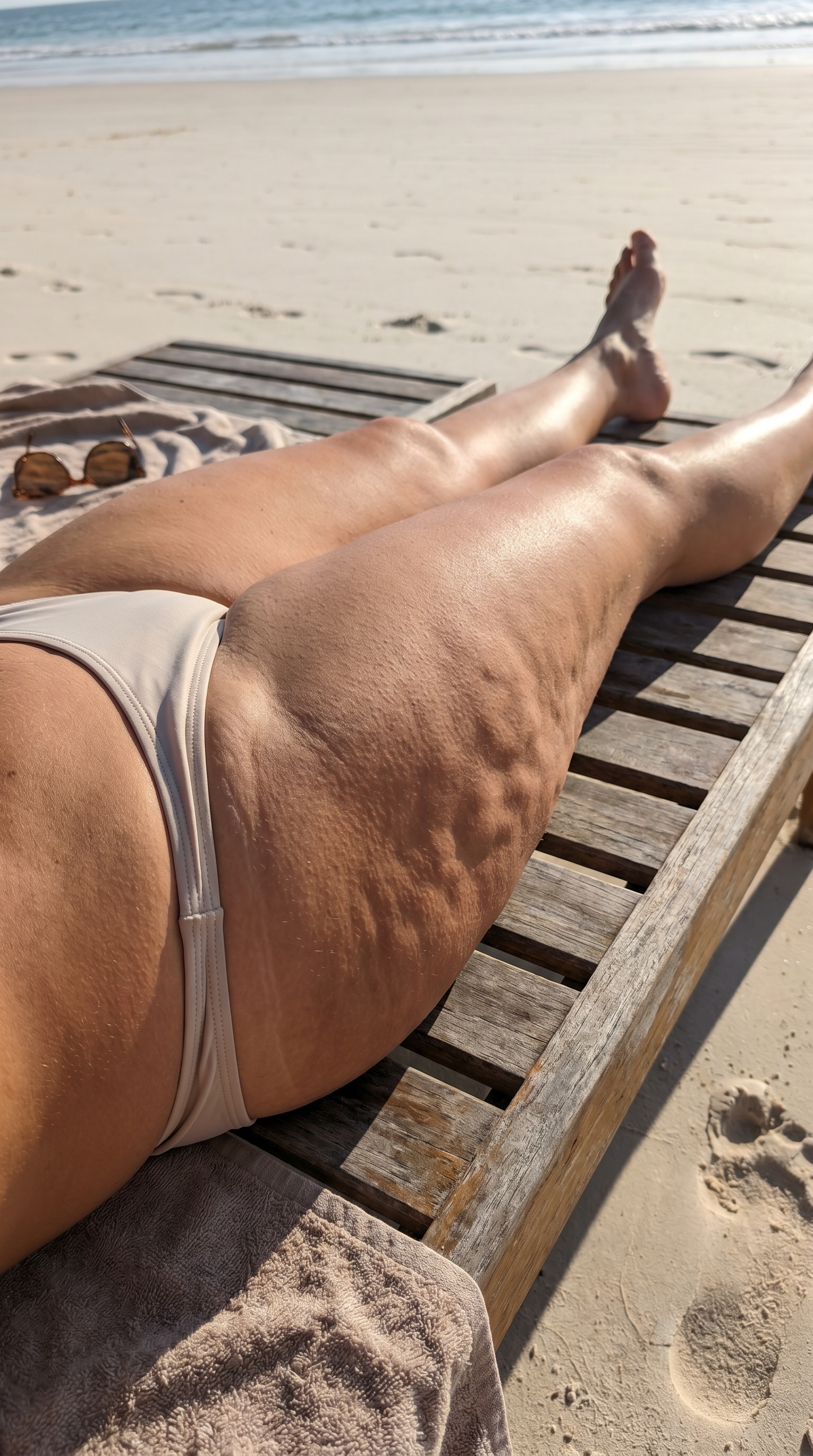
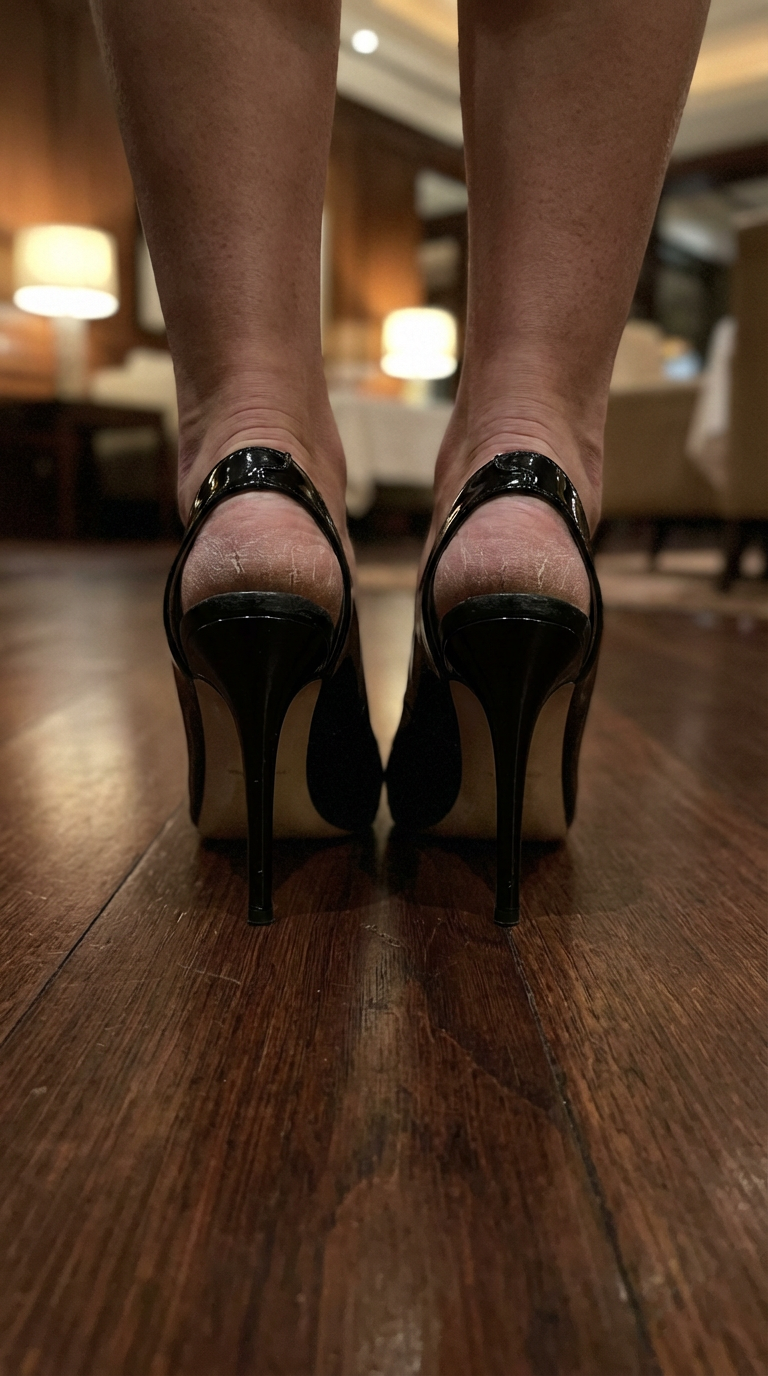
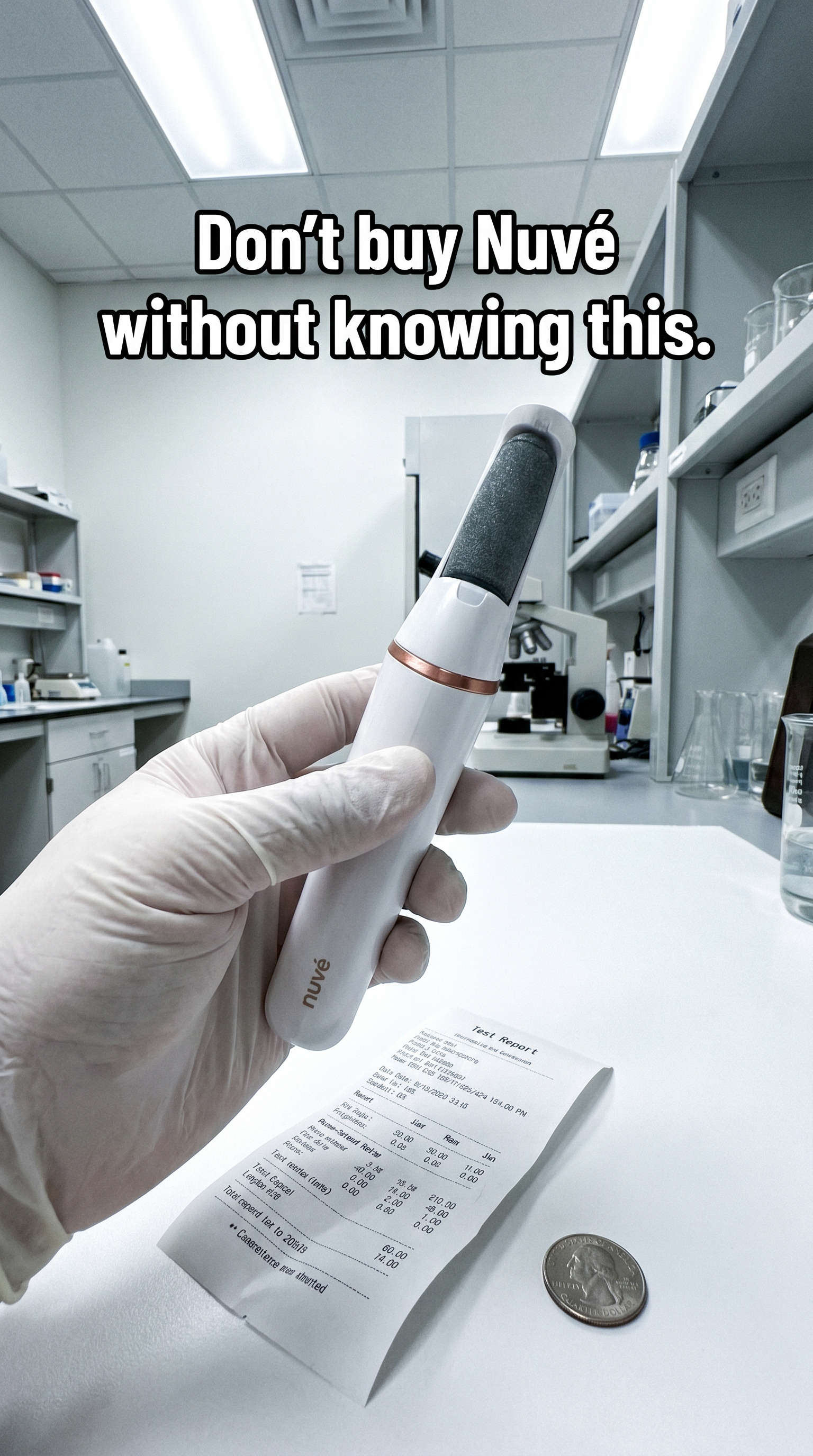
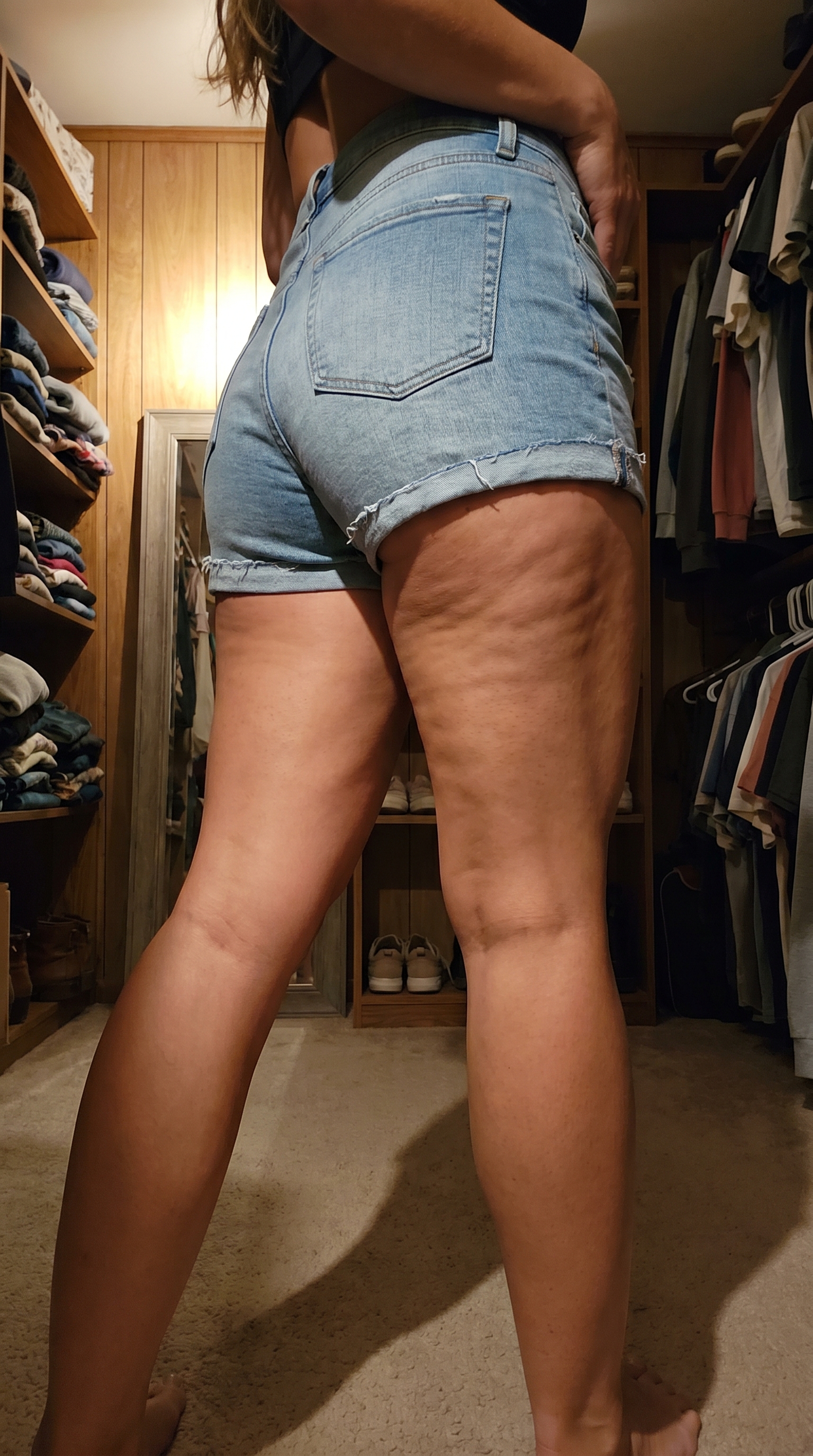
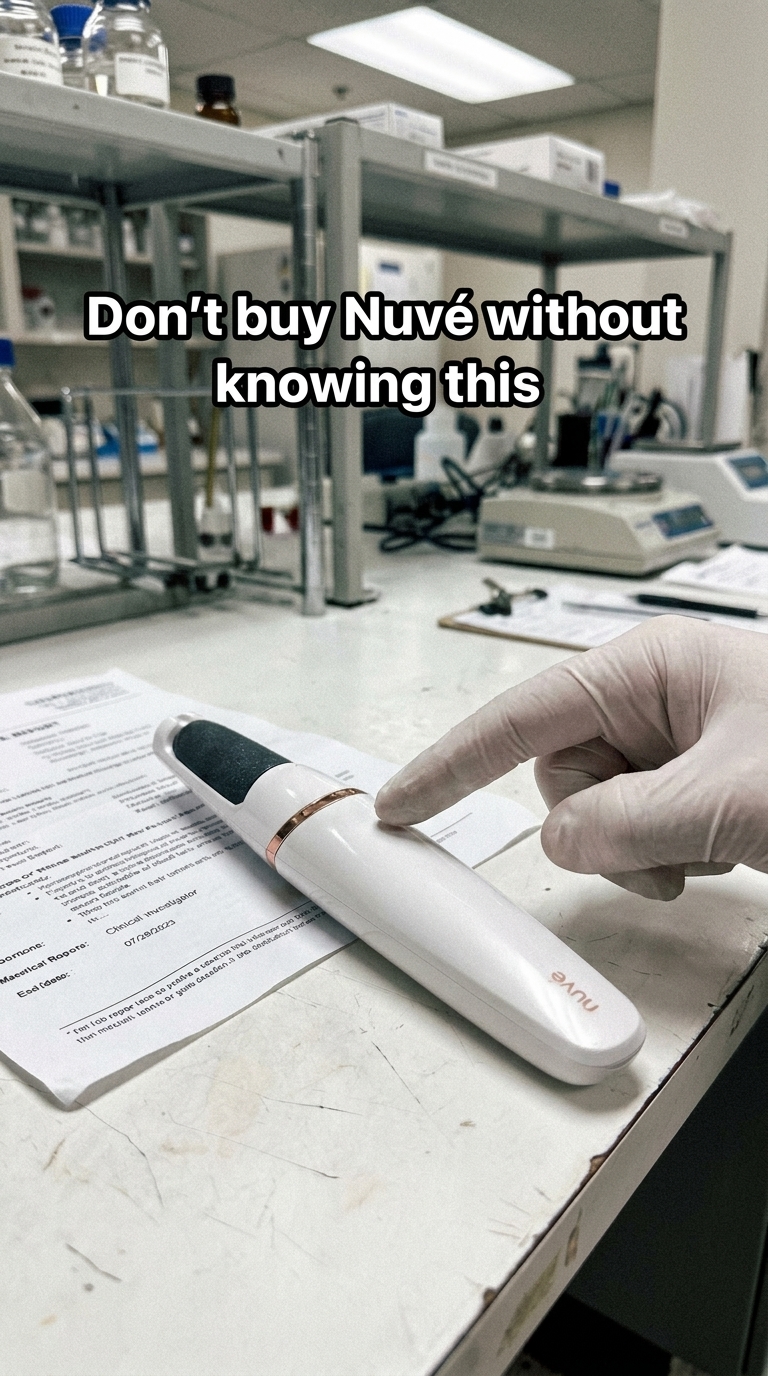
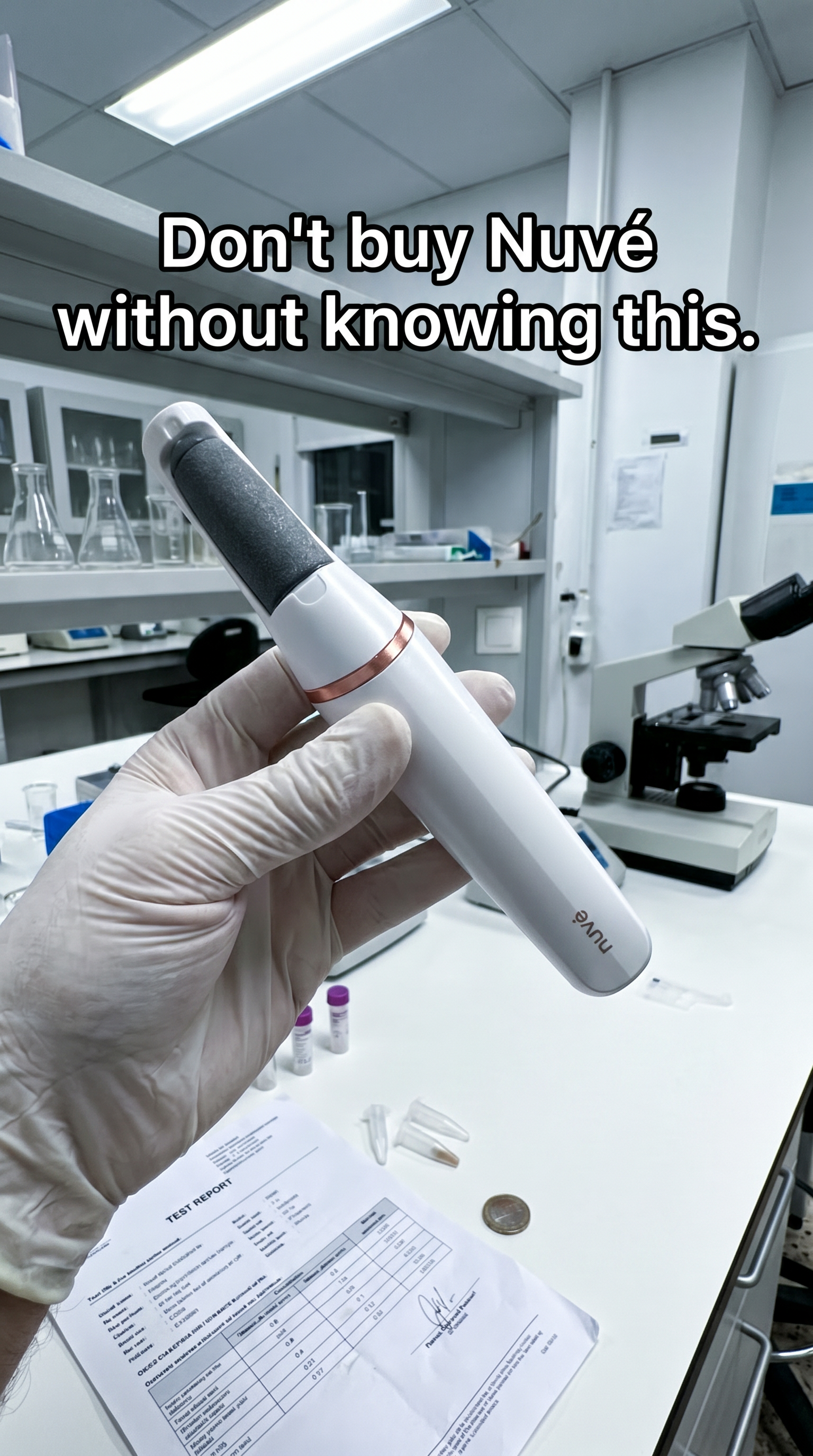
I was two seconds away from returning it. I’d had too many bad experiences trying to solve my dry heels. The box was still sealed. I hadn't even looked inside. I had just gone through the familiar arc — the hope when I ordered, the doubt by the time it arrived, the quiet certainty that this was going to be another product that joined the shelf of things that hadn't worked. I was done before I started. My name is Aubrey Hayes. I'm 43. I live in Charlotte, North Carolina. I work in events management and I spend most of my week in heels or on my feet or both. I have had cracked, calloused heels for seven years. Not mildly. The kind that split open along the outer edge after a long day. The kind that catch on the bedsheet at night and wake you up. The kind that have slowly, quietly reorganized my entire relationship with summer footwear, open-toed heels, and any situation where my feet might be visible. I had tried everything. I want to be specific about that because "I tried everything" is the kind of thing people say when they mean they tried two things. I mean I actually tried everything. O'Keeffe's Healthy Feet. Gold Bond. Kerasal. A prescription urea cream at sixty-two dollars a tube. Pumice stone every morning in the shower for six months until my arm hurt and the buildup remained. A metal foot file that went dull in two weeks — I bought four replacements over a year. Baby Foot chemical peel twice — the shedding was satisfying, the callus was back in three weeks both times. Six salon visits at sixty-five dollars each where my feet looked perfect walking out and were back to the same by Wednesday. Every single one of those things produced the same arc. Temporary improvement. Then regression. Then me standing in the bathroom wondering what I was missing. I stopped expecting anything different. That is the only way to explain what happened when I ordered the Nuvé Silk 3 Pro. I had seen it come up a few times — in a forum thread, in a comment section, mentioned by someone in a Facebook group I follow. Each time I scrolled past it. I was not interested. I had been interested before and been wrong. Then one night I was deep in a research spiral — looking for an actual explanation of why nothing I tried ever lasted — and I came across a comparison written by a former podiatrist. Twenty-four years in practice. She had written a detailed breakdown of every major callus removal method side by side. Not a review. A mechanism comparison. What each tool actually does, at the level of the skin, and why each one fails to produce lasting results. I read it for an hour. The explanation was the clearest thing I had ever read about why my seven years of effort had produced seven years of temporary improvement. The callus isn't dry skin. It's compacted skin — layers of dead cells that have been pressed down and hardened by sustained pressure, year after year, until they form something that cannot absorb anything applied on top. Every cream I'd used had been sitting on the surface of that layer. The pumice stone had been polishing the outside of it. The foot file had been shaving the top of it and going dull. The chemical peel had been stripping the surface while the cause — the daily pressure — rebuilt it within weeks. The salon had been removing it correctly, once a month, while the compaction started again immediately after. Nothing I had tried had been wrong. They had all just been working on the wrong layer. At the end of the comparison she described one consumer device that used the same rotary mechanism as professional salon tools — micro mineral rollers at 2,000 RPM — with an automatic pressure sensor that stopped the motor if you pushed too hard. She had tested it on a patient. One foot. Come back in a week. The patient came back in four days. The tested foot looked like it had come out of her treatment chair. The device was the Nuvé Silk 3 Pro. I read the reviews for another hour. Nearly 3,000 of them. 4.9 stars. They sounded like me. Specifically, precisely like me. The specific frustration. The specific list of things that had already failed. The specific shock that something finally worked. I ordered it. And then, somewhere between the order confirmation and the package arriving three days later, the familiar feeling returned. The one that comes after the hope and before the disappointment. The one that says: you have been here before. You know how this ends. I had spent over $400 on callus removal products and devices in the past two years. I had been excited about the prescription urea cream. I had been excited about the chemical peel. I had been excited about the salon, for a while, before I did the math and realized I was paying $65 for four days of results indefinitely. Every time I was excited, I was wrong. By the time the Nuvé arrived I had already moved on emotionally. It sat on the kitchen table for two days. On the third day I printed the return label. 100-day guarantee — I had 97 days left. I put the label next to the box and decided I'd return it that weekend. I didn't open it. That evening my phone rang. My friend Dana. Dana and I have been friends since college. We talk every few weeks. She is one of approximately three people I will answer the phone for without looking at who's calling first. I told her about the box on the table and the return label next to it. She went quiet for a second. "Wait," she said. "Is it the Nuvé?" It was. She had ordered the same device six weeks earlier. Her sister had used it first and called her with that specific tone — the one that says something actually happened — and Dana had ordered it the same day. "Aubrey," she said. "I need you to open the box." "Dana, I have tried so many things—" "I know. I tried all of them too. Open the box. Do it while I have you on the phone." I opened the box. She talked me through it. The coarse roller head. The dark towel on the floor. The motor — she said it would sound different from anything I'd used before, and it did. Solid. Not the thin plastic rattle of a battery device that stalls the moment it meets resistance. An actual motor built for the work. I pressed it against my heel. Dead skin came off like powder. Not the strip you get from picking at dry skin. Not the light flakes from the pumice stone. Fine white dust, drifting down onto the dark towel in an even, slow fall. The buildup that seven years of every product and tool had been working around — lifting off evenly, layer by layer, without pain, without effort, without pressure. The motor stopped once when I pressed too hard. Automatic. Pressure sensor cut out. I released it and it restarted. Dana was still on the phone. I hadn't said anything in a while. "Are you using it?" she asked. "Yes," I said. "Is the powder thing happening?" "Yes." "Keep going." Five minutes on my right foot. Five minutes on my left. I put it down and ran my thumb across my heel. I said something I won't repeat here. Smooth. Not four-days-then-regression smooth. Smooth like the inside of my forearm. Smooth like the heel had been there the whole time and seven years of buildup had simply been sitting on top of it. The thick ridge along my outer heel — the one that had been splitting open at the end of long days for three years — gone. The calloused platform on the ball of my left foot — gone. The rough, yellowed edge that caught on everything — gone. I put moisturizer on. The same O'Keeffe's that had been doing nothing for years. It absorbed. Immediately. Completely. Like it was going somewhere it had always been trying to go. "Dana," I said. "I know," she said. I picked up the return label off the counter and looked at it for a moment. Then I put it in the recycling bin. That was ten weeks ago. I use the Nuvé every Sunday evening. Five minutes per foot on the couch. Moisturizer after. Done before my tea goes cold. The cracks have not come back. Not in ten weeks. Not after long work days. Not after the event last month where I was on my feet for eleven hours. Not after the flights. Not after anything. The heels I spent seven years trying to fix are not a project anymore. They are not something I think about when I get dressed. They are not a reason I own forty-seven dollars of shoes that cover a problem I was ashamed of. They are just heels. Normal, unremarkable, soft heels that I do not think about. I almost sent the device back without ever finding out. I think about that sometimes. If Dana hadn't called that evening. If I had shipped it back on Saturday. If I had kept doing what I had always done because the hope had collapsed before I even tried. Seven more years of temporary improvement. Seven more years of regression. Seven more years of a problem I thought couldn't be fixed because I had tried everything. The device was sitting on my kitchen table. The fix was inside the box. All of it separated by a return label and a phone call. → Heels that split along the outer edge after long days and sting through the afternoon → Skin that catches on bedsheets at night and wakes you up → Seven years of cream that sat on the surface and dried off by morning → Pumice stones that worked in the shower and accomplished nothing by afternoon → Foot files that went dull in two weeks and started dragging instead of removing → Chemical peels that stripped the surface and left the same callus back within three weeks → Salon visits at sixty-five dollars that lasted four days and restarted the cycle → The specific exhaustion of having tried everything and stopped expecting anything different This is not a dryness problem. The callus is compacted dead skin — layers hardened by sustained pressure that cannot absorb anything applied on top. Cream cannot penetrate it. A pumice stone cannot reach through it. A foot file shaves the outside of it and goes dull. Chemical peels strip the surface and the cause rebuilds it. The salon removes it correctly but once a month while the compaction starts again immediately. The fix is rotary removal — the same mechanism as the professional salon tool — used at home, five minutes, once a week, before the buildup has time to compound. That is what the Nuvé Silk 3 Pro does. Micro mineral rollers at 2,000 RPM. Not a blade. Not acid. Buffing — the same removal mechanism as the clinic, in a rechargeable device with an auto-stop pressure sensor that makes it safe to use without a technician's judgment. Remove the buildup. Then moisturize. In that order. Once a week. Five minutes. That's the whole protocol. That's what seven years of effort in the wrong order looked like, and what five minutes in the right order fixes. You have 100 days to try it. Full refund if it doesn't work, no questions, no forms. But open the box first. nuvebrand.com/silk Nuvé Silk 3 Pro. Free shipping. 100-day money-back guarantee. Less than one salon visit that resets by Wednesday. Less than the cream that was moisturizing the layer it couldn't get through. Aubrey Hayes, 43, Charlotte. Seven years of trying. Ten weeks of not having to. P.S. — I called Dana the morning after and told her what happened. She said: "I know. My sister called me with exactly that voice and I still almost didn't order it." We have both since told three more people. All of them tried it. None of them returned it. The 100-day guarantee exists because Nuvé knows what happens when you actually open the box. The risk is entirely theirs. P.P.S. — I am not paid by Nuvé. I ordered this, printed a return label, left it on the counter for three days, and only tried the device because a friend called at the right moment. After seven years and over $400 in products that worked on the wrong layer, I would have paid triple. You have 100 days at no risk. Open the box before you print the label.
Like this ad? Make it yours.
Crush rebuilds this exact creative around your product — your brand, your colors, your offer — in about a minute.