
Inactive· since Jun 8, 2026
- 69
- days it ran
- 0
- relaunches
- 263
- EU reach
Ad copy
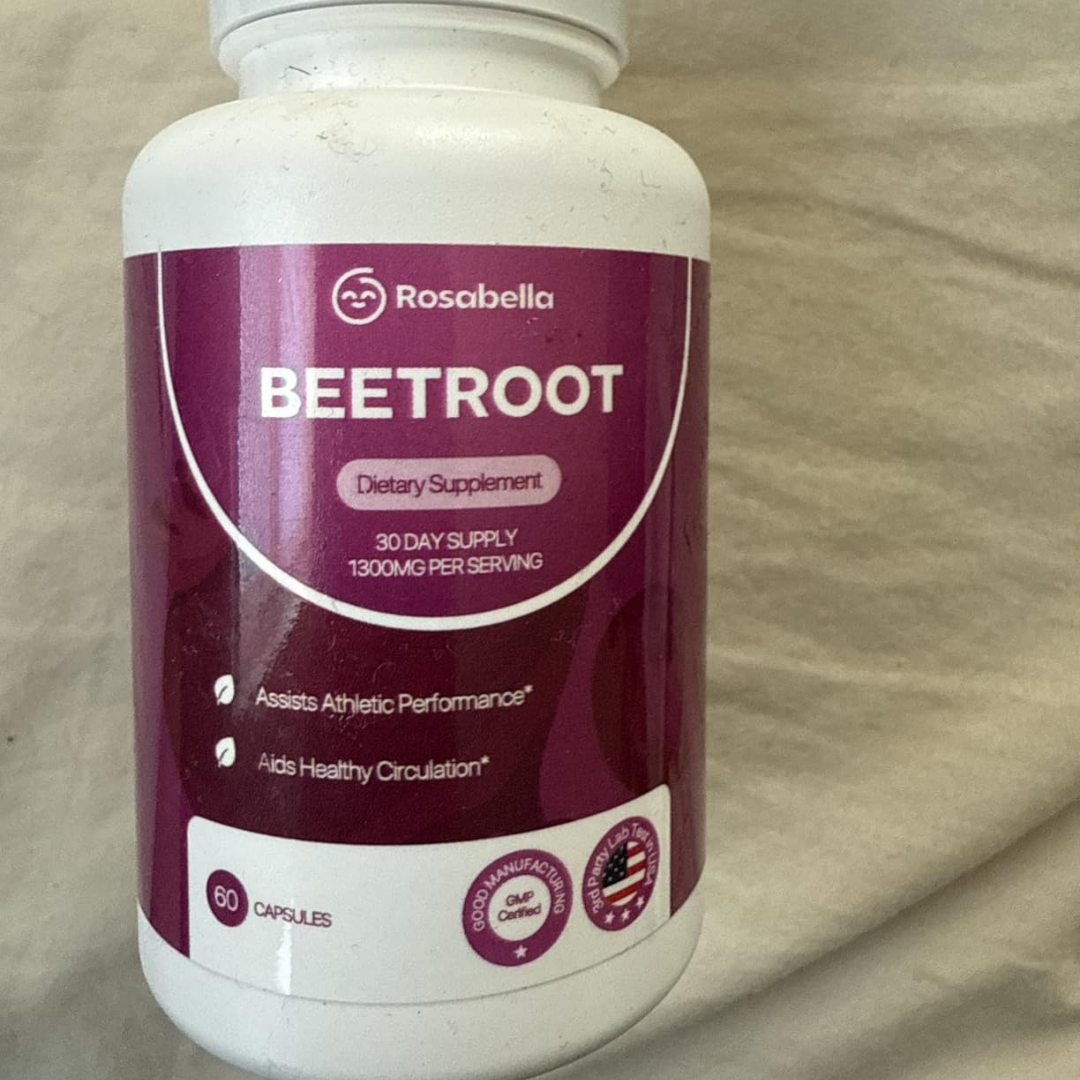
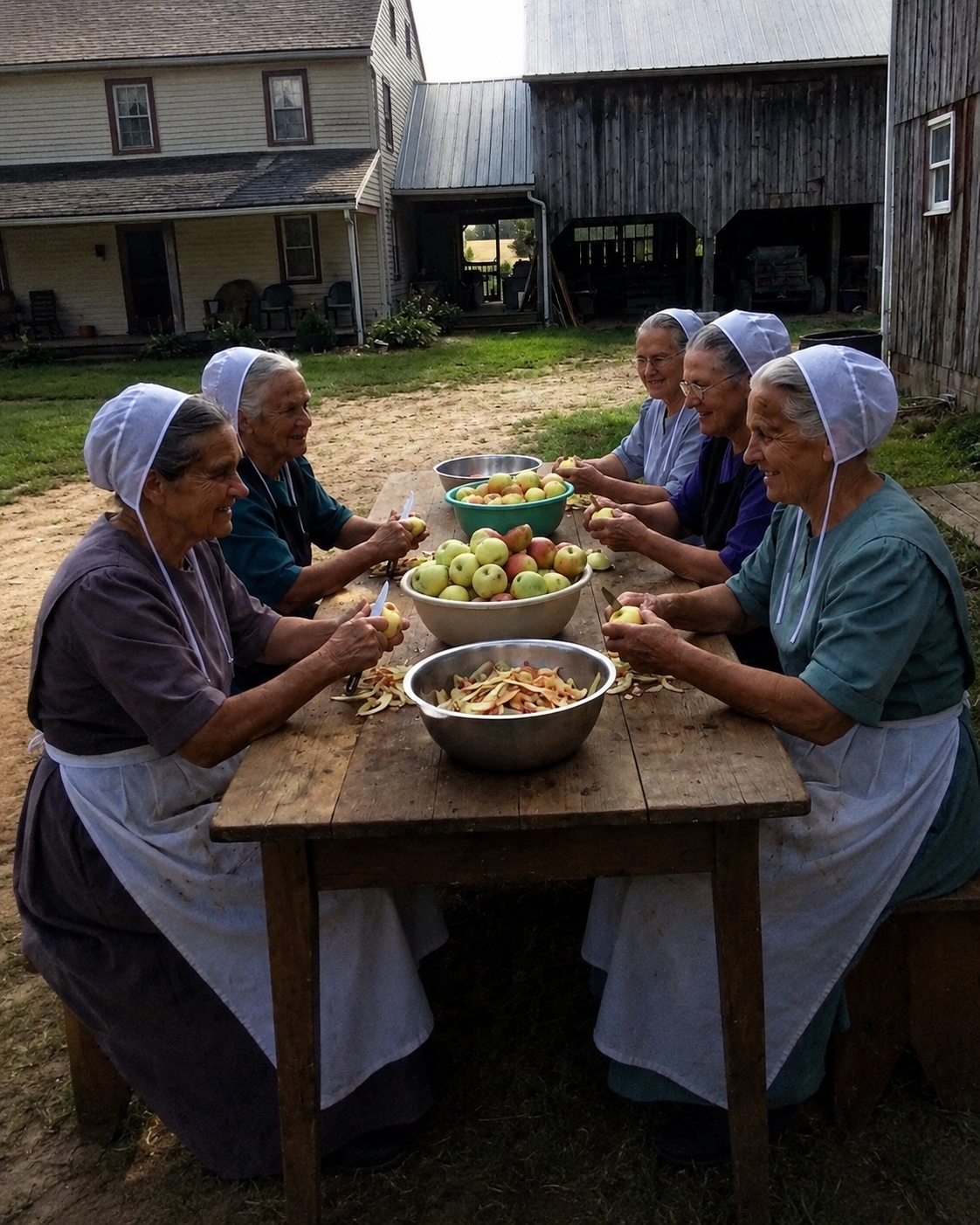
My Hairdresser of Five Years Said Something About Her Own Father at the End of My Appointment Last March. I Sat in the Parking Lot for Half an Hour After. It was a Tuesday afternoon in late March. I was at my regular four o'clock appointment with Megan at the small salon on Forty-Second Street in Des Moines. Which is the salon I have been going to for the last eight years. And where Megan has been doing my hair for the last five. The appointment had gone the way the last twenty appointments had gone. We had talked about her two cats. We had talked about my four grandchildren. We had talked about the new Italian place on Ingersoll where she and her boyfriend had had dinner the Saturday before. And we had talked, the way we sometimes did, about our husbands and fathers. Because that is what women in their sixties and women in their mid-thirties talk about when they have been sitting in the same chair on the same Tuesday for five years and have run out of small talk. I had told her, that afternoon, about Glen. About how Glen had been a little quieter on the stairs the last few months. She had not said anything in particular. She had finished my hair. I had paid at the counter and was putting my coat on by the door when she said something. She said: "Linda. Wait just a minute, if you would. I have been thinking about whether to mention something to you. I think I would like to mention it now, if you will let me." My name is Linda. I am sixty-four years old. I worked for twenty-nine years as a public-school speech therapist in the Des Moines school district. I retired three years ago. I have been married to Glen for forty-one years. Glen is sixty-six. He retired four years ago after thirty-six years as a UPS driver, most of them on the same Des Moines route. The driver who took over his route brings him a bag of pretzels on the Tuesday before Thanksgiving every year. Which is the kind of small thing that tells you what kind of man Glen has been to the people he worked with. We have two grown sons, both of them living within a hundred miles of us. And four grandchildren, three of them girls and one of them a boy. Glen is on a low-dose blood pressure medication. He has been on it for eight years. His doctor — Dr. Brooks, a careful, deliberate man we have both been seeing for the better part of eleven years — tells him at every quarterly check that his numbers are in the ranges Dr. Brooks wants them in. Glen walks the loop in our neighborhood with me most mornings. He eats the way a man with his numbers should eat. Which is to say less than he would prefer. And more vegetables than he would choose. He is, by every measure on Dr. Brooks's chart, a sixty-six-year-old man on a sensible medication that has been doing the work it is supposed to be doing. That is the part I want you to hold while you read this. The other part I want you to hold is what I had been watching for the last year and a half. Glen's numbers had been fine. Glen had been getting slower. The two things are not the same thing. I know that now, after twenty months of watching it happen quietly to a man I have been married to for forty-one years. I am going to try to describe it. Glen had stopped going up the basement stairs the way he used to go up the basement stairs. We have a finished basement where Glen's workshop is. He goes down twice a week to work on small woodworking projects — bird feeders, a step stool for our granddaughter, picture frames for our daughter-in-law. For about a year and a half, Glen had been pausing at the top of the basement stairs when he came up. Not sitting down. Just pausing. Holding the railing. Catching his breath for ten seconds. Then walking into the kitchen for a glass of water. He had not been doing that two years ago. Glen had also been getting damp at the temples on our morning walks. We walk a small loop in our neighborhood. Three quarters of a mile. In the year and a half before that Tuesday at the salon, Glen had been getting damp at the temples by the time we got back to our driveway. Not sweat. Just damp. In our first thirty-eight years of marriage, Glen had walked three-quarter-mile loops with me without getting damp at the temples in any weather short of August in Iowa. And Glen had started taking an extra minute on his afternoon nap. He had been taking the same fifteen-minute nap on the couch after lunch for thirty years. I knew the fifteen minutes the way you know the rhythms of a man you have been married to for half your life. The nap had been forty minutes. Then it had been an hour. By the Tuesday at the salon, it had been an hour and twenty minutes some afternoons. And Glen had been telling me he just wanted to make sure he was rested before doing whatever was next. I had not told Glen any of what I was watching. I had not told Dr. Brooks any of what I was watching, because Glen's quarterly checks had been fine. I had told Megan, that Tuesday afternoon in the chair, about the basement stairs. Not as a complaint. Just as the kind of thing you mention to a woman who has been doing your hair for five years and who has, somehow, become a person you tell things to. She had not said anything when I told her. She had cut, and she had blown dry, and she had listened. And then I had been putting my coat on by the door and she had asked me to wait. I went back into the salon. The shop was empty by then — I was Megan's last appointment of the day. The other stylists had already left. Megan was wiping down her station. She sat down in the empty chair next to her station. She motioned for me to sit down in the chair across from her. She said: "Linda. I want to be careful about this, because I am not a doctor, and I am not the right person to tell you anything about your husband's body. I have been thinking, for about six months, about whether to mention something to you. I have been waiting to mention it until you said something specific. I think the basement stairs were specific enough that I should say something now. I hope you will not be offended." She looked at me. She said: "I have been doing my own research about something, on and off, for about a year. The research is about my dad. My dad is sixty-five. He has been on a blood pressure medication for the last six years. His numbers are in the range his doctor wants them in. But for about two years now, he has been having the same kind of small slow afternoons my mom has been mentioning to me on the phone." She paused. She said: "I have not given my dad anything yet. I have only been researching. I want to be very clear that I am not telling you about something I have given anyone, or about something that has done anything to anyone. I am telling you about research I have been doing that you might want to do too." She got up. She got a small spiral notebook from her station drawer. She came back and sat down. She said: "Here is what I have been reading. I am going to tell you the careful language the careful research community uses, because the careful language is the only language I will use for anything I might put in a person's body. The careful language is structure-function language. It is the language about supporting what the body is already trying to do. It is not the language about fixing or treating or curing." She opened the notebook. She said: "There is a family of pigments called betalains. They are in beetroot — the deep red kind. They are one of the more potent antioxidants in the food supply. The careful research community has been studying them for decades. In the context of supporting healthy circulation. Supporting cardiovascular wellness. And supporting the body's natural antioxidant balance. In people whose numbers are already in the range their doctors want them in." She looked at me. She said: "I am telling you what the research community has been saying. I am not telling you what beetroot does. I am not in a position to tell you what beetroot does. I have not given it to my dad. I would not give it to my dad without his doctor's blessing and without his pharmacist's blessing, and I have not gotten either yet. I am still reading." She wrote a brand name on a small page of the notebook. She tore the page out. She handed it to me across the empty salon. The page read: Rosabella. 1,300 mg organic beetroot per serving. Cold-pressed at low temperatures. Two capsules with water in the morning. She said: "Linda. I have been reading carefully about this small company for a year. They are the brand the careful research community keeps mentioning, because they cold-press the beetroot at low temperatures instead of using the hot processing methods most companies use. The red pigment is heat-sensitive — that is just the chemistry of the molecule. The slow processing keeps more of what the body uses. The small company is doing it slowly even though no one is making them. That is the part that has kept me reading." She put the notebook back in her drawer. She said: "Please do not do anything with this paper until you have called Glen's pharmacist. Glen is on a blood pressure medication. I would not, if I were you, add anything to that medication without checking first whether the addition is sensible. Glen's pharmacist will tell you in two minutes whether it is. The pharmacist who fills your prescriptions is the only person who should tell you that, because the pharmacist who fills your prescriptions is the only person who has Glen's chart in front of her." She walked me to the door. She said: "I am going to do the same thing for my dad, after I have done a little more reading. I would not have said anything to you tonight if you had not said what you said about the basement stairs. The basement stairs are the same thing my mom has been telling me my dad has been doing for almost two years." I sat in my car in the salon parking lot for half an hour. I do not know exactly what I was doing during that half hour. I was looking at the piece of notebook paper. I was thinking about Glen at the top of the basement stairs. I was thinking about Megan, who had been sitting in a chair next to a chair while she said the thing she said. The way a young woman sits when she is about to say something kind to an older woman she does not want to embarrass. I was thinking about her father. I was thinking about my own father, who had spent his sixties on the same kind of slow careful walk Glen had been on. And about the way some men in their sixties get slower in their bodies, in fine shape on paper, in marriages that look fine from the outside. I drove home eventually. I did not tell Glen about Megan that night. I put the piece of notebook paper in my dresser drawer and went to bed. I want to be clear about something before I tell you what I did next. I am not a doctor. I am not a nurse. I do not have any medical expertise of any kind. I am a retired public-school speech therapist from Des Moines, Iowa. I am a wife and a mother and a grandmother. I am sixty-four. What follows is one careful woman's experience after one Tuesday afternoon in a hair salon. Nothing more. I read for almost three weeks before I did anything. I am a careful reader by temperament and by training. Twenty-nine years of working with children whose speech was not arriving the way speech is supposed to arrive teaches you to pay attention to the slow careful work the body does. And to be suspicious of any claim that promises faster than the slow careful work allows. What I read confirmed the shape of what Megan had told me in the salon. The active compound in beetroot is a family of pigments called betalains. They are one of the more potent antioxidants in the food supply. The careful research community I found has been studying them for decades. In the context of supporting healthy circulation. Supporting cardiovascular wellness. Supporting the body's natural antioxidant balance. In men whose numbers are already in the range their doctors want them in. Not "fixes." Not "treats." Not "reverses." Just supports. I read about the chemistry of the betalain pigment, which is heat-sensitive. The pigment breaks down under the high temperatures that conventional processing uses, which is the cheaper and faster way to make a beetroot powder. Rosabella cold-presses at low temperatures. It costs them more. It takes longer. They do it anyway, because more of the active compound survives the processing. After twenty-nine years of watching small careful institutions make small careful decisions when no one was watching them, I have come to believe that the way an organization handles the slow expensive parts of its work tells you everything about whether the work is real. The other thing I liked was the simplicity. Two capsules in the morning with a glass of water. That is the entire protocol. Now I want to tell you the most important part of this letter. Before I added anything to what Glen was already taking, I made two phone calls. Glen is on a low-dose blood pressure medication. He has been on it for eight years. I would not add anything to that medication without checking first whether the addition was sensible. I am a retired speech therapist. I am not qualified to determine that. I called Glen's pharmacist on a Thursday morning. We have been filling his prescription at the same independent pharmacy on Grand Avenue for the better part of fifteen years. I gave the pharmacist on duty the brand name and the dosage and Glen's current prescription information. She pulled up his profile. She told me she had no concerns about the addition at the dosage on the label, given Glen's specific medication and dose. She told me to have Glen take the capsules in the morning with his coffee, alongside his blood pressure pill, the way the bottle suggested. I called Dr. Brooks's office that afternoon. I left a message with the nurse with the same information. She called me back the next morning to tell me Dr. Brooks had no concerns and to mention it at Glen's next quarterly visit. Both calls together took me less than ten minutes. I want to say something now, plainly, to every wife reading this letter whose husband is on a cardiovascular medication. Please make the calls before you add anything new. I called Glen's pharmacist. I called Dr. Brooks's office. Those two phone calls are the most important ten minutes of your engagement with any supplement. The people who know what's on his chart will tell you in two sentences whether the addition is sensible for him. I am a retired speech therapist. I am not the person to ask. His pharmacist and his doctor are. I told Glen that night. I told him about Megan. About the basement stairs. About the half hour in the parking lot. About the piece of notebook paper in my dresser drawer. I told him I had read for three weeks. I had called his pharmacist. I had called Dr. Brooks. I told him I wanted him to try it. He looked at me across our kitchen table the way a man looks at his wife of forty-one years when he understands that something is being asked of him that he is not going to refuse. He said: "Linda. If you have done the calling, I will do the taking." In the morning I set two capsules on the saucer next to his coffee. He took them with his first sip. He started on a Monday in mid-April. The first two weeks he felt nothing in particular. I had read enough, by then, to know not to expect anything dramatic. A supplement is not a drug. It does not switch on the way a drug switches on. It is something the body uses, slowly, in the work the body is already doing. I kept paying attention. What I noticed, I noticed in two specific places. The first one was the basement stairs. It was a Saturday morning in early June, about seven weeks after Glen had started. Glen had been in his workshop for an hour. I was in the kitchen when I heard him come up the stairs. He walked up the stairs. He came into the kitchen. He poured himself a glass of water. He did not pause at the top of the stairs to catch his breath. He did not hold the railing for ten seconds. He just walked up. I was at the kitchen counter cutting strawberries. I did not say anything. He kissed me on the cheek and went out to the porch to drink his water in the morning sun. I stood at the counter and I cut the rest of the strawberries. I let myself notice it. I did not say anything to him about it that day. The second place I noticed was the morning walk. It was about three weeks after the strawberry morning. Glen and I had finished our three-quarter-mile loop. We had walked back into our driveway. Glen had stopped at the mailbox to get the morning paper. He had stood at the mailbox for a moment, reading the front page. His temples were dry. He was sixty-six years old, on a Tuesday morning in late June, in our driveway in Des Moines, on a morning that had been warm enough at the start of the loop that I had taken off my cardigan halfway through. His temples were dry. I went inside and I started the coffee. I let myself notice that too. I want to be careful with what I am saying here. I am not telling you that Rosabella walked Glen up the basement stairs or dried Glen's temples. I had been doing things since the salon too. I had been paying attention to Glen in a way I had not been paying attention to him for a year and a half. I had been asking him, in the evenings, how the day had felt in his body. I had been making space at the dinner table for him to tell me, which he sometimes did and sometimes did not. Something had unlocked in me at the salon on the Tuesday afternoon in March that had nothing to do with a capsule on a saucer. There were several things changing at once, the way there are when a wife finally listens to a thirty-five-year-old hairdresser in an empty salon say something gentle about her own father. What I can tell you is that we added one small thing to a list of small things we were newly doing — alongside the blood pressure medication Dr. Brooks has Glen on, which we did not change. We kept everything else exactly the same. And the months that followed were qualitatively different from the eighteen months that preceded them. We saw Dr. Brooks for Glen's quarterly check in July. He took Glen's blood pressure twice, the way he always does. He reviewed the chart. He looked at Glen. He said: "Glen, your numbers are in the same good place they've been in for years. Stay on the medication. Stay on the walks. Whatever else has been going on, I am glad to see it. You look better today than you have looked at our last few visits." Glen told him about the salon. About Megan. About the basement stairs and the morning walks. About the beetroot. Dr. Brooks nodded. He said: "The research on antioxidant support for cardiovascular wellness is well-established. That was a sensible thing to add at your dose. Keep doing what you're doing. I will see you in October." He did not change Glen's blood pressure medication. He did not change anything else. We went back to the salon the next Tuesday. I told Megan about the strawberries and the morning walk. I told her Glen was on the supplement and that Dr. Brooks had no concerns. I told her she should take her time deciding what to do for her father, but that I had wanted her to know what had happened in our house in the four months since she had given me the piece of notebook paper. She did not cry, but her eyes filled a little. She said: "Linda. I am so glad. I have not given my dad anything yet. I am still reading. But I have been thinking about him every time I have been thinking about you, and I have been thinking about you a lot." She finished my hair. We hugged at the front desk. She gave me a discount I had not asked for. I am telling you all of this because I think you might be a wife where I was on the Tuesday afternoon in the parking lot last March. In a quiet year and a half. Watching your husband on a cardiovascular medication that is doing its work, in a body that is doing the slow daily math of being sixty-five or sixty-six or sixty-seven, in small ways you have not been telling anyone about because there is nothing to tell that the chart would show. The basement stairs. The damp temples. The longer afternoon nap. If that has been your year and a half, I want to say a few things plainly. I am not telling you that beetroot will do for your husband what something has done for Glen. I don't know Glen's body and I don't know your husband's body, and bodies are different. Some men notice something within the first month of adding something like this. Some men take much longer. Some men don't notice much at all. What I am telling you is that there is a careful, slow, structure-function corner of the research conversation that talks about beetroot in the language I had been waiting for. Not fixes. Not treats. Just supports. In healthy circulation. In cardiovascular wellness. In the body's natural antioxidant balance. In men whose numbers are already in the range their doctors want them in. If that shape of language interests you for your husband, please make the call before you add anything. Call his pharmacist. Call his doctor's office. If he is on any cardiovascular medication — a blood pressure medication, a cholesterol medication, anything at all — those two phone calls are the most important ten minutes of your engagement with anything you put into his routine. The brand Megan wrote on a piece of notebook paper, and the brand we use now, is Rosabella. 1,300 milligrams of organic beetroot per serving. Cold-pressed at low temperatures. Grown by a small farming community in Lancaster County. Two capsules with a glass of water in the morning, alongside whatever else he is already taking. It is not a fix for anything. It is not a substitute for a blood pressure medication or any other prescription. It is not a treatment for the small daily math a body in its sixties does on its own. It is one small thing some wives add to the long list of things their husbands are already doing for themselves, alongside everything else. P.S. Rosabella has a ninety-day satisfaction guarantee. Any reason at all. If you tried it for your husband and you are not satisfied, you are not satisfied. They refund you. That is the whole policy. P.P.S. They're a small operation working with a farming community in Lancaster County. The cold-pressing process takes longer than the conventional methods, so they sometimes run out between harvests. I keep an extra bottle in our cupboard now. We learned to stay one bottle ahead. P.P.P.S. Megan started her father on Rosabella about three months after she gave me the piece of notebook paper. She did what she had said she would do. She read a little more. She called her father's pharmacist. She called her father's doctor's office. She made sure it was sensible to add at the dose on the label. She has not told me what she has watched in her father since. I have not asked her. We sit in her chair every Tuesday and we talk about the cats and the grandchildren and the new place on Ingersoll. Megan's face has been her face, on the Tuesdays since. I do not know how her father is doing, and I have decided that not asking her is part of how a woman who has been kind to me deserves to be left alone. That is all I have, and all I want to have, on the subject. https://track.tryrosabella.com/cdc16426-3e48-40a7-9fad-21098084f6cf DISCLAIMER Individual experiences vary. These statements have not been evaluated by the FDA. This product is not intended to diagnose, treat, cure, or prevent any disease.
Support stamina and heart health every day
LEARN MORELike this ad? Make it yours.
Crush rebuilds this exact creative around your product — your brand, your colors, your offer — in about a minute.