
Active· since Jun 27, 2026
- 79
- days running
- 6
- relaunches
Ad copy
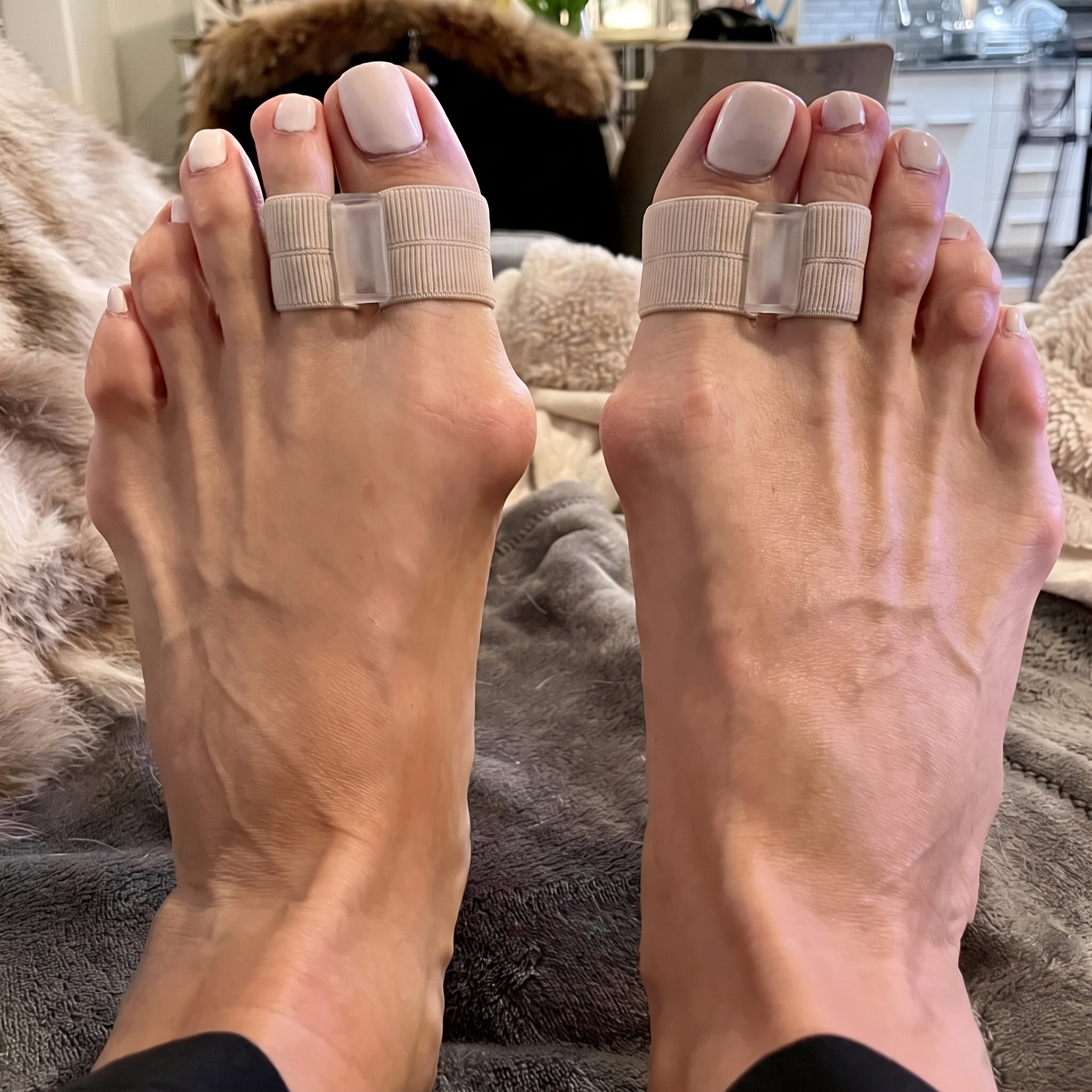
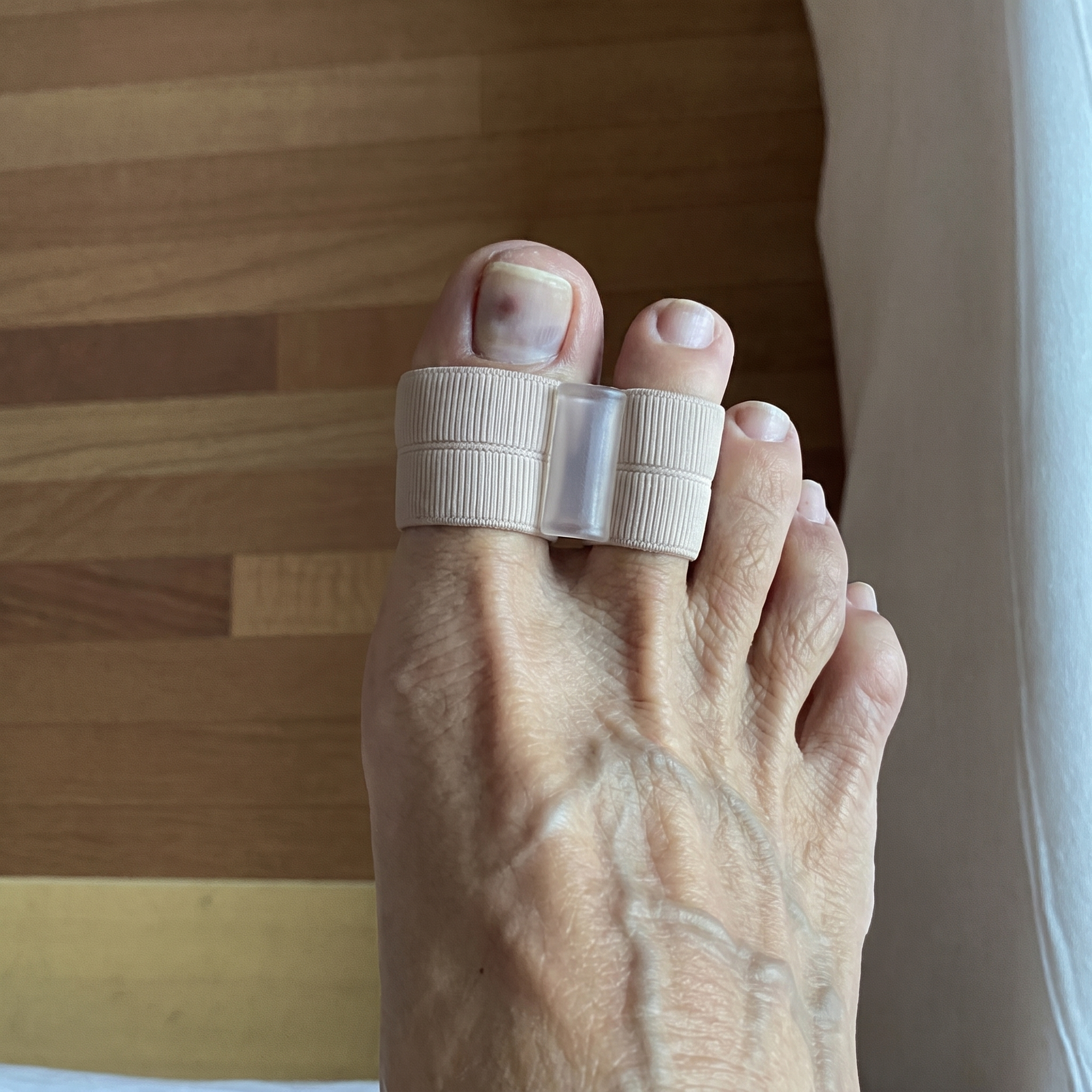
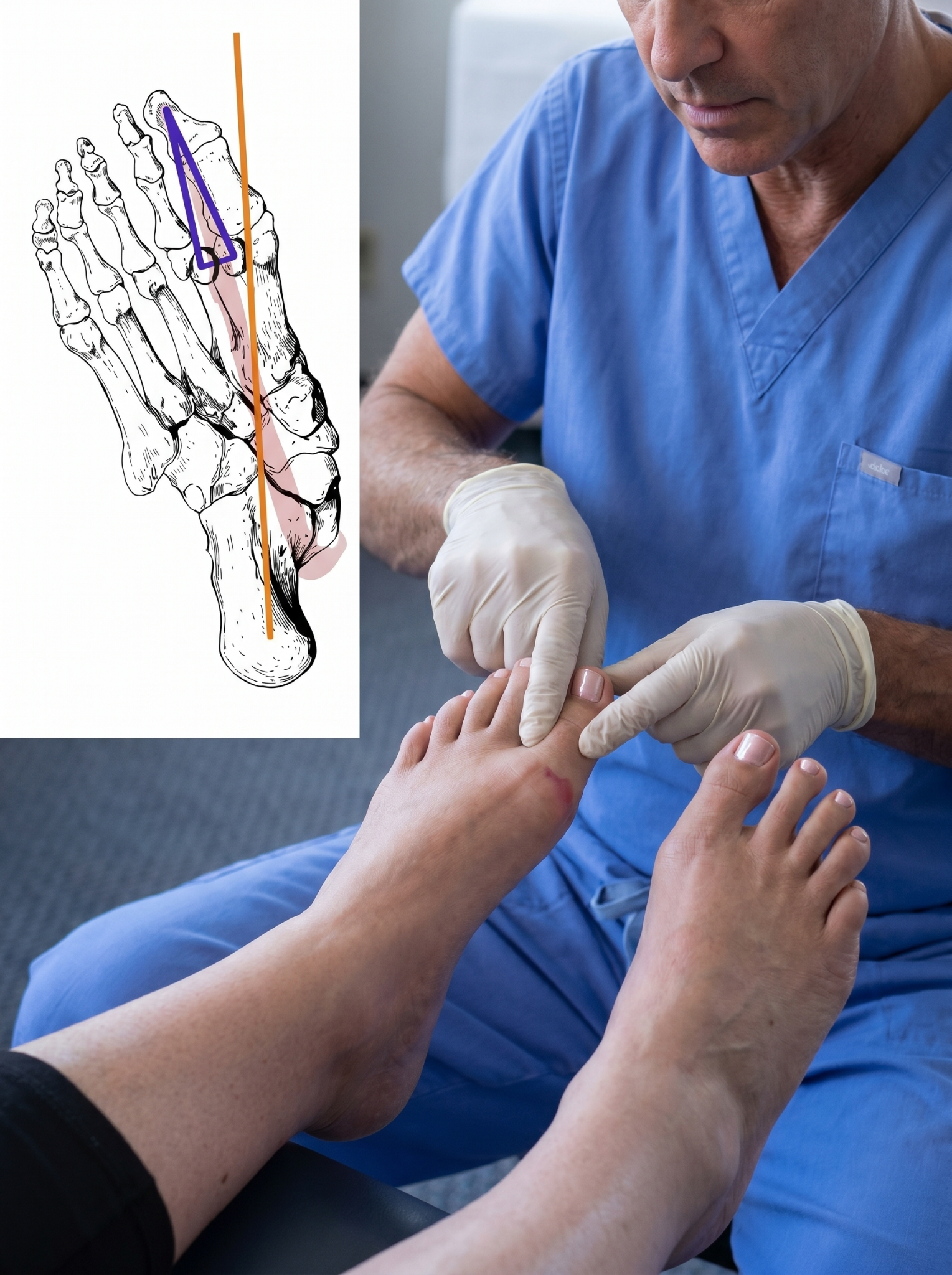
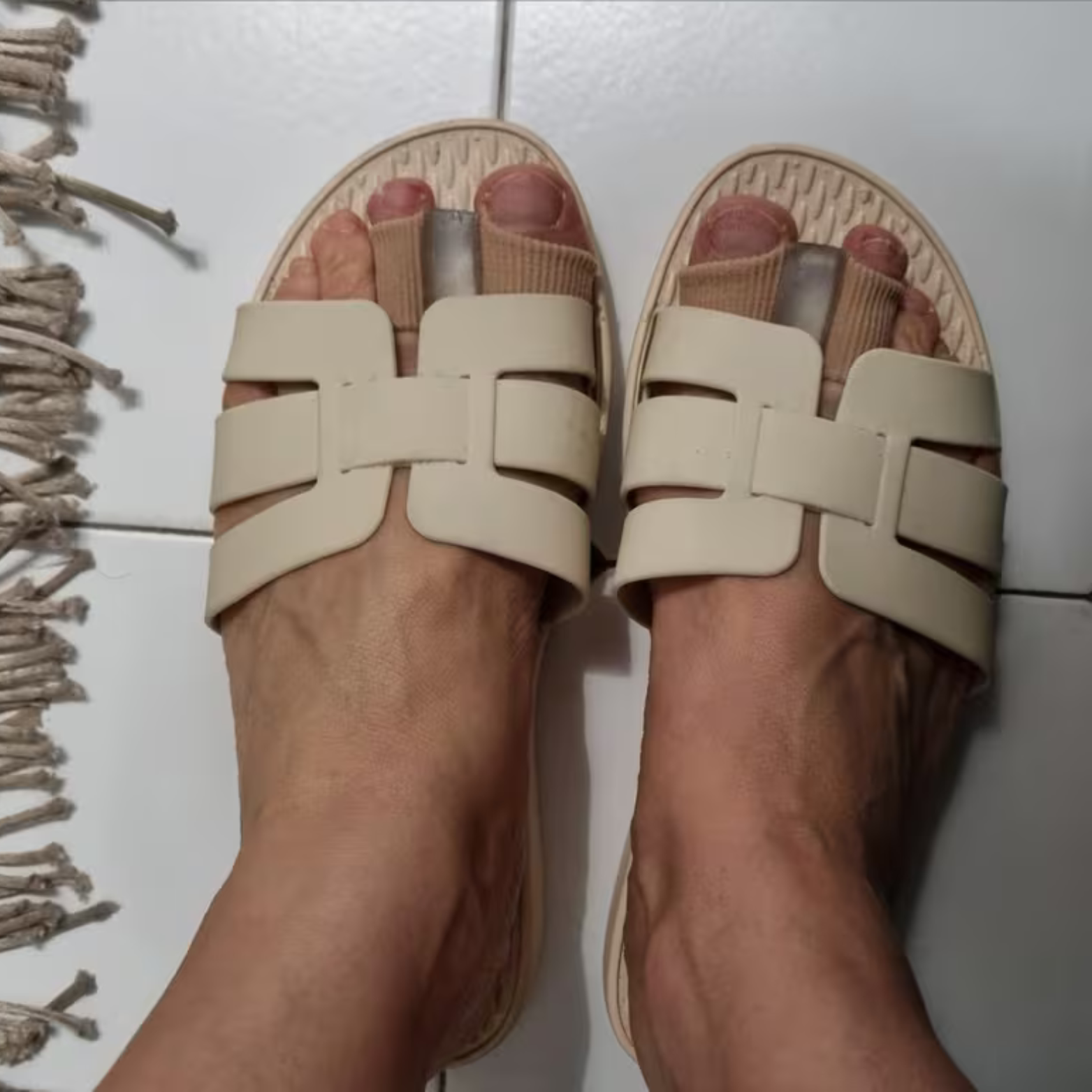
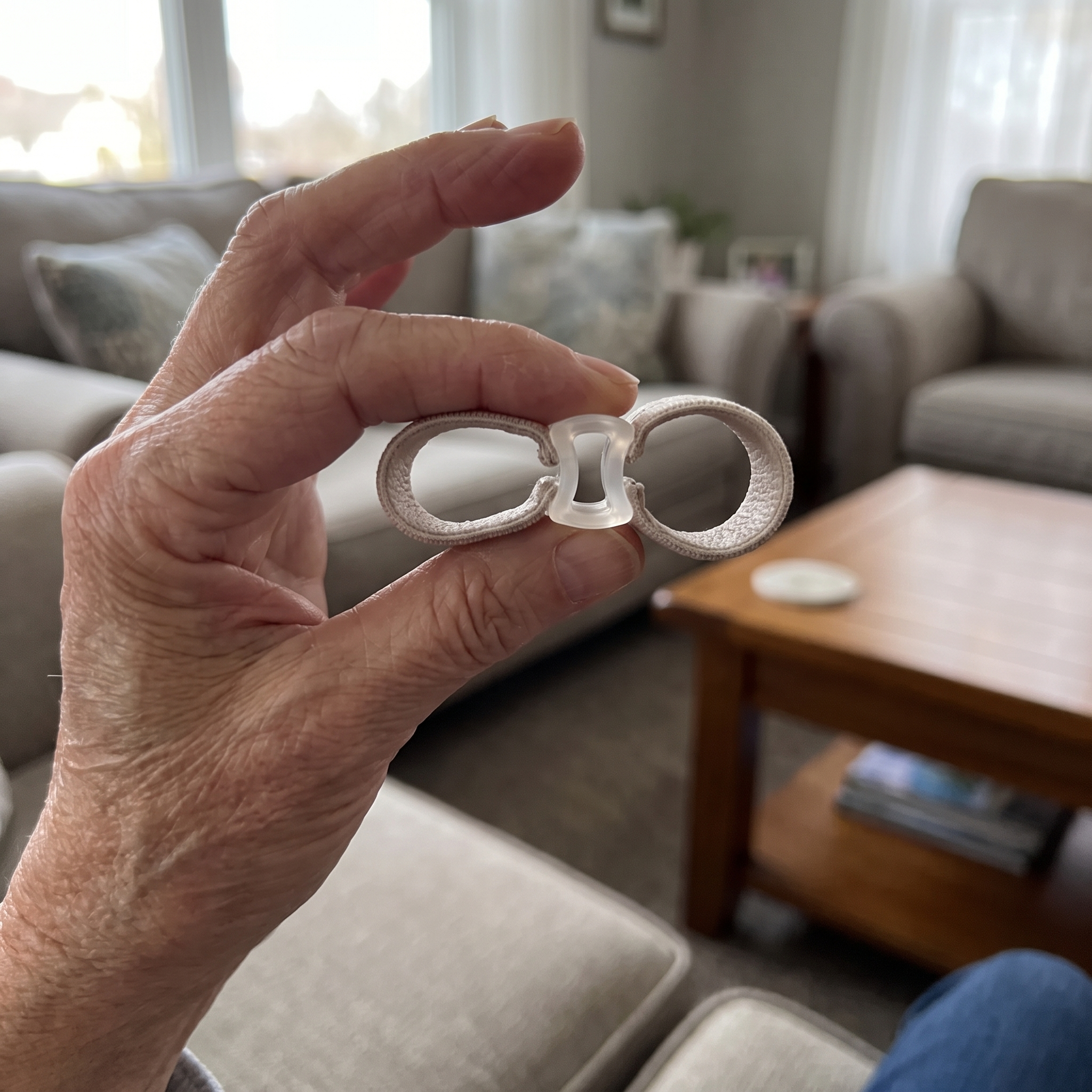
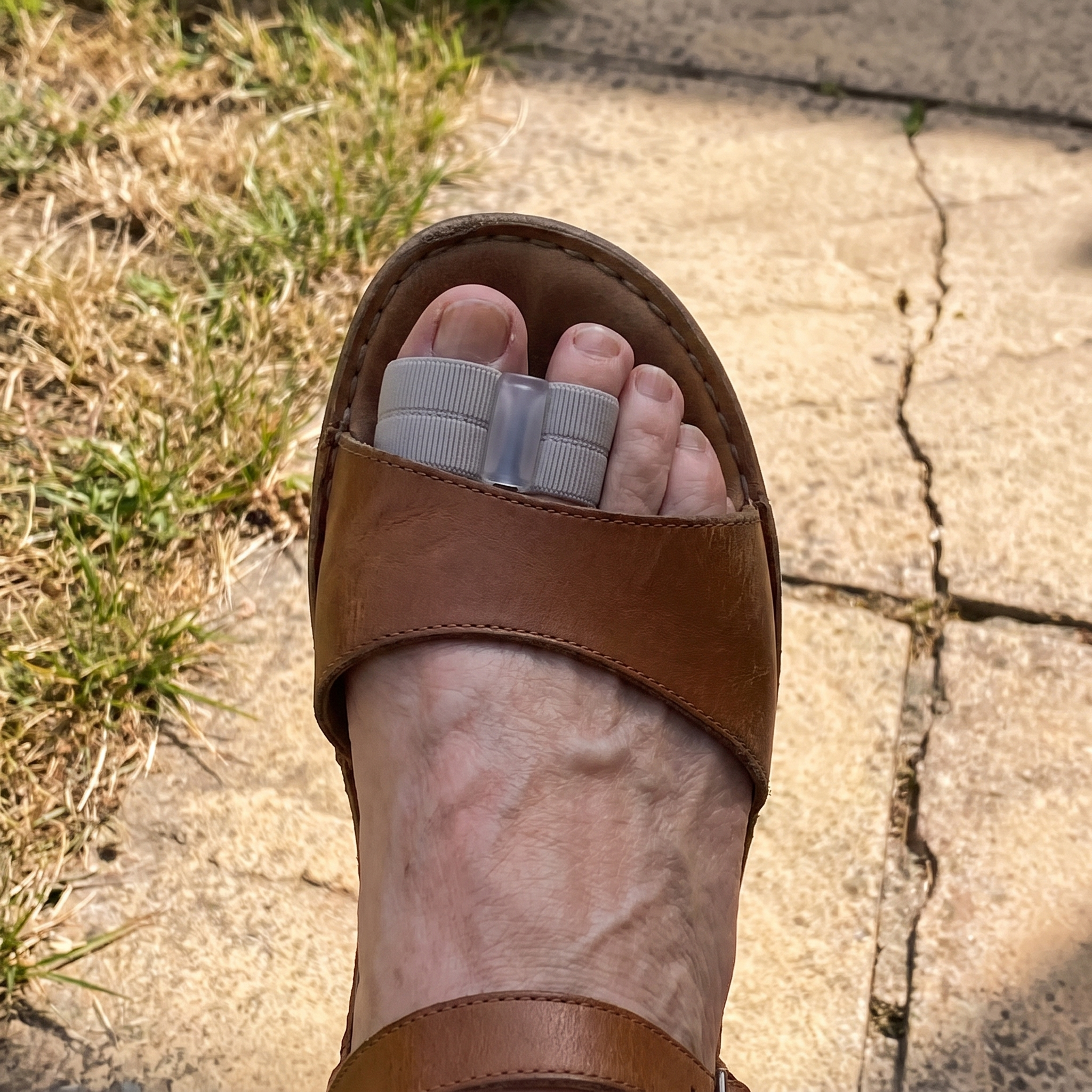
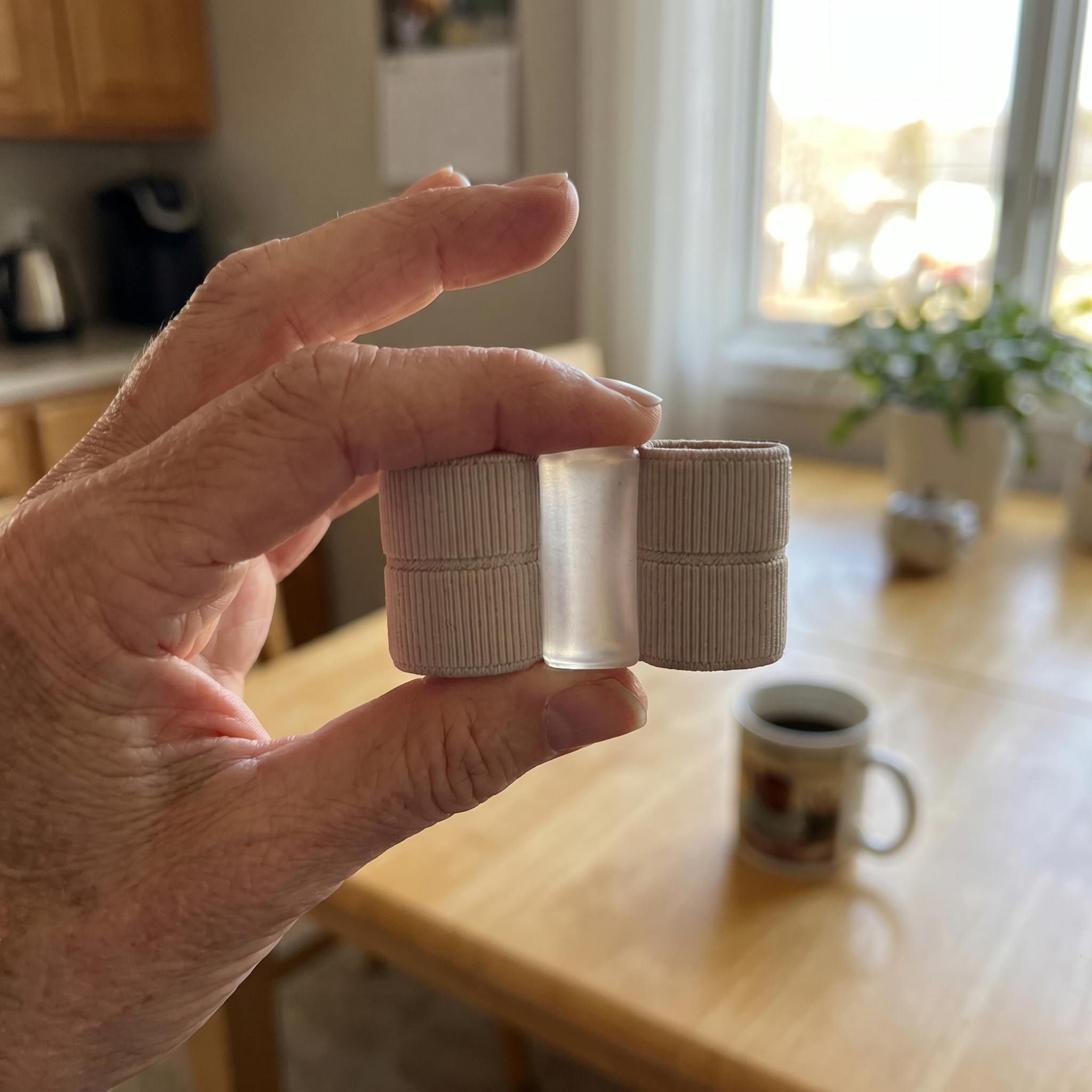
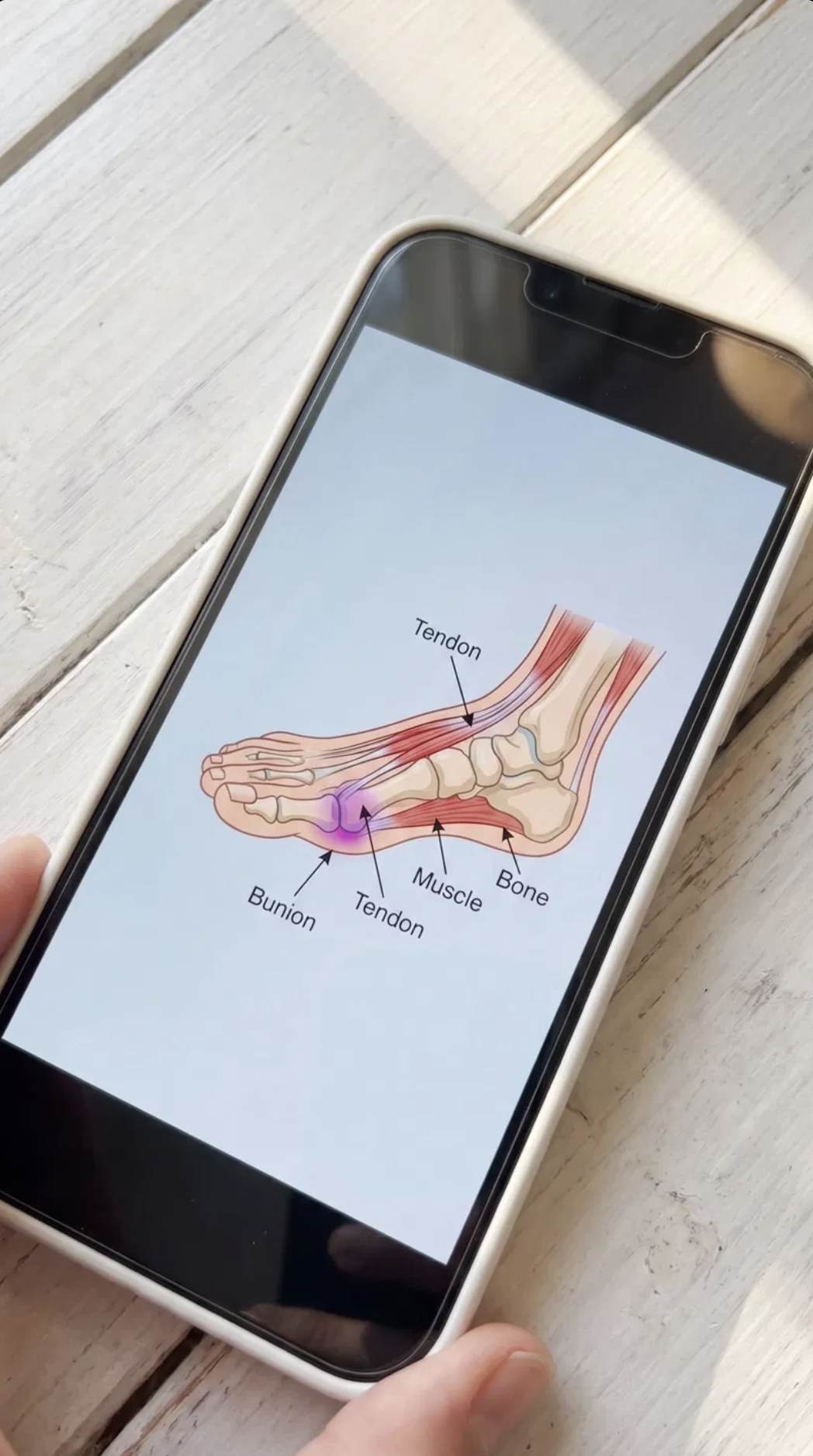
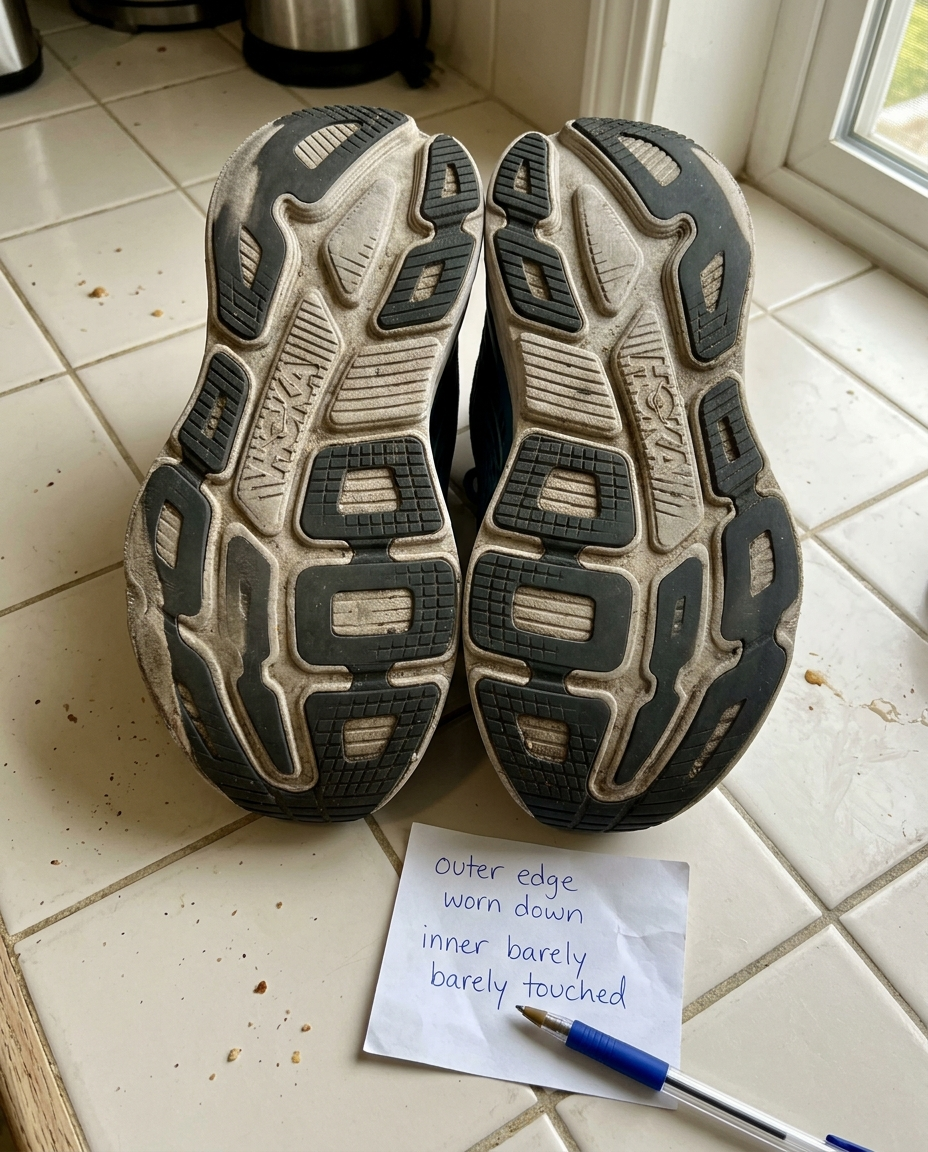
A physical therapist told me something at a barbecue that made me cancel my bunion surgery three weeks later. I wasn't asking for medical advice. I was complaining about my feet the way you do at a cookout when you've been standing on concrete for two hours. She noticed. People don't usually notice, or they notice and don't say anything. She walked over. Her name was Diane. She was a physical therapist, not a podiatrist. She worked mostly with post-surgical patients, hip and knee replacements, but she'd done a rotation in a foot and ankle clinic during her training and she'd kept up with the research. I'm 57. Bookkeeper. Eighteen years at the same firm, sitting most of the day, but I walk the dog twice a day, I grocery shop, I stand at my daughter's soccer games. Normal life on two feet that have been slowly deteriorating since my late thirties. My right foot has a bunion that's been progressively more painful for the last decade. By the time of the barbecue, it hurt to walk more than about twenty minutes. I hadn't worn sandals in four years. I'd been through the usual progression. Gel toe spacers from the pharmacy that slid out of my sock in ten minutes. A rigid night splint from Amazon that I wore for six weeks without any visible change. Custom orthotics from my podiatrist that felt great under my arch and did nothing for the toe that was drifting sideways at the front of my foot. An injection that helped for about a month. Ibuprofen on the bad days, which became most days. My podiatrist had been recommending surgery since 2023. I'd finally said yes earlier that spring. The date was set. Diane asked me to walk through what I'd tried. I told her. She nodded at each one like she'd heard the exact same list a hundred times. Then she told me something I have thought about every day since. "Your bunion is not really a bone problem," she said. "It's a soft tissue problem." I told her of course it's bone. There's a bump. It's hard. You can feel it. She said the bump is bone, yes. But the bone hasn't grown. It hasn't changed shape. It's the same first metatarsal I was born with. What happened is that the soft tissue around the joint, the tendons, the ligaments, the capsule that wraps around the base of the big toe, gradually remodeled over years. One side shortened. The other side stretched. And the bone got pulled off-center by the tension imbalance. "The tissue pulls," she said. "The bone follows. Not the other way around." I asked her to say that again. "The tissue pulls. The bone follows. The bone didn't decide to grow sideways. The tissue around the joint shortened on one side and lengthened on the other, and the bone went where the tissue took it." I stood there at this barbecue holding a lukewarm hamburger and felt twenty years of assumptions about my foot rearrange themselves. Then she walked through why each thing I'd tried had failed. She did it calmly, like someone reciting things she'd explained to patients hundreds of times. The gel spacers had the right idea, she said. Gentle separation at the toe joint. That's what the tissue needs. But a loose silicone wedge with no anchor can't maintain position against walking forces. It compresses, it migrates, it ends up near your arch. You can't retrain tissue that's been shortening for fifteen years with something that won't hold still for fifteen minutes. The night splint had a timing problem. It corrects for about eight hours while you sleep. Then you get up and walk on the foot for sixteen hours, and every step loads the joint and pushes the toe back the wrong way. "It's eight hours of rehab against sixteen hours of re-injury," she said. "The sixteen wins every time." The orthotics had a location problem. They sit under the arch. The bunion is at the metatarsophalangeal joint, at the front of the foot. "Your arch support was probably helping your arch," she said. "It just can't reach the joint that's drifting." The injection had a category problem. Cortisone reduces inflammation. It doesn't address the structural drift that's causing the inflammation. When it wears off, the cause is still there. Then she said the thing that made me cancel the surgery. "Your bunion got this way slowly. It can get better slowly. But only if you're working on it during the day, not just at night. During the hours you're on your feet. That's when the joint is being loaded. That's when corrective pressure actually has something to push against." She told me about a category of device she'd been recommending to her foot patients. Not a night splint. Not a loose gel spacer. A toe separator held in position by a fabric sleeve, worn inside a shoe during walking hours. The sleeve anchors the separator against the joint so it can't migrate. The gentle pressure stays where it needs to be, all day, through every step. She said the clinical term is "sustained mechanical counter-pressure during weight-bearing activity." But she said it more simply: "It's doing the right thing at the right time in the right place. Nobody else does all three." She mentioned a company called Askelo. I'd never heard of it. Three weeks later I looked it up. Their explanation matched everything Diane had said, word for word. The tissue pulls, the bone follows. Correction during walking hours. A separator locked in position by a sleeve. I ordered it. I almost didn't. I had a drawer full of things that hadn't worked and a surgery date six weeks away and I was tired of trying. But Diane hadn't been selling me anything. She'd been explaining anatomy. And the explanation made too much sense to ignore. First week: nothing dramatic. The device fit inside my Hokas without changing the lacing. I wore it three or four hours a day. The silicone sat between my big toe and second toe, right at the joint, and the sleeve held it there. It didn't slide. It didn't compress flat. End of week two: the ache I normally felt after walking the dog was less. Not gone. Quieter. The kind of change you notice when you stop bracing for something and realize it's softened. Week four: my husband asked if I was walking differently. I hadn't noticed, but when I paid attention, I realized I'd stopped shifting my weight to my left foot. Both feet were loading evenly for the first time in years. Week six: I compared photos. The angle of my big toe had come back a few degrees. Not dramatic. Measurable. The bump was the same size, but the toe was sitting closer to where it belongs. Month three: I put on a pair of flats I hadn't worn since 2022. They fit differently. There was space where there hadn't been space. I wore them to dinner. Nobody noticed except me, and I cried in the car on the way home. Not because of the flats. Because for the first time in years, the direction had changed. Things were getting better instead of worse. I cancelled the surgery. Called the office on a Monday morning. The receptionist asked if I wanted to reschedule. I said no. My bunion is still there. Twenty years of tissue remodeling doesn't reverse in three months. But the toe is straighter. The daily pain is mostly gone. I wear shoes I'd given up on. And I understand something now that I didn't before that barbecue, which is that the problem was never bone. It was tissue. And tissue responds to pressure, if the pressure is in the right place, at the right time, for long enough. Diane the PT was right. Askelo comes with a 90-day money-back guarantee. If your foot doesn't change in three months, you send it back and get a full refund. After a drawer full of failures, that's why I was willing to try one more thing. https://getaskelo.com/pages/adv-1
Like this ad? Make it yours.
Crush rebuilds this exact creative around your product — your brand, your colors, your offer — in about a minute.