
Inactive· since Jun 2, 2026
- 44
- days it ran
- 3
- relaunches
Ad copy
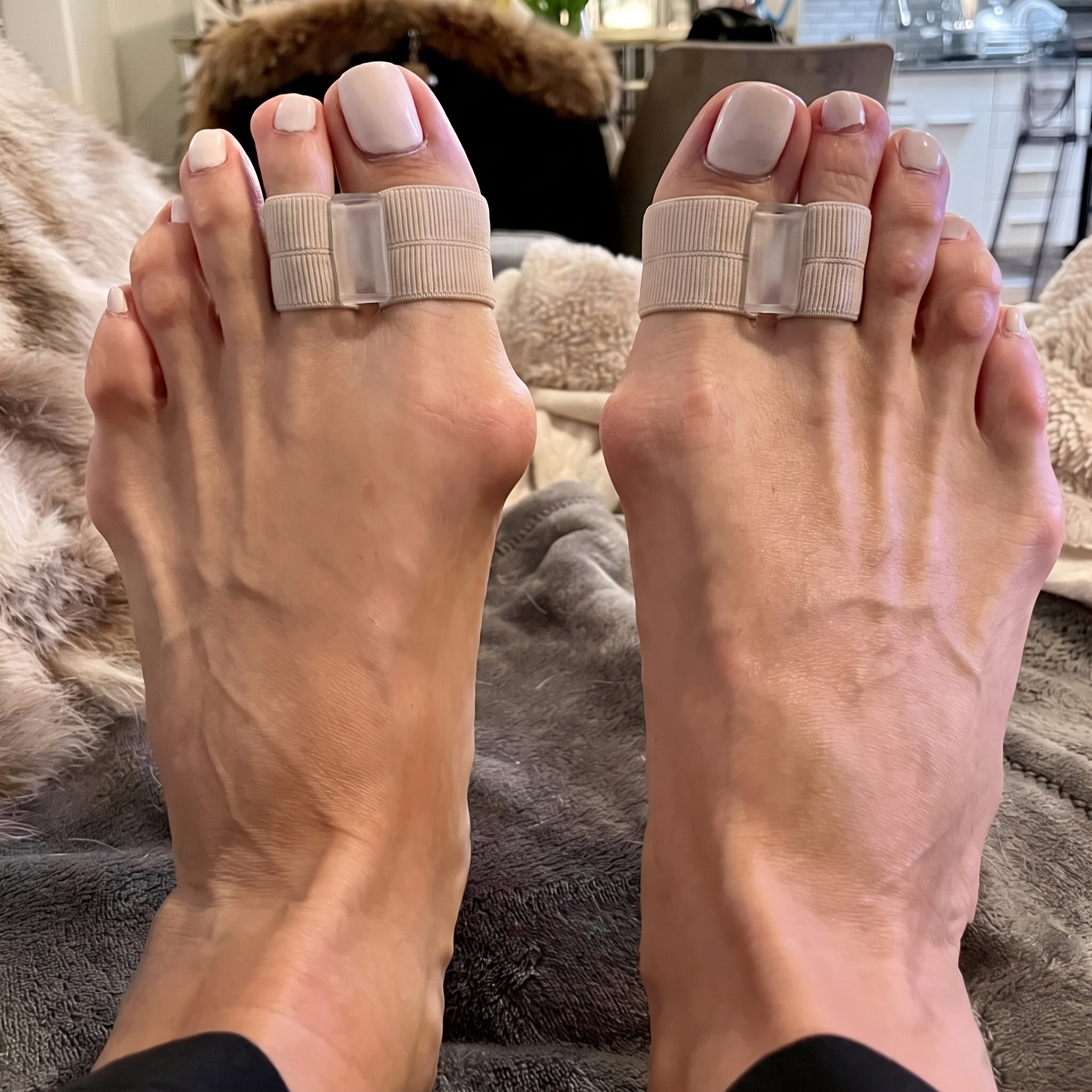
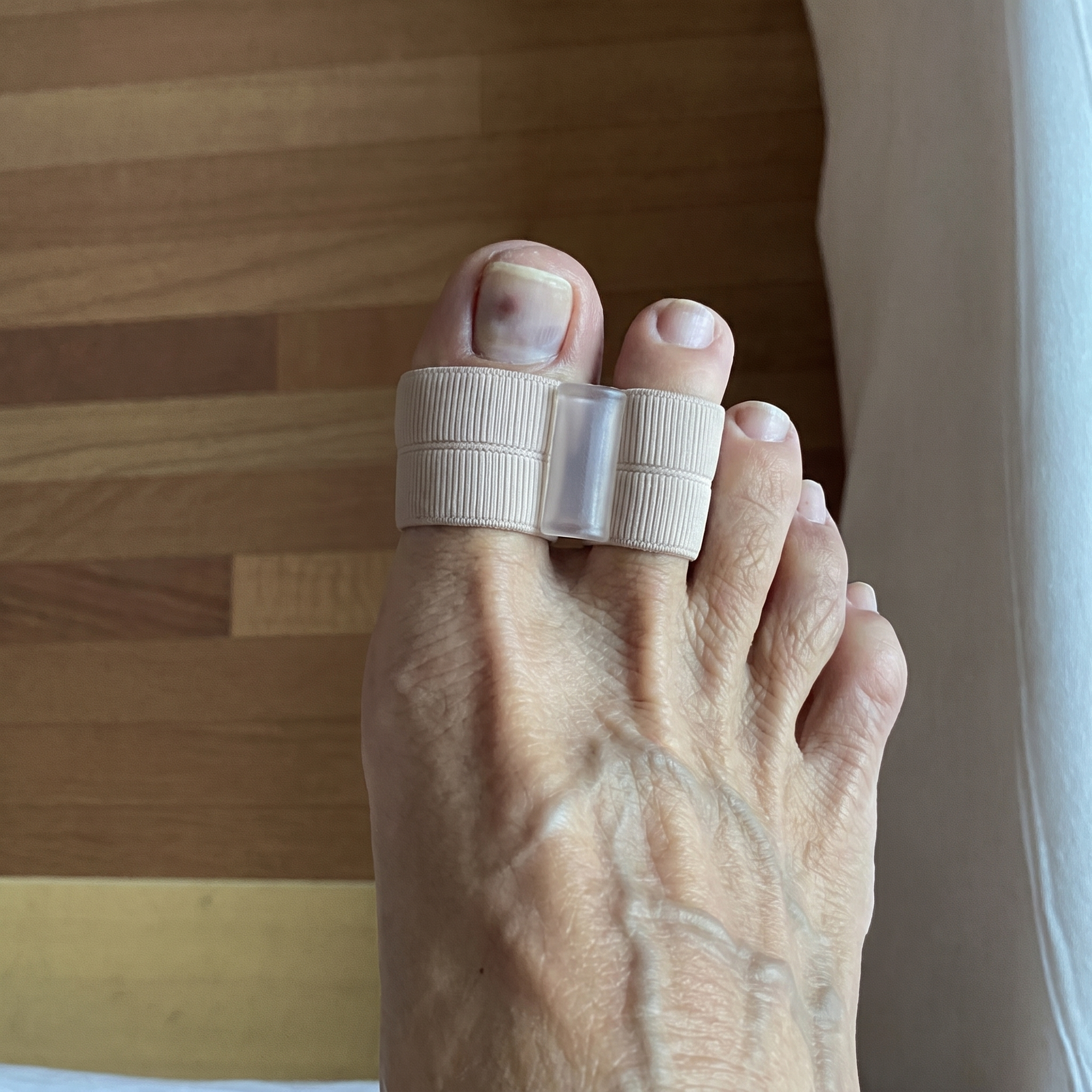
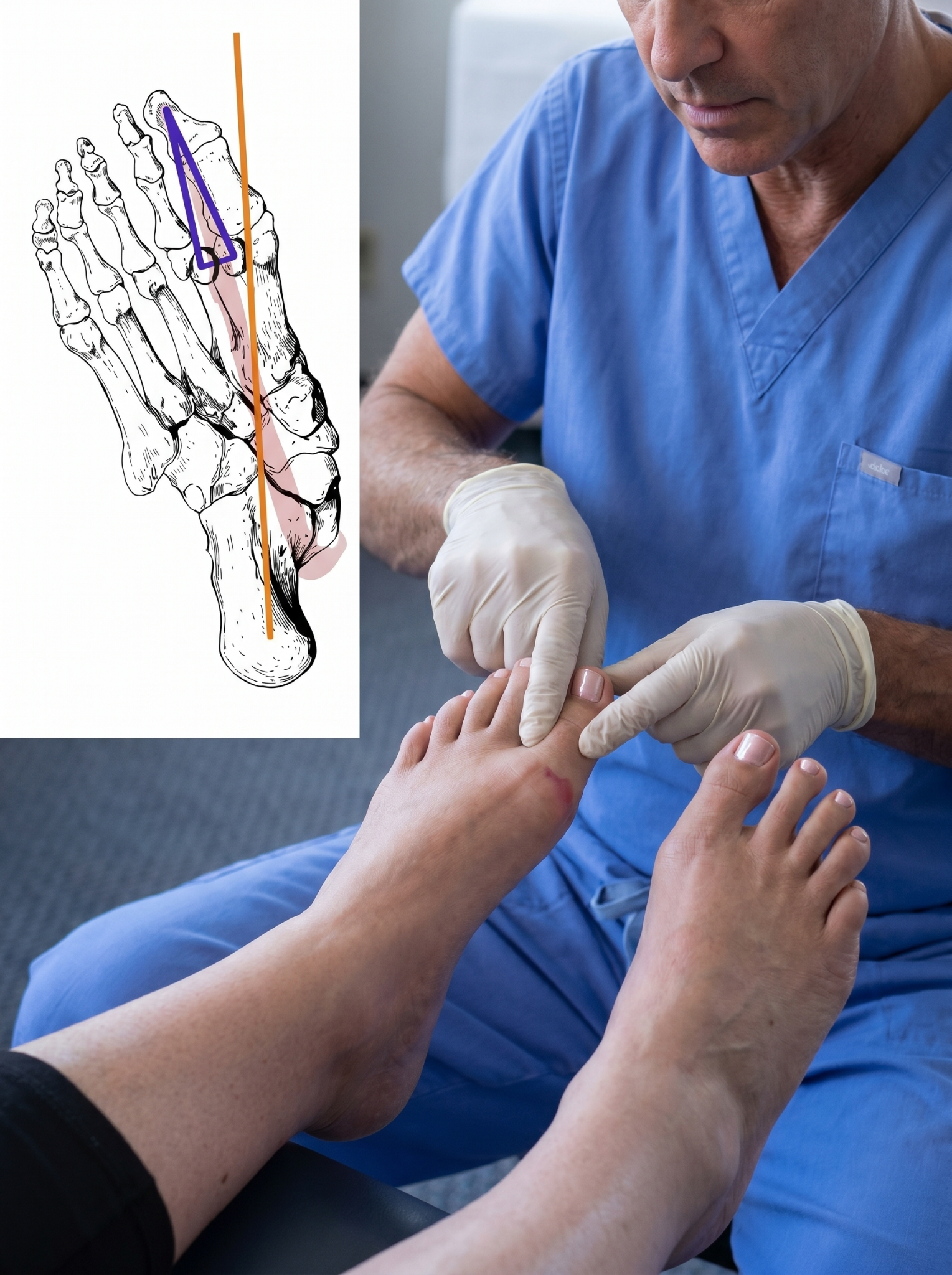
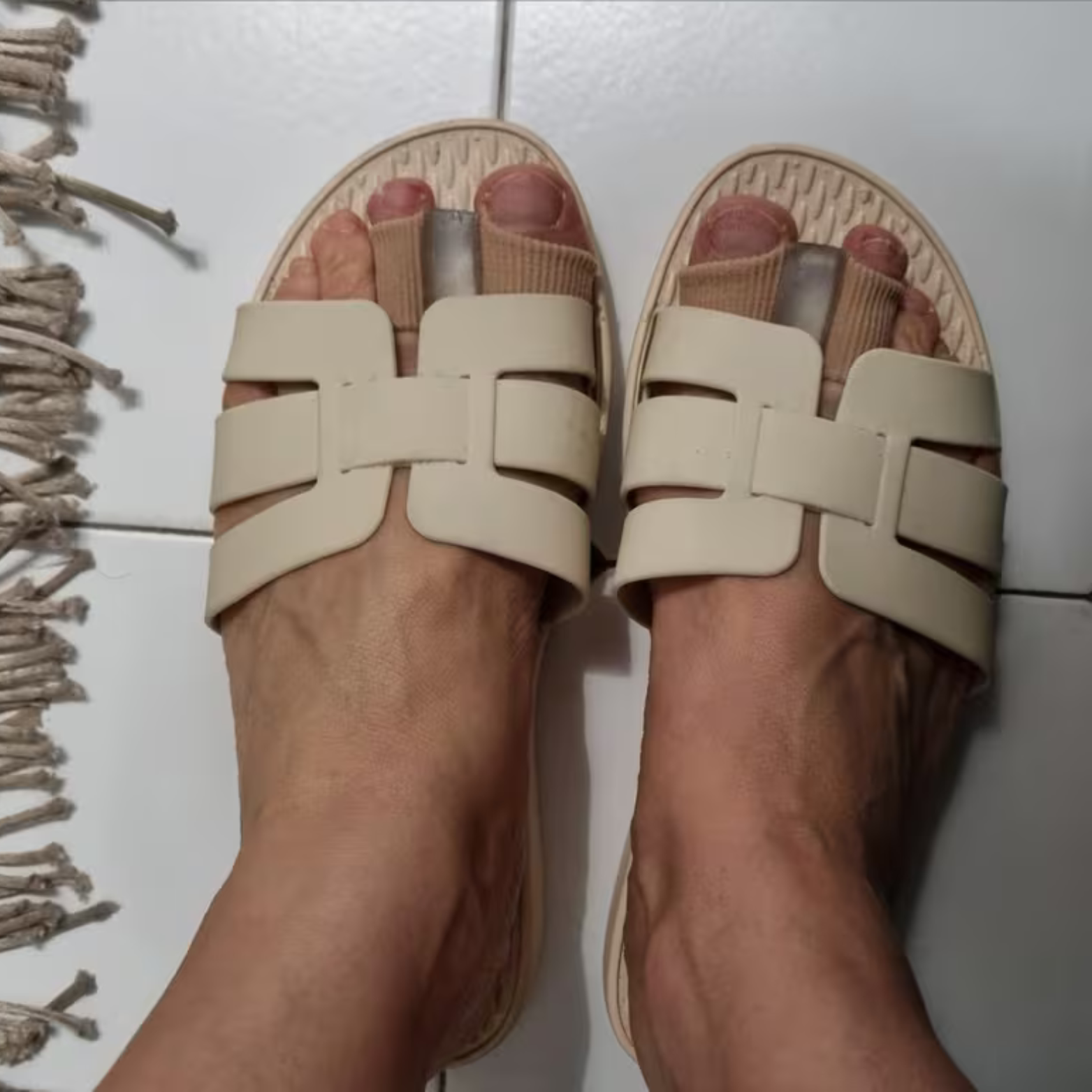
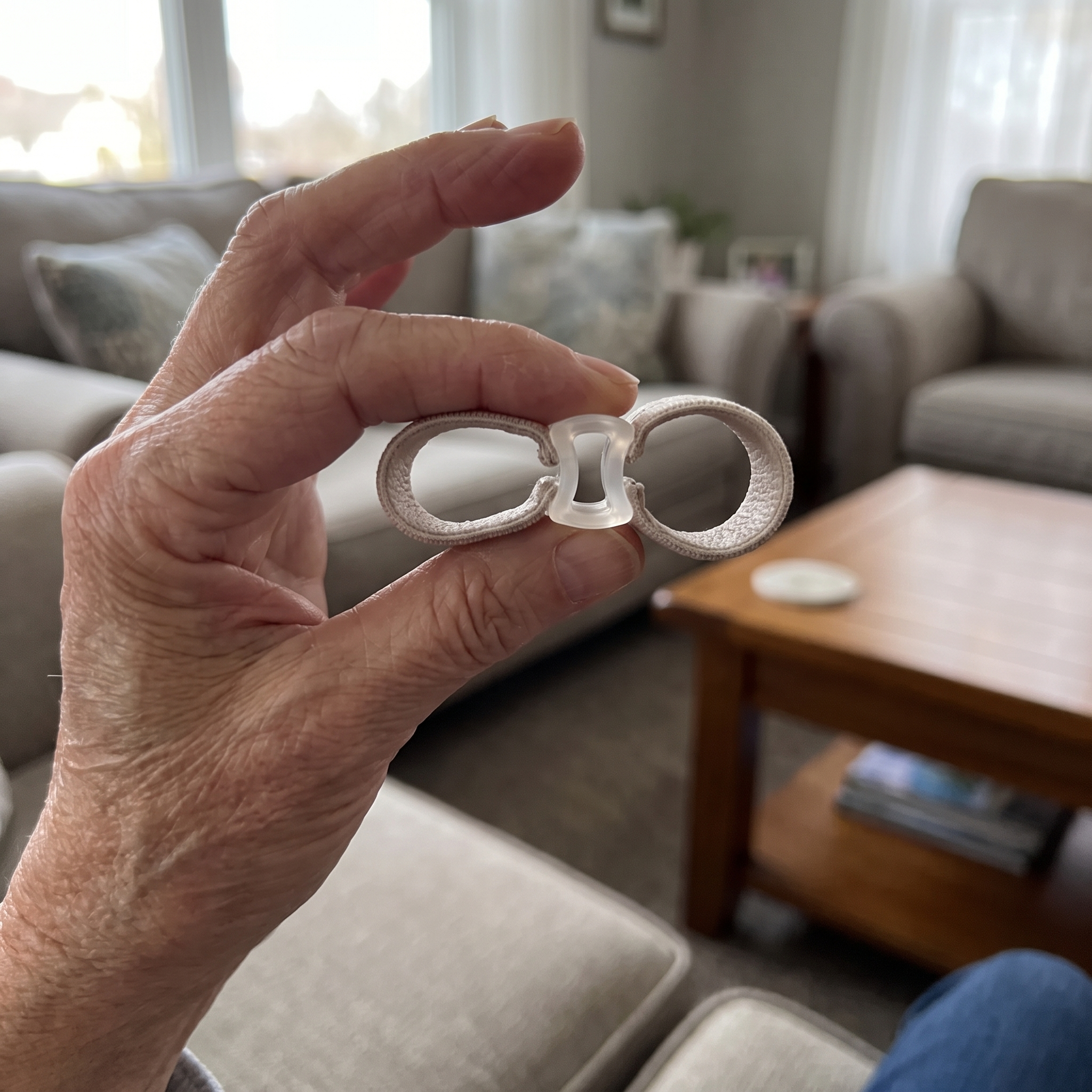
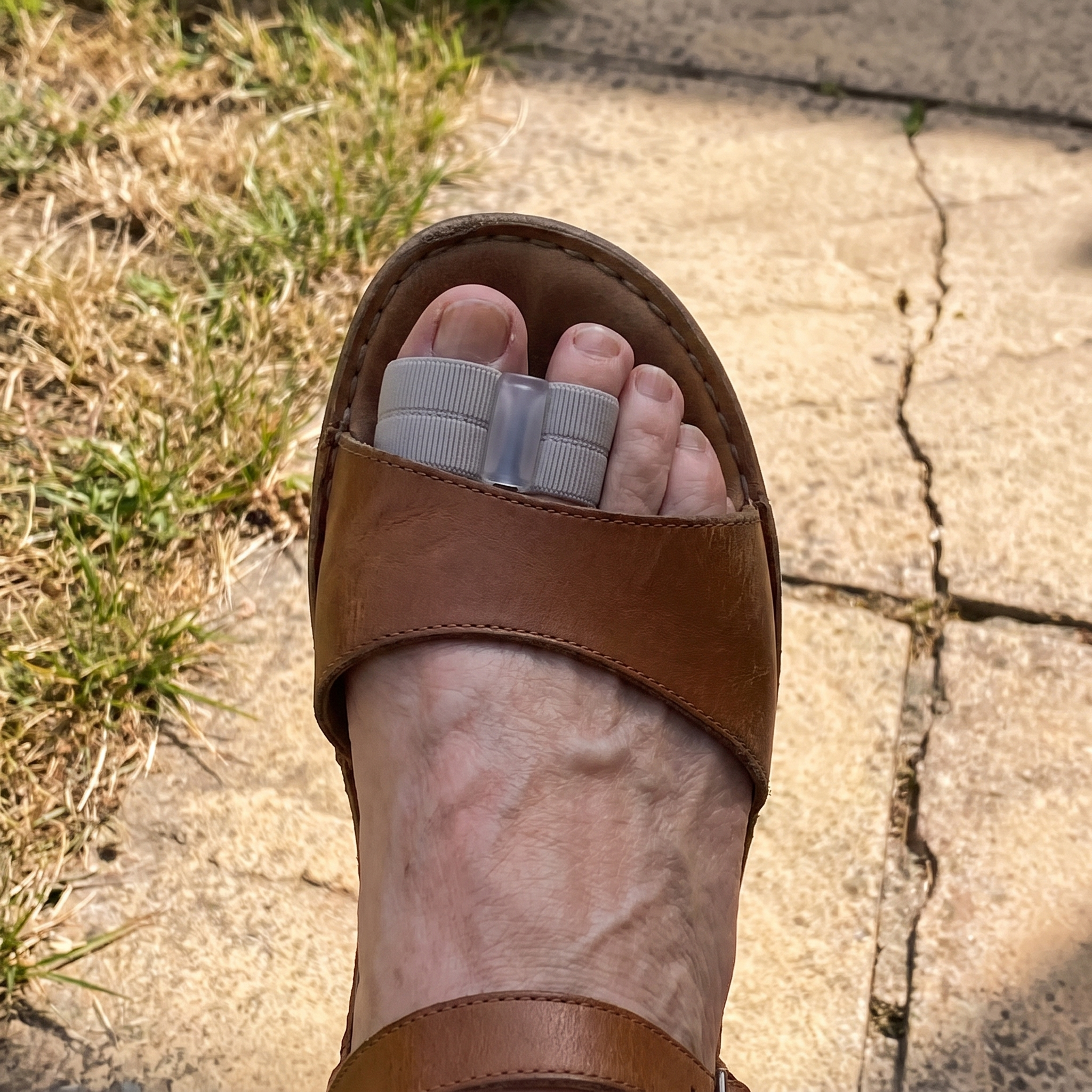
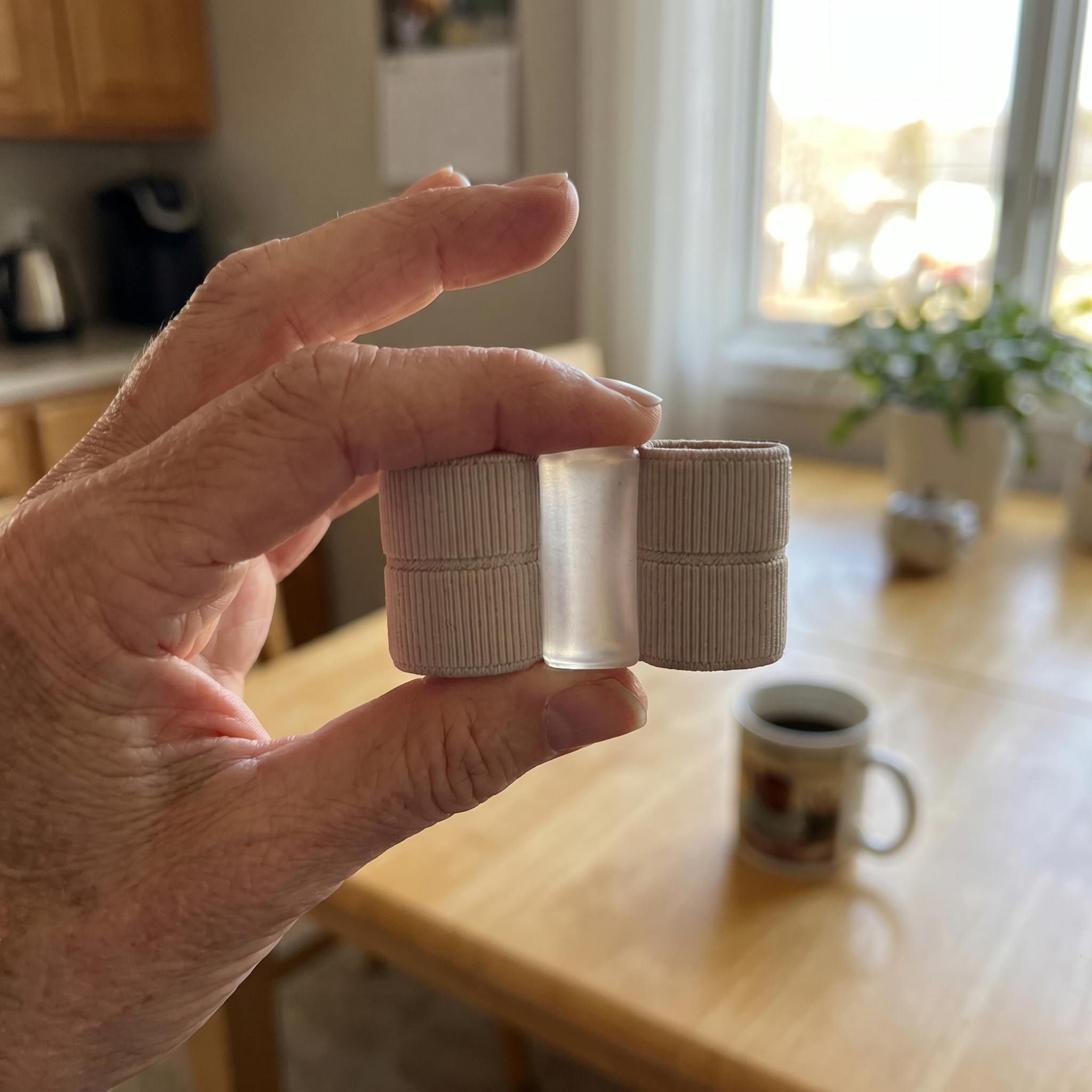
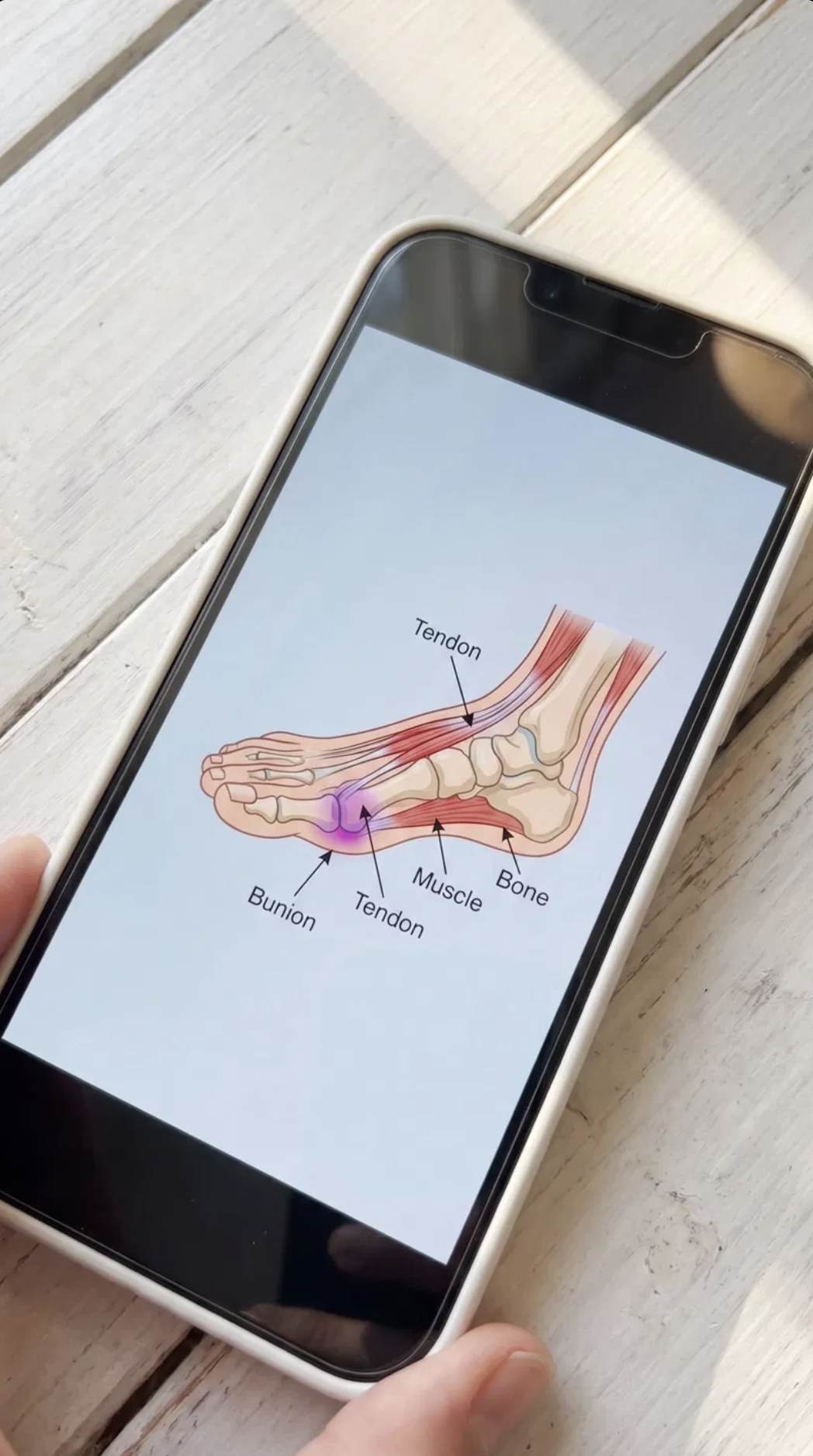
I want to be upfront about something before I write any of this. I did not believe this would work. I ordered it in the same spirit I'd order anything after three years of failed treatments, which is to say with one hand already reaching for the return label. I'm 60. Former occupational therapist, which means I've spent a career watching people try things that promised to help and mostly didn't. I know how the placebo response works. I know how confirmation bias makes you see improvement that isn't there. I know how marketing exploits hope. I was not a naive buyer. I was a tired, skeptical buyer who had run out of other options and whose surgery date was six weeks away. The bunion had been there since my early fifties. Gradual progression, the usual story. By last year it was affecting my gait, my shoe choices, and my willingness to make plans that involved walking for more than an hour. Three podiatrists over eight years. Gel spacers, night splint, two pairs of custom orthotics, one cortisone injection that helped for five weeks and then stopped. A surgical consultation that went fine and produced a date I kept moving forward on the calendar. What made me try one more thing was a diagram. A physical therapist I'd worked with years ago sent it to me after I mentioned the upcoming surgery in passing. She said she wanted to show me something before I went ahead. I almost didn't look at it because I was tired of looking at things. The diagram showed the soft tissue anatomy of the metatarsophalangeal joint. The tendons, the ligaments, the joint capsule. She'd annotated it with a voice message explaining what I was looking at. The tendon on the medial side of the joint, she said, is the first tissue to shorten in a developing bunion. As it shortens, the tension balance around the joint shifts. The bone, held in position entirely by the surrounding tissue, begins to rotate in the direction of the pull. Not because it grew. Not because it changed. Because the tissue balance changed and the bone followed. As an occupational therapist I understood this immediately. Tensegrity. A structure held in position by balanced tension that moves when the balance shifts. I'd applied this principle to hand rehabilitation for twenty years. I just hadn't seen anyone apply it to bunion mechanics. She walked me through why my treatments had failed. The gel spacers: correct concept, wrong mechanics. Loose silicone can't maintain position against walking forces. It migrates. It compresses. It ends up near the arch within an hour. The night splint: corrects for eight hours of sleep, loses to sixteen hours of daily walking. Every step re-loads the tissue in the direction it's been shortening for a decade. Eight hours of correction against sixteen hours of re-injury. She said "the sixteen always wins" and I knew immediately she was right because I'd said almost the same thing to hand therapy patients about splinting compliance. Wearing it at night isn't enough. You have to address the loading hours. She told me about Askelo. A separator anchored by a fabric sleeve, worn inside a shoe during walking. Correction during the loaded hours, not the unloaded ones. Counter-pressure at the joint when there's actually force going through it. I looked up the clinical rationale. It was consistent. I looked for contradicting evidence. I found criticism of the product category in general but nothing specific to the mechanism she'd described. The mechanism itself held up. I ordered it. Skeptically. With the return label in my head. Week one: the device stayed where it was supposed to stay. This was already different from every gel spacer I'd tried. I noted it without drawing any conclusions. Week three: I realized I'd stopped taking ibuprofen in the mornings. I hadn't decided to stop. I just hadn't needed it. Week six: I measured the toe angle against my week-one photo. Small change. Measurable. I checked it three times because I didn't trust the first reading. ferently before I'd said anything about it. Month four: I called the surgical office and cancelled. I want to be careful here because I'm trained to be careful. I can't tell you this works for everyone. I can't tell you my result is typical. What I can tell you is that the mechanism is sound, the clinical reasoning is consistent, and the result in my case was real and measurable. I was wrong to be as skeptical as I was. Not about skepticism in general. About this specifically. https://getaskelo.com/pages/askelo-bunion-aligner-adv — 90-day money-back guarantee. I never used the return label.
She was a healthcare professional. She was completely skeptical. She cancelled the surgery anyway.
Askelo
SEE DETAILSLike this ad? Make it yours.
Crush rebuilds this exact creative around your product — your brand, your colors, your offer — in about a minute.