
Inactive· since Jul 8, 2026
- 8
- days it ran
- 10
- relaunches
Ad copy
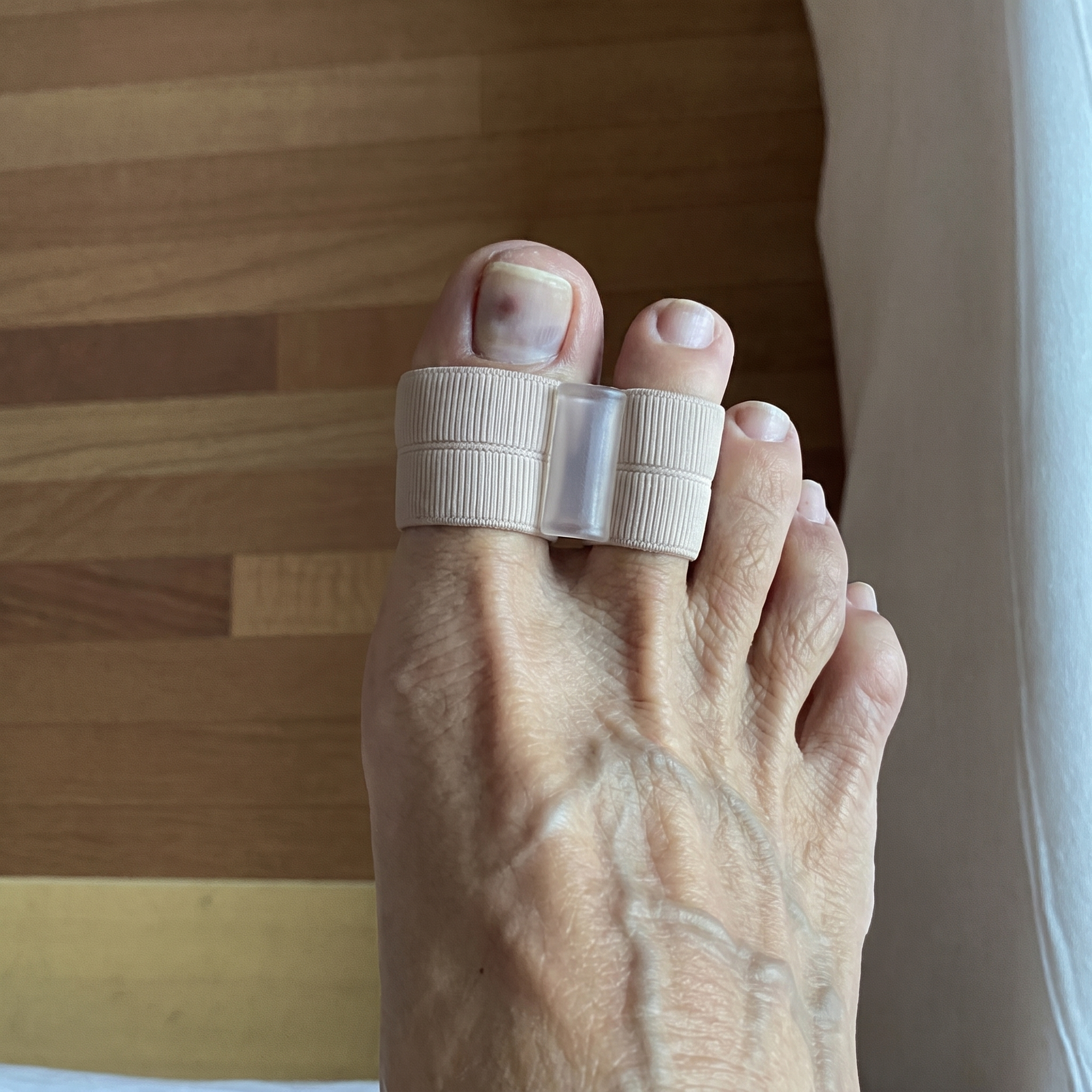
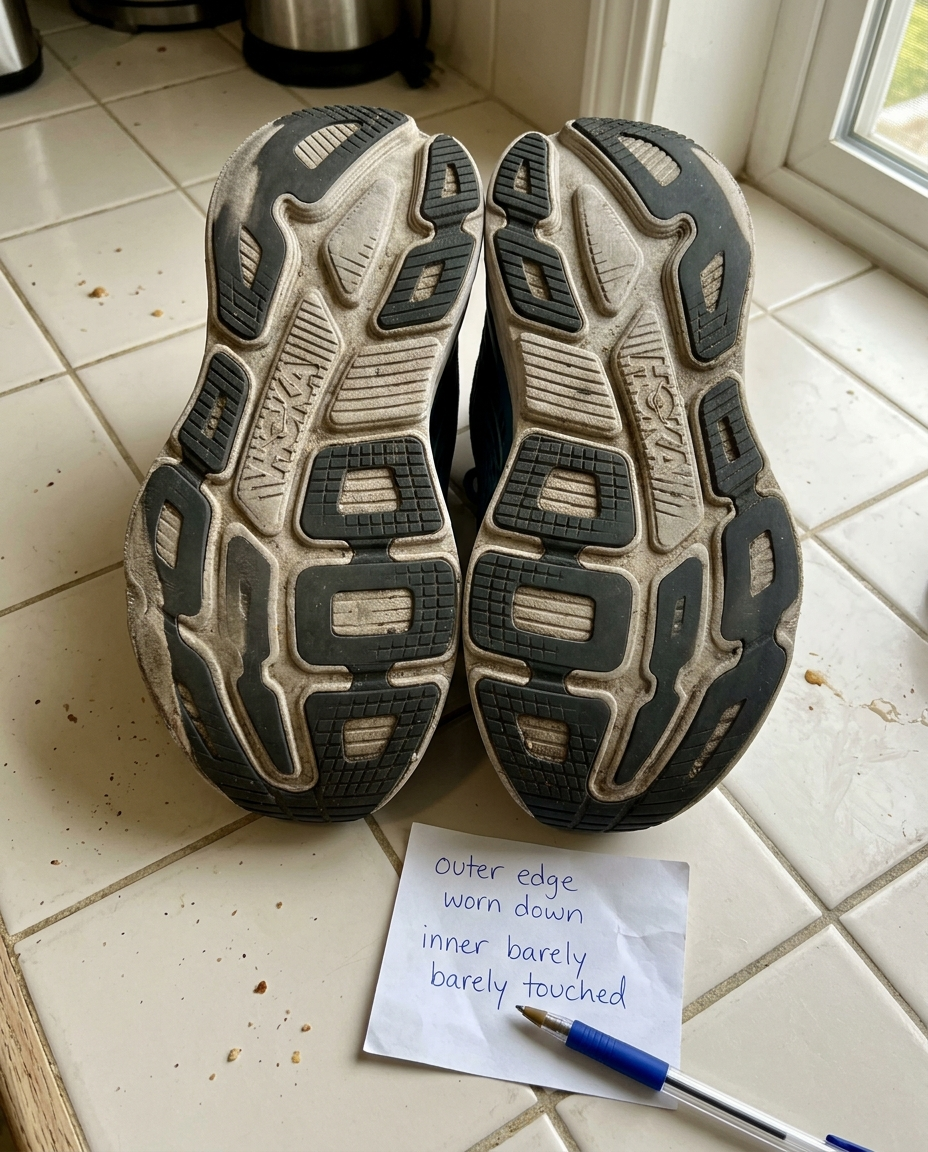
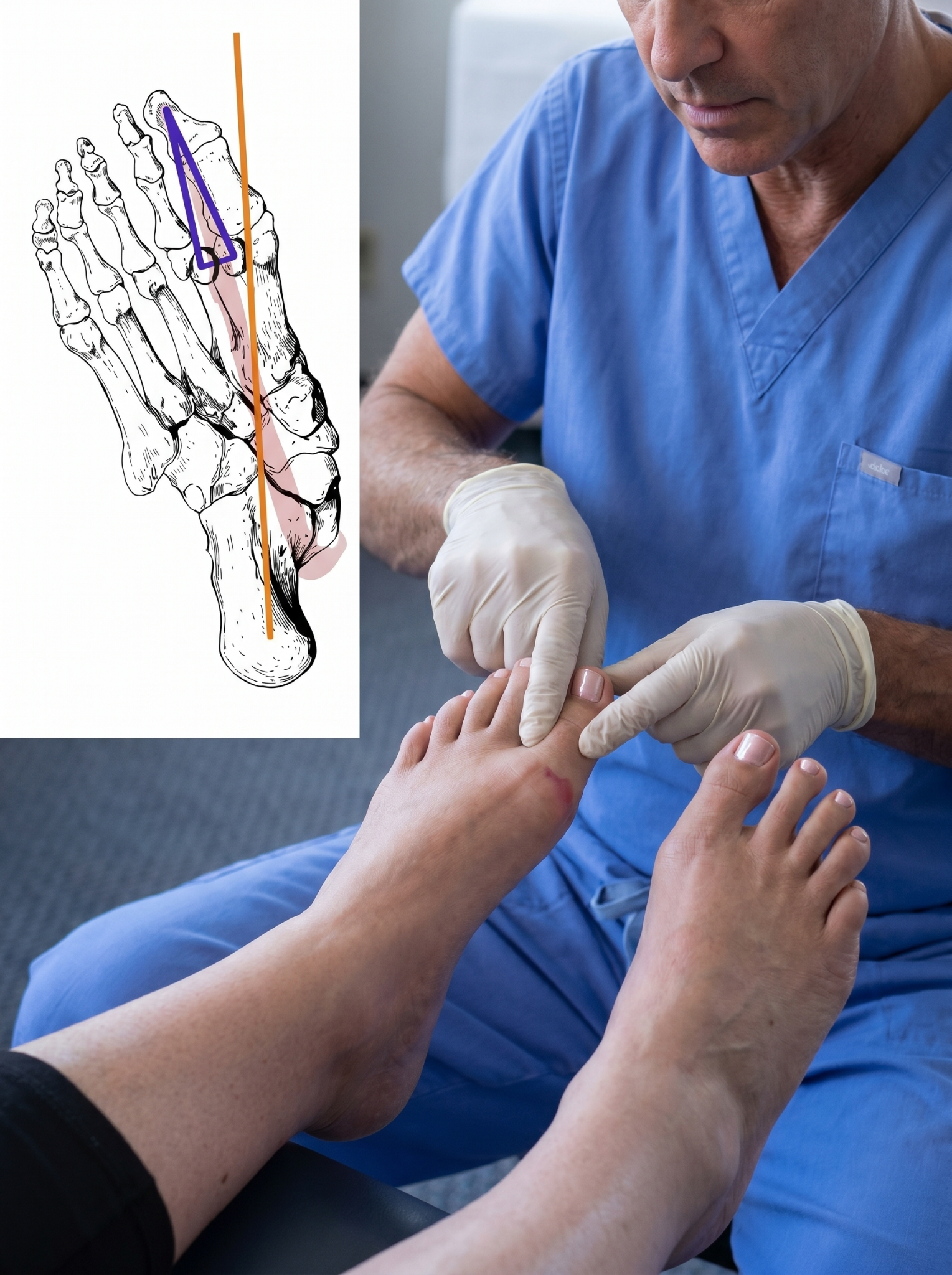
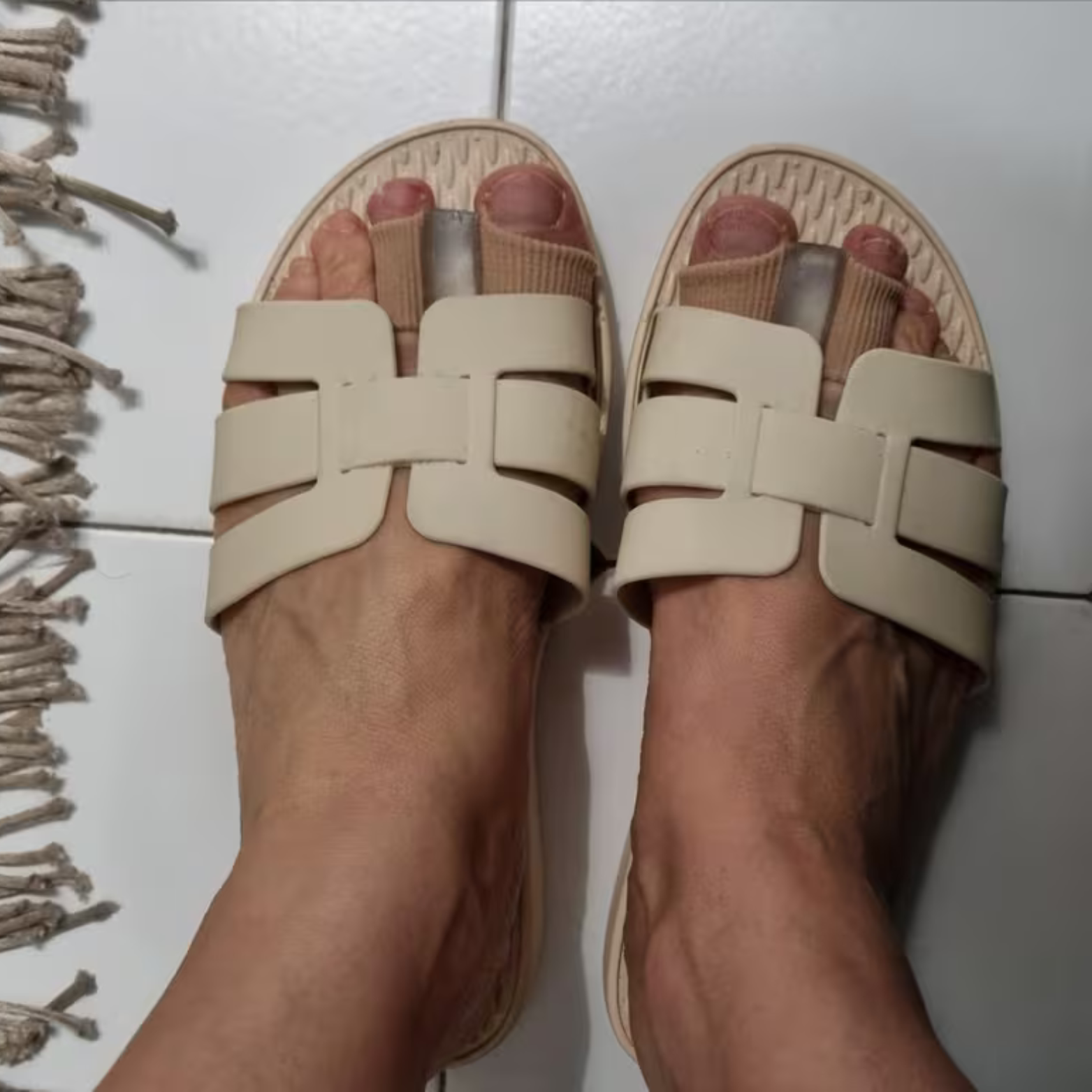
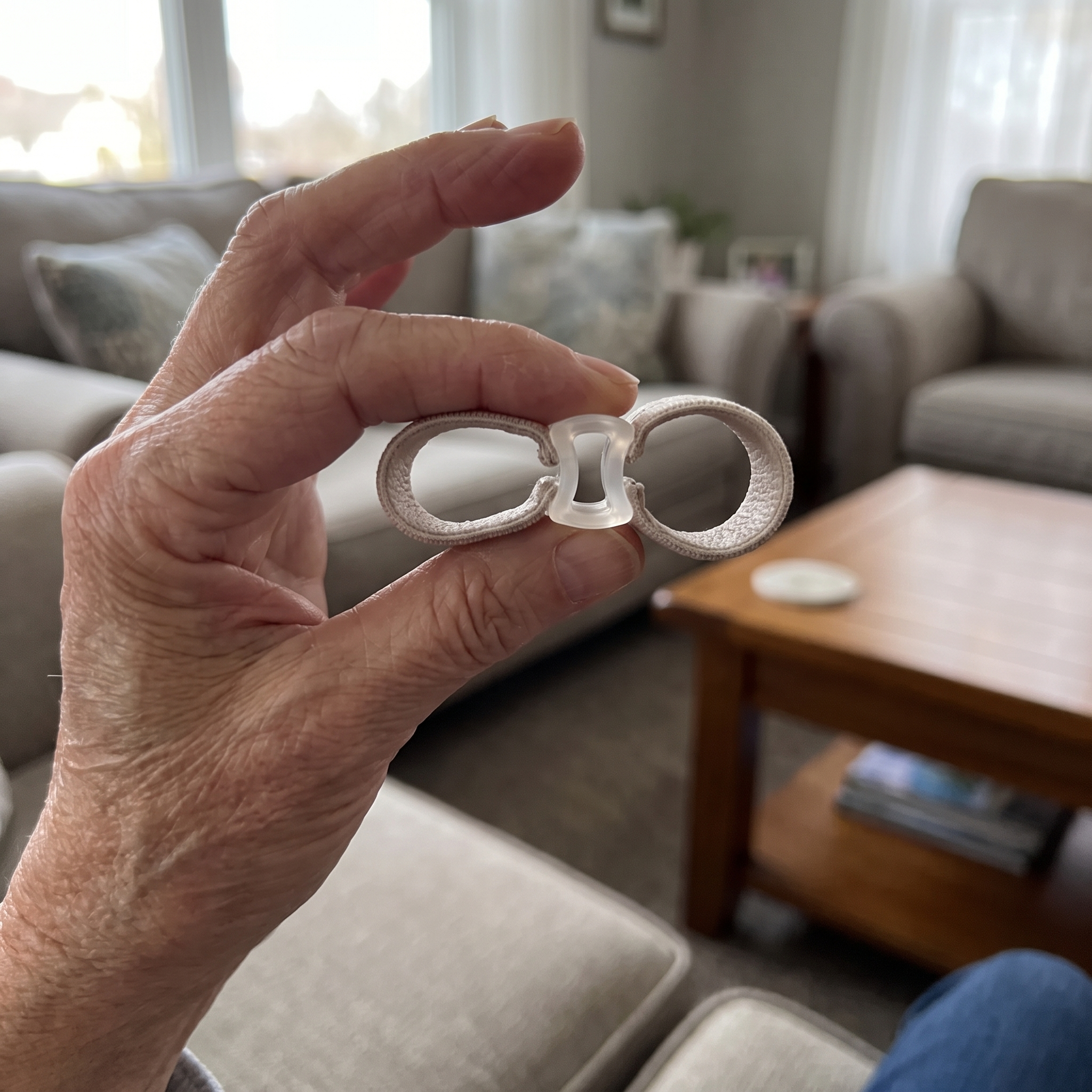
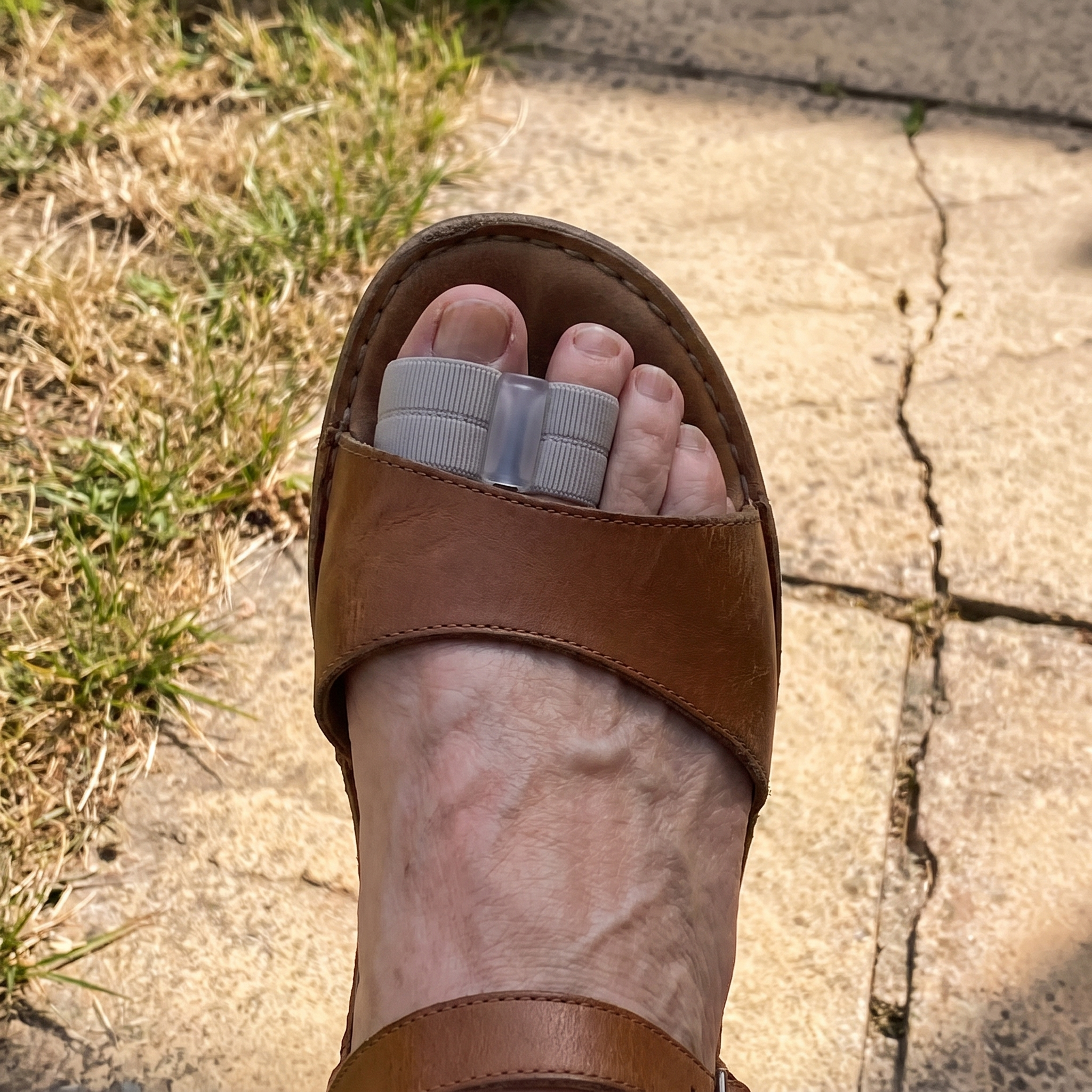
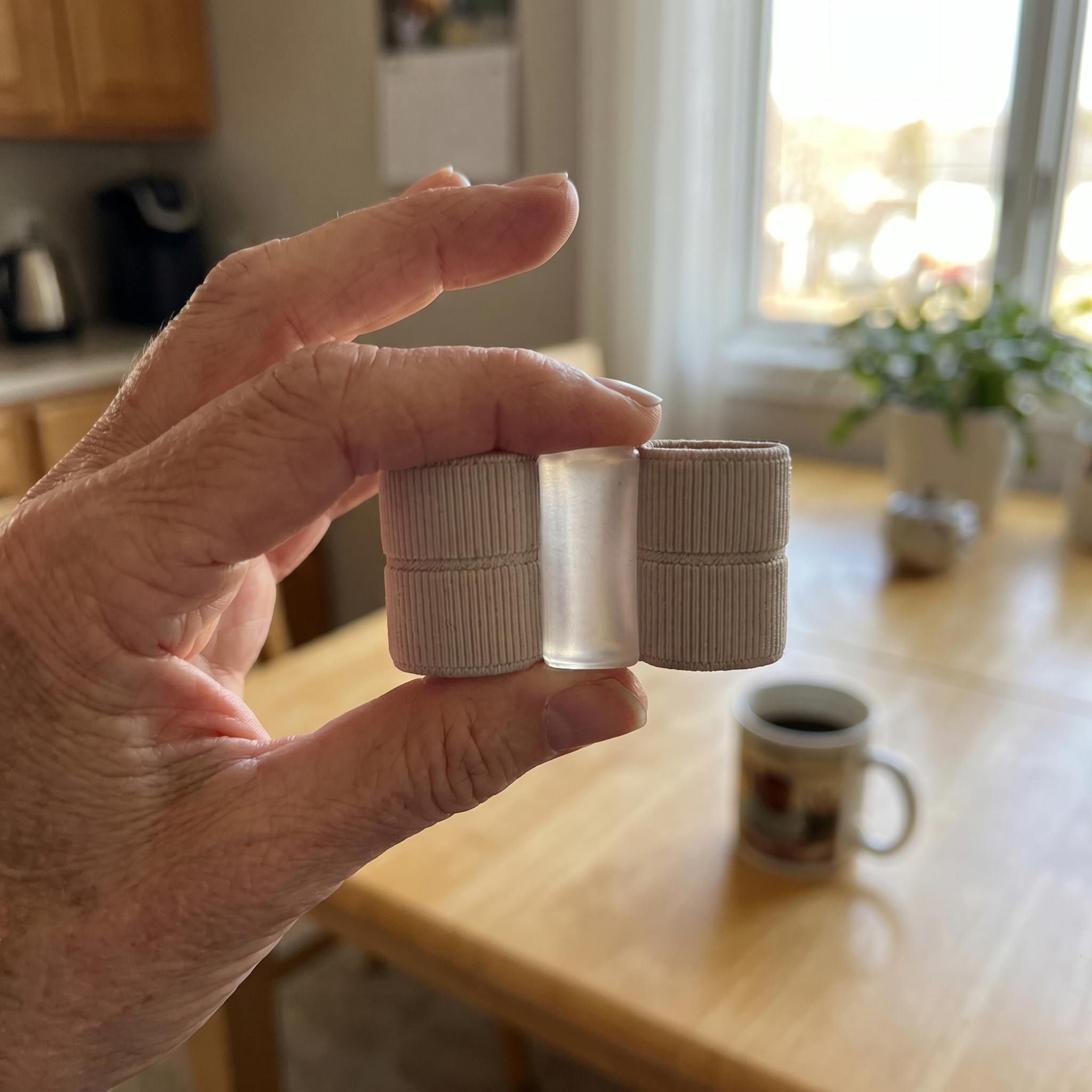
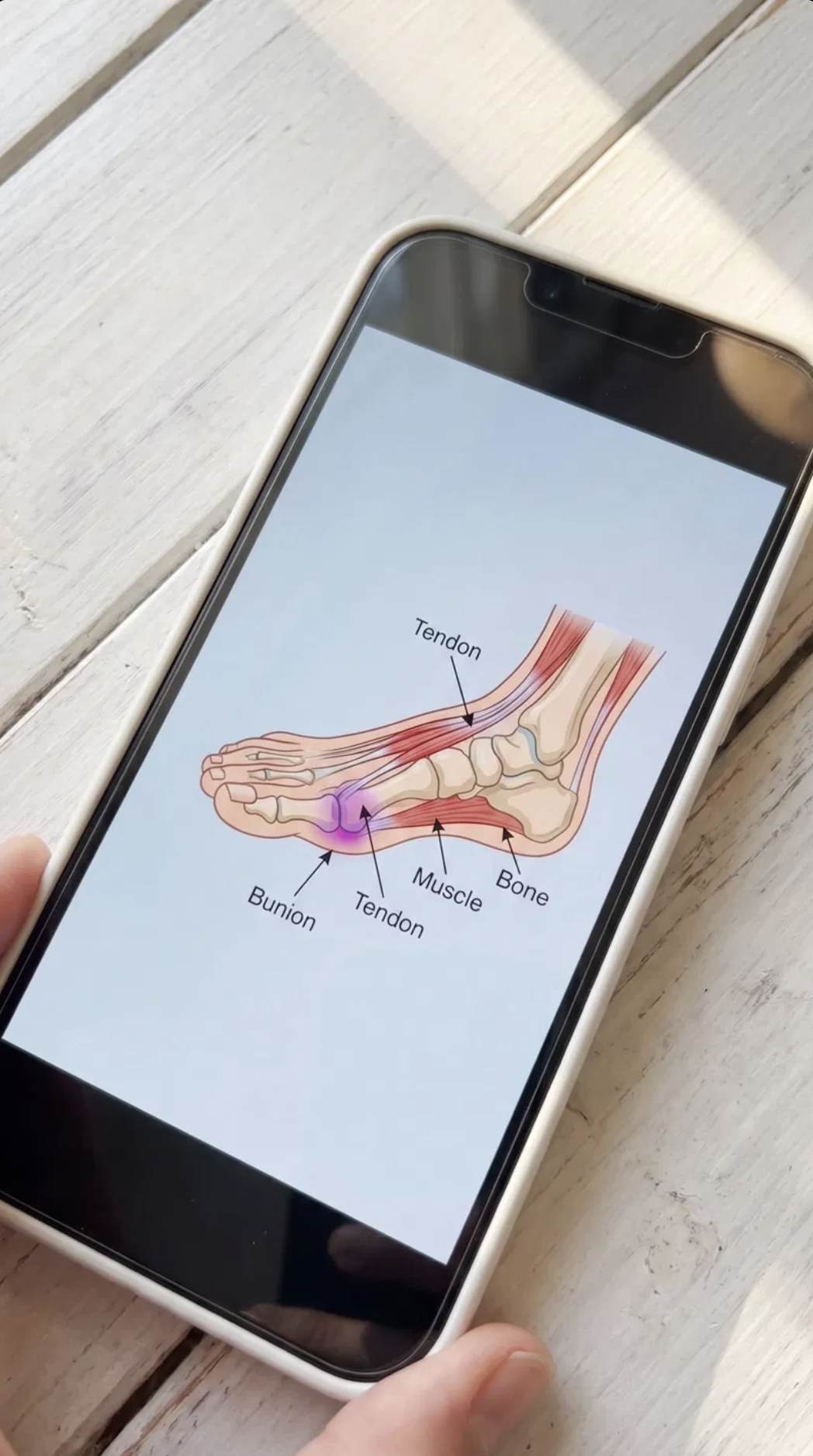
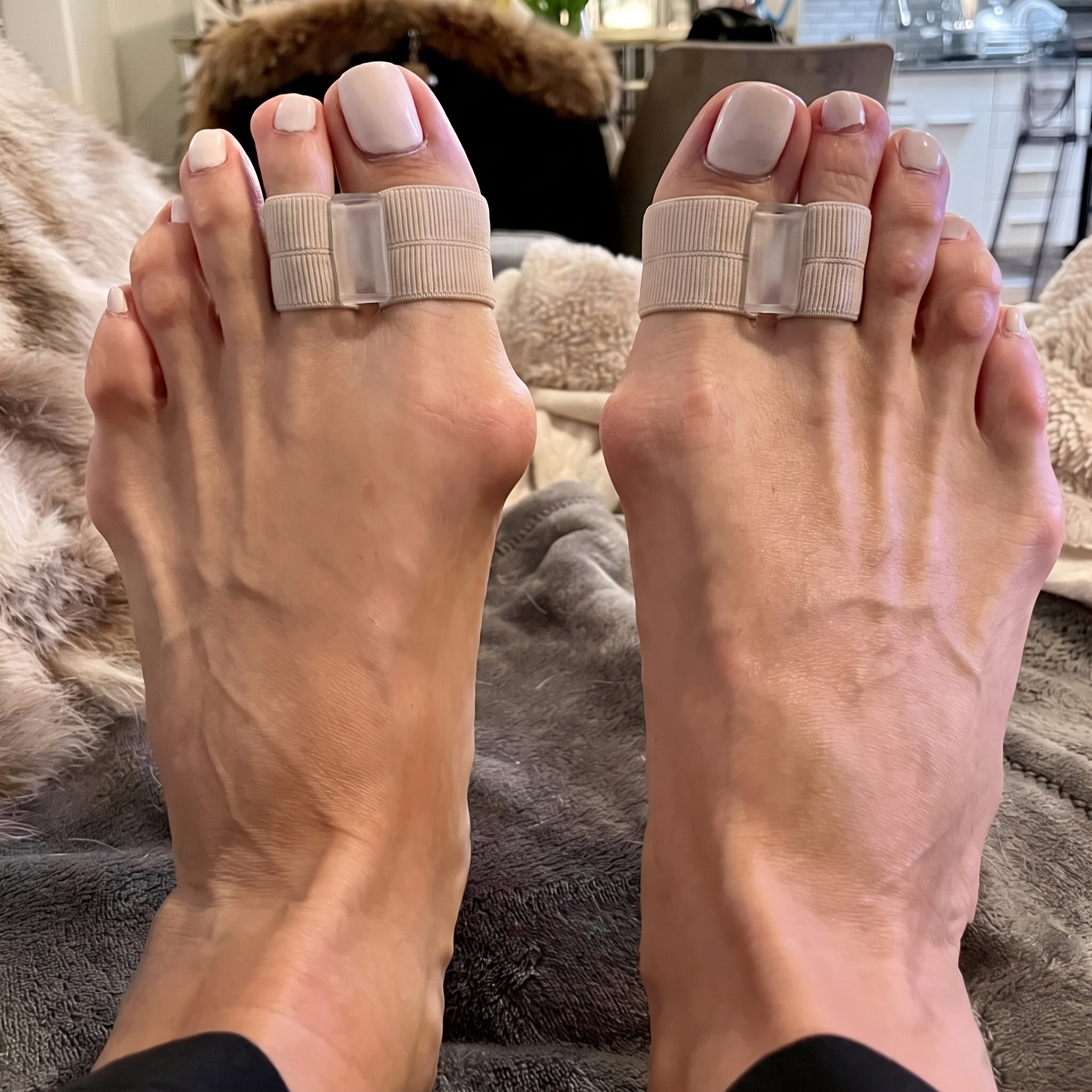
The moment my neighbor saw my bunion, she said THAT'S why nothing had worked. I'm 62. I've had a bunion on my right foot since I was 43. For most of those years I did exactly what I was told. Wider shoes. Ibuprofen on the bad days. See the podiatrist, get the X-ray, hear that it was "progressive," and wait until it was bad enough for surgery. I did that for a decade. Four different podiatrists. Four waiting rooms. The same conversation every time. And every year the bump got a little bigger, and the mornings got a little worse, and I kept waiting like a good patient. The surgery finally went on my calendar for April. Then, one Saturday in January, my neighbor was in my kitchen while I made coffee. I had my shoe off because my foot was aching. She's a physical therapist. She looked down at my bare foot and asked me something none of the four foot doctors ever had. She said, "Has anyone actually walked you through the soft tissue side of this? Or did they just show you the X-ray and talk about surgery?" Just the X-ray and surgery. Every time. She nodded like she already knew. "That's the part that makes me crazy. Most people get told the bone is the problem. It's not the whole story." I told her what I'd been told for ten years. That it was a bony bump. That it was progressive. That eventually you cut it off and screw the bone back straight. She asked if she could show me something on my own foot. "Feel where the bump is. That's the head of your metatarsal. The bone you were born with. Nothing grew there. That bone got pushed to the side." Pushed by what, I asked. "By the soft tissue around the joint. Tendons, ligaments, the little muscles that are supposed to hold your big toe straight. Over years, one side tightens and the other side gives out. They pull the toe out of line, and the bone just follows where the tissue drags it." She said it plainly, like it was the most obvious thing in the world. "The tissue pulls. The bone follows. Your bump is a bone in the wrong place, being held there by tissue that remodeled over thirty years of the wrong pressure." I sat down at my own kitchen table. Ten years. Four podiatrists. Not one of them had ever said the words "soft tissue" to me. Every one of them had looked at the X-ray, measured the bone, and talked to me about the bone. And if the bone is the only thing you're looking at, then of course the only fix is a saw. I asked her why none of them told me this. She was careful. "Some of it is training. Surgeons are taught to think about bone, because bone is what they operate on. And honestly, there's no billing code for sitting with someone for forty-five minutes explaining connective tissue. There's a code for surgery." Then she said the thing I've thought about every day since. "They weren't lying to you. They were just showing you half the picture. The half you can cut." I asked her what I was supposed to have done instead. What anyone could have done, at forty-six, or fifty, before it got this far. "Put a gentle force on the toe in the other direction. During the hours your foot is actually being loaded. That's the whole idea." I told her I'd tried that. I had a drawer full of proof. The gel spacers from the drugstore. The little silicone wedges. I told her they fell out of my shoe within ten minutes of walking. "Of course they did," she said. "There's nothing holding them. A wedge with nothing anchoring it slides out the second your toes move. It's the right idea with no way to stay in place." Then the night splint. Forty dollars. Rigid plastic. I wore it every night for six weeks and nothing changed. She actually laughed, gently. "That's the one that really gets me. Think about it. A night splint works for the eight hours you're asleep and lying still. Then you get up and spend the next sixteen hours in shoes, walking, loading that joint the exact wrong way. Eight hours pulling it straight against sixteen hours pushing it crooked. Which side wins?" The sixteen. Obviously the sixteen. "Every time. That's why the splint in your drawer didn't do anything. It was working the shift when nothing was happening." She told me it works the way braces work on teeth. Light, steady pressure during the hours you're using the joint, and the tissue slowly gives. Not in a week. Over months. "Your toe is the same. It needs that during the hours you're on your feet. Not while you sleep." I asked her if there was even a point, at sixty-two, ten years in. She was honest with me. "I won't tell you you'll get a brand-new foot. You won't. But moderate bunions respond. I've seen people your age get real pain relief and put surgery off for years. Worst case, you're where you are now. That's a fair bet." Then she said the sentence that made me cancel the appointment. "Your surgery is in April. Try the right kind of corrector for three months first. If it helps, you'll know. If it doesn't, you still have the surgery." I cancelled the April appointment that week. She'd told me the kind of thing to look for. Not a loose spacer. Not a night splint. A corrector with two points of contact: a soft piece that sits in the joint where the bump is, and a wrap that anchors it so it holds its position while you walk. The wedge does the correcting. The anchor is what the drugstore ones were missing. "Here's the catch," she said. "The kind you actually need is hard to find. Almost everything out there is the cheap version. A plastic wedge with nothing to hold it on. That's what's in your drawer. The kind that works is rare. Soft silicone at the joint, and a real anchor that keeps it there while you move. That's the only kind worth your time." So that night I did what I should have done years earlier. I sat down at the computer and actually looked. Not for another cheap splint. For the kind she'd described. The two-point kind. The kind built to stay on. Most of what came up was exactly what she'd warned me about. The same flimsy plastic wedges. Five dollars. One size. The ones already in my drawer. Then one name kept coming up that wasn't like the others. People weren't describing a cheap spacer. They were describing the exact thing she'd explained in my kitchen. "First one that actually stays on when I walk. The drugstore ones fell out in minutes. This doesn't move." "Bought it after years of splints that did nothing. Three weeks in and the ache is finally easing." "Not a miracle. But my toe looks a little straighter after two months and I'm not limping by dinner." Post after post. Same story I'd just heard in my own kitchen, coming from strangers who'd bought the cheap ones first, same as me. The name was Askelo. It wasn't a drugstore spacer with a nicer label. It was the thing my neighbor had described, built on purpose. A medical-grade silicone piece that sits right at the joint, and a soft sleeve that wraps the front of the foot and anchors it so it can't slide out the way the cheap ones did. It had been refined version after version, and it was already worn by thousands of people through daily use. Not some mystery I'd be the first to try. It sits inside a normal shoe. You can wear it doing the dishes, walking the dog, standing at the stove. Nobody can see it. I ordered it that night. I started wearing it in February. The first few days, honestly, nothing. It fit inside my shoe. It stayed put, which was already more than the drugstore ones ever managed. By the end of the first week, the ache at the end of a long day was a little quieter. The kind of thing you only notice because you'd stopped bracing for it. By week three, I stood through a whole afternoon of errands and realized I hadn't shifted my weight onto the other foot once. I couldn't tell you the last time that happened. By month two, the change wasn't subtle anymore. The pain on a bad day was about half what it used to be. The limp I'd stopped noticing was gone. And the surgery is still off my calendar. After ten years of being told to wait, and wait, and eventually get cut, something is finally moving the other direction. If you're in your forties or fifties, and you've been told to wear wider shoes and wait until it's "bad enough" for surgery, here's the part nobody told me for ten years. The bump is soft tissue holding a bone out of place. Every year you wait without pushing back on it, it drifts a little further. You don't have to wait for the knife. There's a step in between that nobody put on your treatment plan. Nobody told me for ten years. I'm telling you now.
Read This If Your Bunion Keeps Getting Worse 👆
🚨 FINAL SALE ENDS TODAY ✨ Gently Restores Natural Toe Alignment ❄️ Slows Progression, Helping You Avoid Surgery 🍃 Quickly Soothes Bunion-Related Pain ⚡ Noticeable Relief With Only 30 Minutes Of Daily Use
SHOP NOWLike this ad? Make it yours.
Crush rebuilds this exact creative around your product — your brand, your colors, your offer — in about a minute.