
Inactive· since Aug 30, 2026
- 9
- days it ran
- 1
- relaunches
Ad copy
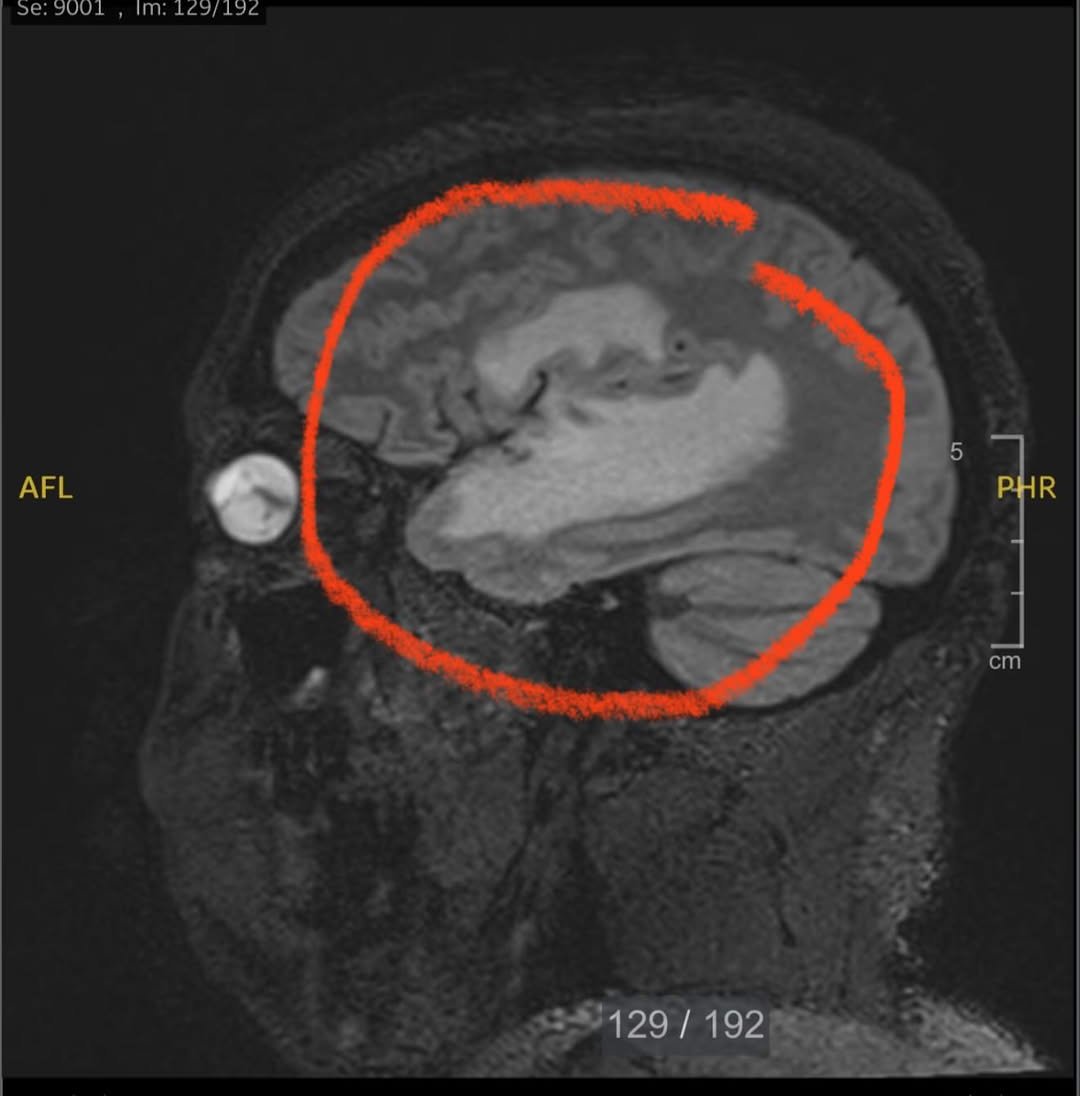
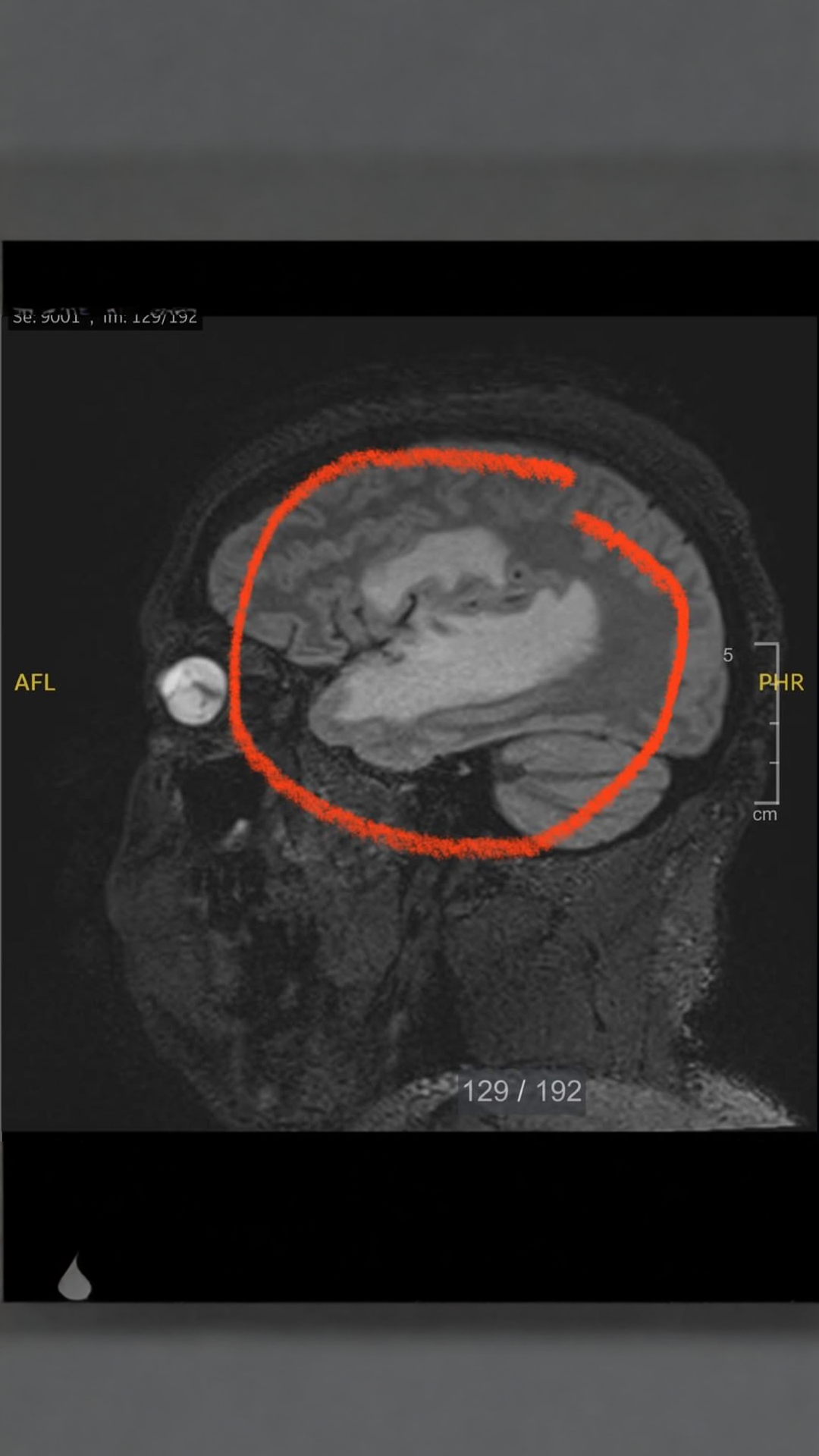
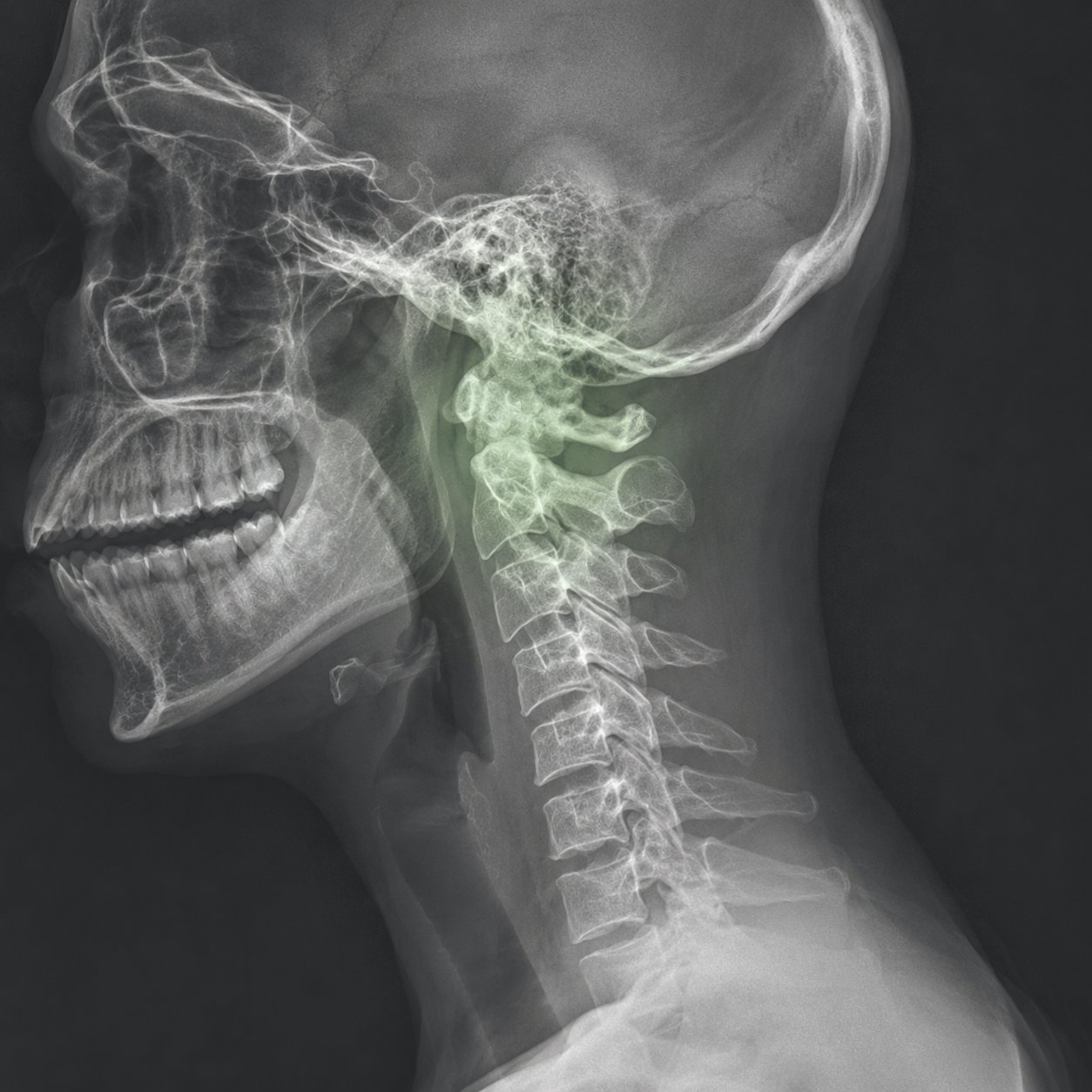
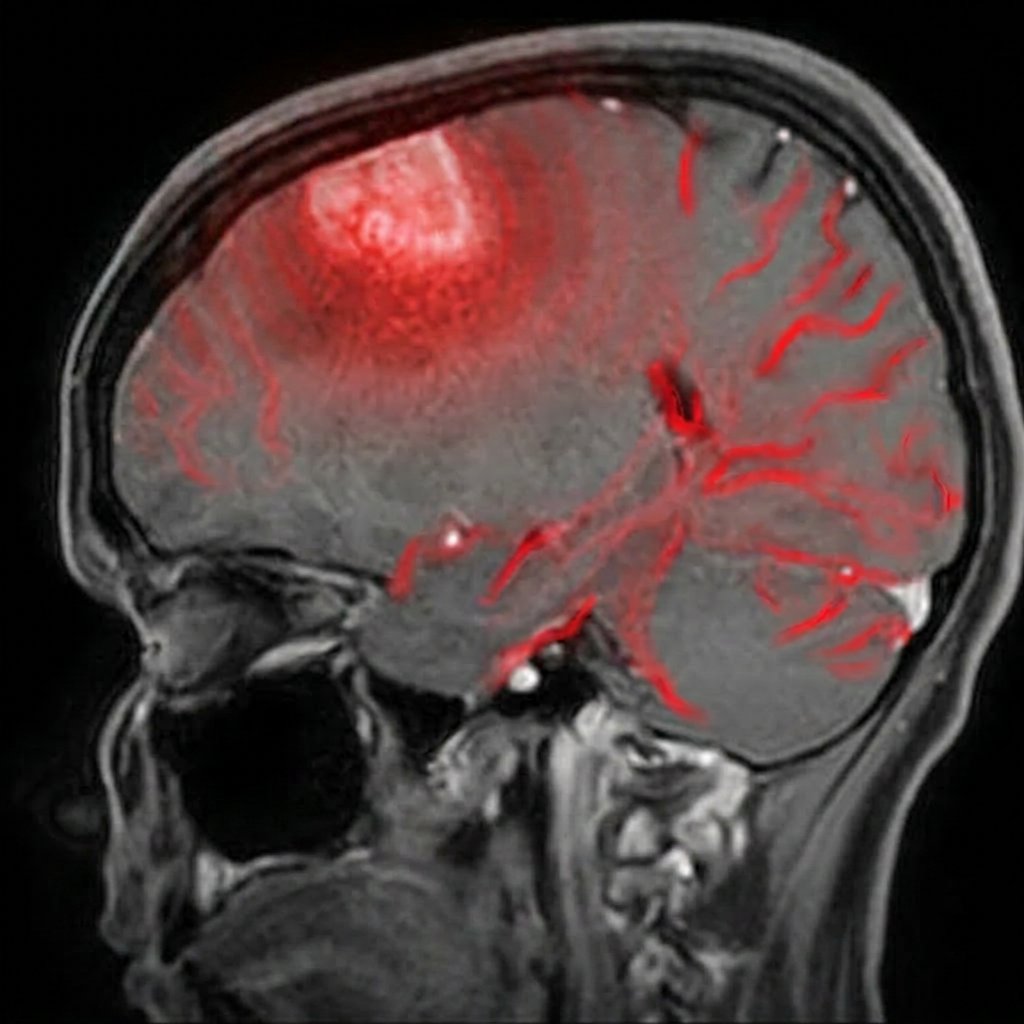
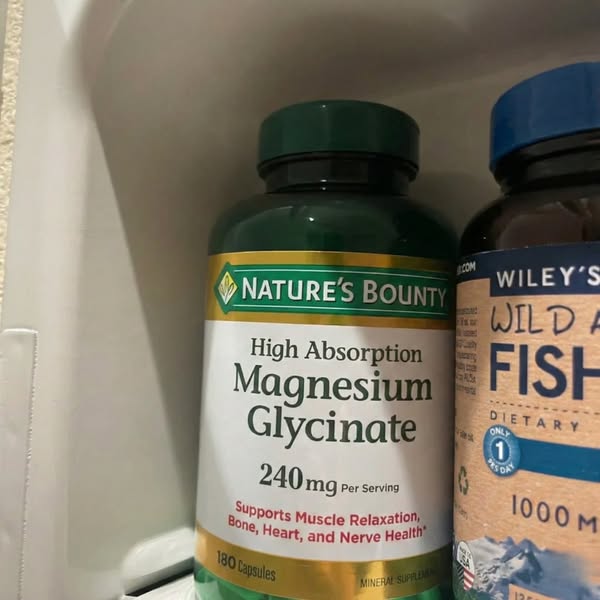
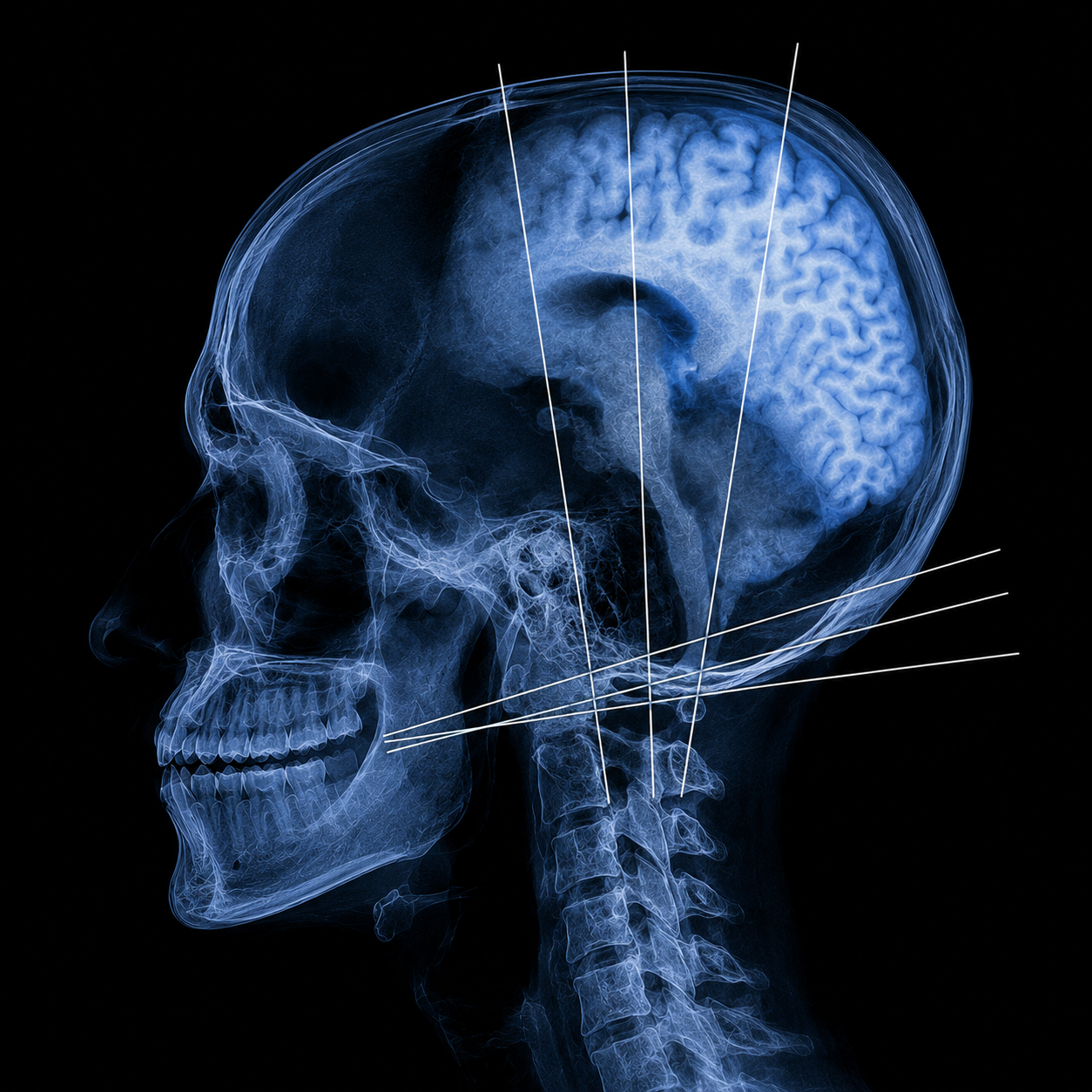
When a woman with chronic morning symptoms is buried at 76, the funeral director will fold her hands across her chest and nobody in the family will know that for 32 years while she slept, the drain at the back of her skull was closed for 8 hours a night and her brain filled up with the exact proteins she was too tired to remember she wanted to test for. Her obituary will say "she passed peacefully after a long illness." It will not say that a Nature paper in 2025 documented the drainage anatomy in her neck that no doctor in her 32-year care ever examined. It will not say that the fog she complained about at 47 was the earliest visible symptom of the accumulation that eventually filled the region of her brain that held her granddaughter's name. Her granddaughter will hold her hand at 74 and hear her call her sister instead. The mechanism that took her will not be on any of her medical records. It never was. I am 52. My mother is 74. That is the trajectory I am reading about at 3 AM on a Tuesday during a migraine because I could not sleep and my Oura Ring told me I got 8.2 hours of sleep last night and I still cannot remember what I ate for dinner yesterday. My alarm is set for 6:15 AM even on weekends because I cannot stay asleep past 4:30 anyway. I lie in bed until 6:15 pretending sleep is still possible, then get up to a 3-hour fog that makes Sunday coffee taste like heated water and the Sunday newspaper read like static. I have opened the New YoWhen a woman with chronic perimenopause migraines dies of Alzheimer's at 79, the neurologist writing the death certificate will note "onset of cognitive symptoms in her early 70s." He will not note that the actual onset was at 47 when her cervical ligaments started loosening and the compression during sleep began compounding damage her HRT could not reach. Her gynecologist will send flowers. Her HRT will be discontinued from her chart. Her family will thank her care team for keeping her comfortable in the last 8 years. Nobody in the room will know that the mechanism that took her was not hormonal. It was mechanical. And it had been running for 32 years while her chemistry was being carefully managed by specialists who never examined the joint her estrogen used to hold together. That is what perimenopause actually is for the women who never get the mechanical piece diagnosed. Not hot flashes and mood swings that stabilize in a decade. A 32-year mechanical decline that ends in a facility where your granddaughter visits you and you call her by your sister's name. I am 51. My mother is 74 and in memory care. Her chart at 47 said the same thing mine says now. I started perimenopause at 43. My cycles went from 26 days to 24 to 22 to occasionally 42. I remember the exact grocery store aisle where I stood and could not remember whether my last period had been 2 weeks ago or 5. By 45 the 3 AM hot flashes had started — soaking the sheets, forcing me to switch sides of the bed. By 47 my migraines had climbed from 4 a month to 22. My gynecologist adjusted my HRT four times over two years. Estradiol patch, then oral, then patch again with progesterone added, then a different progesterone protocol. My migraines went from 22 a month to 18. Not fixed. Just managed. Barely. My neurologist added Aimovig, then a preventive when Aimovig plateaued after 6 months, then another preventive when the first one killed my libido, then Botox when I asked if there was anything else. 31 injections quarterly at $487 out of pocket after insurance. Round 3 hit a nerve and I could not lift my left eyebrow for 9 weeks. My neurologist said "first year is sometimes like that." I paid another $487 out of pocket for a 40-minute appointment with a Menopause Society certified specialist who talked to me for 40 minutes about my estradiol receptor sensitivity and never once looked at my neck. I read Mary Claire Haver twice. I have The Menopause Manifesto on my nightstand. I follow Dr. Stacy Sims, Dr. Rachel Rubin, Dr. Jen Gunter. I ordered every supplement Mary Claire Haver mentioned on her podcast — $340 of unopened DHEA and pregnenolone is in my medicine cabinet right now. I switched from wine to tequila because I read wine worsens perimenopause migraines. I stopped eating aged cheese. I stopped eating dark chocolate on nights before important meetings. I bought a $340 red light therapy panel on Black Friday and did 15 minutes on my neck every morning for 4 months. None of it moved my morning migraine count meaningfully. I told my sister at brunch in October. She is a nurse practitioner. I said some version of "I am tired of being told my body is the problem while none of the women in white coats have actually examined my body." She put her fork down. She said "you are absolutely right and I want to tell you what actually happened to you." Estrogen holds the ligaments in your cervical spine together. Same collagen system as every other ligament in your body. Your knees get laxer during perimenopause — orthopedists document this every day. Your hips get laxer. Your ankles get laxer. And the three ligaments at C1, C2, and C3 — the top of your cervical spine, directly beneath your skull — get laxer at 2 to 5 percent per year of the transition. By 47 I had 4 years of accumulated ligament laxity. The vertebrae that were rock-solid at 40 were shifting during sleep in ways they never did before. And the shifting was happening exactly where the nerves that fire pain signals to my head live, and where the vertebral arteries that carry blood to the region of my brain that stores every memory run. The Virginia Spine Institute published data in 2025 documenting that the cervical spine is "often among the first areas to show menopausal changes." Not the lower back. Not the hips. The cervical spine specifically. The exact vertebrae where the compression was running while I slept every night for the last 8 years. Every year of the last 8 years, the compression during my sleep has been getting deeper. My HRT has been addressing my chemistry beautifully — my estradiol is exactly where my specialist wants it, my progesterone is optimal — while doing absolutely nothing about the mechanical damage the estrogen decline had already done to my cervical scaffolding. HRT is not the intervention that decompresses vertebrae. Nothing chemistry-based is. Same reason magnesium does not decompress the cervical junction. Same reason Aimovig does not open the vertebral arteries. Same reason my $487 perimenopause specialist appointment did not touch what was actually running. My sister explained it in one sentence at brunch: "your gynecologist is treating half of what changes during perimenopause and no one is treating the other half." The downstream consequences over decades — Zhu 2025 meta-analysis, 7 million patients: 32% higher risk of Alzheimer's disease in women with chronic morning symptoms, significantly worse in women whose symptoms accelerated during perimenopause. 26% higher risk of all-cause dementia. 28% higher risk of vascular dementia. Also the overnight glymphatic drainage that clears metabolic waste from the brain cannot complete when the vessels through the neck are compressed. Waste accumulates around the hippocampus — the region Alzheimer's targets first. Also the hippocampus itself is being blood-starved every night by the same compression. My sister told me about a pillow her cousin had found — engineered specifically for holding C1 through C3 in anatomical alignment for the full 8-hour sleep cycle in a woman whose ligaments are no longer holding it themselves. I ordered the Éloura CerviSoft that afternoon in the brunch parking lot. Small European sleep engineering company. Adaptive fiber that does not collapse under body heat or head weight — because standard memory foam softens within 90 minutes and by 3 AM my head would be back in the compression position that started this whole problem. The adaptive fiber holds through the deep-sleep window between 3 AM and 6 AM when the hippocampal drainage is most active. $57.95. 90-night money-back guarantee. Day 11 I stopped pressing my thumb against the base of my skull when I woke up. The ritual I had done every morning for 8 years. Just forgot. Week 4 my husband said "you have been up before 7 all week." Week 6 my morning fog lifted before 10 AM for the first time in 3 years. I finished a sentence at dinner and remembered the name of the actress in the movie we had watched the previous weekend. Week 12 my monthly migraine count was 6. Down from 22. I have not scrolled perimenopause TikTok at 2 AM in months because I am asleep at 2 AM. I have not ordered a supplement based on a podcast episode since October. I have not scheduled HRT bloodwork hoping the numbers will finally correlate with how I feel — my numbers were always fine, my mornings were always terrible, I stopped believing the correlation had to exist. I have not told my gynecologist about the pillow. My next appointment is in December. I have decided in advance that I will nod when she talks about my estradiol levels stabilizing my migraines. I have not texted my husband at 3 PM on hard days "I need to lie down before dinner" in 74 days. I have not skipped Thursday dance class because "I might need Friday morning to recover." I go to dance. I show up to Friday morning meetings alert. I have not RSVP'd "maybe" to my friend group's dinners anymore. I go. I finish sentences at the table. I remember what we talked about the next morning. My best friend said last month "you seem back." I have not read every new perimenopause book that comes out because I have understood the piece all of them are missing — the mechanical piece. Once you see it, the rest of the conversation stays useful but it is no longer everything. I have not bought red light therapy panels or infrared saunas or any of the "biohacking" perimenopause products my Instagram feed still tries to sell me. I know now they were adjacent to the actual mechanism, not addressing it. I have not checked my Oura Ring first thing in the morning to see if my "readiness score" was low enough to justify how I felt. My Oura score has climbed 18 points. I did not change any of the metrics it measures. I have not slept on my stomach anymore in an attempt to reduce pressure on my temples. That was a workaround for the compression. I do not need workarounds now. I have not cancelled the second half of long days. I used to text my husband at 3 PM on hard days that I needed to lie down. Not anymore. I have not sat in the car outside gynecology appointments doing breathing exercises before going in. My last appointment was in October right before brunch with my sister. I did not need to breathe through it. I sat in the waiting room reading a magazine and finishing the paragraphs. The Éloura CerviSoft. 90-night money-back guarantee. If your mornings do not change, every dollar back. My mother is 74. Her chart at 47 said "unremarkable for age" and nobody had the language to tell her what came next. She had 32 years of nightly compression while her gynecologist adjusted her HRT and her neurologist added preventives and nobody in either specialty ever examined the joint her estrogen used to hold together. My chart at 51 said the same phrase her chart did at 47. But I had a sister who put her fork down at brunch. P.S. If you have read Mary Claire Haver, followed Dr. Stacy Sims, subscribed to Alloy or Midi, and still have mornings that feel like everything the conversation was supposed to fix is not fixing — this is the piece the conversation is missing. Not because the specialists are wrong about hormones. Because the mechanical piece happens at the top of your cervical spine while you sleep and nobody in the perimenopause conversation was trained to see it. My sister told me at brunch. She said if she could go back and tell her patients one thing about perimenopause that her nurse-practitioner training never covered, it would be this. She has told 6 women total. I am telling you now.rker at the kitchen table on hundreds of Sunday mornings, read the same paragraph three times, and closed it because I could not hold the sentence together. By noon the fog lifts enough for me to notice it is Sunday. My husband has already gone for his 6-mile run, come back, showered, and started prepping lunch. I have done nothing. Not because I am lazy. My brain is running on 60% bandwidth for the first 3 hours of every day and I cannot force it back online no matter how much coffee I drink. My daughter came downstairs at 10 AM last Sunday and said "Mom you look tired." I said "I slept fine." Technically I had. I had slept 8.2 hours according to the ring on my finger that cost $349 and cannot measure the one thing that matters. By 2 PM I can function. By 4 PM I feel like myself. By 8 PM I am already dreading Monday morning because Monday morning is the same fog with a 9 AM standup attached — a meeting where my team looks at me and I blank on the name of the client I emailed the previous Friday. I have been through 4 different pillows in 6 years. Magnesium glycinate at bedtime for 3 years — the "good" kind, 400mg. Blackout curtains, Manta weighted eye mask, LectroFan white noise machine simultaneously. Melatonin. Glycine. Chamomile tea. Six regrettable months of THC gummies my acupuncturist recommended that made my mornings even foggier. The Oura Ring in 2023 that consistently told me I was getting 8.2 hours of sleep. I felt exhausted for all 8.2 of them. None of it fixed the Sunday problem. The paper I found at 3 AM was published in Nature in February 2025 by Jin, Yoon, and Hong at the Institute for Basic Science in South Korea. They documented that the brain has a dedicated waste-clearance pathway exiting through the cervical lymph nodes at the base of the skull. Not through the general lymphatic system — its own dedicated highway, fully mapped for the first time in 2015, mechanistically confirmed in humans in 2025. When the drainage runs properly, the metabolic waste my brain accumulated during the day gets flushed out during deep sleep — including proteins linked to Alzheimer's. Every night. Automatically. If nothing is compressing the exit. Mechanical compression of the cervical drainage pathway during sleep can reduce outflow volume by more than half. Measured in controlled animal models. Applied compression — waste accumulated in brain tissue overnight. Released compression — drainage returned to normal within days. The compression happens at three specific vertebrae — C1, C2, and C3 — the top of the cervical spine, directly under the skull. When the head settles wrong on a standard pillow, those three vertebrae shift downward and inward. The soft tissue around the drainage pathway narrows. The overnight flush cycle begins at reduced volume and often does not complete before waking. The metabolic waste that was supposed to be flushed stays in the brain tissue. Every night. Year after year. Accumulating around the same regions that shrink first in cognitive decline patients. I am not waking up foggy on Sunday. I am waking up at the end of 8 hours of restricted brain drainage. Zhu 2025 meta-analysis in the Journal of Headache and Pain, 7 million people: 32% higher risk of Alzheimer's disease in chronic morning symptom sufferers. 26% higher risk of all-cause dementia. 28% higher risk of vascular dementia. And for women specifically, estrogen decline during perimenopause loosens the cervical ligaments at 2 to 5 percent per year — the ligaments loosen, the vertebrae shift more during sleep, the compression deepens, the drainage worsens every year of the 5 to 10 years perimenopause takes. Plus the overnight glymphatic pump that drives the drainage — Nedergaard lab at Rochester, Cell paper early 2025 — weakens when deep sleep is fragmented by hot flashes or cervical pain firing through the night. The pump runs on rhythmic norepinephrine oscillations that only fire in deep NREM sleep. When perimenopause fragments the deep sleep, the pump slows further. Two secondary factors compound on the primary drainage problem during perimenopause specifically. I ordered a pillow at 3:22 AM sitting on the edge of my bed reading the Nature paper on my phone. The Éloura CerviSoft. Small European sleep engineering company. Engineered specifically to hold C1 through C3 in the anatomical alignment that keeps the cervical drainage pathway open for the full 8-hour sleep cycle. Adaptive fiber that does not collapse under body heat or head weight — standard memory foam softens within 90 minutes and by 3 AM the head has drifted back into the drainage-blocking position that started the compression. The adaptive fiber holds through the deep-sleep window between 3 AM and 6 AM when the glymphatic pump is most active. $57.95. 90-night money-back guarantee. Last Sunday I woke up at 6:47 AM. Not because my alarm was set. Because my body decided it was done sleeping now that it was no longer being pulled out of deep sleep by cervical tension at 4:30. I lay in bed for 8 minutes. My husband was still asleep. I got up quietly. I made coffee. It tasted like coffee. On foggy Sundays for 8 years, coffee was just heat. I read a New Yorker profile at the kitchen table — 4,200 words — and could summarize it accurately at brunch that afternoon. That has not been true on a Sunday morning in 8 years. My husband came downstairs at 8:30 and said "you're up." I said "I've been up since 7." He said "you seem awake." I was awake. I had been awake for 90 minutes and my brain was doing what it used to do at 39 on Sunday mornings before whatever went wrong in my body went wrong. I have not scrolled my phone at 4:30 AM in 6 weeks because I am not awake at 4:30 AM. My screen time has dropped from 4.2 hours daily average to 1.8. I did not "try to reduce screen time." I just stopped needing my phone as a distraction from 4:30 AM tension. I have not scheduled "recovery buffers" on Sunday afternoons because I do not need to recover from the morning. I have not warned friends I might cancel brunch. I show up to brunch. I remember the conversation from brunch on Monday. I finish sentences at Monday's team meeting without pausing for the word. I have not closed my office door at 2 PM anymore to "power through the afternoon slump" because the slump does not come at 2 PM. The slump used to be my brain finally getting the blood flow it needed by early afternoon. Now it gets that blood flow overnight. I have not bought a sleep supplement in 3 months. I have $340 worth of unopened melatonin, glycine, and magnesium threonate in my medicine cabinet. I stopped ordering them. I have not booked Oura "sleep coaching sessions" anymore. My Oura score has climbed from 68 average to 84. I did not change any of the metrics the Oura tracks. I changed the one metric it cannot measure — whether my cervical drainage was compressed while I slept. I have not warned my team on Sunday nights that "Monday might be rough." I show up Monday sharp. Nobody knows why. My CEO said last week "you seem more present in meetings lately." I did not tell him about the pillow. I have not read every new sleep-optimization Substack that appears in my feed. I stopped needing to. The mechanism was mechanical. Sleep hygiene was addressing everything except the mechanism. I have not lain in bed at 4:30 AM staring at the ceiling counting the hours until my alarm anymore. Because I am asleep at 4:30 AM. I have not blanked on a client's name in a meeting in 7 weeks. My team started noticing before I did. My direct report said last month "you seem back in the details lately." I have not canceled my Wednesday evening pottery class because "I don't have the bandwidth after work." I go every Wednesday now. I have finished 4 pieces since October. Before that I had not finished one in 2 years. I know when Sunday is happening now. That is the change. It is not dramatic. It is not a testimonial-video moment. It is Sunday feeling like Sunday. The Éloura CerviSoft. 90-night money-back guarantee. If your mornings do not change, every dollar back. P.S. The most useful thing I read in the Jin 2025 Nature paper was not the mechanism itself. It was the timeline. The drainage returned to normal within days of the compression being released — not weeks, not months. Days. Which means the woman reading this could have Sundays feeling like Sundays again within a couple of weeks. The trajectory that has been running for years is not fixed. But the intervention has to actually happen for the trajectory to change. If you have spent the last 8 years buying supplements, sleep trackers, blackout curtains, and better pillows and none of it made Sunday feel like Sunday — this is why. All of those interventions addressed the environment around your sleep. None of them addressed the mechanical compression running underneath your sleep. There is a difference. It matters more than any product I bought in that 8 years figured out how to address.
Like this ad? Make it yours.
Crush rebuilds this exact creative around your product — your brand, your colors, your offer — in about a minute.