
Inactive· since Apr 30, 2026
- 19
- days it ran
- 1
- relaunches
Ad copy
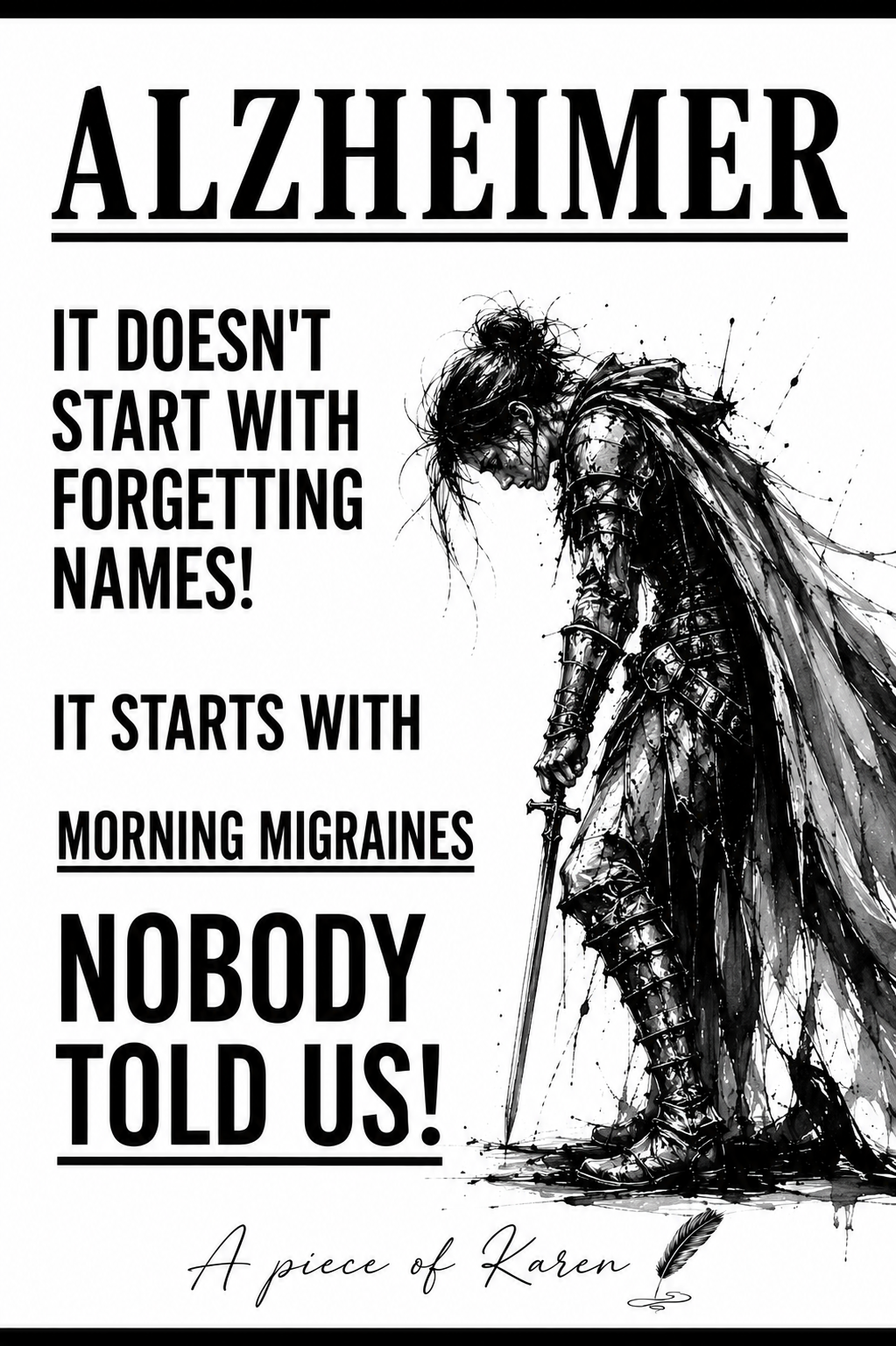
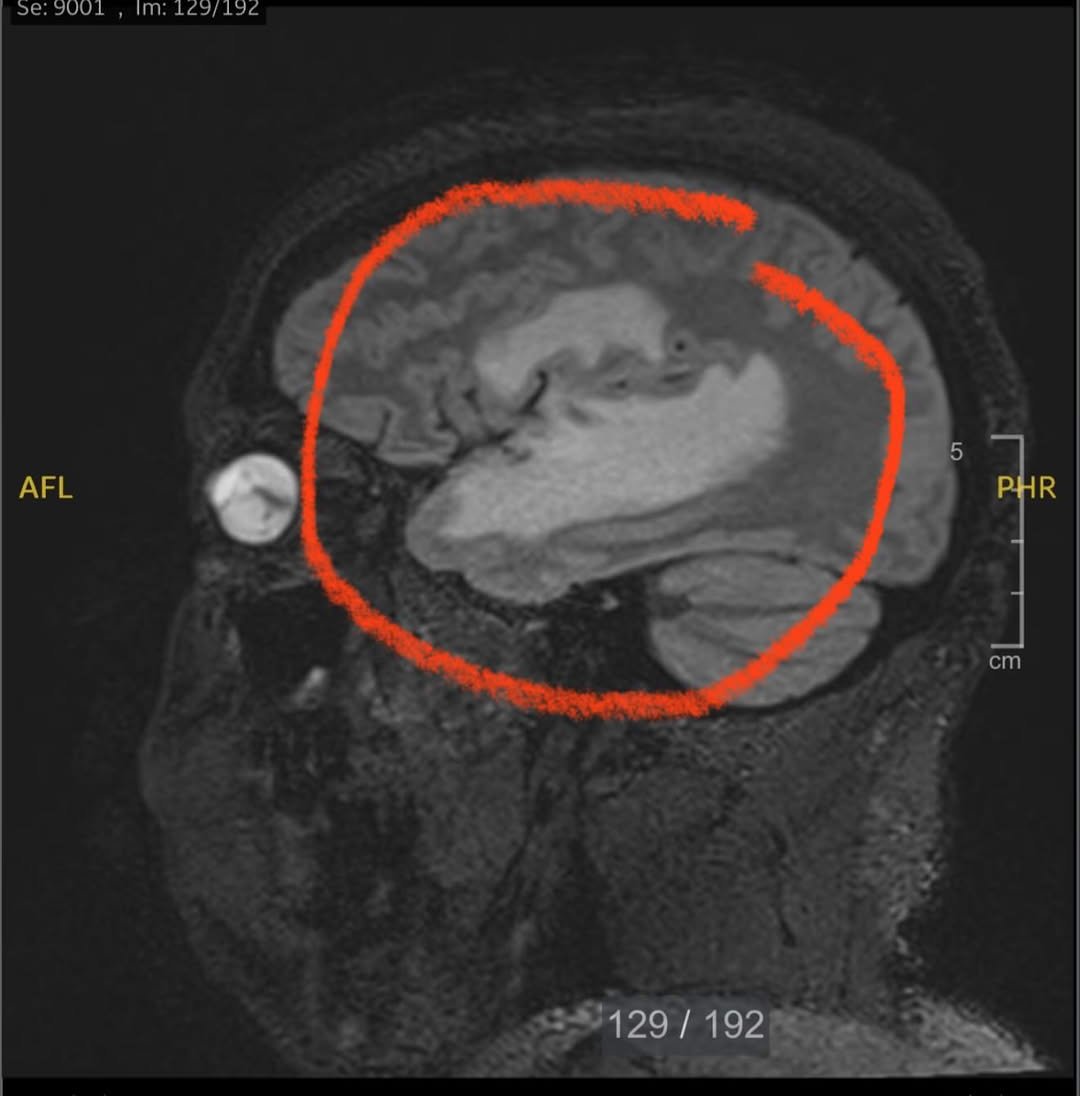
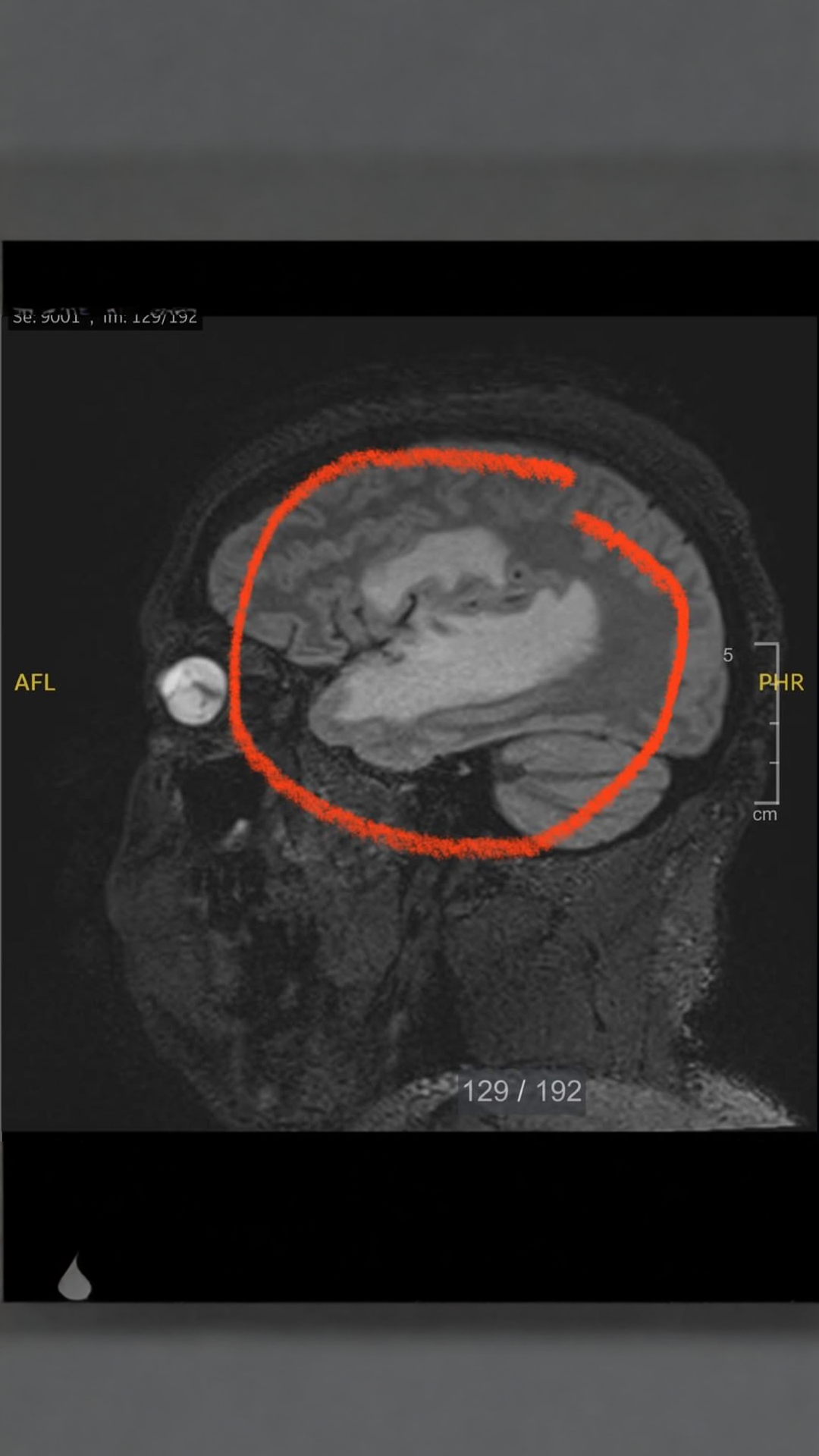
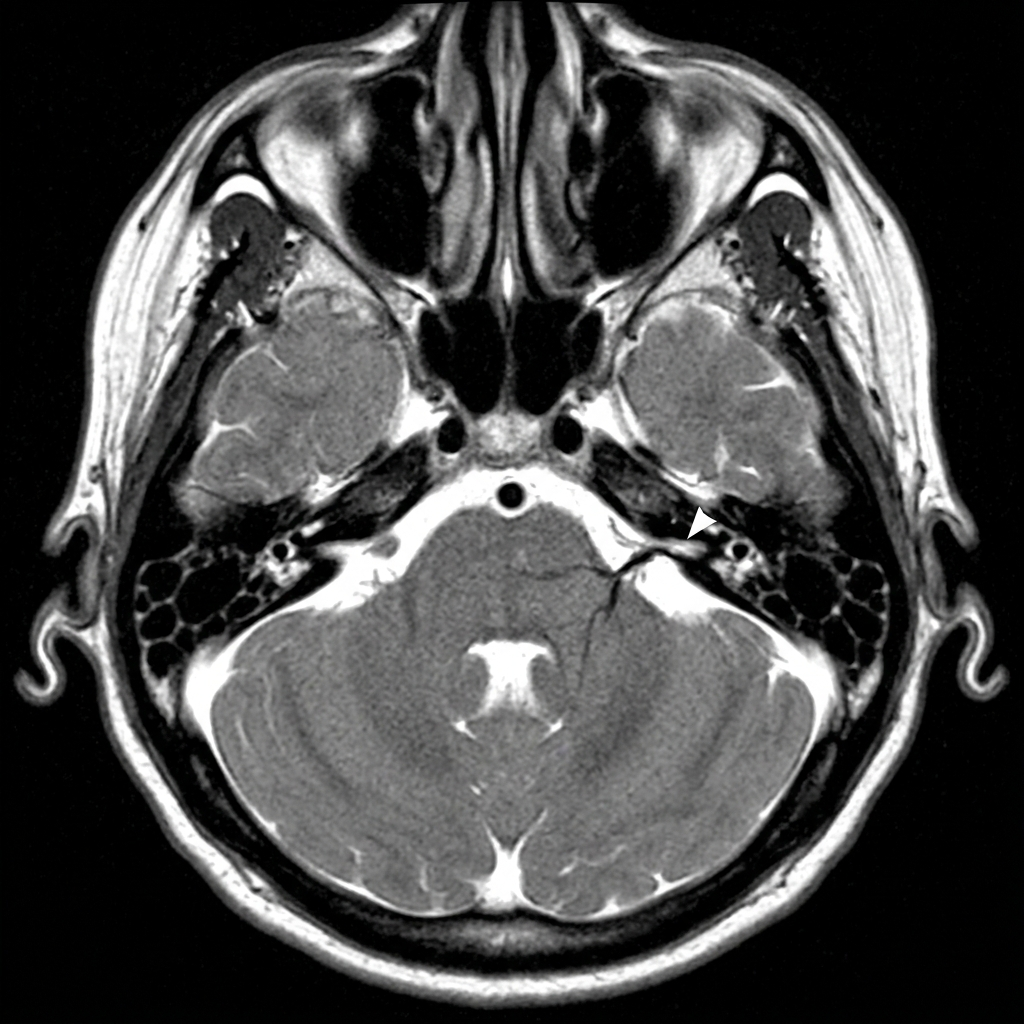
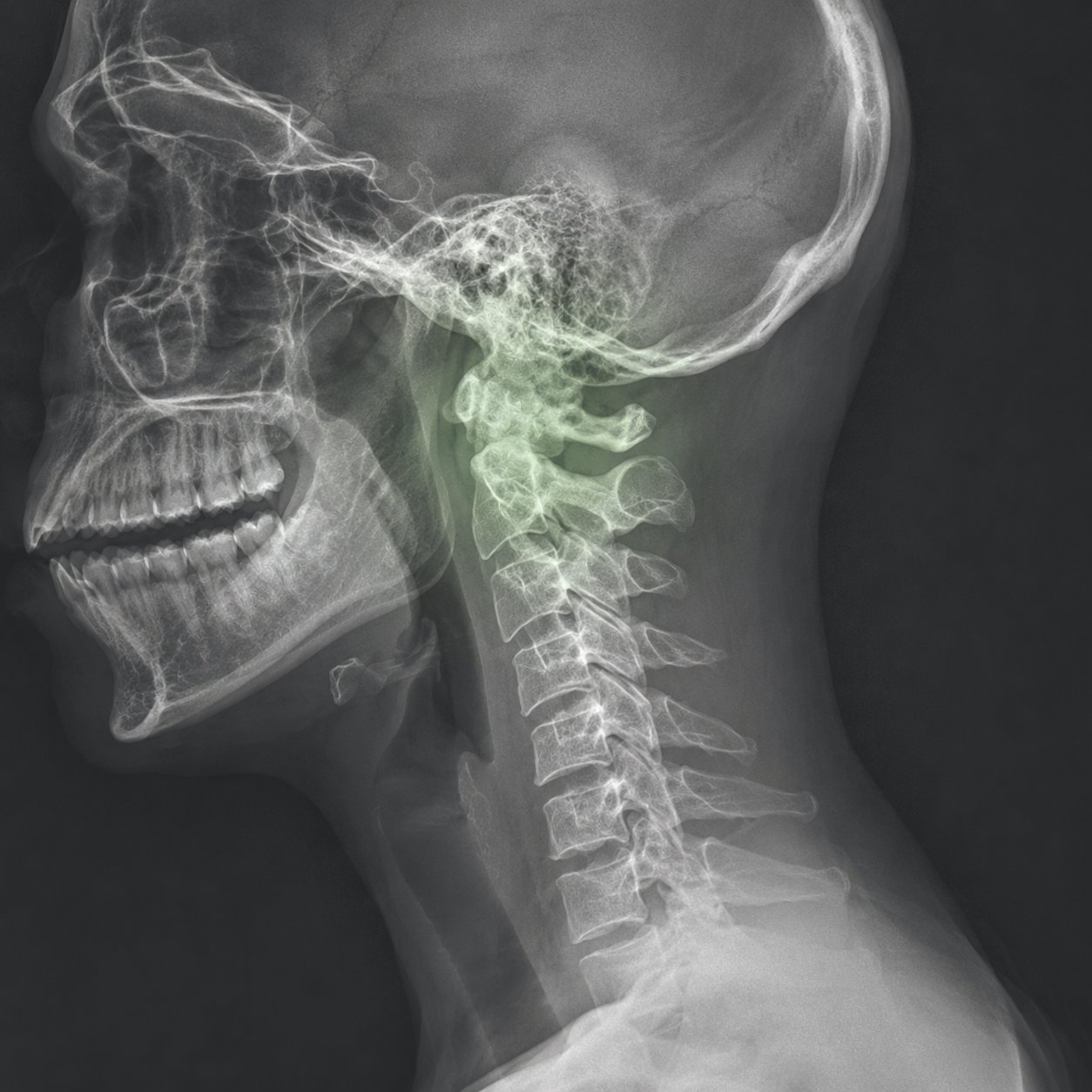
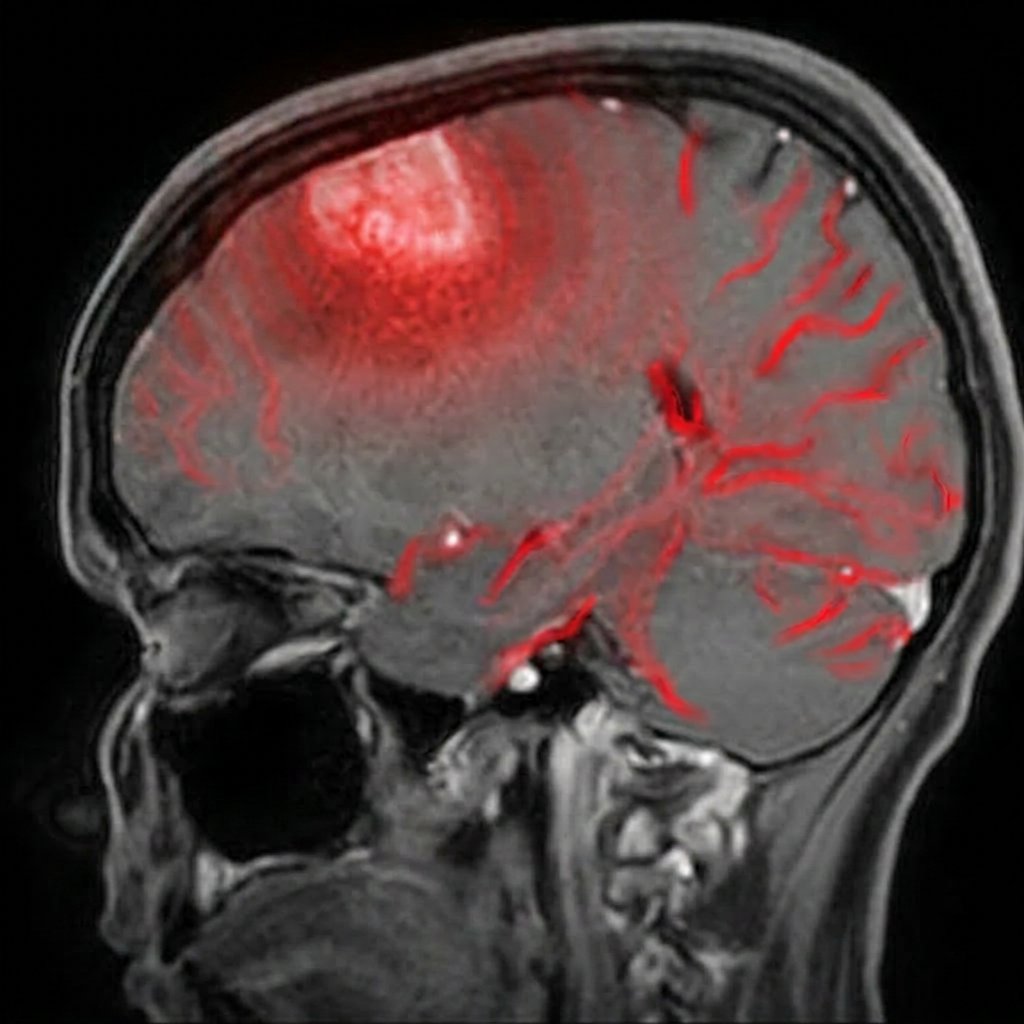
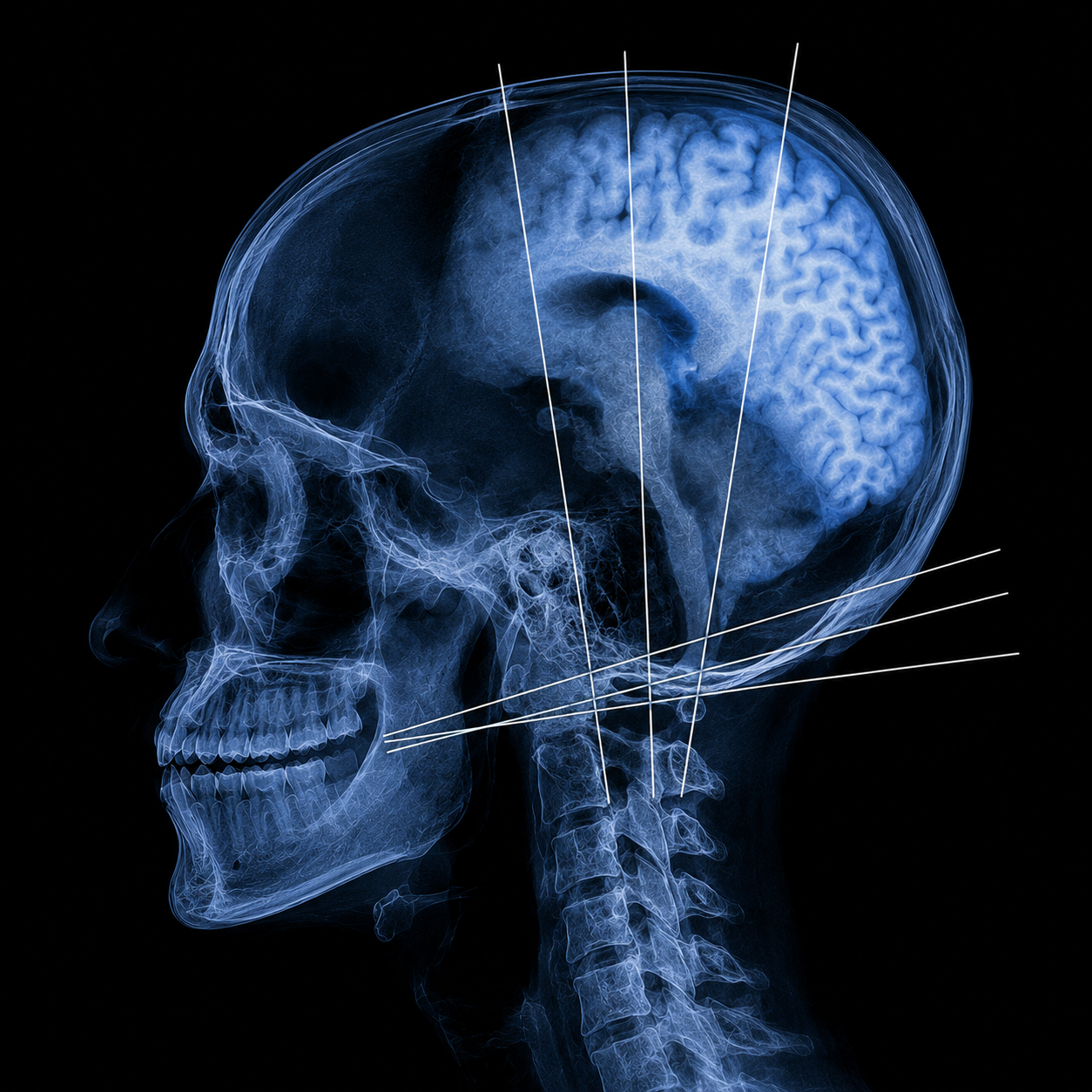
WARNING: I'm a high school English teacher. I watched my mother forget my name at 72. She had chronic intractable migraines her whole life. I've had them for fourteen years. She kept a pill drawer for 43 years. Five bottles. Same routine every morning at 5 AM. I've kept the same drawer for 14 years. Three weeks ago, I had what I thought was a really bad one. Left side numb. Vision blurred. Couldn't lift my arm. Took my pills. Waited for it to abort. It did. Went to work. My neurologist said: "That wasn't a migraine. That was a mini-stroke. And you drove to work." My mother's first stroke was at 68. Started forgetting words at 49. I'm 47. I just started losing words mid-sentence. And last week, I had my first TIA. THE DRAWER Top right. Next to the sink. Excedrin for the daily attacks. Sumatriptan to abort the bad ones. Topiramate preventive. Magnesium. B-complex. I open it every morning at 5:30. Before my eyes are fully open. Been doing this for 5,110 mornings straight. My mother did it for 15,695 mornings. Chronic intractable migraine. Treatment-resistant. Nothing works long-term. At 72, she was in memory care, asking nurses where her daughter was while I sat next to her. At 68, she had her first stroke during what she thought was just another bad one. At 49, she started forgetting words. Standing in her classroom — she was a teacher too — and losing the next word mid-sentence. THE TIA Three weeks ago, I woke up at 5:30 with what I thought was the worst attack I'd ever had. Left side of my face completely numb. Vision in my right eye blurred like I was looking through frosted glass. Couldn't lift my left arm without concentrating really hard. I know the protocol. Take the triptan immediately. Don't wait. Lie very still. Give it 40 minutes to abort. I did exactly that. By 7 AM, the numbness had cleared. Vision came back. Arm worked fine. "Bad one this morning," I told my husband. He nodded. Handed me coffee. We've done this dance for fourteen years. I drove to work. Taught four classes. Came home. Made dinner. Three days later, I mentioned it to my neurologist during a routine follow-up. She stopped writing notes. "That wasn't a migraine attack. That was a TIA. Transient ischemic attack. You had a mini-stroke." The room tilted. "And you took a triptan and drove to work." She ordered emergency imaging. MRI. Carotid ultrasound. Bloodwork. Results came back six days later. Evidence of a recent TIA. Multiple small white matter lesions. Vertebral artery compression at C2-C3. "Your migraines aren't just attacks," she explained. "They're warnings. Your body screaming that something is compressing blood vessels in your neck every single night." THE TIMELINE I thought about my mother. At 49 — two years after where I am right now — she started forgetting words. Standing in front of her tenth-grade English class, teaching Steinbeck, and the word "symbolism" just vanished. Gone. Like a door closing in her brain before she could get through. By 55, she was forgetting names of colleagues she'd worked with for twenty years. By 60, she needed lists for everything. Grocery lists. Daily task lists. Lists to remember what the other lists were for. By 68, after the stroke, the forgetting accelerated. By 70, she asked my brother who I was. By 72, she was gone. Not dead. Gone. The body was still there. But the woman who raised me had left years earlier. I'm 47. And three months ago, I lost a word for the first time. Teaching Gatsby. A book I've taught for nineteen years. Standing in front of twenty-three seventeen-year-olds, explaining symbolism, and the word just — disappeared. "The green light represents his... his..." Nothing. Gone. "His desire," I finally said. Wrong word. Close enough. Kept teaching. But I knew. That night, I started making a list. Words I've lost in the past three months: - "Metaphor" during AP Lit - "Renaissance" during historical context - "Protagonist" during character analysis - My neighbor's name (known her nine years) - The name of the restaurant where my husband proposed - "Bibliography" while giving assignment instructions My career is built on words. And they're disappearing. Just like Mom's did. THE MATH I went back through my medical records. Mom's first documented word loss: age 49. Mom's migraine duration at that point: 18 years of chronic attacks. My age now: 47. My migraine duration: 14 years of chronic attacks. I'm four years behind her timeline. And accelerating. That's when I started researching. Really researching. Not "how to manage migraines." But "why do chronic migraines cause dementia." What I found kept me awake for three straight nights. Neuroimaging studies showing chronic migraine sufferers develop the same white matter lesions found in early Alzheimer's patients. Not "might develop." Not "increased risk." The same lesions. Consistently. Measurably. And the mechanism wasn't mysterious. It was the glymphatic system. The brain's waste removal system — only active during deep sleep — flushes metabolic waste through cerebrospinal fluid pathways. Including amyloid-beta proteins. The proteins that form plaques in Alzheimer's disease. But the glymphatic system requires proper cervical alignment to function. When the upper cervical spine compresses during sleep, the drainage pathways get blocked. The waste — including amyloid — can't drain. It accumulates in brain tissue instead. Night after night. Year after year. I found the 2024 Curtin University study. Researchers used infrared cameras to film people sleeping. People who woke with attacks: 185 minutes per night in positions that compress C2-C3. Pain-free people: 84 minutes. My pillow was compressing my neck for over three hours every single night. Blocking the drainage my brain needed to clear waste. For fourteen years. 5,110 nights of blocked drainage. THE REALIZATION But that's not what destroyed me. What destroyed me was doing the math on my mother. Forty-three years of chronic migraines. 15,695 nights of blocked glymphatic drainage. 15,695 nights of amyloid proteins accumulating because her brain couldn't flush them out. She didn't have "genetic" Alzheimer's. She had 15,695 nights of sleeping on a pillow that blocked the drain. And I was doing the exact same thing. Same sleeping position. Same pillow type. Same compression pattern. I sat in my car outside the memory care facility where she'd spent her last four years. The place where she'd asked nurses about her daughter while I sat next to her holding her hand. And I understood. The pills never stopped Mom's migraines because they weren't treating the cause. They were masking a mechanical problem. And while she took pills every morning for forty-three years, the actual problem — cervical compression blocking glymphatic drainage — continued every single night. The pills didn't save her brain. They just made her functional enough to keep destroying it. THE SEARCH I looked at my pill drawer that night. Excedrin. Sumatriptan. Topiramate. Magnesium. B-complex. Fourteen years of pills. Fourteen years of "managing" attacks. Zero years of addressing why they kept happening. Started searching specifically for cervical spine positioning and glymphatic flow. Found research on C2-C3 alignment. Found studies on proper neck support preventing vascular compression. Found data on glymphatic clearance improving with correct sleeping posture. Found a company engineering medical-grade cervical pillows specifically for this. The reviews broke me. One woman: "My mother died from Alzheimer's at 71. Chronic migraines her whole life. I'm 52, same attacks, same fog. This pillow cleared both. Brain imaging shows improved waste clearance. I'm not becoming her." Another: "Treatment-resistant for 16 years. Nothing worked. Turns out it was mechanical. Proper cervical support at night — attacks went from daily to maybe twice a month." I read for hours. Crying. Because every review was written by someone on my mother's timeline. And they'd stopped it. Ordered it that night. THE RESULTS First night was strange. My head settled into a hollow center. Neck felt supported in a way I'd never experienced. Not pushed. Not propped. Just aligned. Woke up at 7:00 AM instead of 5:30. No alarm. No attack waiting. No reaching for the pill drawer. Day three: taught all day without losing a single word. Week two: remembered my neighbor's name when she waved. The name just appeared. Like it had always been there. Month one: teaching Gatsby again. "The green light represents his unattainable desire — the metaphorical embodiment of the American Dream's inherent tragedy." Every word. Perfect. Flowing. No doors slamming shut in my brain. I cried during my prep period. Month two: my daughter noticed. "Mom, you seem different. Sharper. You haven't done the thing where you forget what you were saying." "What thing?" "The thing Grandma used to do. You've been doing it too. But you haven't done it in weeks." I hadn't told her about the word loss. She'd noticed anyway. Kids always notice. The pill drawer sat untouched for three weeks before I finally moved everything to the medicine cabinet. Fourteen years of 5:30 AM routine. Gone. I don't open that drawer anymore. THE TRUTH Nobody checked my mother's sleeping position. Nobody connected her migraines to her cognitive decline. Nobody asked "how do you sleep?" in forty-three years of neurology appointments. They just gave her pills. The same pills I've been taking. The same pills that never stopped the actual problem. I think about her every day now. Not the woman in the memory care facility who didn't know my face. The woman at 49. Standing in her classroom. Losing the word "symbolism." Who trusted her doctors when they said it was stress. Who took her pills every morning for eighteen more years. Who died at 72 asking when her daughter was coming. She was four years ahead of where I am now. I'm not following her timeline anymore. Last week, I taught a complex Faulkner passage. Difficult syntax. Nested clauses. Semicolons doing heavy lifting. Didn't lose a single word. After class, one of my students stopped at my desk. "Ms. Peterson, my mom has really bad migraines. Like every morning. And she's starting to forget stuff. Like, she'll be talking and just stop. Is there actually something that helps?" I wrote down everything. The research. The cervical compression connection. The glymphatic drainage mechanism. She took the paper carefully. Like it mattered. "Thank you," she said. "I don't want her to end up like my grandma did." Neither did I. YOUR TIMELINE If you have a pill drawer... if you've been taking the same routine for years... if nothing works long-term... If you're starting to forget words... if you walk into rooms and can't remember why... if you're terrified you're following your mother's timeline... The pills aren't saving you. They're keeping you functional while the actual problem — mechanical cervical compression blocking glymphatic drainage — continues destroying your brain every single night. Your mother's fate wasn't genetic. It was mechanical. And you're doing the exact same thing to yourself. Proper cervical alignment. Glymphatic drainage. Brain waste clearance. That's what stops the timeline. Not pills. Éloura has a 90-night guarantee. Test it yourself. See if your "treatment-resistant chronic intractable migraines" are actually blocked drainage nobody's been checking. After fourteen years of following my mother's exact routine... After losing words I've used my entire career... After a TIA I thought was just another bad one... The answer was fixing what two generations of neurologists never thought to check. My neck. CHECK AVAILABILITY →
The Tiny Trick That Stops 5:30 AM Attacks
Finally wake up pain-free? The CerviSoft™ Pillow by Éloura relieves your cervical spine and helps against migraines & neck tension. 90-night sleep trial ✓ Free shipping ✓ 10,000+ happy customers. Discover now!
LEARN MORELike this ad? Make it yours.
Crush rebuilds this exact creative around your product — your brand, your colors, your offer — in about a minute.