
Active· since Jun 25, 2026
- 80
- days running
- 1
- relaunches
Ad copy
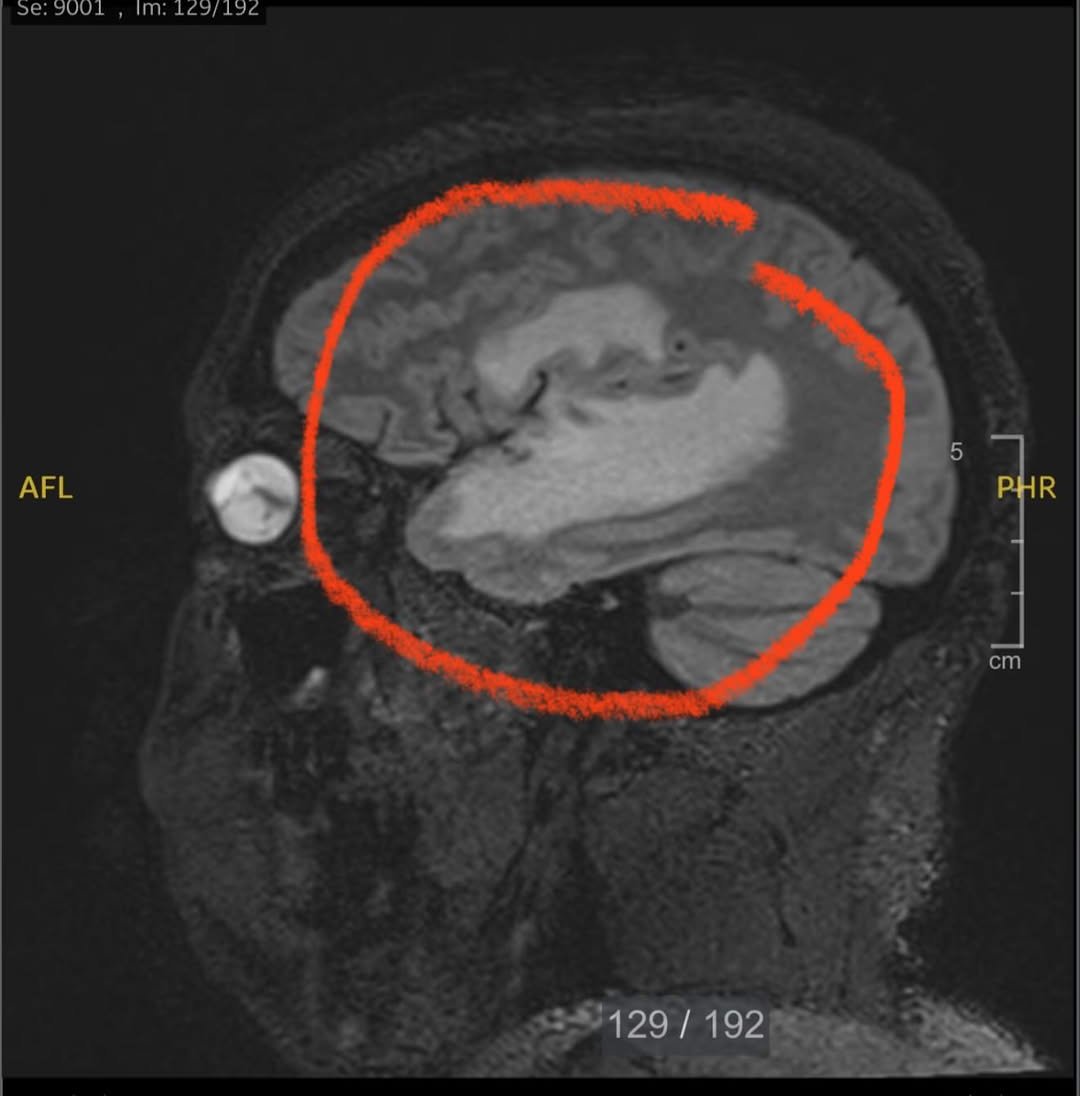
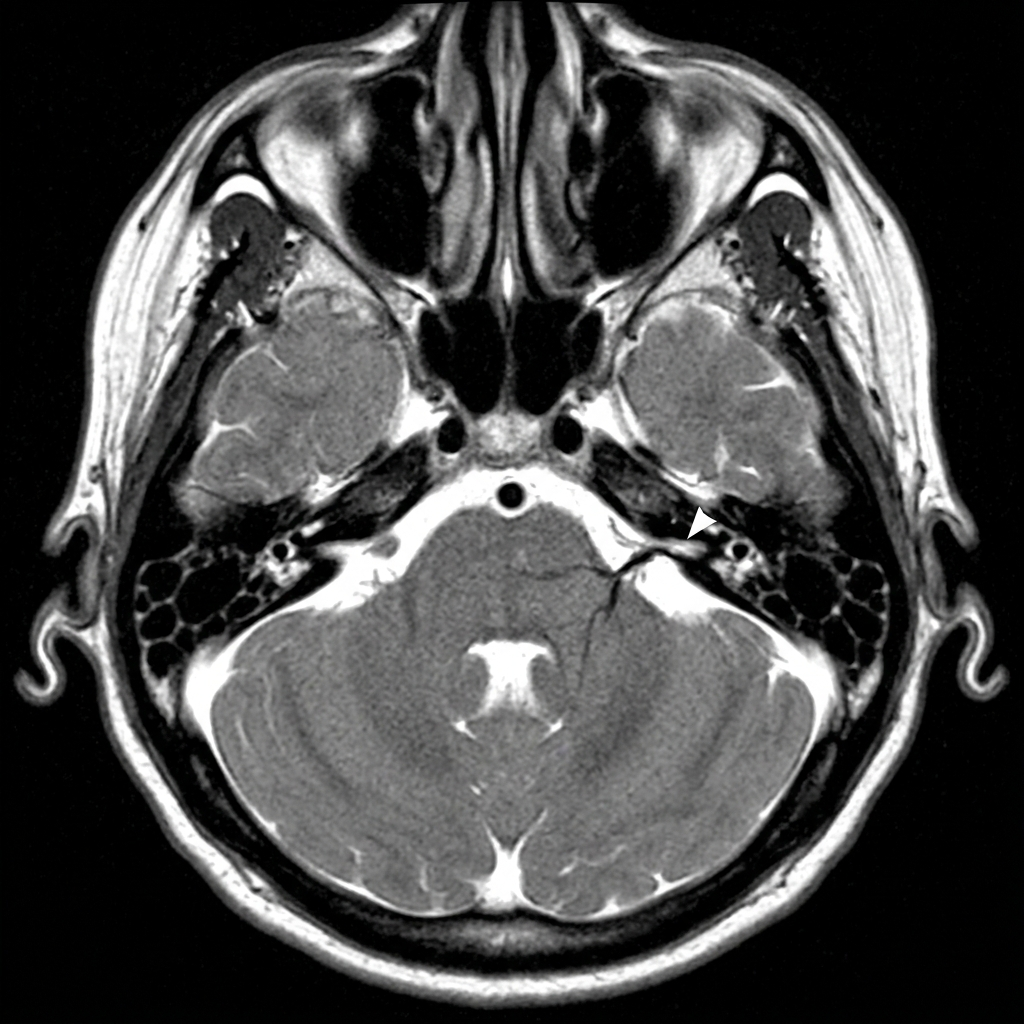
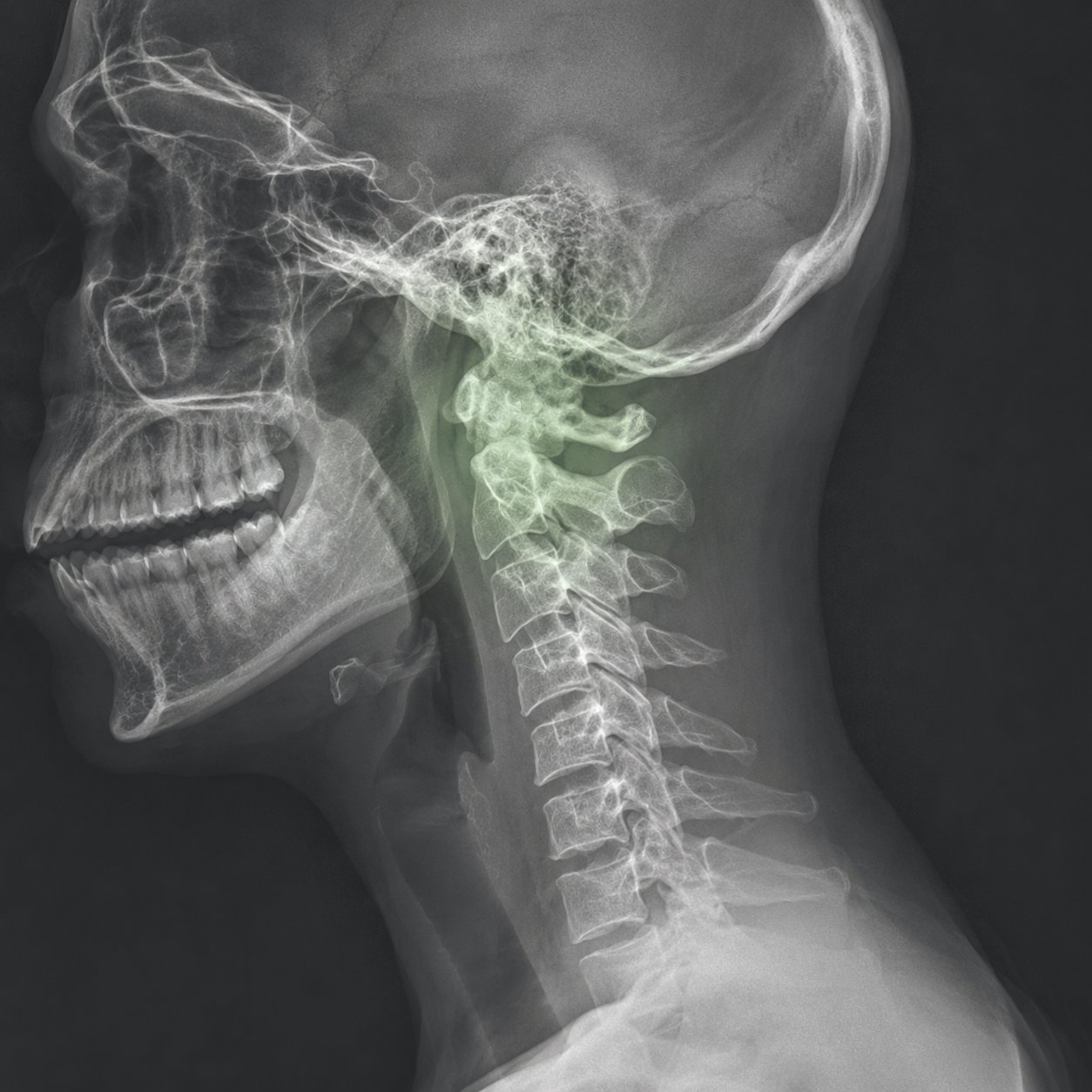
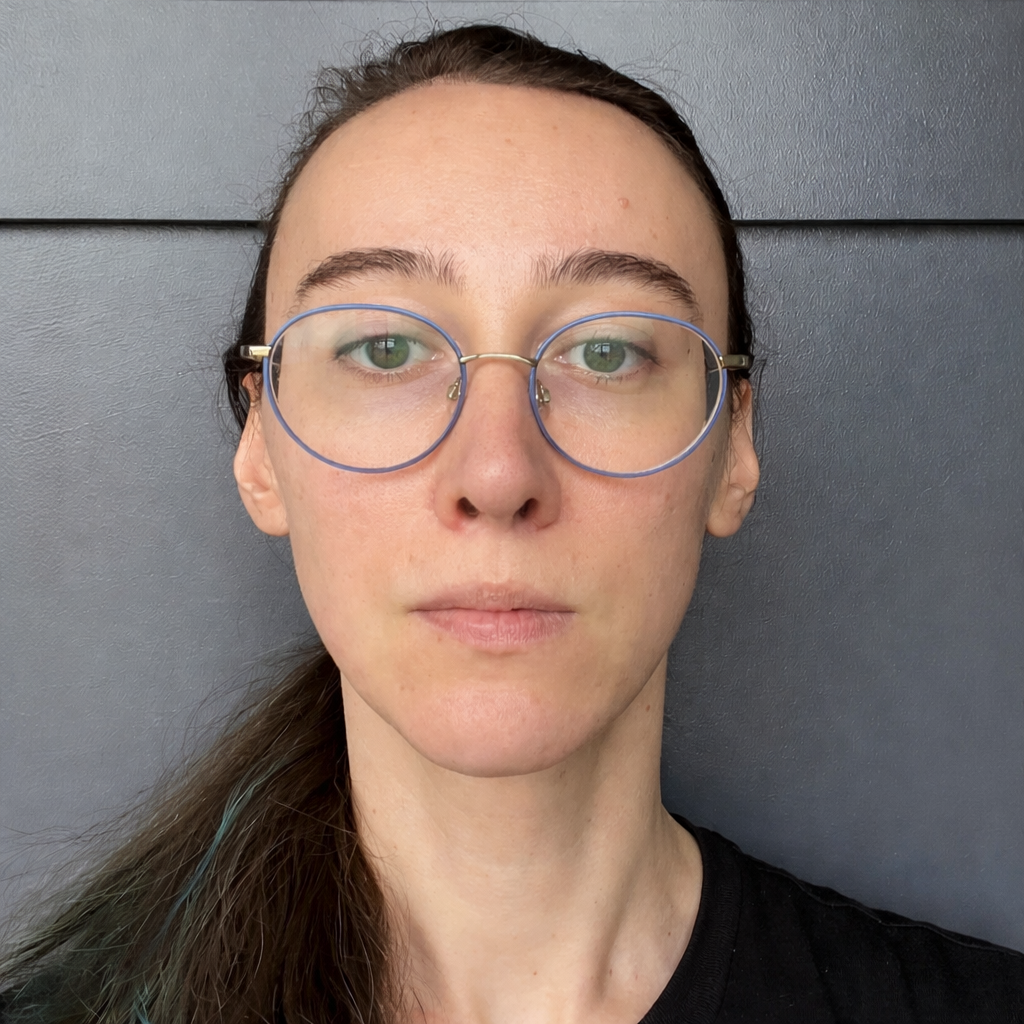
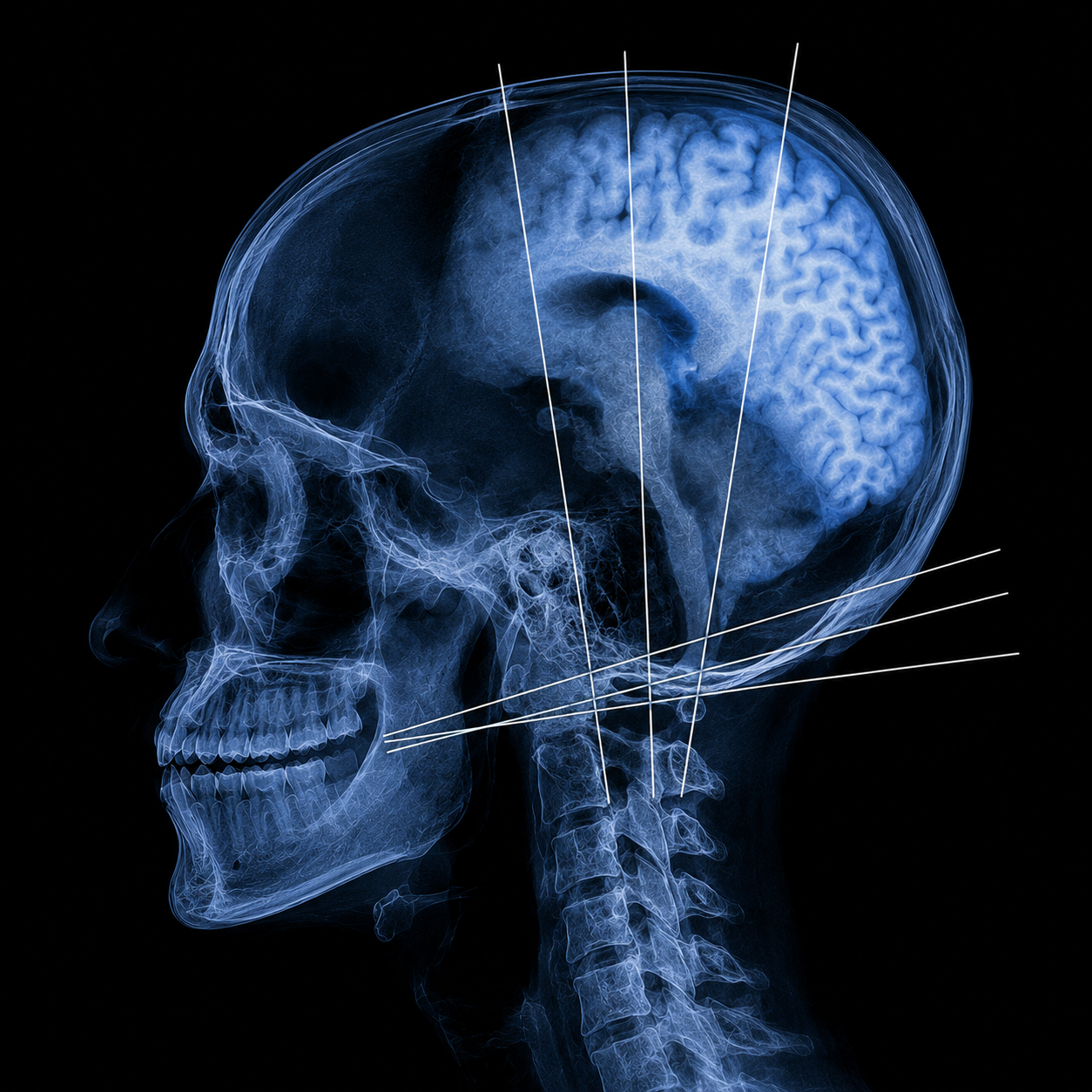
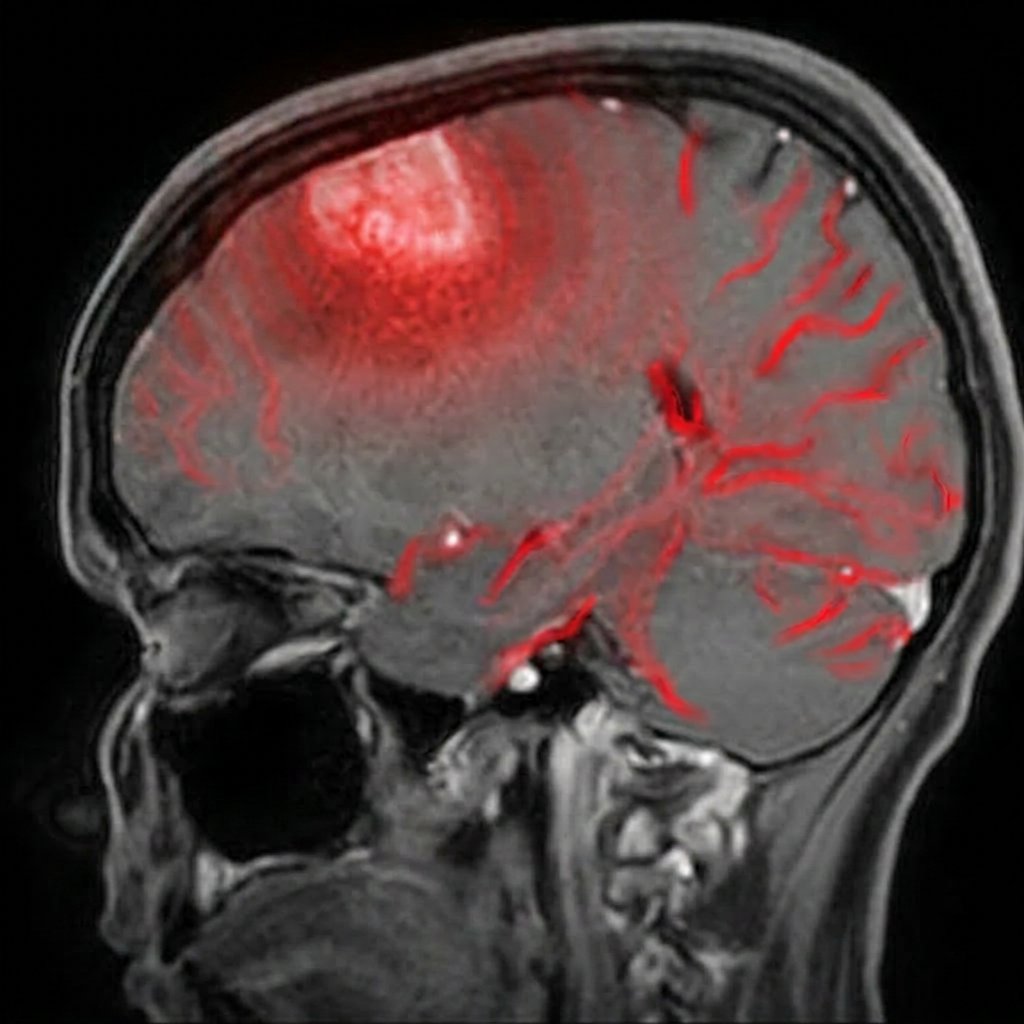
If you have hEDS, hypermobility, POTS, or any combination of "the Trifecta" — and your morning migraines started in your late 20s before anyone even connected them to your connective tissue — I want you to read this. Because your migraines are not a coincidence comorbidity. They are a direct mechanical consequence of the one structure your rheumatologist and your neurologist have never coordinated to examine. My name is Sarah. I am 47. I was diagnosed with hEDS at 38 after 19 years of being told I was "double-jointed" and "just flexible." Beighton score 7 out of 9. POTS diagnosed at 41 after a tilt-table at Mayo. MCAS suspected, not formally diagnosed. The trifecta. My morning migraines started at 28. A full decade before I had a name for what was wrong with my body. By the time I was diagnosed with hEDS at 38, I had already been cycling through the standard migraine protocol for 10 years. Nobody on either side — not the neurologists who came first, not the rheumatologists who came later — ever went back and connected the migraines to the connective tissue. The migraines were already in the system as a separate diagnosis. They stayed there. By 47 I had seen 5 neurologists, 3 rheumatologists, and 2 geneticists across 19 years. Not one of them ordered upright cervical imaging. Not one of them examined the C1-C2 joint while my head was in the position it spends 8 hours in every night. I learned 9 months ago that the morning migraines I had been chasing through the standard migraine protocol for 19 years were a mechanical consequence of upper cervical joint instability that nobody on either care team had ever looked at in the position where the damage was actually happening. I am writing this because if you have read enough zebra-hEDS forums to know the term "craniocervical instability" and you have been told by your neurologist that your migraines are unrelated to your connective tissue disorder — you are being told that by someone who has not read the literature published in the last 3 years. And if your migraines started years before your hEDS diagnosis, which they do in most of us, there is a reason nobody went back to reassess them through the connective tissue lens. It is not a medical reason. It is a billing reason. Here is the ledger before I figured it out. 5 neurologists in 19 years. The first put me on Topamax and I lost words mid-sentence at dinner for 3 months straight. The second cycled me through Aimovig at $743 a month after my insurance denied 3 appeals. The third made me wait 14 weeks at Mayo for a 22-minute appointment and never looked up from his laptop. The fourth said the magic phrase: your imaging is unremarkable for your age. The fifth said this preventive is good for weight loss too if that interests me. I sat in the parking lot for 40 minutes after that one. Did not cry. Felt worse than crying. $8,200 spent on the neurology side alone across 19 years. 5 rounds of Botox at $500 each that worked for 14 days then wore off because hEDS bodies metabolize Botox in roughly half the time of non-hEDS bodies — which my neurologist had never mentioned. The trigger diary. The low-histamine diet that ran 11 months. The Allay Lamp at $299. The FL-41 lenses. The $480 functional medicine appointment that told me to cut nightshades. And then there was the rheumatology side. The compression stockings at $89 a pair for POTS. The IV saline infusions at $340 each. The low-dose naltrexone for suspected MCAS. The $440 specialty cardiologist who confirmed POTS but had no opinion on the migraines. The salt loading. The propranolol that helped the POTS and made the migraines worse. Two separate care teams. Two separate diagnostic codes. The same patient. Nobody connecting the upper cervical joint that explained both. And because the migraines had been in my chart for a decade before the hEDS diagnosis arrived, nobody ever questioned whether they belonged on the same problem list. Here is what I learned that made me furious. The trigeminocervical complex is a nerve junction at the base of your skull where the cervical nerves from C1 through C3 share the same signaling pathway as the trigeminal nerve in your face. They feed the same pain circuit. In a non-hEDS body, the ligaments holding the C1-C2 joint stable have an elastic limit that protects the joint from over-rotation during sleep. In an hEDS body, those ligaments are inherently lax. When your head settles on a regular pillow, those upper cervical joints rotate further than they should. The nerves are compressed for 8 hours every night. Not 8 minutes. 8 hours. By morning the trigeminocervical complex has been firing in continuous cycles for the entire sleep period. You are not waking up with a migraine. You are waking up at the end of one. And here is why it starts in your late 20s. The ligamentous laxity in hEDS is present from birth. But the compensatory muscle tone that holds your cervical spine in place despite the lax ligaments begins to decline in your mid to late 20s. The joints start to drift further during sleep. The compression window opens. The migraines begin. This is why hEDS migraines cluster in the late 20s and early 30s — not because of hormones, not because of stress, but because the muscular scaffolding that was compensating for the lax ligaments is no longer holding through 8 hours of sleep. And the part that made me sit on the kitchen floor: the same compression is also restricting vertebral artery flow at the upper cervical junction. In an hEDS body, where the vertebral artery is already more vulnerable, this is the exact mechanism researchers have flagged for higher stroke risk in zebras over 45. Bragatto and Bevilaqua-Grossi, Journal of Headache and Pain, 2023: sustained cervical decompression at C1 through C3 reduced chronic morning migraine frequency by more than 50 percent in 84 percent of patients within 30 days. The hEDS subgroup analysis was not included in the main paper. It was published as a supplementary appendix that nobody on my care team had read. I tried 3 cervical pillows in 8 months. A memory foam contour from Costco. A Tempur-Pedic ergonomic at $189. A buckwheat hull at $129. All three failed for the same reason every standard cervical pillow fails an hEDS body — they are engineered for an average cervical curve, not a hypermobile one. By 2 AM all three had collapsed. The compression resumed for the most damaging hours between 3 AM and 6 AM. I almost gave up. I had spent another $507 on pillows and was still waking up at 4 AM with the body scan running before I opened my eyes. Then I found one that worked on a hypermobile cervical spine because of how it was engineered, not in spite of it. Three simultaneous inputs no other pillow delivered. Anatomical contouring at C1 through C3 specifically — the exact vertebrae where hEDS instability sits. Sustained alignment through the full 8-hour sleep cycle, not just at sleep onset — because hEDS joints subluxate slowly through the night, not at lights-out. Adaptive fiber that does not collapse under head weight — memory foam loses approximately 40 percent of its support within 90 minutes, which means hEDS bodies are unsupported during the hours their joints drift furthest. The brand is Éloura. The pillow is the CerviSoft. $57.95. 90-night money back. The first night I felt the difference at C1 immediately. A specific holding at the base of my skull I had never felt from a pillow. Like the joint was finally being held in alignment instead of falling into the rotation I had been correcting in my sleep all night. Week 2 I made coffee and did not do the body scan first. I noticed three hours later that I had not done it. Week 4 my husband Jason said: you have been weird this week. He said: you came down to dinner two nights in a row. Week 9 I went back for a follow-up PET-SPECT. Inflammation at C1 through C3 had reduced by approximately 65 percent. The radiologist said: I do not often see this kind of change without surgical intervention. What did you do? I told him about the pillow. He wrote it down. My migraine frequency went from 14 mornings a month to 2. My POTS symptoms also reduced — likely because the vertebral artery compression that had been contributing to morning orthostatic intolerance was no longer happening for 8 hours every night. The body scan ritual is gone. I have not taken a triptan in 5 months. I have not needed IV saline in 4 months. I want to be clear about what this is and what it is not. It is not a cure for hEDS. Hypermobility is genetic. The connective tissue is what it is. It is not a replacement for your current medications. When your frequency drops, bring the data to both your neurologist and your rheumatologist and ask about coordinating taper under supervision. Do not stop preventives on your own. It is not instant. The 90-night window exists because hEDS bodies take longer to remodel surrounding muscle tone than non-hEDS bodies. If you have hEDS, POTS, or MCAS — and your morning migraines started in your late 20s or early 30s, years before you had a diagnosis that explained why — please understand that the upper cervical joint is the structural common denominator. The mechanism is mechanical. It cannot be patented. So the fix was never integrated into either protocol. The Éloura CerviSoft delivers the three simultaneous inputs the upper cervical region requires in a hypermobile body. C1 to C3 anatomical placement. 8 hour sustained alignment. Adaptive fiber that holds through the full sleep cycle. 90-night money back. If your mornings do not change, every dollar back. P.S. Two care teams. One body. 19 years. The joint that explained both was sitting between them. Nobody touched it. And because the migraines arrived a decade before the diagnosis, nobody ever went back to connect them. If you have been zebra for years and you have been told the migraines are just another comorbidity — they are not. They are the joint nobody has examined while you sleep. You know now. — Sarah Mitchell, 47 Phoenix, AZ
Like this ad? Make it yours.
Crush rebuilds this exact creative around your product — your brand, your colors, your offer — in about a minute.